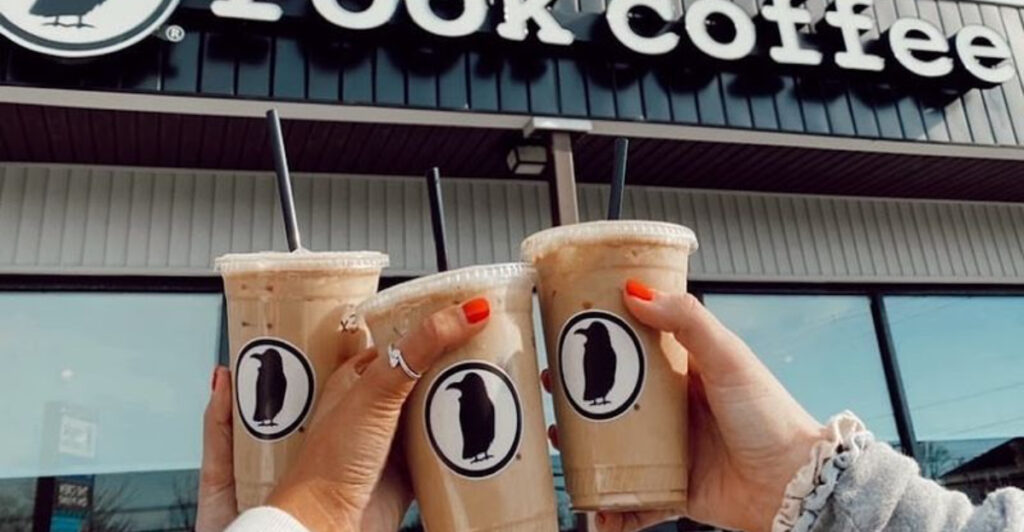
A black bird sticker on the bumper can soften even the most aggravating Garden State Parkway encounter. Around the Jersey Shore, that simple silhouette means the driver ahead probably knows the difference between ordinary iced coffee and a cup of Rook.
What began in 2010 inside a 300-square-foot Oakhurst shack has grown into an 11-location coffee company with nationwide shipping, seasonal releases, branded sweatshirts and customers who treat New Orleans Style cold brew like a household necessity.
The rise did not happen because Rook tried to become a sprawling café with sandwiches, couches and a menu requiring several minutes of study.
Founders Holly Migliaccio and Shawn Kingsley went in the opposite direction. They kept the stores compact, brewed coffee with unusual care and built an identity that felt unmistakably local.
Sixteen years later, Rook is no longer merely a place to grab caffeine before work or the beach. It has become one of the Shore’s most recognizable rituals.
How Two Childhood Friends Traded Corporate Careers for a 300-Square-Foot Coffee Shack
Before Rook had production facilities, online subscriptions or a small flock of stores, Holly Migliaccio and Shawn Kingsley were two Monmouth County natives trying to figure out whether successful careers were supposed to feel more satisfying.
The longtime friends had attended high school in West Long Branch before heading to different colleges and eventually landing in Manhattan.
Migliaccio worked in sales and marketing, while Kingsley entered finance. Their paths crossed again at Penn Station, where an unexpected reunion led to exchanged numbers, regular dinners and increasingly serious conversations about building something of their own.
Coffee became the answer, although neither had the safety net of a giant investment group or a proven franchise system. Starting in New York looked difficult and expensive, so they turned back toward the place they understood best.
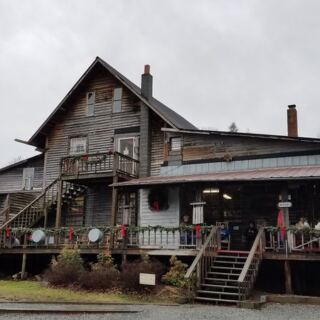
The Jersey Shore offered family, friends, familiar towns and the kind of community support that is difficult to manufacture. While searching for a storefront, Migliaccio noticed a tiny building with a for-sale sign while driving through Oakhurst.
The little structure was close to Asbury Park and Monmouth University, with Shore traffic moving through the surrounding area all year. It measured roughly 300 square feet, which was barely enough room for the equipment, employees and customers who would soon squeeze inside.
Still, the limitations helped clarify the idea. This would not be a sprawling coffeehouse filled with upholstered chairs and people guarding electrical outlets for six hours.
It would concentrate on carefully selected beans, freshly brewed cups and friendly service. Rook opened in January 2010, with Kingsley handling much of the early roasting and brewing while both founders worked through the endless jobs that come with a new small business.
There was no guarantee that Jersey Shore customers would embrace specialty coffee served from a shack. By that summer, however, the shop had become busy enough to run out of hot water during one memorable rush.
The experiment was beginning to look much less like a gamble.
The Tiny Oakhurst Shop That Introduced the Shore to a Different Kind of Coffee
In January 2010, ordering an interesting coffee at many local shops meant choosing between hazelnut syrup and French vanilla. Rook arrived with a noticeably different proposition.
Its original Oakhurst store, now affectionately known as Little Oakhurst, introduced customers to single-origin beans and a pour-over system that prepared individual cups to order.
Rather than letting coffee sit in a large urn until someone bought it, the team emphasized freshness and encouraged people to notice how beans from Ethiopia, Costa Rica, Colombia or Sumatra could taste genuinely different from one another.
That approach required a little education. Specialty coffee language was not yet part of every commuter’s vocabulary, and cold brew had not taken over refrigerator shelves across America.
Migliaccio and Kingsley had to meet customers, explain what they were doing and convince locals that waiting for a freshly prepared cup was worthwhile. The shack itself reinforced the point.
There was no room for a complicated kitchen, a pastry program or a dozen blender drinks. Rook focused on coffee and kept the experience moving, a model that fit the Shore particularly well.
Customers could stop on the way to work, Monmouth University, Asbury Park or the beach without turning a caffeine run into a lengthy sit-down appointment. Simplicity eventually became one of the company’s defining principles.
The current menu still avoids the sprawling, heavily customized format associated with national chains. Hot options revolve around carefully roasted single-origin coffees, while the cold side stays focused on a handful of recognizable styles and rotating limited releases.
Even as Rook grew, its shops remained largely built for grabbing a cup and continuing with the day. That original Oakhurst location did more than establish a business.
It taught a generation of Shore customers to expect coffee that had been selected, roasted and brewed with intention, even when it came through the window of a building smaller than some suburban garages.
New Orleans Cold Brew Became the Drink That Put Rook on the Map
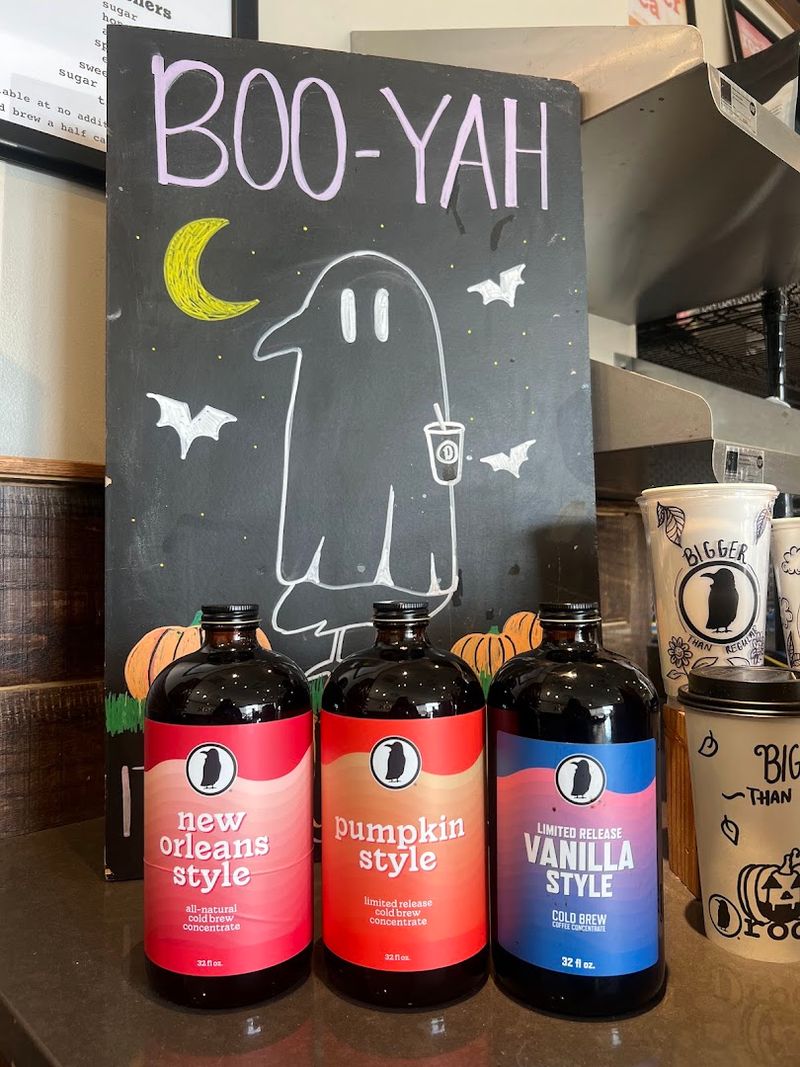
Ask a committed Rook regular for the essential first order, and New Orleans Style will probably enter the conversation quickly. The company describes it as its longtime number-one favorite, and the drink has the kind of bold personality that creates loyalists.
Dark-roasted specialty coffee is blended with chicory and steeped in cold, filtered water, producing a full-bodied concentrate with dark chocolate, smoky and slightly woodsy notes. There are no added sugars, sweetening syrups or preservatives in the concentrate itself.
The richness comes from the roast, the chicory and the slow brewing process. In a store, milk and sweetener can transform it into something that tastes remarkably close to melted coffee ice cream, but the base remains unapologetically strong.
At home, Rook recommends starting with equal parts concentrate and milk, or using water for a black version that does not hide the darker flavors. The appeal goes beyond strength.
New Orleans Style delivers the smoothness people expect from cold brew while avoiding the thin, watered-down character that can ruin ordinary iced coffee by the time the ice begins to melt. It also gave Rook a signature item that customers could name, recommend and build routines around.
Traditional Style offered a brighter option for black-coffee drinkers, while Mocha, Vanilla, Cinnamon Vanilla, Mocha Mint and other rotating flavors expanded the cold lineup. New Orleans remained the benchmark.
Cold brew also helped Rook move beyond the physical reach of its shops. The company began shipping its cold brew in 2019, then leaned more heavily on online ordering, local delivery and its app during the pandemic.
Refrigerated bottles and larger brew boxes now allow customers far beyond Monmouth and Ocean counties to keep the concentrate at home. The product that once required a stop at a tiny Shore counter can now arrive chilled on a doorstep hundreds of miles away, but its identity remains tied to those early Oakhurst cups.
A Simple Black Crow Logo Turned Customers Into a Loyal Coffee Community
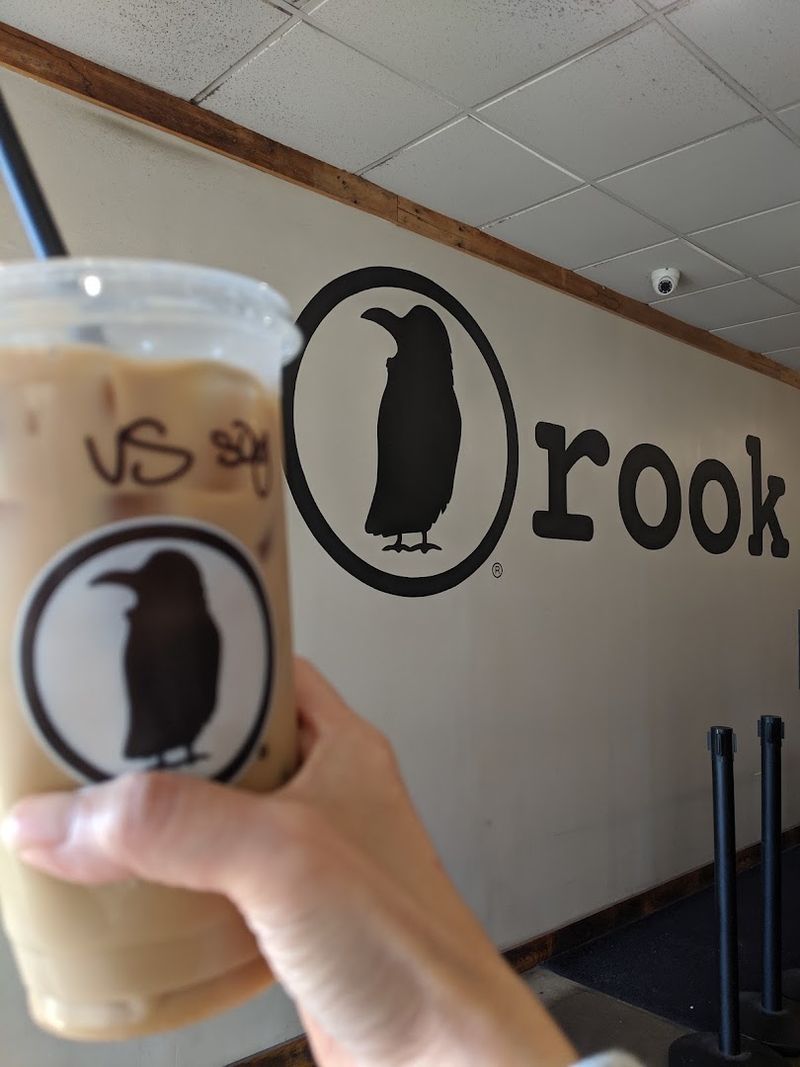
You can spot Rook fandom before the coffee even appears. The black bird logo shows up on rear windows, laptops, reusable cups, hats, beach gear and enough Garden State Parkway bumpers to qualify as an unofficial traffic survey.
It is clean, bold and readable from several car lengths away, which has helped it become far more than a mark printed on a cup. Around Monmouth County, the bird acts like a small signal between people who share the same morning habit.
There is even a running joke among fans that getting cut off on the Parkway feels slightly less offensive when the offending vehicle has a Rook sticker. That kind of brand recognition cannot be created through a logo alone.
The stores built loyalty through consistency and a staff culture that made hurried coffee runs feel personal. The branding simply gave that community something visible to rally around.
Rook also understood that Shore residents enjoy representing local favorites almost like hometown sports teams. A small sticker could say that someone knew the original Oakhurst shack, had a preferred cold brew order and probably had opinions about the best limited flavor.
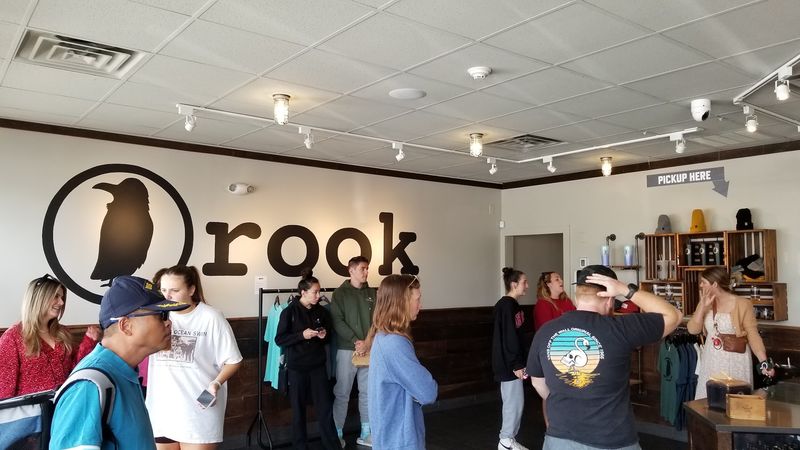
Merchandise grew naturally from there. The company sells everything from inexpensive $3 stickers and air fresheners to logo T-shirts, mugs, trucker hats, crewnecks and even a plush Rook dog toy.
None of it feels disconnected from the main product because the bird was already appearing everywhere customers could place it. Social media releases, seasonal designs and collaborations have kept the merchandise changing without abandoning the instantly recognizable silhouette.
The result is a rare kind of local visibility. Plenty of coffee companies sell branded shirts, but relatively few can make a monochrome bird on a rear windshield feel like evidence of Shore citizenship.
Rook’s fans did not merely return for coffee. They carried the company into parking lots, offices, gyms and traffic jams, turning thousands of ordinary daily encounters into quiet advertisements for a homegrown New Jersey brand.
Eleven Shore Locations Proved the Hype Was Bigger Than a Summer Trend
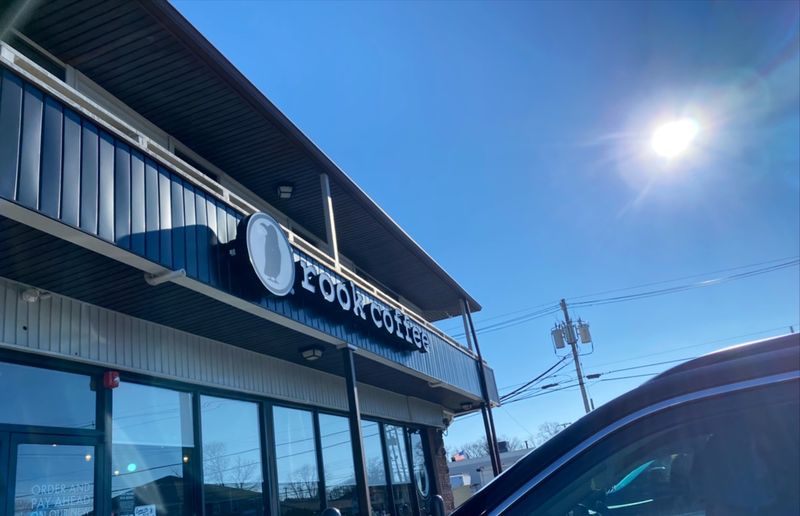
A beach-season curiosity does not keep expanding for more than a decade into towns where January mornings are decidedly not beach weather.
Rook now operates 11 brick-and-mortar shops across Monmouth and Ocean counties, including two locations in Oakhurst and stores in Colts Neck, Freehold, Holmdel, Long Branch, Little Silver, Manalapan, Point Pleasant, Red Bank and Wall.
That map tells an important part of the story. Some locations serve coastal traffic, but others sit within year-round suburban communities where regulars are stopping before work, school drop-off, errands and weekend games.
The company became a Jersey Shore institution because it built itself into ordinary local routines rather than depending entirely on vacation crowds. Expansion also tested whether the experience could survive outside the original shack.
A business known for small stores and a streamlined menu still had to make coffee taste consistent across multiple towns, supply each counter with freshly roasted beans and train employees to deliver the same upbeat service.
Rook developed its Long Branch roasting and production operation to support that network, while keeping the retail concept relatively simple.
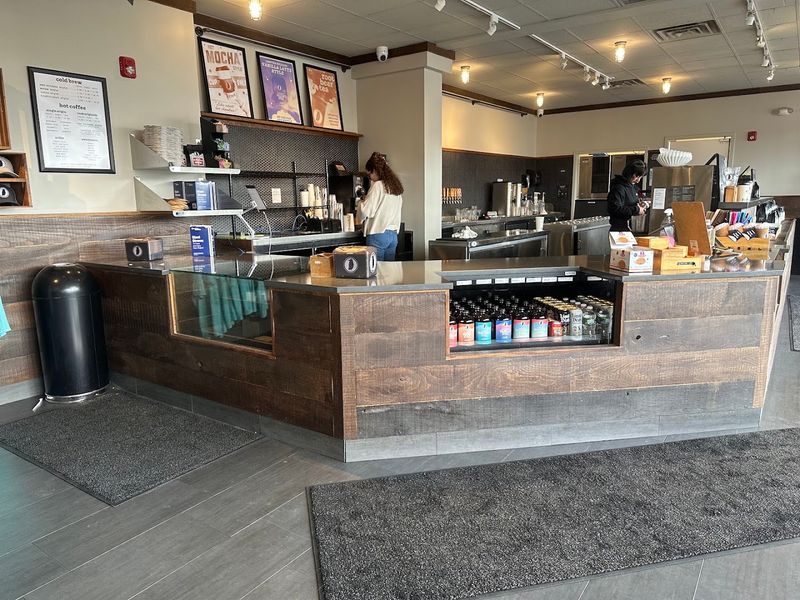
The company’s shops do not attempt to become full restaurants. Coffee remains the center of attention, supported by limited snacks, merchandise and efficient pickup.
Digital ordering through the Rook app made the process even faster, particularly for customers who know their order well enough to place it before leaving home.
Nationwide e-commerce added another layer of growth, shipping roasted coffee and cold brew to people who moved away, discovered the brand on a Shore vacation or simply refused to let geography interrupt their New Orleans Style supply.
Even the disruption of COVID-19 did not erase the following. Rook shifted employees into packing and delivery roles, strengthened its app-based ordering and kept finding ways to place coffee in customers’ hands.
By 2026, the official location count remained at 11, proof that the original rush was not a brief novelty. The tiny Oakhurst shop had developed into a regional network without losing the grab-and-go rhythm that made it work in the first place.
The New Tinton Falls Brewery Is Setting Up Rook’s Next Major Chapter
Rook’s next leap is not centered on a stylish new café or an oversized flagship store. It is about producing much more cold brew without making the coffee taste as though it came from a factory.
The company announced an 11,000-square-foot headquarters and cold brew facility on Shafto Road in Tinton Falls, a major upgrade from the production setup that helped support its first 11 stores.
The space was designed with 30-foot ceilings, an open floor plan and modern brewing and automation equipment capable of at least doubling cold brew capacity.
Calling it a brewery may cause brief confusion in a state filled with craft beer taprooms, but the tanks here are devoted to Rook’s concentrated coffee. The expansion separates major parts of the operation more efficiently.
Cold brew production, online fulfillment and headquarters functions gain dedicated room in Tinton Falls, while the existing facility on Third Avenue in Long Branch continues handling hot-coffee roasting and packaging.
Roughly 3,500 square feet of the new building was planned for offices, giving leadership and administrative teams a shared workspace instead of placing them in fragmented areas around active production.
More room also means faster experimentation. Rook expects the upgraded equipment and research space to make developing limited releases easier, while automated systems reduce repetitive physical work and allow the production team to focus more closely on quality control.
The e-commerce operation stands to benefit as well. Refrigerated cold brew requires careful production, storage and fast shipping, and a more organized facility gives the company room to handle larger national demand.
President Brandon Purcelly emphasized during the expansion announcement that the goal was greater capacity without changing the product customers already knew. That balance defines the challenge ahead.
Rook grew because a tiny team obsessed over coffee inside a 300-square-foot shack. Its future now depends on bringing that same attention to a building more than 36 times larger, where the next generation of Jersey Shore cold brew will be mixed, packed and sent out into the world.
Share this story