A plate of fried goat cheese arrives with warm blueberry-basil compote and local honey, while a few steps away, family heirlooms share shelf space with antiques and goods made by New Jersey artisans. That combination would feel scattered almost anywhere else.
At The Farmer’s Daughter in Newton, it makes perfect sense. Owner and executive chef Kristi Shotwell Vait built the Spring Street restaurant around the meals, people, and traditions that shaped her childhood.
The result is part dining room, part market, and part family scrapbook—only this scrapbook comes with summer cioppino, buttery biscuits, and thick brioche French toast.
Menus move with the seasons, Sussex County growers receive real billing, and Sunday brunch feels pleasantly removed from the usual eggs-and-mimosa production line.
Even the old-fashioned reservation system fits the mood. This is a restaurant where personal history is not merely framed on a wall. It shows up at the table, one thoughtfully assembled plate at a time.
The Farmer’s Daughter Turns Kristi Shotwell’s Childhood Memories Into a Menu
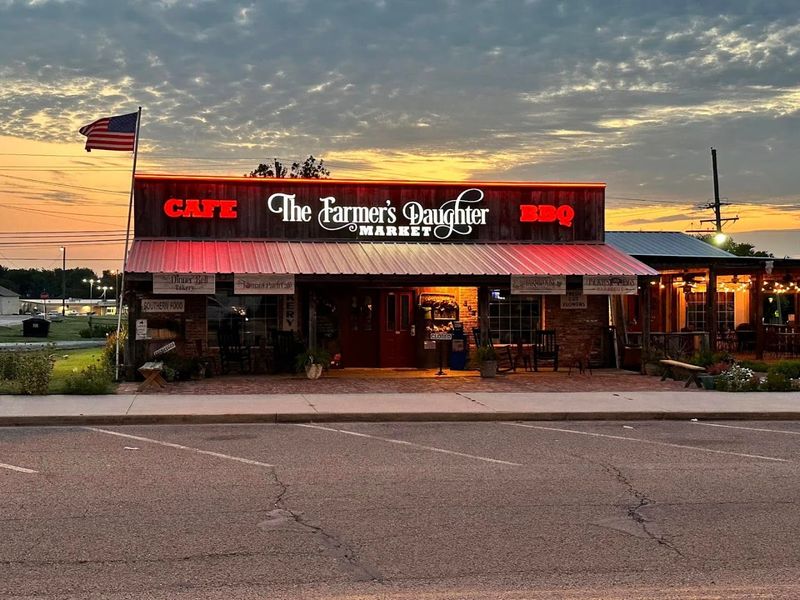
Long before there was a dining room at 161-165 Spring Street, there were family gatherings built around cooking, fresh ingredients, and the kind of dishes people remember years later. Shotwell Vait has said those gatherings became the foundation for The Farmer’s Daughter.
Her upbringing also carried the practical lessons behind the nostalgia: affection for animals, admiration for her grandparents, respect for hard work, and a preference for food that is local, homegrown, and homemade. She did not simply borrow a farmhouse look and attach it to a New American menu.
She used her culinary career to reinterpret the food memories she already had. That difference explains why familiar ingredients rarely arrive in completely predictable forms.
A summer supper might begin with a grass-fed meatball tucked into creamy risotto with white truffle sauce, followed by crispy chicken Romano finished with brown butter, garlic cream, herbs, and a generous layer of Parmesan.
Lunch can take the form of a Monte Cristo made with turkey, bistro ham, Gruyère, raspberry mustard, and egg-battered bread.
These are recognizable comforts, but nobody in the kitchen is sleepwalking through them. The restaurant’s name carries the same personal weight.
Shotwell Vait is not using “farmer’s daughter” as a decorative phrase meant to look good beneath a painted rooster. It points back to the family, land, and work ethic that informed her approach to hospitality.
Her background and professional experience eventually came together in both a restaurant and retail space, allowing the story to extend beyond the plate. That is why dinner here can feel surprisingly intimate even when the food is polished.
The menu may feature tuna tartare, burrata with peppered berry compote, or lamb with a cherry and red-wine glaze, but the emotional center remains a family table where good ingredients were treated with care.
Family Heirlooms and Local Artifacts Fill the Rustic Newton Dining Room
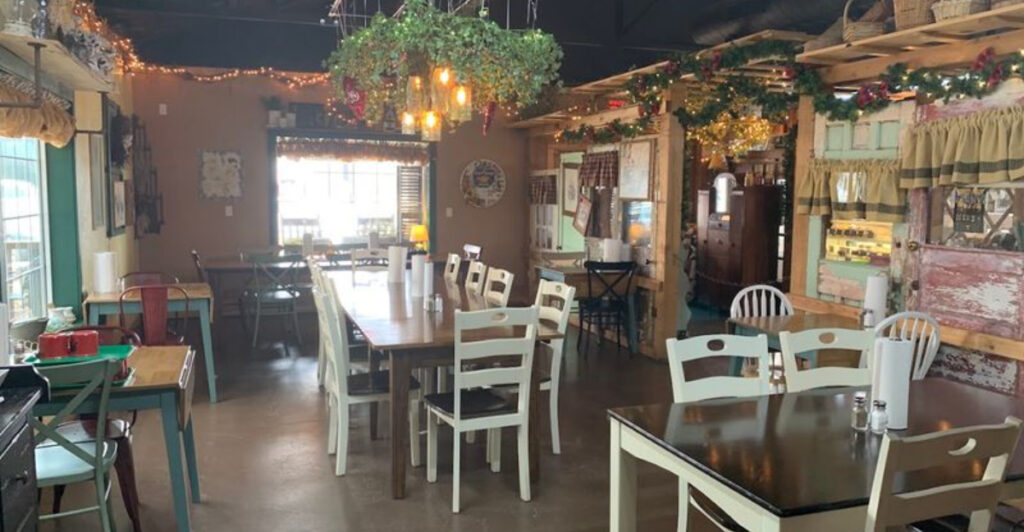
Step through the entrance and the word “rustic” finally earns its keep. The setting does not rely on mass-produced farmhouse signs or a few strategically placed mason jars.
Family heirlooms and local artifacts are part of the actual design, mixed into a space that also functions as a showcase for regional food and craftsmanship. The pieces give the room layers.
Some reflect Shotwell Vait’s family history, while others connect the restaurant to Sussex County and the generations that lived and worked there before downtown Newton became a dining destination. The result feels collected rather than decorated.
That distinction matters when you are settling in for a full meal. Instead of staring at a themed wall assembled from a catalog, guests are surrounded by objects that belong to the restaurant’s larger story.
Wood, vintage pieces, table settings, and merchandise work together without turning the room into an antique shop with soup. There is still enough polish for a birthday dinner or date night, but not so much that lunch requires a special occasion.
The relatively intimate scale helps, too. The restaurant strongly recommends reservations, although they are not mandatory, and availability for walk-ins depends on the time, day, and party size.
Reservations are handled by phone or in person, and the staff personally confirms them. Parties of five or more must provide a credit card, with a $100 fee possible for cancellations made less than 24 hours ahead or for no-shows.
That may sound unusually formal for such a relaxed room, but limited seating means an empty table has real consequences. Parking is more straightforward.
Spaces are available along Spring Street, behind the building near the Newton Municipal Building at Moran and Trinity streets, and on Adams Street. Meter payment is not required after 5 p.m. or on weekends.
Once inside, the town’s busy little commercial center seems to fade, replaced by a room that feels rooted in a much longer local timeline.
Seasonal Sussex County Ingredients Keep the Ever-Changing Menu Fresh
Sussex County is farming country, so a restaurant promising seasonal cooking here has plenty to live up to.
The Farmer’s Daughter backs up that promise by naming several of the producers and suppliers connected to its kitchen, including Tranquility Farms, Verdant Microgreens, and longtime specialty meat purveyor DeBragga & Spitler.
Brook Hollow Winery also appears among its regional partners. The lineup offers a useful clue about how the kitchen thinks: vegetables, greens, meat, and drinks are not separate talking points but parts of the same local network.
During summer, that approach becomes especially easy to taste. The midday menu leans into produce with $14 fried zucchini served alongside green goddess horseradish dip, a $16 garden flatbread spread with feta and ricotta, and a roasted peach and corn salad with arugula, queso fresco, red onion, and honey-lime vinaigrette.
Fried goat cheese gets a sweet-tart lift from warm blueberry-basil compote and local honey. Dinner pushes the same ingredients in richer directions.
Tranquility Farms ratatouille combines eggplant, summer squash, and tomato, while a petite filet comes with local succotash, Yukon Gold purée, lobster butter, and crispy onions. Pork belly is paired with peach compote and a Yukon Gold purée, and rack of lamb receives a summer cherry and red-wine glaze.
The point is not to put a farm name beside every carrot. It is to let the time of year shape what sounds good, what is available, and how the menu fits together.
That also means regulars cannot depend on ordering the same favorite forever. The restaurant describes its menu as ever-changing, and dietary accommodations may shift with it.
Vegetarian or vegan choices appear at times, with the kitchen doing its best to address individual needs. The reward for that uncertainty is a meal that belongs to its season.
A peach salad in July should taste different from a cold-weather plate in January, and here it does.
Lunch, Dinner, and Sunday Brunch Give Familiar Flavors a Creative Twist
At noon, the menu can be playful enough to turn a roast beef sandwich into a proper event. The current shaved ribeye version piles beef onto a seeded roll with béarnaise, fried potatoes, and caramelized onions.
Fish tacos use crispy haddock, summer slaw, creamy lime aioli, and grilled flour tortillas, while the eggplant caprese combines crisp eggplant with fire-roasted tomatoes, mozzarella, pesto mayonnaise, and grilled pinsa. Midday prices generally sit in the teens, making lunch the easiest introduction to the kitchen’s style.
Come back for dinner and the room takes on a more composed pace. A $40 summer cioppino brings together shrimp, mussels, clams, and fresh white fish in tomato-wine broth with grilled bread.
Cacio e pepe gnocchi delivers the pepper, cheese, herbs, and grated Locatelli expected from the name, but with enough richness to feel like a full $38 main. At the top of the menu, a $48 petite filet and an equally priced rack of lamb show that the restaurant can handle a celebratory supper without abandoning its farmhouse backbone.
Then Sunday resets the clock. Brunch runs from 10 a.m. to 2 p.m., with the final seating at 1 p.m.
The Farmer’s Breakfast keeps things classic with two eggs, bacon or sausage, fried potatoes, and toast for $16. Blueberry-banana French toast adds fresh fruit and vanilla whipped cream to thick brioche, while the summer scramble fills eggs with cheddar Jack and whatever the garden is offering.
Even avocado toast gets a little more thought than usual, topped with a boiled egg, heirloom tomato, fresh herbs, cotija, and everything seasoning. Lunch and dinner are served Wednesday through Saturday from 11 a.m. to 3 p.m. and 5 to 8 p.m., with earlier final seatings because the kitchen closes before the dining room does.
The restaurant does not currently offer takeout, so these dishes are designed to be eaten where the family story is actually being told.
The BYOB Policy Makes Every Celebration Feel More Personal
Bringing a bottle from home changes the rhythm of dinner before the first course arrives.
At The Farmer’s Daughter, the BYOB setup lets a couple open a wine saved for an anniversary, allows friends to bring the sparkling bottle everyone already loves, and keeps guests from choosing based on restaurant markup rather than preference.
It also suits the room. A bottle selected by the people at the table feels more natural among family artifacts and locally made goods than a towering cocktail menu would.
The kitchen offers plenty of pairing possibilities. A crisp white could work with tuna tartare, salmon pâté, or summer cioppino, while Pinot Noir would have enough flexibility for crispy chicken Romano or lamb with cherries.
A fuller red makes sense beside petite filet, pork belly, or the truffle-sauced risotto and meatball. Sunday brunch opens another lane entirely, especially for guests who want to bring sparkling wine to drink with biscuits and homemade jam, crab dip, or blueberry-banana French toast.
The policy has also made the restaurant useful for personal milestones. Diners have brought champagne for engagements and other celebrations, with the staff helping the occasion feel polished rather than improvised.
That kind of hospitality is small in scale but big in memory—the right glasses, an attentive server, and a bottle that already means something to the table. Guests should remember that the restaurant is intimate and currently does not host private parties or events.
Celebrations happen during regular à la carte service, which may actually preserve some of the charm. A birthday dinner remains part of the life of the dining room instead of disappearing behind a banquet-room door.
Reservations are especially sensible for these occasions, and the restaurant allows a 20-minute late-arrival window before a table may be released. The bottle may be yours, but the evening still runs on a small kitchen’s carefully managed clock.
A Curated Market of Antiques Gifts and Gourmet Treats Completes the Experience
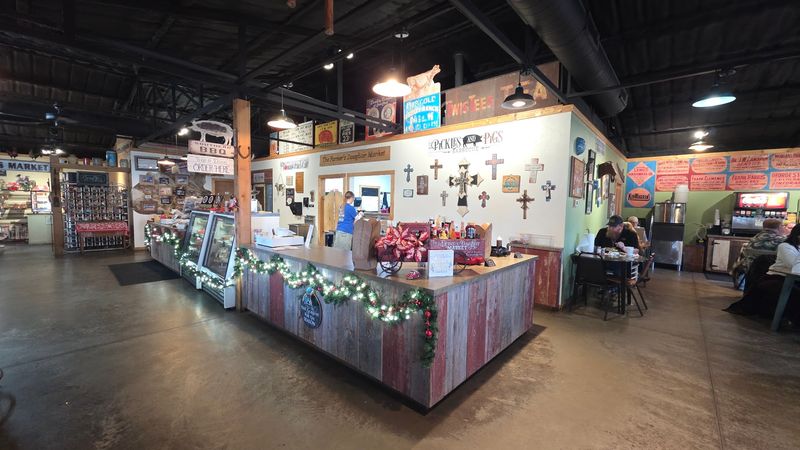
The meal is only one half of what Shotwell Vait created on Spring Street. The attached market extends the same family-and-community idea into a retail space filled with local products, antiques, gifts, gourmet foods, clothing, accessories, and home goods.
Displays are arranged among family heirlooms and regional artifacts, so browsing feels closer to wandering through a particularly stylish country pantry than crossing a restaurant gift shop on the way out.
The market works with artisans and small businesses from Sussex County and elsewhere in New Jersey, giving shelf space to items that have an actual connection to the region.
That makes it useful for more than souvenir hunting. Someone meeting a friend for lunch can leave with a hostess gift, a locally made accessory, an antique for the kitchen, or something edible for later.
Fresh baked goods have become part of the appeal as well, including cookies that give diners a final test of willpower after brunch or dinner. The caramel apple cookie has drawn particular attention, which sounds exactly like the sort of thing a person buys “for tomorrow” and finishes before reaching the car.
Market hours stretch slightly beyond restaurant service. It is open Wednesday through Saturday from 11 a.m. to 8 p.m. and Sunday from 10 a.m. to 2:30 p.m., while both sides are closed Monday and Tuesday.
That overlap allows guests to browse before a reservation or linger after the plates have been cleared. More importantly, the market prevents the restaurant’s story from ending at dessert.
The same values that guide the menu—family history, regional partnerships, handmade work, and respect for old things that still have life in them—continue across the shelves. A meal at The Farmer’s Daughter may begin with Shotwell Vait’s memories, but it ends among objects and flavors capable of becoming part of somebody else’s.
Share this story