Texas has changed a lot over the years, with big cities growing bigger and modern buildings replacing old-timey storefronts. But scattered across the state, you can still find places where the spirit of the Old West lives on, where cowboys, missions, and frontier life feel real instead of just something from a history book. These seven destinations let you step back in time and experience Texas the way it used to be, complete with dusty trails, historic buildings, and stories that shaped the Lone Star State.
1. Bandera
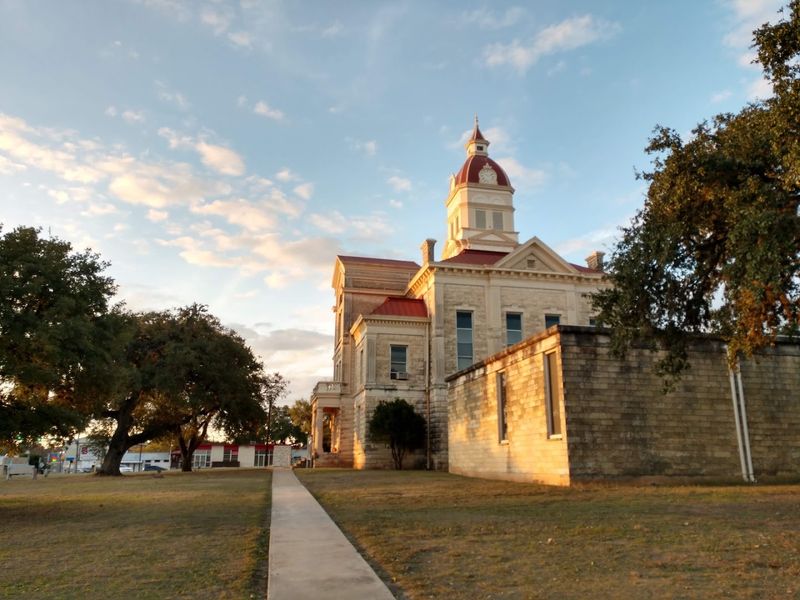
Known as the Cowboy Capital of the World, this Hill Country town hasn’t traded its spurs for shopping malls. Bandera still hosts real working ranches where guests can ride horses, rope cattle, and sleep under stars that seem close enough to touch. The town square looks like a movie set, except everything here is authentic, from the weathered wooden buildings to the locals who actually wear their boots for work, not fashion.
Rodeos happen regularly at Mansfield Park, where riders compete in events their great-grandfathers would recognize. You’ll see bull riding, barrel racing, and team roping performed by folks who grew up in the saddle. The crowd cheers from wooden bleachers while dust kicks up in the arena, creating a scene that hasn’t changed much since the 1800s.
Main Street features honky-tonks where you can two-step to live country music on weekend nights. These aren’t tourist traps with fake cowboy themes—they’re genuine Texas dance halls where generations of families have celebrated, argued, and made memories. The 11th Street Cowboy Bar has sawdust on the floor and longhorns mounted on the walls, earning its reputation as one of the oldest continuously operating bars in Texas.
Dude ranches surround the town, offering visitors a chance to experience ranch life firsthand. You can help move cattle, learn to rope, and eat meals cooked over open fires. The Mayan Ranch and Silver Spur Guest Ranch have been hosting guests since the 1950s, keeping traditional ranch hospitality alive when so many others have closed their gates.
The Frontier Times Museum downtown houses artifacts from Bandera’s past, including Native American tools, frontier weapons, and relics from the area’s early settlers. Walking through town, you’ll notice hitching posts still stand outside some businesses, and it’s not unusual to see someone arrive on horseback rather than in a pickup truck.
2. Fort Griffin State Historic Site (Albany)
Perched on a bluff above the Clear Fork of the Brazos River, these crumbling stone ruins tell stories of soldiers, buffalo hunters, and the wild frontier days of the 1860s and 70s. Fort Griffin served as a military outpost protecting settlers from raids and providing a base for operations during the Indian Wars. Today, the partially restored buildings and interpretive center transport visitors back to when this remote outpost represented civilization’s edge.
The fort’s location was strategic, overlooking miles of prairie where buffalo once roamed in massive herds. Now a state historic site, the grounds include restored officers’ quarters, enlisted men’s barracks, and a bakery building where soldiers once lined up for their daily bread rations. Stone chimneys and foundations mark where other structures stood, creating a ghostly outline of the fort’s original layout.
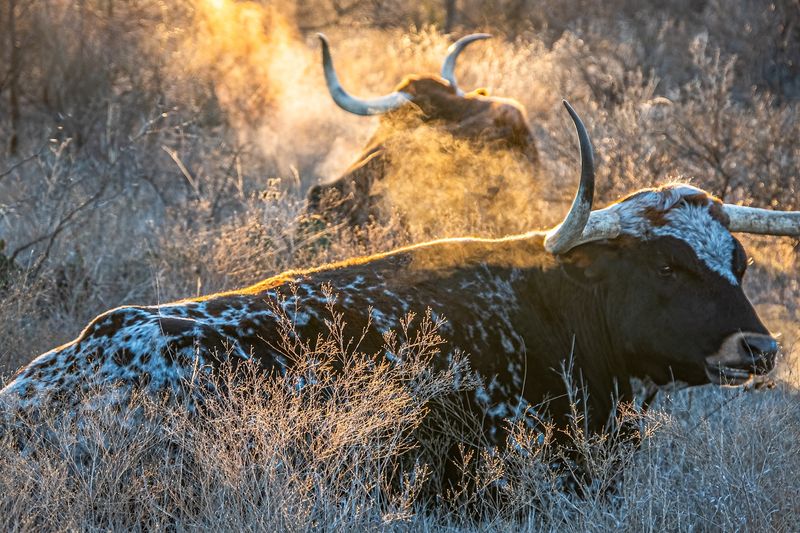
A small herd of Texas longhorns grazes on the prairie surrounding the fort, descendants of the cattle that made this region famous during the great trail drives. These aren’t pets—they’re semi-wild animals maintained to show visitors what the landscape looked like when cowboys pushed herds north to Kansas railheads. Their massive horns and lean frames reflect generations of survival in harsh conditions.
The nearby town of Fort Griffin, called “The Flat,” was once one of the wildest settlements in Texas. Gamblers, outlaws, and buffalo hunters crowded into saloons and dance halls, creating a reputation for violence and lawlessness. Doc Holliday and Wyatt Earp both spent time here before their famous gunfight at the OK Corral.
Today, only a few stone buildings remain from those rowdy days.
The visitor center displays artifacts recovered from the fort and town sites, including military buttons, whiskey bottles, and Native American items. Rangers lead tours explaining how soldiers lived, what they ate, and how they spent their time between patrols. The view from the fort’s hilltop position remains spectacular, showing the same vast Texas landscape that greeted soldiers over 150 years ago.
3. La Villita Historic Arts Village (San Antonio)
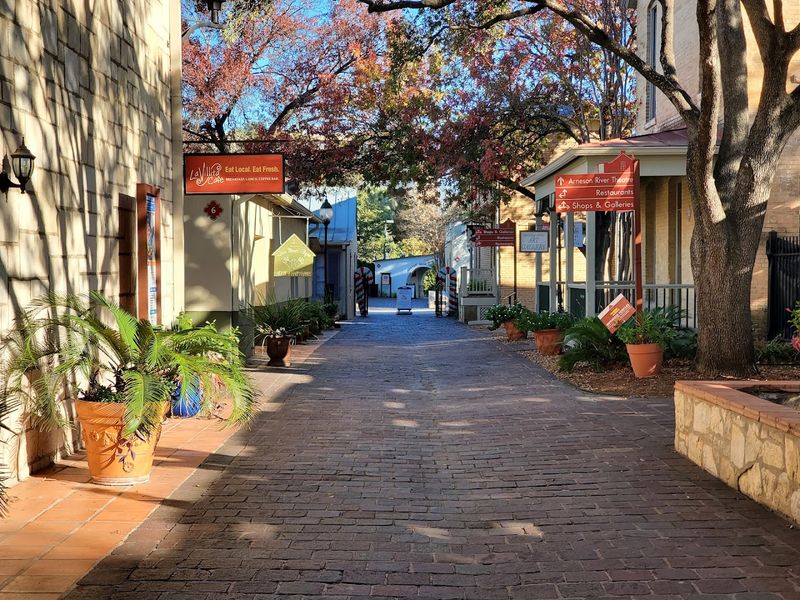
Tucked along the San Antonio River, this collection of adobe and stone buildings represents one of the city’s oldest neighborhoods. La Villita, meaning “little village,” started as a settlement for Spanish soldiers and their families in the early 1700s. The structures here survived centuries of floods, battles, and urban development, creating a time capsule of Spanish colonial and early Texas architecture that feels worlds away from downtown’s modern towers just blocks away.
Narrow cobblestone paths wind between buildings constructed from native limestone, adobe bricks, and cedar beams. The architecture reflects multiple periods of Texas history, from Spanish colonial times through the Republic of Texas era and beyond. Some structures feature thick walls designed to stay cool in summer heat, while others show German and Mexican influences from immigrants who settled here in the 1800s.
Today, artists and craftspeople occupy the historic buildings, operating studios and galleries where visitors can watch them work. Potters shape clay on wheels, painters create landscapes, and jewelers craft pieces using traditional techniques. This isn’t a staged tourist attraction—these are working artists who happen to create their art in buildings that have stood for centuries.
You can talk with them, watch their process, and purchase pieces directly from their hands.
The General Cos House, built around 1835, served as headquarters for Mexican General Martín Perfecto de Cos during the Texas Revolution. Its thick limestone walls and small windows reflect military architecture of that era. Walking through its rooms, you can almost hear the Spanish commands and smell the gunpowder from battles that decided Texas’s future.
During the mid-1800s, La Villita became home to European immigrants, particularly Germans, who added their architectural touches to existing structures. They built wooden balconies, installed shuttered windows, and created courtyards that blended European and Mexican design elements. The result is a unique architectural mix you won’t find anywhere else, showing how different cultures shaped early San Antonio into something distinctly Texan.
4. The Buckhorn Saloon & Museum (San Antonio)
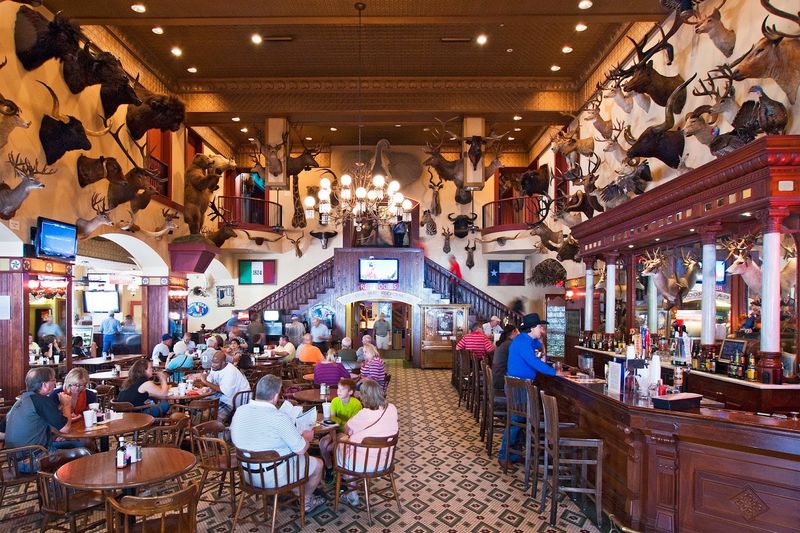
Walking into this place feels like entering a time machine that transported an Old West saloon into the 21st century. The Buckhorn opened in 1881 when Albert Friedrich accepted animal horns and hides as payment for beer, starting a collection that grew into one of the most unusual museums in Texas. The original bar still stands, its wood worn smooth by generations of elbows, surrounded by thousands of mounted animal heads, antlers, and taxidermy specimens that create a overwhelming visual experience.
The sheer number of mounted animals staggers first-time visitors—deer, elk, bears, African wildlife, and creatures from every continent crowd the walls and ceilings. Friedrich’s original collection included mostly Texas game, but later owners expanded it to include exotic species. A massive polar bear rears up near the entrance, while a two-headed calf and an eight-legged pig represent the stranger side of natural history.
It’s not subtle or minimalist; it’s a maximalist celebration of hunting culture and frontier curiosity.
The attached Texas Ranger Museum houses artifacts from the legendary law enforcement agency’s history. Guns, badges, wanted posters, and personal items from famous Rangers fill display cases. You’ll see weapons carried by both lawmen and outlaws, including firearms used in actual gunfights that shaped Texas history.
The exhibits don’t romanticize violence but show the harsh realities of frontier justice.
Downstairs, the Buckhorn Café serves Texas-style food in a space decorated with more taxidermy and Western memorabilia. You can order rattlesnake, alligator, or more traditional fare while sitting beneath mounted longhorns and vintage photographs. The menu hasn’t changed much in decades, sticking to recipes that fed cowboys, ranchers, and travelers when San Antonio was still a rough frontier town.
What makes the Buckhorn special isn’t just its collections but its refusal to modernize into something slick and polished. The displays feel crowded and chaotic, exactly like they would have in the late 1800s when saloons served as community centers, museums, and entertainment venues all at once. It’s gloriously excessive, unapologetically weird, and completely authentic to its origins.
5. Enchanted Springs Ranch (Boerne)
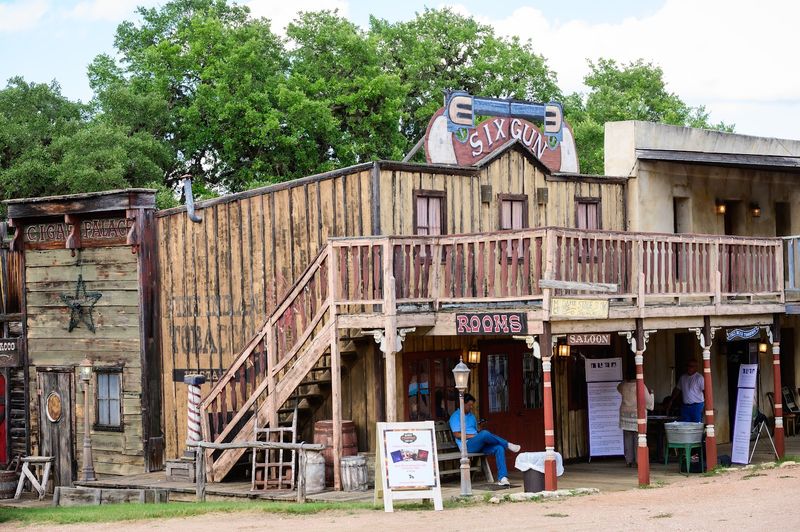
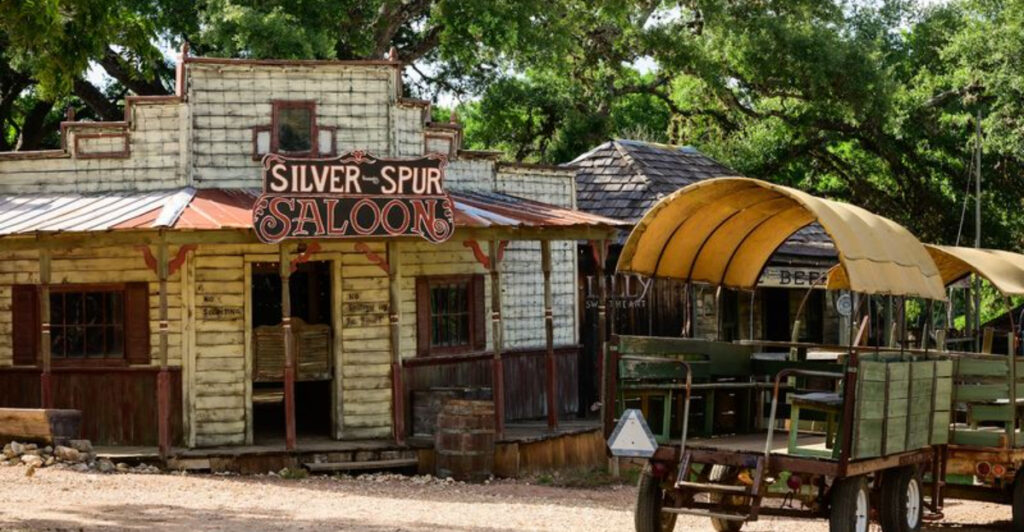
This working ranch recreates an 1880s Texas frontier town complete with wooden storefronts, a saloon, a jail, and dusty streets where actors stage gunfights and stagecoach robberies. But unlike theme parks that feel artificial, Enchanted Springs operates as an actual ranch with livestock, crops, and buildings constructed using historical methods. The weathered wood isn’t painted to look old—it genuinely aged under the Texas sun over decades of use.
The Old West town includes a general store stocked with period-appropriate goods, a blacksmith shop where you can watch metalworking demonstrations, and a one-room schoolhouse with desks and slates like frontier children used. Everything feels tangible and real because the owners sourced authentic materials and followed historical construction techniques. The saloon serves sarsaparilla from an antique bar, and the jail cells feature iron bars forged on-site.
Throughout the day, costumed performers enact scenarios from frontier life. You might witness a bank robbery, a trial at the courthouse, or a showdown between a sheriff and outlaws on main street. The actors stay in character, encouraging visitors to participate rather than just watch.
Kids can join a posse, help the blacksmith, or learn rope tricks from a cowboy, making history interactive instead of passive.
The ranch hosts special events throughout the year, including old-fashioned barn dances, chuck wagon dinners, and holiday celebrations that reflect how frontier families would have observed them. During these events, the town comes fully alive with music, dancing, and activities that don’t require electricity or modern technology. You can learn square dancing, try your hand at butter churning, or participate in a pie-eating contest.
Beyond the Old West town, the ranch includes nature trails, a petting zoo with heritage breed animals, and fishing ponds. The landscape remains undeveloped, showing what the Texas Hill Country looked like before highways and subdivisions carved it up. Oak trees, native grasses, and limestone outcroppings create scenery that hasn’t changed since settlers first arrived here in covered wagons, making it easy to imagine yourself transported back to frontier times.
6. Mission Concepción (San Antonio)
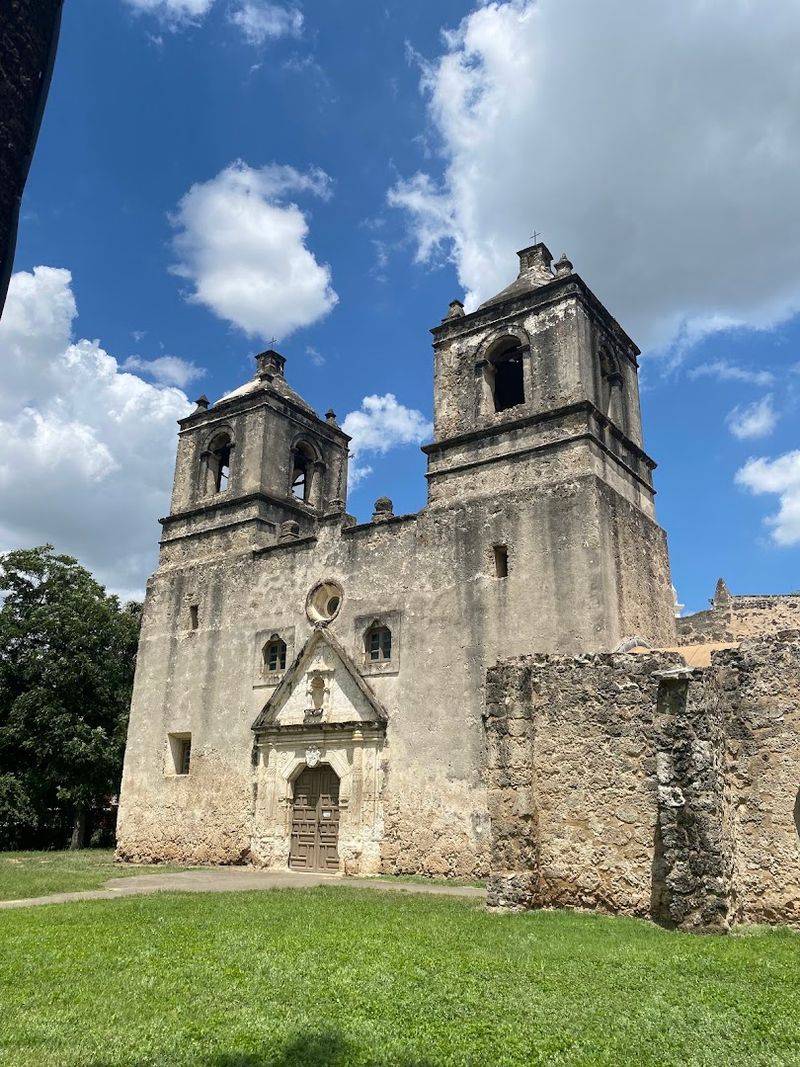
Standing before this Spanish colonial church, you’re looking at the oldest unrestored stone church in America, its walls and frescoes essentially unchanged since 1755. Unlike the famous Alamo, which was heavily reconstructed, Mission Concepción remains remarkably original. The limestone blocks, hand-carved wooden doors, and interior paintings survived nearly three centuries of weather, wars, and neglect, offering an authentic glimpse into Spanish missionary life in Texas.
The church’s twin bell towers and curved facade represent classic Spanish colonial baroque architecture, designed to impress and inspire Native Americans the Franciscan missionaries hoped to convert. Originally, colorful geometric patterns and religious scenes covered the exterior walls, though weather faded most of the outside paint. Inside, however, original frescoes still decorate the walls and ceiling, showing religious symbols and designs in earth-tone pigments made from local minerals and plants.
The mission complex included not just the church but also living quarters, workshops, granaries, and defensive walls where Spanish priests and converted Native Americans lived together. They farmed surrounding fields, raised livestock, and created a self-sufficient community. The priests taught European agricultural techniques, metalworking, and Christianity, while Native Americans contributed their knowledge of local plants, weather patterns, and survival skills.
This cultural exchange shaped Texas identity in ways still visible today.
Walking through the convento rooms where priests lived, you can see the thick walls that kept interiors cool during brutal summers. Small windows limited heat gain while providing defensive positions if the mission came under attack. The rooms remain spare and simple, reflecting the Franciscan commitment to poverty and humble living.
It’s a stark contrast to the ornate church, which received the community’s finest craftsmanship and decoration.
The mission sits within San Antonio Missions National Historical Park, where rangers offer tours explaining daily life, religious practices, and the complex relationship between Spanish colonizers and indigenous peoples. Standing in the church’s cool interior, surrounded by artwork created by hands that turned to dust centuries ago, you feel connected to Texas history in a way museums can’t replicate. This isn’t a recreation or restoration—it’s the real thing, miraculously preserved.
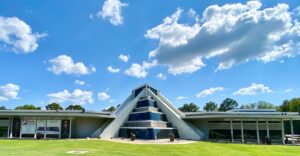
7. National Cowgirl Museum & Hall of Fame (Fort Worth)
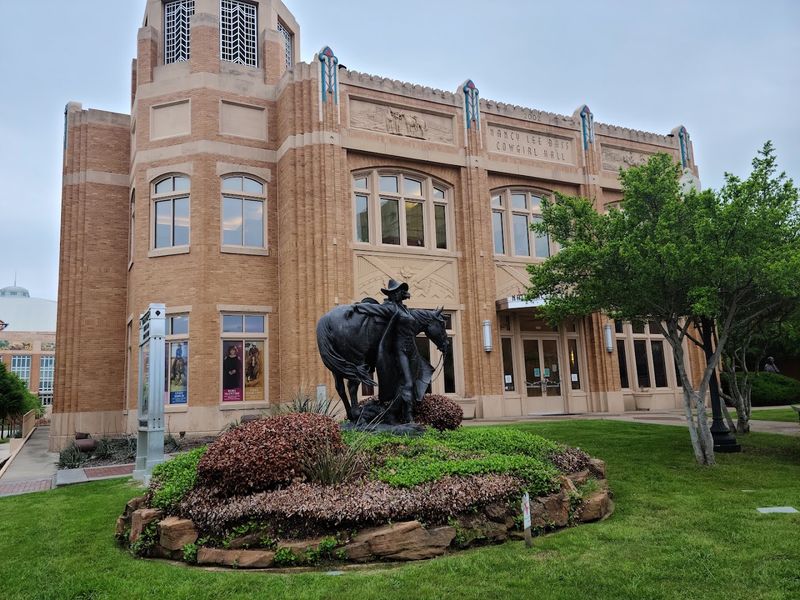
Fort Worth’s Cultural District houses this tribute to women who shaped the American West, from rodeo champions and ranchers to artists and activists. The museum challenges the male-dominated narratives typically told about frontier Texas, highlighting women who rode, roped, and ran cattle operations with as much skill as any cowboy. These weren’t sideline figures—they were central to building the cattle industry, homesteading the frontier, and creating the cultural identity Texas claims today.
Exhibits feature women like Lucille Mulhall, considered America’s first cowgirl, who could rope eight horses at once and outshoot most men. There’s Annie Oakley, whose marksmanship made her an international star, and Henrietta King, who managed the massive King Ranch after her husband’s death, expanding it into an empire. Each woman’s story reveals strength, determination, and abilities that defied Victorian-era expectations about what women could or should do.
The Hall of Fame honors over 200 women across multiple categories: ranchers, rodeo performers, artists, writers, and entertainers who embodied Western spirit. You’ll find trick riders who performed death-defying stunts, ranch owners who built cattle dynasties, and Native American women who preserved their cultures while navigating colonization. The diversity of honorees shows that Western women’s contributions crossed racial, economic, and cultural boundaries.
Interactive exhibits let visitors try roping, test their reaction time in a simulated barrel racing competition, and explore how Western women dressed for both practicality and style. Vintage clothing displays show how women adapted men’s work clothes to fit their bodies while maintaining the modesty their era demanded. Split skirts, modified chaps, and specially designed saddles reveal the ingenuity required for women to participate in activities society said they shouldn’t attempt.
The museum also examines how popular culture portrayed cowgirls, from Wild West shows and early Hollywood films to modern rodeo circuits. Marketing materials, movie posters, and photographs show how the cowgirl image was both celebrated and sanitized, turned into entertainment while real working women remained largely invisible. By preserving these women’s actual stories and achievements, the museum corrects historical oversights and ensures their legacy survives for future generations.
Share this story