Tucked away in the Texas Hill Country near Fredericksburg sits a park so small you might miss it if you blink, but Old Tunnel State Park packs more wonder into its 16 acres than most parks ten times its size. This former railroad tunnel turned wildlife sanctuary hosts one of nature’s most spectacular shows when millions of Mexican free-tailed bats emerge at sunset during the warmer months. Beyond the bats, visitors discover scenic trails, stunning valley views, and a peaceful escape that proves bigger isn’t always better when it comes to Texas state parks.
1. A Bat Colony Like No Other
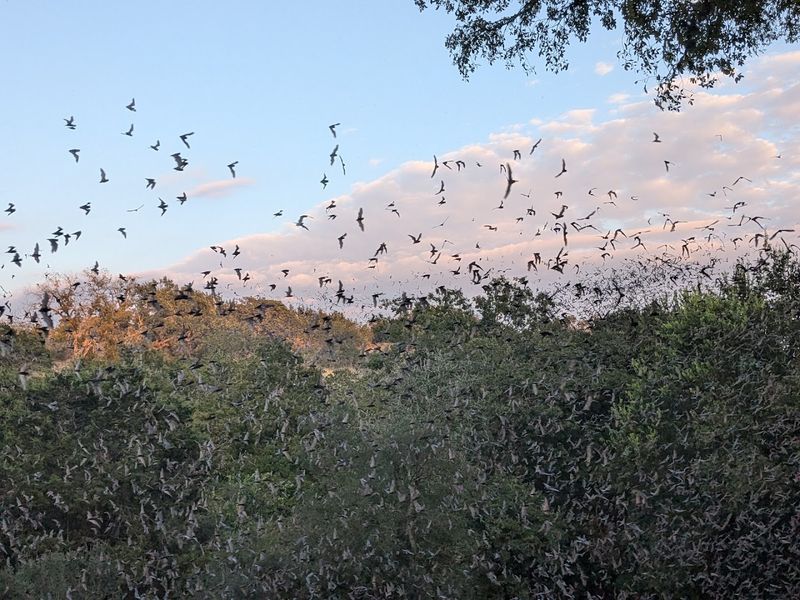
Three million bats call this place home during peak season, and watching them pour out of the old tunnel at dusk feels like witnessing something from another world. The Mexican free-tailed bats arrive each spring and stay through fall, transforming the abandoned railroad tunnel into one of the largest bat nurseries in Texas. Rangers and volunteers set up viewing areas where you can sit just feet away from the tunnel opening as the colony takes flight.
The show typically starts around sunset, though the exact time varies based on when the bats sense their insect prey is most active. Some nights they leave early while it’s still light, other times they wait until full darkness. The unpredictability adds to the magic.
Ranger Izzy and other knowledgeable guides offer educational talks before the emergence, sharing fascinating facts about bat behavior, ecology, and the important role these flying mammals play in our ecosystem. You’ll learn that a single bat can eat thousands of insects in one night, making them natural pest controllers for Texas farms and gardens. The presentations include photos and visual aids that help visitors appreciate these misunderstood creatures.
Tickets for bat viewing run about five dollars and sell out quickly during peak summer months, so booking online ahead of time is smart. Lower deck seats give you the closest view of the tunnel opening, while upper seats offer a better perspective of the swirling cloud formation as bats spiral upward into the sky.
2. Trails That Surprise You
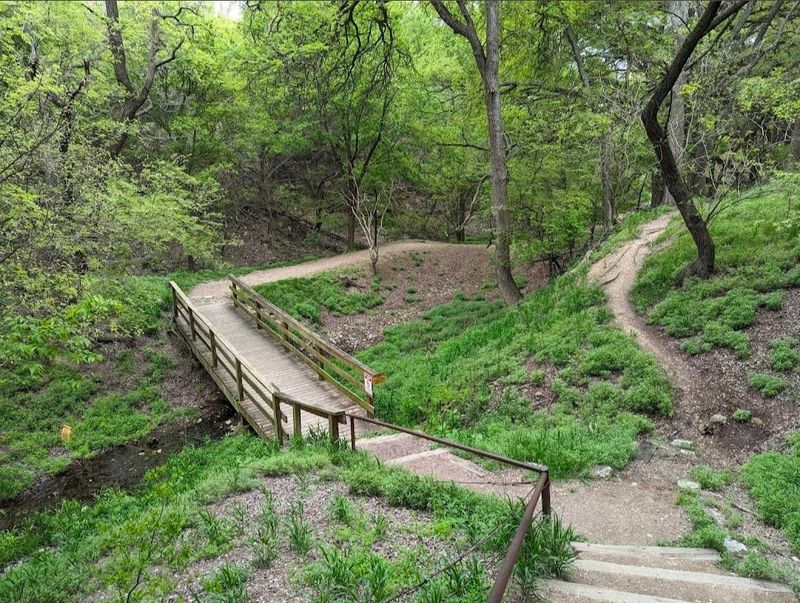
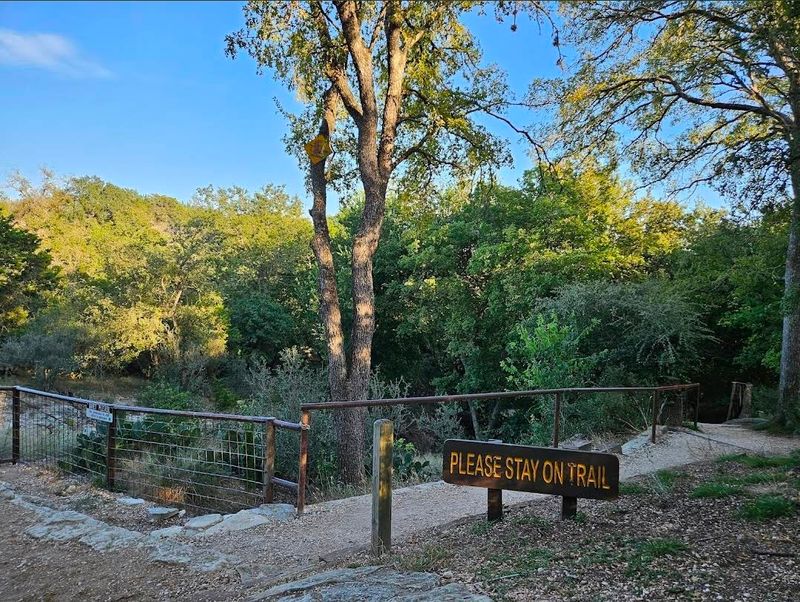
Don’t let the park’s tiny size fool you into thinking there’s nothing to explore on foot. The trail system here might be compact, but it delivers views and experiences that rival much larger parks. A short downhill path leads from the parking area to the tunnel viewing platform, with uneven stone steps that require careful footing but reward you with increasingly beautiful vistas.
What looks like a simple scenic overlook from the parking lot transforms into something much cooler as you descend. The trail winds through classic Hill Country vegetation, with juniper trees, prickly pear cactus, and seasonal wildflowers lining the path. During spring, bluebonnets and Indian paintbrush add splashes of color to the limestone landscape.
The main trail is perfect for families with young kids or anyone wanting a leisurely stroll without committing to a multi-mile hike. You can complete the loop in under an hour, making it an ideal stop when you’re exploring Fredericksburg and the surrounding wine country. Several visitors mention spotting white-tailed deer along the trails, and the animals seem comfortable enough with human presence that they’ll often graze nearby.
A bird viewing area near the tunnel attracts lots of feathered activity, especially in the morning hours. Bring binoculars if you have them, because even during the day you can sometimes spot bats flying inside the tunnel when viewed from the bridge overlook.
3. History Written in Railroad Ties
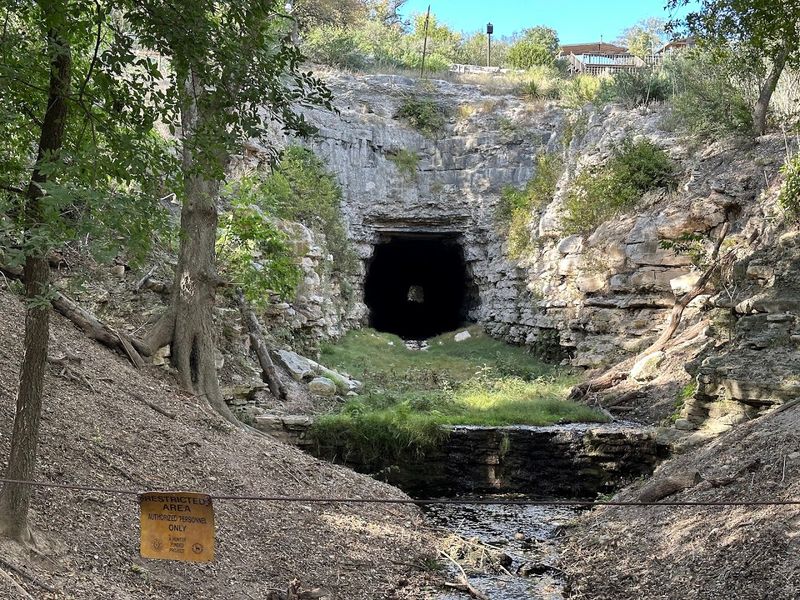
This tunnel wasn’t always a bat sanctuary. It started life in 1913 as part of the San Antonio, Fredericksburg and Northern Railway, carved through solid limestone to connect remote Hill Country communities to larger markets. Trains hauled freight and passengers through this passage for decades before the railroad eventually shut down, leaving the tunnel abandoned and forgotten by most humans.
Nature had other plans. Bats discovered the tunnel made an ideal roosting site, with its consistent temperature, protection from predators, and proximity to the insect-rich Pedernales River valley. Over time, the colony grew to its current massive size, catching the attention of conservationists and wildlife enthusiasts.
The tunnel’s transformation from transportation corridor to protected habitat tells a larger story about how Texas landscapes evolve and adapt. Walking up to the entrance, you can still see the careful stonework that railroad builders created over a century ago. The engineering holds up remarkably well, a testament to the craftsmanship of that era.
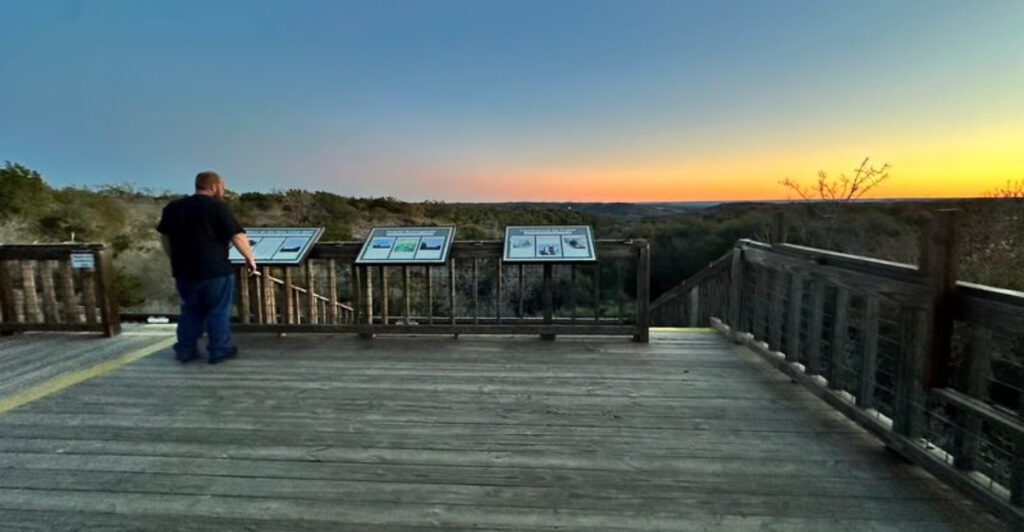
Interpretive signs around the park share more details about the railroad’s history and the tunnel’s conversion to a state park. Photos from the early 1900s show what the area looked like during its working railroad days, creating an interesting contrast with today’s wild, peaceful setting. The historical context adds depth to your visit, making it more than just a bat-watching trip.
4. Valley Views That Stop You in Your Tracks
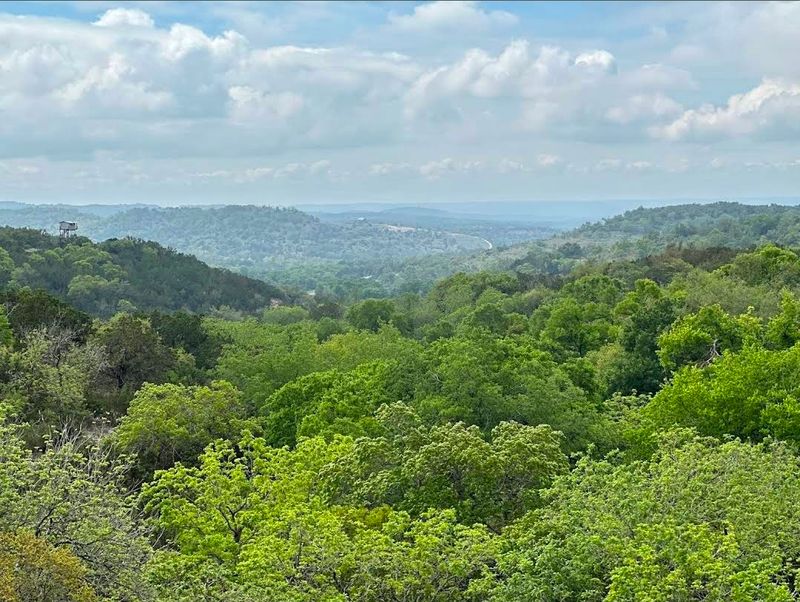
Pulling into the parking area, your first glimpse of the valley below might actually make you catch your breath. The view stretches across classic Hill Country terrain, with layers of hills fading into the distance and the kind of big Texas sky that reminds you why people fall in love with this part of the state. It’s the kind of scene that makes you reach for your camera before you even get out of the car.
Multiple visitors describe the views as “stunning” and “gorgeous,” and they’re not exaggerating for effect. The elevation change from the parking area down to the tunnel creates natural vista points where the landscape opens up before you. Depending on the season, you might see the valley carpeted in green after spring rains or painted in the golden browns of summer drought.
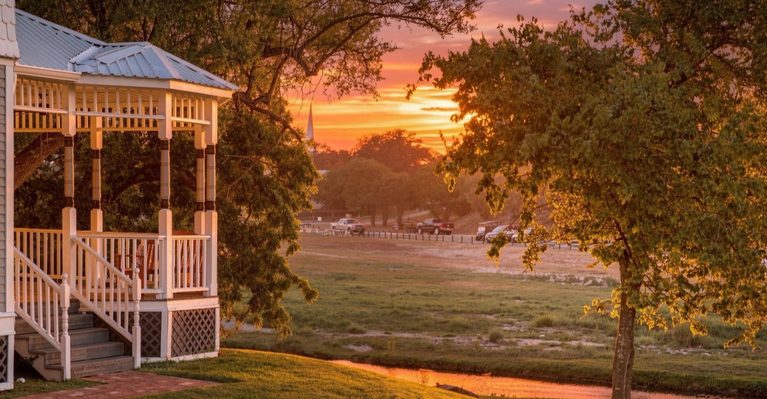
Sunset viewing combines the beautiful scenery with the bat emergence, creating a double feature of natural beauty. As the sky shifts through shades of orange and pink, the valley takes on an almost magical quality. The covered deck area near the parking lot provides comfortable seating where you can soak in the views while learning about the park from informational displays.
Even if you visit during the off-season when bats have migrated south, the scenery alone justifies the trip. The peaceful atmosphere and sweeping vistas offer a refreshing break from busier tourist attractions in Fredericksburg just a few miles away.
5. Wildlife Beyond the Bats
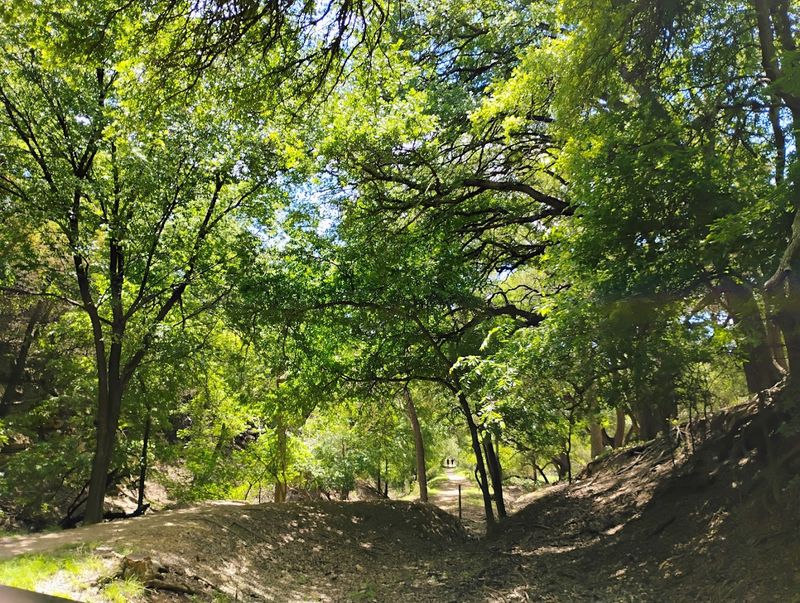
While the bats steal the spotlight, they share this small park with a surprising variety of other creatures. White-tailed deer appear so frequently in visitor reviews that encountering them seems almost guaranteed, especially during quieter morning or evening hours. Young bucks often stroll right past hikers, apparently unconcerned about human presence in their territory.
The bird viewing area stays active throughout the day with species typical of the Hill Country ecosystem. Depending on the season, you might spot cardinals, blue jays, black-chinned hummingbirds, or golden-cheeked warblers among others. The mix of open areas and wooded sections creates habitat diversity that attracts different bird species.
One visitor mentioned spotting a fat raccoon on the road while leaving after bat viewing, and the park’s location along a wildlife corridor means all sorts of creatures pass through. Armadillos root around in the leaf litter, lizards sun themselves on limestone rocks, and butterflies visit wildflowers during blooming seasons. The relatively undisturbed nature of the small park creates a refuge for animals that might avoid busier, more developed areas.
Even the tunnel itself hosts multiple species beyond bats. Cave swallows nest in the entrance area, and their activity adds another layer of interest when you’re peering into the tunnel during daylight hours. This concentration of wildlife in such a compact space demonstrates how even small protected areas can support thriving ecosystems.
6. A Park That Works for Everyone
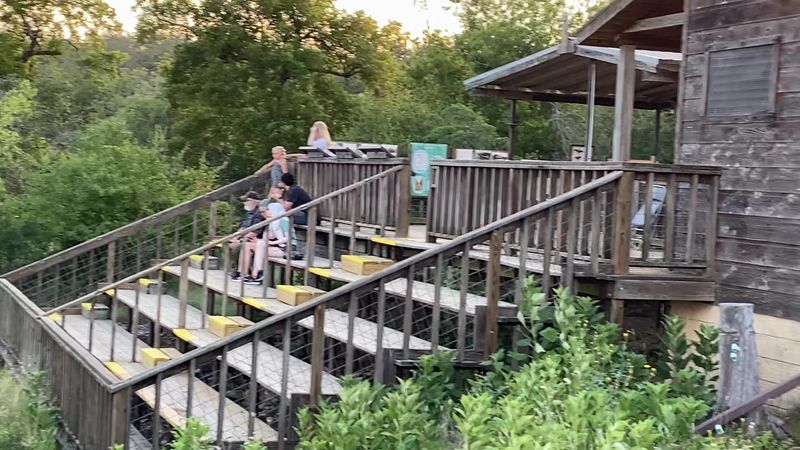
Accessibility matters, and Old Tunnel manages to welcome visitors with varying mobility levels despite its hillside location. The upper viewing area and covered deck require no hiking at all, making bat viewing possible for people who can’t handle steep trails. Parking sits close to these upper facilities, so the walk from your car to a seat is minimal.
Families with young children find the short trail distances perfect for little legs that tire quickly. The whole experience can fit into a couple of hours, which matches well with kid attention spans. The educational component of bat viewing keeps children engaged, especially when rangers encourage questions and interaction.
Many reviews mention successful family outings, suggesting the park hits that sweet spot of being interesting without being overwhelming.
The lower viewing area does require navigating those uneven stone steps, which several visitors note can be challenging. If you have concerns about the descent, stick with upper seating for bat emergence or visit during the day when you can take your time on the trail without worrying about making it back up in darkness.
Seasonal considerations affect accessibility too. During bat season, evening programs bring crowds that fill the seating areas, so arriving early helps ensure you get a spot. Off-season visits offer more solitude and flexibility, though you’ll miss the main bat spectacle.
The park maintains its beauty year-round, so there’s really no bad time to visit.
7. Planning Your Visit Right
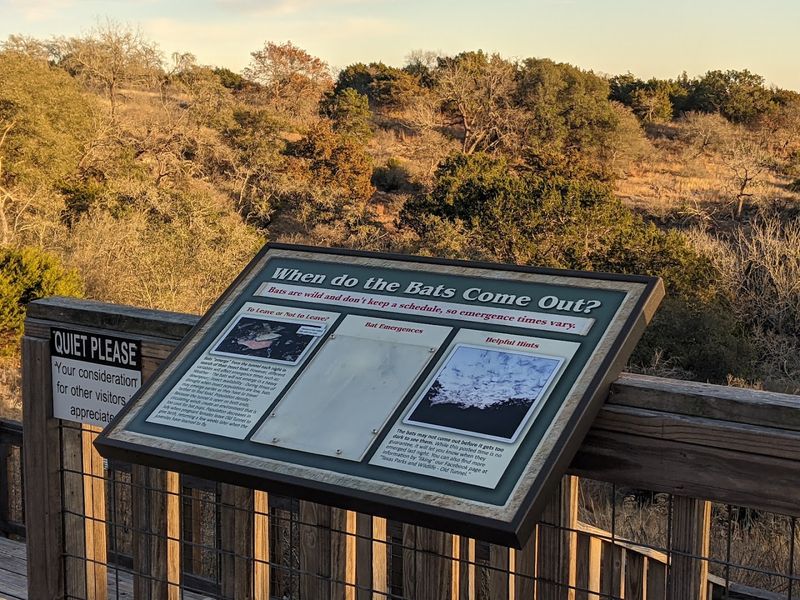
Timing makes all the difference at Old Tunnel, and a little advance planning ensures you don’t miss out. Bat viewing season typically runs from May through October, with peak emergence happening during summer months when the colony reaches maximum size. Check the park’s Facebook page or call ahead to confirm current bat activity and emergence times, which change throughout the season as sunset times shift.
Tickets for evening bat viewing cost around five dollars and can be purchased online in advance, which is strongly recommended during peak summer weekends. The seating areas fill up fast, and showing up without a reservation might mean you can’t get in. Lower deck tickets offer the most dramatic close-up views, while upper deck seats provide better perspective of the overall spectacle.
Bring a blanket or light jacket even during summer, because temperatures can drop once the sun goes down and you’re sitting still for the ranger talk and bat emergence. The whole evening program lasts about an hour to ninety minutes from arrival to when the last bat disappears into the night sky. Bug spray might be wise, though ironically the bats themselves help keep insect populations under control.
Day visits work perfectly during off-season or if you just want to hike the trails and enjoy the scenery without the bat focus. Restroom facilities are available, though construction or maintenance sometimes affects their status, so plan accordingly. The drive from Fredericksburg takes about twenty minutes on rural roads that can be tricky at night, so take it slow when leaving after dark.
8. Why Small Parks Matter More Than You Think
In a state famous for doing everything big, Old Tunnel proves that sometimes the smallest packages contain the most concentrated magic. Its mere 16 acres might seem insignificant compared to sprawling parks elsewhere in Texas, but this compact size creates an intimacy with nature that larger parks can’t match. You’re not hiking for miles to reach the good stuff; the spectacular moments happen right in front of you.
The park’s success at protecting a massive bat colony demonstrates how targeted conservation efforts can make real impacts. These three million bats consume countless tons of insects each season, providing natural pest control that benefits agriculture throughout the region. By preserving this single tunnel and the surrounding habitat, Texas protects an ecological service worth far more than the park’s modest acreage might suggest.
Small parks also offer psychological benefits that complement what larger wilderness areas provide. You can visit Old Tunnel on a whim, spend a couple of hours, and return home the same day without the commitment of an overnight camping trip. This accessibility means more people actually experience it, building broader public support for conservation.
The overwhelmingly positive reviews, with a 4.7-star rating across more than a thousand visitors, suggest Old Tunnel succeeds at its mission. People leave educated about bats, impressed by the scenery, and grateful for the experience. That’s the mark of a park doing its job well, regardless of size.
Share this story