The first clue that Woodstock Vibes is no ordinary thrift store is parked outside, splashed in rainbow paint and looking ready to lead a caravan to a 1969 music festival. The tie-dyed Volkswagen bus is impossible to miss from Route 94, but it is only the opening act.
Inside this family-run Sussex County shop, a vintage Beetle, peace signs, colorful murals, retro music, and rows of carefully sorted clothing turn secondhand shopping into something closer to a full-scale treasure hunt.
More than 80 categories separate everything from vintage band shirts and chunky sweaters to shoes, handbags, modern brand names, and luxury labels.
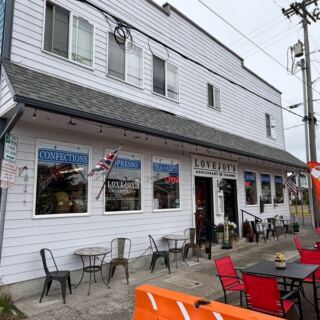
The store sits at 3235 Route 94 in Franklin, within Hardyston Township, and is generally open daily from 10 a.m. to 6 p.m. That generous schedule is useful because this is not a place for one hurried lap.
The fun comes from slowing down, checking one more rack, and discovering something you never planned to buy.
A Tie-Dyed Volkswagen Bus Turns the Parking Lot Into the First Stop on a Time-Traveling Shopping Trip
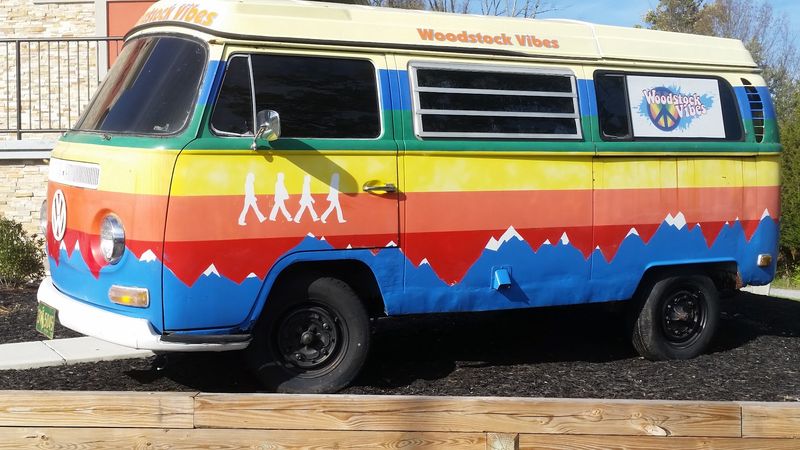
Long before anyone reaches the clothing racks, a brilliantly painted Volkswagen bus announces that Woodstock Vibes plays by its own rules. The old vehicle sits outside RB Plaza along Route 94, covered in vivid colors that make it look less like transportation and more like a rolling piece of folk art.
Drivers can spot it from the road, and plenty of shoppers pause for a photograph before they even begin browsing. The bus has a better backstory than most store decorations.
Owner Kurt De Pourcq found it sitting beneath a tree in the backyard of a neighbor in Wantage. The young couple who previously owned it had lived in the vehicle for two years while traveling around the United States, painting it in its unmistakable rainbow scheme during their adventures.
De Pourcq spent roughly two months cleaning the bus and preparing it for display while preserving the artwork that gave it so much personality. That history explains why the vehicle feels authentic rather than manufactured as a photo prop.
It really did travel the country before settling into its second career as the unofficial mascot of a North Jersey thrift store. Its dents, colors, and road-worn character fit a business built around giving older things another chance to be noticed.
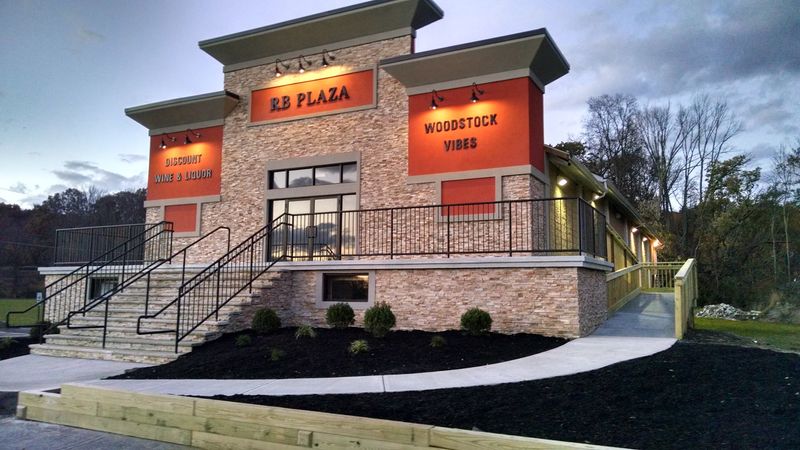
The location adds another amusing contrast. Woodstock Vibes occupies space in a former Masonic building beside the everyday traffic of Route 94, not far from Franklin, Hamburg, Sparta, and other Sussex County communities.
Against that ordinary roadside backdrop, the bus looks delightfully out of place. It also works as a preview.
Anyone intrigued by a flower-powered Volkswagen in the parking lot will find plenty more color, nostalgia, and unexpected details waiting beyond the front door.
A Family-Run Business Built Its Own Warm and Welcoming Woodstock-Inspired World
Woodstock Vibes began as a practical business experiment rather than an elaborate plan to create one of New Jersey’s most unusual shopping destinations. Kurt De Pourcq was looking for a way to sell some of the better vintage clothing handled by his family’s wholesale operation directly to local customers.
The earliest version opened in a warehouse with limited inventory and hours, welcoming shoppers only on Fridays and Saturdays. The response encouraged the family to keep expanding.
What started as a small operation on Park Place gradually grew to about 2,500 square feet as customers asked for more clothing, more variety, and additional shopping days. In 2015, the family began searching for a larger location close to its warehouse and visible from a busy road.
They eventually found an aging former Masonic building on Route 94. It was not especially glamorous at first glance, but the family saw room for a bigger store, extensive displays, and a roughly 3,000-square-foot mezzanine that could support the sorting and preparation process behind the scenes.
The renovated space became the current home of Woodstock Vibes. Even the name was a family decision.
De Pourcq’s wife and his son’s fiancée wanted something connected to the 1960s, when the store’s identity centered heavily on vintage and hipster clothing. More importantly, they wanted the name to suggest the kind of friendly, welcoming place they hoped to build.
Woodstock Vibes captured both ideas without needing much explanation. That family influence still shapes the business, from its playful decorating choices to its emphasis on cleanliness, organization, and carefully selected merchandise.
The store also operates differently from a neighborhood consignment shop. It does not buy clothing from walk-in customers or accept public donations, giving the family tighter control over what reaches the sales floor.
The result feels personal without feeling improvised—a quirky independent store with a clear identity and a surprisingly methodical operation behind all those peace signs.
A Vintage Beetle, Peace Signs, and a Butterfly Mural Carry the Groovy Theme Indoors
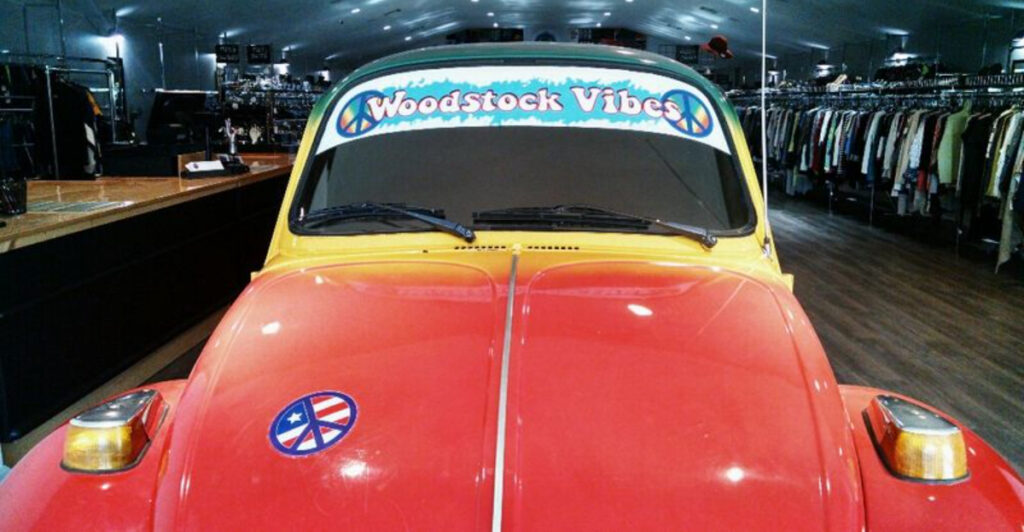
Reaching the entrance does not mean leaving the colorful vehicles behind. Step inside and another Volkswagen appears, this time a vintage Beetle worked directly into the store’s interior.
Its presence is so unexpected that it tends to stop first-time visitors in their tracks. One minute they are scanning racks for jackets, and the next they are standing beside an old car that looks perfectly comfortable sharing the floor with vintage clothing.
The Beetle anchors a decorating scheme filled with peace symbols, nostalgic graphics, bright colors, and visual references to the late 1960s and 1970s. Retro music often completes the effect.
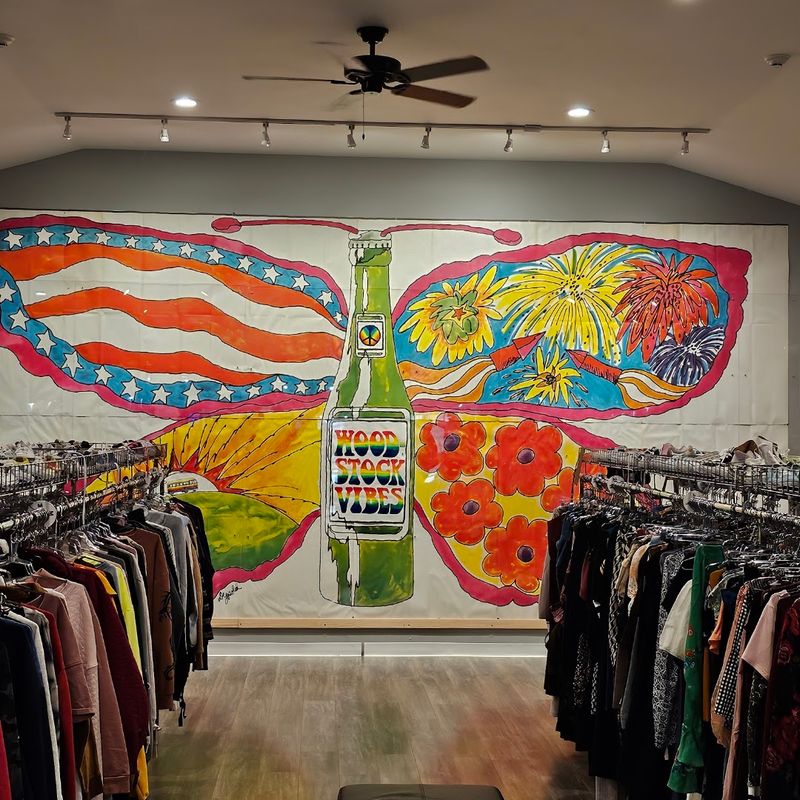
Nobody needs to arrive wearing bell-bottoms or round sunglasses, but the theme gives the room far more personality than shoppers usually encounter beneath standard thrift-store fluorescent lights. One of the cleverest details is a butterfly mural incorporating an original 1960s 7-Up billboard.
The vintage advertisement was customized for Woodstock Vibes, right down to a tiny hippie bus tucked into the design. It rewards anyone who pauses long enough to study the walls rather than keeping their eyes fixed entirely on the racks.
That mixture of large props and smaller discoveries prevents the theme from feeling like a single photo opportunity placed near the entrance. The experience unfolds gradually.
The bus outside supplies the bold opening image, the Beetle delivers another surprise indoors, and the murals, signs, and retro accents continue appearing as shoppers move through the building. The decorations also make sense beside the merchandise.
A rack of colorful ponchos, old band shirts, broken-in denim, or heavily patterned sweaters feels more at home near a peace sign and vintage Volkswagen than it would in a plain white room. The surroundings give those pieces context without forcing the entire inventory into one decade.
Woodstock Vibes borrows freely from the flower-power era, but it never becomes a museum. The cars, murals, music, and clothing remain part of a functioning store where the next discovery could be hanging only a few feet away.
More Than Eighty Organized Sections Make the Treasure Hunt Surprisingly Easy to Navigate
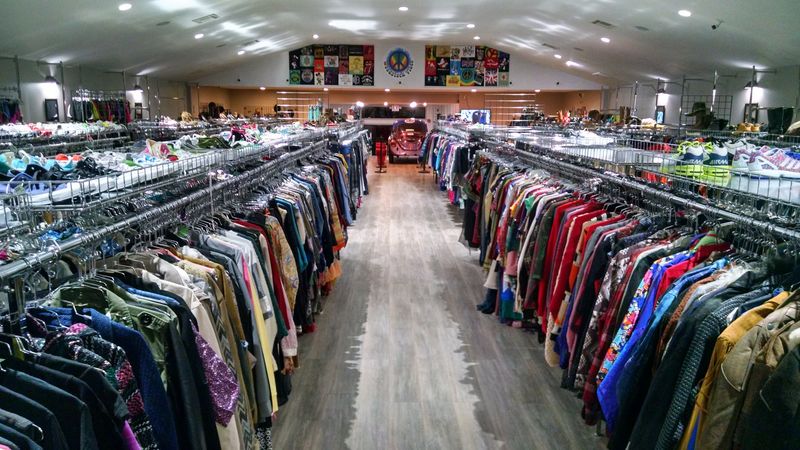
The number that best explains Woodstock Vibes is not a price or a square-footage figure. It is 80—the approximate number of categories and subcategories used to organize the store’s sprawling inventory.
That level of sorting transforms what could have been an exhausting wall of clothing into a treasure hunt with recognizable paths. Men’s and women’s apparel occupy defined areas, but the organization goes much deeper than that.
Shoppers can zero in on vintage band T-shirts, knitted sweaters, flannel shirts, colorful ponchos, dresses, footwear, purses, jewelry, and other styles without digging through piles of unrelated merchandise first.
Everyday contemporary clothing sits alongside more distinctive vintage pieces, giving practical shoppers and dedicated collectors separate places to focus their attention.
The system grew from the family’s wholesale clothing experience. Selected items are carefully sorted, separated by season, and prepared to replace stock as particular sections begin running low.
Color-coded pricing tags and computerized inventory tracking have also helped the owners monitor merchandise and keep the rapidly changing selection under control. It is a far more disciplined operation than the playful decorations downstairs might suggest.
Organization matters because the inventory does not stand still. New pieces regularly reach the racks, other items get moved as customers browse, and the best finds can disappear within minutes.
Employees may not be able to locate a specific piece after someone leaves and returns later, so hesitation carries the classic thrift-store risk: that perfect jacket may be gone by the time regret sets in. The layout keeps that unpredictability enjoyable instead of frustrating.
Someone hunting for a particular category can head there directly, while a shopper with no plan can move section by section and let the racks make the decisions. Either approach leaves plenty of room for surprise.
Purchases are generally final, so shoppers should check condition, sizing, and fit before heading to the register. The building also has an outdoor wheelchair ramp and an indoor elevator, helping make both the unusual setting and its extensive selection easier to explore.
Handpicked Vintage Clothing, Brand Names, Shoes, and Accessories Span Decades of Style
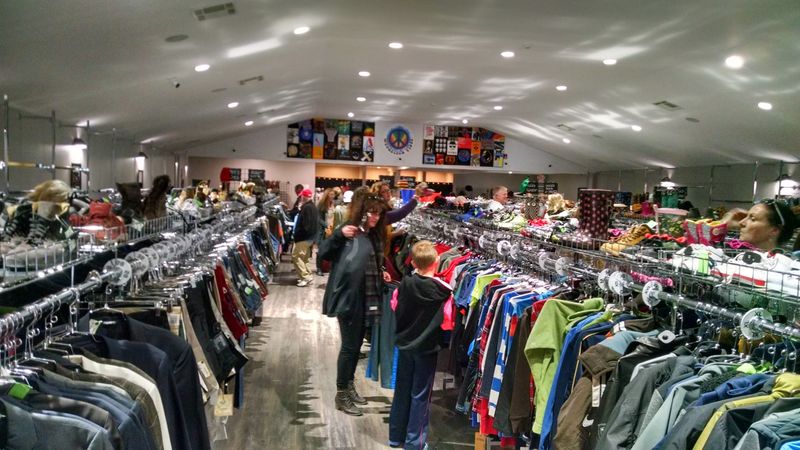
Pulling one garment from a Woodstock Vibes rack can lead in almost any direction.
It might be a thick flannel shirt with years of softness already worked into it, a bold poncho that refuses to disappear into a crowd, a knitted sweater with an unmistakably retro pattern, or a band tee that feels much more convincing than a newly manufactured reproduction.
That range comes from a selective sourcing process. The business does not depend on random bags dropped off at the front counter, and it is careful to distinguish itself from both consignment shops and public donation centers.
Clothing and accessories arrive through the family’s established supply operation, which has historically drawn items from multiple regions and created a broader mixture of labels, eras, and styles than one local donation stream might provide.
De Pourcq has described a demanding selection system in which only a small percentage of the clothing and shoes processed through the wider operation ultimately earns a place in the store.
Pieces are evaluated for quality, style, condition, current trends, and unusual visual appeal. Whether an item is decades old or relatively modern, it needs a reason to take up space on the rack.
That pickiness is visible in the store’s mix. Authentic vintage and hipster pieces remain a major part of the identity, but the selection is not limited to festival-ready fringe and psychedelic prints.
Shoppers may also encounter contemporary brand-name apparel, practical outerwear, sneakers, boots, heels, purses, belts, and jewelry. Some pieces are gently used, while others may still have their original retail tags attached.
The accessories deserve more than a quick glance on the way to the register. Shoes and handbags receive dedicated display space, making it possible to build an outfit from the ground up rather than finding a great jacket and hoping the rest appears somewhere else.
Sizes and inventory change constantly, so no category is guaranteed to produce the same result twice. That uncertainty provides the fun.
The store supplies the organization and quality control, while shoppers still get the satisfying moment of spotting something everyone else somehow missed.
The Luxe Era Adds Designer Labels to a Store Already Packed With One-of-a-Kind Finds
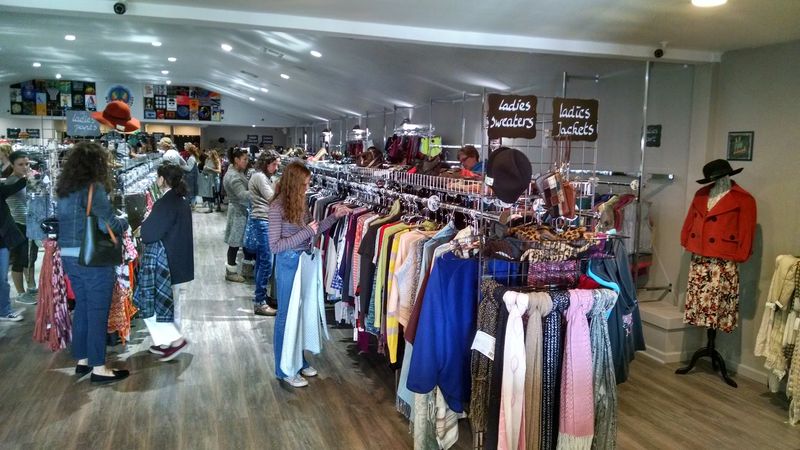
A separate boutique within Woodstock Vibes shifts the hunt from vintage flannel and everyday brand names to carefully vetted luxury fashion.
Called The Luxe Era, the shop-within-a-shop gives designer clothing, footwear, handbags, belts, and accessories a more curated setting while preserving the thrill of finding an expensive piece secondhand.
The selection reaches well beyond one familiar logo. Inventory has included names such as Gucci, Bottega Veneta, Salvatore Ferragamo, DSQUARED2, Rebecca Taylor, GIA BORGHINI, and Calvin Klein, though the constantly rotating stock means no particular designer is guaranteed on any given visit.
Categories can cover women’s, men’s, unisex, children’s, vintage, swimwear, footwear, bags, and accessories, so the boutique is not built solely around handbags displayed behind glass. Items are divided among the main Woodstock Vibes sales floor, The Luxe Era boutique, and an online collection.
Placement and pricing depend on factors such as condition, style, scarcity, and original retail value. Some of the most expensive pieces may be stored away from the open sales floor and offered online, protecting them from the wear that comes with weeks of browsing and repeated try-ons.
Local shoppers may still be able to arrange an appointment to inspect or try on an off-site item at the boutique, while walk-in visitors can browse the in-store designer selection at their own pace. Customers searching for particular labels can also ask about more personalized services rather than relying entirely on luck.
That distinction gives the building two complementary personalities. Woodstock Vibes rewards open-ended wandering through dozens of sections, where an inexpensive sweater and a wonderfully strange vintage jacket may end up draped over the same arm.
The Luxe Era slows the experience down and places greater emphasis on individual designer pieces. Neither side cancels out the other.
Together, they make room for the full spectrum of secondhand fashion, from a faded concert shirt with a mysterious past to a pristine luxury accessory waiting for its next chapter.
Share this story