Ann Arbor hides a slice of Michigan history in plain sight, and it is far more vivid than a quick drive-by suggests. Cobblestone Farm pairs a 19th-century farmhouse museum with open grounds and a rustic event setting that still reads clearly as part of the city’s older landscape.
You get weathered textures, practical farm architecture, and the rare chance to see how local history survives without turning sterile. If you want one stop that connects pioneer-era building traditions to present-day community life, this is the place to keep on your radar.
The Stone House That Stops Traffic on Packard
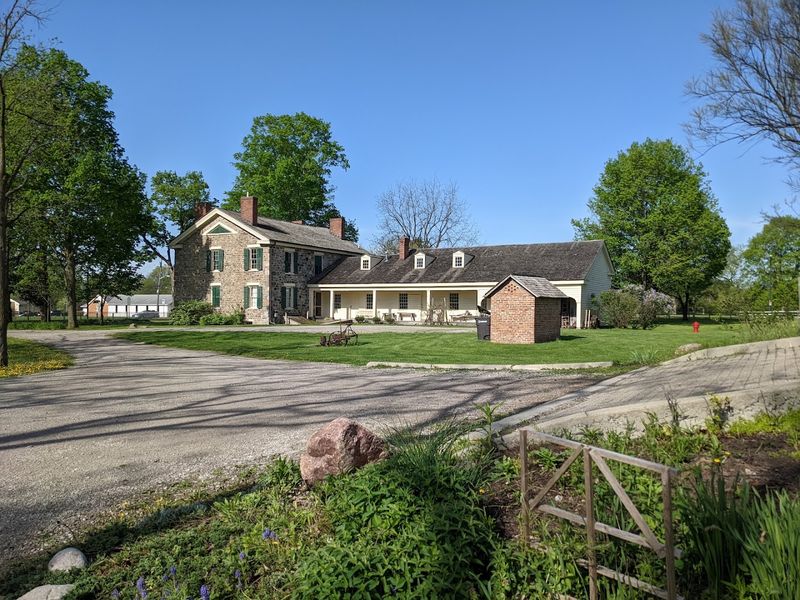
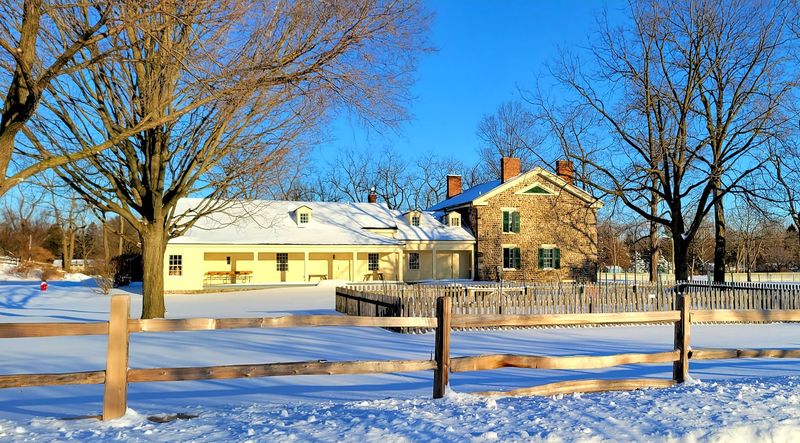
Set along Packard Street, Cobblestone Farm makes its point before you even step close. The house carries a texture that modern buildings cannot fake, with rounded fieldstones fitted into thick walls that immediately signal labor, patience, and a different construction era.
In a city better known for campus energy and steady traffic, that stony exterior lands like a visual interruption.
The farmhouse dates to the mid-1800s, and the material itself does much of the storytelling. Cobblestone construction is rare enough to feel distinctive, yet the building does not posture as a monument.
It reads as practical first, handsome second, which is exactly why the place has such force.
You notice the proportions next. The roofline, windows, and entry all feel measured rather than decorative, and that restraint keeps the house rooted in working life instead of nostalgia.
It gives the site a grounded character that suits Ann Arbor, where historic places tend to survive best when they stay connected to everyday use.
The approach also matters. Open lawn around the house creates breathing room, so the structure stands clear against the sky instead of disappearing into a cramped streetscape.
That distance lets you read the walls, corners, and stone patterning the way you might study a well-made tool.
For anyone arriving expecting a quaint museum piece, the first surprise is how solid the place looks. It has presence, not prettiness, and that difference changes the entire visit.
Before you learn a single date or detail inside, the exterior already explains why Cobblestone Farm remains one of the sharpest physical links to Ann Arbor’s pioneer past.
Inside the Farmhouse, Daily Life Takes the Lead
Once the exterior has done its dramatic work, the farmhouse interior shifts the story from architecture to routine. This is where Cobblestone Farm becomes less about an old building and more about the ordinary systems that once kept a household running.
Rooms are not interesting because they are elaborate. They matter because they reveal how much intention used to be packed into basic domestic space.
A preserved farmhouse museum can easily drift into decorative charm, but this one is stronger when you read it through function. Window placement, room scale, circulation, and furnishing style all suggest a life shaped by season, labor, storage, and daylight.
Even small details carry weight when you think about how limited convenience would have been in the 1840s.
The appeal here is not spectacle. You are looking at the framework of a working home, the kind of place where food preparation, heating, cleaning, and family life overlapped constantly.
That makes the museum more relatable than grand historic houses that feel detached from normal experience.
Because tours are appointment based, the visit can also feel more focused than a crowded drop-in museum. Instead of rushing past labels, you have a better chance to pay attention to room relationships and construction choices.
The house rewards slow looking, especially if you enjoy places where the scale of daily life is still legible.
That clarity is the real strength of the museum portion. Cobblestone Farm does not need theatrical staging to make history interesting.
The rooms work because they show a pioneer-era household as a practical machine, built around weather, work, and family rhythm, and that makes the past read as tangible instead of distant.
Michigan Barn Energy Without the Theme-Park Gloss
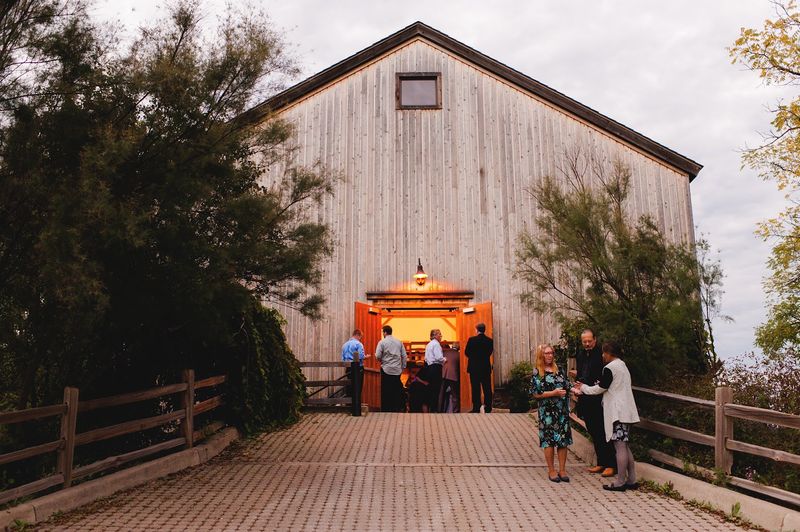
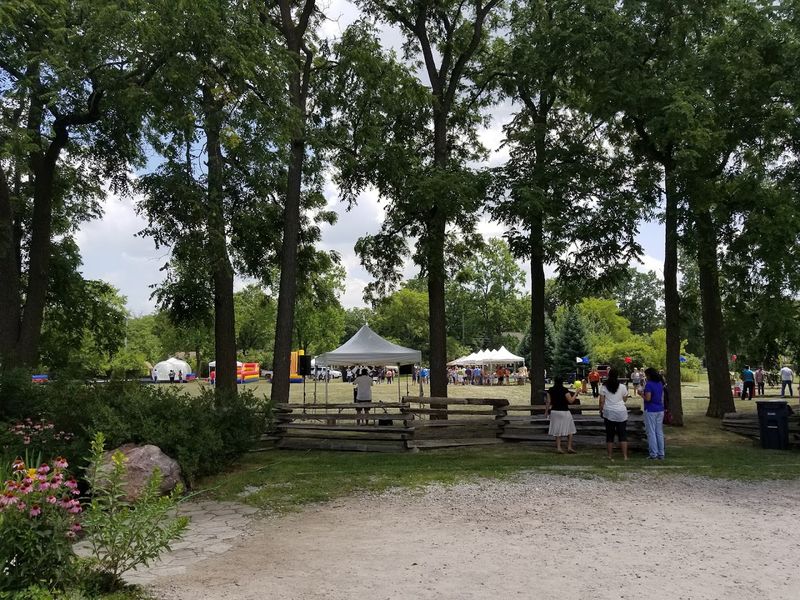
The event side of Cobblestone Farm adds a different layer to the property, and it is a smart one. Rather than freezing the site as a static relic, the barn and gathering spaces keep the grounds active with weddings, celebrations, and community events.
That present-day use gives the farm a living role inside Ann Arbor instead of reducing it to background scenery.
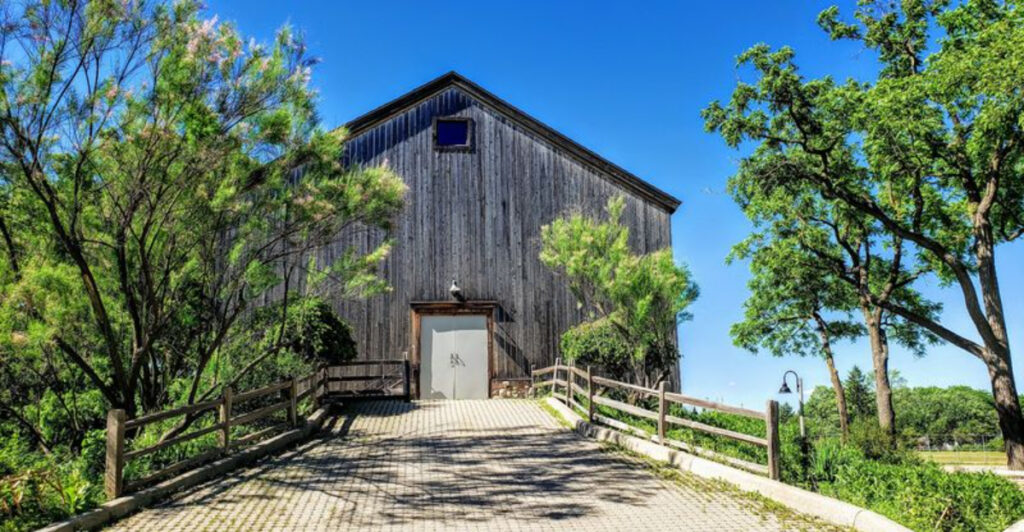
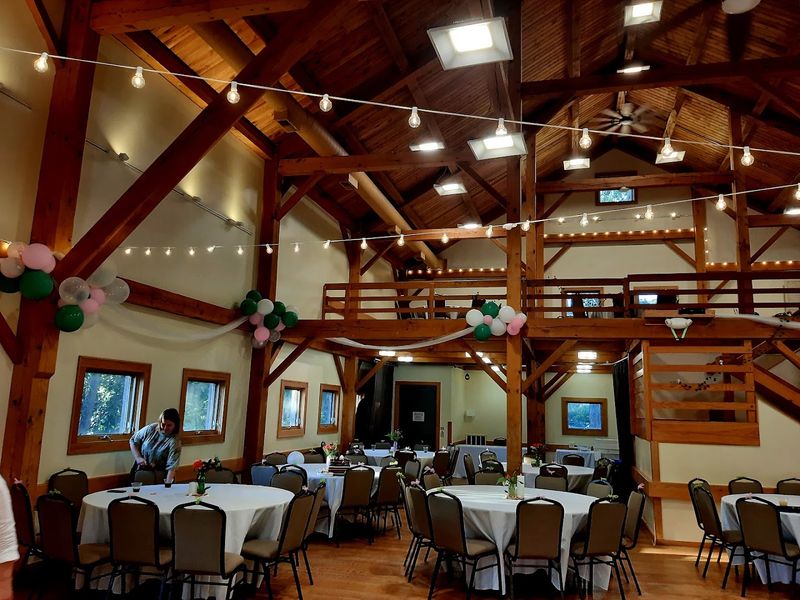
Plenty of rustic venues lean hard on staged roughness, but Cobblestone’s appeal comes from a cleaner contrast. The barn carries visible wood, straightforward lines, and the warmth people want from a historic setting, yet it also functions as an organized event space with modern basics.
That combination explains why it suits both intimate gatherings and larger occasions.
The visual language stays consistent with the property. Exposed beams, broad openings, and simple surfaces connect the event areas back to the farmstead identity without overdoing period imitation.
You get texture and character, but the space still leaves room for the event itself to take shape.
Layout matters here too. Reviews point to room for guests to spread out, mingle indoors and outdoors, and use the grounds for photos or ceremonies.
The property’s flexibility seems to come less from flashy design than from practical spacing, which is exactly the kind of planning a farm site adapts well.
Seen this way, the barn is more than a popular rental backdrop. It extends the site’s historical logic, using sturdy agricultural architecture as a frame for modern gatherings.
In Michigan, where rustic venues can sometimes blur together, Cobblestone Farm stands apart by keeping the setting plainspoken, usable, and visibly tied to the old farm at its center.
Grounds, Fences, and the Farmyard Details You Might Miss
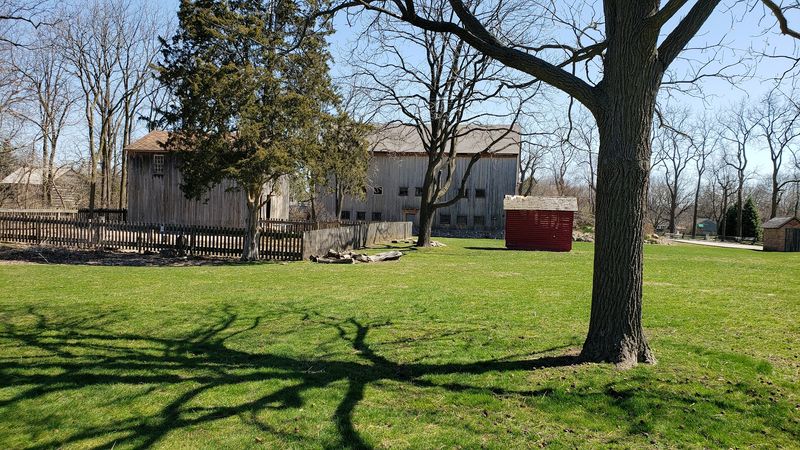
Not every important detail at Cobblestone Farm rises to the level of a headline feature. Some of the site’s strongest moments sit lower to the ground: fencing lines, open grass, outbuildings, and the bits of farmyard life that soften the property without turning it cute.
Together they create a setting that reads as maintained, usable, and connected to its agricultural roots.
The grounds are a major reason the place works so well for events and casual exploration. Broad lawn gives the farmhouse and barn room to breathe, while smaller pockets around the property create natural edges for photos, pauses, and orientation.
Instead of one dramatic vista, you get a sequence of manageable outdoor spaces.
That scale is important. Large enough to feel separate from the street, the site still remains readable in a single visit, so you spend less time figuring out where to go and more time noticing textures.
Fences, gates, and enclosures contribute to that clarity, hinting at the way farm properties historically organized movement, animals, storage, and work areas.
Several reviews mention farm animals or geese, and that detail fits the property’s personality. Even a small animal area changes the tone by reminding you this was shaped by practical rural life, not only by architecture.
It brings a little unpredictability, especially for kids, and stops the place from feeling too polished.
These are not oversized attractions, and that is exactly the point. Cobblestone Farm gets a lot of mileage from ordinary landscape elements arranged well.
When you notice the relationship between lawns, barns, fences, and the stone house, the property stops reading as a single building and starts working as a full historic environment.
Why This Patch of Ann Arbor Still Holds Its Shape
Cobblestone Farm is more interesting because of where it sits, not just what it is. Ann Arbor has grown around it, yet the property still communicates an older land pattern with unusual clarity.
That tension between city movement and preserved farmstead space gives the site much of its power.
You are not heading into a remote heritage village far from modern life. The farm remains inside the daily geography of town, which makes its survival more striking.
A place like this lets you measure change in real time, comparing current streets, neighborhoods, and routines against a property that began in a different economic and physical landscape.
That local context also keeps the site from drifting into abstraction. Pioneer history can sound broad and distant when it is taught in generic terms, but a specific address fixes the story to the ground.
You are looking at how settlement, building methods, and household life once operated right here in Ann Arbor, Michigan.
There is also value in the scale. The farm does not overwhelm you with a giant campus or a flood of disconnected structures.
Instead, it condenses local history into a walkable property where the relationship between house, barn, and open land remains easy to understand.
That makes Cobblestone Farm especially effective for anyone curious about how a city keeps continuity with its earlier shape. The place does not lecture.
It demonstrates. Standing there, you can read survival, adaptation, and public reuse in the same view, which is a far richer experience than simply encountering a historic marker on a sidewalk and moving on.
How to Time a Visit and What to Expect on Site
Cobblestone Farm rewards a little planning, especially if your goal is the museum rather than simply seeing the grounds. The site operates during weekday daytime hours and closes at 4 PM, while the museum component is appointment only.
That means spontaneity works better for a quick exterior stop than for a full historical visit inside the farmhouse.
If you want the most complete experience, build your timing around the house tour first. Confirming access ahead of time prevents the classic historic-site mistake of arriving excited, seeing the outside, and realizing the main interpretive piece is not open for walk-in browsing.
For fast scanners, this is the key practical detail to remember.
Weekday visits also tend to suit the property’s character. In daylight, the stonework reads more clearly, the lawn and barns make visual sense together, and you can better appreciate how the farm sits within its urban surroundings.
Early or mid-afternoon is especially useful if you want photographs with enough light to pick up texture without rushing against closing time.
Parking appears to be one of the easier parts of the visit, and event attendees regularly note that the site is accessible by car with room to gather. The larger consideration is mobility within the venue areas, since reviews mention stairs and the lack of an elevator to one main floor.
Anyone planning an event or accompanying a guest with accessibility needs should factor that in carefully.
Handled well, the logistics are simple rather than burdensome. Cobblestone Farm is not a drop-everything attraction built for impulse crowds.
It works best when you approach it as a focused historic stop, a scheduled tour, or a deliberately chosen event setting with strong visual payoff.
A Rustic Landmark With a Real Job to Do
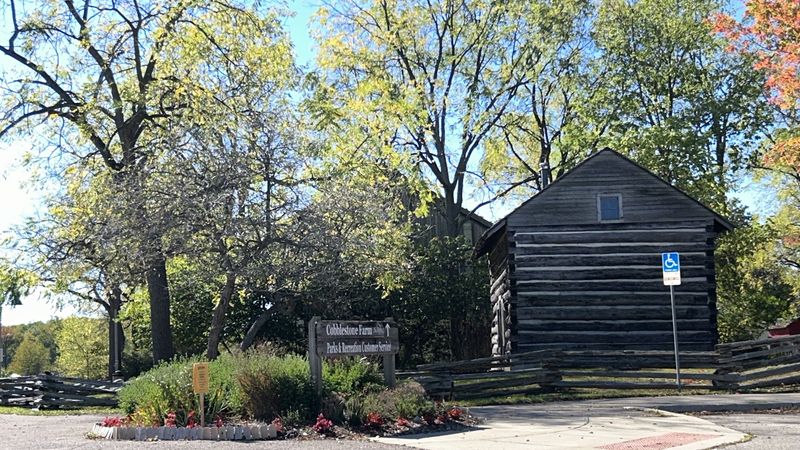
Some historic properties survive by becoming untouchable. Cobblestone Farm survives by remaining useful.
That distinction gives the place a sharper identity than many preserved sites, because you are not only seeing history under protection. You are seeing a farmstead that still participates in local life through tours, events, and everyday visibility.
The farmhouse provides the intellectual anchor. Its cobblestone walls, modest scale, and domestic layout offer a direct read on mid-19th-century building and household patterns.
The barn and grounds then widen the picture, showing how architecture, landscape, and community use can coexist without sanding away the site’s age.
There is also a practical honesty to the whole property. It does not chase grandeur, and it does not need elaborate entertainment to hold attention.
Its strength comes from material evidence: stone walls, wooden structures, open grass, and a layout that still makes sense as a working historic environment.
That is why Cobblestone Farm lands differently from places that rely only on labels or nostalgia. You can study it visually, use it for gathering, or approach it as a local history stop, and each path reveals a different layer.
Few destinations manage to be museum, landmark, and event venue without one role weakening the others.
For Ann Arbor, that makes this property more than a pleasant old farm on a busy road. It functions as a durable link between pioneer-era settlement and present-day city life, all within a compact, approachable setting.
If you want a historic destination that still has a job to do, Cobblestone Farm makes a convincing case in stone, timber, and open ground.
Share this story