Most people never get a real look at Saturn’s rings, and plenty have never seen the Milky Way stretch across the sky with their own eyes. In Central Oregon, there is a spot where both happen on a regular basis, and the folks pointing the telescopes are some of the most patient teachers around. Families, school groups, and curious couples keep coming back, and some of them leave saying it is something everyone should do at least once.
Daytime brings sunspots and a pond with resident swans. Nighttime brings planets, nebulae, and star clusters through telescopes of many sizes. There are also a few honest catches worth knowing before buying a ticket, from chilly temperatures to mosquitoes to clouds that refuse to cooperate.
Read on for the full story, the practical tips, and the details that help a night under the stars go right.
A Riverside Address Built for the Night Sky
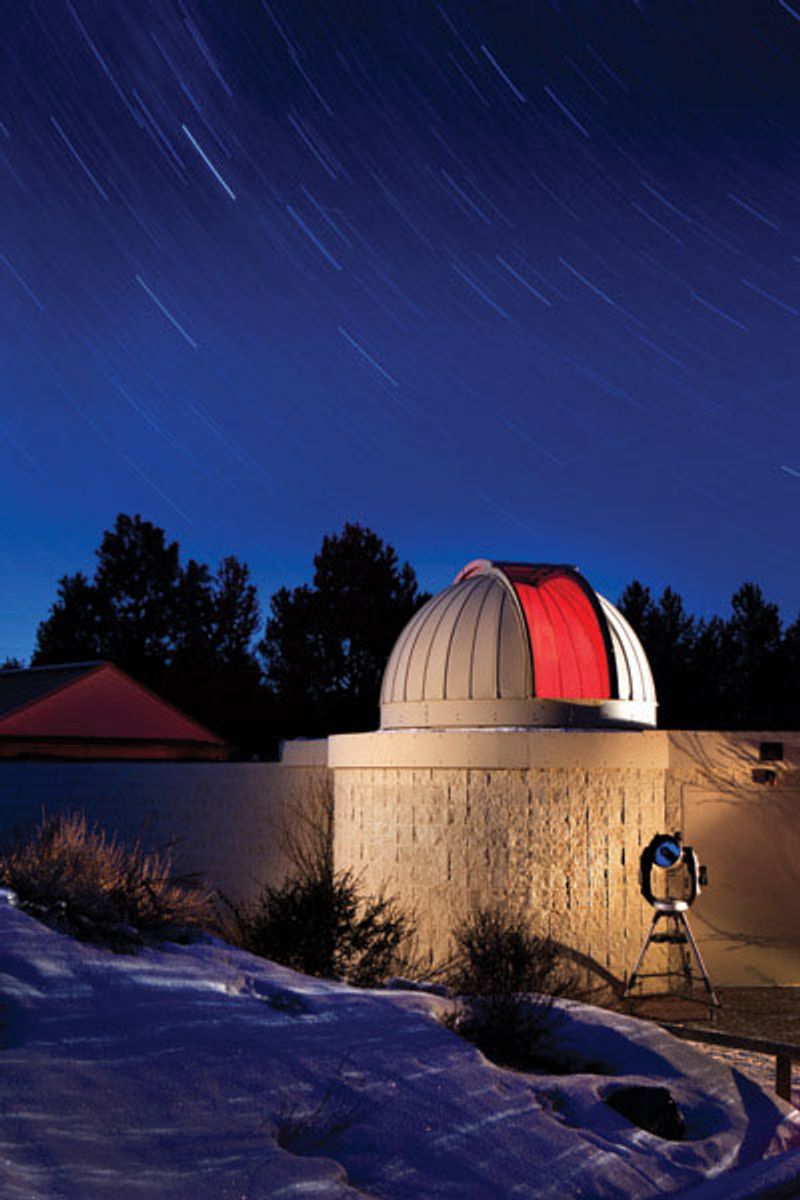
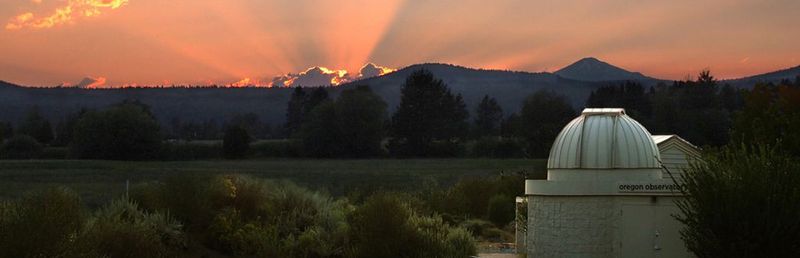
The star of this story sits at 57245 River Rd, Sunriver, OR 97707, in the heart of Central Oregon. Its full name is the Oregon Observatory at Sunriver Nature Center & Observatory, which is a mouthful, but the mission is simple.
The site pairs two attractions in one place. A nature center handles the animals, trails, and exhibits, while the observatory handles everything above the treetops.
That combination makes it more than a single-purpose stop. A family can learn about local wildlife in the afternoon and then return later to look at planets through serious telescopes.
Sunriver itself is a resort community, so many people find the observatory while staying nearby for a vacation. It has become one of those places Oregonians mention when friends ask what to do in the area.
The location also matters for the sky. Away from the glow of big cities, the darkness here gives stargazers a fair shot at seeing far more than a crowded downtown ever allows.
The address is easy, the parking lot is right there, and the sky does the rest of the work.
Why Locals Keep It Close to the Heart
Some community places quietly become part of everyday life, and this one has earned that status. It carries a 4.7-star standing from more than 440 public opinions, which is a strong showing for any attraction.
A big part of the appeal is how it is supported. A modest ticket fee helps keep the place up and running, so every visit plays a small role in keeping it open for the next group of curious kids.
That matters in Oregon, where residents care about familiar destinations surviving. Places that teach science, protect local wildlife, and welcome school groups do not run on goodwill alone.
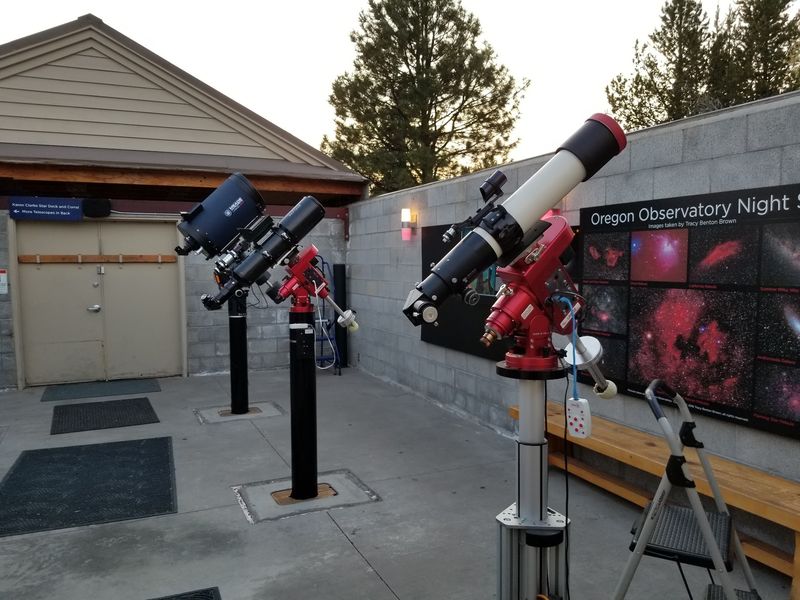
Volunteers are a major piece of the puzzle. Some even bring their own large telescopes on busy nights, sharing equipment that most people could never afford to own.
The result is a gathering spot that feels shared rather than commercial. Regulars return each time they are in the area, and first-timers often leave planning their next trip.
For a place built around faraway objects, its biggest strength may be how close it stays to the people who use it.
Telescopes From Pocket-Sized to Massive
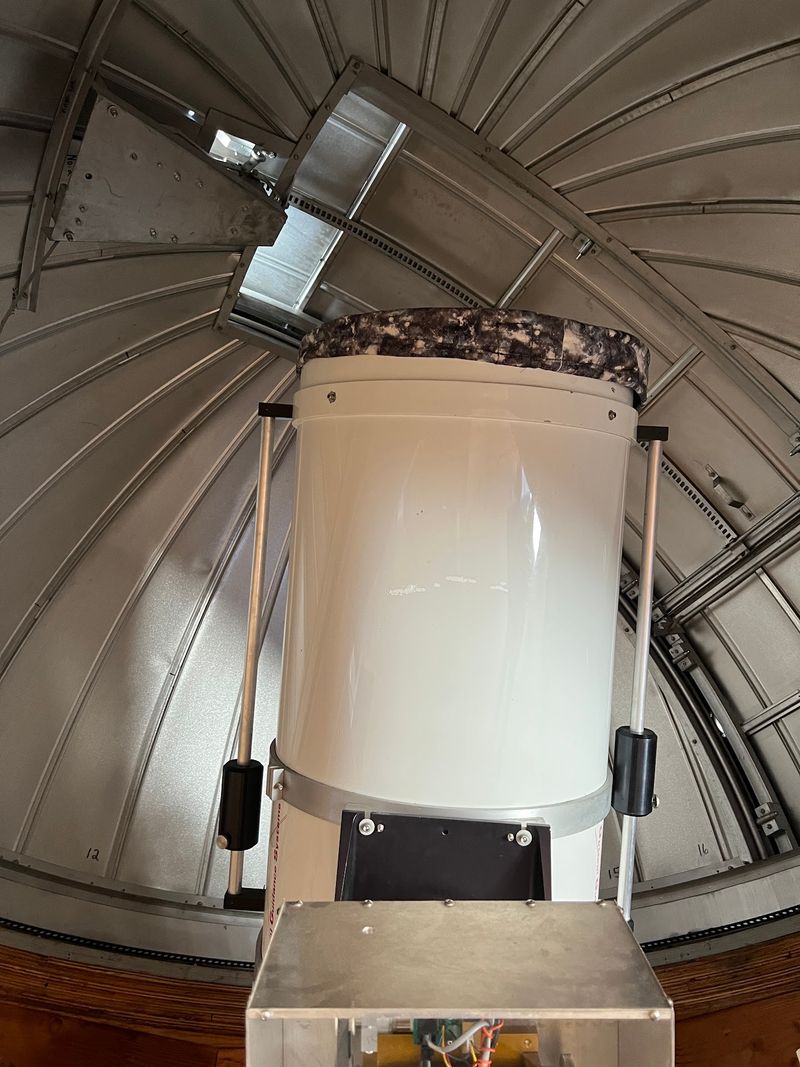
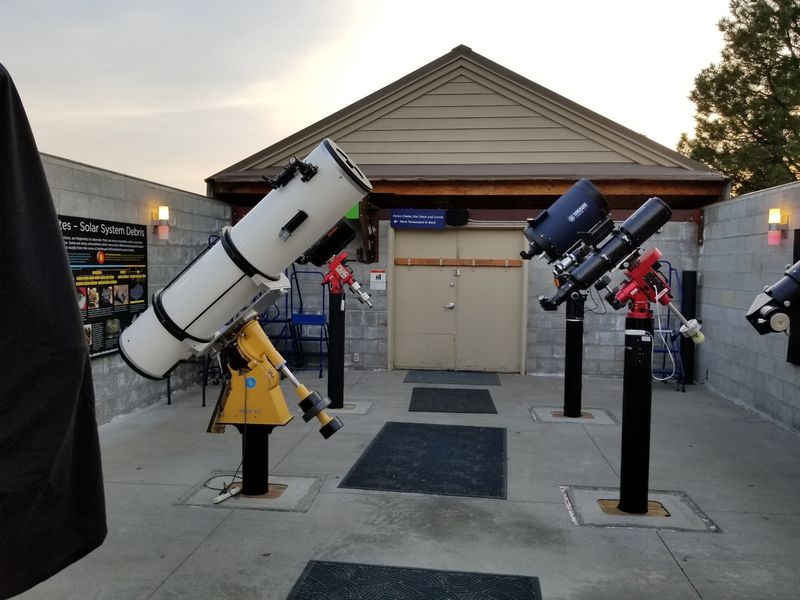
Size really does vary here. On a good night, guests can look through scopes ranging from 4-inch models up to 30-inch reflectors.
That spread is part of the fun. A smaller instrument shows how much is possible with modest gear, while the giants reveal faint objects that seem impossible from a backyard.
Anyone who has ever wanted a big telescope gets to try out many in one evening. It is a test drive without the price tag.
The scopes are set up at different stations, each aimed at a different target. One might point at a planet, another at a star cluster, and another at a double star.
Here is a handy trick. After looking through a telescope once, swing back later, because volunteers often re-aim it at something new as the night moves on.
With so many instruments in play, lines tend to move along at a decent pace even with a large crowd. More telescopes means more time looking up and less time looking at the back of someone’s jacket.
Saturn, Mars, and Other Celestial Celebrities
Planets are the headliners, and they rarely disappoint when they show up. Past nights have featured Saturn, Mars, and Jupiter all on the same evening.
The lineup does not stop at planets. Guests have spotted multiple nebulae, star clusters, double stars, and bright stars such as Vega.
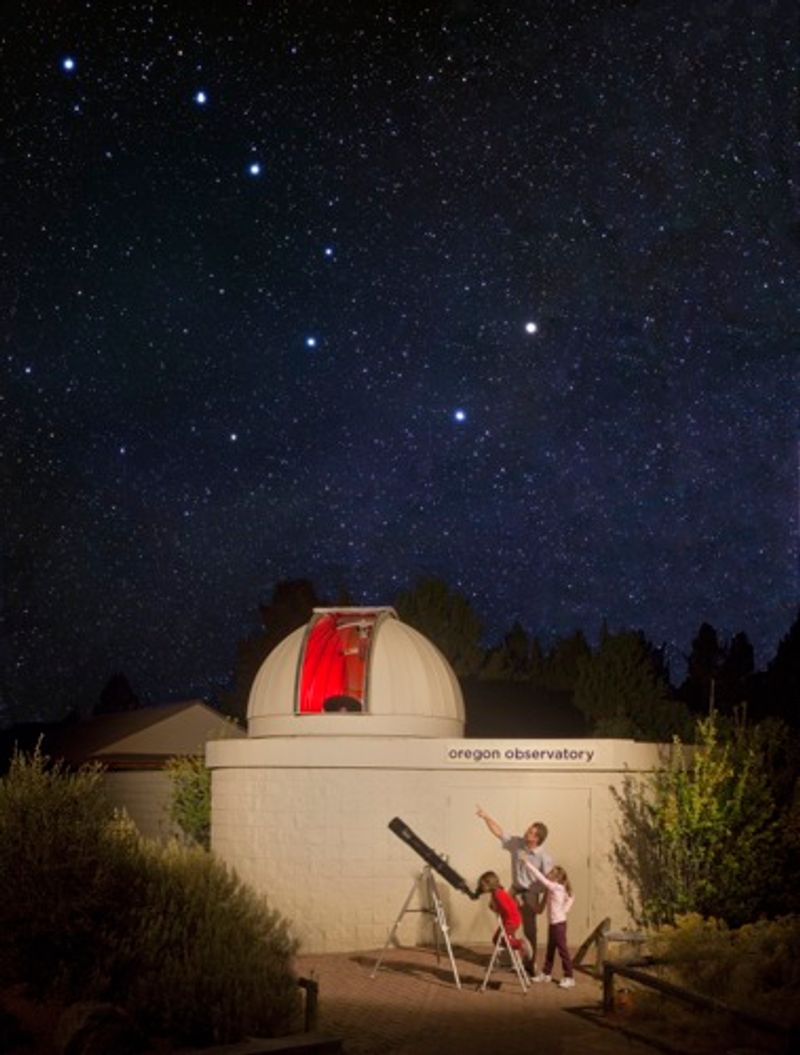
On a clear, moonless night, the Milky Way can appear overhead. For many people, it is the first time they have ever seen it, and that alone makes the trip memorable.
There is one honest note. What appears depends on what is up in the sky during a given time slot, so a night without visible planets will focus more on stars and deep-sky objects.
Checking the forecast and a planet guide before booking is a smart move. A clear sky with a planet or two overhead tends to deliver the biggest wow factor.
The universe keeps its own schedule, and the best seats go to those who plan around it.
Volunteers Who Treat Every Question Seriously
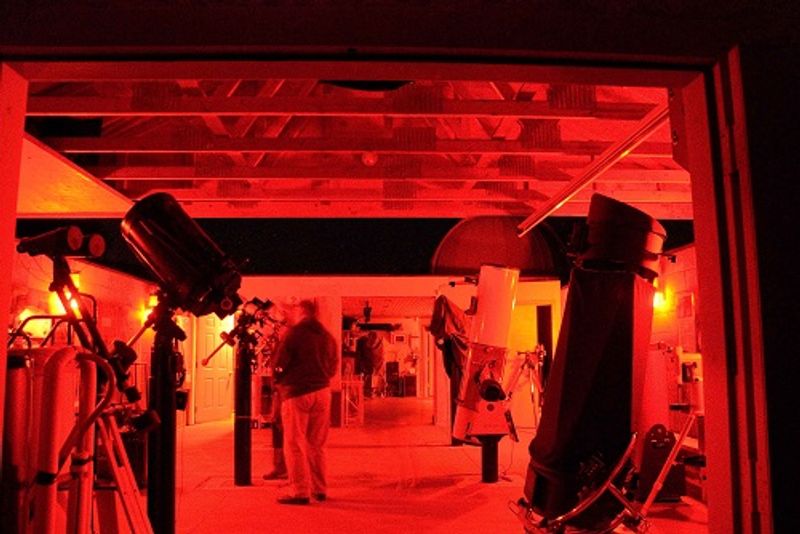
Knowledge is the most talked-about feature of this place, ahead of even the telescopes. Staff and volunteers come up again and again as the reason nights here work so well.
They answer questions, run kid-friendly telescope demos, and take their time explaining stars, constellations, and planets. Nobody gets rushed through.
Patience is a big theme. One group arrived with 52 fifth graders, and the staff handled the crowd with calm and kindness.
The enthusiasm shows in how they work. Many of these folks clearly love the subject, and that energy makes the science easier to follow for beginners.
Some volunteers are serious amateur astronomers who bring their own gear. A 20-inch telescope rolling in from a volunteer’s personal collection is not unusual here.
Good guides turn a pile of dots into a story. That is exactly what happens on a typical night at the eyepiece, one question at a time.
The Laser Pointer Tour of the Sky
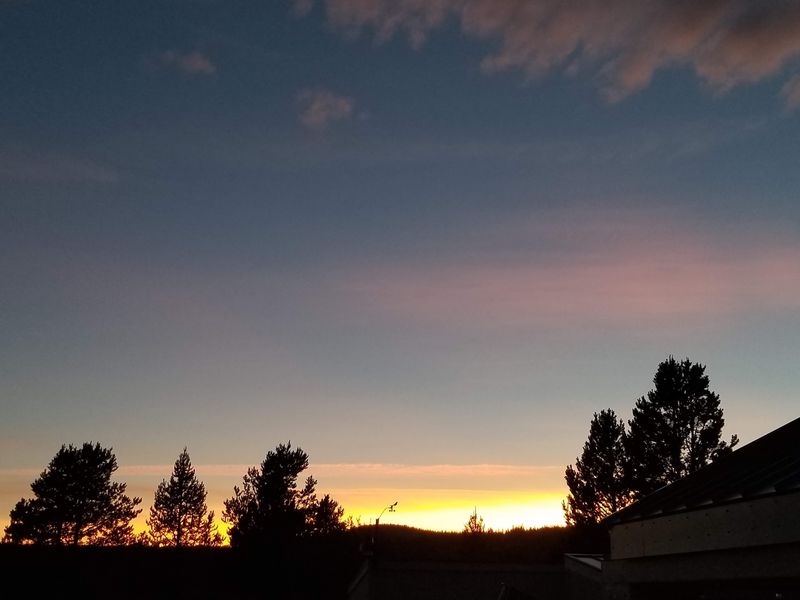
Constellations can be tricky to find on your own. At the observatory, a guide with a laser pointer makes the job much simpler.
Night programs often end with a session that points out shapes and patterns across the sky. The beam lands on a star, and suddenly the whole group knows exactly where to look.
It is one of the most popular parts of the evening. Laser pointers show up often when people describe their favorite moments.
Clouds can spoil the finale, though. On some nights, the closing constellation tour gets cut short when weather rolls in, so a clear forecast helps.
The skill picked up here lasts long after the trip. Guests head home able to find a few constellations on their own, which turns any future dark night into a refresher course.
Not many souvenirs fit in your head, but this one does, and it never needs dusting.
Short Talks Before the Big Look
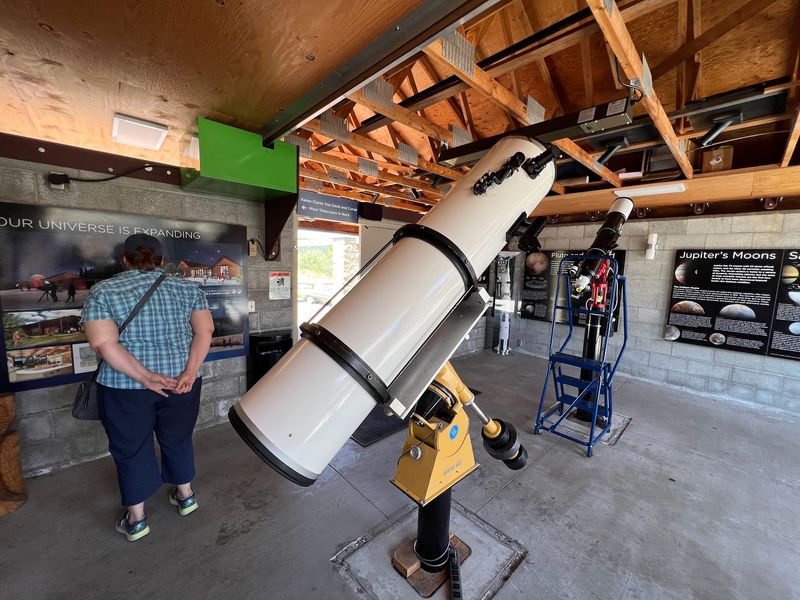
Before the telescopes take over, evenings usually start with a short presentation. Topics have included the basics of stars and even Mars exploration.
These talks set the stage. Knowing what a nebula or a double star actually is makes the view through the eyepiece far more meaningful.
Timing matters. The lecture can begin while late arrivals are still checking in, so getting there early is a good idea.
Arriving at the start also leaves time for everything else on the schedule. There is a lot packed into one night, and latecomers can miss part of it.
Opinions on the talks vary a bit, with some finding them moderately interesting and others calling them excellent. Either way, they are brief, so attention spans of all sizes can manage.
A little homework never felt so painless, and the reward arrives right after class ends.
Sunspots in Broad Daylight
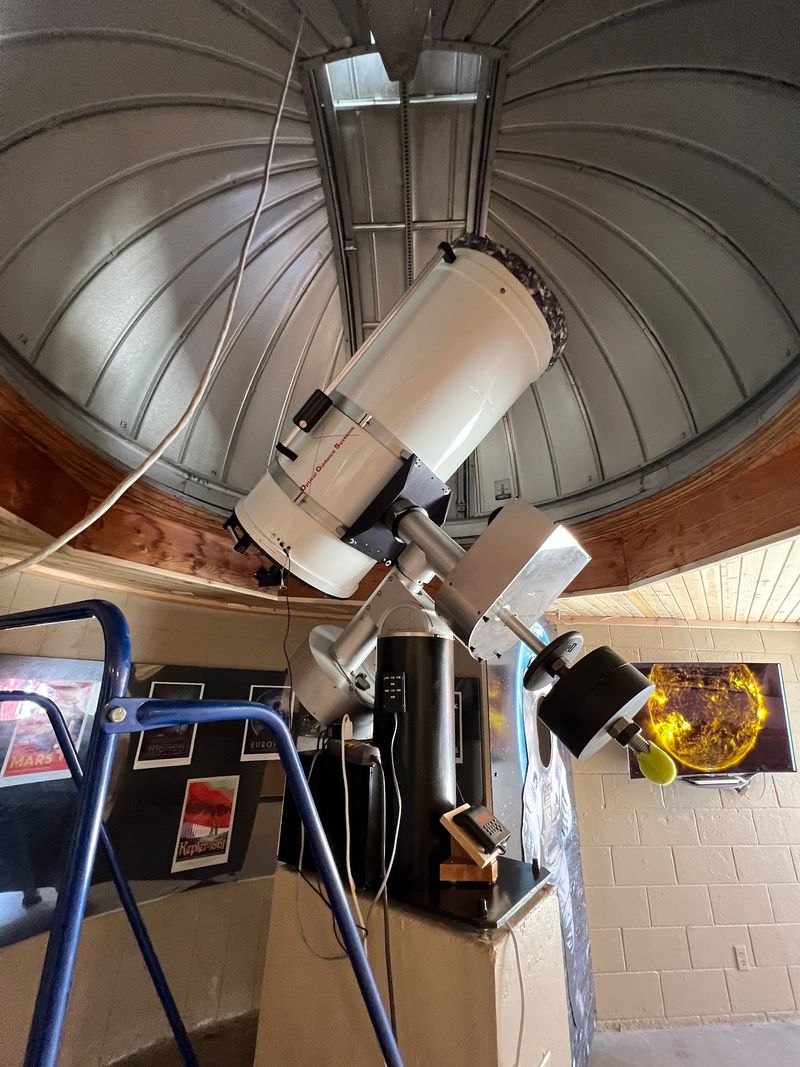
Astronomy is not only a night job here. Daytime viewing lets guests safely look at the sun through specially equipped telescopes.
Sunspots are a common highlight. Seeing those dark patches on the solar surface is a treat that most people have never experienced.
Moon viewing also comes up as a favorite when the timing lines up. The telescopes are set up to show different things depending on the time of day.
Daytime visits fit nicely with the posted schedule. The site lists hours from 11 AM to 3 PM on Wednesday through Saturday.
For families with small kids, a daytime trip can be easier to manage than a late night. Some even suggest that a daytime event may be the better fit for younger crowds.
The closest star gets plenty of attention, and it does not even require staying up past bedtime.
Swans, Trails, and the Nature Center Next Door
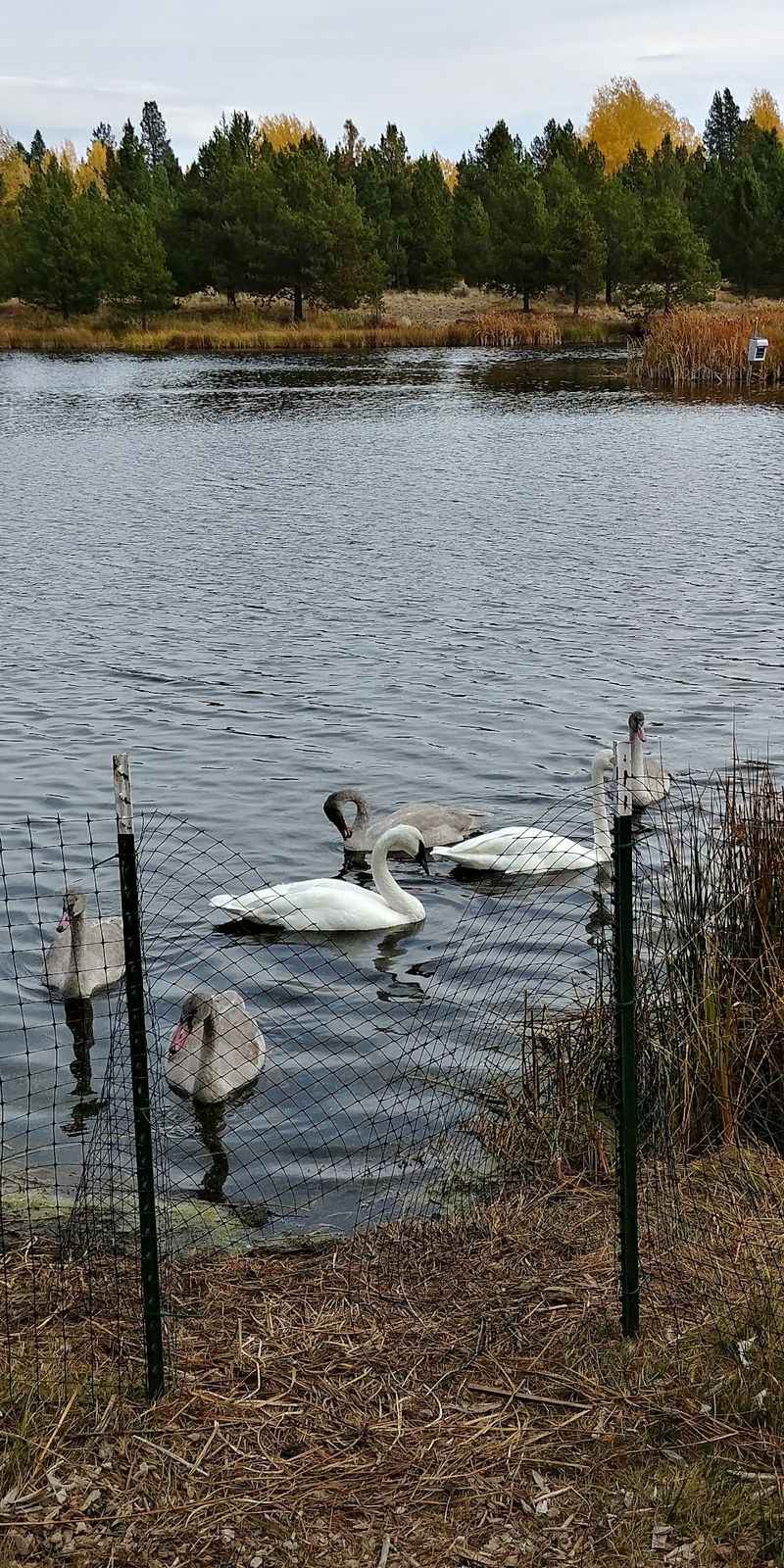
Half of the name belongs to nature, and it earns its share. The Nature Center offers plenty of animals to see and informative exhibits.
A walking path loops around a pond, which is home to resident swans. Dusk is a lovely time for a stroll before the night program begins.
Families often combine both sides of the property. Kids can learn about wildlife, take a short hike, and then move on to the telescopes.
The surrounding area also features trails through lava flows and views from a butte. Central Oregon’s volcanic landscape is never far away.
Some people even prefer the grounds to the night program, especially when skies are cloudy. A walk around the pond makes a solid backup plan.
Earth gets equal billing here, and it holds its own against the planets just fine.
A Science Night for Every Age
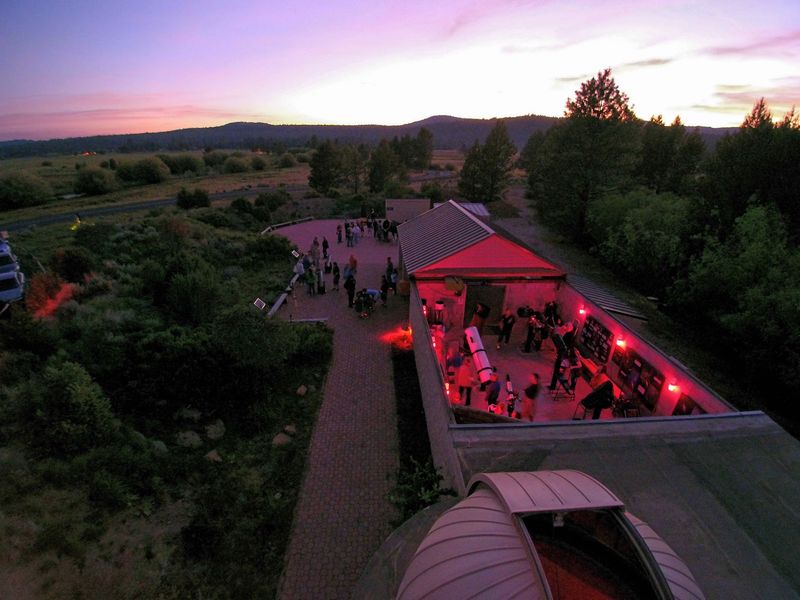
Ten-year-olds and seventy-year-olds tend to react the same way to Saturn. That shared moment is what makes this spot a favorite for families.
The hands-on approach is a big reason. Kids get to look through real equipment and ask real questions, guided by people who enjoy answering them.
School trips come here too, and fifth-grade groups have had great experiences. Couples also enjoy quieter evenings with a short lecture and a sky full of targets.
Nighttime does bring one challenge for parents. Keeping track of kids in the dark can feel stressful, so setting a meeting spot ahead of time helps.
Families with very young children may want to think about a daytime visit first. Older kids who can handle a late night often have the best time after dark.
Curiosity has no age limit here, though bedtime sometimes does.
Coats, Hats, and Bug Spray
Central Oregon nights get cold, even when the day was warm. Packing coats and hats is one of the most repeated tips for night programs.
Bug repellent belongs on the list too. Mosquitoes can be very active after dark, especially in warmer months.
Expect to stay up late. Night sessions run after sunset, so planning a slower morning the next day is wise.
The program takes place outdoors. That open-air setup gives everyone plenty of room to move between telescope stations.
A clear forecast is worth checking before heading out. Clouds can roll in and cut parts of the program short, though even partly cloudy nights have still produced great views.
Show up bundled, sprayed, and rested, and the sky will handle the entertainment.
Hours, Tickets, and Timing Tips
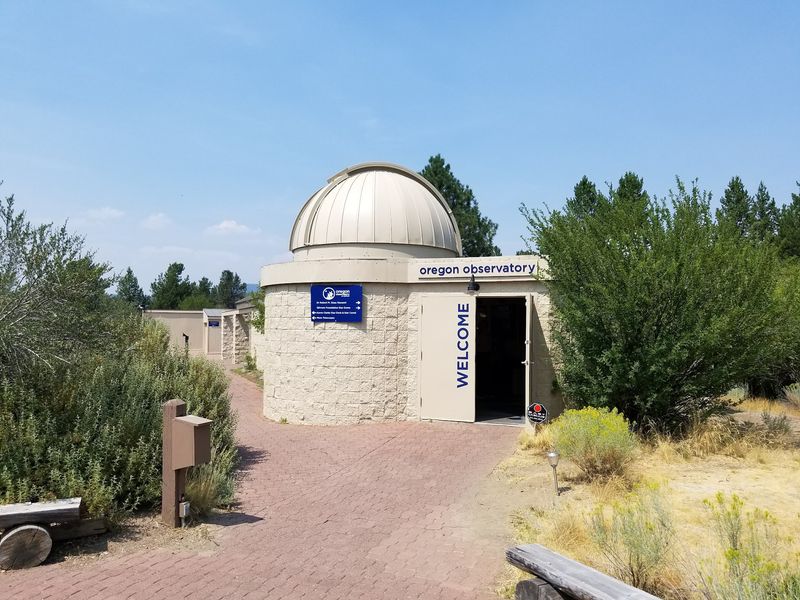
Planning ahead pays off. Posted hours run from 11 AM to 3 PM on Wednesday, Thursday, Friday, and Saturday, with the site closed Sunday through Tuesday.
Night sky viewing operates on its own schedule, so the official website at snco.org is the best place to confirm dates. The site has also been closed on the Fourth of July.
Night program tickets have run about $33 per person. That fee helps keep the facility running, which is worth knowing for anyone weighing the cost.
For a family, the total can add up. Some feel the price is well spent, while others wished they had chosen a daytime event instead, so it helps to match the outing to your group.
Checking for planets and clear skies before booking makes the ticket stretch further. Arriving early also keeps you from missing the opening talk.
A little scheduling homework turns a good night into a great one, and it costs nothing extra.
A Sky Worth Saving a Night For
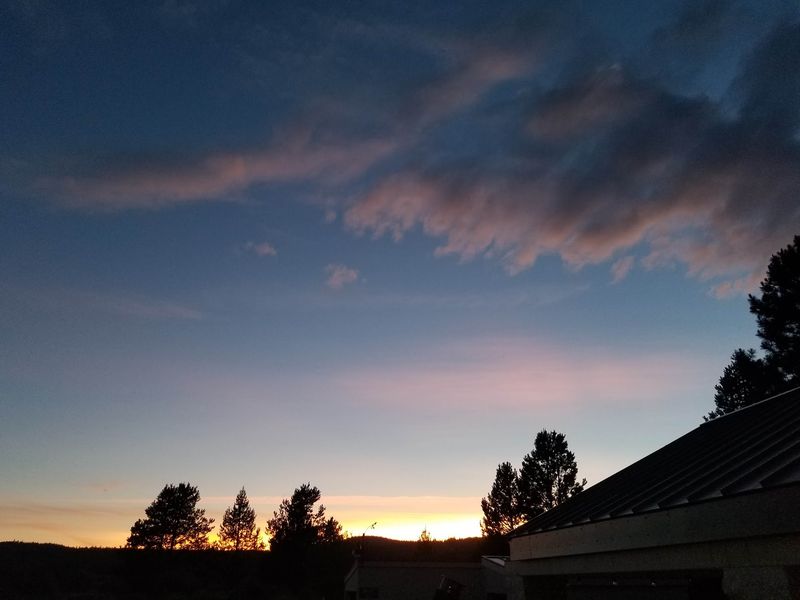
Dark skies are getting harder to find, and that makes places like this one more valuable every year. A clear, moonless night here can reveal the Milky Way to people who have never seen it.
The observatory is not perfect. Cold air, mosquitoes, waiting lines, and the occasional cloud all come with the territory.
Still, the strengths stand out. Patient volunteers, a wide range of telescopes, and a nature center next door make this a well-rounded outing for Central Oregon.
It also represents the kind of local institution that depends on community support. Each ticket helps keep the telescopes pointed upward for future school groups and families.
For anyone staying in Sunriver or passing through the region, one visit is a fair goal. Many end up making it a regular stop.
City lights fade fast out here, and once the stars take over, the evening tends to stick around in memory for a long time.
Share this story