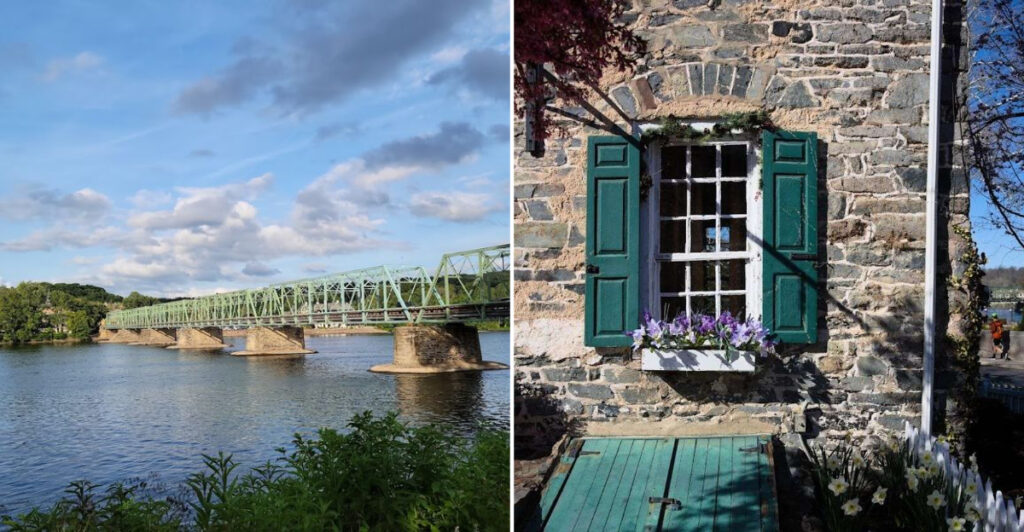
New Hope, Pennsylvania, feels like the kind of place where history never turned into a museum piece. Along the canal, beside the Delaware River, and throughout the charming downtown, old rhythms still shape how a day unfolds and how each season is experienced. You notice it in the beautifully preserved architecture, the historic railroad, the independent galleries, and the steady stream of people strolling along Main Street, browsing shops, and stopping at cozy cafés. What makes New Hope so special is the way its past blends effortlessly with the present. Historic buildings house modern boutiques and restaurants, while scenic river views and canal paths invite visitors to slow down and take it all in.
Whether you’re riding a vintage train, exploring local art, or simply wandering the picturesque streets, there’s a timeless quality that makes every visit feel unhurried. If you’re drawn to places with character that feels authentic rather than staged, New Hope offers plenty to discover. Here’s why this historic canal town continues to be one of Pennsylvania’s most beloved destinations, no matter the season.
1. Walking the Delaware Canal Towpath
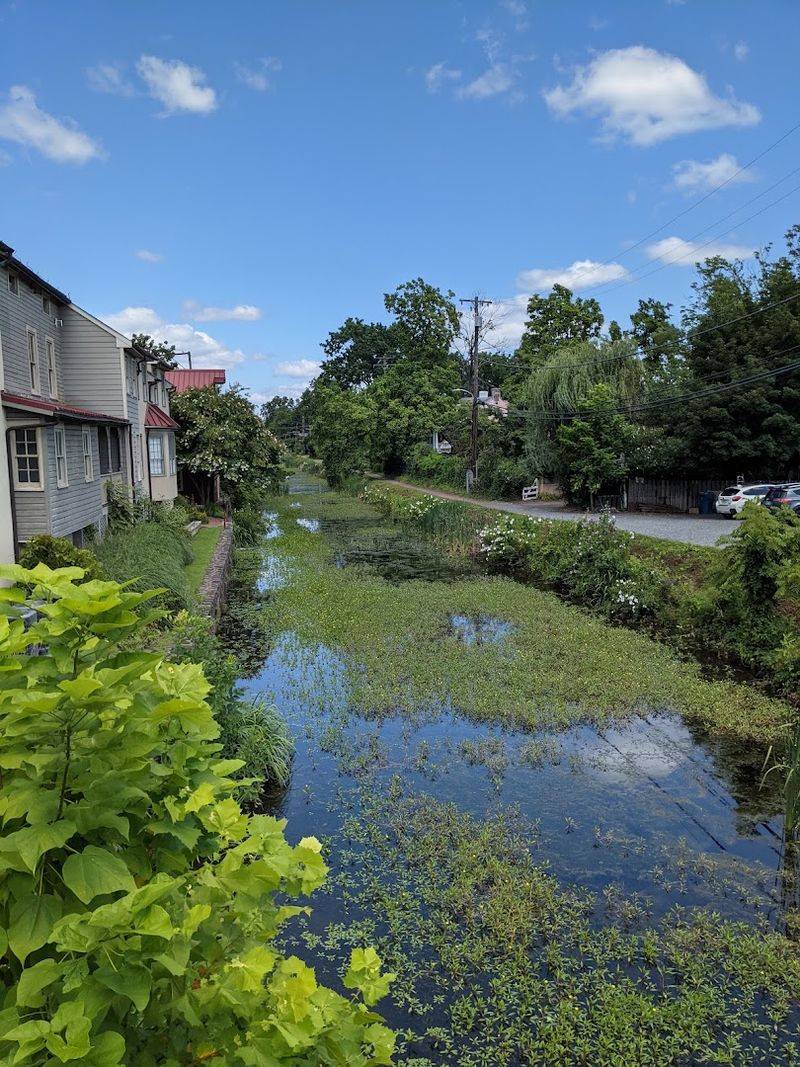
One of the first things that grounds you in New Hope is the Delaware Canal Towpath, where the pace immediately slows and the town’s older character becomes easy to feel.
I love how the water, stone, and shaded trail create a calm route that seems made for wandering instead of rushing.
As you walk beside the canal, you start noticing details that make New Hope distinct, from weathered bridges to quiet stretches where the village feels wrapped in green.
In every season, the towpath changes mood, but it always keeps that same measured rhythm that connects the town to its working past.
This is not just a scenic trail to check off before moving on to something else.
It is one of the clearest places in New Hope to understand how heritage still shapes everyday life, inviting you to slow down, look carefully, and stay present a little longer.
2. The Delaware River and Village Views
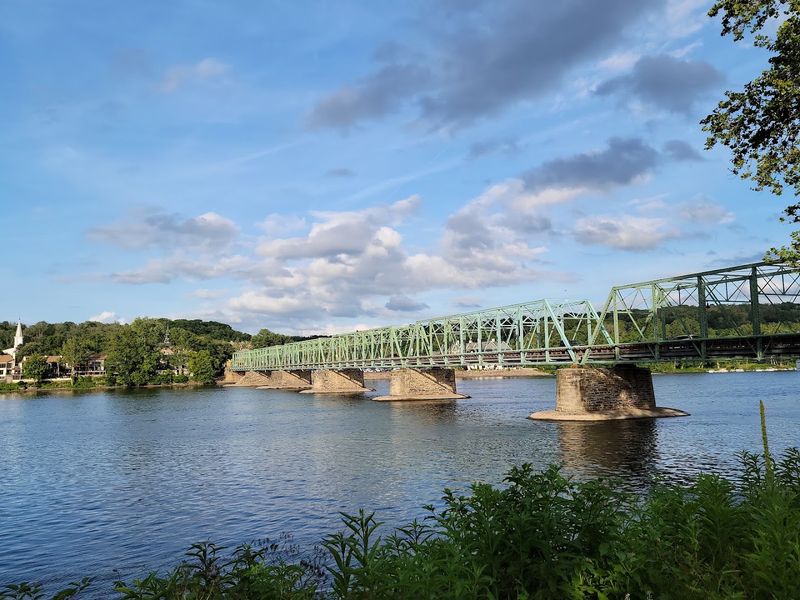
The Delaware River gives New Hope one of its most memorable settings, and it does more than provide a pretty backdrop for photos.
Standing near the water, you can feel how the town developed in conversation with the river, with daily life, trade, and movement once depending on its steady presence.
I find that the river changes the mood of the village in subtle ways throughout the year, from bright summer reflections to quieter winter views.
Even when Main Street feels lively, the water nearby adds a sense of openness that keeps New Hope from feeling crowded or overly polished.
If you want to understand why this town leaves such a strong impression, spend time simply looking outward from the river’s edge.
The views pull together nature, architecture, and history in one frame, showing you a place where the landscape still helps set the season’s tempo.
3. Parry Mansion and Layered Local History
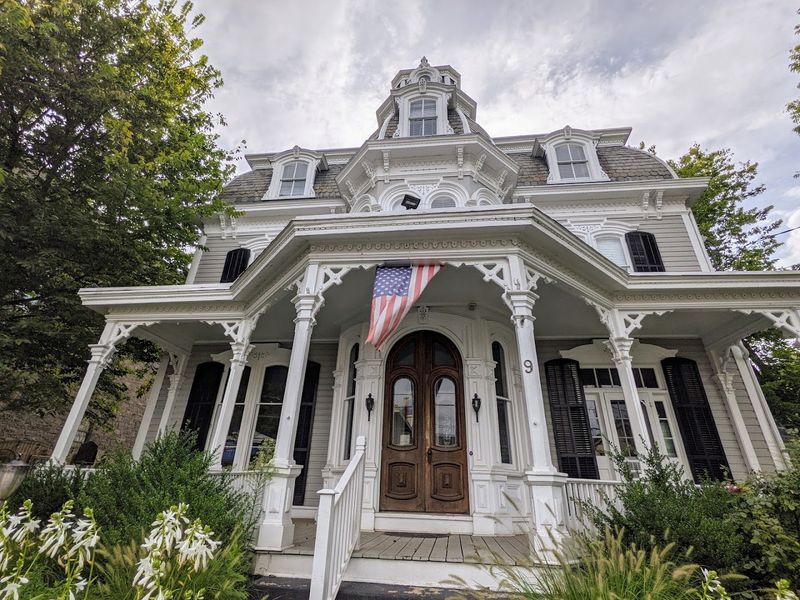
Parry Mansion offers one of the best introductions to New Hope’s layered story because it reflects the lives of different generations rather than a single frozen moment.
When you step into a place like this, history feels personal, shaped by changing tastes, needs, and ambitions over time.
What stands out to me is how the mansion helps explain New Hope as a lived-in town instead of a decorative historic district.
The house connects you to the people who helped define the community, and its evolving decor mirrors the way the village itself has adapted without losing its sense of identity.
Visiting Parry Mansion gives you more than a quick lesson in architecture or local dates.
It lets you see heritage as something accumulated room by room and year by year, which is exactly why New Hope still feels grounded even as visitors arrive looking for charm.
4. Riding the New Hope and Ivyland Railroad
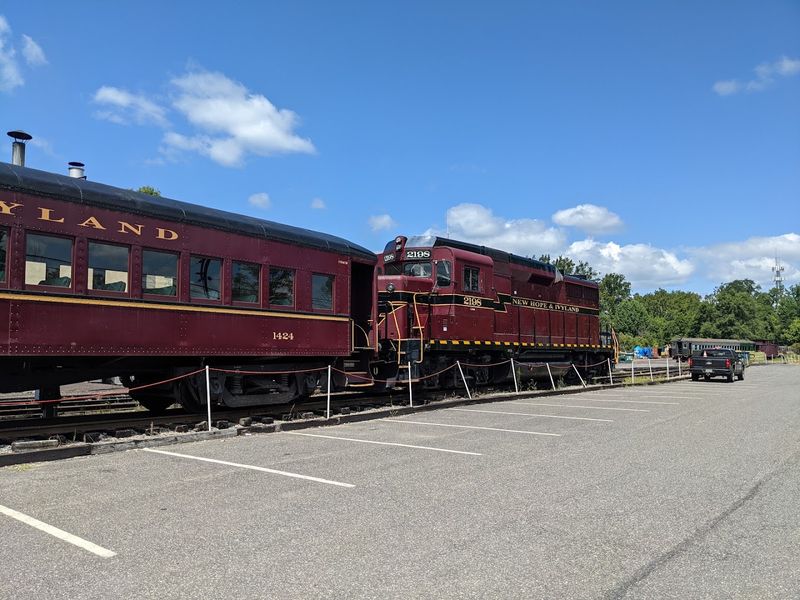
The New Hope and Ivyland Railroad is one of those experiences that makes heritage feel active instead of distant, and that is part of its appeal.
Watching vintage trains roll through town adds movement, sound, and anticipation to the historic atmosphere, like the past still has a timetable here.
I think the railroad works so well because it speaks to all ages without feeling forced or overly theatrical.
For visitors, it offers a scenic trip and a strong sense of place, while for the town itself it reinforces a seasonal rhythm tied to excursions, events, and the pleasure of arrival.
Even if you do not board, seeing the train activity in New Hope gives the village a distinct personality that many small towns cannot replicate.
It is a reminder that preservation can be lively, practical, and memorable, especially when history still moves on actual tracks through the heart of town.
5. Regional Creativity at the New Hope Arts Center
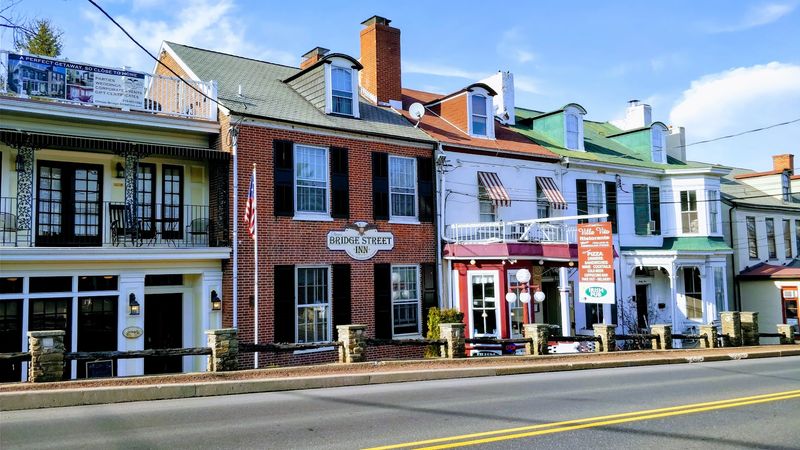
New Hope has long carried an artistic spirit, and the New Hope Arts Center makes that identity visible in a direct, accessible way.
Instead of separating culture from daily life, the town seems to weave creativity into its streets, storefronts, and conversations, which keeps the historic setting feeling fresh.
What I appreciate most is that local and regional art here does not compete with heritage but adds another layer to it.
The exhibitions remind you that New Hope is not simply preserving an earlier chapter, it is still producing new work and giving contemporary voices room within an older landscape.
That balance matters because it keeps the village from becoming predictable.
When you spend time with the art scene in New Hope, you see a place where tradition and expression support each other, helping the town feel both rooted and alive no matter what season brings people through its streets.
6. Main Street, Shops, and Seasonal Energy
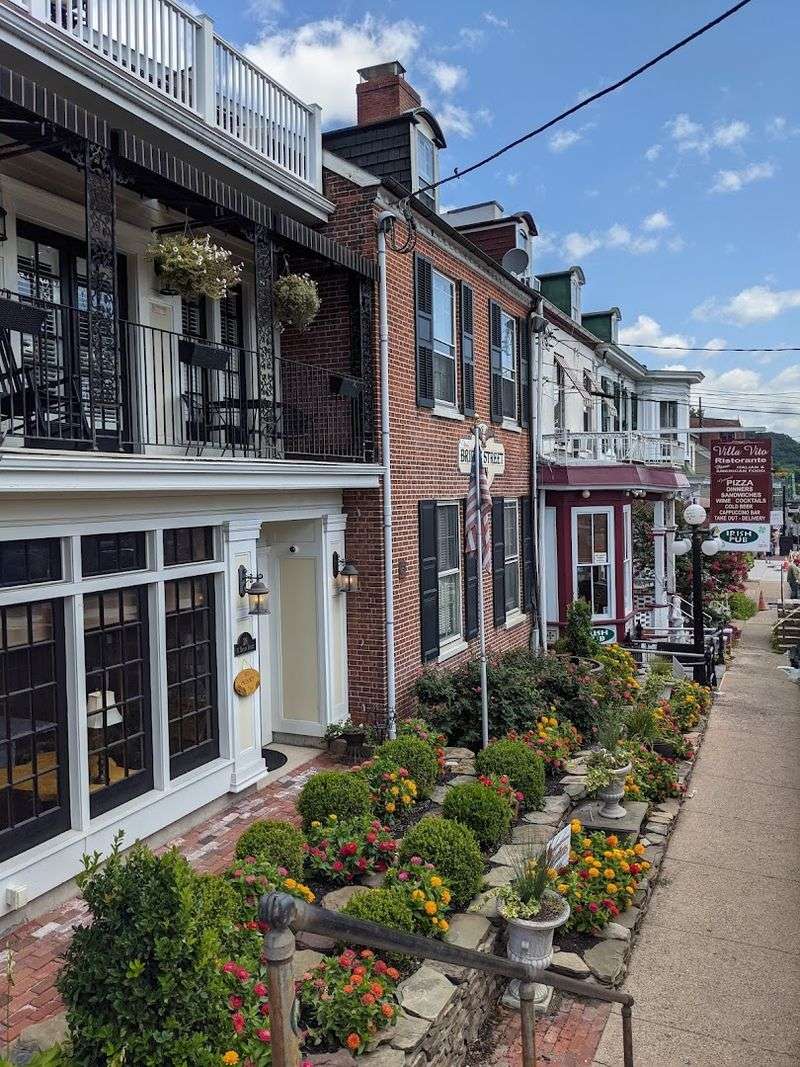
Main Street in New Hope shows how a historic town can stay inviting without losing the texture that makes it special.
The storefronts, restaurants, and walkable layout create energy, but the setting never feels anonymous because the buildings and streetscape keep reminding you where you are.
I like that the seasonal shifts are easy to notice here, whether you arrive for spring color, summer bustle, autumn atmosphere, or winter lights.
The businesses contribute to that rhythm, yet the appeal goes deeper than shopping because the whole street feels shaped by long habits of gathering, strolling, and lingering.
If you want the version of New Hope that blends visitor excitement with local character, this is where you feel it most clearly.
Main Street proves that heritage is not only found in landmarks, but also in the everyday pattern of how people use a town and enjoy it together.
7. Historic Architecture from Cintra to Side Streets
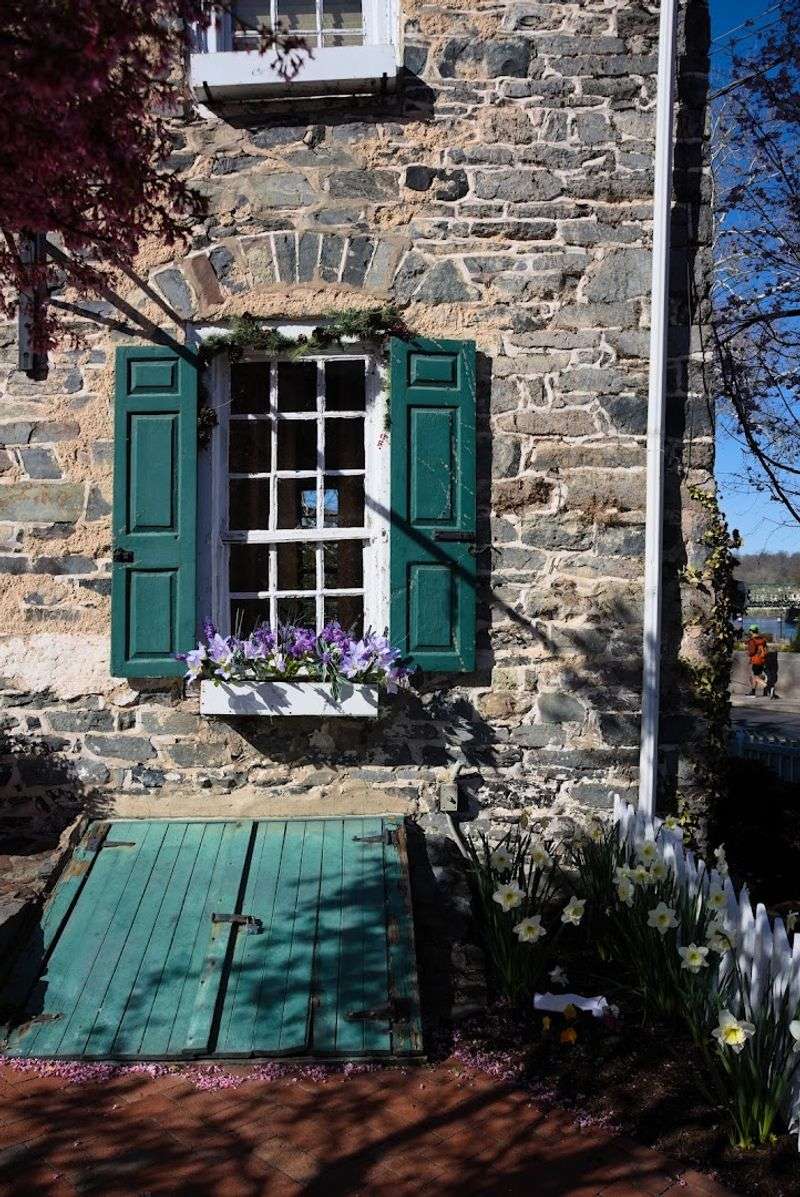
New Hope rewards anyone who pays attention to architecture, because the town’s character is built into more than its most famous attractions.
Landmarks such as Cintra stand out for their distinct presence, but the smaller houses, facades, and side streets also help tell the story of a place shaped over time.
I find that walking without an agenda is often the best way to notice how these structures hold the village together.
Different building styles and periods coexist in a way that feels organic, showing you a community that has changed steadily while still respecting the visual memory written into its streets.
This architectural continuity is one reason New Hope feels so complete and atmospheric in every season.
Whether trees are full, leaves are turning, or winter light sharpens every line, the town’s built heritage keeps asserting itself, making even an ordinary walk feel connected to something enduring.
8. A Town Where the Seasons Still Feel Personal
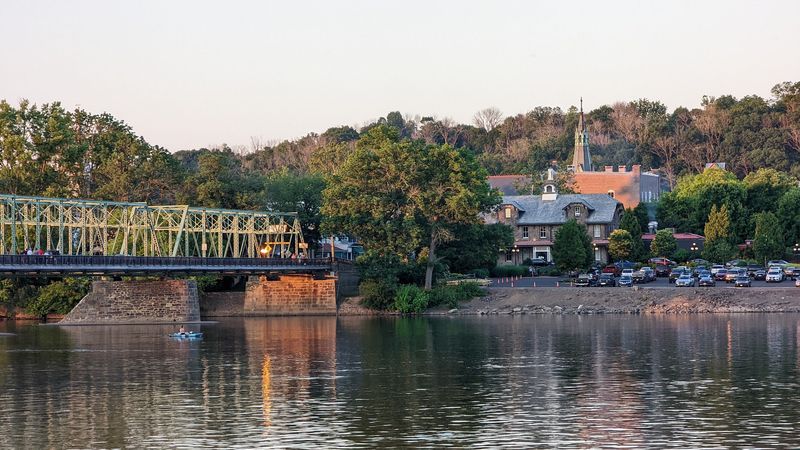
What stays with you most about New Hope is not one single site but the way the whole town seems to move with the seasons.
Heritage is part of that feeling, because the canal, river, railroad, historic homes, and village center all give each time of year a setting that feels intimate and recognizable.
I think that is why New Hope leaves a stronger impression than places that rely only on scenery or entertainment.
Here, seasonal change feels personal, expressed through walks along the towpath, views by the water, storefront activity, and the continuing presence of local landmarks that anchor the community.
By the end of a visit, you are not just remembering things you saw but a rhythm you experienced.
New Hope, Pennsylvania, still knows how to let history guide the pace without making the town feel stuck, and that balance is exactly what makes it worth returning to again.