A warm soft pretzel twists its way out of the oven in Mullica Hill while, nearly 120 miles north, shoppers in Edgewater debate which Japanese noodles deserve space beside the mochi in their carts.
Somewhere between those two scenes, cider donuts are disappearing by the dozen, kielbasa is being sliced at a Polish deli, and farmers are stacking tomatoes that still smell like the field.
New Jersey’s best food markets are not places where you rush through a list and head home. They turn shopping into an expedition, complete with unexpected snacks, specialty ingredients, and at least one purchase you never intended to make.
Some have served their communities for generations; others bring global flavors together under one roof. You can build a picnic, stock the freezer, eat a full lunch, or simply wander until something smells too good to ignore.
Clear some trunk space before visiting these 14 markets—you will probably need it.
1. Trenton Farmers Market – Lawrence Township
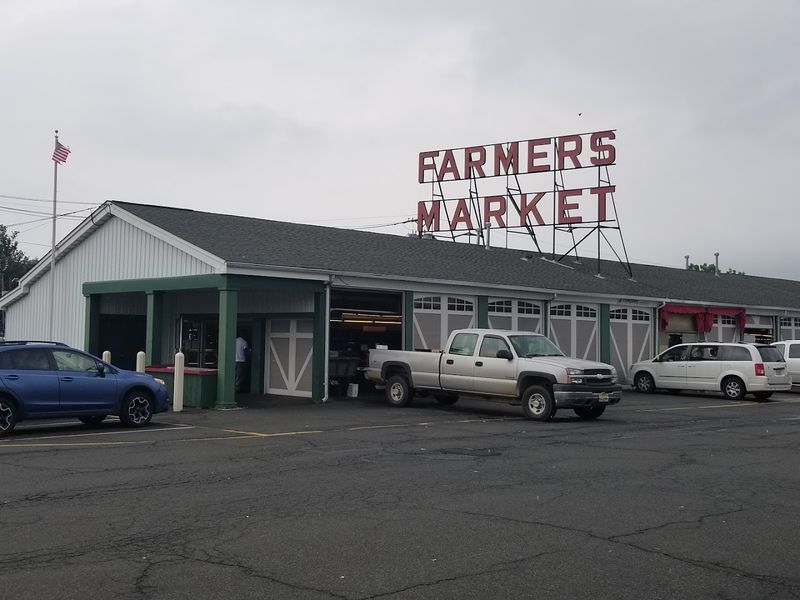
History is still part of the weekly grocery run at this Spruce Street landmark, which began as a farmer-owned cooperative in 1939 and has operated in Lawrence Township since 1948. It remains New Jersey’s oldest continuously running farmers market, but longevity is only the beginning of its appeal.
More than 40 businesses fill the market with Jersey-grown fruits and vegetables, Amish meats and poultry, artisan cheeses, baked goods, local wine, sweets, and prepared meals. The Polish specialties are especially hard to pass up.
Pick up kielbasa, pierogi, smoked meats, or deli provisions, then follow the aroma of barbecue, rotisserie chicken, burgers, and fried snacks when it is time for lunch. Vegan diners are not treated as an afterthought, either, with dedicated selections among the market’s broad mix.
Farmers bring seasonal produce, flowers, plants, and honey, so the displays shift naturally throughout the growing year. That makes repeat visits worthwhile, particularly when Jersey tomatoes, corn, peaches, or apples reach their peak.
The setup is practical rather than polished, and that is part of the charm: shoppers arrive to fill bags, talk with vendors, and leave with ingredients they can trust. Go hungry and allow time to browse, because the sensible produce run can quickly become a deli stop, bakery visit, and hot lunch rolled into one.
2. Columbus Farmers Market – Columbus
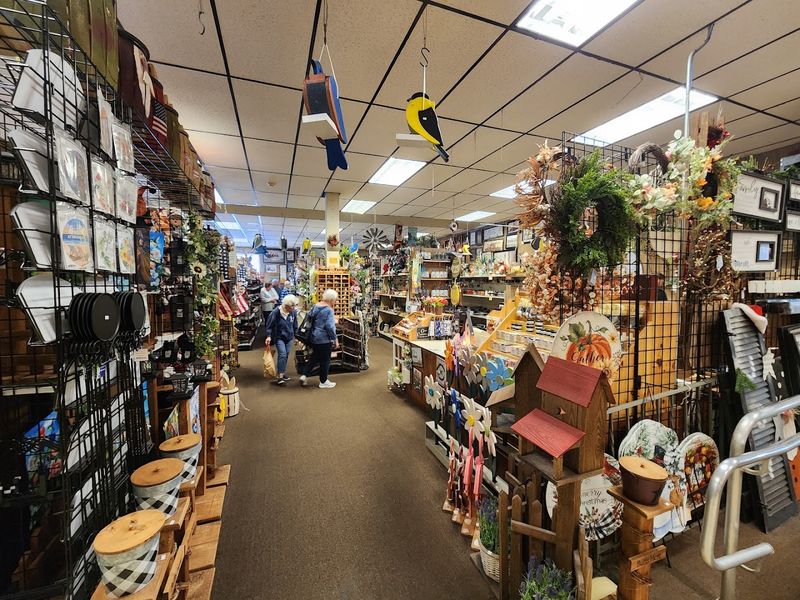
Two hundred acres leave plenty of room for a food market to get wonderfully out of hand. This Burlington County institution combines an indoor market, outdoor flea market, Produce and Seafood Row, an Amish market, garden vendors, and dozens of permanent shops in one sprawling complex.
Food lovers should begin with the edible priorities before the antiques and bargains cause a detour. Produce Row is packed with fruits and vegetables during the growing season, while seafood counters supply the makings of a serious weekend dinner.
Inside, the Amish section brings baked goods, meats, cheeses, pretzels, prepared foods, and sweet treats together in a concentrated stretch of temptation. Arriving hungry is almost a strategy, since it leaves room to sample your way through the stalls rather than choosing only one meal.
Columbus is also the sort of market where cultural variety sneaks into the shopping trip: a familiar farm-stand purchase can share trunk space with specialty groceries, fresh fish, and a dessert bought entirely on impulse.
The complex operates on a staggered schedule, with the indoor market generally open Thursday through Sunday and the outdoor flea market running Thursday, Saturday, and Sunday.
Produce and Seafood Row also operates Thursday through Sunday. Weekend mornings can be busy, but the large grounds provide ample parking and enough territory to absorb a crowd.
Wear comfortable shoes, bring reusable bags, and expect a quick stop to stretch into half a day.
3. Dutch Country Farmers Market – Flemington
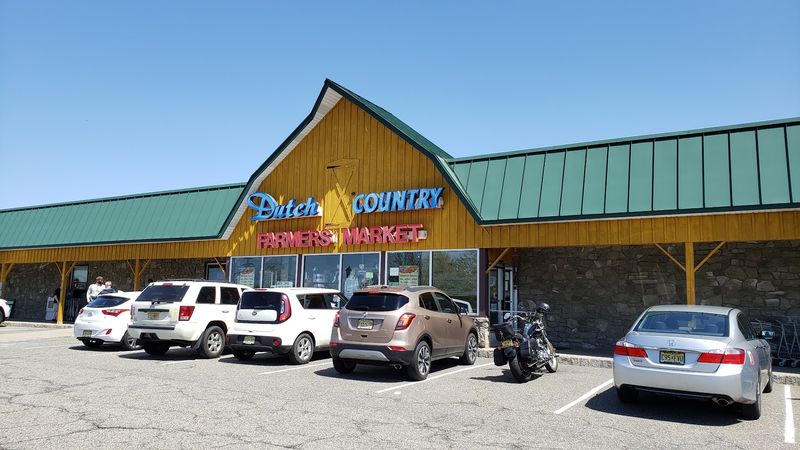
The first clue that restraint may be difficult comes from the bakery, where donuts, pies, cakes, cookies, and breads crowd the cases with the confidence of foods that know they are going home with someone.
Lancaster County vendors anchor this compact indoor market in Flemington, making it a reliable stop for Amish-style cooking without crossing into Pennsylvania.
Savory options carry just as much weight as the sweets. Fresh meats, smoked sausages, barbecue chicken, salads, seafood, cheeses, and prepared dishes make it possible to assemble several dinners in one circuit.
If lunch is the immediate goal, order something hot before shopping; browsing while hungry tends to produce an ambitious collection of pies and cured meats. The market feels manageable enough to learn quickly, and regular shoppers often develop a route based on which counter lines build first.
That familiarity is part of the appeal. Vendors specialize rather than trying to sell everything, so the butcher, bakery, candy shop, produce stand, and prepared-food counters each feel like separate destinations.
Seasonal and holiday periods bring additional specialties, including hams, roasts, lamb, chocolates, and decorated desserts. The limited weekly schedule requires a little planning: regular hours generally fall on Thursday, Friday, and Saturday, with Saturday closing earlier than the other days.
Arrive near opening for the widest selection, especially if a particular baked good is the reason for the drive. A cooler in the car is also useful once the cheese and meat counters start making convincing arguments.
4. Pennsylvania Dutch Farmers Market – Princeton
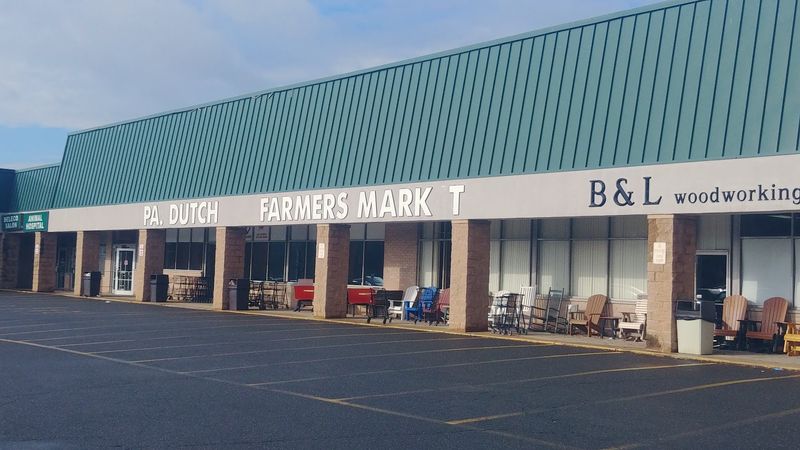
One building can solve breakfast, dinner, dessert, and the dangerous question of what snack to eat on the drive home. Operating since 1992, this indoor Amish market brings vendors from Lancaster County to the Kingston Mall Shopping Center on Route 27.
The food selection covers the full comfort-food spectrum: fresh poultry and seafood, butcher-cut meats, cheeses, produce, salads, bulk foods, baked goods, donuts, candy, and hot meals ready to eat. Begin at the prepared-food counters if hunger is already making decisions, then approach the bakery with a clearer head.
It may not help—fresh donuts, pies, breads, and confections are formidable—but at least lunch will already be handled. Home cooks can build a substantial weekend menu here, pairing a roast or chicken with prepared sides, fresh vegetables, and a loaf still carrying the warmth of the oven.
Bulk pantry goods and cheeses add another reason to bring a proper shopping bag rather than pretending this will be a one-item stop. The nonfood offerings include Amish furniture, quilts, leather goods, candles, and home decorations, giving everyone something to browse while orders are being wrapped.
Despite the Princeton mailing address, the market sits along Route 27 in the Kingston area, with straightforward shopping-center parking. It opens only Thursday through Saturday, so check the schedule before making the drive.
Friday offers a long shopping window, while early Saturday is best for beating the busiest bakery lines.
5. Mullica Hill Amish Market – Mullica Hill
A maple-bacon donut in one hand and a warm soft pretzel in the other may not be a balanced meal, but it is an excellent way to understand this South Jersey favorite.
Open since 2006, the market gathers a focused collection of vendors specializing in Lancaster County foods, fresh produce, meats, poultry, cheeses, seafood, salads, and prepared dishes.
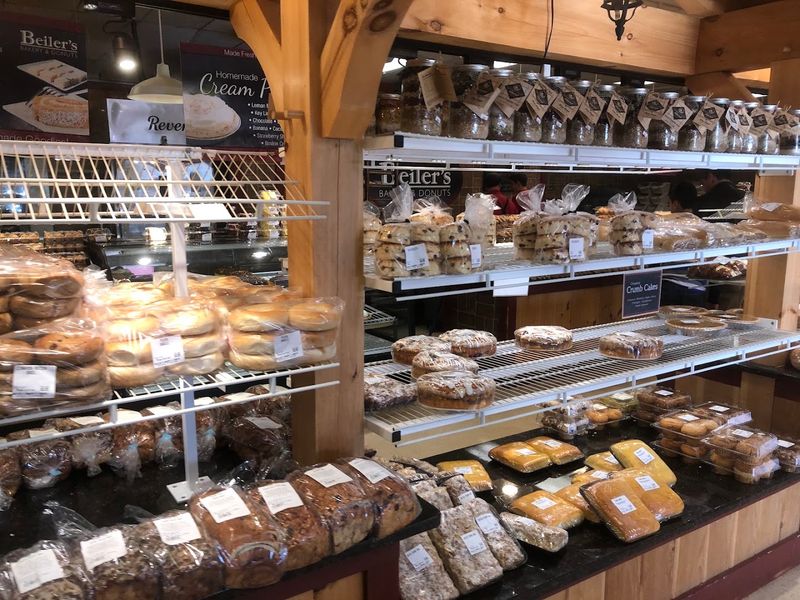
Beiler’s Bakery supplies pies, cakes, breads, cookies, rolls, and whoopie pies, while the donut counter creates the kind of line that functions as an unofficial recommendation. Dutch Twist makes pretzels on-site, including stuffed pretzel logs substantial enough to count as lunch.
For something more traditional, the market’s restaurant serves Amish-country recipes, and the Chicken Shack handles rotisserie poultry with scratch-made sides. This is also a useful market for actual meal planning, not merely snacking.
Butchers cut fresh meat to order, the cheese counter carries spreads and dairy products, and the produce stand provides seasonal fruit and vegetables. Seafood, crab cakes, nuts, candy, wine, and prepared salads round out a surprisingly broad selection for a relatively approachable indoor space.
Since the market operates Thursday through Saturday, weekend shoppers should arrive early if they have their hearts set on a specific bakery item. Parking is easy at the Swedesboro Road location, but the interior can become packed around lunchtime.
Bring a cooler, take a first lap before committing, and do not assume one pastry box will be enough.
6. Dutch Wagon Amish Market – Medford
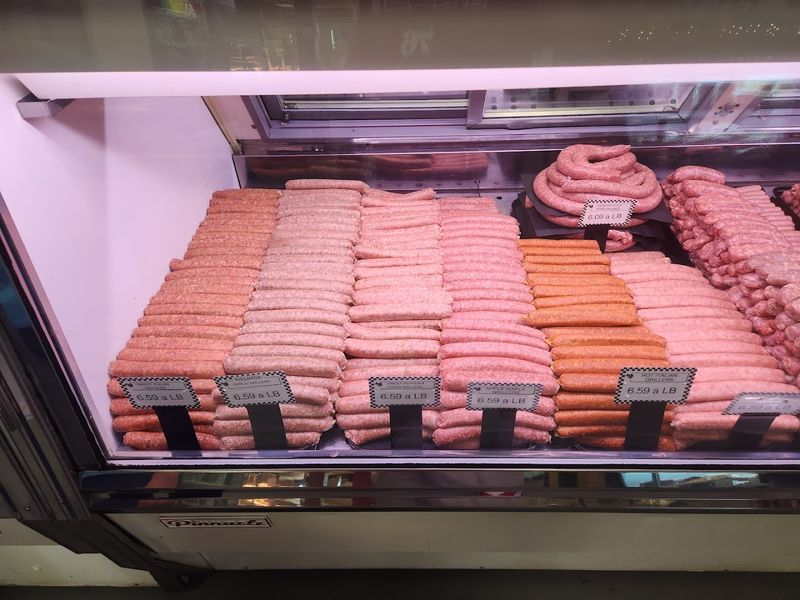
Friday and Saturday take on extra importance at this compact Route 70 market, where a short weekly schedule helps create a genuine sense of occasion. The building is smaller than several Amish markets elsewhere in New Jersey, but it uses that space efficiently.
Counters carry fresh poultry, bacon, deli meats, cheeses, dairy products, baked goods, candy, salads, fried chicken, barbecue, soft pretzels, and other Lancaster County staples. The café makes a smart opening move, particularly for anyone arriving early enough for pancakes, waffles, or a hearty breakfast before shopping.
From there, follow the aromas. Donuts and pretzels often provide the immediate temptation, while the butcher and deli counters give the trip practical value beyond whatever gets eaten in the parking lot.
A standout seasonal component comes from Summer Wind Farm Market, which brings locally grown fruits and vegetables from early spring through Thanksgiving. That stand also highlights Jersey seafood, local honey, tomato products, specialty sauces, olive oils, vinegars, and regional pantry goods.
During peak tomato season, the selection can turn a routine visit into an enthusiastic celebration of everything the Garden State grows best. The year-round Amish vendors generally operate Fridays and Saturdays, though individual seasonal stands may keep narrower calendars.
Because the market is only open two days a week, arriving earlier provides the best shot at popular baked goods and prepared foods. There is no need for a complicated plan—just bring a cooler and avoid eating a full breakfast beforehand.
7. Berlin Farmers Market – Berlin
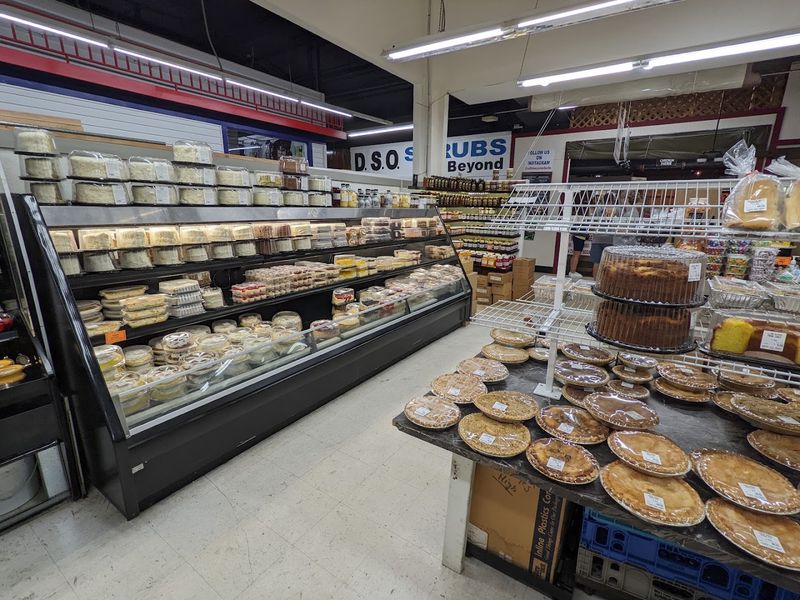
The smell of pot pie and fresh bread competes with the thrill of finding a vintage record, a kitchen gadget, or something completely unidentifiable at this long-running Camden County institution.
Dating to the 1940s, Berlin Farmers Market combines indoor merchants with an outdoor flea market, giving it more range than a straightforward grocery destination.
Food vendors are threaded through a larger shopping maze, so exploration is part of the experience. Country Hill Amish Bakery is a major draw, with breads, donuts, cakes, cookies, cupcakes, pastries, and both chicken and beef pot pies.
Those pot pies are particularly useful purchases: one handles dinner, while the bakery box handles everything after dinner. Elsewhere, shoppers can find meats, produce, deli items, prepared foods, snacks, and casual meals that reward wandering past the retail stalls.
The market has a pleasantly old-school rhythm. Shoppers carry bags between counters, vendors greet familiar customers, and no one seems surprised when a grocery trip ends with an antique under one arm.
Indoor stores generally operate Thursday through Sunday, while the outdoor portion keeps its own weather-dependent schedule. Thursday and Friday can be calmer choices for food-focused visitors, though weekends offer the fullest flea-market experience.
The Clementon Road property has parking, but the most convenient spaces disappear quickly on busy mornings. Make the bakery an early stop, keep cash handy for smaller vendors, and save enough appetite to investigate whichever grill is producing the longest line.
8. Cowtown Farmers Market – Pilesgrove
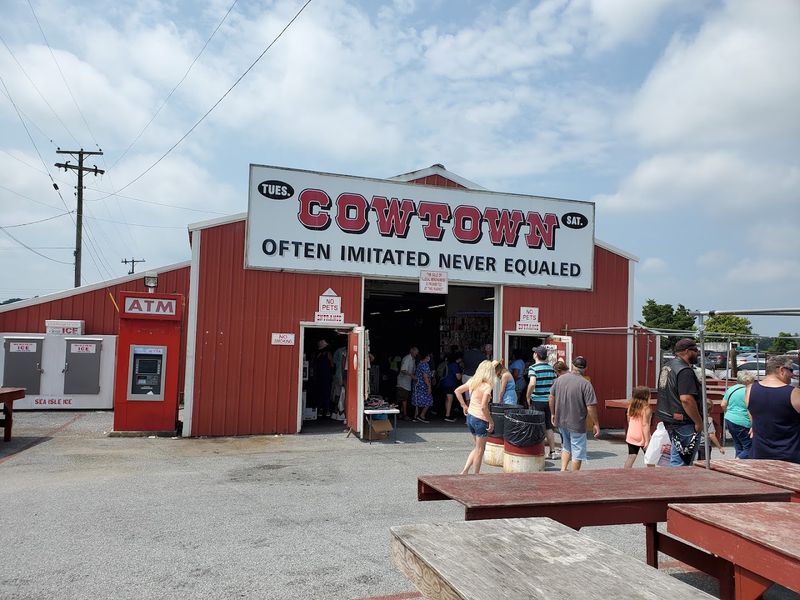
There is nothing dainty about a market with more than 400 vendors and roots stretching back to a 1926 livestock auction. Cowtown spreads across heated indoor buildings and extensive outdoor aisles, operating year-round every Tuesday and Saturday.
Its scale invites browsing, but food lovers should arrive with a loose strategy. Start with fresh produce, meat, seafood, and baked goods before the growing crowd makes navigation slower, then circle back for prepared food.
Depending on the vendors that day, lunch might mean Mexican tacos, barbecue, soul food, fried snacks, sandwiches, or something sweet from a bakery counter. The mix is less carefully curated than a modern food hall and far more unpredictable, which is exactly why people keep returning.
A favorite seller may be in the same spot each week, while a new stall offers a sauce, spice blend, or snack you have never encountered. Between food stops, shoppers can dig through clothing, tools, jewelry, housewares, plants, collectibles, and just about every category that fits beneath a canopy.
The market opens from 8 a.m. to 4 p.m. rain or shine, and the early hours are the most comfortable for serious grocery shopping. By midday, the outing feels closer to a fair.
Admission and parking are free, but pets are not permitted on the property. Comfortable shoes are essential, reusable bags are helpful, and cash keeps small transactions moving.
Do not try to see everything; Cowtown is better when you accept that another visit will be necessary.
9. Delicious Orchards – Colts Neck
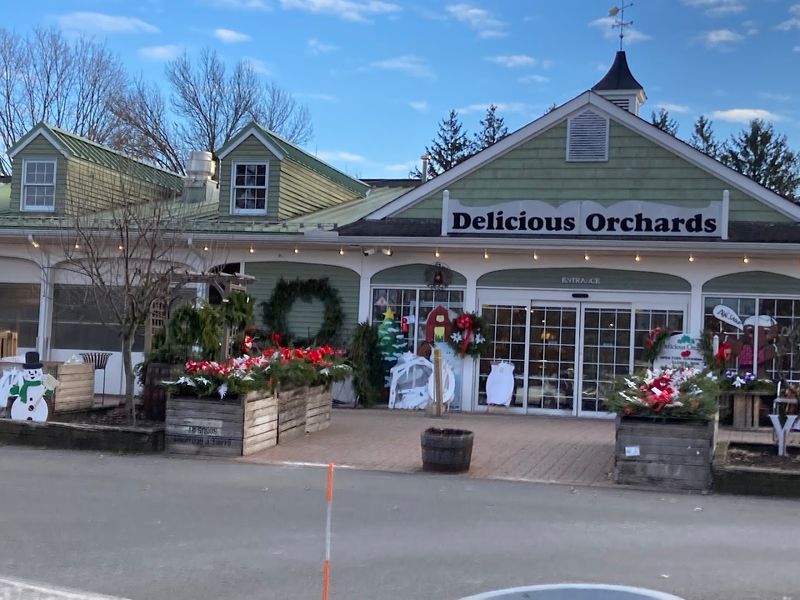
Few grocery entrances inspire people to immediately grab two carts, but the bakery and produce displays at this Colts Neck landmark explain the instinct. What began as an orchard in 1911 has grown into a 60,000-square-foot country food market visited by millions of shoppers each year.
Apples remain central to its identity, especially in fresh cider, pies, fritters, and sugar-dusted cider donuts. Those donuts deserve a place in the cart before any responsible shopping begins.
The bakery also produces breads, cakes, cookies, biscuits, Danish rings, and fruit pies in enough varieties to make choosing one feel unreasonable.
Beyond the sweets, the market excels at polished produce displays, butcher selections, cheeses, seafood, deli goods, prepared meals, coffee, specialty groceries, and fresh-ground peanut butter.
Jersey corn and tomatoes become seasonal headliners in summer, while apples and cider dominate the fall rush. The Juice and Smoothie Bar and Cider Café make it possible to eat before tackling the aisles, a move that may protect the grocery budget from hunger-driven decisions.
Even so, shoppers rarely leave with only what they planned. The Route 34 property has a large parking area, but autumn weekends draw substantial crowds; weekday mornings offer a calmer visit.
Delicious Orchards is generally closed on Mondays, and holiday hours can change. Go with a cooler, a realistic amount of trunk space, and the understanding that “just one pie” is not a binding promise.
10. Springdale Farm Market – Cherry Hill
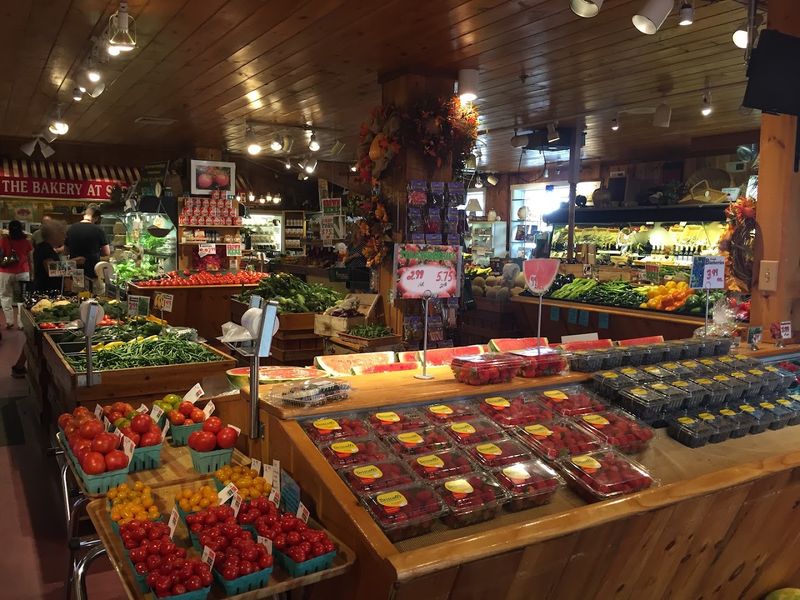
Jersey tomatoes do not travel far before reaching the shelves here. As Cherry Hill’s last working farm, Springdale grows many of the fruits, vegetables, herbs, and flowers sold at its own market, creating a direct connection between the surrounding fields and the shopping basket.
The family has farmed along Springdale Road since 1949, and the operation still feels rooted in what is ready now rather than what can be shipped from far away. Summer brings sweet corn, tomatoes, blueberries, peaches, and other Garden State favorites, while the fall shifts toward apples, pumpkins, cider, and harvest activities.
The bakery gives visitors another reason to pull over. Apple cider donuts are a dependable choice, but the pie selection rewards closer inspection, with fruit-filled standards joined by seasonal specialties and savory tomato pie.
Breads, muffins, jams, honey, and other pantry treats fill the gaps between fresh produce and dessert. Springdale also sells plants and flowers, and family events may include wagon rides, pick-your-own crops, or a corn maze depending on the season.
That working-farm identity keeps the experience specific: the display changes because the fields change. The market is open seven days a week, typically from 8 a.m. to 6 p.m., making it easier to visit than markets with limited weekend schedules.
Parking is available on-site, though October weekends can become busy. For the best produce selection and shortest bakery lines, make it a morning trip and bring a separate bag for anything warm.
11. Dreyer Farms – Cranford
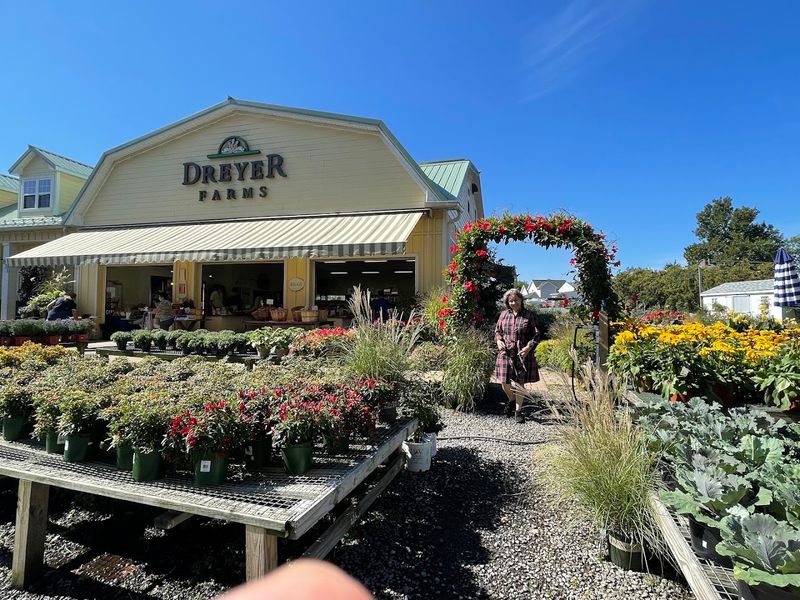
Cranford has grown around this family farm since 1904, yet rows of vegetables, greenhouses, and a busy market still occupy the land along Springfield Avenue. That survival story would make Dreyer Farms notable on its own, but the food earns the loyalty.
Seasonal produce is the heart of the operation, including corn, tomatoes, peppers, greens, squash, herbs, and greenhouse-grown specialties that arrive according to the calendar. The farm’s heirloom tomatoes are a summer prize, offering colors and flavors that make an ordinary supermarket tomato seem like office supplies.
Fresh corn deserves similarly quick treatment: buy it, take it home, and cook it the same day. A bakery adds pies, cookies, breads, cider donuts, and rotating sweets, while the prepared-food section helps turn farm produce into an easy lunch or dinner.
The market also highlights products from local partners, so shoppers may find milk, eggs, honey, cheese, sauces, meats, and pantry staples alongside what Dreyer grows. Historic photographs displayed in the newer market building connect the current operation to Henrietta Dreyer’s original 1946 farm stand.
Outside, the nursery fills with annuals, perennials, vegetable plants, and herbs in spring. Dreyer Farms operates on a seasonal calendar and typically closes from Christmas until mid-March, so winter visitors need to plan accordingly.
During the open season, it welcomes shoppers daily, with slightly shorter Sunday hours. The parking lot is modest; weekday mornings are ideal when summer produce reaches its peak.
12. Montclair Farmers Market – Montclair
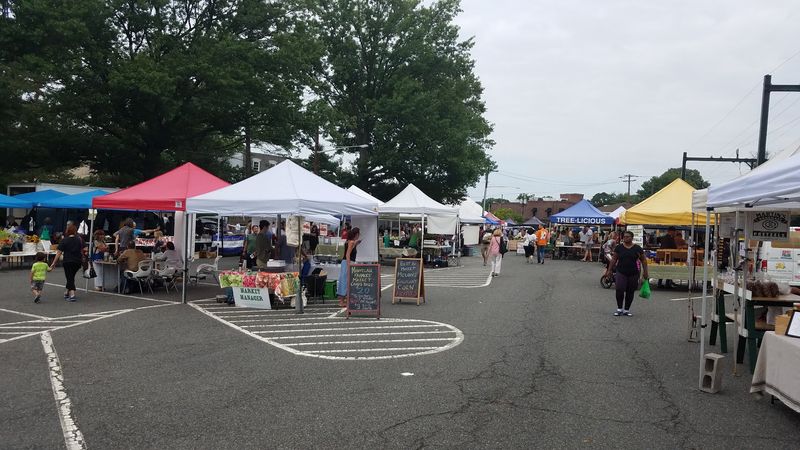
Saturday morning at the Walnut Street train station produces an unusually convincing argument for skipping the supermarket.
Farm tents line the lot with seasonal vegetables, orchard fruit, meats, poultry, seafood, cheese, bread, and prepared foods, while the aroma of coffee, waffles, kettle corn, and hot snacks drifts through the crowd.
Established in 1993, the market now operates year-round, shifting from 8 a.m. to 1 p.m. during the summer season to a later 9 a.m. start in winter. Its vendor lineup gives the outing exceptional range.
Shoppers may encounter organic vegetables, locally grown mushrooms, fresh Atlantic seafood, grass-fed meats, bison or ostrich, handmade pasta, artisan bread, pierogi, kielbasa, samosas, hummus, soups, jams, pickles, fermented foods, maple syrup, olive oil, chocolate, and small-batch coffee.
That variety makes this as useful for building dinner as it is for grazing.
A loaf, wedge of cheese, jar of pickles, and orchard fruit can become an instant picnic; fresh pasta and sauce solve the evening meal. Since vendors can rotate and seasonal availability matters, each visit feels slightly different without becoming unreliable.
The train-station setting is convenient, but parking around Walnut Street gets competitive later in the morning. Arrive near opening for the broadest produce selection, bring reusable bags, and carry smaller bills for quick purchases.
In summer, live music and neighborhood foot traffic give the morning a social pull, but the food remains the clear reason to stay.
13. Mitsuwa Marketplace – Edgewater
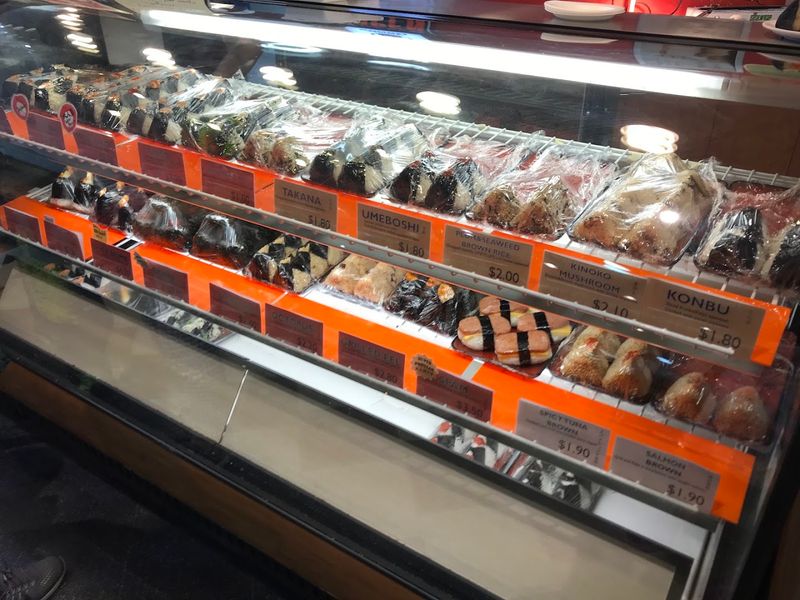
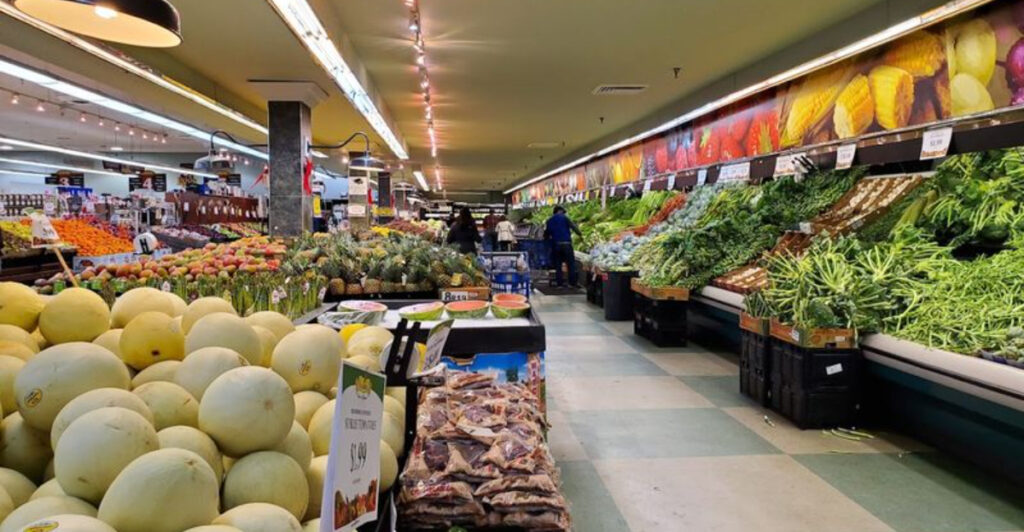
Ramen steam, grilled meat, and sweet bakery aromas hit before the grocery aisles even enter the conversation. This enormous Japanese marketplace on the Hudson River is part supermarket, part food court, and part specialty-shopping destination, making it easy to spend several hours without leaving the building.
Begin with lunch if the tables are available. The food court features Japanese comfort foods such as ramen, udon, soba, tempura, rice bowls, tonkatsu, curry, takoyaki, and sushi, with individual vendors specializing rather than relying on one enormous menu.
Dessert might involve matcha soft serve, mochi, crepes, or a pastry from the bakery. Then take that momentum into the market itself.
Seafood cases display fish cut for sashimi alongside whole fish and shellfish, while refrigerated aisles carry tofu, noodles, dumplings, pickles, miso, sauces, and prepared meals.
The snack selection can consume an unreasonable amount of time, especially once dozens of regional Kit Kat flavors, rice crackers, candies, and instant noodles begin competing for cart space.
Shoppers can also explore Japanese cookware, tableware, cosmetics, books, and gifts in the adjoining stores. Mitsuwa opens daily and has a large parking lot, but weekends become intensely busy around lunch.
A weekday visit offers more breathing room; otherwise, arrive early, eat before noon, and shop afterward. Do not miss the Manhattan skyline outside—the view is excellent, even if the grocery bags remain the main souvenir.
14. Corrado’s Market – Clifton
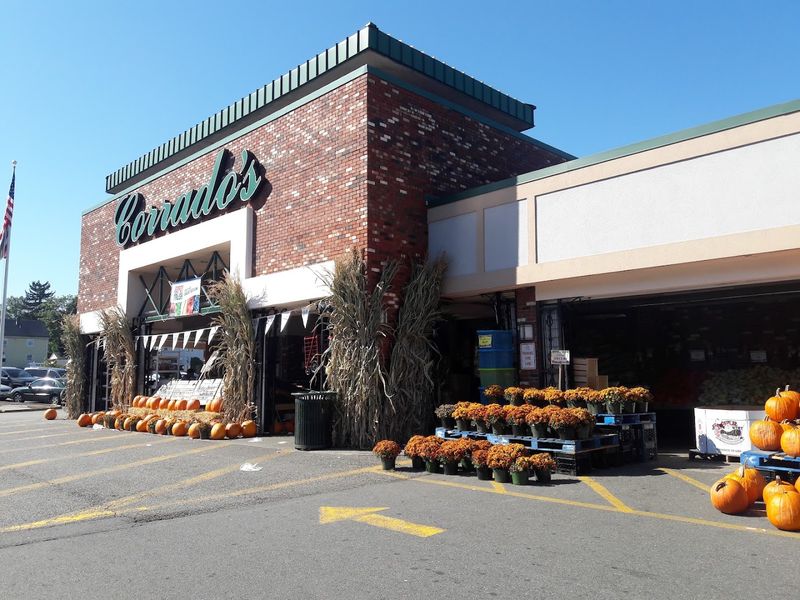
Crates of peppers, tomatoes, eggplants, citrus, and herbs create a burst of color before the old-school Italian market specialties begin filling the cart.
Corrado’s has long been a North Jersey destination for shoppers who cook in quantity, preserve seasonal produce, or believe a pantry is not properly stocked without several kinds of olive oil.
The Clifton market combines an expansive produce department with butcher meats, seafood, deli items, cheeses, bakery goods, prepared meals, imported groceries, and catering selections. Italian staples receive particular attention.
Expect pasta in countless shapes, canned tomatoes, vinegars, oils, cured meats, olives, cookies, espresso, and cheeses suited to everything from Tuesday dinner to a full holiday spread.
The deli and prepared-food counters are useful when cooking ambitions run ahead of available time; sandwiches, salads, antipasti, sauces, and ready-to-heat dishes can assemble a generous meal without much work at home.
Corrado’s is also famous among home winemakers. In season, wine grapes and winemaking supplies draw customers who arrive ready to buy by the case rather than the bunch.
That wholesale spirit carries into much of the store, where large displays and competitive produce pricing encourage serious stocking up. The Main Avenue location has its own parking, though peak weekend periods can feel hectic.
Visit with a list but leave room for improvisation, especially near the cheese and bakery counters. A sturdy cart is advisable; this is not the place where anyone successfully buys only a loaf of bread.
Share this story