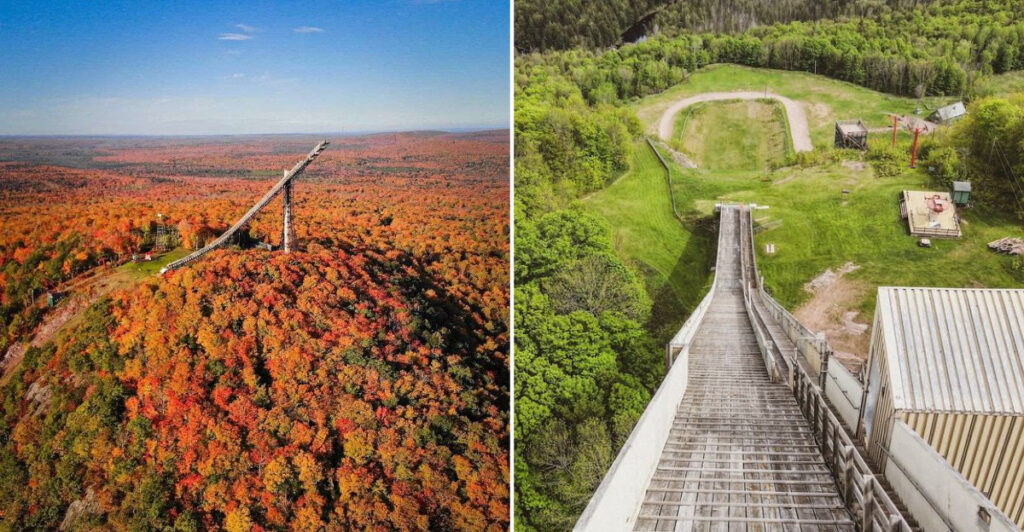
Few Upper Peninsula landmarks look as dramatic from a distance as Copper Peak. Near Ironwood, Michigan, this massive ski jump rises above thick forest and turns a scenic stop into something with real height, speed, and edge built into its story.
The structure is striking on its own, but the bigger payoff comes from the sweeping views and the sense of standing inside a piece of regional sports history. It brings together outdoor adventure, engineering, local pride, and just enough thrill to make the visit feel different from a typical overlook.
For anyone who likes Michigan stops with scenery and a little adrenaline, Copper Peak gives you plenty to talk about.
A Giant Rises Above the Trees
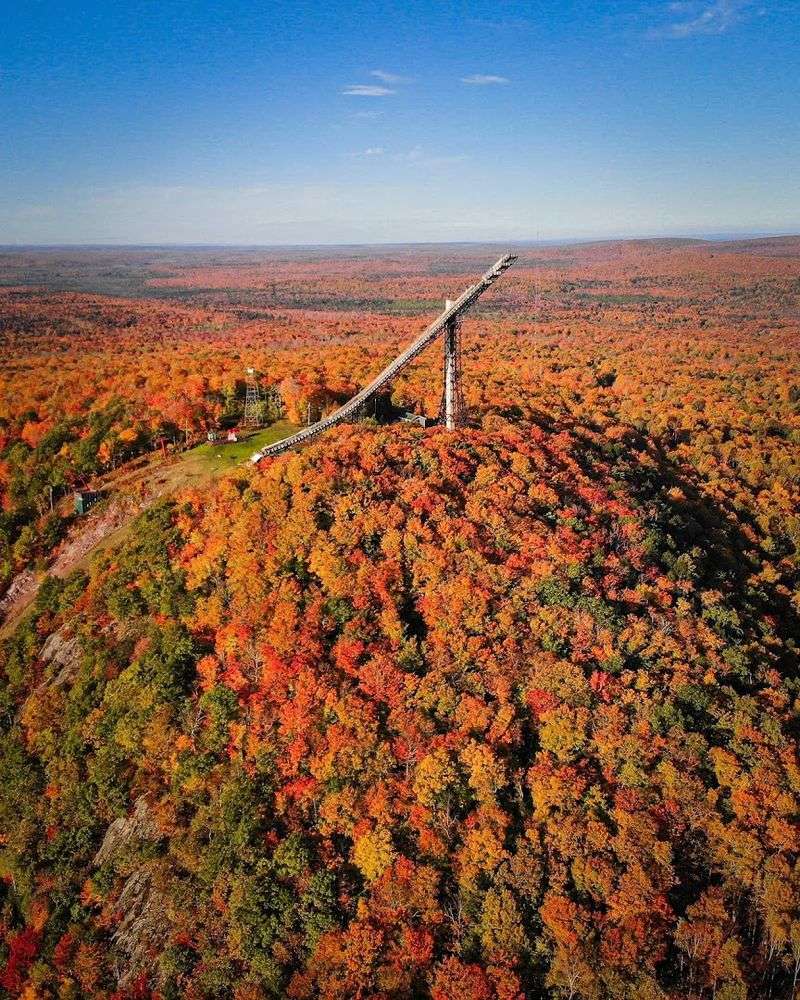
Long before the top comes into view, Copper Peak starts making an impression from the road. The structure looks almost unreal at first, like a steel ramp dropped into the middle of the forest.
That sudden contrast is part of the thrill, because the wild green setting makes the jump seem even taller.
Set near Ironwood in Michigan’s Upper Peninsula, Copper Peak is known as a ski flying hill and a sightseeing stop at the same time. Its size is the headline, but the location matters just as much.
Rolling hills, thick woods, and open sky give the whole site a dramatic stage.
Instead of a crowded city attraction, the experience begins with space and quiet. Birds, wind, and long views shape the mood more than signs or noise.
That natural backdrop helps visitors understand why this spot feels so different from a typical overlook.
Seeing the jump from below also gives a real sense of scale. The ramp stretches high overhead, and the tower pulls your eyes upward in one clean line.
Even people who know they are coming to a ski jump are often surprised by how massive it appears in person.
For families, photographers, and road trippers, that first look does useful work. It sets expectations for a place that is scenic, unusual, and a little intimidating in the best way.
Comfortable shoes help right away, since the site includes walking between access points and observation areas.
Good weather makes the structure look especially sharp against the sky, but changing clouds can add plenty of drama too. On breezy days, the height becomes even more obvious.
Copper Peak does not hide what it is, and that honesty is part of why the arrival feels exciting.
The Chairlift Adds the First Jolt of Adventure
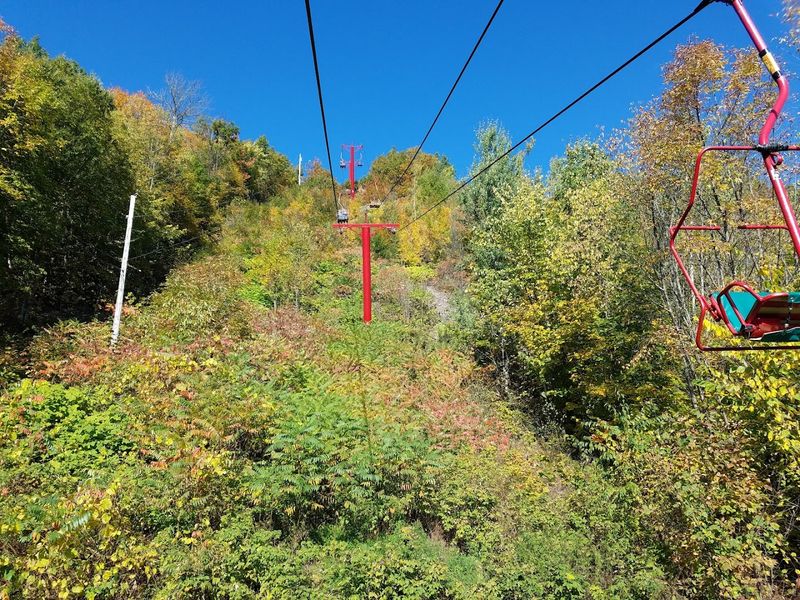
Getting to the viewpoint is not a simple walk up a platform, and that is a big part of the fun. Copper Peak turns the approach into an adventure by starting with a chairlift ride up the hillside.
For many visitors, that lift is the moment when the visit shifts from sightseeing to excitement.
The ride carries people above the slope with trees spreading out below and around them. It is open-air, so the landscape feels close instead of separated by glass.
A short trip can suddenly feel bold when legs are dangling and the ground drops away.
That change in perspective also prepares visitors for the bigger height still ahead. Looking across the hills from the lift gives a preview of the broad terrain surrounding the jump.
It is a smart way to introduce the site, because the scenery unfolds little by little rather than all at once.
Anyone nervous about lifts should know that staff guidance and clear loading instructions help the process feel more manageable. Securing hats, phones, and loose items is a wise move, especially on windy days.
Riding with a partner can also make the experience easier for first timers.
There is a practical side to the lift as well. It saves energy for the elevator, stairs, and observation areas farther up.
That matters for travelers who want the experience without a steep hike from the bottom.
By the time the chairlift ends, Copper Peak has already delivered a memorable segment before the main lookout even begins. The forest seems wider, the sky feels closer, and the jump itself appears more imposing as the path leads onward.
Plenty of attractions save their best moment for the end, but Copper Peak starts building suspense early and uses the landscape to do it.
An Elevator Ride With a Sky-High Payoff
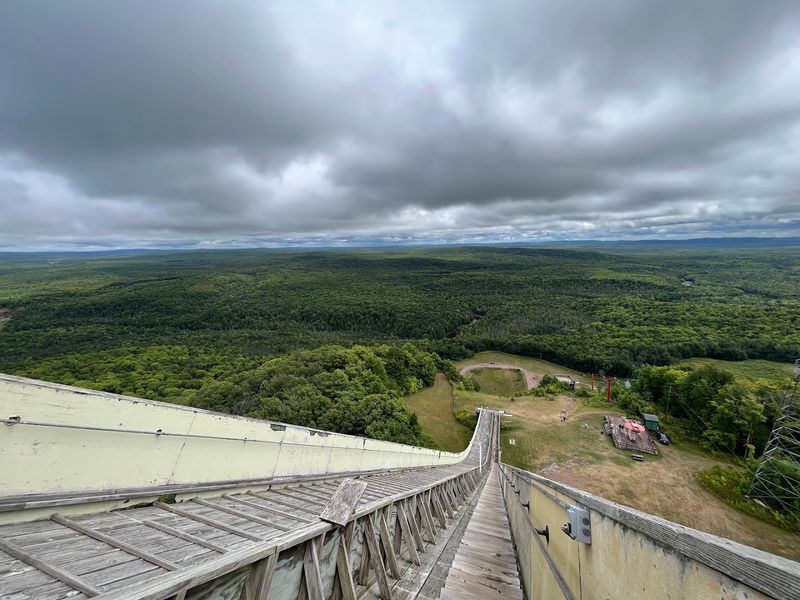
After the chairlift and short walk, the next stage arrives with a surprising twist. Instead of climbing the whole structure from the ground, visitors can take an elevator up the tower.
That combination of lift, walk, and elevator makes Copper Peak feel like a layered journey rather than a single viewpoint.
The elevator ride is quick, but the change in elevation is dramatic. In a short span of time, the forest floor and hillside shrink far below.
Stepping out near the observation level can bring a sudden pause, because the view opens fast and wide.
From here, the landscape becomes the star. On clear days, the horizon stretches across forest, ridges, and the Lake Superior region.
The experience is not only about looking down the ski jump ramp. It is also about seeing how far the Upper Peninsula spreads beyond it.
For travelers who want big scenery without tackling every stair, this is the most practical part of the site. The elevator makes the high vantage point more reachable for many visitors.
At the same time, it preserves the thrilling sense that you have gone somewhere unusual.
Weather can shape the moment in a big way. Wind at this height feels stronger, cooler, and more serious than it did below.
A light jacket and secure grip on sunglasses or hats can make the stop more comfortable.
The observation level works especially well for people who enjoy views but feel unsure about the open stairs above. It still delivers a dramatic payoff and a powerful look at the jump’s scale.
Copper Peak succeeds here because the structure does not only carry visitors upward. It teaches them, step by step, how enormous the surrounding country really is.
Michigan Heights That Test Your Nerves
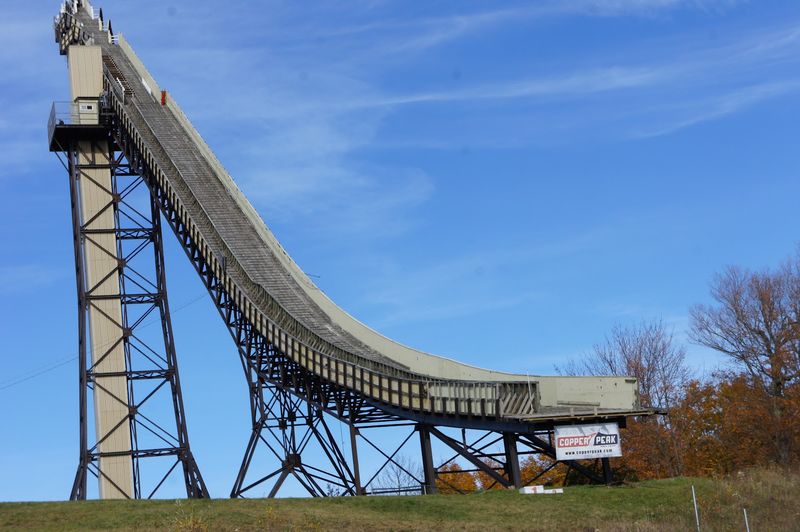
Not every great view comes easily, and Copper Peak makes that clear near the top. Past the elevator level, an extra climb waits for those who want the highest possible perch.
Open metal stairs and grated sections can make even confident visitors slow down and hold the railing tighter.
That final stretch is where the attraction becomes personal. Some people stop at the observation deck and feel completely satisfied.
Others decide to tackle the upper stairs for the full experience, knowing the reward comes with a stronger dose of exposure.
The design matters here because it gives a direct understanding of height. Looking through the grates below your feet is very different from standing behind a solid platform wall.
The structure does not soften the fact that this is a ski jump built for serious altitude.
For visitors with a fear of heights, there is no shame in choosing a comfortable stopping point. Copper Peak is enjoyable without forcing every step.
People with bad knees or balance concerns should also think carefully before pushing on to the highest section.
Still, those who continue often find the upper area to be the most unforgettable part of the visit. Wind feels sharper, the ramp angle looks more intense, and the whole hill seems to drop away beneath the tower.
It gives a rare chance to understand how bold ski flying really is.
The best approach is simple and smart. Wear steady shoes, keep both hands free when possible, and move at a calm pace instead of rushing for a photo.
Copper Peak stands out because it offers choices, from scenic and accessible to thrilling and exposed, all within the same remarkable structure.
Where Sport History Meets Upper Peninsula Scale
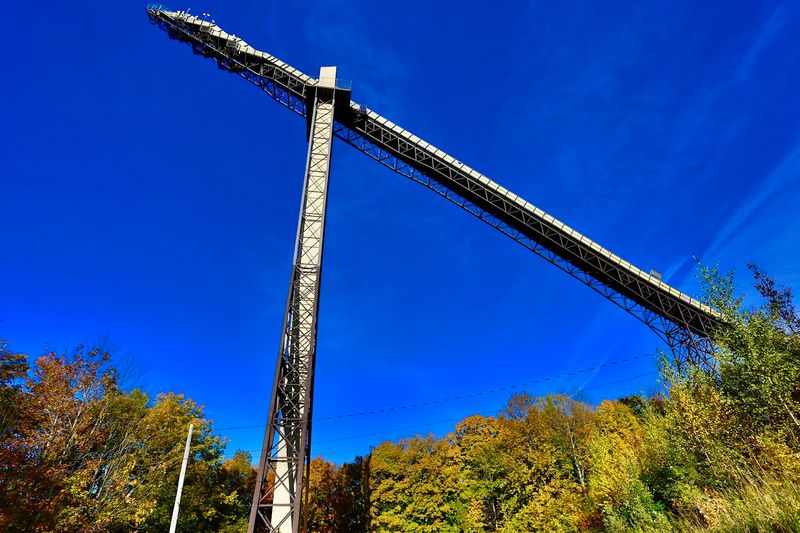
Copper Peak is not only a tall place with a pretty view. The site also carries the story of a major ski jumping structure in a region shaped by snow, hills, and winter sport.
Knowing that background changes the visit, because the tower becomes more than a dramatic lookout.
Ski jumps are built with precision, and Copper Peak shows that engineering in a bold, easy-to-see form. The ramp angle, the tower height, and the long run all point to a sport that depends on courage and exact design.
Standing there gives visitors a better grasp of how extreme ski flying can be.
That is one reason the place captures attention even outside the snow season. A summer or fall trip still tells the story through shape, scale, and setting.
The green hillside below the jump helps visitors imagine the landing area, while the tower shows just how high athletes once launched from above.
Its Upper Peninsula location adds another layer. This is a part of Michigan known for weather, woods, and outdoor tradition, so Copper Peak fits naturally into the region’s identity.
It feels rooted in local landscape rather than dropped into a random location.
Families with kids can use the stop as a fun history lesson without making it feel like school. A quick conversation about how athletes trained, climbed, and flew from a structure this large can turn the visit into something memorable and educational at once.
Photos of the ramp from different angles help bring that story home later.
Plenty of attractions offer either scenery or backstory, but Copper Peak blends both. The view may be what pulls people up the hill, yet the sport behind the structure gives the place its deeper meaning.
Looking over the railing, the jump stops being abstract and starts to feel astonishingly real.
Clear Days Bring Lake Superior Into the Picture
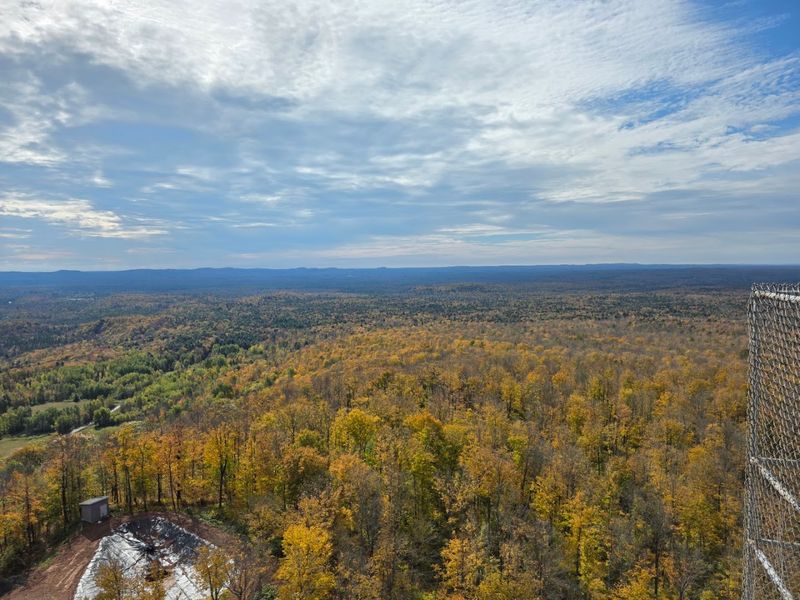
Some overlooks give a nice local scene. Copper Peak goes much bigger when the weather cooperates.
On a clear day, the view can stretch far enough to pull Lake Superior into the experience, adding a broad band of water to the sea of trees and hills.
That reach is one of the site’s greatest surprises. Visitors do not just look at the jump or the immediate valley.
They get a sweeping regional picture that helps explain the scale of the western Upper Peninsula and the rugged country around Ironwood.
Morning and midday light can both work well, but the real key is visibility. Crisp air and low haze make distant features easier to pick out.
Checking the sky before heading up can make the difference between a good visit and a spectacular one.
Bringing binoculars is a smart move for anyone who likes detail. They can help reveal changes in the tree cover, the shape of distant ridges, and the water line on the horizon.
A phone camera can capture the scene, but wide landscapes often look even better when people take time to simply stand still and scan.
Season also changes the mood in a big way. Early fall can add color across the hillsides, while summer offers deep green and long daylight.
Each version gives Copper Peak a different personality without changing the basic thrill of the height.
Wind deserves respect up there, especially when skies are open and conditions seem calm at ground level. Holding onto hats and loose items is a small but important habit.
With the air moving and the horizon stretching, Copper Peak turns a scenic stop into a lesson in distance, weather, and the surprising reach of Michigan’s northern landscape.
Plan the Visit Like a Pro
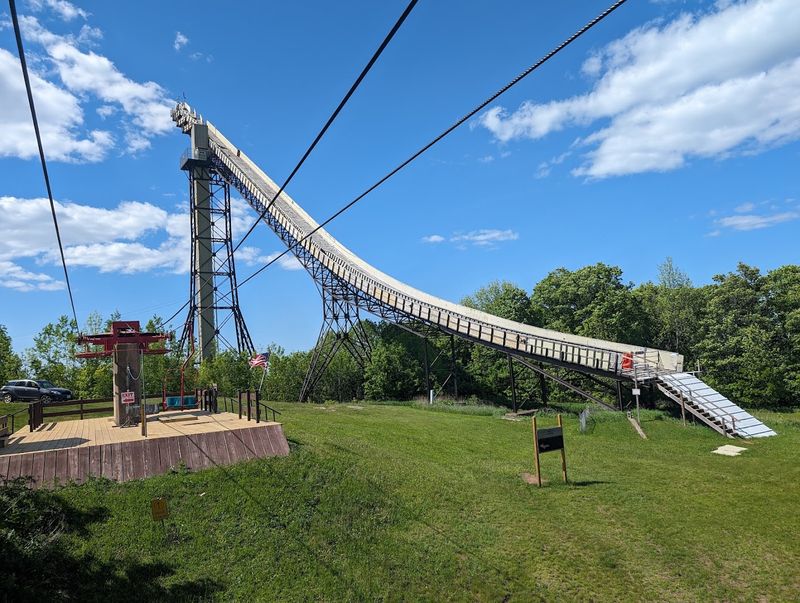
Timing matters at Copper Peak more than at many roadside attractions. Hours can be limited, and the experience depends on both weather and site conditions, so a little planning goes a long way.
Arriving prepared helps the day feel smooth instead of rushed.
Because the attraction is built around height and access systems, conditions can affect what is available. Wind, maintenance, or elevator issues may change parts of the visit.
That does not mean the trip is not worthwhile, but it does mean flexibility is useful.
Comfort starts with basic choices. Wear shoes with good grip, since the visit includes walking, ramps, and possibly stairs.
A light jacket is smart even on warmer days because the breeze near the top can feel much stronger than it does in the parking area.
Travelers visiting with kids or older adults should think through comfort levels before heading upward. The chairlift, elevator, and exposed upper stairs are exciting for some and stressful for others.
Copper Peak works best when each person knows there is no need to force the highest climb.
Photography fans may want extra time instead of a quick stop. The structure offers different angles from the base, the lift approach, the observation area, and the upper sections.
Taking a few slow minutes at each stage can lead to much better pictures than rushing straight to the top.
It also helps to pair Copper Peak with nearby Upper Peninsula sightseeing, since the area is known for scenic drives and outdoor stops. Even without adding anything else, though, the attraction rewards thoughtful pacing.
Show up ready for movement, changing wind, and a little adrenaline, and Copper Peak becomes far more than a simple viewpoint off the road.
Why Copper Peak Stands Apart
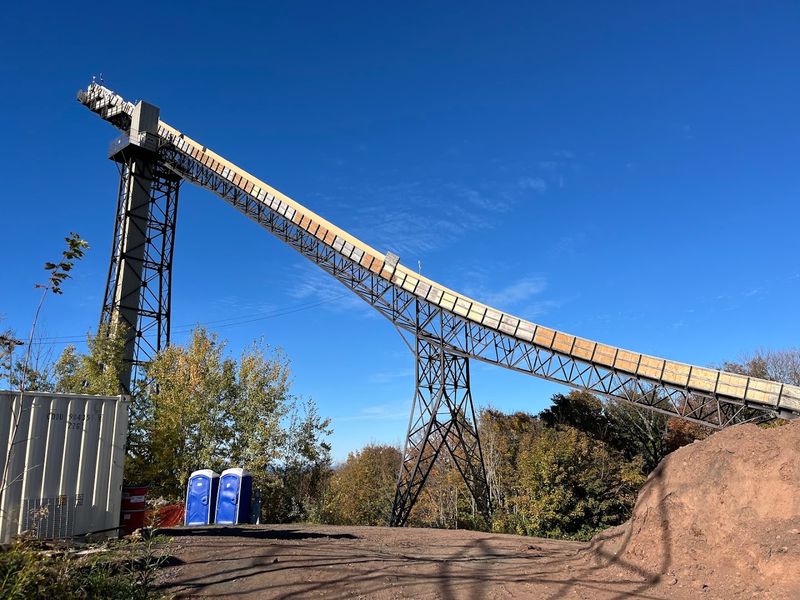
Plenty of scenic attractions offer a nice overlook, a short walk, and a photo at the end. Copper Peak stands apart because the view is tied to a structure with real drama.
The journey upward is part mechanical, part athletic, and part mental challenge, which gives the place unusual energy.
Very few destinations let visitors experience a giant ski jump from the inside out. Here, the ride up the chairlift, the elevator climb, and the optional stairs all shape how the landscape is understood.
By the time the horizon opens, the height has already been earned in a memorable way.
That blend gives Copper Peak broad appeal. Thrill seekers can test themselves on the upper levels.
History fans can study a striking piece of sports engineering. Families and road trippers can enjoy a rare Upper Peninsula attraction that offers both scenery and a story.
The site also benefits from not being overbuilt or overpolished. Nature still does a lot of the talking.
Forest, wind, distance, and weather all remain central to the experience, which keeps the visit grounded in place rather than turning it into a generic platform in the sky.
For Michigan travelers, the stop offers something hard to match elsewhere in the state. It combines record-setting scale with the quiet beauty of the north.
That contrast is exactly what makes it so compelling.
Copper Peak is best for people who enjoy a little edge with their scenery. It is not only about pretty views or checking off a landmark. It is about seeing how landscape, engineering, and nerve can meet in one unforgettable location above the trees near Ironwood.
Share this story