A koi glides beneath a garden bridge, an egret stands motionless beside a coastal pond, and somewhere under the Pine Barrens canopy, the loudest sound is a breeze moving through needles. New Jersey may be packed tightly between major cities and busy highways, but it still knows how to make room for silence.
The best escapes are not necessarily remote, expensive, or difficult to reach. Some sit minutes from downtown streets, while others wait at the end of a sandy road or beyond a lighthouse parking lot.
What they share is the ability to slow your internal clock without demanding an elaborate itinerary. You can wander among roses, follow a lake loop, watch migrating birds, climb to a three-state view, or simply claim a bench and stop checking the time.
These 12 peaceful places make it surprisingly easy to trade traffic noise and crowded schedules for water, woods, flowers, and a much-needed stretch of calm.
1. Deep Cut Gardens – Middletown Township
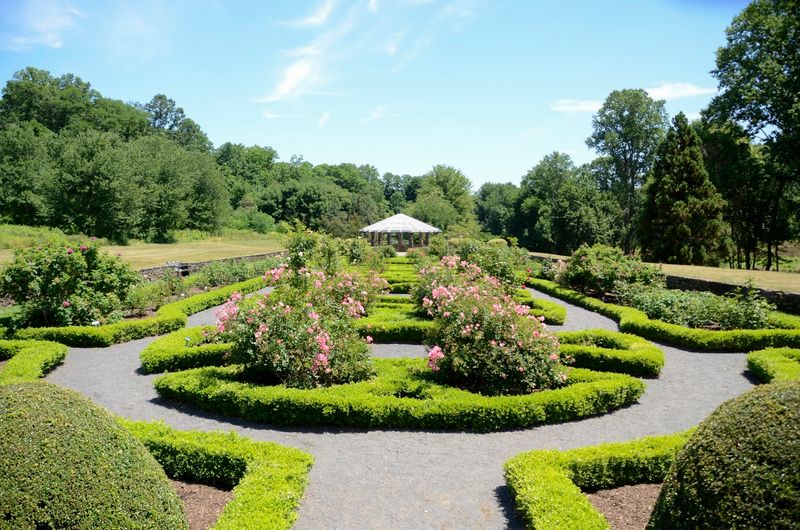
The roses do most of the talking here. Spread across 54 acres in Middletown Township, this horticultural park was designed as a living catalog for home gardeners, but you do not need to know a peony from a petunia to enjoy it.
The formal Rose Parterre contains 52 varieties and more than 180 bushes, creating a colorful centerpiece that feels carefully arranged without becoming stiff or fussy. Paths lead past seasonal display beds, native plants, a koi pond, shaded corners, and a greenhouse that offers a warm, leafy detour when the weather is less cooperative.
What makes the garden especially restorative is its manageable scale. You can see plenty in an hour, yet there are enough paths and benches to stretch a casual visit into an unhurried afternoon.
Bring a notebook, a camera, or absolutely nothing. The grounds reward anyone willing to look closely at small details, from new buds to dragonflies hovering near the water.
Admission is free, the park is open daily from 8 a.m. until dusk, and parking is available on site. Leave the dog at home, since pets are not permitted.
Spring and early summer deliver the biggest floral display, though the changing plantings make this a pleasant reset in every season.
2. South Cape May Meadows Preserve – Cape May
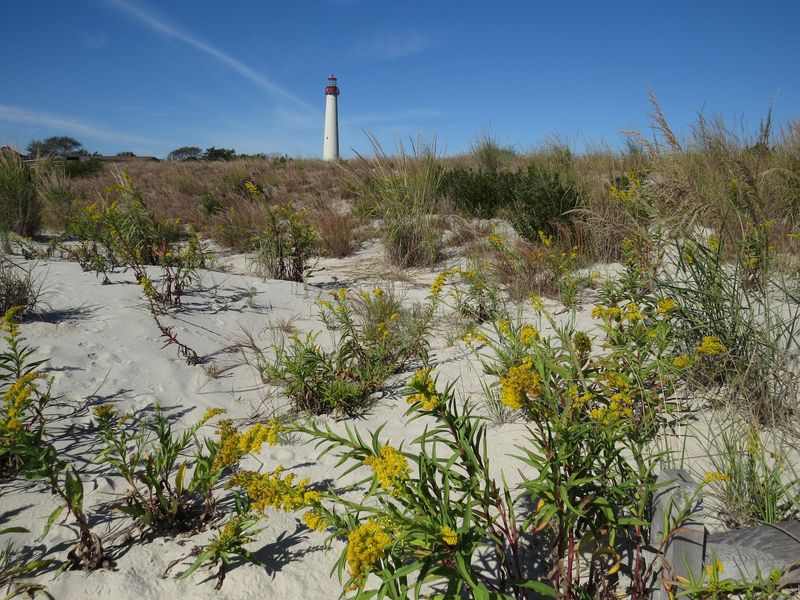
Just beyond Cape May’s painted houses and restaurant crowds, the scenery suddenly opens into freshwater ponds, low dunes, waving grasses, and an undeveloped strip of beach. That transition is part of the magic at South Cape May Meadows Preserve.
Its flat trail system lets visitors move between wetland and coastal habitats without committing to a strenuous hike, making it ideal for a slow morning walk with binoculars or a quiet sunset loop.
Cape May sits along a major migration route, so the preserve can produce wonderful bird sightings, but the experience works even when you cannot identify a single species.
Watch the surface of the ponds for ripples, scan the sky for ospreys, and listen for the abrupt splash of something disappearing into the reeds. The East Trail includes an observation tower and a floating bird blind, while views of the Cape May Lighthouse add a familiar landmark to the wild landscape.
A half-mile accessible boardwalk, installed in 2024, includes a wide, stable surface, resting areas, and interpretive elements designed for visitors with different mobility and sensory needs.
Parking is available at the preserve, and the terrain is generally easy, though sun protection and insect repellent are smart additions in warmer months.
Arrive early and the whole place can feel as though the shore has not fully awakened yet.
3. Duke Farms – Hillsborough Township

Two thousand seven hundred acres is a lot of room for a bad mood to lose track of you. Duke Farms combines broad meadows, woodlands, lakes, historic structures, and conservation projects on an estate large enough to feel like a genuine departure from everyday life.
Start at the Farm Barn, pick up a map, and choose how ambitious you want to be. Roughly 20 miles of trails give walkers and cyclists plenty of options, but there is no prize for covering them all.
A gentle route past open fields and old stonework can be every bit as satisfying as a longer expedition. The Orchid Range deserves time of its own, especially when you want color without adding several more miles to your day.
Birders may keep an eye out for eagles and other wildlife, while curious visitors can treat the grounds as an outdoor lesson in habitat restoration and sustainable land management. Despite the estate’s scale, the vibe is not grand or intimidating.
It feels spacious, practical, and designed for wandering. The Farm Barn Café can turn the visit into a leisurely lunch outing when it is open.
Duke Farms currently welcomes trail visitors Tuesday through Saturday and closes on Sunday and Monday to allow time for wildlife and ecosystem recovery, so checking the schedule before leaving home matters. Comfortable shoes matter too; distances add up quickly when every path looks tempting.
4. Laurelwood Arboretum – Wayne
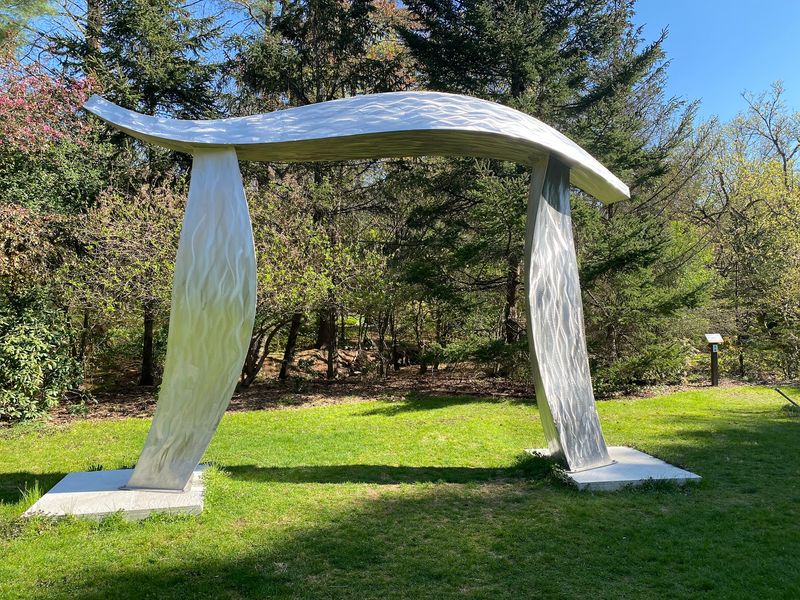
Art appears between the trees when you least expect it. A curved metal form rises near a garden bed, another sculpture catches the light beyond a bend, and suddenly a simple walk becomes a low-key treasure hunt.
Laurelwood Arboretum covers 30 acres in Wayne, blending woodland paths, ponds, streams, display gardens, and an outdoor sculpture trail into one wonderfully unhurried place.
It is particularly known for its rhododendrons and azaleas, which turn portions of the property into a bright spring spectacle, but the landscape has more range than a single bloom season.
The Sensory Garden invites closer attention to texture and fragrance, the South Rock Garden changes the visual rhythm, and the wetlands and native habitat areas feel looser and more natural. Gravel paths connect the different sections, allowing visitors to build a short stroll or keep wandering until their shoulders finally drop.
This is not a botanical garden that demands a checklist. The pleasure comes from noticing how cultivated spaces gradually give way to woods, water, and unexpected art.
Admission is free, and the arboretum is generally open daily from 8 a.m. to dusk. Public parking lots are accessible through entrances on Vale Road and Pines Lake Drive West.
Visit on a weekday morning for the quietest experience, then let the sculptures and garden paths decide the route rather than trying to plan every turn.
5. Speedwell Lake Park – Morristown
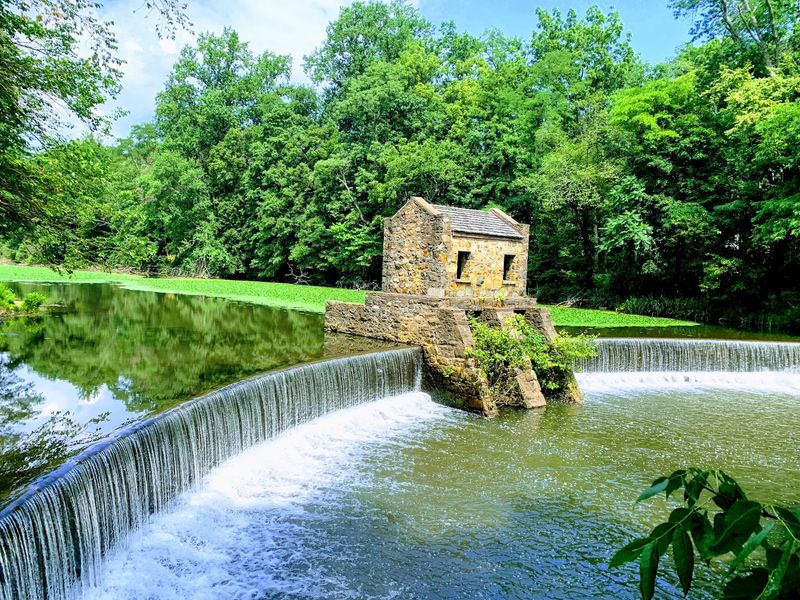
A small spillway sends water tumbling beside the path, creating exactly the sort of steady background noise that makes a brain stop rehearsing tomorrow’s problems. Speedwell Lake Park is close to central Morristown, yet its lake, trees, and waterside paths give the area a surprisingly removed feeling.
The park is especially useful when you need a reset but do not have an entire day to spare. Walk around the water, pause near the fishing areas, or continue onto Patriots’ Path, the regional trail network that links parks, historic sites, and green spaces across Morris County.
The route around the lake is approachable rather than rugged, so this is a good choice for a casual walk, a stroller outing, or a conversation that needs room to breathe. Ducks and geese often provide the entertainment, while the reflections on the lake do the rest.
The nearby playground means families can use the park without turning relaxation into a complicated negotiation. Free parking is available off Speedwell Avenue, though spaces can fill during pleasant weekend weather.
The best time to visit is early morning, when the surface is calmer and the surrounding neighborhood has not fully picked up speed. It may not be New Jersey’s biggest natural escape, but that is part of its appeal.
Speedwell Lake delivers a reliable pocket of quiet without requiring hiking gear, a long drive, or a carefully packed cooler.
6. Parvin State Park – Pittsgrove
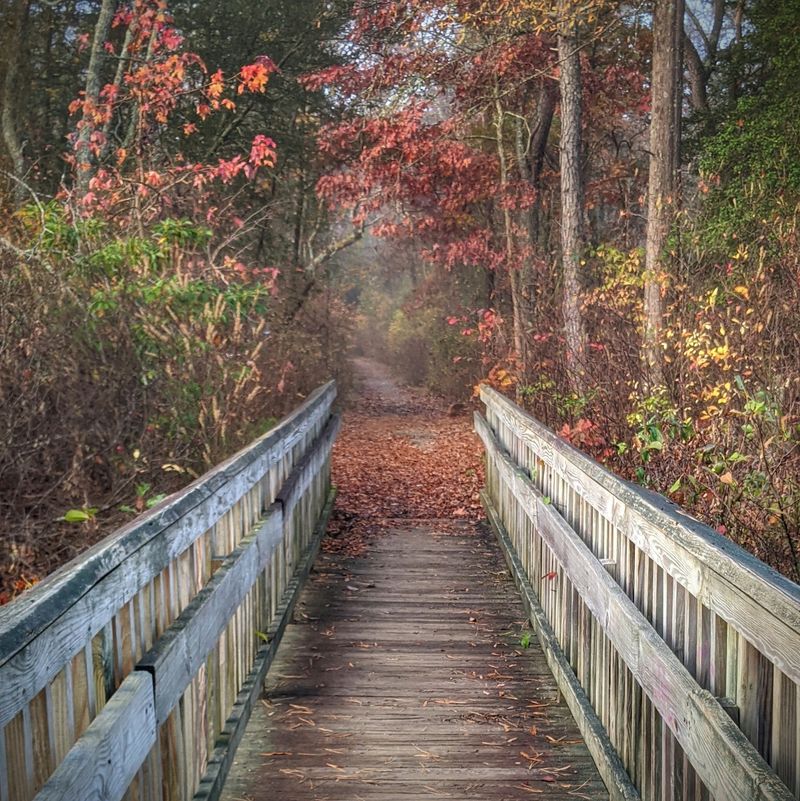
Spring arrives here with dogwood, mountain laurel, magnolia, holly, wild azalea, and more than 200 species of flowering plants. That burst of color is only one side of Parvin State Park, a South Jersey landscape where hardwood swamp, Pine Barrens habitat, lakes, and quiet trails meet.
Parvin Lake and Thundergust Lake give the park a watery center, and the surrounding paths work equally well for walking, jogging, or an easy bike ride. Fifteen miles of trails provide enough variety to find a quieter stretch even when the beach and picnic areas are active.
The park’s history adds another layer. Civilian Conservation Corps crews established a camp here in 1933 and built cabins, campsites, trails, and the main beach complex, much of which remains part of the visitor experience.
For a low-effort day, walk near Parvin Lake, bring lunch, and settle at a picnic table. For a fuller escape, reserve a campsite or cabin and let the evening sounds take over after day visitors leave.
Swimming is available seasonally in the designated beach area when staffed, while fishing and nonmotorized boating offer slower ways to enjoy the water. Conditions and operating details can change, so check park notices before heading out.
The reward is a place that feels neither manicured nor forbidding—just roomy, green, and wonderfully easy to settle into.
7. High Point State Park – Sussex
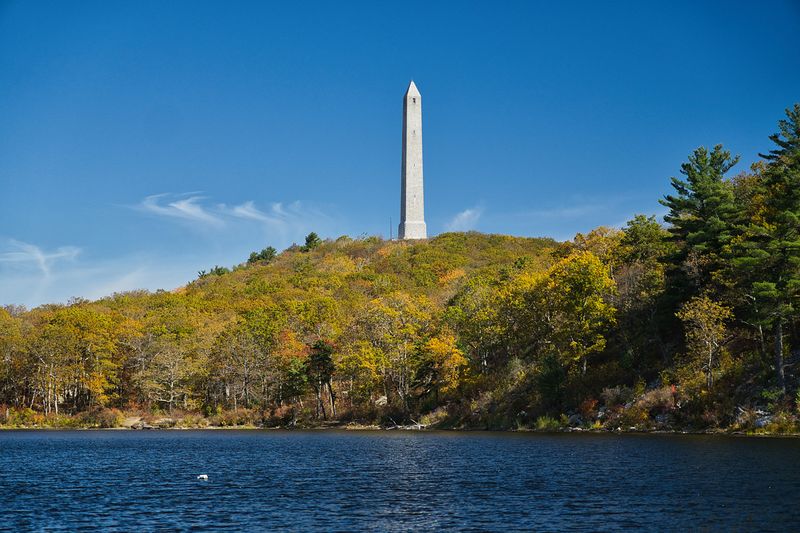
At 1,803 feet above sea level, New Jersey’s highest elevation offers a view broad enough to rearrange your sense of proportion. From the summit area, the landscape rolls across New Jersey, New York, and Pennsylvania, with the Veterans’ Monument standing above the ridge like a stone exclamation point.
The panorama is the obvious draw, but High Point State Park becomes more peaceful once you move beyond the most popular overlooks. More than 50 miles of trails cross forests, fields, wetlands, ridgelines, and an Atlantic white cedar swamp.
About 18 miles of the Appalachian Trail run through the park, while routes such as the Monument, Cedar Swamp, and Steenykill trails provide options for different energy levels. You can challenge yourself on rocky terrain or choose a shorter walk and spend more time watching clouds move over the valleys.
Lake Marcia adds a softer scene near the summit area, particularly outside the busiest summer hours. Fall brings dramatic color and bigger crowds, so weekday mornings are the better bet when solitude matters more than foliage photographs.
Weather can change quickly at the higher elevation, and temperatures may feel cooler than they do elsewhere in the state. Pack an extra layer, carry water, and download or photograph a trail map before setting out.
The best moments often come after leaving the monument behind, when footsteps replace conversation and the ridge seems to stretch much farther than expected.
8. Stone Harbor Bird Sanctuary – Stone Harbor
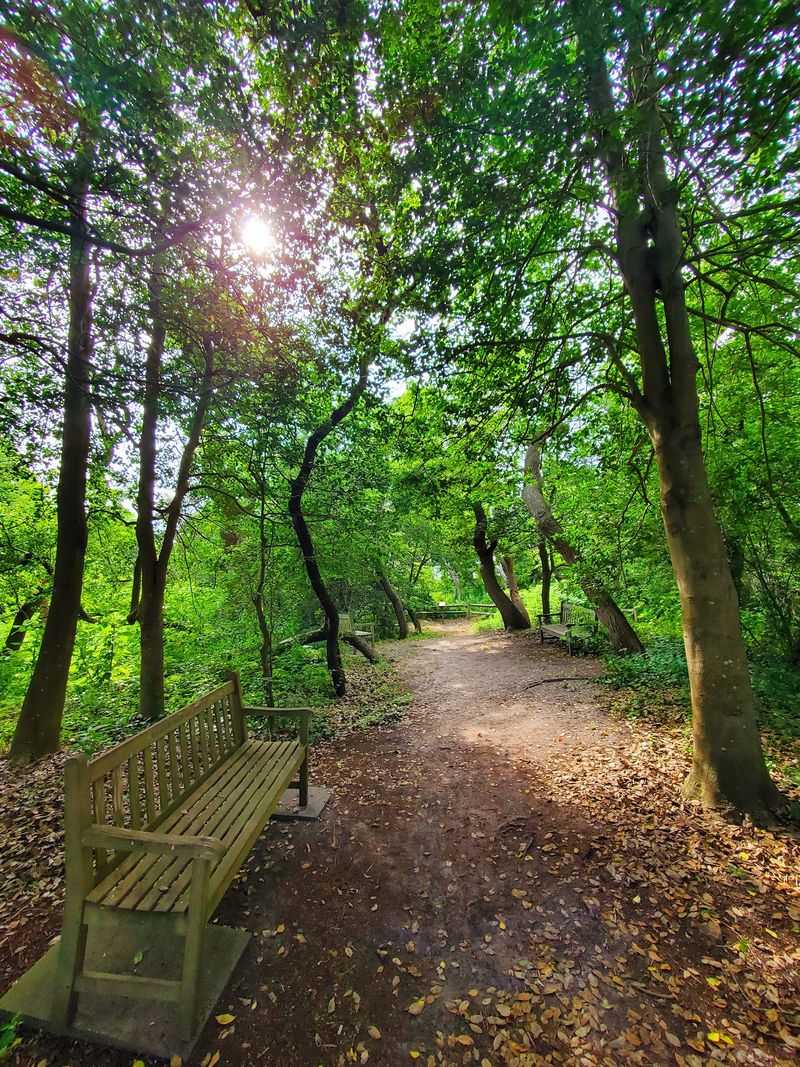
Behind the polished beach-town streets of Stone Harbor sits an old maritime forest where sassafras, black cherry, red cedar, and American holly form a dense green world of their own. The sanctuary covers 21 acres, but its layered vegetation makes the property feel deeper and wilder than the number suggests.
Four trails lead through different corners of the habitat, including paths over ancient dunes and alongside marshy areas where birds feed and shelter. Holly Path holds one of the sanctuary’s most memorable residents: a roughly 300-year-old holly tree perched on a dune.
That tree alone is worth slowing down for. Look around and the forest reveals other details, from the knobby bark of mature hackberries to fallen trunks gradually returning to the ground.
Bird activity changes with the seasons, and patient visitors may encounter songbirds, wading birds, toads, crabs, and small fish in the surrounding wet areas. This is a place for quiet observation rather than covering distance.
Walk softly, pause often, and respect any nesting closures or protected areas. Entrances are located around 114th and 115th streets, and off-street parking is available.
The sanctuary is free to explore, making it an easy addition to a Stone Harbor morning before the beach fills. Wear insect repellent in warm weather and expect natural trail surfaces rather than a polished boardwalk experience.
9. Barnegat Lighthouse State Park – Barnegat Light
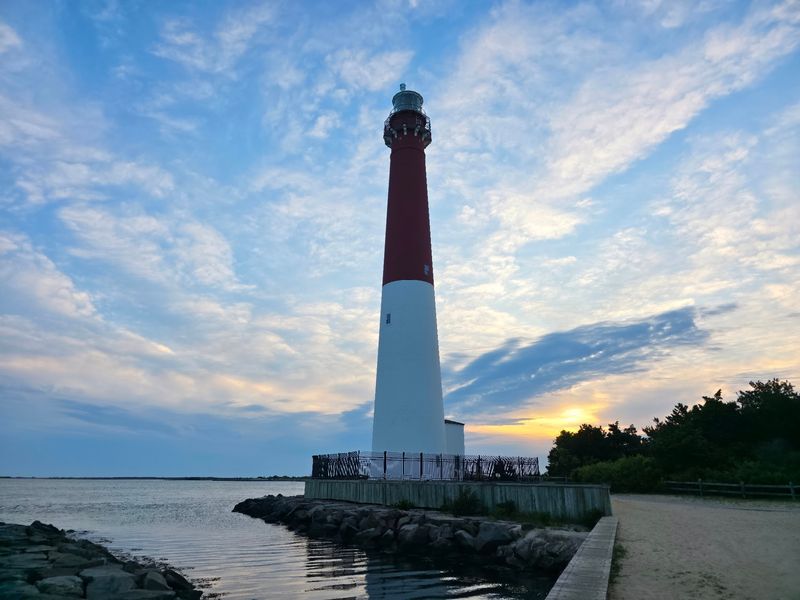
The wind at the northern tip of Long Beach Island has a way of clearing mental clutter quickly. Barnegat Lighthouse State Park occupies that dramatic meeting point of bay, inlet, ocean currents, and shifting coastal light, with the red-and-white tower known as Old Barney anchoring the scene.
Climbing the lighthouse’s 217 steps is the most energetic route to calm, rewarding the effort with wide views over Barnegat Bay, Island Beach, and Long Beach Island.
Those who prefer to keep both feet near sea level can watch live camera views inside the Interpretive Center, learn about the lighthouse’s maritime history, or follow the short Maritime Forest Trail through one of the island’s remaining patches of coastal woodland.
Fishing along the inlet, birdwatching near the water, and sitting at a picnic table all encourage a slower pace than the usual Shore schedule. The lighthouse is typically open for climbing during limited seasonal hours and only when weather permits, so verify access before making the drive.
Parking is available at the park, but summer weekends can be busy. Arriving early gives you cooler temperatures, easier parking, and a quieter path around the lighthouse.
Stay long enough to watch boats navigate the inlet and you begin to understand why this narrow point mattered so much to generations of mariners—and why it still feels like a natural place to pause.
10. G. Thomas Donch Nature Preserve – Franklin Lakes
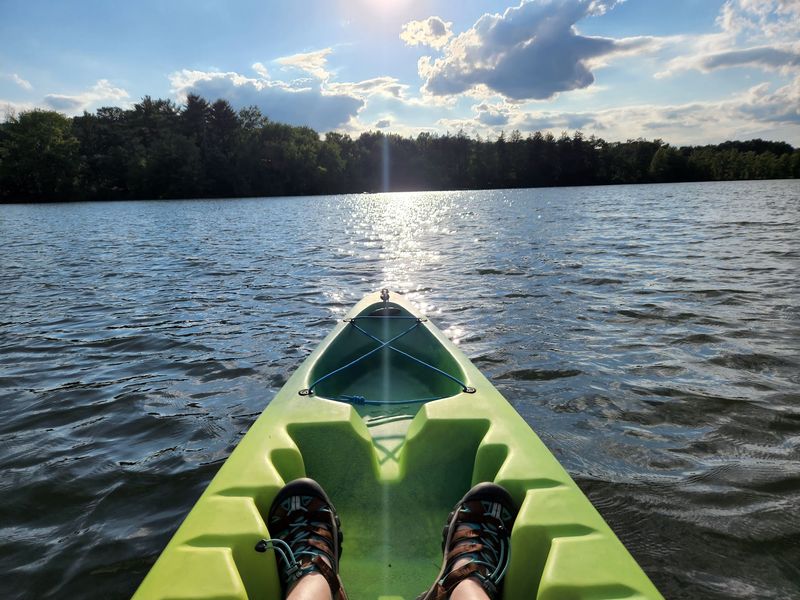
A former reservoir has become one of Bergen County’s easiest places to slip into a lakeside rhythm. The G.
Thomas Donch Nature Preserve, still commonly recognized by its former Franklin Lakes Nature Preserve name, surrounds a 75-acre lake within a 120-acre passive recreation area. Its 2.3-mile trail system stays close to the water for much of the route, offering repeated views across the lake toward the wooded slopes of High Mountain.
The terrain is generally approachable, but it never feels like a paved suburban promenade. Boardwalk sections cross wetter ground, forest paths create shade, and viewing platforms provide natural stopping points when the goal is not to set a pace.
An ADA-compliant trail begins near the parking area and follows the shoreline with a wide, level surface suited to wheelchairs, strollers, and visitors who prefer a gentler walk. Fishing, birdwatching, jogging, and picnicking are allowed, while swimming is not.
Paddlers may launch hand-carried, nonmotorized watercraft from the designated area during the permitted season, which gives the lake an appealingly quiet character. The preserve is open from dawn to dusk, with access from High Mountain Road.
Parking is available but can become limited at popular times, so mornings are safest. For a longer outing, trails connect toward the larger High Mountain Park Preserve network.
For stress relief, however, one slow circuit of the lake usually does the job.
11. Wharton State Forest – Hammonton
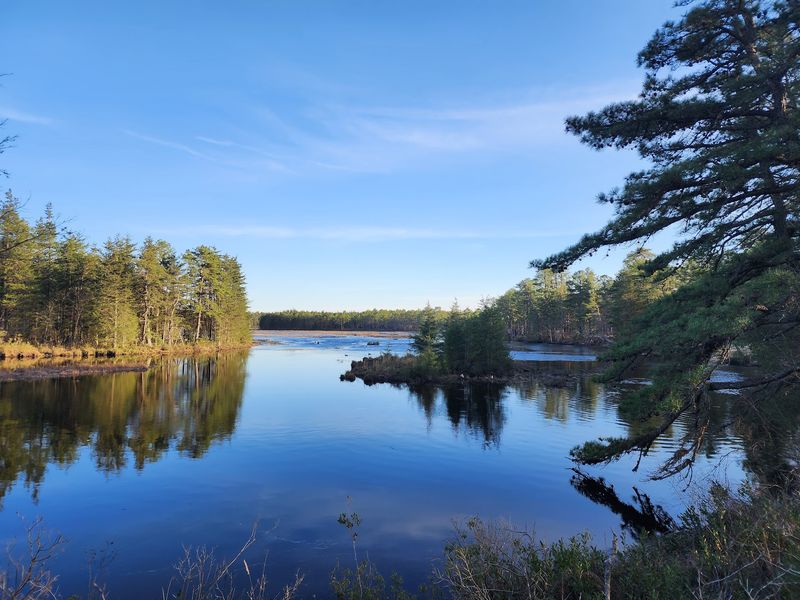
Silence in the Pine Barrens has its own texture: soft sand underfoot, wind brushing through pitch pines, and the occasional call of a bird somewhere beyond the tea-colored water.
Wharton State Forest protects the largest state forest landscape in New Jersey, with the core drawn from a vast 96,000-acre property acquired in the 1950s.
Its scale gives visitors many ways to disappear for a while. Hike through pine-oak woods, follow routes near the Mullica River, launch a canoe or kayak where conditions permit, or choose the easier comforts of Atsion Recreation Area.
Atsion Lake has a seasonal swimming area, picnic tables, grills, short nature trails, and a boat launch, while nearby Atsion Mansion adds a glimpse of the region’s industrial and agricultural past. Farther south, historic Batsto Village brings old ironworks buildings, a lake, and walking trails into the mix.
The key is not trying to “do” the whole forest. Pick one area, carry a proper map, and leave time for wrong turns of the pleasant kind—on marked trails, not unapproved sand roads.
Cell service can be unreliable, and the landscape is much larger and more remote than it first appears. River access, fire restrictions, and road conditions may change, so check advisories before visiting.
With a little preparation, Wharton offers the rare pleasure of being surrounded by more trees than plans.
12. Sayen House and Gardens – Hamilton Township
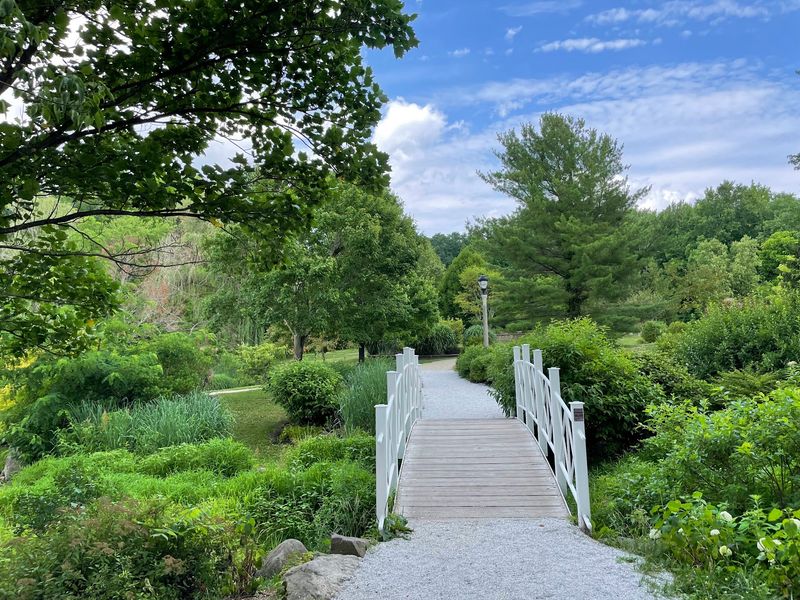
A small wooden bridge, a fish pond, and a burst of azaleas can make Hamilton Township feel unexpectedly far from errands and traffic. Sayen House and Gardens occupies a leafy corner of historic Hamilton Square, where walking paths weave through flower beds, wooded areas, rolling lawns, streams, ponds, and gazebos.
The garden feels intimate rather than monumental. You are never far from another turn, another bench, or another reflection on the water, which makes it especially suited to an easy stroll with no fitness goal attached.
Spring is the showiest season, when azaleas and other flowering plants fill the grounds with color, but mature trees provide shade and structure throughout the year. Birds and small wildlife add movement without disturbing the calm.
The historic house serves as an event venue, so weddings and private gatherings occasionally bring extra activity to part of the property. Even then, the surrounding paths usually offer room to wander.
Admission to the gardens is free, and the grounds are open daily from dawn to dusk. Leashed dogs are permitted outdoors, giving pet owners a peaceful option that several formal gardens do not allow.
The annual Azalea Festival around Mother’s Day is beautiful but busier; choose an ordinary weekday morning when quiet is the priority. Sayen is not a place that overwhelms with scale.
It wins you over one pond, footbridge, and flower-lined path at a time.
Share this story