A crumpled twenty used to cover a respectable grocery run. Now it can disappear somewhere between the eggs and a bag of coffee.
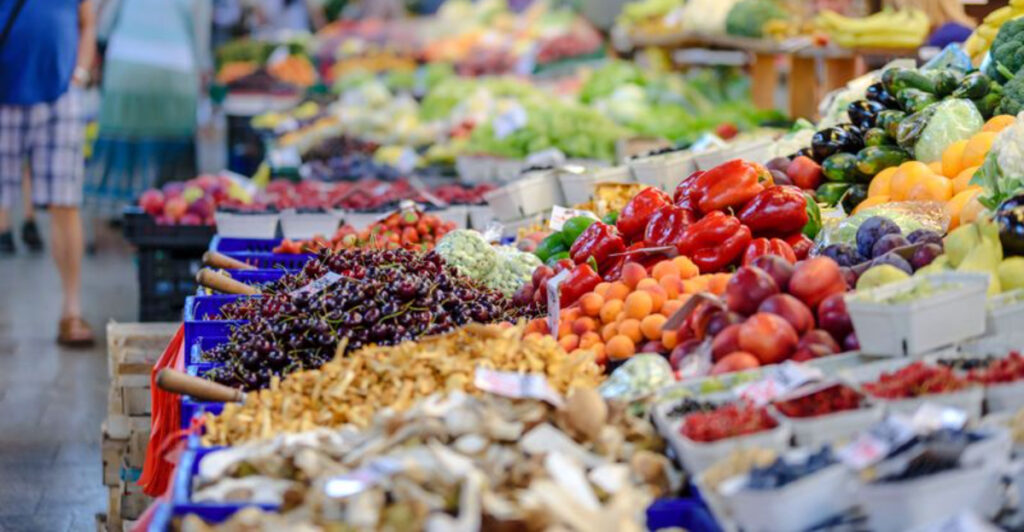
That makes the sight of overflowing farm tables—summer squash piled like bowling pins, leafy greens still damp from the field, peaches perfuming the air—especially appealing. At the right New Jersey farmers market, a carefully spent $15 can still put real weight in your reusable tote.
Prices naturally change with the season, weather, and vendor, so the smartest move is to buy whatever farmers have in abundance. Think strawberries in late spring, cucumbers and zucchini in midsummer, and apples, cabbage, or squash once fall arrives.
Buy produce before browsing the bread, cheese, and pastry tables, compare a couple of stands, and ask growers what offers the best value that week. These 13 markets make that strategy easy while giving you a much better Saturday—or Sunday, Monday, or Thursday—than another lap around the supermarket.
1. Montclair Farmers Market – Montclair
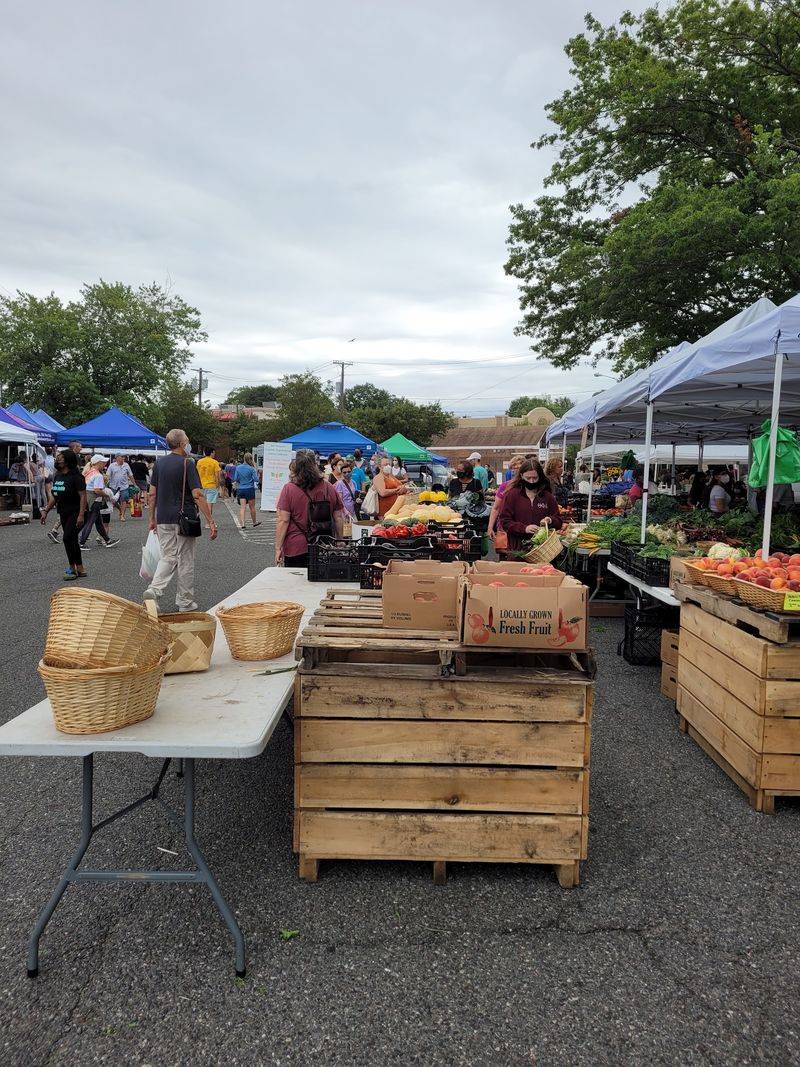
Sunflowers lean toward the walkway, shoppers compare bunches of greens, and the occasional train reminds everyone that this market occupies one of Montclair’s most convenient gathering spots.
Held every Saturday at the Walnut Street train station, it has been part of the community since 1993 and continues through every season.
Hours shift slightly during the year, with earlier starts from June through November and a later opening during winter and spring. That year-round schedule is useful for anyone who wants more than a brief summer fling with local produce.
The vendor mix extends well beyond vegetables, covering fruit, meat, poultry, fish, cheese, bread, honey, condiments, flowers, and prepared food. Still, shoppers carrying only $15 should head toward the farm tables first.
During peak growing months, sturdy basics such as carrots, cucumbers, beets, garlic, lettuce, and summer squash can build the foundation of several meals without swallowing the entire budget. Choose loose produce rather than elaborate prepared items, and ask which crop is arriving fastest from the fields.
That is usually where the value hides. The station location also makes it easy to turn shopping into a Walnut Street morning, but purchase the vegetables before nearby coffee and pastries start negotiating with your wallet.
2. Nutley Farmers Market – Nutley
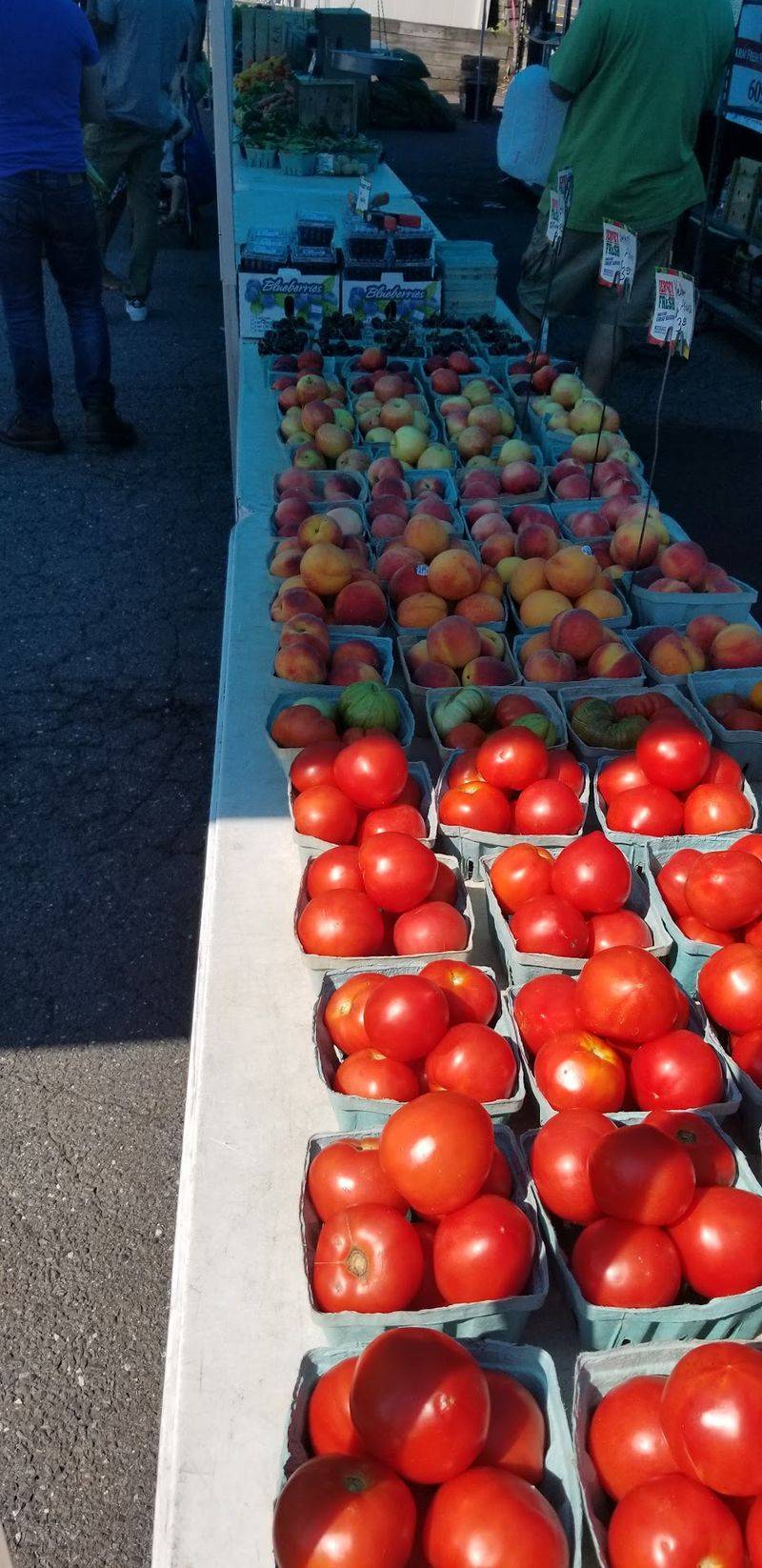
Booth Drive feels less like a road on Sunday morning and more like Nutley’s open-air pantry. Farm stands, flower displays, food sellers, musicians, and community organizations fill the space between the high school and the Oval, giving the weekly market the rhythm of a neighborhood event rather than a quick shopping stop.
The season usually runs Sundays from June through October, with parking available at Nutley High School and along nearby streets. Produce remains the best starting point for a $15 challenge.
Walk the full market before spending, note which stands have the deepest piles, and build your tote around two or three crops that are clearly at their seasonal peak. Tomatoes and corn may dominate one visit; zucchini, peppers, greens, or fruit could offer better value the next.
Small purchases from several growers often create a more useful haul than one premium basket. The market also hosts seasonal activities, food-pantry collections, entertainment, and produce-centered contests, including celebrations of garden favorites such as tomatoes and zucchini.
Those touches make it a good choice for families, but they also introduce plenty of delicious distractions. Grab the vegetables first, then decide whether the remaining few dollars belong to lemonade, pickles, or something warm from a prepared-food stand.
3. Maplewood Farmers Market – Maplewood
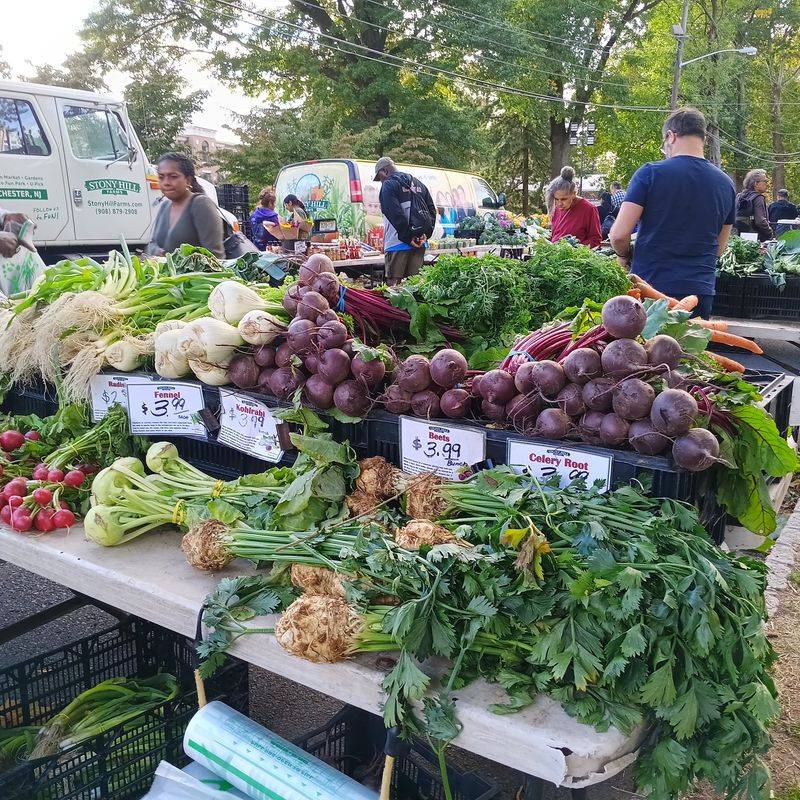
Monday afternoons are rarely anyone’s favorite part of the week, but a bag of field-grown tomatoes and a loaf tucked under one arm can improve the situation considerably.
Maplewood’s market runs on Monday afternoons from June through November beside the Springfield Avenue Gazebo, making it particularly useful for an after-work produce run.
Established in the mid-1990s, the market has moved around Springfield Avenue over the years but has kept its central purpose: connecting residents with New Jersey farmers and small local businesses.
Local growers supply seasonal produce, while rotating specialty vendors bring bread, pickles, sweets, soaps, candles, drinks, and ready-to-eat dinners.
That mix means you can handle groceries and pick up something for the evening, though $15 stretches much further when most of it stays at the farm stand. Look for vegetables sold individually or in simple bunches, then combine one leafy item, one sturdy cooking vegetable, and one snackable fruit.
A head of lettuce, cucumbers, carrots, and a few pieces of ripe fruit can cover lunches and side dishes without requiring an ambitious recipe. Since the market stays open into the evening, you do not need to rush there at lunchtime, but visiting before the final hour generally gives you the broadest selection.
4. Morristown Farmers Market – Morristown
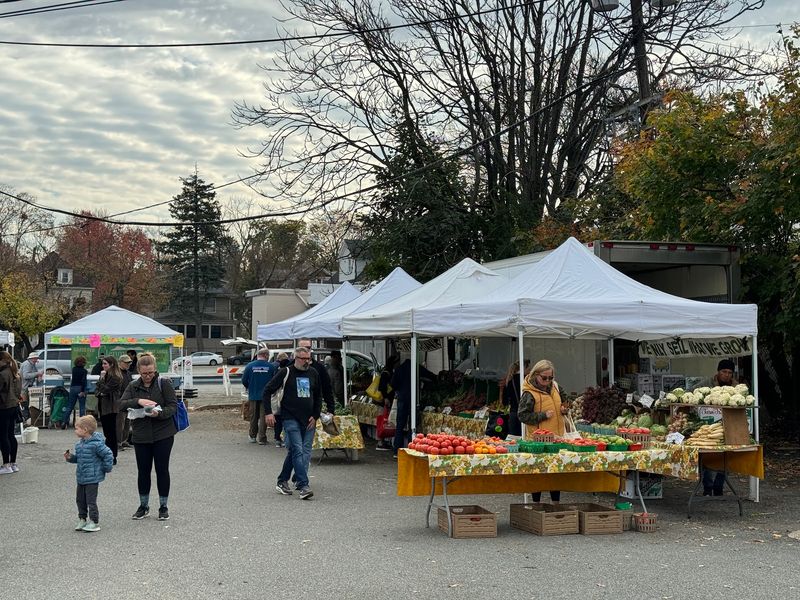
The smell of peaches and warm bread often reaches shoppers before the rows of tents come fully into view. Morristown’s Sunday market is a substantial one, drawing a steady crowd and bringing dozens of full-time, rotating, and pop-up vendors into downtown.
The season generally runs from June through November in a municipal lot near Spring and Morris streets. Fresh fruit and vegetables, including organic choices, share the market with microgreens, flowers, eggs, cheese, meat, poultry, honey, grains, bread, and vegan specialties.
With that much variety, a $15 budget benefits from a deliberate first lap. Skip the samples temporarily, survey the produce tables, and watch for crops appearing at multiple stands.
Heavy competition and a strong harvest often mean shoppers have several sizes and price points to choose from. A sensible tote might hold greens, onions, zucchini, and peaches one week, then apples, potatoes, and winter squash later in the season.
Live music and children’s activities give the market enough energy to justify lingering after the groceries are secured. Free parking adds to the convenience, although the busiest period can feel crowded.
Arriving near opening offers easier browsing; coming slightly later can mean warmer sunshine and more music, but occasionally a thinner selection of the most popular fruit.
5. Summit Farmers Market – Summit
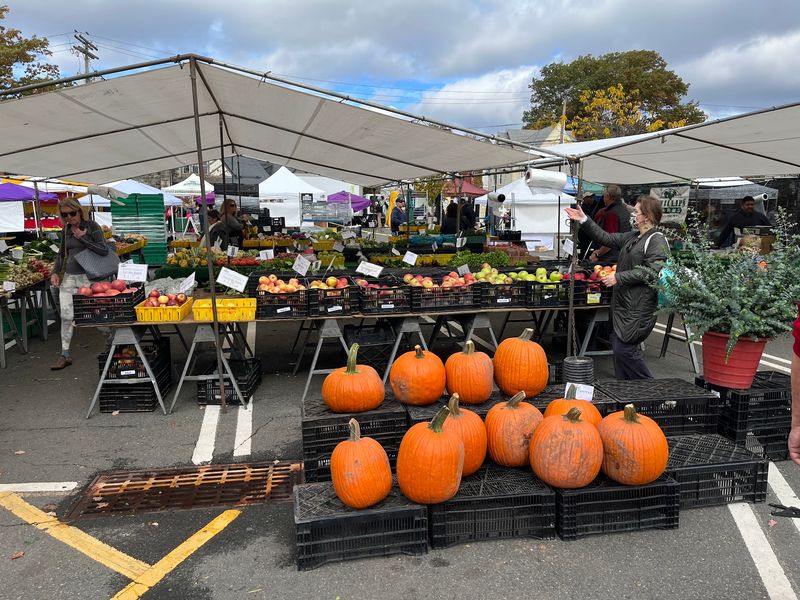
Long after many seasonal markets have folded their tents, Summit is still selling apples, roots, greens, bread, and cold-weather comforts. Its unusually long season stretches from spring through late December, running every Sunday, rain or shine, at the downtown Park & Shop lot near DeForest and Woodland avenues.
That calendar lets budget-minded shoppers follow the full New Jersey growing cycle, from tender spring vegetables to midsummer fruit and sturdy December produce. The vendor roster includes a serious collection of farms and growers alongside cheese makers, bakers, prepared-food businesses, and specialty producers.
The range is excellent, but it can also turn a planned $15 produce trip into an accidental feast. Start with the farmers and look for volume: generous bunches, mixed baskets, or vegetables that are especially plentiful that week.
Greens and radishes may provide the best early-season return, while tomatoes, peppers, corn, or fruit take over later. By fall, cabbage, apples, and squash can add satisfying heft to a tote.
The downtown location makes it easy to keep wandering afterward, though purchasing breakfast before the produce is the fastest route to a much lighter grocery bag.
6. Ramsey Farmers Market – Ramsey
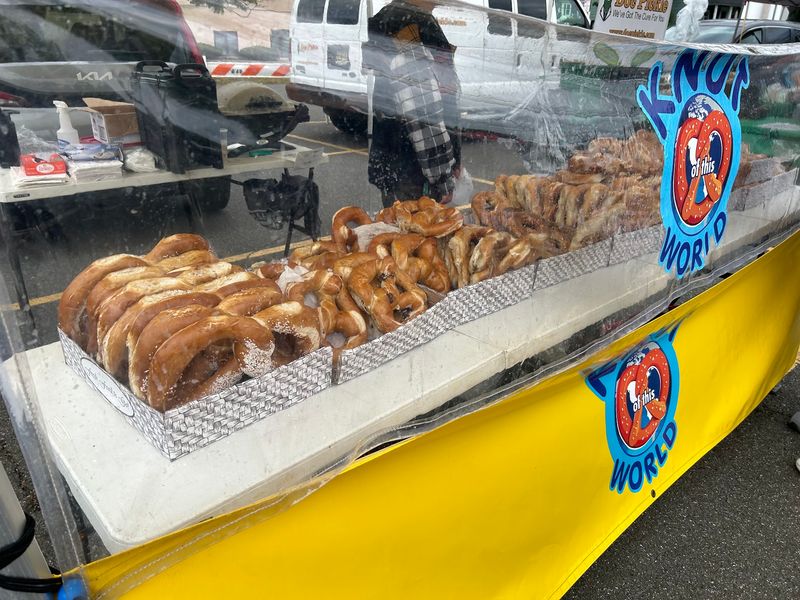
A snowy Sunday does not necessarily cancel market day in Ramsey. This northern New Jersey favorite operates throughout the year, moving through the seasons with its shoppers rather than disappearing after Thanksgiving.
During the warmer months, it runs on Sunday mornings into the early afternoon, while winter hours are slightly shorter. The outdoor market is held at the Main Street train station’s Erie Plaza lot, creating an easy meeting point for residents arriving from around Bergen County.
Its substantial vendor lineup includes organic vegetables, orchard fruit, mushrooms, responsibly grown produce, cheese, seafood, bread, pasta, pickles, vegan meals, flowers, coffee, and desserts.
Shoppers hoping to keep the total near $15 need a little discipline here because nearly every aisle offers something fragrant, flaky, or ready to eat.
Make produce the nonnegotiable purchase and treat everything else as optional. Mushrooms can be pricey but intensely useful; onions, greens, roots, cabbage, and orchard fruit often provide more servings for the money.
The weekly vendor mix can change, so checking what is abundant once you arrive matters more than bringing a rigid list. Buy with the season, and the tote tends to fill itself faster.
7. Princeton Farmers Market – Princeton
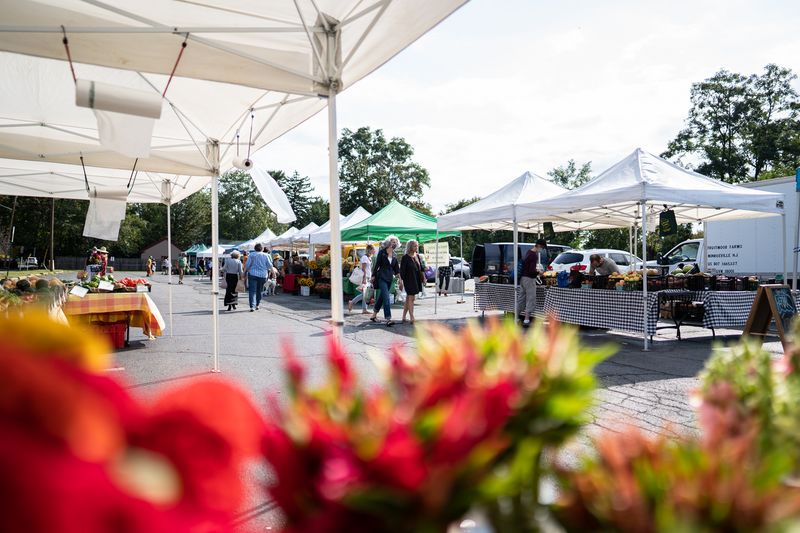
Office workers, students, parents, and downtown wanderers all converge on Hinds Plaza when Thursday’s market opens beside the Princeton Public Library. Founded in 2009, the market brings farm-fresh and organic produce directly into the center of town.
Parking is available in the adjacent Spring Street garage, although anyone already downtown can reach the plaza easily on foot. The vendor roster typically includes Central Jersey farms, pasture-raised meat and eggs, farmstead cheese, baked goods, flowers, handmade products, empanadas, and other prepared foods.
Those lunch options are tempting, but produce offers the strongest chance of turning $15 into several days of food. Use the compact layout to compare everything before committing.
A few bunches of greens, a container of berries, and vegetables for roasting can make a better purchase than a single specialty item, particularly when those crops are at peak harvest. The market also participates in programs that help eligible shoppers increase their fruit-and-vegetable purchasing power.
Once the tote is full, the plaza is pleasant enough for a snack or coffee break. Just remember that farmstead cheese has an impressive ability to reorganize even the most carefully planned budget.
8. Trenton Farmers Market – Lawrence Township
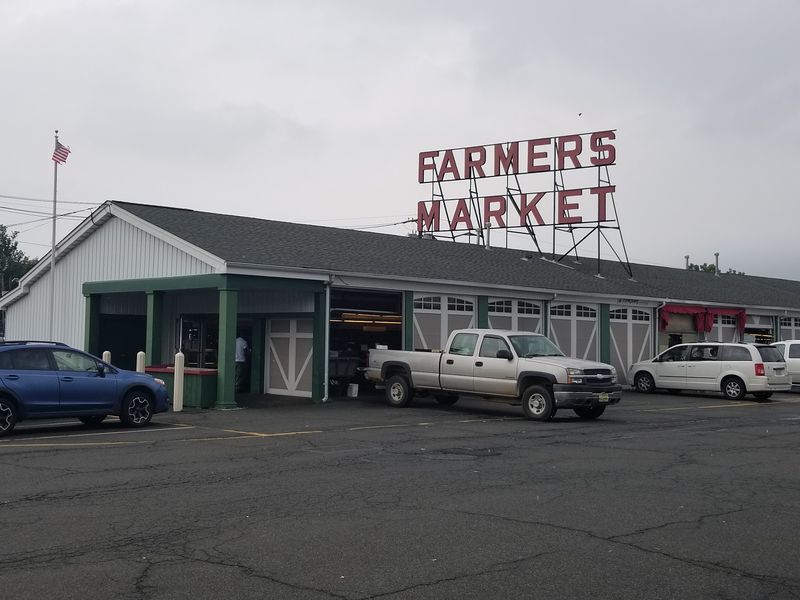
Some markets feel temporary; this one feels built into the agricultural history of the region. The Trenton Farmers Market has operated as a farmer-owned cooperative since 1939 and has occupied its Spruce Street location in Lawrence Township since 1948.
Its covered, year-round setup makes it a dependable choice when blazing sun, November rain, or an inconvenient weekday would derail an outdoor market trip.
Farm stands share the building with dozens of businesses selling baked goods, Amish meats and poultry, Polish deli specialties, cheese, seafood, barbecue, rotisserie chicken, wine, sweets, and household goods.
Produce shoppers can buy from long-established New Jersey operations growing familiar staples alongside ethnic vegetables, fruit, plants, and herbs. With $15, ignore the market’s enormous lunch potential for the first ten minutes and head directly to the growers.
Ask what was picked most recently and which item is currently most plentiful. Potatoes, cabbage, eggplant, greens, peppers, or orchard fruit can produce an especially practical haul because they work across multiple meals.
After the tote has some weight, any leftover dollars can safely wander toward a doughnut or pierogi without sabotaging the grocery plan.
9. West Windsor Community Farmers Market – Princeton Junction
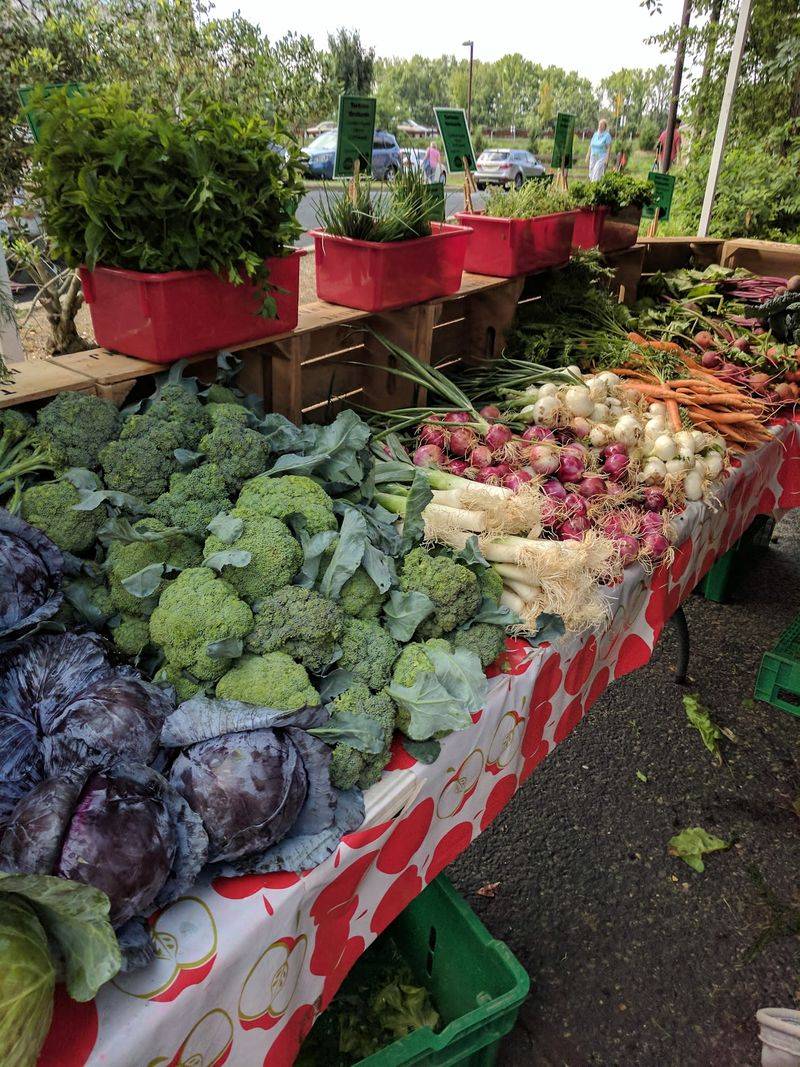
Commuters normally hurry through Princeton Junction, but Saturday morning gives them a reason to linger beside the station. The West Windsor Community Farmers Market occupies the Lower Vaughn lot near Alexander Road and operates throughout the year.
From spring through Thanksgiving, the market runs every Saturday morning, while winter brings a reduced schedule. Founded in 2004 with eight farms and one bakery, it has grown into a much broader mix of growers, food producers, musicians, artists, and community groups.
Local farm vendors bring greens, roots, tomatoes, potatoes, melons, and other seasonal crops. That range is ideal for a limited budget because shoppers can prioritize vegetables that offer plenty of volume and flexibility.
Potatoes and roots stretch across several dinners; tomatoes and greens handle sandwiches, salads, and quick pastas; melons can cover snacks for days. The market also hosts food drives and nonprofit tables, giving the morning a strong community focus without turning it into a sprawling festival.
Arrive with a produce list, but leave enough flexibility to follow whichever crop looks most abundant and affordable that week.
10. Burlington County Farmers Market – Moorestown
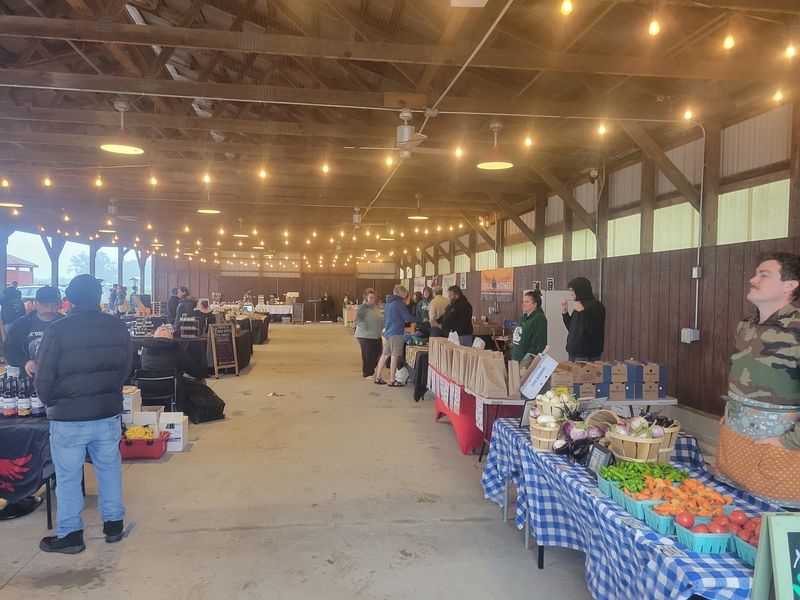
The setting immediately explains why this market feels closely tied to the land. Instead of appearing between storefronts or beneath a train line, it takes place at the Burlington County Agricultural Center on Centerton Road in Moorestown.
The market runs on Saturday mornings through much of the growing season and keeps farmers at the center of the vendor mix, with prepared-food sellers and crafts rounding out the selection. That farmer-heavy balance matters when you are trying to turn $15 into actual groceries rather than one very attractive pastry.
Expect local fruit and vegetables alongside eggs, honey, cheese, plants, baked goods, and prepared foods. Start by scanning the biggest farm displays, where abundance is easiest to spot.
When several tables are covered in the same crop—corn, tomatoes, peaches, zucchini, peppers, or apples—it is usually a sign that the season is working in your favor. Build the tote around those items, then add one smaller treat only after counting what remains.
The center also holds classes, gardens, and special events, but the weekly market stays focused enough for an efficient shopping trip. Come early for maximum choice, especially when berries, sweet corn, or coveted heirloom tomatoes are reaching their brief annual peak.
11. Collingswood Farmers Market – Collingswood
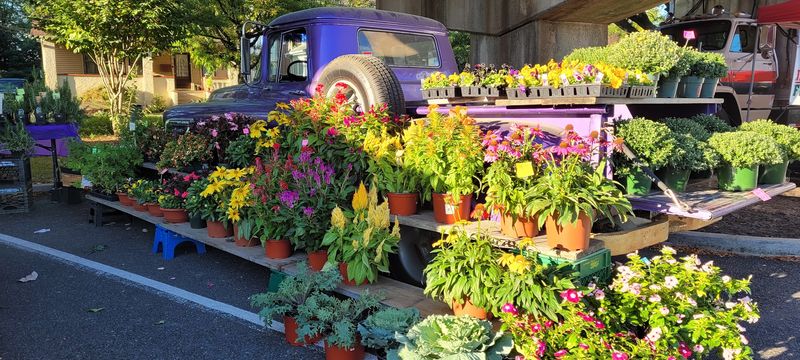
The rumble of PATCO trains overhead is part of the soundtrack here, along with local musicians, coffee orders, and farmers discussing which tomatoes can survive the ride home. Collingswood’s market has operated since May 2000, growing from an original group of 12 farms into one of South Jersey’s defining Saturday traditions.
It runs beneath the elevated tracks on Atlantic Avenue every Saturday morning, rain or shine, from May through Thanksgiving. Shoppers can pick up vegetables, fruit, meat, eggs, flowers, herbs, honey, dairy products, bread, breakfast, and locally roasted coffee without leaving the market corridor.
The quality of the prepared food makes restraint difficult, so anyone serious about the $15 tote should shop in two phases. First, walk from end to end and identify the best-looking seasonal bargains.
Second, return to the produce stands with a clear plan. Peaches, cucumbers, squash, tomatoes, corn, and greens can create an impressive summer haul, while apples, sweet potatoes, and cabbage bring more weight once temperatures cool.
Because the market ends around midday, it pays to arrive with enough time to compare stalls rather than rushing through just before closing. Once the vegetables are handled, breakfast under the tracks feels less like an impulse purchase and more like a reward for responsible financial behavior.
12. Haddonfield Farmers Market – Haddonfield
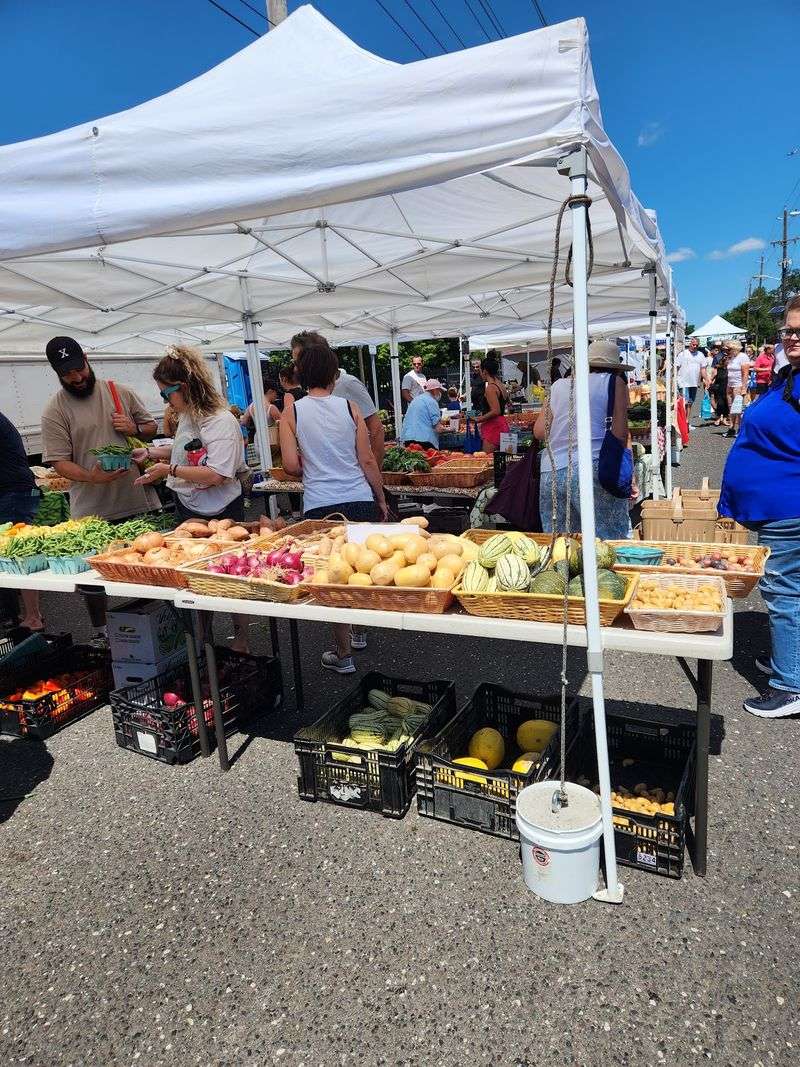
A newer location has given this longtime Saturday market more breathing room.
The Haddonfield Farmers Market now operates in the Fresh Finds Lot near Borough Hall on Kings Highway East, with enough space for farm stands, food producers, bakers, flower sellers, artisans, music, and family activities while keeping shoppers close to downtown.
Local farms bring a broad harvest of seasonal fruit and vegetables, making it possible to shop by value instead of stubbornly following a predetermined recipe. When cucumbers are overflowing, plan salads and pickles; when eggplant or peppers dominate the tables, make them the center of dinner.
A bunch of greens, several loose vegetables, and a small bag of fruit can bring a $15 tote much closer to full than one fixed-price specialty basket. The market is compact enough for a quick comparison lap, and the surrounding downtown invites a longer Saturday stroll afterward.
Treat the bakery and breakfast stands as the final stop, because shopping beside the smell of warm pastries can seriously weaken anyone’s commitment to economical zucchini.
13. Historic Downtown Jersey City Farmers Market – Jersey City
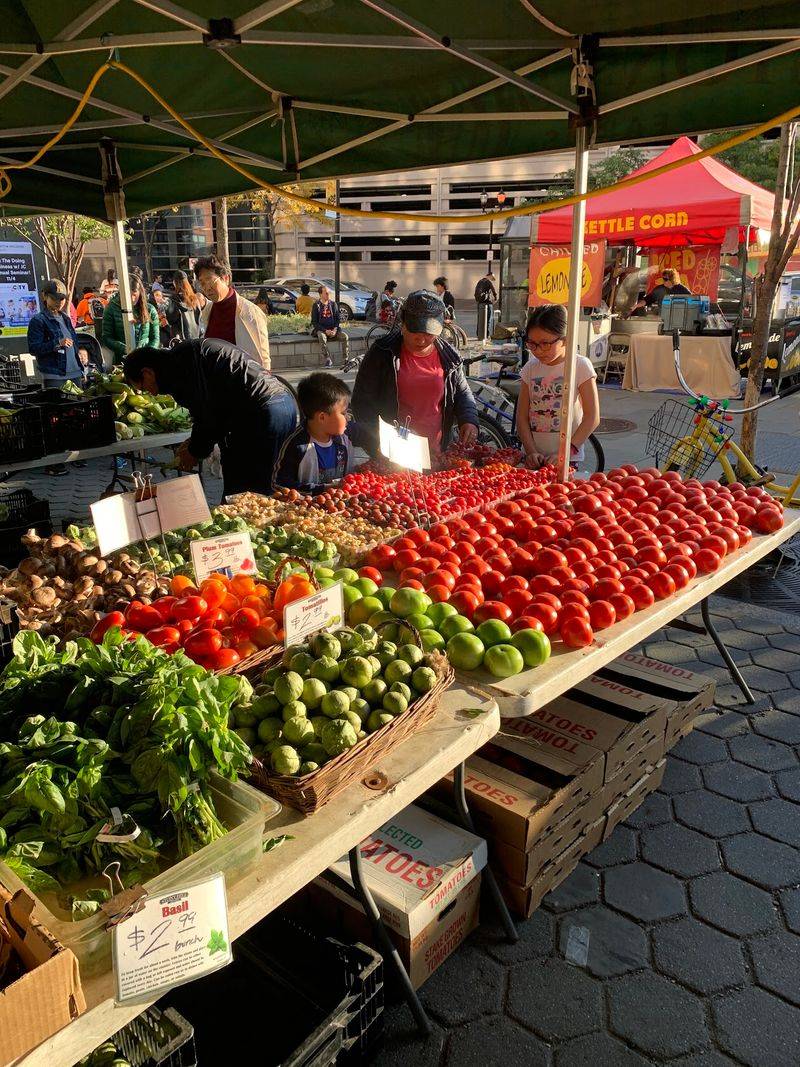
Produce shopping rarely gets more commuter-friendly than stepping out of the Grove Street PATH station and finding farm stands waiting in the plaza.
The Historic Downtown Jersey City Farmers Market operates for much of the year, bringing fresh produce, flowers, baked goods, pies, cookies, and other local products into one of the city’s busiest pedestrian areas.
During the main season, dozens of new and returning vendors gather on weekday afternoons and evenings, giving commuters multiple chances to collect groceries before heading home.
The surroundings are unmistakably urban—trains arriving below, buses nearby, office workers crossing the plaza—but the best shopping strategy is thoroughly old-fashioned.
Inspect the farm tables, ask what is freshest, and buy the crops currently coming in fastest. Greens, zucchini, cucumbers, corn, tomatoes, apples, and roots can all make $15 work harder than the prepared foods lining the same plaza.
The evening hours are convenient, though popular items may thin out after the commuter rush begins. Arrive earlier when possible, secure the produce, and only then investigate whatever smells suspiciously like a freshly baked pie.
Share this story