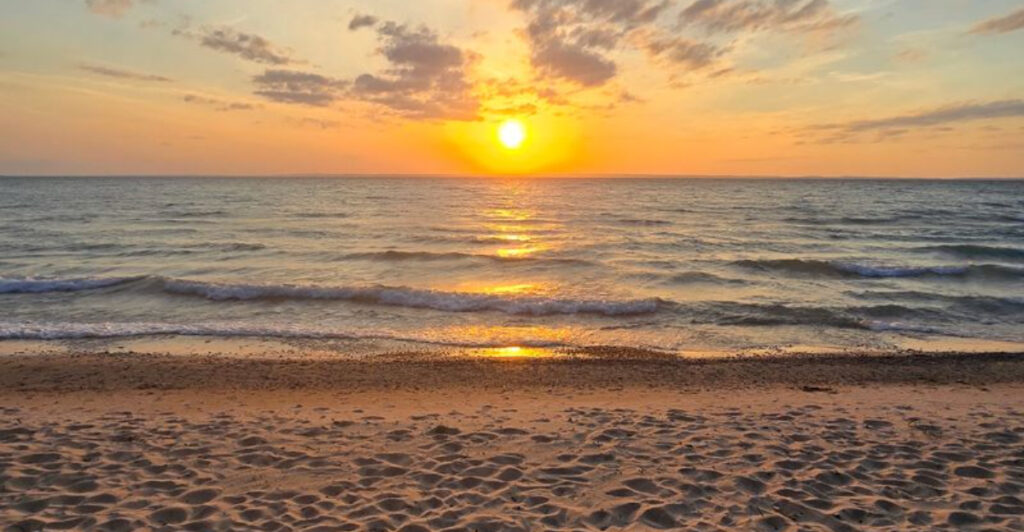
Rockhounding in Michigan feels a lot more exciting when every shoreline walk might turn up something unexpected. Across the state, beaches, fossil beds, river edges, and wave-polished stretches give families, beginners, and serious collectors plenty to search for, from colorful stones to ancient imprints and unusual lake-tumbled finds.
Some spots are famous for a reason, while others reward patience, sharp eyes, and a willingness to slow down near the water. Knowing where to look can make the hunt easier and the trip more rewarding.
Grab a bucket, watch the shoreline, and let these Michigan rockhounding spots turn a simple outing into a treasure search.
1. Calumet Waterworks Park
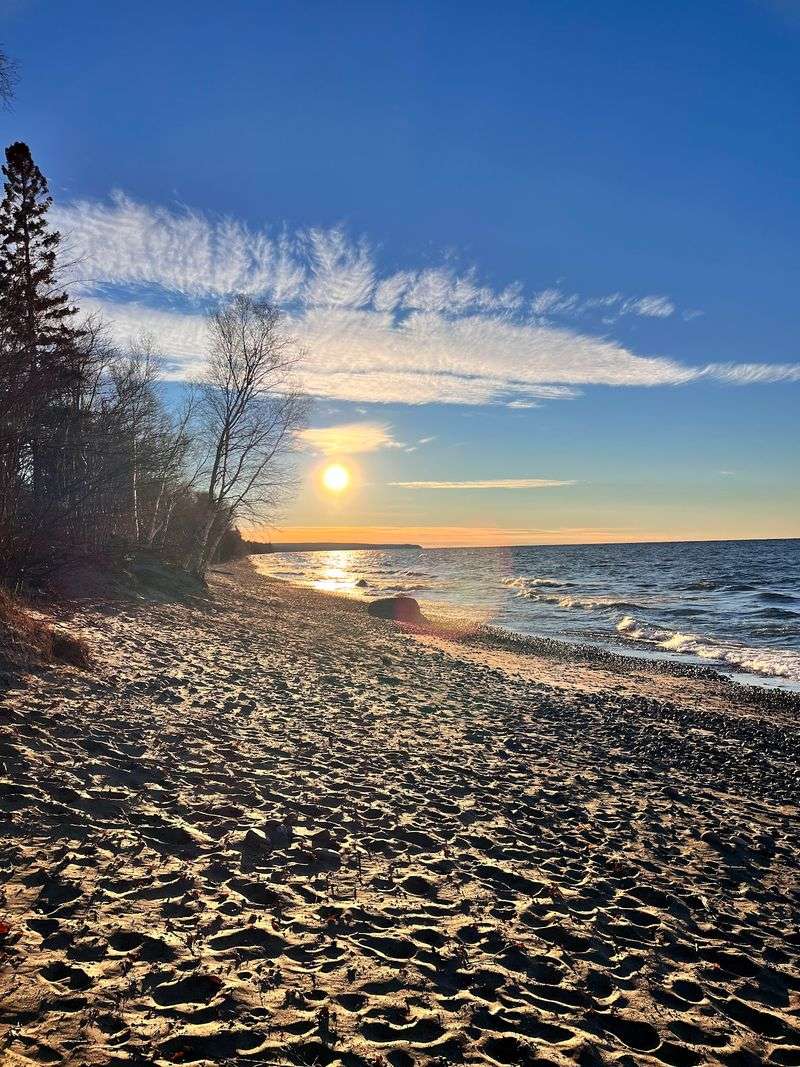
Wind off Lake Superior can change the whole mood of Calumet Waterworks Park in a hurry, and that is part of the appeal for rockhounds. One visit might bring quiet water and easy walking, while another gives fresh wave action that turns up new material along the shore.
That movement matters because rolling water can expose colorful pebbles, smooth basalt pieces, quartz bits, and the occasional agate worth a closer look.
Patience works better here than speed. A slow scan near the waterline often helps more than marching across the beach, since wet stones usually show color and pattern better than dry ones.
Looking after a recent blow or a stretch of stronger waves may improve the odds of spotting something unusual, especially when bands, tiny crystal pockets, or waxy translucent surfaces catch the light.
Footing can be uneven, so sturdy shoes are a smart idea. A small hand towel, a spray bottle, and a zip bag can also help, since rinsing a stone quickly makes details easier to see without hauling a heavy bucket full of maybes.
Kids often enjoy sorting by color first, then checking which pieces stay interesting after they dry.
The setting has a rugged Upper Peninsula character that suits careful searching. Rather than expecting every trip to produce a showpiece, treat the park as a place to build an eye for texture, shape, and shine.
Plenty of finds here are modest but still satisfying, and that is often how good rockhounding starts. One sharp band, one clear quartz patch, or one stone with a strange pattern can turn an ordinary shoreline walk into a memorable hunt.
2. Fisherman’s Island State Park
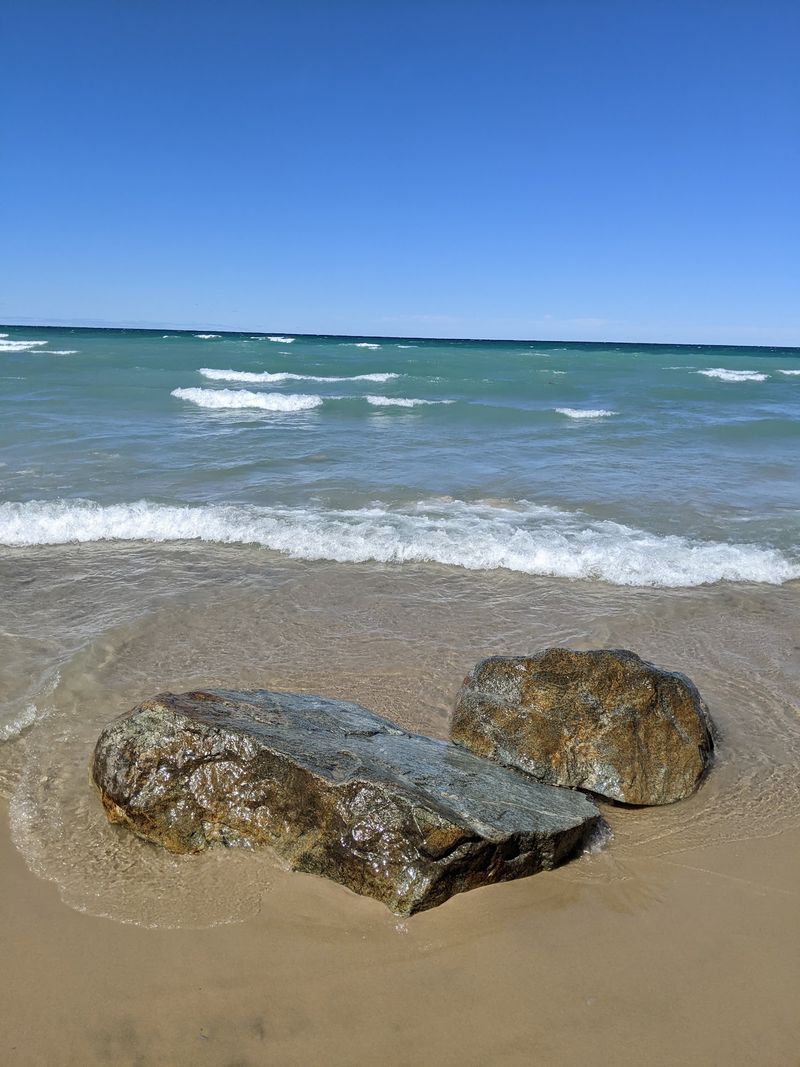
Not every rockhounding stop needs steep cliffs or dramatic mines to be exciting. Fisherman’s Island State Park wins people over with long stretches of shoreline where wave-worn stones keep the search interesting from one pocket beach to the next.
The mix can change along the coast, so walking a little farther than the first easy access point often leads to better variety.
Lake Michigan does a lot of the hard work here. It smooths rough edges, washes sand off stones, and sometimes leaves fresh lines of material after wind and shifting water.
That means a plain-looking patch can surprise you with banded pebbles, fossil traces, quartz, chert, and other odd pieces once you kneel down and really study what is underfoot.
Morning light can help because low sun sometimes picks out patterns that disappear later in the day. Wet stones near the edge of the water are usually easier to judge than dry ones farther up the beach, so many searchers check both areas before deciding where to spend most of their time.
A mesh bag is handy here since it lets sand and water drain away while you keep collecting.
There is another practical advantage. The park gives you room to spread out, which makes it easier to search calmly instead of competing for the same patch of beach.
Beginners can practice spotting shape, color changes, and fossil textures without feeling rushed, while more experienced collectors can focus on subtle details. A trip here works best with a simple plan: walk, pause, examine, and only keep stones that still look special after a second look.
That habit keeps pockets lighter and collections better.
3. Agate Beach, Grand Marais
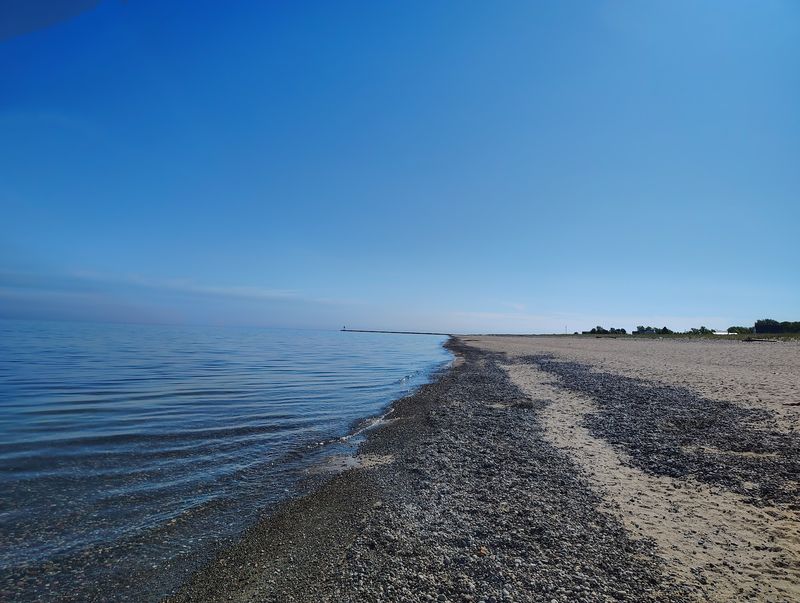
The name alone sets expectations high, and Agate Beach in Grand Marais gives rockhounds a good reason to pay attention. Along this Lake Superior shoreline, searching is all about careful eyes, steady pacing, and knowing that the smallest pebbles can be the stars of the day.
Agates are often mixed in with many ordinary stones, so success usually comes from noticing color bands, a waxy glow, or a half-transparent edge when the rock is wet.
Weather can make a big difference here. After waves stir the shoreline, fresh material may show up in narrow bands where pebbles pile together, and those bands deserve extra time.
Some searchers carry a small spray bottle for dry stretches because a quick mist can reveal hidden patterning that dusty stones refuse to show.
There is also a simple trick that helps beginners. Instead of trying to scan the whole beach at once, focus on a small square of ground, then move a few steps and repeat.
That method slows the rush to find something flashy and makes it easier to notice tiny pieces with strong color, soft translucence, or crisp striping that gets missed in a casual walk.
Grand Marais has a long connection to Lake Superior visitors, and the beach fits that practical, outdoorsy spirit. Bring layers, wear shoes that handle stones well, and expect a hunt that rewards concentration more than luck alone.
Some trips produce only a couple of keepers, but one fine agate can be enough. When sunlight hits a polished-looking pebble and the bands glow orange, cream, or red, the whole search suddenly makes perfect sense.
That is why so many collectors keep returning to this stretch with fresh hope and a sharp eye.
4. Esrey Park
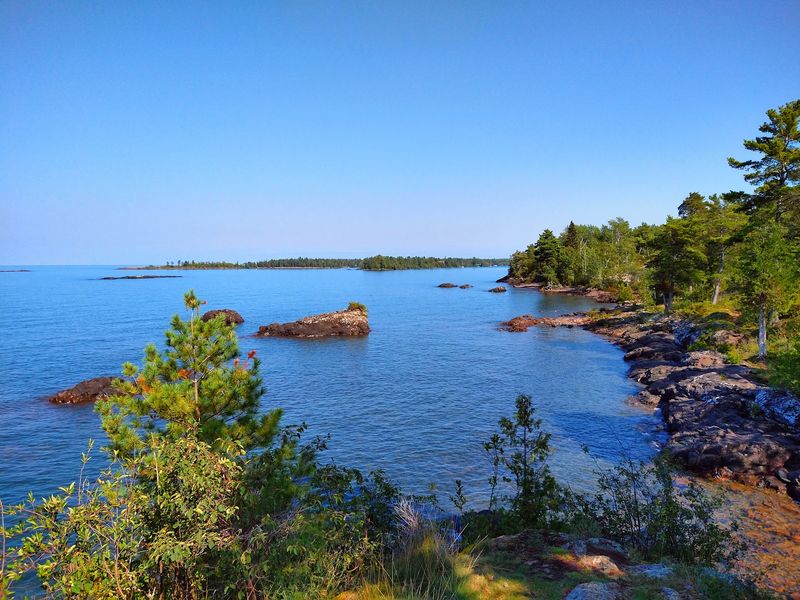
Esrey Park has the kind of shoreline that rewards people who do not mind slowing down. At first glance, it can look like a simple beach stop, but a closer search often reveals a fun mix of stones shaped by Lake Huron.
Rockhounds come here to check the gravelly stretches for fossils, smooth limestone pieces, quartz, and other small surprises tucked between common pebbles.
One useful approach is to pay attention to texture before color. Fossil pieces and coral fragments do not always stand out from a distance, yet their surface patterns can become obvious once you pick them up and rinse them in the water.
A stone with tiny honeycomb shapes, lines, or repeating cells may turn out to be far more interesting than the brighter rocks around it.
Families often like this park because the search can be relaxed and low pressure. You do not need special tools, and a shallow container works well for carrying a few favorites without overloading your hands.
It also helps to set a simple rule before you start, such as keeping only stones with clear pattern, strong color, or a shape you have not found before.
Another good habit is checking spots where waves leave fresh ridges of mixed material. Those ridges can act like sorting lines, collecting pieces that are easier to inspect than stones spread flat across the beach.
Esrey Park may not shout for attention the way bigger names do, but that is part of its charm. It gives beginners a comfortable place to train their eyes, and it gives regular collectors a chance to enjoy a quieter hunt.
Sometimes the best find is not the rarest stone. Sometimes it is the one that taught you how to notice more.
5. Petoskey State Park
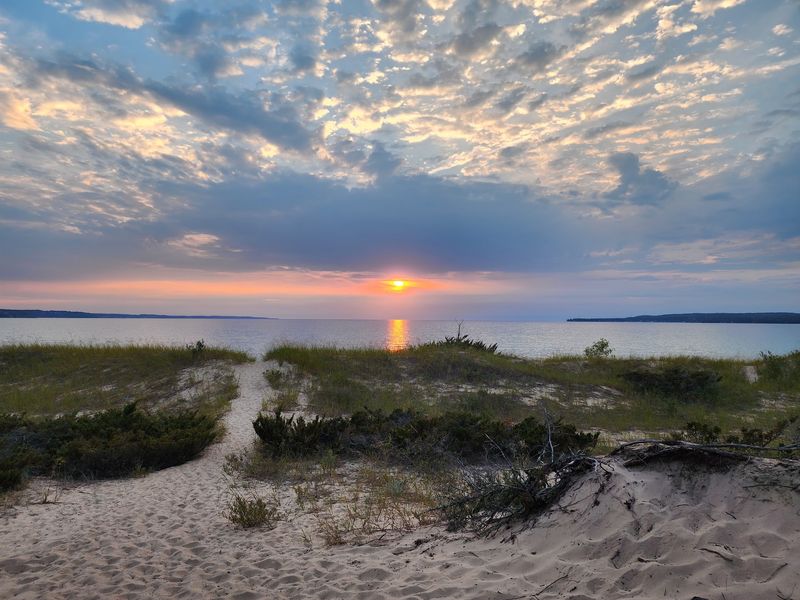
Few Michigan rockhounding spots have a reputation as strong as Petoskey State Park, and the reason is easy to understand. This is one of the places people head when they hope to find the state stone, the Petoskey stone, with its famous fossil coral pattern.
Even so, success still takes attention, because many pieces look plain until they are wet or polished enough to show the detail.
A quick rinse can change everything. What seems like an ordinary gray rock may suddenly display a honeycomb design once water darkens the surface, which is why so many collectors keep dipping possible finds in the lake.
Smaller stones are often overlooked, but they can carry some of the clearest pattern if you inspect them carefully.
Timing matters more than many beginners expect. Shoreline conditions shift with water levels, wind, and recent wave action, so one day can look very different from the next.
Early morning or cooler seasons may also make the search more comfortable, especially when the beach is less crowded and you have room to move slowly along the edge.
Petoskey State Park is a smart place to learn good collecting habits. Start with a small bag, choose only the best examples, and check local rules before taking anything home.
Footwear with grip helps on slick stones, and a towel is useful when your hands stay wet from constant rinsing. There is a satisfying puzzle to the whole process.
You are not just picking up pretty rocks. You are learning to recognize ancient coral hidden inside rounded beach stones.
Once that pattern clicks in your mind, the beach starts to look different, and every gray pebble becomes a possible treasure waiting for one splash of water.
6. Gratiot River County Park
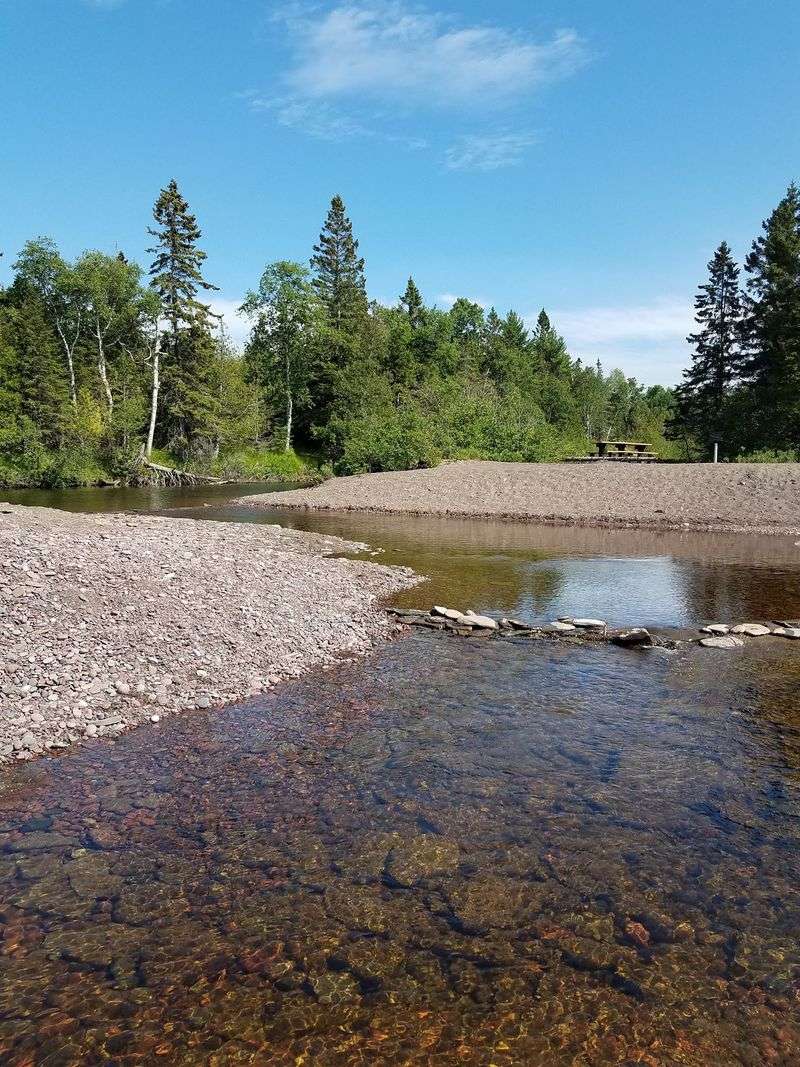
Where a river meets Lake Superior, rockhounds often pay attention, and Gratiot River County Park has that kind of promising setup. Moving water from two directions can sort, shift, and expose material in ways that keep each visit a little unpredictable.
That variety is part of the fun, especially for collectors searching for agates, quartz, and wave-smoothed stones with bright mineral streaks.
The best strategy here is to read the ground as much as the water. Gravel bars, fresh wash lines, and places where pebbles change size can all hint at where heavier or more interesting pieces have settled.
Rather than covering a huge area quickly, it often helps to work one stretch carefully, then compare it with another patch closer to the river mouth or farther out on the lakeshore.
Conditions can be rugged, so preparation matters. Shoes with good support, a light pack, and clothing that handles wind make the hunt far more enjoyable.
Since damp stones show more detail, a cloudy day is not always a bad thing, and many collectors actually like the softer light because it reduces glare.
Gratiot River County Park has a quieter, exploratory mood that suits people who enjoy the search itself. Some finds will be simple but handsome, like richly colored pebbles or stones cut by a line of quartz.
Others may stand out because of shape, banding, or an odd little crystal pocket. Keep expectations steady and your eyes open.
A place like this rewards observation more than rushing, and the shoreline can teach that lesson fast. One useful trick is to turn around and scan the same ground from the opposite direction before moving on.
Different light angles can reveal pieces you walked right past a minute earlier.
7. Great Sand Bay
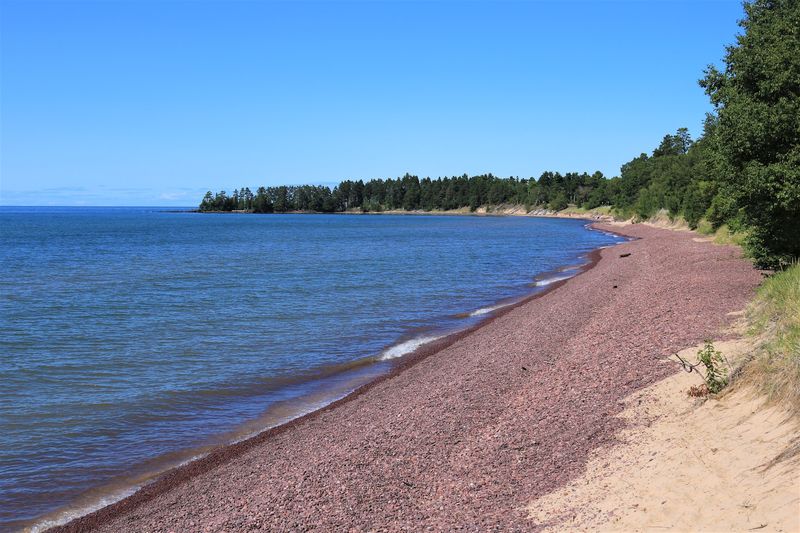
Great Sand Bay sounds gentle, but rockhounds know the shoreline can still deliver a lively mix of stone and surf. The broad beach gives you room to roam, and that extra space matters because good material may be spread out in changing lines instead of piled into one obvious spot.
Agates get much of the attention here, yet the real fun often comes from the full range of pebbles, quartz pieces, and odd wave-polished stones that keep turning up.
Long walks pay off at this bay. Areas near access points can be picked over, so pushing farther along the shore may improve your chances of finding fresh-looking gravel or less-disturbed patches.
Keep an eye on places where sand thins out and more stones appear, because those transitions can produce the best searching.
Bright midday sun is not always ideal. Side light in the morning or late afternoon can make translucent edges glow and help banding stand out, while overcast skies often reduce glare on wet stones.
A small container with separate pockets can be useful if you want to sort possible agates from quartz and fossil-looking pieces as you go.
The beach also teaches a good lesson about restraint. It is easy to collect too many almost-interesting stones when the shoreline seems endless, but taking a minute to compare each piece against the best one in your hand keeps your bag from filling with duplicates.
Great Sand Bay works well for both beginners and experienced searchers because it offers enough variety to build skill. You may leave with one keeper or a handful of solid finds, depending on conditions and patience.
Either way, the search feels active and hands-on, with every small stretch of shore asking you to look closer before moving on.
8. Rockport State Recreation Area
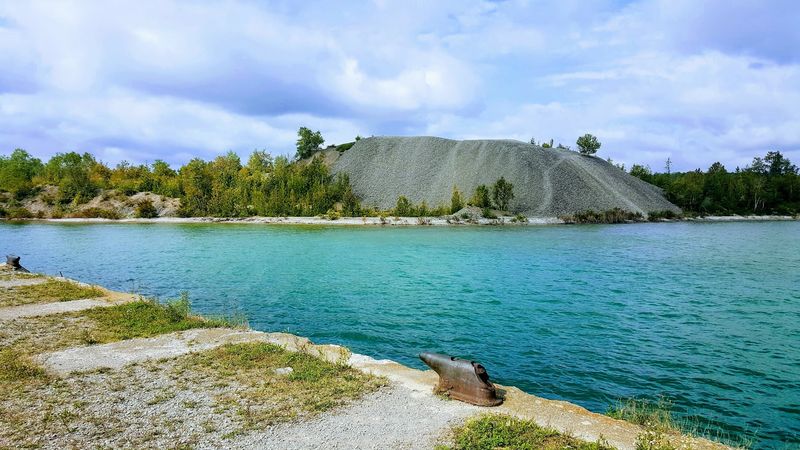
Rockport State Recreation Area brings a different flavor to Michigan rockhounding. Old quarry landscapes, clear water, and rocky ground give the area a look that is part industrial history and part outdoor playground.
For collectors, that means plenty to inspect, from fossil-bearing limestone to unusual fragments that stand out because of texture, layering, or shape.
Instead of racing straight to the first shoreline, take a minute to notice the broader terrain. Exposed rock, broken stone, and gravelly sections can all hold interesting material, and each surface asks for a slightly different kind of search.
Flat pieces may reveal fossil traces more easily, while chunkier rubble sometimes hides crystal-lined cavities or sharp mineral contrasts inside fresh breaks already made by natural wear.
A practical mindset helps here. Bring water, sturdy shoes, and a bag that leaves your hands free, since the ground can be uneven and there is often more walking involved than people expect.
A small magnifier is handy too. Fine fossil details or tiny sparkly surfaces may not look like much until you hold them close and catch the light at the right angle.
Rockport appeals to people who like variety more than certainty. You may spend part of the day studying shoreline pebbles, then switch to scanning rocky exposures for patterns and embedded forms.
That change of pace keeps the hunt interesting and makes the area feel bigger than it first appears. It is also a good place to practice identifying what not to keep.
Many stones here are visually busy, but only a few remain impressive after a second look. Choosing carefully improves your collection and sharpens your eye.
By the end of a visit, even common pieces can teach you a lot about layers, fossils, and the way Michigan landscapes hold onto their history.
9. Barnes Park
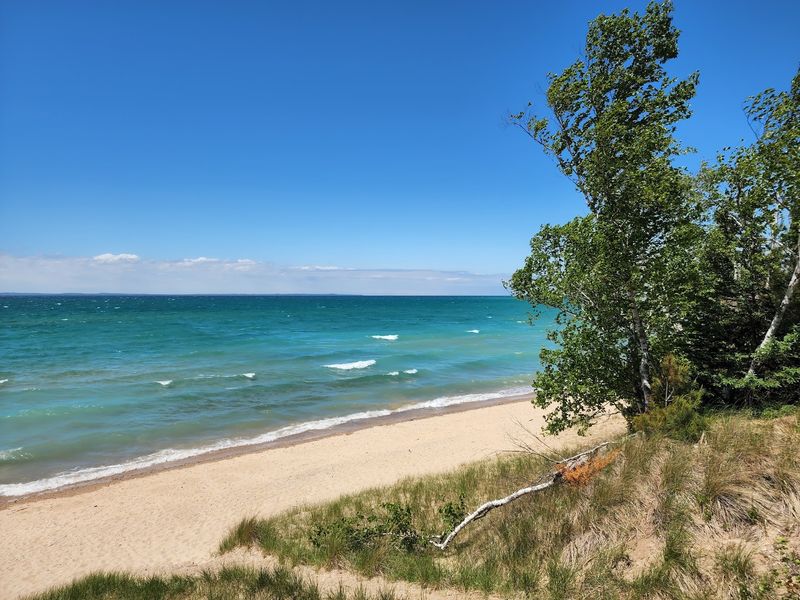
Barnes Park offers the kind of beach where a casual walk can slowly turn into a serious hunt. The shoreline along Lake Huron often mixes sand with bands of rounded stones, and those stony patches are where patient searchers tend to focus.
Fossils, coral pieces, quartz, and attractively patterned pebbles are the kinds of finds people hope to spot while working the waterline.
One of the smartest moves here is to search after noticing how the beach has been sorted. Waves tend to separate material by size and weight, so one line may hold mostly plain gravel while another contains chunkier, more interesting pieces.
Looking at those natural bands before bending down can save time and help you search with more purpose.
Barnes Park is also a good place to involve kids without making the outing feel like a lesson. Give them a simple challenge, such as finding one stone with stripes, one with tiny holes, and one with a fossil pattern.
That turns the beach into a scavenger hunt while quietly teaching observation, which is one of the most useful skills in rockhounding.
Comfort matters on longer searches, and that means packing lightly but smartly. Water shoes or sturdy sandals can help near the edge, a mesh bag keeps things manageable, and a small notebook can be fun if you want to remember where your best finds turned up.
Barnes Park may not have the loud reputation of some bigger names, yet it delivers a nice balance of accessibility and variety. Careful collecting works especially well here because the beach keeps offering small decisions.
Is that a fossil or just a weathered pit? Is that quartz, or only a pale pebble?
Sorting those questions out is half the enjoyment, and the answers often end up right in your hand.
10. Eagle River Beach
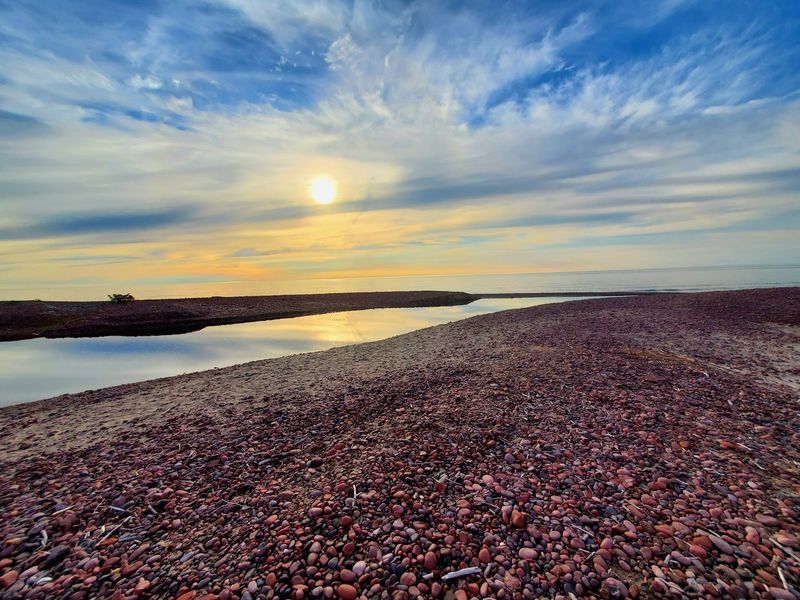
Eagle River Beach has a bold Lake Superior personality, and that energy shapes the rockhounding experience from the start. Water, weather, and shifting stone beds can make the beach look different from one visit to the next, which is exactly why collectors stay curious about it.
Agates often get top billing, but quartz, dark volcanic-looking rocks, and strikingly polished pebbles also deserve a place on your radar.
Scanning here works best when you stay flexible. If one stretch looks picked over or too sandy, move on rather than forcing the search.
Productive pockets may appear near changes in slope, fresh deposits after wave action, or tighter clusters of small stones where color differences stand out more clearly.
A little discipline goes a long way on a beach like this. It is easy to grab every orange or red pebble, only to realize later that many were not especially interesting.
Hold each candidate to the light, wet it if needed, and ask whether it has strong banding, translucence, or an unusual pattern that sets it apart from the others in your hand.
Eagle River Beach suits collectors who like a hunt with a bit of grit. Wind can be brisk, footing can shift, and the shoreline asks for attention, but that challenge is part of the reward.
Travel light enough to move comfortably, yet bring enough layers to stay out longer than planned if the search turns good. One helpful trick is to look behind you now and then.
Stones you missed on the first pass may pop into view from a different angle, especially when the light changes. On a strong day, the beach can turn ordinary-looking gravel into a series of little surprises, one careful glance at a time.
11. Leelanau State Park
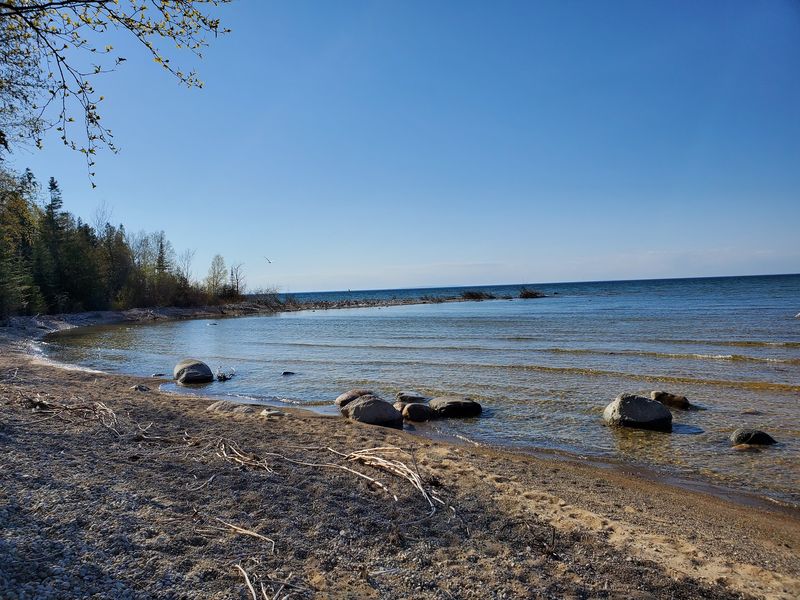
Leelanau State Park mixes scenic shoreline with the quiet thrill of never knowing which stone will catch your eye next. The beaches here are not always packed with obvious treasures, but that is exactly why careful collectors enjoy them.
Instead of chasing one famous find, you get to search for a broad mix of smooth pebbles, fossil pieces, quartz, and unusual stones shaped by Lake Michigan.
Because the shoreline can vary from one area to another, it helps to treat the park like a series of small searches instead of one long march. A pocket of gravel near driftwood may look different from a more open stretch, and each section can hold its own mix of textures and colors.
That variety makes the hunt feel active without becoming overwhelming.
Leelanau works especially well for people who like combining walking with collecting. You can pause when a stony patch looks promising, inspect a few handfuls near the water, then keep moving until another good zone appears.
A lightweight bag and shoes that handle both sand and rock make the day easier, especially if you plan to cover a fair amount of ground.
Subtle finds often shine brightest here. A pale pebble with a quartz seam, a weathered fossil trace, or a stone with unusual speckles may not sound dramatic, but each one adds character to a collection.
That makes Leelanau State Park a nice place to build taste as well as skill. You start learning which pieces still seem interesting after the excitement of the find wears off.
The shoreline rewards that kind of judgment. Rather than handing you easy answers, it asks you to notice more, compare more, and choose better.
For many rockhounds, that sort of steady, thoughtful search is every bit as satisfying as finding a single famous stone.
12. Muskallonge Lake State Park
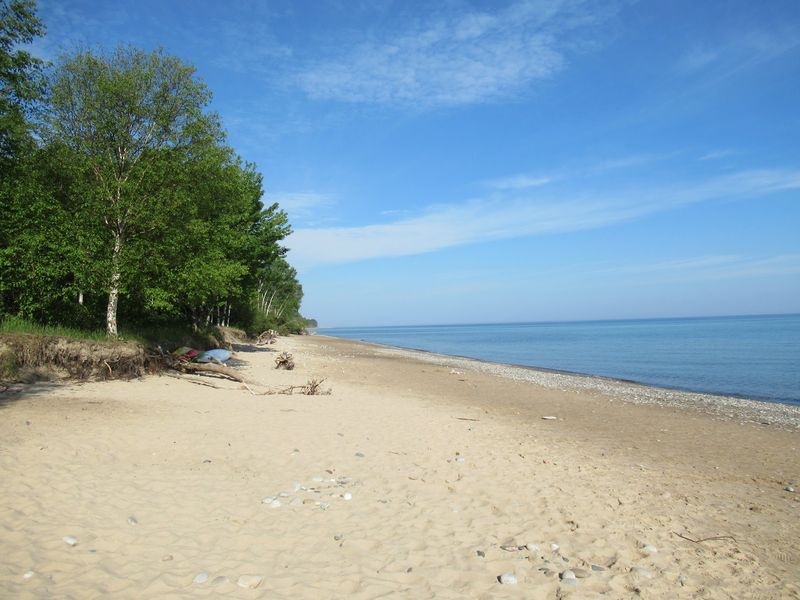
Muskallonge Lake State Park gives rockhounds a lively stretch of Upper Peninsula shoreline where every pass across the stones can reveal a new detail. The area draws attention for agates and other Lake Superior finds, but the bigger story is variety.
Mixed cobbles, quartz pieces, dark rocks, and banded pebbles all compete for attention once the water leaves them shining.
Fresh conditions matter here. After stronger waves or changing water levels, gravel lines can shift enough to expose pieces that were buried or overlooked before.
That means repeat visits can stay interesting, and it also means the best search areas may not match what you expected when you first stepped onto the beach.
A smart way to work this shoreline is to alternate between broad scanning and close inspection. First, walk until a promising patch appears, usually where stone size looks mixed and the beach seems newly sorted.
Then slow down and check individual pieces for translucence, fine bands, tiny crystal pockets, or unusual color combinations that stand apart from the common gray and brown stones nearby.
The park suits practical collectors. Weather can shift, the beach can feel wide open, and a longer search is easier when you have layers, water, and a simple plan for what to keep.
Many people do best by choosing one focus for the day, such as agates only or the most interesting patterned stones, rather than stuffing a bag with every decent pebble. Muskallonge rewards that kind of discipline because the shoreline keeps presenting tempting near-misses.
Then, once in a while, it offers the real thing. A well-banded agate or a crystal-lined piece among ordinary stones has a way of changing the whole mood of the hunt.
Suddenly the careful walking, crouching, and second-guessing all seem like part of a very smart strategy.
13. F.J. McLain State Park
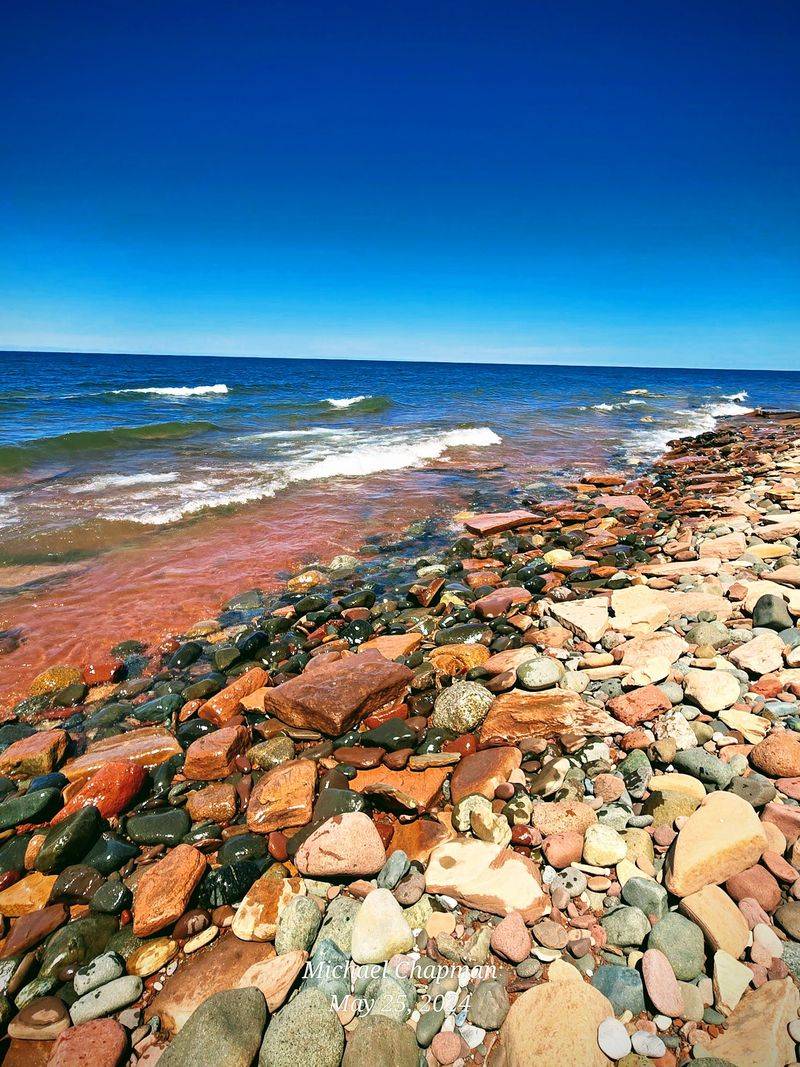
F.J. McLain State Park is the kind of place where the shoreline always seems ready to test your observation skills.
Lake Superior shapes the beach with a steady hand, rolling stones, shifting gravel, and leaving behind a mix that can include agates, quartz, basalt, and other eye-catching pieces. For rockhounds, that means the hunt is rarely dull, even on a day when the keepers are few.
First impressions can fool you here. A broad spread of dark stones may seem repetitive until one wet pebble flashes a line of orange banding or a chunk of quartz stands out against the gray.
That is why many experienced searchers move slowly and keep their focus low, letting color, shine, and pattern announce themselves instead of forcing the eye to look for one single type of find.
The beach often rewards people who revisit the same area under different conditions. Morning light, cloud cover, or recent wave action can completely change what is easy to spot.
A stone that blended in yesterday may become obvious today, especially if it sits near the waterline where wet surfaces show their best detail.
There is a sturdy, practical feel to searching at F.J. McLain.
Dress for wind, wear shoes with grip, and bring only enough gear to stay comfortable without turning the outing into a haul. A small rinse bottle can be useful on drier sections, and a separate pocket for likely agates keeps the best pieces from getting lost among ordinary stones.
More than anything, the park rewards selective collecting. Pick up less, examine more, and trust your eye to improve as the search goes on.
By the end of the day, even a short walk can produce a few memorable stones and a better sense of how Lake Superior hides its best material in plain sight.
Share this story