Colorado’s landscapes don’t just inspire outdoor adventures—they also shape some of the state’s most memorable meals. Across the state, farm-to-table restaurants are partnering with local farmers, ranchers, cheesemakers, and growers to create seasonal menus built around the freshest ingredients available.
The result is food that reflects Colorado’s changing seasons, regional flavors, and commitment to quality, while supporting the communities that produce it. Whether you’re looking for an elegant dinner or a relaxed neighborhood favorite, these 11 Colorado farm-to-table restaurants showcase the best of the state’s local harvest, one exceptional plate at a time.
1. Bramble & Hare (Boulder)
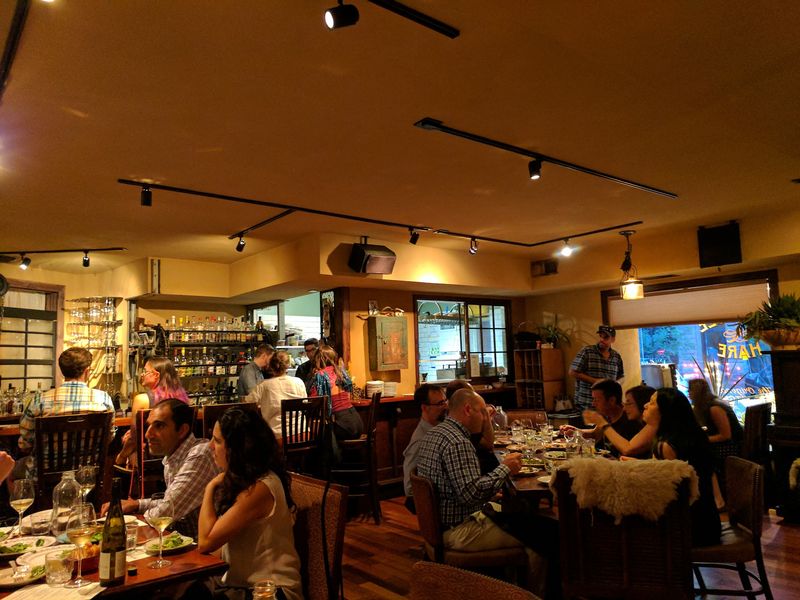
A menu that changes with the day can make dinner more interesting, and Bramble & Hare leans into that idea with confidence. In Boulder, this rustic farmhouse bistro is closely linked to ingredients raised on its own certified-organic farm, which gives the cooking a grounded, practical point of view.
That farm connection matters because it shapes the meal before the first plate reaches the table. Vegetables, grains, and heritage meats are not treated like side notes here.
They are the starting point, and the kitchen builds familiar dishes around what is actually ready, ripe, and useful in the moment.
For diners, that means the best strategy is to arrive open-minded. Instead of chasing a fixed favorite, look for preparations that highlight peak produce, house character, and straightforward technique.
A grain dish can carry as much interest as a meat-centered plate when the ingredients are fresh and thoughtfully handled.
The rustic style also helps Bramble & Hare stand apart from places that make local food sound more complicated than it needs to be. Boulder has no shortage of serious dining rooms, but this spot channels a farmhouse spirit that keeps seasonal eating approachable.
The result is refined enough for a night out while still centered on comfort and clarity. Anyone curious about Colorado farm-to-table dining can learn a lot from a meal here. Pay attention to how small differences in harvest timing, texture, and seasoning shape the plate.
That close-to-home sourcing gives standard American and bistro ideas extra depth without pushing them into flashy territory.
Choosing Bramble & Hare works especially well for diners who want local ingredients to lead the experience, not simply decorate it. The daily-change format, the farm roots, and the Boulder setting all point in the same direction: food with a clear sense of place, served in a warm, unfussy way.
2. Cabin Juice (Breckenridge)
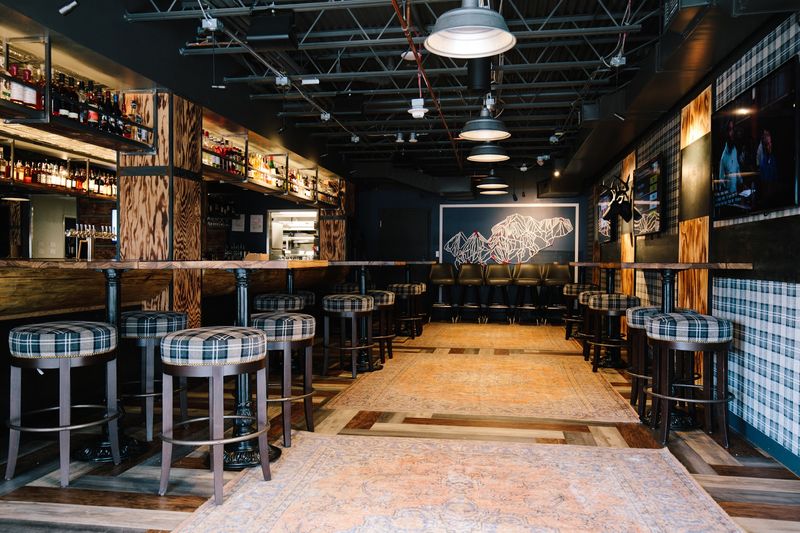
Mountain towns often do comfort food well, but Cabin Juice gives it more purpose by tying classic dishes to seasonal Colorado ingredients.
In Breckenridge, the restaurant uses sustainably raised proteins and organic produce from Front Range and Western Slope farms, then turns them into meals that match the town’s active, outdoorsy rhythm.
Breakfast is a smart place to notice that approach. Hearty morning plates can be simple, but seasonal produce and careful sourcing bring more color and texture to the table.
Later in the day, après-ski favorites and relaxed dinners follow the same idea, pairing familiar formats with ingredients that reflect the state around them.
That balance makes Cabin Juice easy to recommend for travelers who want local flavor without a stiff fine-dining setup. The menu speaks in a language most diners already know: warming dishes, recognizable sides, and steady comfort.
What changes is the quality and regional angle behind those basics. Breckenridge restaurants sometimes lean hard on mountain themes, yet Cabin Juice benefits from a lighter touch.
The Colorado perspective comes through the sourcing and the seasonality, not just the decor. That keeps the meal grounded and useful, especially after a long day on the slopes or a summer hike.
A good move here is to choose dishes that let the ingredients show rather than burying everything under rich extras. Seasonal vegetables, well-sourced proteins, and straightforward preparations often tell the strongest story.
Diners who pay attention to that detail will likely notice how the kitchen keeps classic food satisfying without making it predictable.
Cabin Juice stands out because it understands where it is and who it serves. Breckenridge calls for food that can restore energy, offer comfort, and still carry a local point of view.
This restaurant handles that mix well, using Colorado farms as the backbone for approachable meals that fit mountain life.
3. Slope Room (Vail)
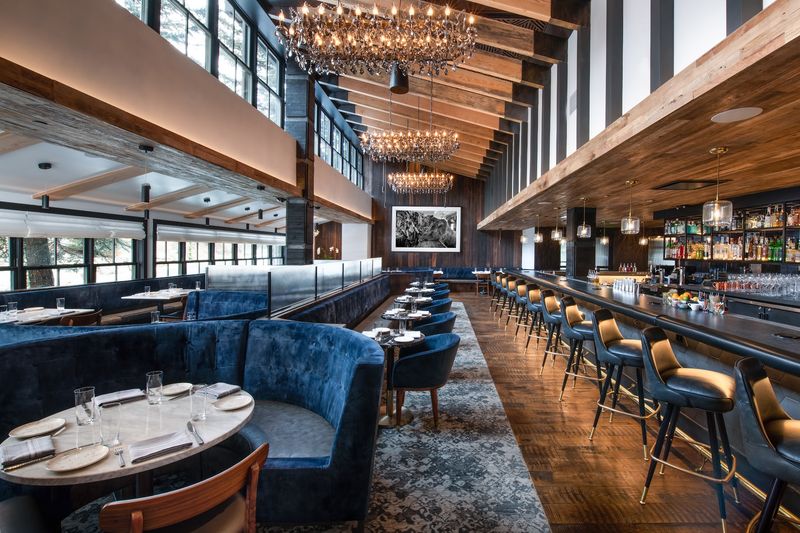
Polished alpine dining can sometimes drift too far into formality, but Slope Room maintains a strong connection to Colorado.
In Vail, this sophisticated yet comfortable alpine bistro builds modern steakhouse and New American dishes around pasture-raised proteins and ingredients sourced from Rocky Mountain farmers, ranchers, and artisan producers.
That sourcing gives the menu a sturdy regional backbone. Slope Room works with suppliers such as Fitch Ranch for beef and lamb, Red Bird Farms for chicken, Strohauer Farms for fingerling potatoes, and Haystack Mountain Creamery for goat cheese.
Elevation Charcuterie & Artisan Meats also contributes locally made specialties. These relationships allow familiar steakhouse categories to carry more Colorado character.
Beef, lamb, chicken, potatoes, cheese, and charcuterie connect the menu to producers working throughout the state. Instead of relying only on presentation or mountain-themed décor, the restaurant lets its ingredients establish a genuine sense of place.
Vail attracts travelers looking for memorable dinners, and Slope Room balances that expectation with food that remains approachable. The dining room feels refined, but the menu retains the substance people often want after skiing, hiking, or exploring the valley.
Its polished finish never completely hides the hearty alpine foundation underneath. The locally sourced supporting ingredients deserve as much consideration as the centerpiece proteins.
Fingerling potatoes, seasonal vegetables, Colorado cheeses, and artisan meats help demonstrate that the restaurant’s farm relationships extend across the plate. Pairing a pasture-raised entrée with regionally sourced sides offers a fuller picture of its pasture-to-table philosophy.
For anyone exploring farm-to-table dining in a Colorado resort town, Slope Room provides a persuasive example. It respects steakhouse tradition while allowing Rocky Mountain farms and ranches to influence the experience in visible ways.
The result is a composed but comfortable meal that reflects Vail’s combination of rugged surroundings, upscale hospitality, and regional flavor.
4. BIN 707 Foodbar (Grand Junction)
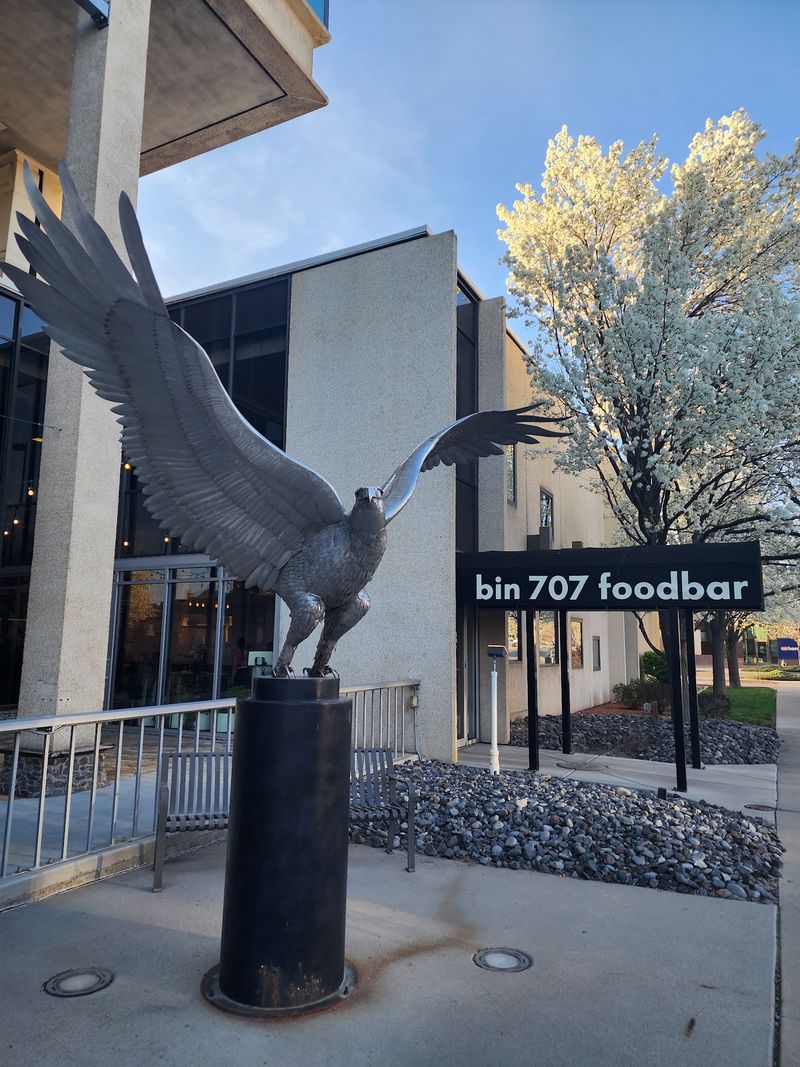
Grand Junction brings a different Colorado food story to the table, and BIN 707 Foodbar expresses that regional identity with purpose.
Its sourcing philosophy prioritizes local ingredients first, Colorado products second, and domestic suppliers third, giving the seasonal American menu a distinctive Western Slope perspective.
That approach allows the kitchen to be inventive without losing accessibility. Familiar formats such as burgers and pizzas become vehicles for regional ingredients, careful preservation, and globally influenced flavors.
Instead of limiting farm-to-table cooking to delicate plates, BIN 707 applies its philosophy to food that remains recognizable and satisfying. Recent menu offerings illustrate how the concept works.
Cheese pizza features crushed Palisade tomatoes, while a prosciutto pizza combines Elevation ham with pickled fennel, green chile marmalade, ricotta, and epazote. The Bin Burger keeps things comparatively classic with white cheddar, truffle aioli, vegetables, and skinny fries.
Western Colorado’s farms, orchards, ranches, and vineyards give the restaurant a particularly strong regional foundation. Palisade fruit and tomatoes, Colorado meats, local beverages, and preserved seasonal produce help connect the menu to the surrounding agricultural landscape.
These ingredients do more than decorate the plates; they shape the restaurant’s culinary identity. Because the menu follows the seasons, flexibility rewards diners.
A familiar burger may offer the easiest introduction, while a pizza featuring local produce or a more adventurous regional preparation can reveal another side of the kitchen. Even the simplest-looking selection may carry layers of preservation, fermentation, or unexpected seasoning.
Anyone exploring Colorado beyond the Front Range should pay attention to the way BIN 707 translates Western Slope ingredients into an approachable dining experience. The restaurant demonstrates that farm-to-table cooking does not belong to one format or level of formality.
In Grand Junction, it can be inventive, locally grounded, and easy to enjoy without requiring diners to decode every plate.
5. Apple Blossom (Denver)
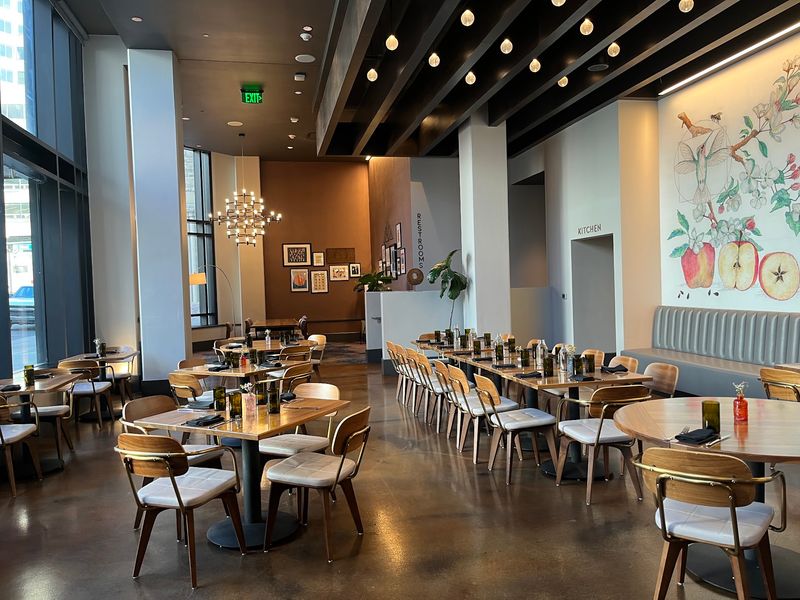
Comfort food becomes more interesting when its ingredients carry a local story, and Apple Blossom builds that idea into its Denver menu.
The restaurant gives recognizable American dishes seasonal character through products such as Colorado beef, Palisade peaches, local mushrooms, locally baked sourdough, and vegetables selected to reflect the time of year.
Those ingredients keep the food familiar while adding freshness, texture, and regional identity. Breakfast receives as much attention as dinner, with local products appearing in morning staples, casual midday selections, and more composed evening plates.
This continuity helps the restaurant maintain its Colorado perspective throughout the day. The menu often features Palisade peaches in breakfast dishes, avocado toast made with local sourdough, and an NY strip from Buckner Family Farms served with local mushrooms and gnocchi.
Other offerings, including tomato soup with grilled cheese and seasonal vegetable preparations, show how familiar comfort food can benefit from thoughtful sourcing. Apple Blossom’s broad range is part of its appeal.
Some farm-to-table restaurants concentrate on one mealtime or dining style, but this restaurant moves from breakfast and brunch to lunch, happy hour, and dinner.
That flexibility works well for downtown visitors, hotel guests, and Denver residents making plans for different occasions. Seasonality does not require the kitchen to abandon familiar cravings. Instead, it can sharpen them.
A ripe Colorado peach, a flavorful mushroom, a well-made loaf of sourdough, or a carefully sourced cut of beef can transform a straightforward dish without relying on overly complicated techniques or presentation.
In a city filled with polished dining choices, Apple Blossom makes local sourcing feel natural within approachable American cooking.
Its strongest dishes connect recognizable formats with products grown or made in the region. The result gives diners both comfort and seasonality, adding Colorado character to meals that remain inviting, useful, and easy to understand.
6. Urban Farmer (Denver)
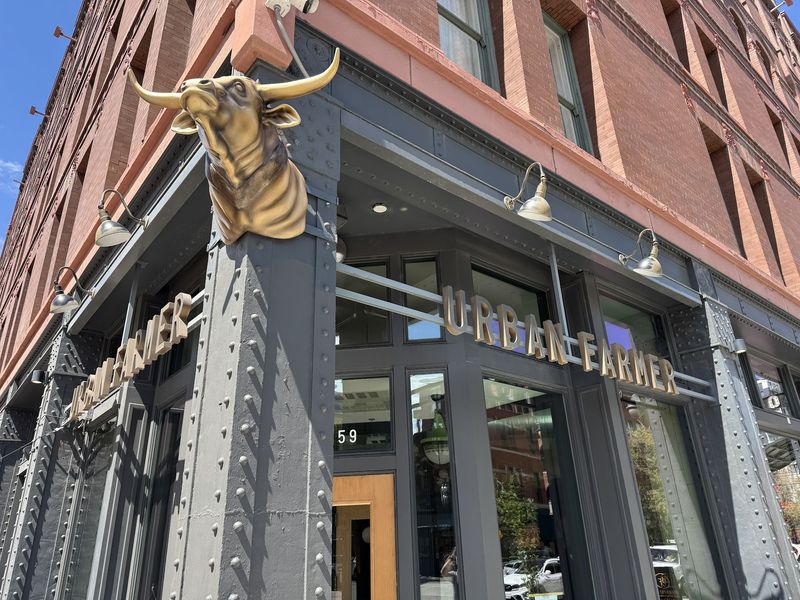
A chophouse can honor tradition and still speak the language of local farms, which is the lane Urban Farmer takes in Denver. This modern farm-to-table steakhouse works with Colorado ranches, farms, and artisan producers to reinterpret familiar steakhouse favorites with a stronger regional stamp.
That setup gives diners a useful way to think about the menu. Instead of treating local sourcing like a side mission, Urban Farmer appears to build it into the core experience.
Carefully sourced beef matters, of course, but so do the greens, mushrooms, and seasonal vegetables that round out the plate and keep the meal connected to Colorado.
Many steakhouse visits focus almost entirely on the main cut, yet a farm-to-table version should offer more than that. Side dishes, salads, and seasonal accompaniments can reveal whether the restaurant truly works from the ground up.
At Urban Farmer, those supporting pieces are part of the point, not just background material. Denver has plenty of upscale dining rooms, so clarity helps a place stand apart.
Urban Farmer’s concept is easy to grasp because it takes something most people already understand, the classic chophouse, and updates it through sourcing rather than gimmicks. That approach keeps the experience accessible while still giving it a modern edge.
Ordering with balance in mind is a smart move here. Pairing a beef-focused dish with seasonal vegetables or mushroom-based sides can show the restaurant’s full range better than going all-in on richness.
Farm-to-table steakhouse cooking works best when the entire table reflects the region, not only the centerpiece. Urban Farmer is a good pick for diners who want Denver polish without losing sight of where the ingredients come from. The restaurant uses local partnerships to reshape a familiar format into something more rooted and current.
It respects steakhouse expectations while letting Colorado produce and ranching influence the final meal in a visible, practical way.
7. Spruce Farm & Fish (Boulder)

Pairing local farm ingredients with seafood can be a tricky balance, yet Spruce Farm & Fish makes that combination part of its identity.
In Boulder, the restaurant blends locally sourced products with high-quality seafood, then channels both into seasonal versions of American favorites for brunch and dinner.
That two-part focus gives the menu more range than many farm-to-table spots. Some diners want produce-driven plates, while others look for fish or shellfish done with care.
By working from both directions, Spruce Farm & Fish can keep recognizable dishes in play while still adding thoughtful seasonal detail tied to Colorado sourcing.
Brunch is often where restaurants reveal whether their local approach is practical or just decorative. When a place can make daytime classics feel fresh without overworking them, that says a lot.
The same goes for dinner, where balanced plates and clean flavors usually do more than a long list of ingredients.
Boulder diners tend to appreciate food that is health-conscious, polished, and still enjoyable in a straightforward way. Spruce Farm & Fish fits neatly into that space by keeping American classics readable while giving them a more current shape.
The local touches matter because they add texture and timing, not because they shout for attention. A strong strategy here is to consider how the menu mixes land and sea rather than choosing only one side.
Seasonal vegetables, grains, or regionally sourced extras can tell as much of the story as the seafood itself. That blend is where the restaurant’s concept becomes most interesting.
Among Colorado farm-to-table options, Spruce Farm & Fish stands out for showing that local dining does not have to stop at the state border of ingredients.
Instead, it can use Colorado produce and thoughtful sourcing to frame seafood in a smart, approachable way. The result is a Boulder meal with broad appeal and a clear seasonal backbone.
8. Shavano (Salida)
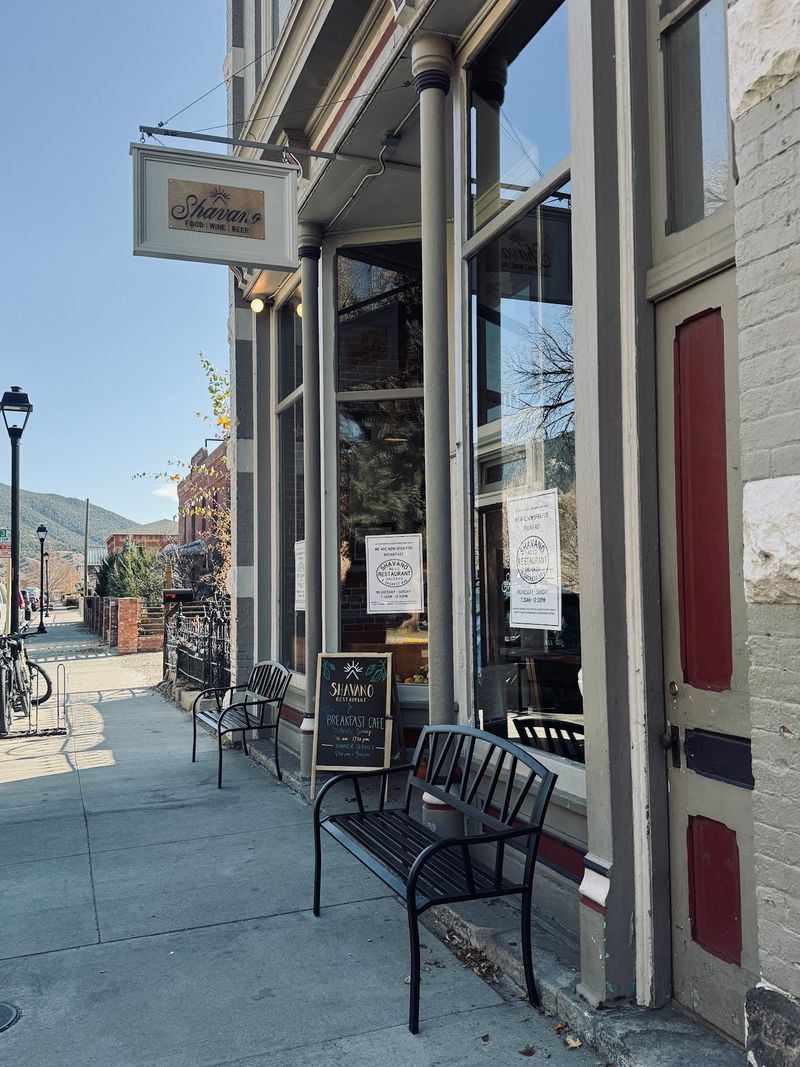
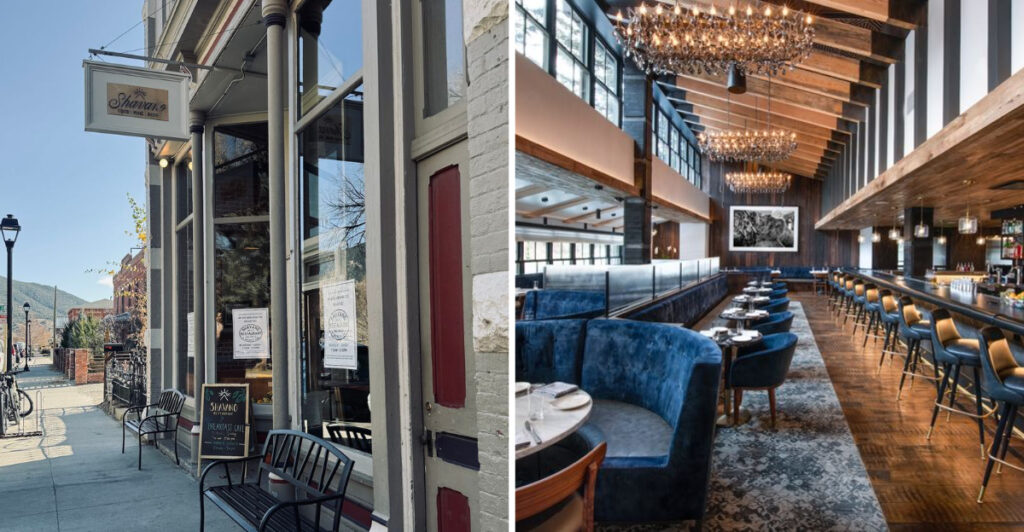
Salida has a relaxed mountain identity, and Shavano channels that character into thoughtful food with a broader perspective. The restaurant celebrates ingredients from Colorado and the greater Mountain West while drawing inspiration from the soulful cooking and hospitality of small, family-run European restaurants.
That combination gives the menu both a regional anchor and room to explore. Local ingredients establish the foundation, while international seasonings, techniques, and formats add variety.
The result extends beyond standard mountain-town fare without abandoning the comforting flavors that make a meal satisfying and approachable. Brunch offers a clear introduction to this philosophy.
Blackened trout with grits, shakshouka, mushroom toast, steak and eggs, and the signature Warrior Pudding bring Colorado ingredients into dishes with American, Southern, and international influences. Each selection feels recognizable while offering a distinct culinary point of view.
Dinner shifts toward a family-style experience, with smaller first-course options, heartier mains, kabobs, and sides designed for mixing and sharing. That format encourages guests to explore several preparations rather than committing to a single plate.
It also reflects the restaurant’s emphasis on conversation, community, and an unhurried meal. Seasonality keeps the experience connected to the surrounding landscape.
Instead of forcing the same ingredients onto the menu throughout the year, the kitchen allows current produce and proteins to guide its preparations. This approach gives repeat visits more variety and lets Colorado’s agricultural bounty remain central even when the culinary inspiration reaches farther afield.
Shavano works especially well for diners who want Colorado sourcing with range and personality. Salida’s mountain setting, the restaurant’s European influence, and its flexible brunch and family-style dinner menus support one another naturally.
Together, they create an experience that feels locally grounded, open-minded, and welcoming to guests looking for both familiar comfort and something unexpected.
9. Meander Riverside Eatery (Pagosa Springs)
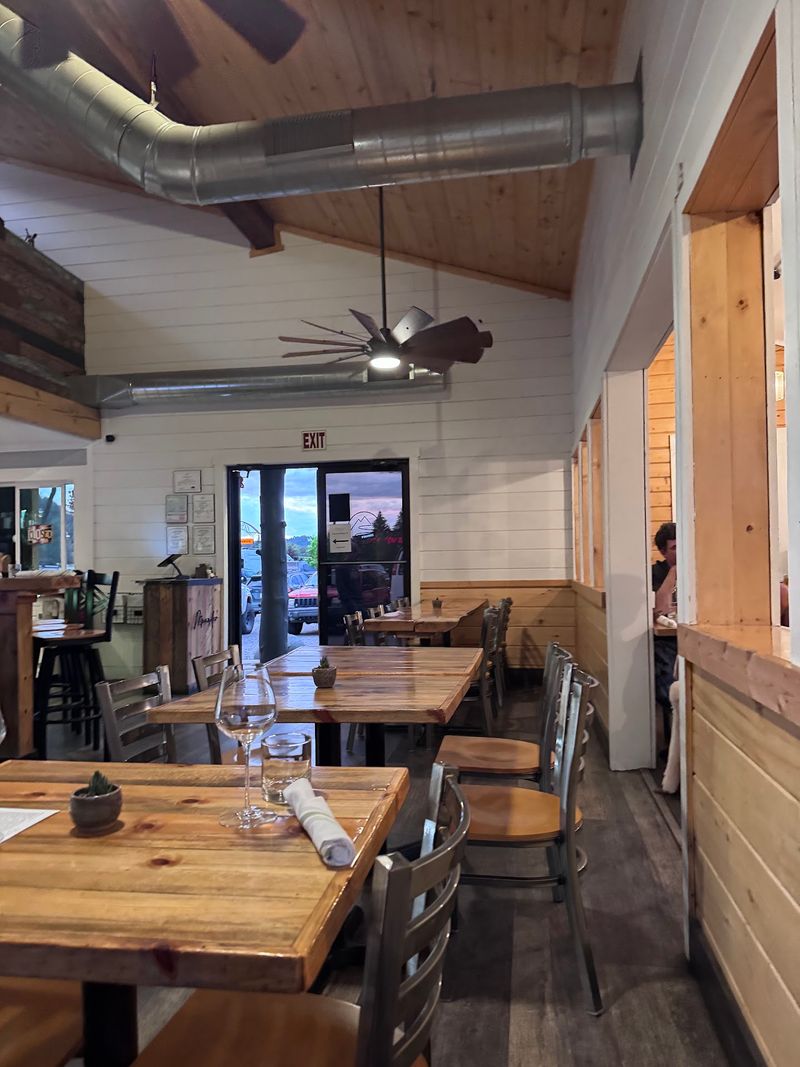
A relaxed dining room can still take seasonality seriously, and Meander Riverside Eatery proves it. This upscale yet casual riverside restaurant sources ingredients from Pagosa Springs-area farmers and artisans, using what is available to shape an evolving evening menu of shareable plates, entrées, desserts, and house-spun ice creams.
Because the offerings change frequently, diners have room to build different kinds of dinners. A few shared starters, a substantial main course, or a lighter combination of seasonal plates can all work.
This flexibility allows the kitchen to respond directly to nearby producers instead of forcing ingredients into a fixed year-round lineup. Recent sample dishes demonstrate how that philosophy reaches the plate.
Rigatoni primavera pairs seasonal vegetables with locally grown mushrooms and market-spinach pesto, while fava bean toast uses a loaf from Pagosa Baking Company. Local greens, Pueblo chile, Colorado beverages, and other regional products also appear throughout the menu.
Dessert receives the same thoughtful attention as the savory courses. House-spun ice creams and sorbets have included flavors such as raspberry cream cheese, huckleberry balsamic, and mango frozen yogurt.
These changing selections give fruit, dairy, herbs, and other seasonal ingredients another opportunity to capture the character of the moment. Rather than arriving with one permanent signature dish in mind, diners should look for ingredients appearing across several current offerings.
A locally baked bread, farmers-market salad, vegetable-forward entrée, or seasonal frozen dessert may express Meander’s farm-to-table identity just as clearly as a meat-centered main course. Meander stands out by translating southwestern Colorado’s ingredients into food that feels polished without becoming overly formal.
Its riverside setting, direct relationships with area producers, and frequently changing dinner menu create an experience rooted in Pagosa Springs. For locals and travelers alike, it offers a composed but comfortable way to taste what the region is producing right now.
10. Potager (Denver)

Longevity matters in farm-to-table dining, and Potager has the kind of history that gives its seasonal approach extra weight. A Denver fixture since 1997, the restaurant designs its frequently changing menu around what nearby farms can supply, then turns those ingredients into rustic New American dishes.
That farm-first structure is important because it resists the idea of a fixed greatest-hits list. Vegetables, meats, and herbs take the lead when they are ready, not when a standard menu demands them.
Diners who visit places like Potager usually get the best experience by following the season rather than chasing one permanent dish.
There is also a quiet confidence in rustic cooking done well. New American food can sometimes drift toward excess, but a menu guided by farm availability tends to stay more disciplined.
Ingredients have to carry their share of the work, which often leads to meals with cleaner focus and stronger contrast between seasons.
Denver’s dining scene changes quickly, so a restaurant with this kind of staying power suggests a concept that still makes sense year after year. Potager’s method is simple on paper but not easy in practice: stay flexible, trust local supply, and build dishes that reflect what is real right now.
That remains compelling because it is useful and clear. One smart move is to lean into whatever produce seems most central on the current menu. Nearby farms often shape the kitchen’s most expressive plates through vegetables, herbs, and seasonal pairings.
Even diners who usually order around meat may find that the strongest choices are the ones most closely tied to the latest harvest.
Potager earns attention because it shows how farm-to-table cooking can become a durable part of a city’s food identity. Instead of chasing novelty for its own sake, it lets seasonality guide the experience.
In Denver, that translates into rustic, flexible, ingredient-led dining that still feels current after many years at the table.
11. Freshies Restaurant (Steamboat Springs)
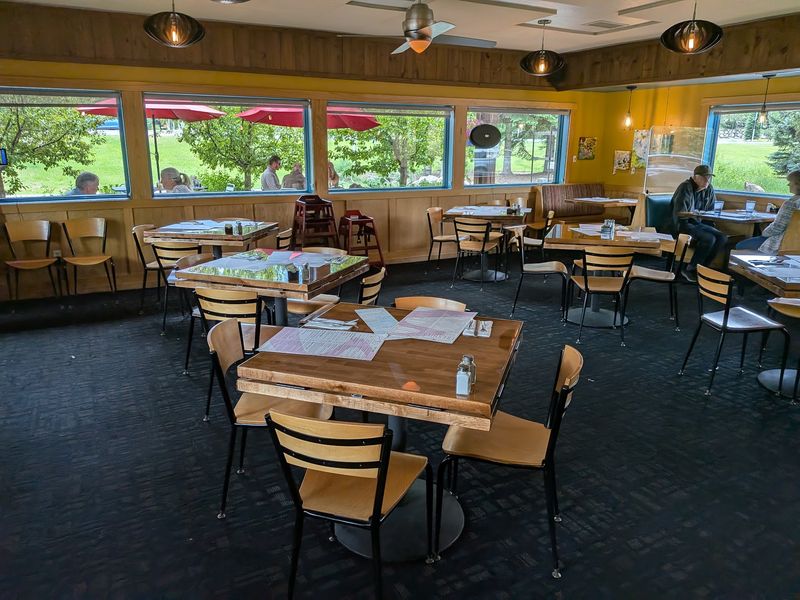
Not every farm-to-table meal needs white tablecloth energy, and Freshies makes that point in a very practical way. In Steamboat Springs, the restaurant uses produce, poultry, dairy, meat, and bread from Colorado and Yampa Valley farms for scratch-made breakfasts and lunches that stay easygoing and familiar.
That casual format is a strength, not a compromise. Local sourcing can have the biggest everyday impact when it shows up in food people order all the time, like omelets, soups, salads, and sandwiches.
Freshies seems to understand that better ingredients improve simple meals without requiring a special occasion or a long explanation.
Breakfast is often where scratch cooking and farm supply make themselves most obvious. Eggs, bread, greens, and dairy do not have many places to hide, so quality matters.
The same goes for lunch staples, where a fresh salad mix, a better loaf, or carefully sourced meat can change the whole experience.
Steamboat Springs has deep agricultural ties, so a restaurant built around Yampa Valley ingredients fits the area naturally. That local connection makes Freshies a useful stop for travelers who want a clearer sense of place early in the day.
It also makes the restaurant appealing for residents who want dependable food grounded in nearby farms. Ordering here does not need to be complicated. Choose dishes that let the scratch-made elements and local ingredients stay visible.
Simpler combinations often tell the best story, especially in a breakfast and lunch setting where freshness and balance matter more than flashy plating.
Freshies earns its spot because it brings farm-to-table dining down to earth in the best possible way. Instead of turning local sourcing into a big performance, it folds Colorado and Yampa Valley products into wholesome classics people already love. That approach keeps the meal accessible, satisfying, and closely tied to the region’s everyday food culture.
Share this story