Some family days out end after an hour and a snack. This one can stretch past six miles of walking, and nobody will hand you a medal at the end, though kids may earn a pin.
Tucked into the rolling Piedmont near Asheboro sits a wild place so spread out that free trams carry people between continents. Polar bears, elephants, gorillas, and giraffes all share the same North Carolina address, and each has room to roam far from view.
Keep reading to learn which end to start from, what to pack, when to arrive, and why so many North Carolinians keep coming back year after year.
A Wild Address in the Piedmont
Five hundred acres is a lot of ground for one zoo, and the North Carolina Zoo uses every bit of it. The park sits at 4401 Zoo Pkwy, Asheboro, NC 27205, in the heart of Randolph County.
That puts it within an easy day trip for much of the state. Families from the Triangle, the Triad, and Charlotte can reach it without packing an overnight bag.
More than 1,700 animals live here, drawn mostly from Africa and North America. Each group lives in a habitat built to resemble its home in the wild.
The zoo is often described as the largest natural habitat zoo in the world. That claim explains the miles of paved trails that link one region to the next.
It also explains why a quick visit rarely stays quick. Most people need at least four hours, and some plan two full days to see everything.
Parking is free, and there is plenty of it. Tickets can be bought at the gate on the day of the visit.
For a state that loves its weekend outings, this is a place that turns an ordinary Saturday into an expedition across two continents.
Room to Roam
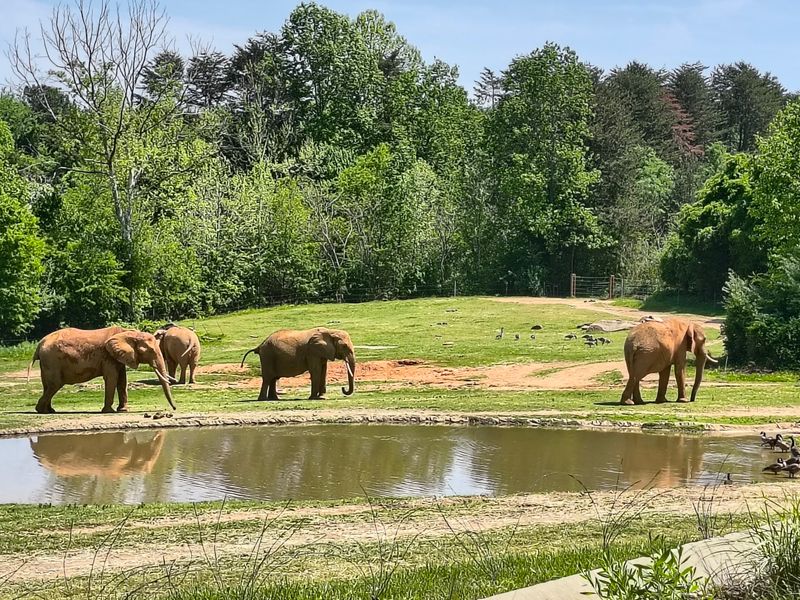
Space is the secret ingredient here. Habitats stretch across acres upon acres, so the animals can wander far from the viewing areas whenever they like.
That freedom comes with a small catch. An animal might be out of sight on the first pass and then appear on the second or third.
Bison, for example, have been known to show up only after a few walk-bys. Patience tends to pay off, and doubling back is part of the strategy.
The design keeps animals looking healthy, active, and well cared for. Enclosures stay clean, well kept, and shaped around the needs of the creatures inside them.
Many families leave without that uneasy feeling some zoos can bring. There is no sense that an animal lacks room to move.
Trees cover much of the property, a genuine North Carolina touch. That shade keeps the long walks more bearable on warm days.
Some exhibits close for maintenance from time to time, so a missing animal may simply be off the trail. Checking the zoo website before heading out can save a little disappointment and help set expectations for the day ahead.
Elephants, Giraffes, and the Africa Side
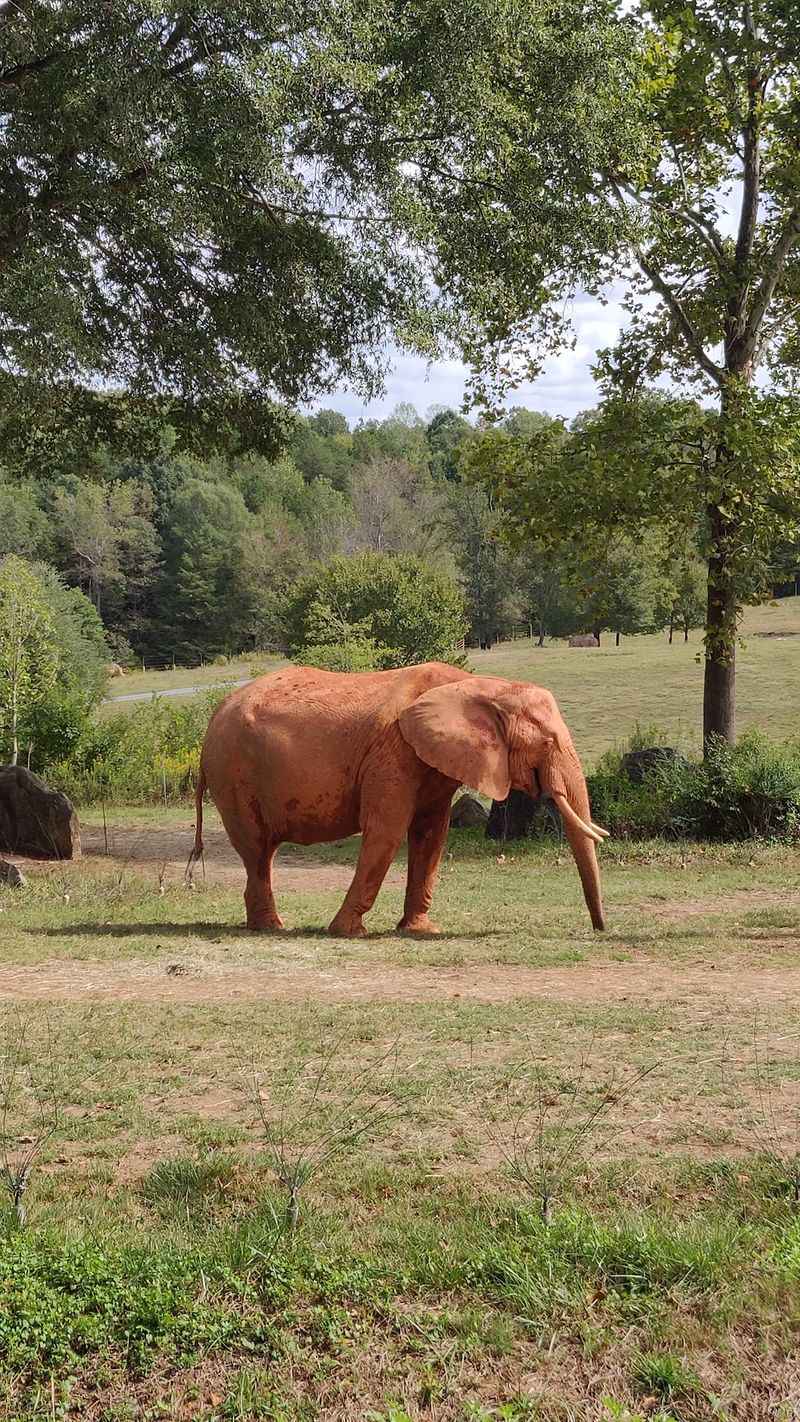
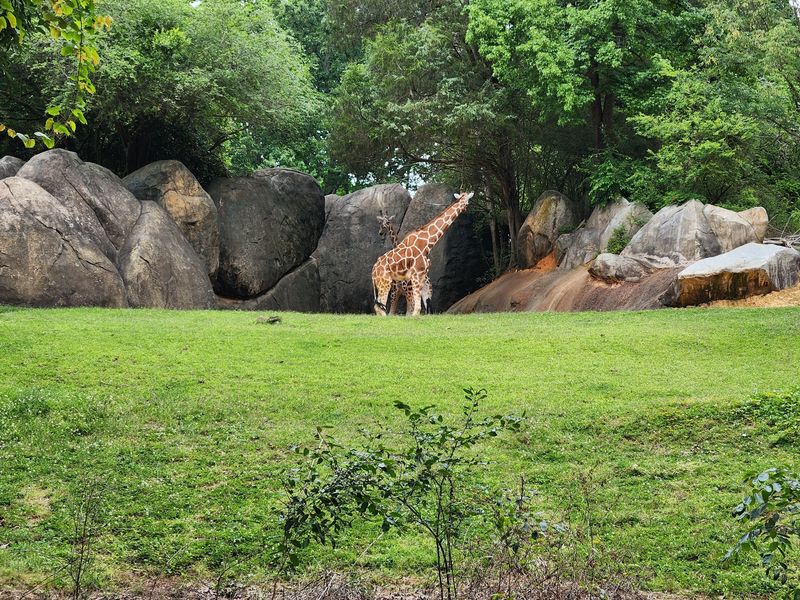
Ask a crowd for its favorite section, and Africa wins plenty of votes. The Watani Grasslands is home to African elephants, giraffes, zebras, and rhinos.
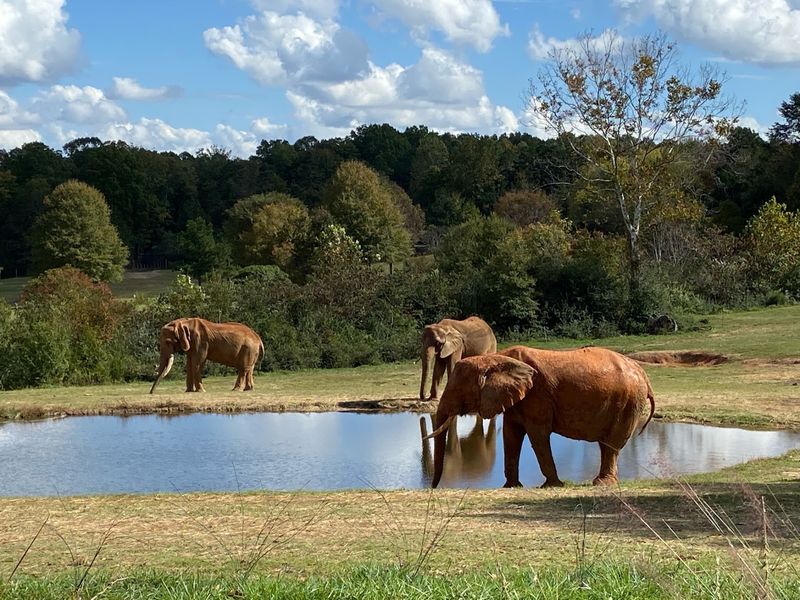
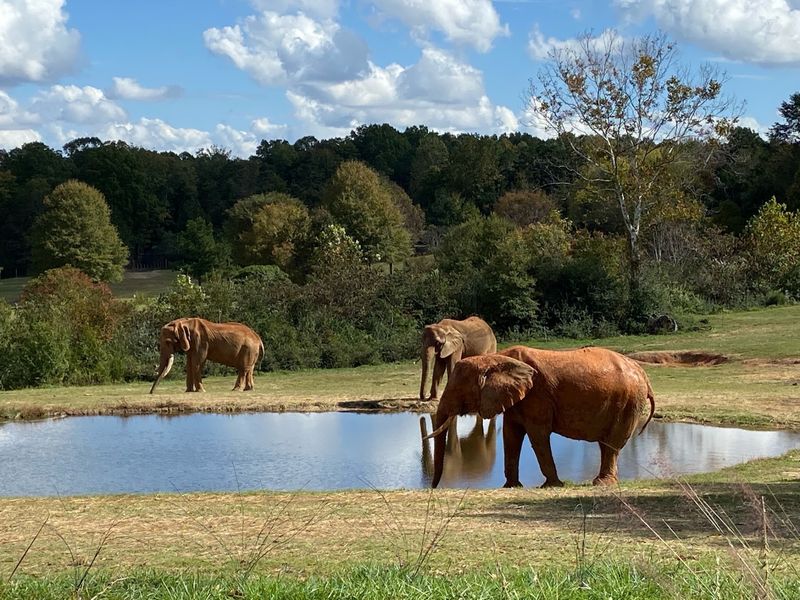
Elephants sometimes wander within about 20 feet of the viewing area. That kind of close look tends to stick with kids long after the drive home.
Giraffe fans get an extra treat at the Acacia Station deck. From the raised platform, guests can feed giraffes at eye level for an added fee.
Over at Forest Edge, chimpanzees and gorillas steal attention. The chimps are often active, and one may even sit still long enough to pose.
A lowland gorilla has been known to stroll over to quiet children at the glass. Calm voices may improve the odds of a visit like that.
Lions and baboons round out the lineup, along with tiny sand cats that win hearts quickly. A baby baboon at play can hold a family in place for a long while.
For a closer look at rhinos, antelopes, and gazelles, the Zoofari ride heads right into the habitat aboard a truck. It is a popular add-on worth considering.
Polar Bears and Northern Neighbors
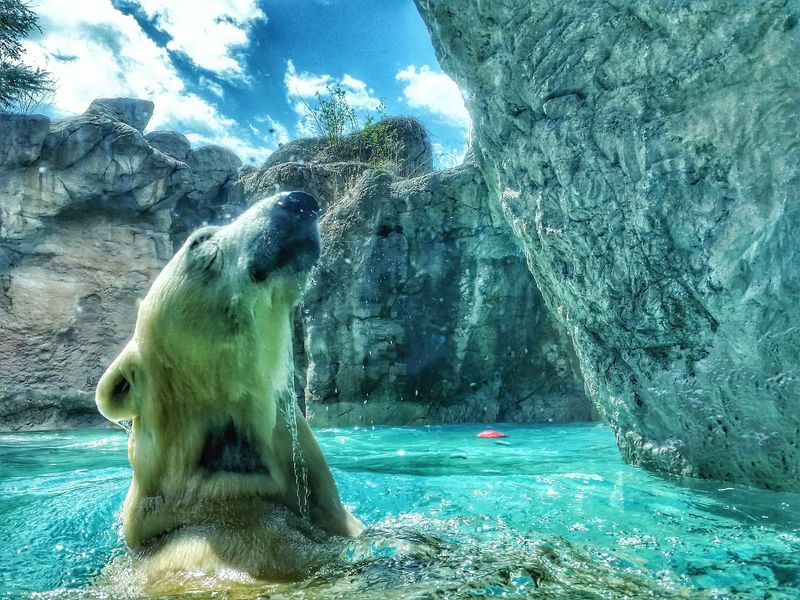
One animal gets mentioned more than any other, and it is not native to Carolina. The polar bear on the rocky Arctic Coast is a true crowd favorite.
Arctic foxes share that chilly-themed corner of the North America region. Grandparents and kids alike often name the polar bear as the highlight of the trip.
Farther along, the habitats shift to cypress swamp and Northwoods settings. Black bears, red wolves, cougars, and bison live among these scenes.
The grizzly bear is another strong draw. Catching a grizzly feeding means seeing those massive claws up close.
Bobcats appear on the list too, though shy animals may stay tucked away. Some exhibits in this region have closed at times for work.
This side of the park involves a lot of walking between stops. Some find the distances long compared with what they see, while others love the quiet trails.
Feeding times are posted on the zoo website. Planning around them is a smart move, since a scheduled meal is often the best chance to see a bear on the move rather than napping out of view.
Trams, Carts, and Downhill Strategy
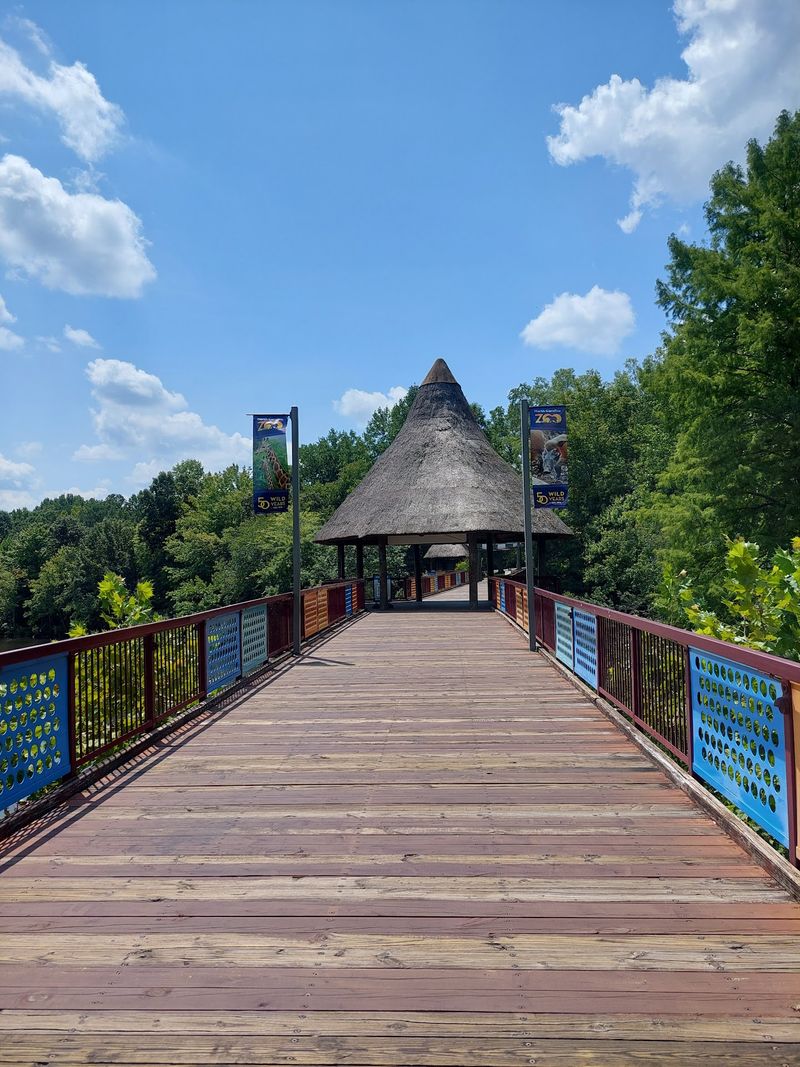
Six miles of walking in one day is not unusual here. Fortunately, nobody has to tackle it without help.
Free trams and buses run regularly between the North America entrance, Junction Plaza, and Africa. Many describe the tram as a lifesaver, especially on hot afternoons.
Strollers must be folded before boarding, so plan a spare hand for the baby. Rolling carts for supplies may not be allowed inside, so pack light.
Here is the favorite insider tip. Park at the North America lot, walk toward Africa, and ride the tram back to the car.
That route makes the trek mostly downhill. Tired legs will appreciate it by mid-afternoon.
The paths include inclines and declines, with ramp and stair options along the way. Electric scooters and carts are available to rent for guests who need them.
Renting is quick and easy, and the batteries hold up well through a long day. That makes the park far more welcoming for grandparents or anyone with sore knees.
Comfortable shoes are the single most important item to bring. Leave the fashion sandals at home for this one.
Butterflies, Carousels, and Kid Missions
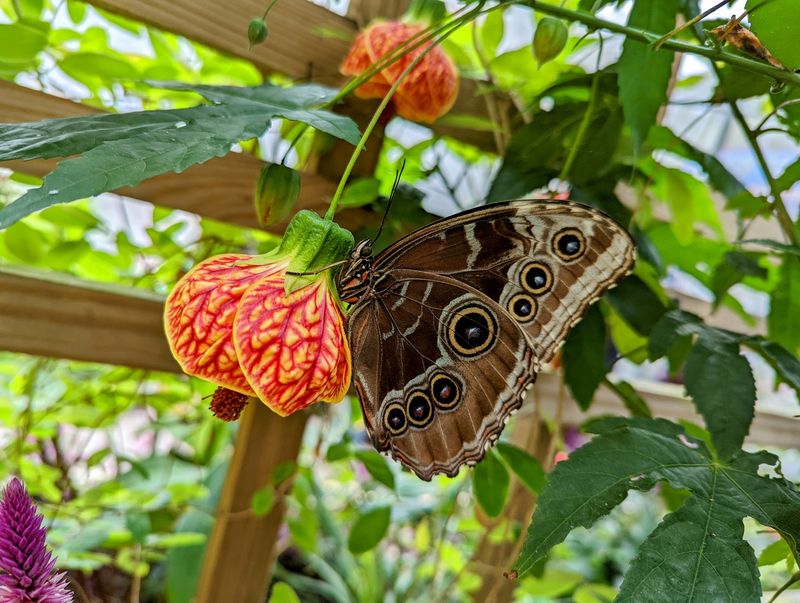
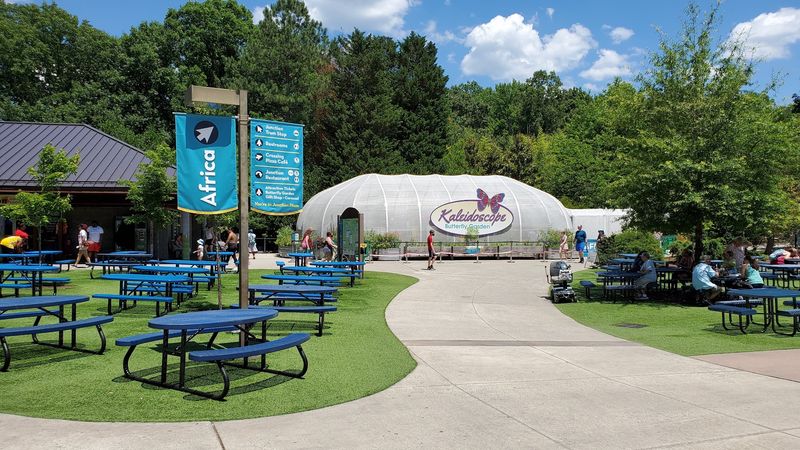
Not every highlight comes with fur or hooves. The butterfly garden offers a calm, peaceful break from the long trails.
Colorful wings flutter all around in this enclosure, which carries an extra fee. Many call it one of the most relaxing parts of the day.
A carousel adds old-fashioned fun for little riders. Several playgrounds help kids burn off seemingly unlimited energy.
Children also love the scavenger hunt handed out near the entrance. The Zoo Explorer missions send young adventurers searching for clues across the park.
Finishing earns a special pin, a souvenir many kids treasure. Staff have even gone out of their way to mail a forgotten pin home.
Docents and animal keepers stand ready at instruction stations. Kids can ask questions and learn a lot about conservation along the way.
A cooling station gives everyone a breather on warmer days. School groups visit often too, and exhibits can still feel less crowded than expected.
For families raising budding naturalists, these small extras may spark big conversations. Those talks about wildlife can last far beyond the parking lot.
Hours, Timing, and Smart Packing
Gates open at 9 AM and close at 5 PM, seven days a week. With a park this size, arriving close to opening makes a real difference.
Animals tend to be more active in cooler morning hours. That matters most in summer, when temperatures can climb into the high 90s.
Weekdays usually bring smaller crowds than Saturdays. Holiday weekends can get busy enough to make viewing harder.
Spring weekdays have earned praise for feeling relatively uncrowded. Locals who have visited for decades still recommend early arrival.
Snacks and drinks inside the park can run high. Bottled water costs around $5.50, and meals range from roughly $11 to $19.
Bringing a refillable bottle is a smart choice, since water refill stations are found all over. Picnic areas welcome families who pack their own lunch.
A souvenir cup offers free refills around the park for anyone who prefers to buy drinks. Junction Station is a solid dining stop with ample seating and some healthier options.
Toss in a hat, sunscreen, and comfortable clothing. A little preparation keeps the focus on the animals.
Worth Every Step
Few outings in North Carolina ask this much of your sneakers and give back so much in return. The North Carolina Zoo earns its reputation one long trail at a time.
Families keep returning for good reason. Some have been coming for over 20 years and still find something new.
The staff are frequently praised as kind and helpful. That friendliness extends from the tram drivers to the keepers sharing facts at the habitats.
There are trade-offs worth knowing. Occasional exhibit closures and pricey snacks can test patience, so a flexible plan helps.
Big news is also on the horizon. A new Asia region is in the works, giving everyone a fresh reason to plan a return trip.
The zoo suits curious kids, patient animal lovers, and anyone who enjoys a good walk under the trees. Visitors needing extra help can rent a scooter and still see plenty.
Pack water, start early, and let the day unfold at its own pace. A slow, steady stroll may lead to that perfect moment when a gorilla wanders over to say hello.
Share this story