The best hiking trails know how to save their biggest surprise for the finish. Booth Falls Trail in Vail begins with a peaceful walk through pine forests before gradually climbing into rugged mountain scenery, where rushing creeks, rocky terrain, and sweeping alpine views build anticipation with every step.
The reward is Booth Falls, one of Colorado’s most striking waterfalls, cascading dramatically down a granite cliff into a clear mountain pool below. Whether you’re an experienced hiker or simply looking for a rewarding day on the trail, this scenic adventure delivers one of the state’s most memorable waterfall destinations.
A Quiet Start Above East Vail
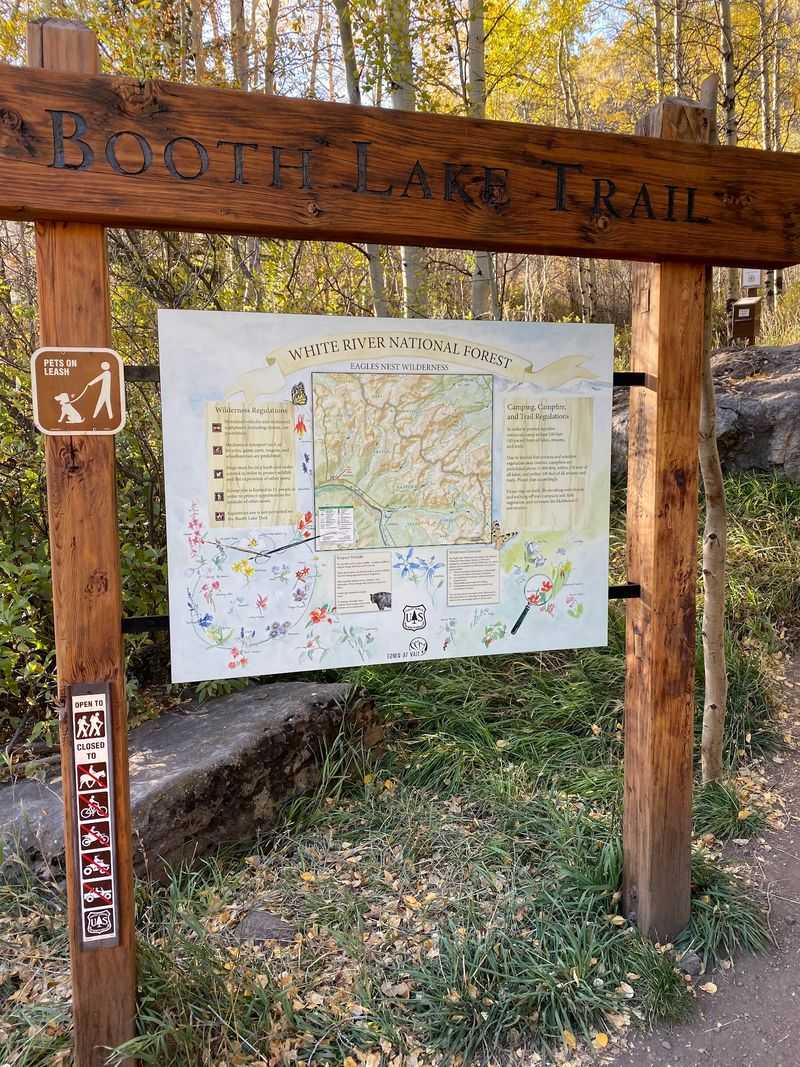
At first glance, Booth Falls Trailhead does not act like a dramatic mountain outing. It begins near East Vail in a setting that feels surprisingly tucked in, with homes nearby and a clear trail entrance that sends hikers uphill almost right away.
That contrast is part of the trail’s charm, because the route moves from neighborhood edge to rugged scenery in a short amount of time.
Within the first stretch, the path starts showing its personality. The ground can be rocky, the climb comes early, and shade from aspens and pines helps soften the effort.
Instead of opening with a giant overlook, the trail keeps its best cards hidden for a while, which makes the whole experience feel like a gradual reveal rather than an instant postcard stop.
That slow build matters for more than mood. Hikers get time to settle into the altitude, find a steady pace, and decide whether they are heading only to the waterfall or pushing farther toward Booth Lake.
The waterfall is the main goal for many people, and it already asks for real effort, especially for anyone coming from lower elevations.
Good planning makes the opening smoother. Parking at the trailhead is extremely limited, and shuttle or bus access from Vail is often the smarter choice.
Arriving early can also help with cooler temperatures and a quieter trail. By the time the sounds of town fade and the slope begins to feel serious, the reason for Booth Falls Trailhead becomes clear.
It is not trying to impress all at once. It lets the mountain story unfold step by step, one switch, one rocky section, and one higher view at a time.
Where the Climb Finally Opens Up
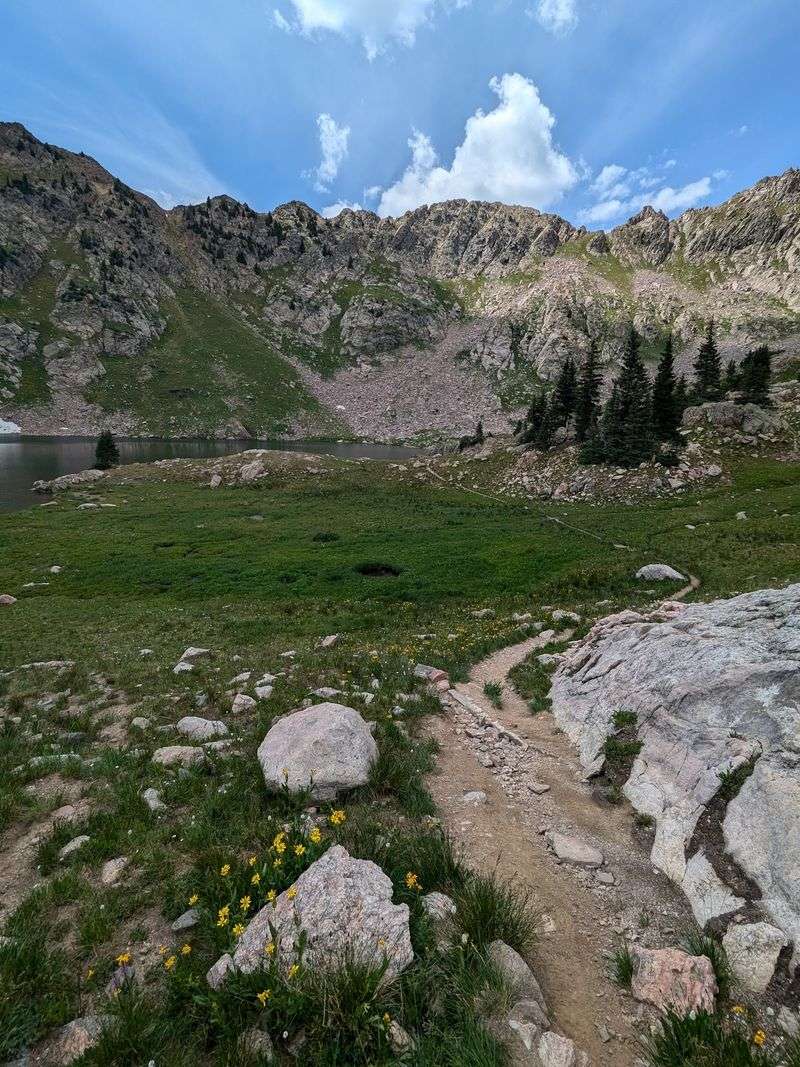
No one reaches Booth Falls by sleepwalking through the hike. After the calm beginning, the trail starts working harder, climbing through rocky sections that can feel moderate or tough depending on fitness, weather, and how well a person handles elevation.
That changing difficulty is one reason the waterfall feels earned instead of simply visited. The route is not a flat stroll with one final push at the end. Several parts rise steadily, and some hikers are surprised by how much the altitude adds to the effort.
Even strong walkers from lower elevations may need more breaks than expected, especially on warm afternoons when the sun hits exposed stretches and the uphill grade starts stacking on tired legs.
Still, the climb has a smart rhythm. Shady groves break up the effort, turns in the trail offer fresh angles on the valley, and small changes in terrain keep the route from becoming boring.
One moment the path is dusty and narrow, then it shifts to rockier footing, then the trees part just enough to remind you how high you have already come.
Footwear matters here more than it might on shorter local walks. Hiking shoes or boots help on uneven ground, and water is a must for most people, even if the trip only goes to the falls. Bringing a snack is also a good idea for families or anyone moving at a relaxed pace.
Booth Falls Trailhead succeeds because the climb has texture. It asks for breath, patience, and a little humility, then rewards each bit of effort with a trail that keeps changing shape as it rises into the mountains above Vail.
The Waterfall Reveal That Changes the Whole Hike
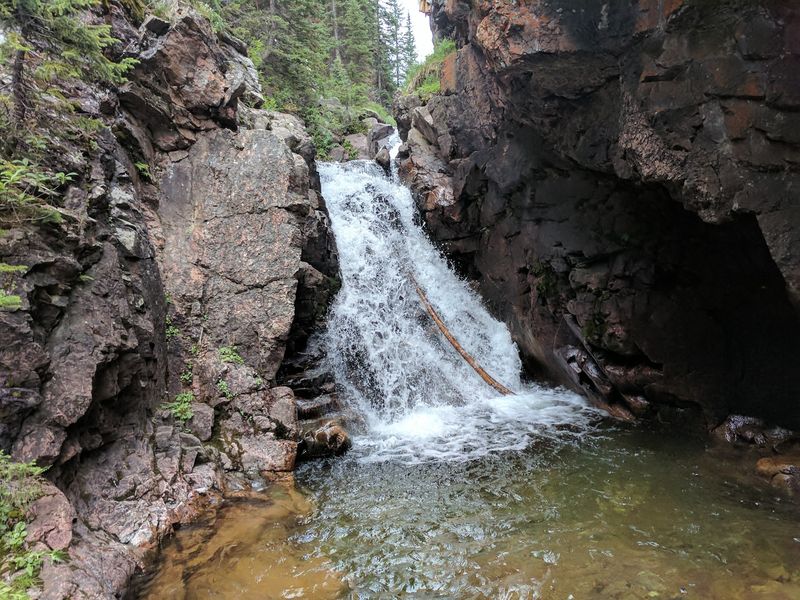
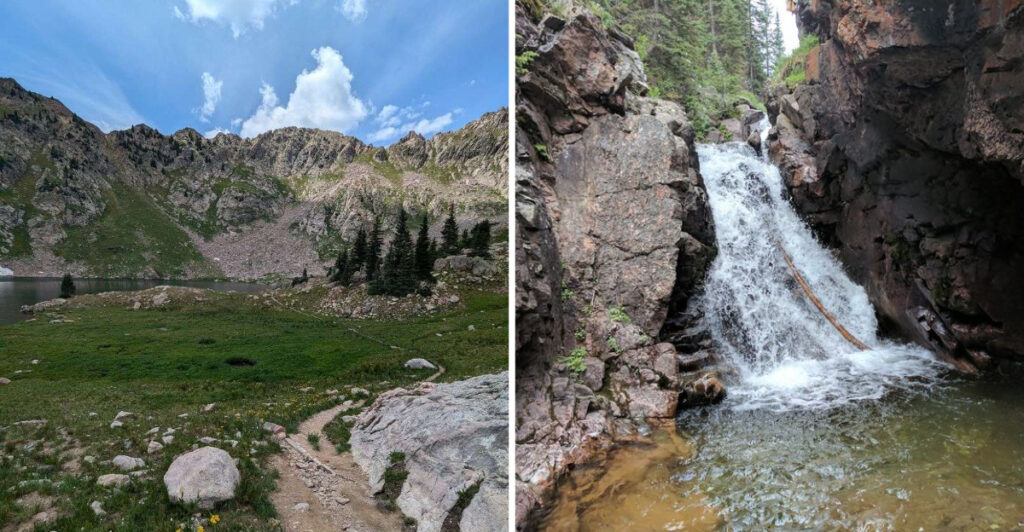
Then the trail delivers its headline moment. After the steady climb, Booth Falls appears as a lively mountain cascade cutting over rock in a way that feels bigger up close than many hikers expect.
It may not look like a single straight plunge from a movie scene, but the rushing water, stone ledges, and cool spray create a powerful finish.
The setting around the falls gives the destination extra punch. Large rocks, shaded patches, and the sound of water bouncing through the narrow space turn the area into a natural stop for resting, eating a snack, and catching your breath.
On warm days, the temperature near the water can feel noticeably cooler, which makes the arrival even better after a sweaty uphill push.
Part of the appeal is how active the scene feels. Water moves in layers, splashing over uneven rock instead of dropping in one simple line, so the view has texture and motion from different angles.
Careful hikers sometimes explore nearby rock viewpoints for better photos, but footing can be tricky and should be treated with respect.
This is also where expectations matter. Booth Falls is beautiful because of its setting, sound, and energy, not because it is a giant thunderous curtain visible from miles away.
The closer perspective is the point. You reach it on foot, hear it before you fully see it, and then step into a pocket of rushing water and mountain shade.
That final reveal reshapes the whole outing. The quiet start, the uphill sections, and the rocky trail suddenly make sense together.
Booth Falls Trailhead builds to a destination that is not just scenic, but satisfying in a very physical, very Colorado way.
Colorado Color Along the Way
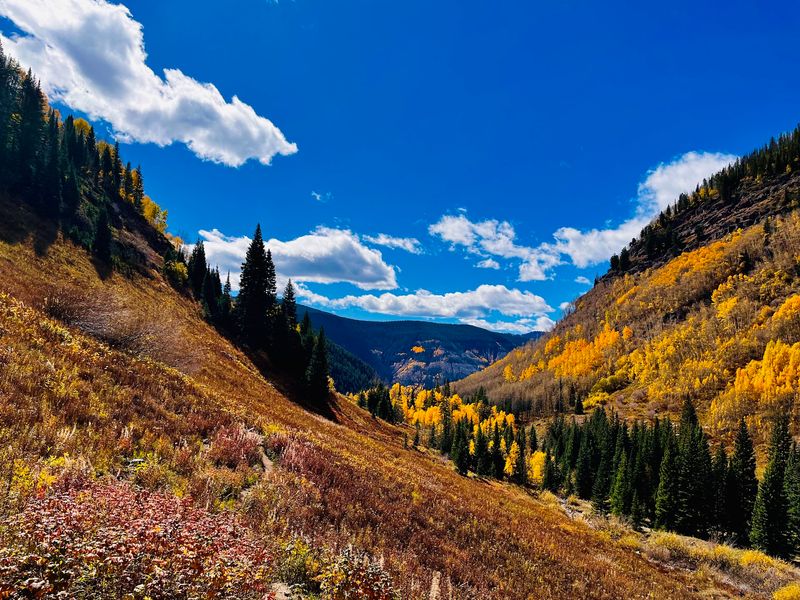
One of the trail’s biggest strengths is that the scenery never stays the same for very long. Booth Falls may be the destination, but the walk leading there keeps changing as the elevation increases.
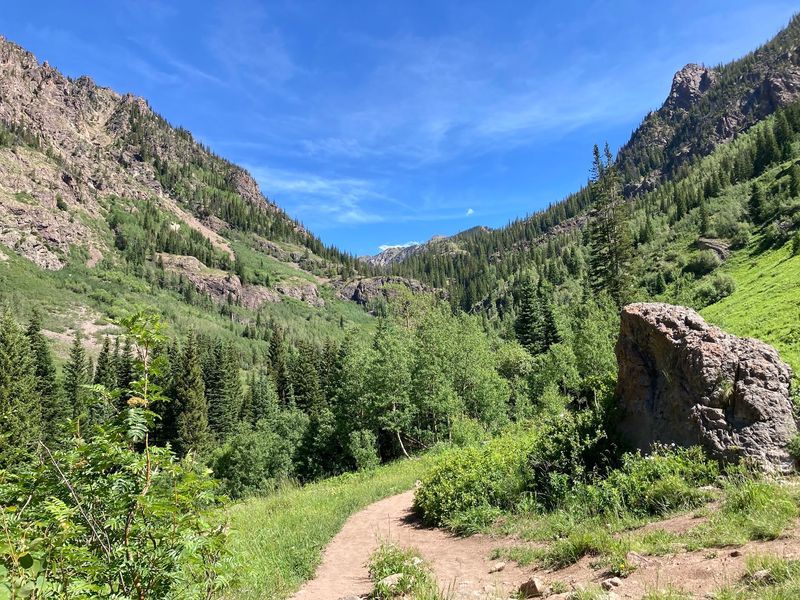
Aspen groves give way to tall pines, rocky slopes replace softer forest sections, and occasional openings reveal wider views across the surrounding mountains. Instead of saving all the beauty for the finish, the trail rewards hikers from the very first mile.
Seasonal changes make each visit feel a little different. Summer fills the route with green foliage, wildflowers, and the steady sound of the creek moving beside the trail.
In autumn, golden aspens transform large sections of the hike into one of Vail’s most colorful walks, with bright yellow leaves standing out against dark evergreens and weathered gray rock. Those transitions help the hike feel shorter than the mileage suggests.
Every bend introduces another combination of trees, stone, water, or mountain scenery, so there is always something new pulling your attention forward. Even hikers who stop often for photos rarely feel like they are looking at the same landscape for very long.
The forest also brings practical benefits. Shade covers much of the lower trail, making the climb more comfortable during warmer months before higher, rockier sections become more exposed.
Loose stones and dusty patches still deserve attention, especially on the descent, but the changing mix of terrain keeps the route engaging instead of repetitive. Photographers often find the trail rewarding long before reaching the waterfall.
Morning light filtering through aspens, sunlight catching the creek, and granite cliffs appearing between the trees all create natural stopping points. By the time Booth Falls finally comes into view, the hike already feels like a complete mountain experience rather than a simple walk to one scenic overlook.
More Than a Waterfall, a Route With Two Endings
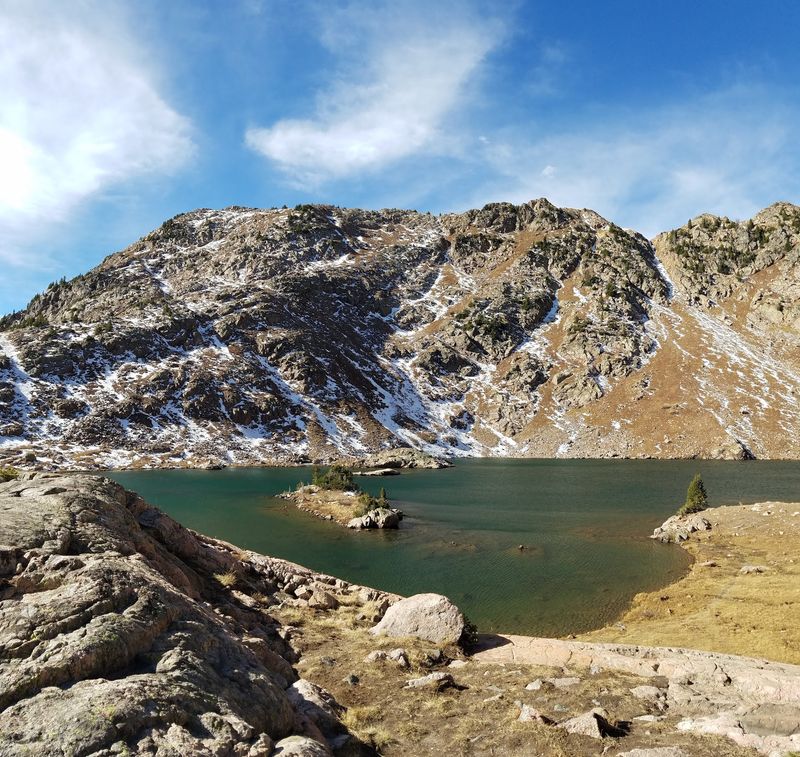
Here is a detail that changes how the trail should be understood: the waterfall is not the absolute end of the route. Booth Falls sits partway along a longer hike that continues toward Booth Lake, which means the trail works for different kinds of days.
Some hikers come for a half day challenge with a waterfall finish, while others treat the falls as a milestone on a much bigger mountain outing.
That split identity gives Booth Falls Trailhead unusual flexibility. Reaching the waterfall already delivers a strong destination, but continuing past it turns the hike into a longer, more demanding push with greater elevation gain.
Reports from the trail regularly note that the lake route is tougher, longer, and better suited for those prepared with extra water, food, and time.
Even if the article’s title belongs to the waterfall, that longer context matters. It explains why the trail can feel busier near the falls yet more spread out farther on.
It also helps hikers avoid a common mistake, which is underestimating the route based on the first goal alone. Anyone planning to continue should treat it like a bigger alpine hike, not an afterthought extension.
For many people, the smartest move is simple: decide the destination before starting. If the aim is Booth Falls, pace the climb, enjoy the cascade, and leave enough energy for a careful trip down.
If the aim is Booth Lake, start early and expect a long day. That two-part structure adds depth to the experience. Booth Falls Trailhead is not only a path to a pretty waterfall.
It is a route with options, and that gives it staying power in Vail’s hiking lineup, whether the day calls for a strong finish at the falls or a harder push into the high country.
Getting There Takes More Thought Than the Hike Suggests
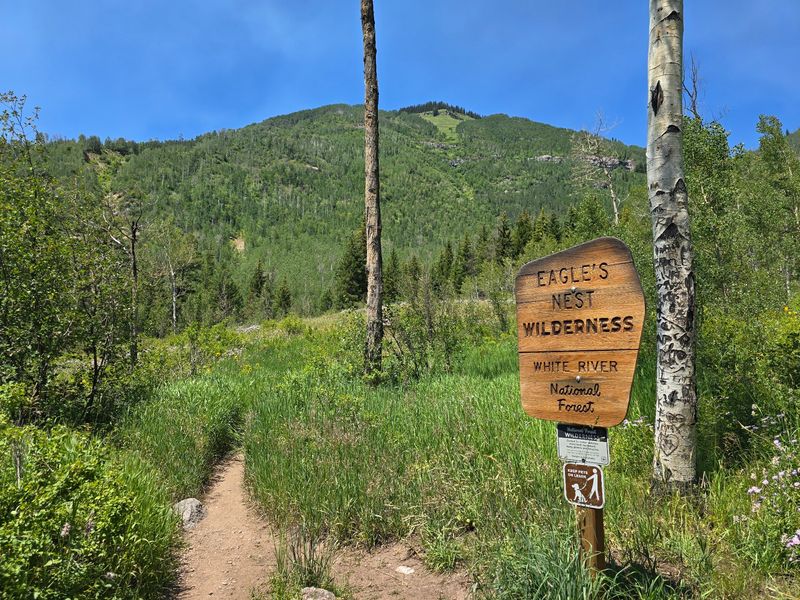
The biggest challenge at Booth Falls Trail often comes before the hike even begins. Finding a place to park can be harder than many first-time visitors expect, especially during summer weekends and peak fall color season.
The trailhead has only limited parking, so arriving early or planning to use Vail’s free transit system can make the entire outing much less stressful. That small bit of planning changes the tone of the day.
Instead of circling nearby streets hoping a space opens up, many hikers head straight for shuttle or bus service and begin the hike without the frustration that can come from a crowded trailhead. It is a simple adjustment that leaves more energy for the climb ahead.
Once you arrive, the trailhead offers a few practical conveniences, including restrooms that are worth using before setting out. After that, the route begins climbing almost immediately, so it helps to have water bottles filled, packs adjusted, and hiking shoes securely laced before leaving the parking area.
Morning is generally the best time to start. Cooler temperatures, softer light, and lighter trail traffic make the uphill sections more comfortable, while reaching the waterfall earlier often means a quieter experience.
Afternoon hikes remain rewarding, but stronger sun and busier conditions can make the climb feel noticeably more demanding. Booth Falls strikes a nice balance between accessibility and adventure.
It is close enough to Vail that reaching the trail is straightforward, yet it still rewards hikers who arrive prepared. Plan transportation in advance, carry plenty of water, and give yourself enough time to enjoy the climb without rushing. Do that, and the only thing left to focus on is following the sound of rushing water higher into the mountains.
Why the Finish Stays Bigger Than the Distance
Some trails earn attention through sheer size. Booth Falls Trailhead earns it through progression. The hike starts quietly, asks for more effort than the opening suggests, and ends at a waterfall that turns a neighborhood-edge trail into a real mountain adventure.
That shape is exactly why the route stands out in a state full of good hikes. There is also a nice balance here between accessibility and challenge.
The trail is close to Vail, clearly established, and manageable for many hikers who prepare well, yet it still has enough steep, rocky climbing to make the destination feel deserved.
Booth Falls gives people a strong Colorado experience without needing technical gear or a full overnight plan. The waterfall itself seals the memory of the route. Sound reaches the ears before the whole scene fully opens, and then the moving water, dark stone, and cool shaded air take over the space.
After a steady uphill approach, that shift from effort to rushing water is dramatic in a way photos alone do not fully capture.
Families, active older hikers, and stronger day hikers can all find a version of the trail that works, but pacing is the key. Altitude can humble anyone, so breaks, water, and realistic expectations matter more here than distance numbers on a screen.
A shorter goal to the falls can still be a very full outing. Booth Falls Trailhead leaves its mark because it tells a complete story in one hike. The opening is calm.
The middle gets serious. The ending arrives with noise, motion, and bright white water cutting through rock above East Vail.
For hikers chasing a trail that builds suspense instead of giving away everything at the start, this Colorado route delivers exactly that kind of finish.
Share this story