Some prehistoric discoveries are best experienced where they were actually made. At Dinosaur Ridge in Morrison, visitors can walk beside authentic dinosaur footprints, fossil-bearing rock layers, and one of the world’s most significant dinosaur discovery sites, all preserved in their original setting.
The Main Visitor Center provides fascinating exhibits and context before you head out to explore the famous ridge, where geology and paleontology come together in a truly unforgettable way. Whether you’re traveling with curious kids, lifelong dinosaur enthusiasts, or anyone fascinated by Earth’s ancient past, this remarkable Colorado destination brings millions of years of history vividly to life.
A Roadside Ridge With Ancient Clues in Plain Sight
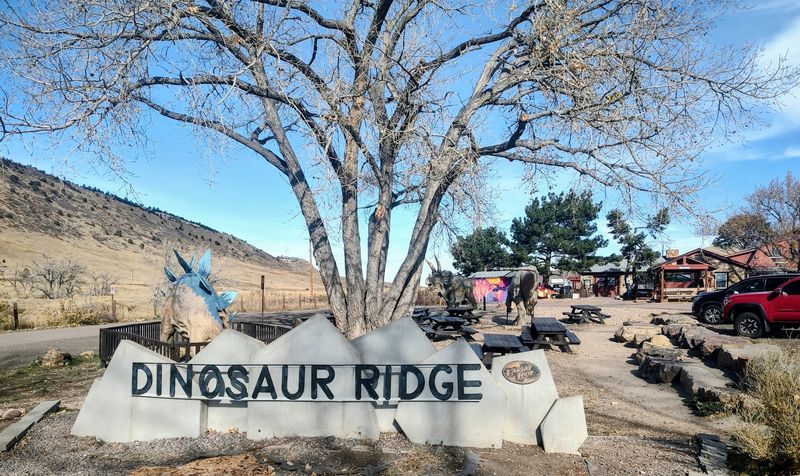
At first glance, the ridge looks like a dramatic stretch of rocky hillside just outside Morrison. Then the details start to sharpen.
Layers of stone tilt steeply upward, the road curves along the slope, and signs point out that the rock face is not just scenery. It holds physical traces from a world that existed long before Colorado looked anything like it does today.
That setting gives Dinosaur Ridge its punch. Instead of entering a dark museum and seeing bones removed from their original home, visitors can stand where major fossil discoveries helped shape dinosaur science in the Denver area.
The landscape itself becomes the exhibit, which changes the whole mood of the visit. The rock wall, the grade of the road, and the wide open sky all remind you that natural history happened right here, not in some faraway desert.
There is also a refreshing honesty to the place. The attraction does not depend on flashy rides or giant screens to hold attention.
It relies on real ground, real stone, and the excitement of spotting evidence that has survived for millions of years. That makes even simple features, like a cut in the hillside or a marked viewing area, more interesting than they might seem from a distance.
Anyone planning a stop should give the first few minutes time to unfold slowly. Pick up a map or overview at the visitor center, look at the ridge from below, and notice how the land rises.
That visual setup helps everything else click later, especially once the fossils and footprints begin appearing in the rock.
Footprints in Stone, Not Just Museum Labels
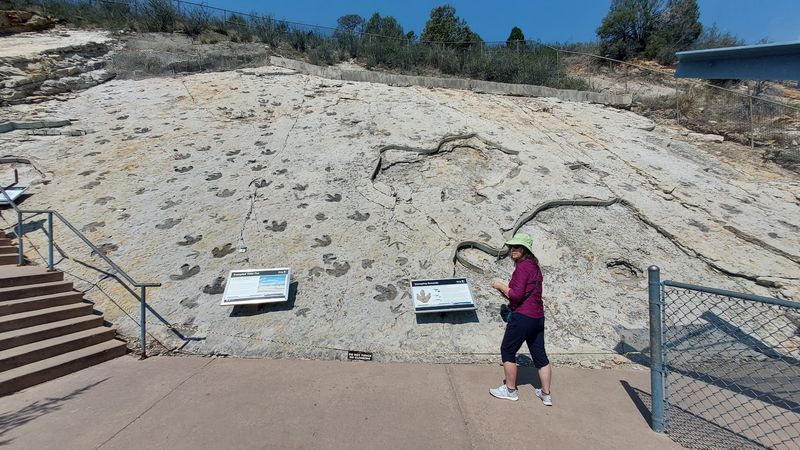
Seeing a real dinosaur track outdoors has a different effect than staring at a model indoors. The shape is pressed into stone, the surface is uneven, and the mark is part of the landscape instead of a staged display.
At Dinosaur Ridge, that direct encounter is the headline experience, and it is the reason so many families, science fans, and casual travelers make time for the climb.
The tracks are not presented as fantasy. They are explained through signs, tour narration, and the surrounding geology, which helps visitors understand what they are actually looking at.
Some prints may seem smaller than expected if someone arrives imagining giant movie monster footsteps. Yet the surprise is useful, because it replaces cartoon ideas with a more accurate and much more interesting picture of ancient life.
Beyond footprints, the site also connects visitors to fossil remains and bone related discoveries tied to the ridge. That combination matters.
Tracks show movement, while fossil evidence points to bodies, environments, and the scientific work that made the location important in the first place. Together, they turn a walk into a puzzle about time, habitat, and survival, with the answer written across the rock.
For the best experience, slow down at each marked stop instead of rushing to the next sign. Photos help, but so does simply tracing the outline with your eyes and comparing one print to another.
Kids usually respond fast once they realize the prints are not copies. Adults often do too. The big thrill comes from that plain fact: the marks are real.
Inside the Visitor Center, the Story Gets Easier to Read
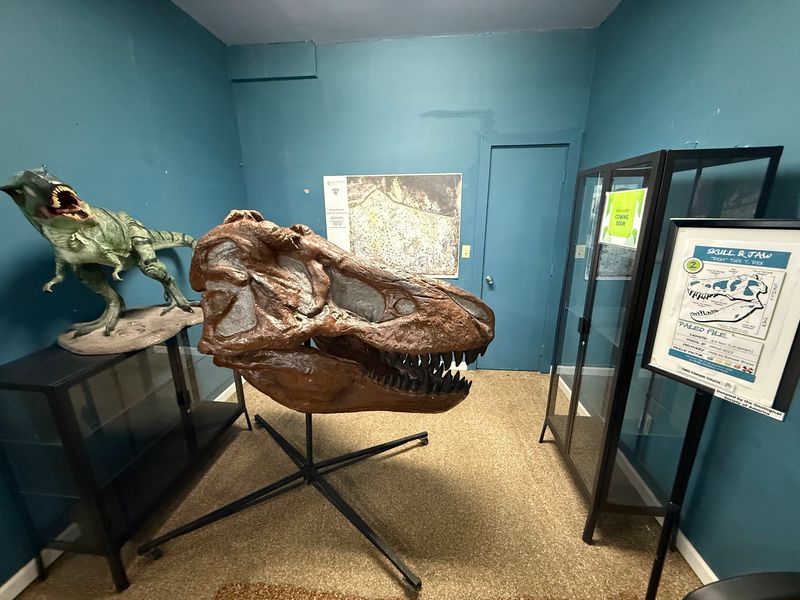
Before heading uphill, the visitor center helps turn scattered facts into a clear story. It is the kind of place that makes a site easier to understand without overcomplicating it.
A small exhibit area, helpful staff, and basic orientation materials can give shape to what might otherwise seem like just a paved route up a rocky slope.
That matters especially for first time visitors. The ridge includes fossils, tracks, geologic features, and overlooks, so a little context goes a long way.
Starting inside gives families a chance to settle in, use the restrooms, check out displays, and decide whether to walk, take a guided option, or focus on only a few main stops. It also helps younger kids know what they are hunting for before they ever step onto the road.
The center adds a practical layer that balances the outdoor adventure. Water, maps, and a quick look at exhibits can save energy and confusion later, particularly on warm days or for travelers adjusting to Colorado altitude.
There is also a gift shop element, which many children love, but the stronger value is how the space frames the ridge as an educational site rather than just a scenic walk with random signs.
Visitors who enjoy learning as they go should not skip this beginning stage. Even ten or fifteen minutes indoors can sharpen the rest of the outing.
Look at the displays, ask which stops are best for the time available, and get a sense of the route before setting out. Once the trail or road begins, the landscape starts making much more sense because the center has already handed you the key.
Walk It, Ride It, or Mix Both for the Smartest Visit
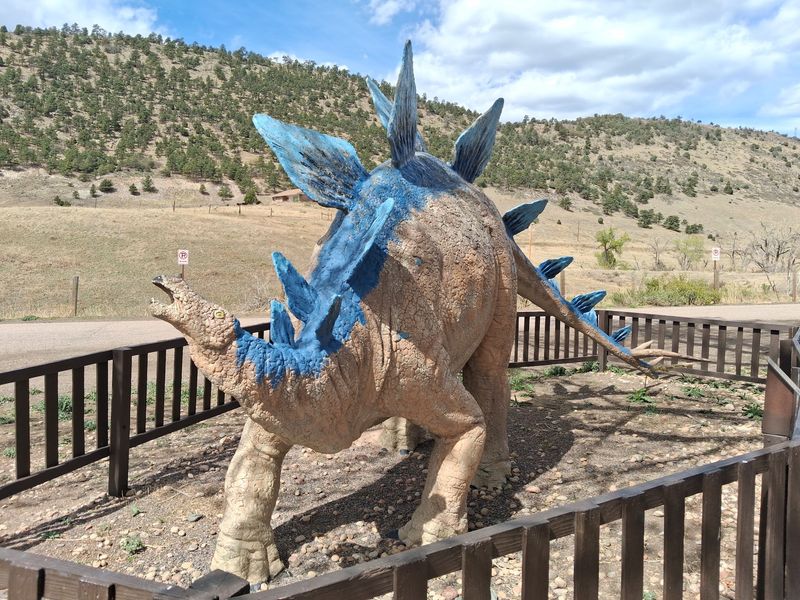
One of Dinosaur Ridge’s biggest strengths is that there is more than one good way to experience it. Some visitors enjoy exploring on foot, stopping wherever something catches their eye.
Others prefer the guided shuttle or bus tour, where the focus shifts from navigation to storytelling. Neither approach is better.
The right choice depends on the weather, available time, and the kind of visit you want. Walking gives the ridge a slower, more personal rhythm.
You can linger at fossil sites, compare dinosaur tracks, and spend as much time as you like reading the interpretive signs. The steady uphill grade is manageable for many visitors, but Colorado’s elevation and summer sunshine make comfortable shoes, water, and a relaxed pace worthwhile.
A guided tour offers a different advantage. Instead of concentrating on the climb, passengers can listen to the history of the discoveries, learn how the fossils were uncovered, and hear details that are easy to miss when exploring alone.
For families, grandparents, or anyone visiting primarily for the science, that extra interpretation often adds as much value as the fossils themselves. Many visitors find that combining both approaches works surprisingly well.
Starting with a shuttle ride provides useful context and highlights the most significant stops, while a walk afterward allows time to revisit favorite areas at your own pace. It turns the ridge into more than a checklist of exhibits.
Whatever option you choose, decide before setting out. Dinosaur Ridge rewards curiosity, but it also rewards realistic planning.
Matching the experience to your group’s interests and energy level makes it much easier to appreciate why this hillside became one of the world’s most important dinosaur discovery sites.
Colorado Views That Put Prehistory Next to the Present
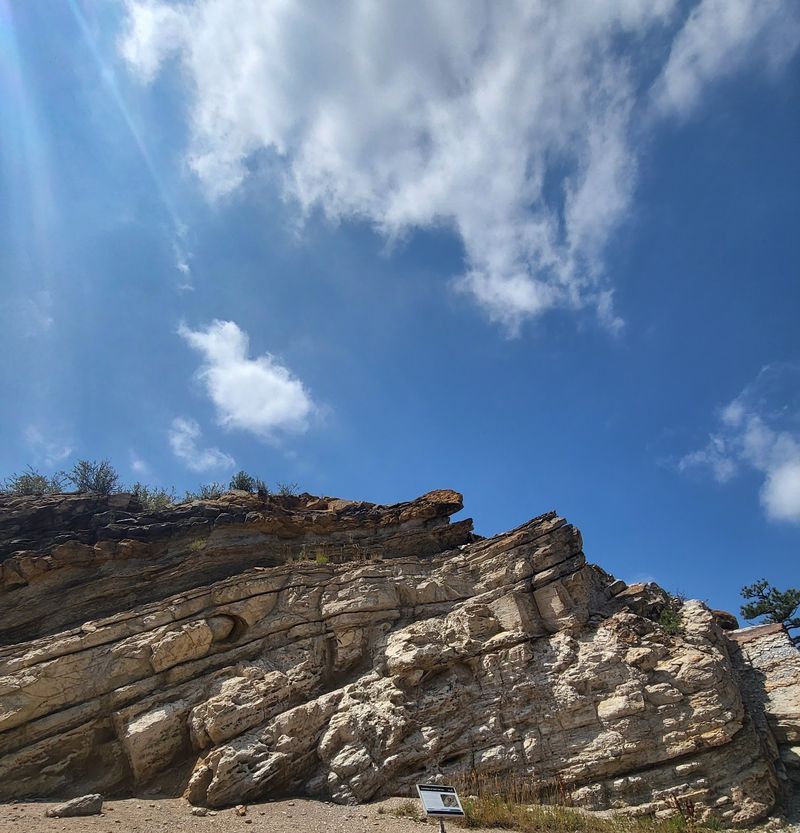
Dinosaur Ridge offers something many fossil sites cannot: a chance to stand where remarkable discoveries were made while looking across the modern Colorado landscape. One moment your attention is fixed on dinosaur tracks and fossil-bearing rock.
The next, you are taking in Red Rocks Park, the Front Range foothills, and the Denver skyline in the distance. Few places combine prehistoric history with such recognizable scenery.
Those views are more than a pleasant backdrop. They help explain how dramatically this landscape has changed over millions of years.
The tilted rock layers, ripple marks, and exposed sandstone tell the story of ancient environments that existed long before today’s mountains and cities. Instead of learning geology from diagrams, visitors can see the evidence directly beneath their feet while looking out at the world those rocks eventually became.
The overlooks also make it easier to appreciate why Dinosaur Ridge became such an important discovery site. The exposed formations reveal layers that would remain hidden in many other locations, allowing paleontologists to uncover footprints, fossils, and clues about prehistoric life in their original setting.
The scenery is beautiful, but it also explains why this stretch of Colorado has played such an important role in dinosaur research. Photographers will still find plenty to capture.
Morning and late afternoon light brings out the texture of the rock, while the sweeping views provide a striking contrast between ancient geology and modern Colorado. Even visitors who arrive mainly for the dinosaurs often leave talking about the landscape itself.
At Dinosaur Ridge, the scenery is not separate from the science—it is one of the reasons the site became one of the world’s most significant windows into the prehistoric past.
A Rare Outing That Works for Kids, Nerds, and Curious Adults
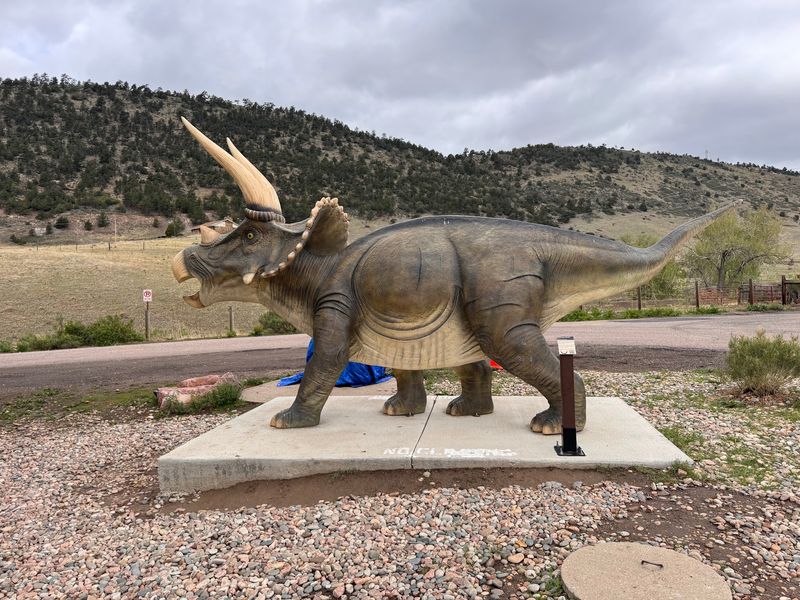
Some attractions split a group fast. Kids get bored, adults skim, and anyone hoping for real substance ends up disappointed.
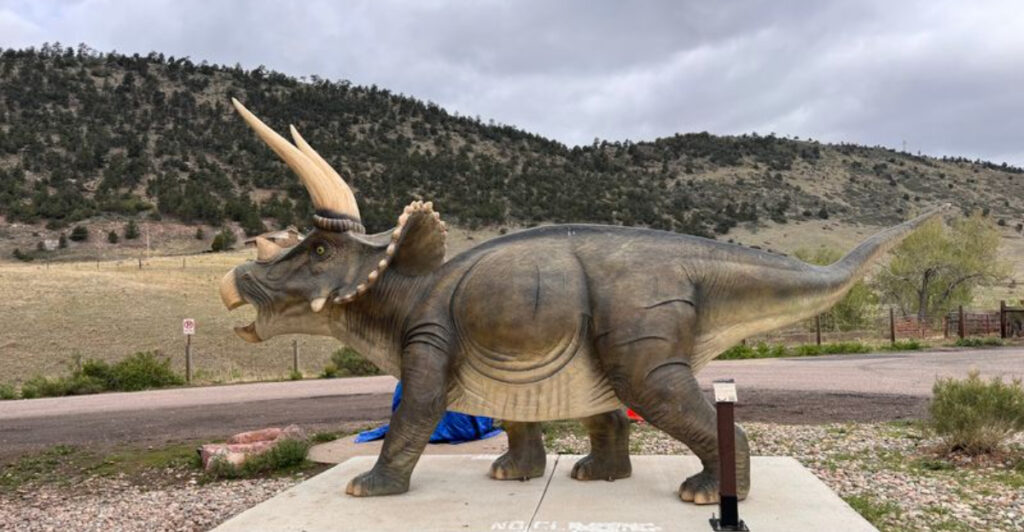
Dinosaur Ridge avoids that trap because it gives each kind of visitor a different hook. Children get giant prehistoric animals and visible footprints.
Science fans get geology, fossil context, and discovery history. Adults who simply want a worthwhile outing get movement, scenery, and a clear sense of place.
The site is especially effective as a shared learning experience. Instead of standing still through a long lecture, families move from stop to stop and absorb information in pieces.
That pacing helps shorter attention spans. A child can notice a print, ask a question, and keep walking, while an older sibling or parent reads the sign and fills in the story.
The learning happens naturally because the ridge keeps offering fresh visual targets.
There is also value in how tangible the experience is. School lessons about prehistoric life can feel distant, but a real track in actual stone changes the scale of the idea.
Even adults who think they are tagging along for the kids often end up leaning in closer than expected. A small museum display can be nice.
A mountainside with evidence locked into the rock is harder to shrug off. Groups do best here when they keep the day simple. Bring water, wear shoes with grip, and build in enough time to let curiosity lead the pace.
There is no need to rush every sign or stop. The ridge works best when different ages can explore in their own style. One person may focus on views, another on tracks, another on facts, and all of them still leave having shared the same story.
How to Time the Day So the Discovery Site Shines
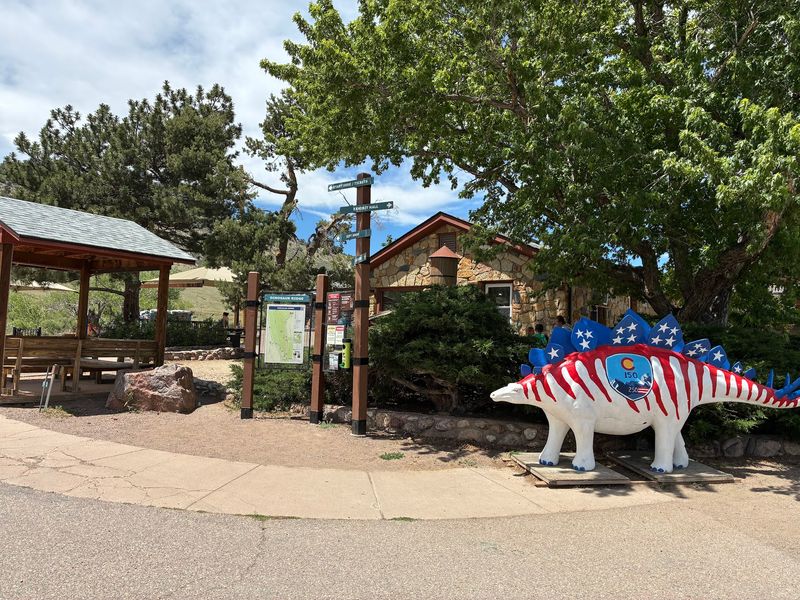
A little planning can make a visit to Dinosaur Ridge far more rewarding. Because nearly everything happens outdoors, weather, elevation, and the amount of walking you choose all shape the experience.
Unlike a traditional museum, the ridge asks visitors to spend time in the landscape where the discoveries were actually made, so arriving prepared makes a noticeable difference. Morning is usually the best time to explore, especially during warmer months.
Cooler temperatures make the uphill walk more comfortable, while softer light highlights the textures of the fossil-bearing rock. Visitors coming from lower elevations should take their time, drink plenty of water, and remember that even a moderate climb can feel more demanding in Colorado.
Before leaving the visitor center, decide how much of the ridge you want to cover. Some people are happy visiting the major footprint sites and returning after an hour or two, while others prefer to walk the full route or join a guided tour for additional scientific insight.
Matching the plan to your group’s interests and energy level usually creates a better experience than trying to see everything in one trip. A few simple preparations go a long way.
Wear comfortable walking shoes, bring water and sun protection, and allow extra time if you’re visiting with younger children. Short breaks at the overlooks help keep the outing enjoyable while giving everyone a chance to appreciate both the scenery and the geology.
The biggest reward comes from slowing down. Dinosaur Ridge is one of the rare places where visitors can stand beside authentic dinosaur tracks and fossil-bearing rock exactly where they were discovered.
With a little planning, the practical details fade into the background, leaving the ancient landscape to tell its own remarkable story.
Share this story