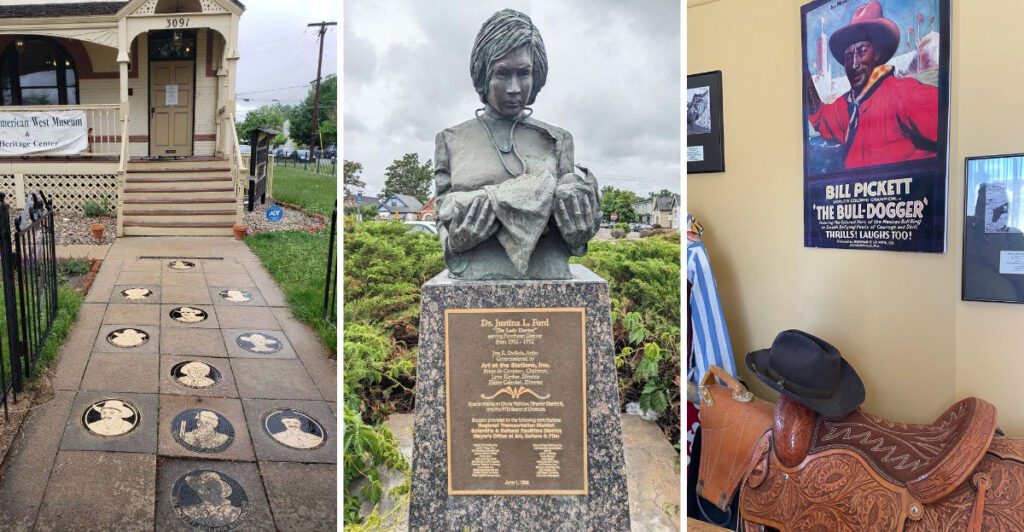
The familiar image of the American cowboy tells only part of the story. Denver’s Black American West Museum & Heritage Center fills in what history books often overlooked, highlighting the Black cowboys, ranchers, soldiers, homesteaders, doctors, and community leaders who helped shape Colorado and the wider West.
Housed in the historic former home of Dr. Justina Ford, the museum uses photographs, artifacts, and personal stories to bring these overlooked experiences into focus. It may be smaller than Denver’s major museums, but its perspective is powerful. A visit reveals a richer, more complete version of Western history.
Where the Cowboy Story Gets Corrected
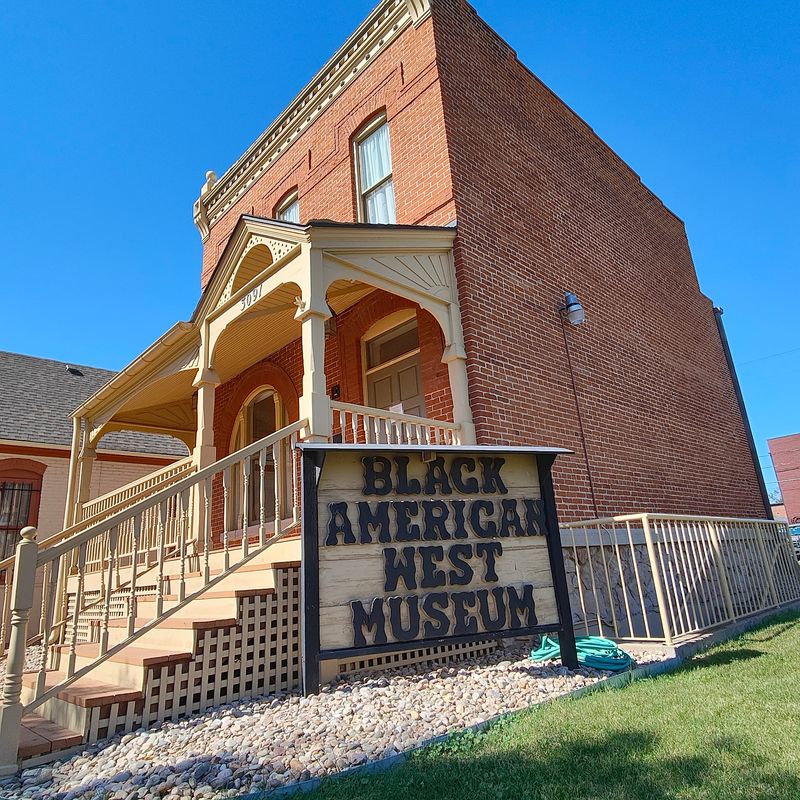
Most people do not expect a small Denver museum to challenge one of the biggest myths in American history. Yet that is exactly what happens here, because the Black American West Museum & Heritage Center puts Black cowboys back into the picture instead of leaving them in the margins.
The museum focuses on African American life in the West, and that includes ranching and frontier work that popular movies often ignored. One widely shared historical point connected to the museum is that a large share of cowboys in the American West were Black, even though many school lessons and films rarely showed them.
That missing image matters, because when a group disappears from the story, people can start to believe they were never there at all.
Inside, the goal is not to turn cowboys into a costume or a legend. The exhibits place them alongside real work, land, military service, migration, and community building, which makes the history feel fuller and more honest.
That change in focus is the museum’s real power. A visit does not simply add one more fact to what you know about the West.
It asks you to rethink the whole frame, from who rode the range to who helped build towns, raise families, and shape public life in Colorado.
For younger visitors, that can be a big lightbulb moment. For adults, it can feel like filling in a gap that should never have been there in the first place.
By the time you move from one room to the next, the old movie version of the frontier starts to look very small. The museum replaces it with a broader, more accurate story, and Black cowboys finally take up the space they earned.
Where the Cowboy Story Gets Corrected
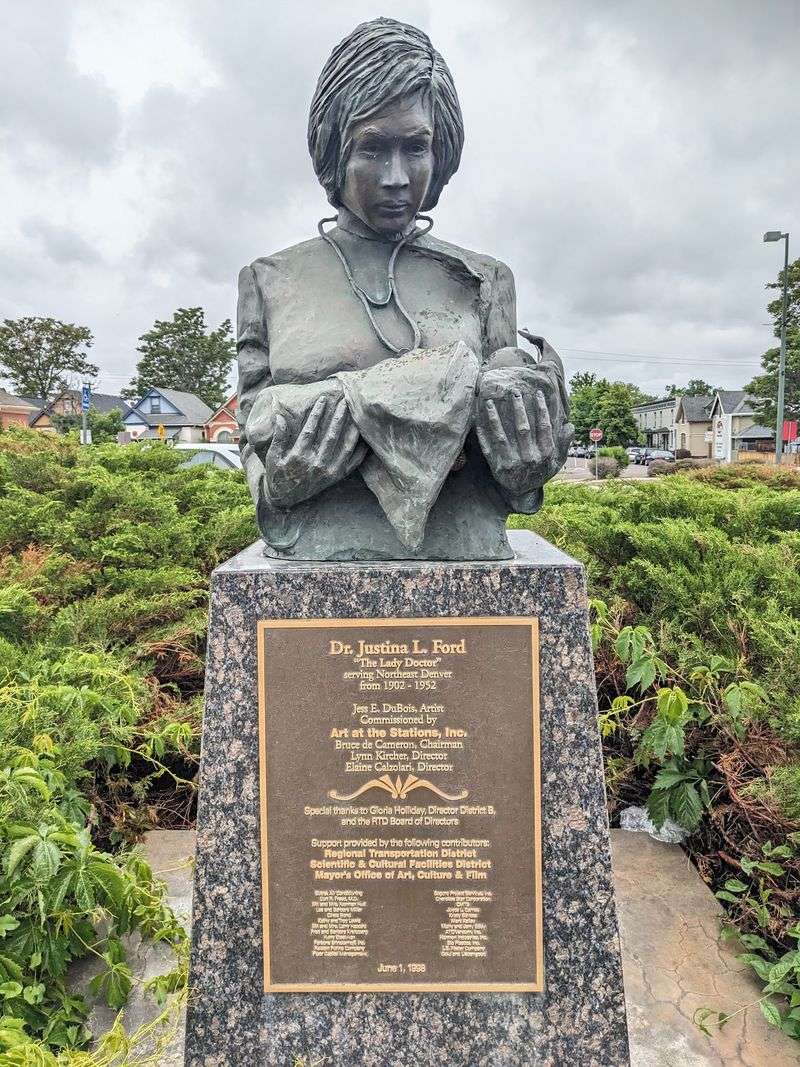
The familiar image of the American cowboy leaves out an important part of the story. At Denver’s Black American West Museum & Heritage Center, Black cowboys move from the margins into clear view, revealing a side of Western history that popular culture has often overlooked.
Ranching and frontier work are central to that story. Black men worked as cowboys across the American West, taking on demanding jobs involving cattle, horses, long drives, and life on the range.
Yet their presence rarely received the same attention in movies, television, and other popular portrayals of the frontier. The museum gives those lives a more prominent place.
Rather than presenting the cowboy simply as a romantic figure on horseback, exhibits connect Black Westerners to the work and communities that shaped the region. That broader perspective quickly moves beyond ranching.
Military service, homesteading, migration, medicine, and community leadership all become part of the picture, showing that Black history in the West cannot be reduced to a single occupation or familiar image. Colorado is an important part of that story.
Black residents established homes, built careers, served their communities, and contributed to the development of places that are now inseparable from the state’s history. Seen together, those stories make the traditional Hollywood version of the frontier seem noticeably incomplete.
The museum does not need to manufacture a different Wild West to make its point. Instead, it brings forward people and experiences that were already part of it.
Black cowboys provide the attention-grabbing entry point, but the deeper story is much larger: Black Western history was woven into the region from the beginning.
Colorado History Opens Up Room by Room
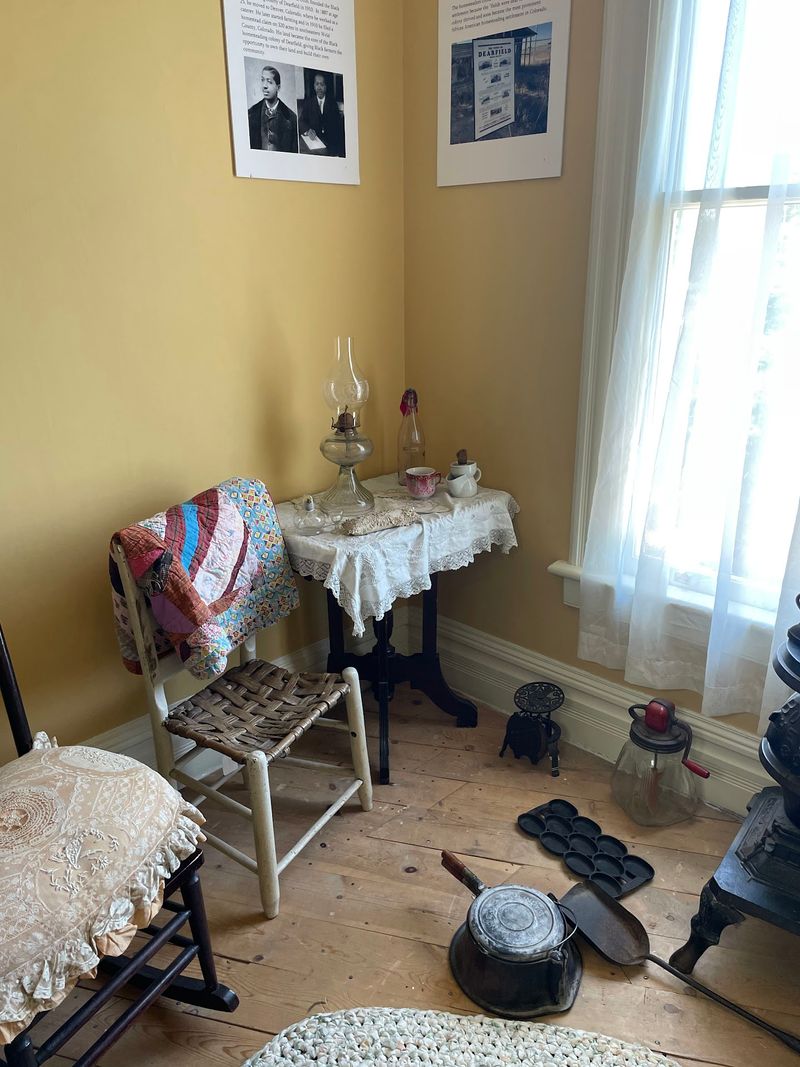
Cowboys may provide the attention-grabbing entry point, but the museum quickly widens its focus. Moving through the rooms reveals Black Western history through ranching, military service, medicine, homesteading, and community life, giving the story far more range than horses and cattle alone.
That breadth is important. Black presence in the West was not limited to one occupation or one familiar frontier image.
People established homes, worked the land, served in the military, practiced medicine, raised families, and helped build communities across Colorado and the wider region. The museum’s smaller scale works well with that variety.
Rather than moving through enormous galleries, visitors can slow down over photographs, documents, artifacts, and individual stories. Each room adds another piece without requiring hours to understand how the subjects connect.
Material related to the Buffalo Soldiers brings military history into the picture and places Black Western experiences within a larger national story. Dr. Justina Ford’s history shifts the focus closer to Denver, where her medical career and community role reveal a very different kind of pioneering life.
Those contrasts are what make the galleries interesting. A rancher, soldier, homesteader, and doctor may have occupied very different worlds, yet their stories all complicate the narrow version of Western history most familiar from popular culture.
The room-by-room format lets those individual experiences remain distinct instead of blending them into one broad historical message. One display may lead toward ranching, another toward military service, and another back into Denver’s own community history.
By the end, the cowboy remains an important part of the museum, but no longer carries the entire story. The galleries reveal something broader: Black life in the West unfolded across occupations, communities, and generations.
Five Points Gives the Museum Extra Depth
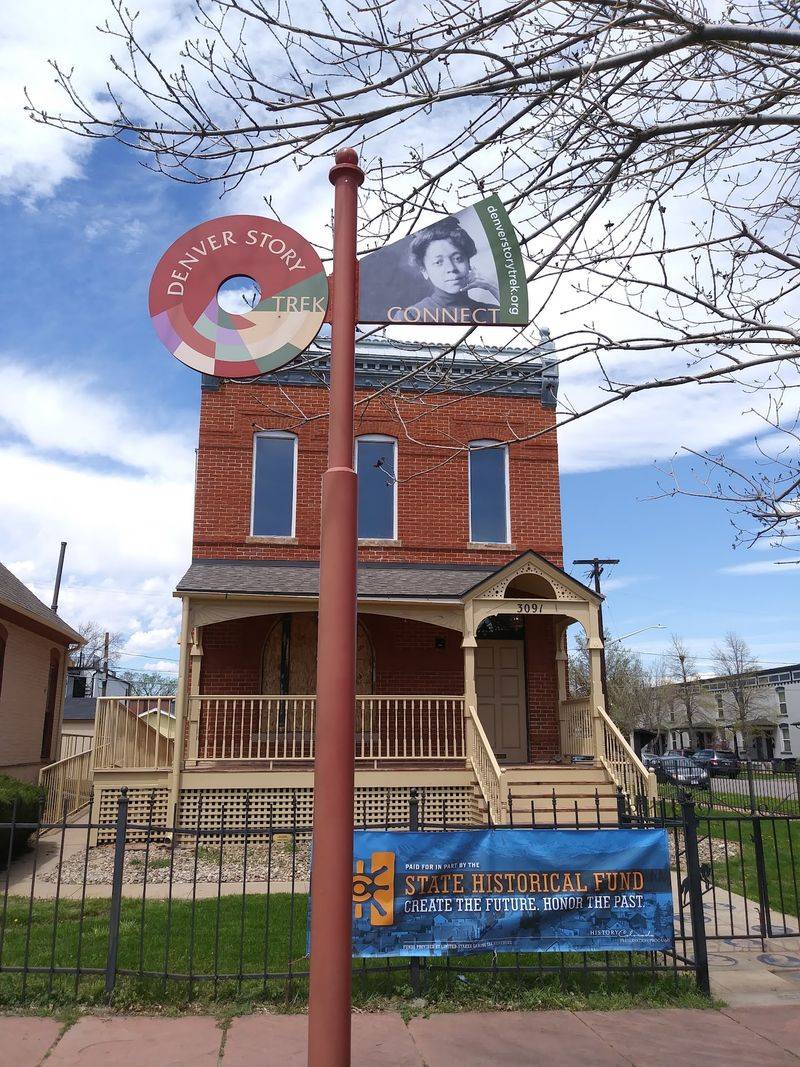
The museum’s location adds another layer to the visit. It sits in Denver’s Five Points neighborhood, an area with deep ties to the city’s Black history and culture, placing the stories inside a community that carries its own historical significance.
Five Points has long been an important center of African American life in Denver. That connection gives the museum a stronger sense of place than it would have in a detached cultural complex or newer commercial district.
The history inside the building belongs to a much larger story unfolding beyond its walls. That becomes especially relevant when the exhibits move beyond cowboys.
Stories of doctors, homesteaders, soldiers, families, and community leaders fit naturally within a neighborhood where generations of Black Denver residents established homes, businesses, institutions, and social networks. Dr. Justina Ford provides an especially direct connection between the museum and its surroundings.
Her former home now houses the collection, tying one prominent Black Coloradan’s life to the broader history preserved inside. The neighborhood setting also expands the familiar geography of the American West.
Colorado history is often pictured through ranches, mining communities, mountain towns, and open landscapes, but cities were part of that history too. Five Points shows how Black Western life also developed through urban neighborhoods and the communities built within them.
For visitors, that context makes the museum easier to place within Denver rather than viewing it as an isolated historical attraction. The exhibits tell stories reaching across Colorado and the wider West, while Five Points brings part of that history back to a specific neighborhood.
Here, location is more than an address. The museum occupies a place connected directly to the community history it works to preserve.
Artifacts Do the Talking Better Than Any Movie Can
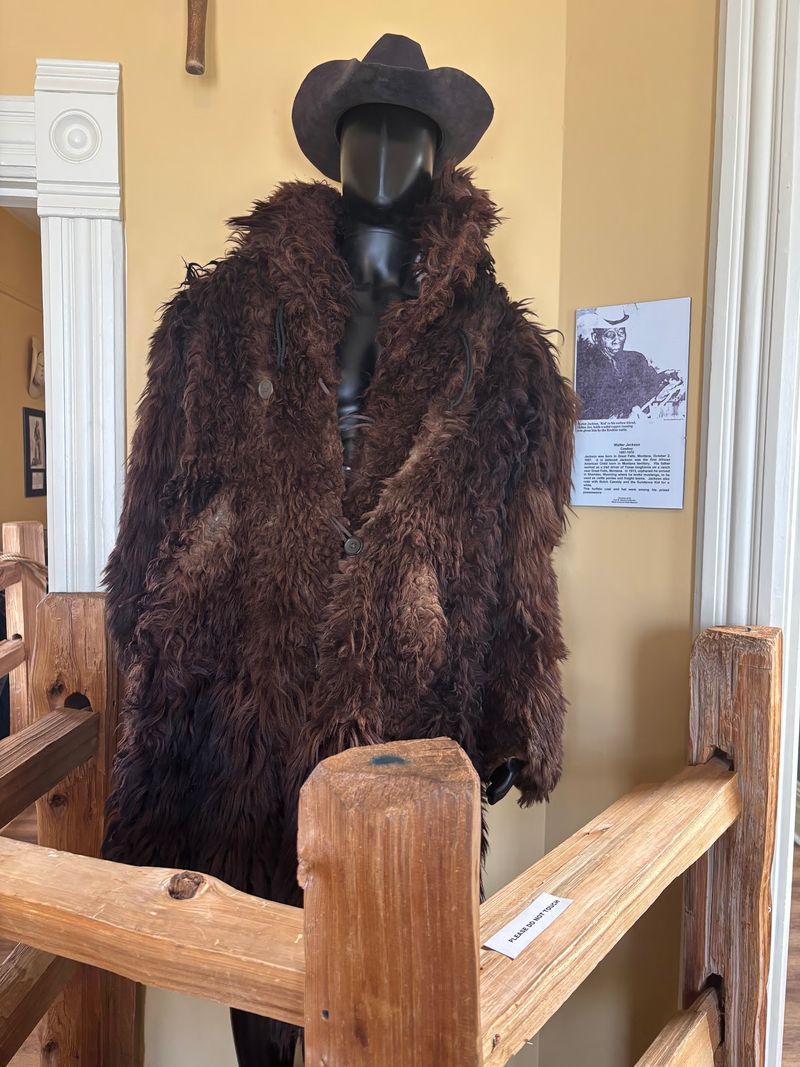
Flashy special effects are not what carry this museum. Much of its impact comes from photographs, documents, memorabilia, and historical objects that give Black Western history a physical presence.
A photograph can connect a name to a face and place. Documents add dates, occupations, and other details, while objects associated with ranching, military service, medicine, and everyday life help move the story beyond broad historical summaries.
Together, those materials make the people featured here easier to understand as individuals rather than distant figures from the past. The museum is relatively small, but its focused scale works in its favor.
Instead of moving through enormous galleries, visitors can spend more time studying individual photographs, reading displays, and noticing smaller details within the collection. That approach suits the subject particularly well.
Black cowboys are central to the museum’s identity, yet the artifacts also open doors into other parts of Western life. Material connected to Buffalo Soldiers, homesteaders, community leaders, and Dr. Justina Ford broadens the story without pulling attention away from the museum’s central purpose.
Personal objects and historical photographs can be especially effective because they bring scale to stories that are easy to generalize. Western history stops being only a collection of familiar frontier images and becomes a record of specific people, occupations, communities, and experiences.
That creates an interesting contrast with the Western stories popular culture has repeated for decades. Movies often begin with a legend and build a world around it.
This museum works in the opposite direction, starting with people, records, photographs, and objects. The collection does not need cinematic effects to make its point.
The surviving material already shows that Black Western history was substantial, varied, and firmly rooted in the real communities that helped shape Colorado and the American West.
What to Know Before Visiting This Denver Museum
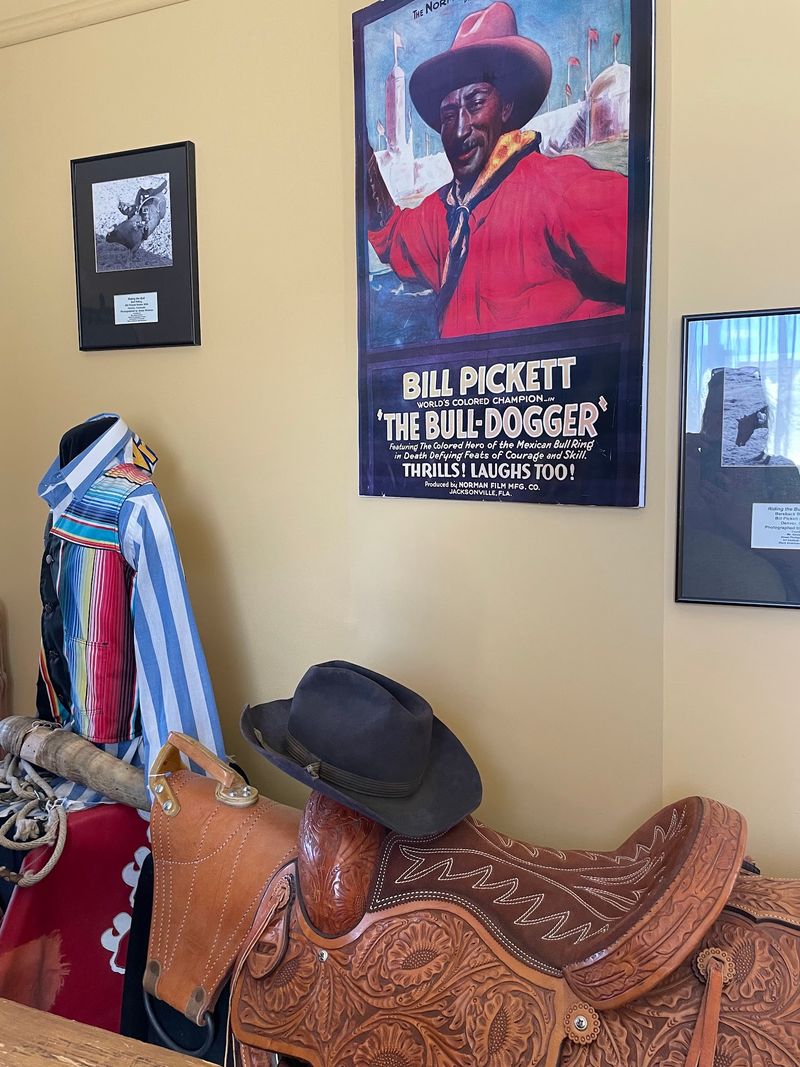
Because the museum operates on limited public hours, a little planning can make the visit much easier. The Black American West Museum & Heritage Center is open Friday and Saturday from 10 AM to 2 PM and closed Sunday through Thursday, according to the provided place information.
Those short hours are important for anyone building a Denver itinerary. This is not an attraction to leave as a spontaneous backup for whichever afternoon happens to be free.
If the museum is a priority, give it a firm place in the schedule and confirm the current hours before heading over. Checking ahead is particularly useful because ticketing and operating details can change.
Public information associated with the museum indicates that advance planning may be helpful, so confirming the latest admission details before making the trip can prevent an unnecessary detour. Once inside, the experience is relatively focused and self-paced.
Visitors can spend longer with photographs, documents, and text panels that catch their attention rather than moving through an enormous sequence of galleries. That slower approach suits a museum where much of the value comes from reading individual stories and studying historical material closely.
The museum’s smaller scale also helps set expectations. Do not arrive expecting a sprawling complex with restaurants, enormous exhibition halls, and enough galleries to occupy an entire day.
This is a more concentrated history stop built around a specific part of Colorado and Western history. Its Five Points location gives visitors another reason not to rush away immediately afterward.
Spending a little time in the surrounding neighborhood adds geographical context to stories that otherwise might seem disconnected from present-day Denver. The simplest strategy is to plan around the museum rather than trying to squeeze it between larger attractions.
Confirm the schedule, arrive with enough time to explore at your own pace, and give the exhibits the attention their unusually focused subject deserves.
Why This Story Hits Harder Than the Usual Wild West Tale
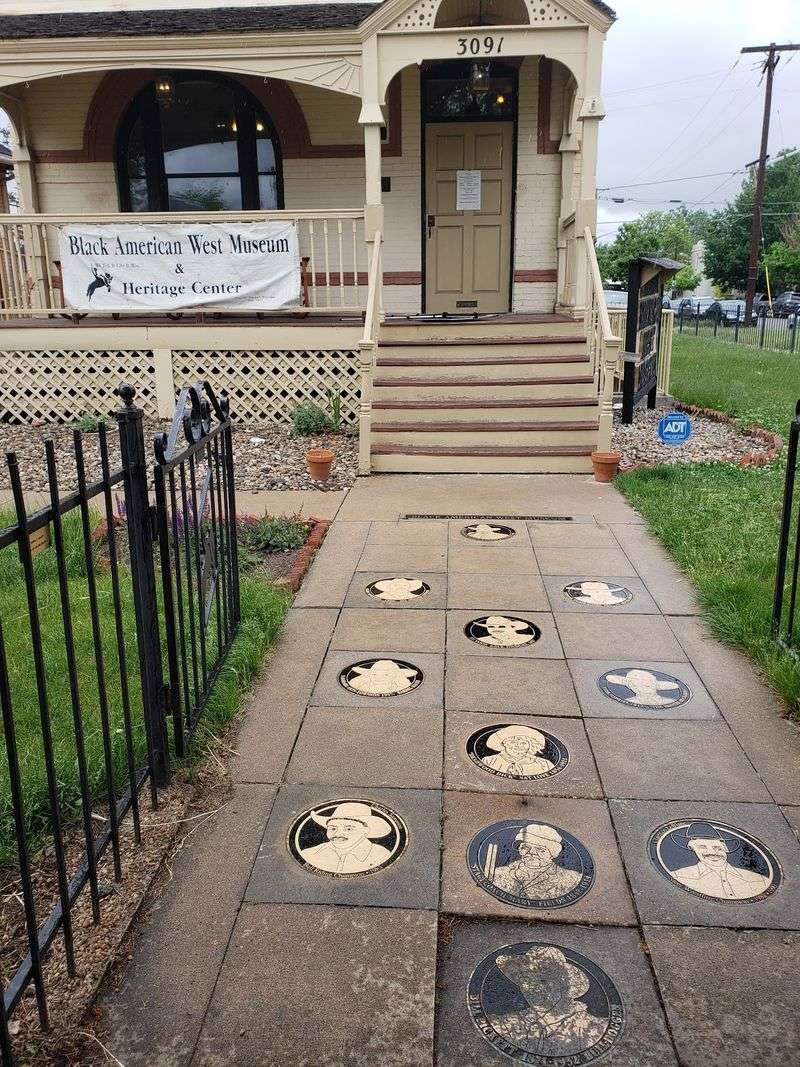
The museum’s strongest effect comes from how much wider the Western story becomes once more people are placed back into it. Black cowboys may provide the most recognizable entry point, but the exhibits make clear that Black life in the West included far more than ranch work alone.
Doctors, soldiers, homesteaders, families, and community leaders all become part of the same historical landscape. That broader view matters because it shifts the focus away from a single heroic frontier image and toward the many kinds of people who actually built communities across Colorado and the wider West.
The museum’s small size makes that contrast especially noticeable. Visitors move through a focused collection rather than an enormous institution, yet the subjects reach into national themes involving migration, military service, medicine, land, labor, and representation.
That is where the Black American West Museum & Heritage Center has its greatest value. It does not need to replace familiar Western history with an entirely different story.
It simply adds people and experiences that belonged there all along. For Denver, the result is especially meaningful because much of the history connects directly to Colorado and to the Five Points community surrounding the museum.
The subject may begin with cowboys, but it ultimately becomes a local story about who helped shape the state. That makes the visit feel different from a typical Wild West attraction built around costumes, legends, or entertainment.
The emphasis here stays on real people, documented lives, and the communities they helped create. By the end, the West looks less like a narrow collection of familiar characters and more like the complicated, diverse region it actually was.
Share this story