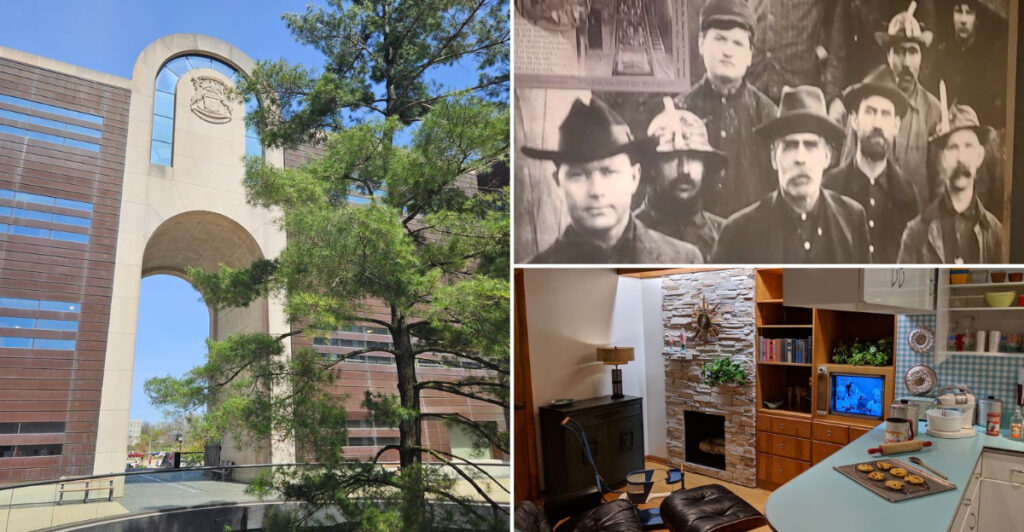
History feels easier to understand when visitors can step into the scene instead of only reading about it. In Lansing, Michigan, the Michigan History Center turns a museum visit into a walk through different eras, with immersive spaces that bring the state’s past into clearer focus.
A copper mine scene, a 1920s street, and a 1950s home help make Michigan history feel visual, detailed, and much easier to remember. Those full-size settings give visitors a stronger sense of how people worked, lived, traveled, and built communities over time.
For anyone who finds ordinary museum displays easy to forget, this Lansing stop makes the story of Michigan feel vivid and close.
Copper Country Starts Underground
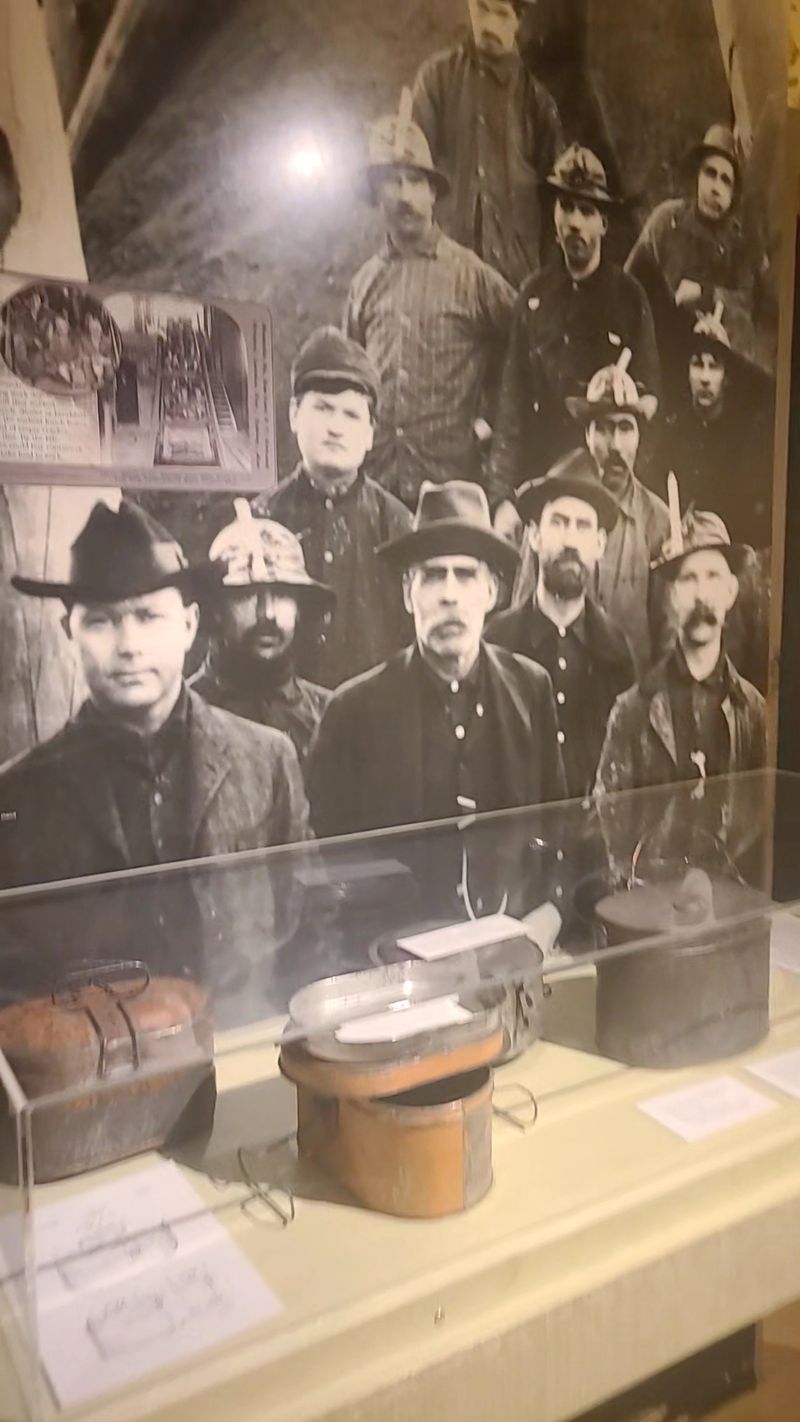
One of the strongest moments in the Michigan History Center comes when the exhibits stop looking flat and start looking physical. The copper mine area gives that shift right away, using a walk-through setting to show how important mining was to Michigan, especially in the Upper Peninsula.
Instead of only reading dates on a wall, visitors get a more direct sense of where copper work happened and why it mattered.
The recreated space brings in rough textures, dimmer light, and the tighter look of an underground work area. That visual change helps younger visitors and adults alike connect the idea of mining to a real place, not just a paragraph in a textbook.
It also breaks up the museum in a smart way, since the body reacts differently when a gallery suddenly narrows and darkens.
Michigan history can seem huge, stretching from glaciers to factories, farms, politics, and music. A full-size mine setting makes one chapter easier to hold onto because it shows labor, danger, technology, and geography all in one stop.
Copper was not some side note. It helped shape jobs, towns, transportation, and the state economy.
For families, this section is often a good place to slow down rather than rush through. Let kids notice the beams, the equipment, and the changes in sound and light.
Adults may want to read the nearby panels more carefully, since the museum is known for detailed interpretation that adds context without needing a formal tour.
If time is short, this is one area worth making a priority. It gives the article title its boldest promise and delivers an exhibit with enough scale to pull people into Michigan’s industrial past in a clear, memorable way.
Tools, Risk, And Daily Work In The Mine
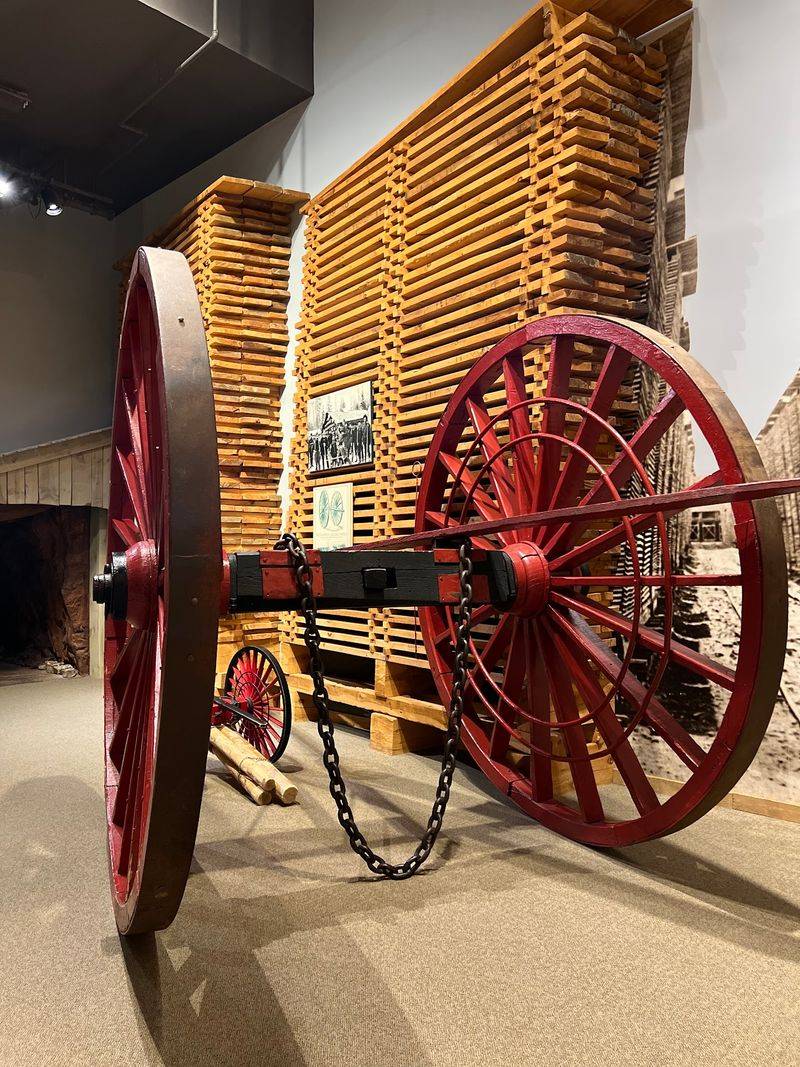
Dark walls may grab attention first, but the real power of the mining section comes from the story of work. A mine was not only a hole in rock.
It was a job site built around hard labor, careful routines, and equipment that had to function in difficult conditions. The Michigan History Center uses that setting to explain the human side of extraction, not only the finished metal that came out of the ground.
Visitors can notice how the exhibit frames mining as daily effort. Timber supports, tools, and the close quarters all point back to the people who spent long hours in demanding spaces.
Even without dramatic special effects, the layout encourages a basic question that matters: what would it have been like to do this every day?
That question opens the door to broader Michigan history. Copper mining helped build communities, shaped migration, and tied remote areas of the state to national industry.
In a museum filled with many eras, this section works well because it turns economics into something concrete. Ore, labor, transport, and settlement suddenly connect.
There is also a practical museum lesson here. Read at least some of the exhibit text rather than treating the mine as only a photo stop.
The center is known for rich detail, and the surrounding interpretation helps explain why mining belongs in the same statewide story as manufacturing, schools, homes, and government.
Kids may focus on the tunnel-like look, while adults may lock onto the larger history of work and technology. Both reactions are useful.
One starts with curiosity, the other with context. Together they make the mining area more than a dramatic backdrop.
It becomes a clear reminder that Michigan’s growth depended on difficult jobs done far below daylight.
A 1920s Street With Real Walk-Through Energy
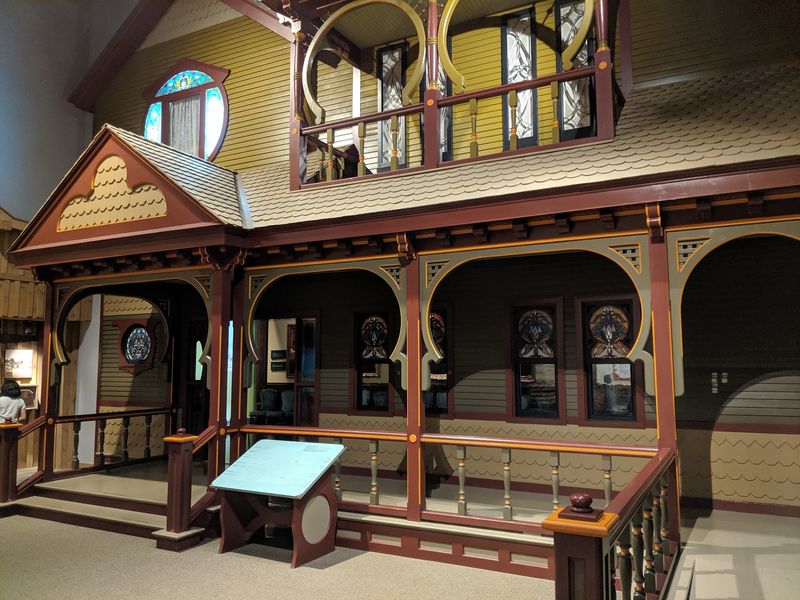
Then the museum changes gears and suddenly history looks like a town block instead of an industry lesson. The 1920s street is one of the most visually lively spaces in the Michigan History Center, using storefront-style facades and streetscape details to turn a decade into a place you can move through.
That shift matters because the 1920s were not just about dates. They were about daily public life, shopping, news, travel, and changing ideas about modern living.
A recreated street gives visitors instant clues about scale. Doors, windows, signs, and building fronts make the era easier to understand than a row of small objects in glass.
Rather than guessing how artifacts fit together, you can see them as parts of a larger setting. The museum uses built environments well, and this section is a strong example of that design choice.
There is also a nice pacing benefit here. After denser history panels and more serious industrial material, the street scene opens the visit back up.
It invites wandering. Children often move through it by spotting shapes and signs, while adults tend to pause over the details that suggest business, communication, and community life in an earlier Michigan decade.
The exhibit works best when approached slowly. Look up, not only straight ahead.
A street scene can reveal clues high on facades or in lettering that might be missed by anyone trying to hurry to the next floor.
For readers who like local history with a strong visual hook, this is one of the museum’s smartest spaces. It turns the 1920s into a lived environment, helping visitors connect broader social history with the ordinary look of a Michigan street built for work, errands, and conversation.
Look Closer At The Street and the Story Expands
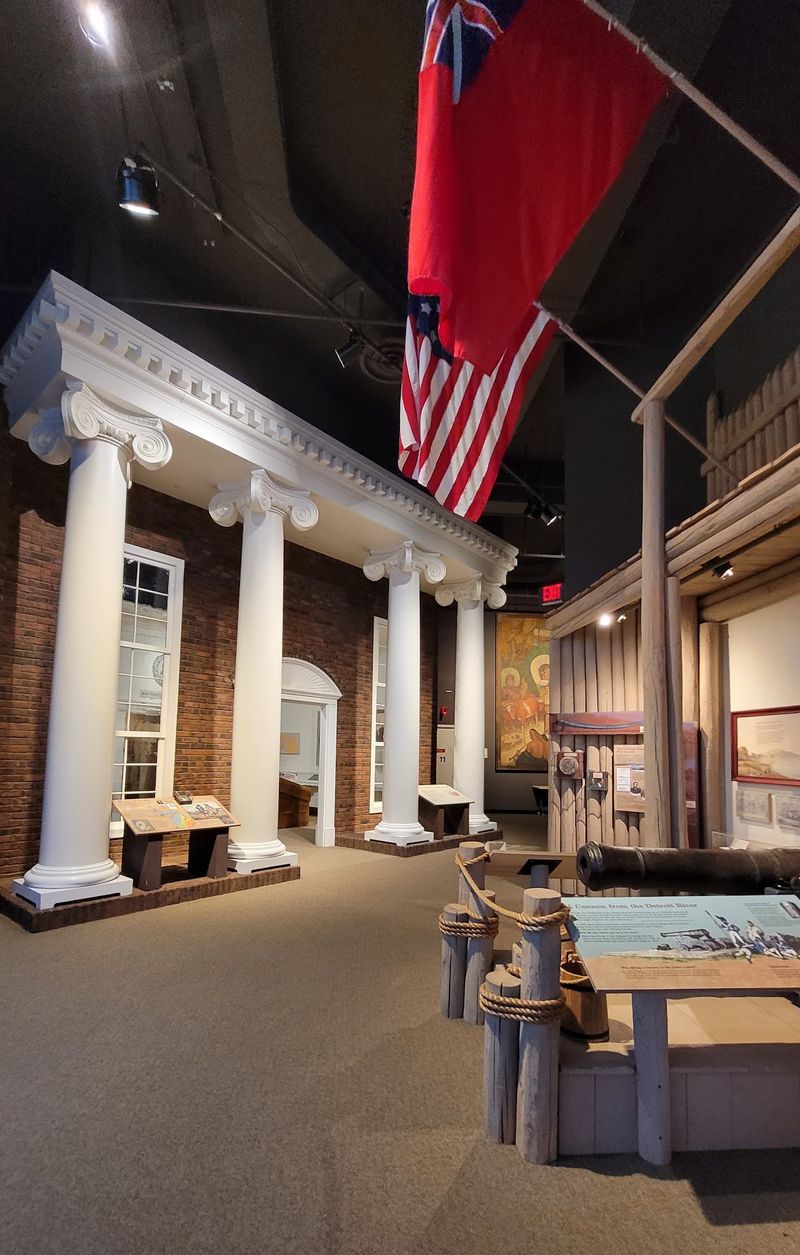
The 1920s street is easy to enjoy at a glance, but the best part comes from noticing how much information is tucked into the scene. A storefront is never only a storefront in a history museum.
It can suggest who had money, what people bought, how a town presented itself, and how quickly public life was changing in Michigan during the early twentieth century.
That is why this section rewards patient looking. Signs, display choices, and the arrangement of the street hint at a bigger network of trade and transportation.
Streets were where businesses met customers, where new products appeared, and where the pace of modern life became visible. Inside the museum, that whole idea gets condensed into one walkable environment.
There is a strong teaching trick at work here. The exhibit lets architecture and layout carry part of the history lesson before a person even reads the labels.
Younger visitors may first see a fun old-time block. Older visitors can connect it to statewide shifts in manufacturing, communication, and city growth that shaped Michigan in the 1920s.
Try approaching the area as if it were a movie set with clues left everywhere. Notice what looks polished, what looks practical, and what suggests changing tastes.
Museum spaces like this help explain history through comparison. The 1920s street does not stand alone.
It prepares the eye for the later domestic spaces and shows the public world that surrounded them.
Among the center’s recreated settings, this one adds movement and rhythm to the visit. It breaks history out of the display case and puts it back on a street where commerce, style, and everyday routines could all meet under one row of facades in Lansing, Michigan.
Step Into A 1950s Home Without Leaving Lansing
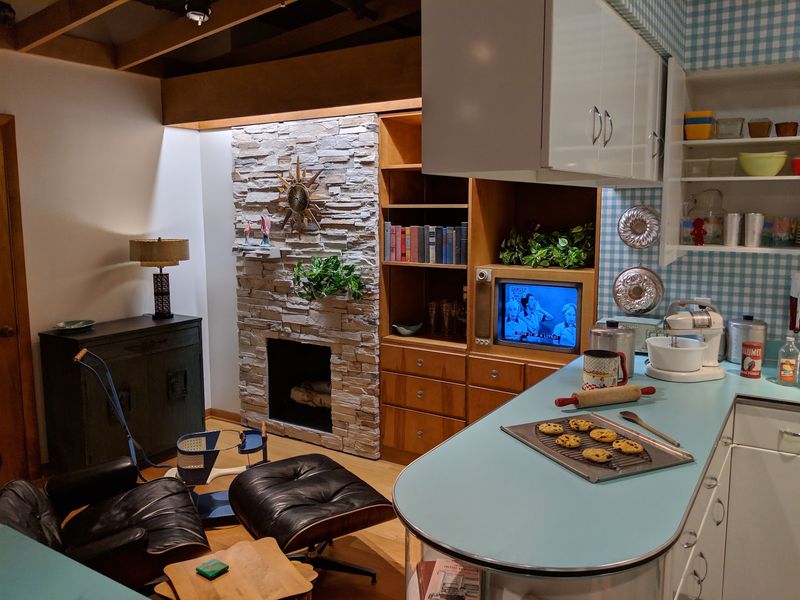
After mines and streets, the museum narrows its focus to home life, and that change gives the visit a warmer kind of history. The 1950s home exhibit shows how people lived with the objects around them, from furniture and appliances to room layouts and decoration choices.
Instead of telling the story of the decade through headlines alone, the Michigan History Center brings it down to the level of an ordinary household.
That approach works because nearly everyone understands a home. A room can reveal habits faster than a timeline can.
Visitors can compare the setup with their grandparents’ stories, family photos, old television shows, or hand-me-down items still sitting in a basement somewhere. Suddenly the decade stops being abstract.
The exhibit also helps explain postwar change in a way kids can grasp. New consumer goods, different design styles, and shifting ideas about comfort all show up in domestic space.
A home is where larger trends become visible. Technology, income, taste, and family routine end up on the same floor plan.
There is a playful side to this section too. Mid-century details often trigger instant recognition, even for people who did not live through the 1950s themselves.
Shapes, colors, and appliance styles carry a strong personality. That makes the home exhibit a good place to talk across generations, especially if one person notices a familiar object and starts explaining how it was used.
For a smoother visit, pair this area mentally with the 1920s street. One shows public life and the look of business.
The other turns inward and shows private space. Together they make the museum’s larger point clear.
Michigan history is not only about major events. It is also about rooms, routines, and the changing meaning of everyday comfort.
How To See The Best of This Michigan History Center Visit
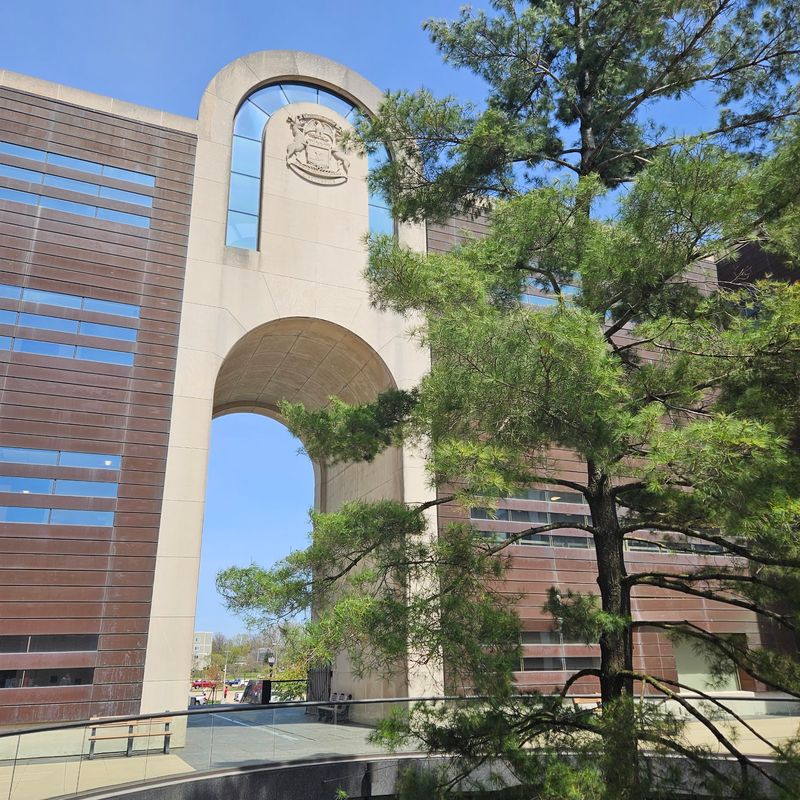
A good plan makes the Michigan History Center much more rewarding, because this is not a quick one-room stop. The building includes several levels of exhibits, and many visitors end up staying longer than expected once they start reading panels and moving through the recreated spaces.
That makes pacing important, especially for anyone coming mainly to see the copper mine, 1920s street, and 1950s home.
Start early if possible. The center is closed on Monday, open Tuesday through Saturday from 10 AM to 4 PM, and open Sunday from 1 PM to 5 PM.
Sunday admission is free, which can be a smart option for budget-minded families, but arriving near opening still helps if the goal is a calmer visit with time to linger.
Inside, resist the urge to rush straight toward the headline exhibits and then leave. The big recreated environments make the museum memorable, yet their full meaning comes from the surrounding interpretation.
Give each major area a few extra minutes to read labels, notice transitions, and connect one era to the next. That is where the statewide story becomes clearer.
Comfort also matters. Wear shoes that make walking easy, since the museum covers multiple floors and encourages self-guided exploring at your own speed.
Families with children may want to break the visit into short themed stretches, using the mine, street, and home as natural checkpoints that keep attention fresh.
Because the building is in Lansing, it works especially well as a half-day city stop rather than a rushed errand between other plans. The museum is organized, easy to follow, and broad enough for repeat visits.
Go in with a little time, a little curiosity, and a willingness to move slowly through Michigan’s past one setting at a time.
Share this story