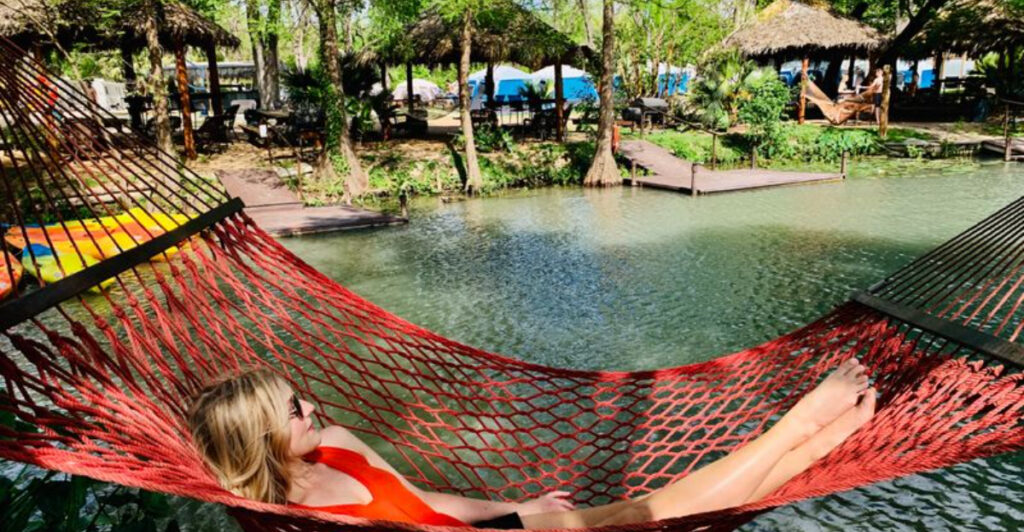
Texas is massive, and most folks stick to the big-name attractions like the Alamo or Big Bend. But tucked away in small towns and surprising corners of the state are incredible places that rarely make it onto tourist maps. From underground caverns to art installations in the middle of nowhere, these hidden gems offer something truly special for anyone willing to venture off the beaten path.
Get ready to discover a side of Texas that even lifelong residents might not know about.
1. Cave Without A Name (Boerne)
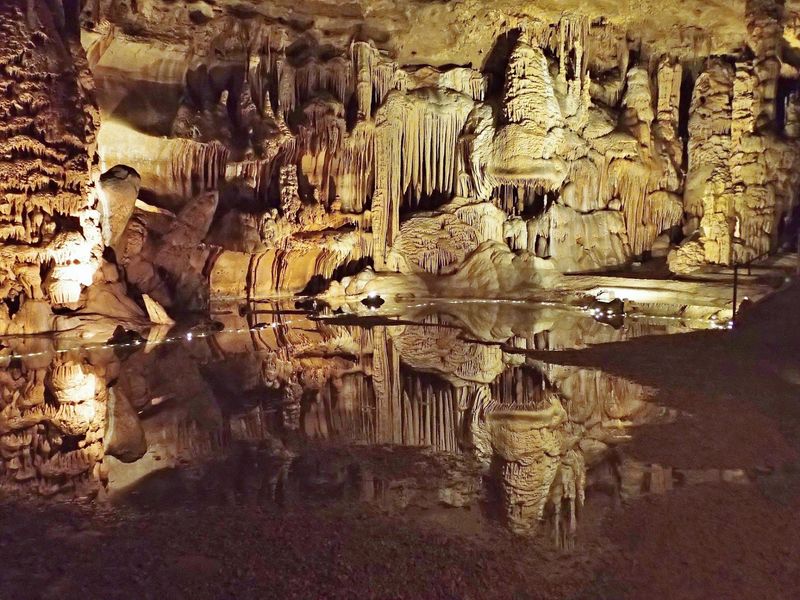
Back in the 1930s, a local goat farmer stumbled onto this underground wonderland while chasing after his livestock. What he found beneath the Hill Country was so breathtaking that when the cave opened to visitors, they held a contest to name it. The winning entry?
A boy who said it was too beautiful to have a name. That story alone should tell you something about what awaits below the surface.
The formations here are ridiculously well-preserved, with delicate soda straws hanging from the ceiling and massive flowstone curtains that look like frozen waterfalls. Unlike some commercialized caves, this one maintains an intimate feel with smaller tour groups and guides who actually know their geology. The temperature stays around 66 degrees year-round, making it a perfect escape from brutal Texas summers.
Tours last about an hour and take you through six different rooms, each with its own personality. You’ll see formations that took thousands of years to develop, including some rare shield formations that geologists get genuinely excited about. The lighting is subtle enough to preserve the cave’s natural beauty while still letting you see every incredible detail.
What makes this place special is how accessible it is without feeling touristy. The trails are paved and relatively easy to navigate, but you still get that sense of discovery that comes with exploring an underground world. Kids love it because it feels like a real adventure, not a sanitized attraction.
Photography isn’t allowed during tours to protect the cave environment, so you’ll need to rely on your memory. That might sound like a drawback, but it actually makes the experience more immersive. You’re forced to be present rather than viewing everything through a camera screen.
The gift shop sells decent photos if you want something to remember your visit by, and the staff can answer any questions about the cave’s history or formation process.
2. Son’s Island (Seguin)
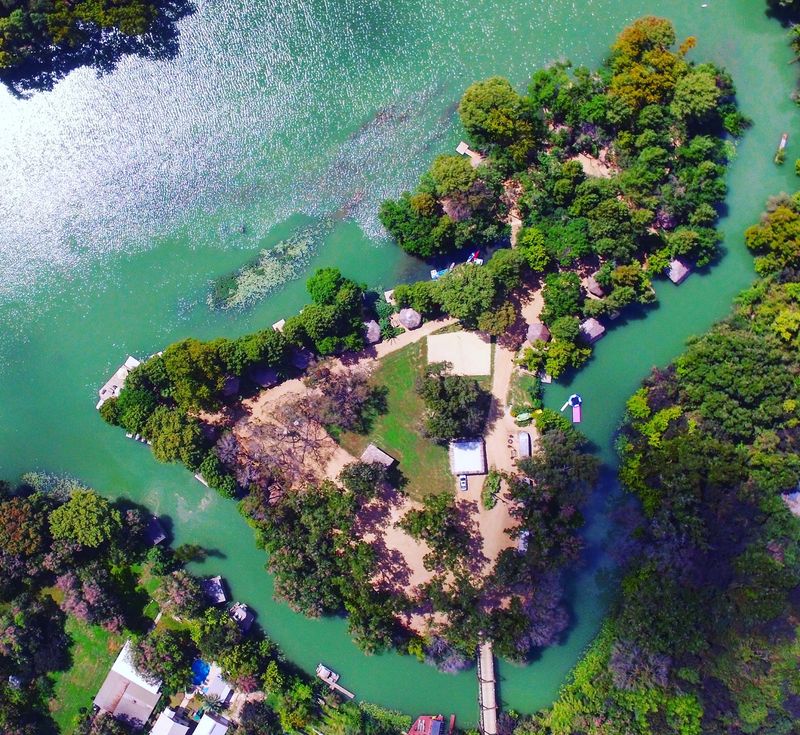
Most people zoom past Seguin on their way to bigger destinations, completely missing this quiet riverside retreat. The island sits right in the middle of the Guadalupe River, connected to town by a small bridge that feels like a portal to a slower pace of life. Locals have been coming here for generations to escape the heat and enjoy the shade of massive pecan trees that have stood for over a century.
The park offers something simple that’s increasingly hard to find: genuine peace and quiet. There are no flashy attractions or amusement park rides, just green space, river access, and plenty of room to spread out. Families claim picnic tables under the trees while kids wade in the shallow parts of the river.
The water moves gently here, making it safer than some of the more popular tubing spots downstream.
What you’ll notice first is how uncrowded it stays, even on weekends. While places like New Braunfels and Gruene get absolutely packed with tourists, Son’s Island maintains its low-key vibe. The lack of commercial development means you won’t find vendors or rental shops, so bring your own supplies.
Pack a cooler, grab some floats or fishing gear, and plan to spend a lazy afternoon doing absolutely nothing.
The fishing is surprisingly good if you know what you’re doing. Bass, catfish, and sunfish all call this stretch of river home. You’ll see locals casting lines from the banks or wading out to deeper spots.
Nobody’s in a hurry, and that relaxed energy is contagious.
History buffs might appreciate knowing that the island has been a community gathering spot since the 1800s. Old photos in the Seguin visitor center show families in Victorian-era clothing picnicking under the same trees that shade visitors today. There’s something comforting about that continuity, knowing that people have been seeking the same simple pleasures here for over a hundred years.
The park has basic facilities including restrooms and grills, but the real draw is just being outside in a beautiful spot that hasn’t been ruined by overdevelopment.
3. Ballroom Marfa (Marfa)

Marfa has become famous for its art scene, but most visitors only know about the Prada installation or the mysterious lights. Ballroom Marfa operates on a completely different wavelength, presenting cutting-edge contemporary art and cultural programs that would feel at home in New York or Los Angeles. The fact that it exists in a tiny West Texas town with a population under 2,000 makes it all the more remarkable.
Founded in 2003, this nonprofit art space occupies a former dance hall that’s been transformed into a sleek exhibition venue. The programming is genuinely adventurous, featuring artists who push boundaries and challenge expectations. You might encounter video installations, experimental music performances, or conceptual pieces that make you think differently about art and culture.
The exhibitions rotate regularly, so there’s always something new to experience.
What sets Ballroom Marfa apart is its commitment to serious artistic practice in an unlikely location. The curators don’t dumb things down or cater to tourist expectations. They present work that’s intellectually rigorous and culturally relevant, trusting that visitors will engage with challenging ideas.
That approach has earned respect from the international art world while enriching the local community.
The building itself is worth seeing, with its high ceilings and adaptable gallery space. Natural light filters through windows, and the minimalist aesthetic lets the artwork speak for itself. Admission is free, which is pretty incredible considering the quality of what’s on display.
Staff members are knowledgeable and happy to discuss the exhibitions without being pretentious about it.
Beyond visual art, Ballroom Marfa hosts film screenings, lectures, and performances that bring diverse cultural experiences to the remote desert landscape. They’ve screened experimental films under the stars and brought in musicians working at the edges of contemporary sound. The organization also supports artists-in-residence, giving creators time and space to develop new work away from urban distractions.
If you’re visiting Marfa and want to go deeper than the Instagram-famous spots, this place offers substance and surprise. Check their website before visiting since hours can vary depending on programming schedules.
4. Westcave Outdoor Discovery Center (Round Mountain)
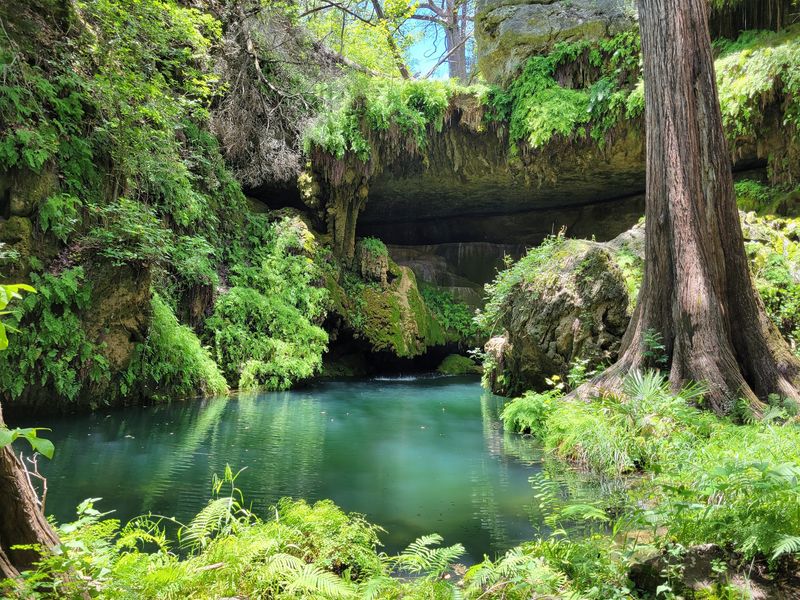
Hidden in the Hill Country, this preserve protects one of the most stunning natural features in Central Texas. A collapsed grotto creates a microclimate that supports plants and wildlife you wouldn’t expect to find in this part of the state. Ferns, mosses, and delicate wildflowers thrive in the cool, moist environment created by a 40-foot waterfall that cascades year-round.
Walking into the grotto feels like entering a different world entirely.
The preserve only allows access through guided tours, which might sound restrictive but actually enhances the experience. Knowledgeable naturalists lead small groups down into the canyon, pointing out geological features, plant species, and ecological relationships that you’d miss on your own. The tour takes about 90 minutes and involves some moderately challenging terrain, including stairs and uneven paths.
It’s worth the effort.
Above the canyon, the upland trails offer a completely different landscape of juniper and oak savanna. You can explore these areas at your own pace, spotting birds and enjoying views of the surrounding hills. The contrast between the dry uplands and the lush grotto below illustrates how dramatically landscapes can change over short distances in the Hill Country.
Reservations are required for grotto tours, and they often book up weeks in advance during peak season. Plan ahead if you want to visit, especially in spring when the wildflowers are blooming and the waterfall is flowing strongest. The preserve limits visitor numbers to protect the fragile ecosystem, which means you’ll never feel crowded even on busy days.
Educational programs run throughout the year, covering topics from bat conservation to native plant gardening. The staff is genuinely passionate about environmental education and land stewardship. They’ve created a model for how to share natural treasures with the public while preserving them for future generations.
The visitor center has exhibits about local ecology and geology, plus a small gift shop with field guides and nature-themed items. Admission fees support conservation work and educational programming, making your visit an investment in protecting this special place. Bring water, wear sturdy shoes, and prepare to be amazed by what Texas hides in its less-traveled corners.
5. BAPS Shri Swaminarayan Mandir (Stafford)
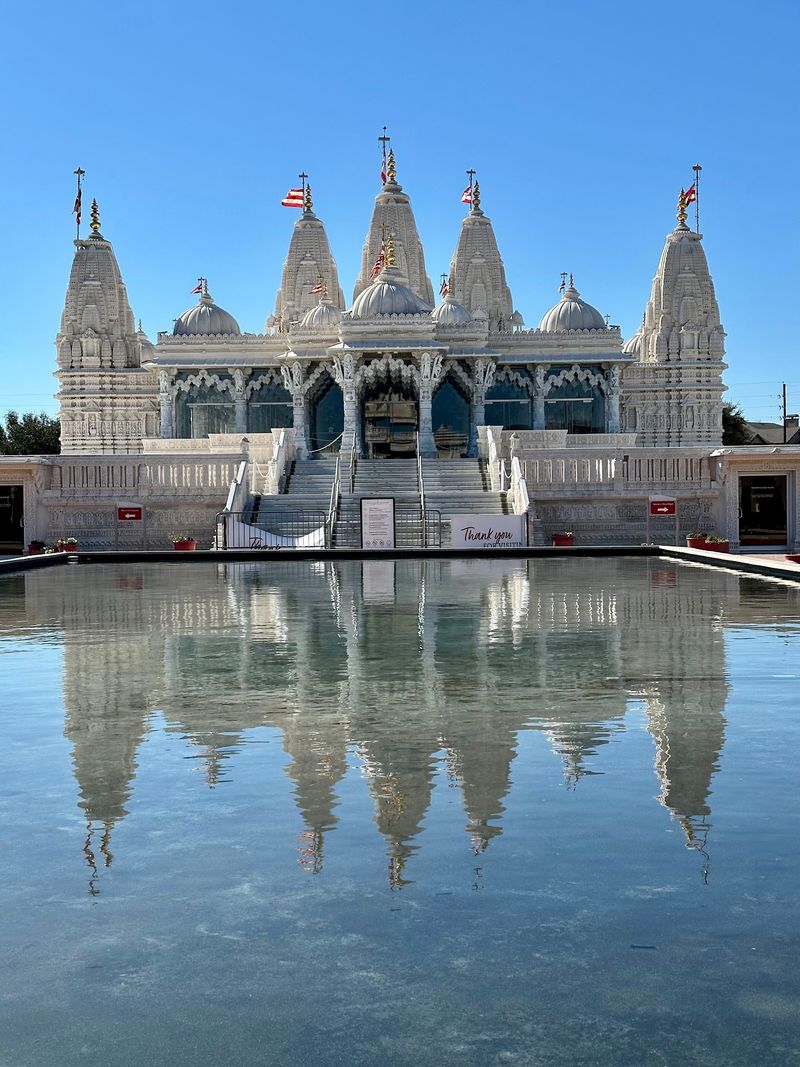
You probably wouldn’t expect to find an elaborately carved traditional Hindu temple in the Houston suburbs, but there it stands in all its stunning glory. This mandir was built using ancient architectural principles and craftsmanship techniques, with every piece of stone hand-carved by artisans in India before being shipped to Texas for assembly. The result is breathtaking, a masterpiece of marble and limestone that honors centuries-old traditions while serving a modern community.
The exterior features intricate carvings depicting deities, dancers, musicians, and floral patterns. No two sections are exactly alike, and you could spend hours examining the details. Inside, the sanctum houses sacred images adorned with fresh flowers and traditional decorations.
The atmosphere is peaceful and reverent, offering a space for worship and reflection that feels worlds away from the strip malls and highways outside.
Visitors of all backgrounds are welcome to tour the mandir and learn about Hindu culture and philosophy. Guided tours are available and highly recommended, as knowledgeable volunteers explain the symbolism, architecture, and religious significance of what you’re seeing. You’ll learn about the BAPS Swaminarayan Sanstha organization, their spiritual teachings, and how this community came to build such an ambitious project in Texas.
The complex includes exhibition halls with displays about Indian culture, science, and spirituality. Interactive exhibits make complex philosophical concepts accessible to visitors unfamiliar with Hinduism. There’s also a cultural center that hosts programs, classes, and celebrations throughout the year.
During major festivals, the temple comes alive with music, dance, and ceremonies that showcase the vibrant traditions of the community.
Dress modestly when visiting, covering shoulders and knees out of respect for the sacred space. Shoes must be removed before entering the mandir, so wear socks or be prepared to go barefoot. Photography is allowed in some areas but restricted in others, so ask before snapping pictures.
The staff and volunteers are incredibly welcoming and happy to answer questions about the temple, the faith, or the community. Admission is free, though donations are appreciated to support the temple’s operations and outreach programs. What makes this place truly special is how it represents the diversity of modern Texas, where ancient traditions and contemporary life coexist beautifully.
6. Hueco Tanks State Park & Historic Site (El Paso)
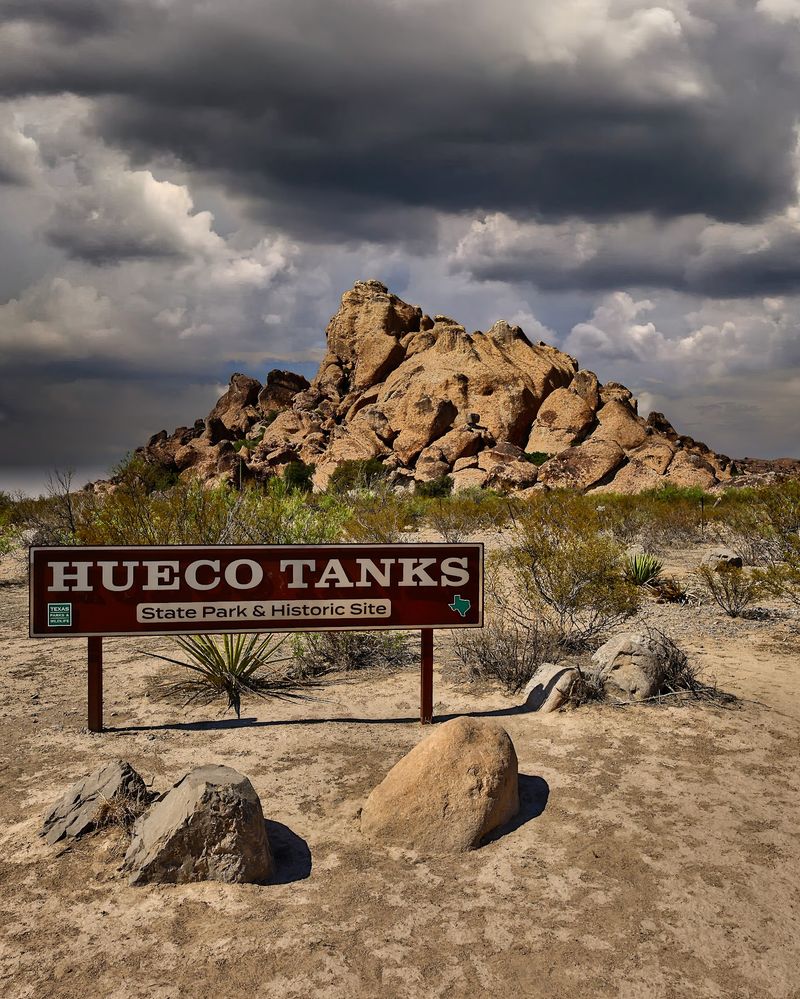
Rock climbers know about Hueco Tanks, but most other people have never heard of this extraordinary place just outside El Paso. Massive piles of syenite boulders create a landscape unlike anything else in Texas, with natural depressions in the rock that collect rainwater (the “tanks” in the name). For thousands of years, these water sources supported human life in the desert, and the evidence remains visible in over 3,000 pictographs painted on the rocks by Native peoples.
The rock art is genuinely significant, featuring images created by multiple cultures over thousands of years. You’ll see masks, human figures, animals, and geometric designs painted in red, yellow, black, and white pigments. Some images are clearly ceremonial or religious in nature, while others might record historical events or seasonal observations.
Access to areas with the most sensitive pictographs is restricted to guided tours to prevent damage and vandalism.
Beyond the cultural resources, Hueco Tanks is famous in climbing circles for its challenging boulder problems. The unique rock formations offer routes ranging from beginner-friendly to impossibly difficult. If you’re not a climber, watching skilled boulderers navigate the rock faces is entertainment in itself.
The park limits daily visitors to preserve the site, so reservations are strongly recommended, especially on weekends.
Hiking trails wind through the boulder fields, offering opportunities to explore the landscape and spot wildlife. Birds, lizards, and small mammals make their homes among the rocks. In spring, wildflowers add color to the desert palette.
The views from higher elevations stretch across the desert basin toward the mountains of Mexico.
Guided tours provide the best way to learn about the site’s natural and cultural history. Rangers and volunteers share stories about the people who lived here, the ecology of the desert, and the ongoing efforts to preserve this special place. They’ll point out pictographs you’d never notice on your own and explain their possible meanings and significance.
The park has basic facilities including restrooms and picnic areas, but no water is available, so bring plenty with you. The desert environment can be harsh, with extreme temperatures and minimal shade. Visit in cooler months if possible, and always prepare for backcountry conditions even though you’re close to the city.
7. Stonehenge II at the Hill Country Arts Foundation (Ingram)
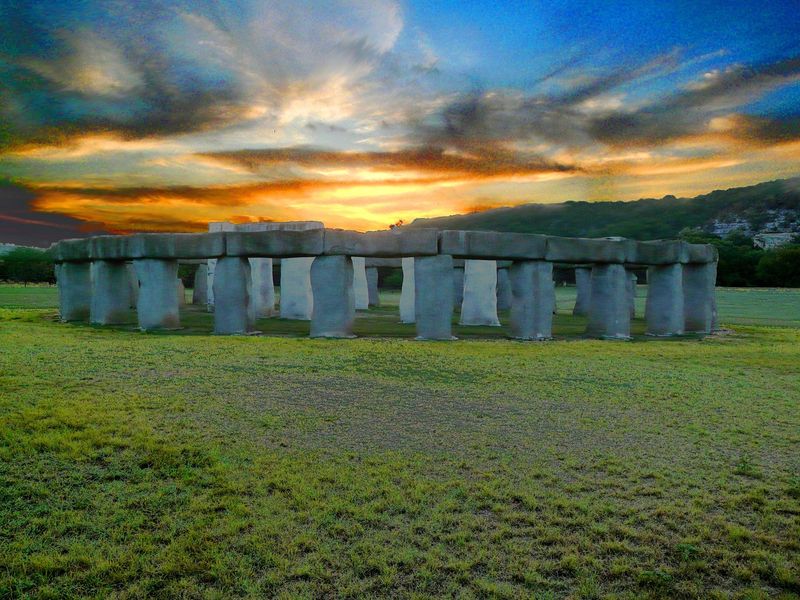
In the early 1990s, a local rancher decided to build a full-scale replica of England’s famous Stonehenge on his property near Hunt, Texas. He and a friend spent months constructing the monument from steel, plaster, and limestone, creating a surprisingly accurate reproduction that became a beloved roadside oddity. When the original location faced development, the community rallied to save the structure, eventually relocating it to the Hill Country Arts Foundation in Ingram.
The replica stands about 60% the size of the original Stonehenge, which is still pretty impressive when you’re standing beneath the massive stones. Two Easter Island moai statues keep the monument company, because why not? The combination is wonderfully absurd, a testament to the creative spirit and sense of humor that makes Texas culture so distinctive.
It’s exactly the kind of thing that shouldn’t exist but absolutely should.
Visiting Stonehenge II is free and open to the public during daylight hours. You can walk right up to the stones, touch them, and take as many photos as you want. The setting along the Guadalupe River is genuinely beautiful, with the monument positioned on a grassy area surrounded by trees.
It’s become a popular spot for quirky wedding photos and family portraits.
The Arts Foundation hosts concerts, theater productions, and art exhibitions throughout the year, so you might catch a performance during your visit. The outdoor amphitheater takes advantage of the natural landscape, and summer evenings bring live music under the stars. Check their schedule to see what’s happening, or just stop by to see the monument and explore the grounds.
What makes Stonehenge II special isn’t just the novelty of finding a megalithic replica in the Texas Hill Country. It’s the story behind it, the community effort to preserve something quirky and fun, and the way it captures a certain Texas attitude toward art and life. Not everything has to be serious or historically significant to be worth preserving and celebrating.
Sometimes a plaster Stonehenge with Easter Island statues is exactly what a place needs. The monument represents creative expression, community pride, and the willingness to embrace the weird and wonderful. Pack a picnic, bring your camera, and enjoy one of the stranger and more delightful attractions Texas has to offer.
8. Longhorn Cavern State Park (Burnet)
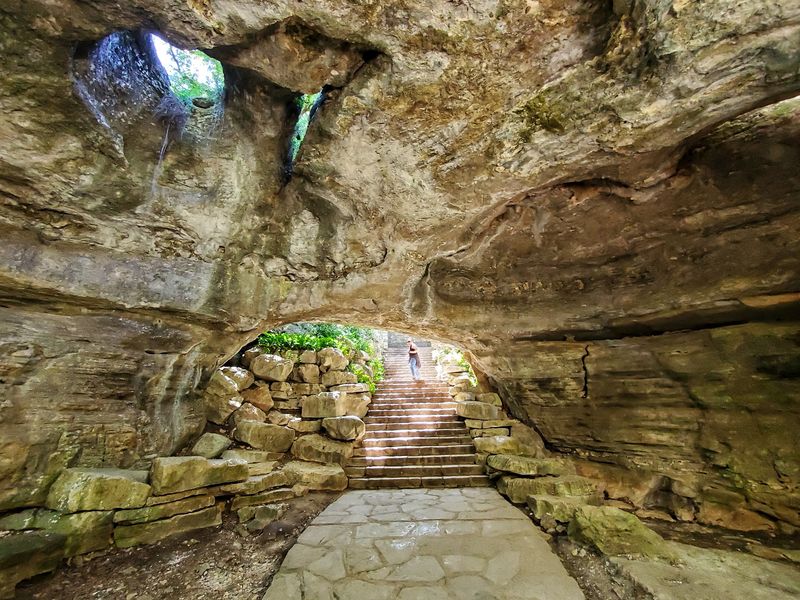
Unlike most limestone caves formed by acidic water slowly dissolving rock, Longhorn Cavern was carved by an underground river during the Ice Age. The result is a cave with unusually large rooms and smooth walls that tell a different geological story than typical drip-stone caves. The formations here are more subtle, but the sense of space and the cave’s unique history make it absolutely worth exploring.
Humans have used this cave for thousands of years, and the evidence of their presence adds layers of intrigue to any visit. Native peoples sheltered here, Confederate soldiers mined bat guano for gunpowder during the Civil War, and during Prohibition, the cave allegedly housed a speakeasy and dance hall. That last bit might be legend, but it’s a great story either way.
The Civilian Conservation Corps developed the cave for tourism in the 1930s, building trails and infrastructure that remain in use today.
Guided tours last about 90 minutes and cover about a mile and a half of walking, including some stairs and uneven surfaces. The cave maintains a constant temperature in the mid-60s, providing relief from summer heat. Your guide will point out geological features, share historical anecdotes, and answer questions about cave ecology and conservation.
The lighting system highlights the cave’s natural beauty without overwhelming it.
Adventure tours offer a more challenging experience for those wanting to go beyond the standard route. These excursions take you into undeveloped sections of the cave where you’ll crawl through tight passages and explore areas most visitors never see. It’s physically demanding but incredibly rewarding for anyone who loves caving and doesn’t mind getting dirty.
Above ground, the park offers hiking trails through typical Hill Country terrain of cedar and oak. Wildlife viewing opportunities include deer, wild turkeys, and numerous bird species. The park is less crowded than some better-known state parks, making it a good choice if you want to avoid tourist hordes.
Picnic areas provide spots to relax before or after your cave tour. The visitor center has exhibits about the cave’s geology and history, plus a gift shop with rocks, minerals, and educational materials. Park entry requires a day-use fee or a Texas State Parks Pass.
Cave tour tickets are separate and can be purchased in advance online or at the park, though popular time slots fill up quickly on weekends and holidays.
Share this story