Texas might be known for its wide-open plains and desert landscapes, but hidden throughout the Hill Country and beyond are some truly stunning waterfalls that don’t require a grueling hike to enjoy. Many people assume that reaching a beautiful waterfall means tackling difficult trails or traveling to remote locations, but that’s not always the case here in the Lone Star State. Whether you’re looking for a quick nature escape or a family-friendly adventure, these seven waterfalls offer incredible scenery without the exhausting journey.
1. Hamilton Pool Preserve (Dripping Springs)
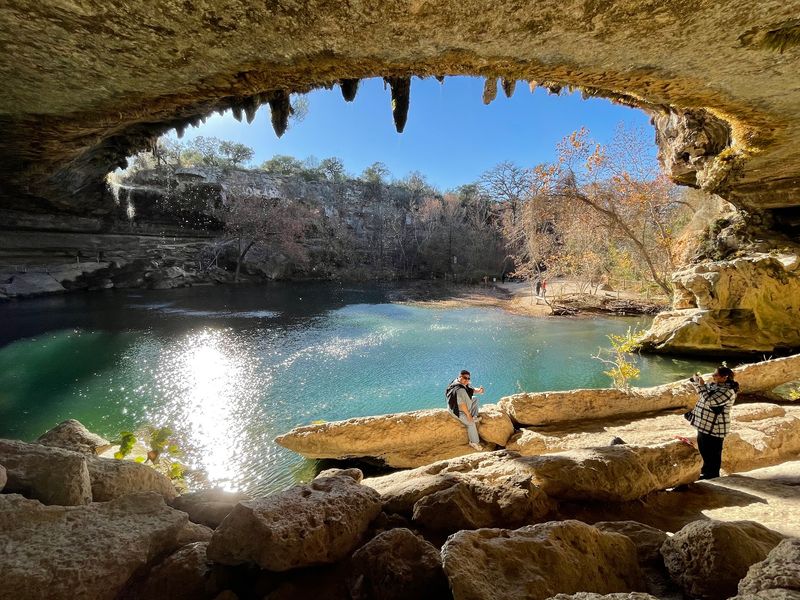
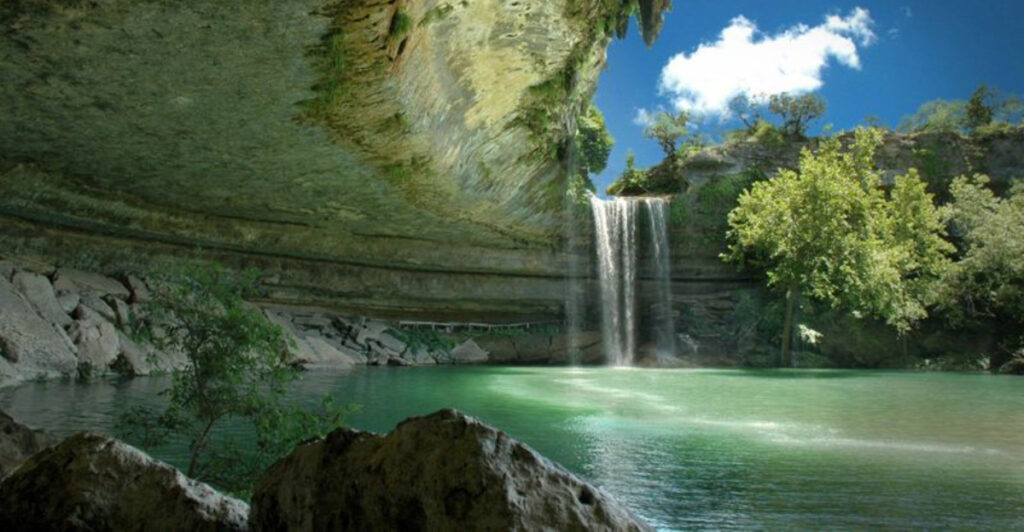
Picture a waterfall spilling 50 feet into a jade-colored pool beneath a massive limestone overhang, and you’ve got Hamilton Pool. This natural swimming hole formed thousands of years ago when the dome of an underground river collapsed, creating one of the most photogenic spots in all of Texas. The short quarter-mile trail from the parking area is paved and accessible, making it surprisingly easy for families with small children or anyone who’d rather not trek for miles.
Swimming is allowed when bacteria levels are safe, which is most of the time during summer months. The pool stays refreshingly cool even on scorching August days, thanks to the shade from the grotto and the constant flow of spring-fed water. Moss-draped stalactites hang from the ceiling like natural chandeliers, and if you visit after a good rain, the waterfall becomes a powerful cascade that echoes through the canyon.
Because this preserve is so popular, reservations are required year-round and can book up weeks in advance, especially on weekends. Plan ahead and snag your spot early if you want to visit during peak season. The $15 vehicle fee is well worth it for the experience, and there are picnic areas if you want to make an afternoon of it.
Morning visits offer the best lighting for photos, with sunbeams streaming through the grotto opening and illuminating the emerald water below. Wear water shoes since the rocks around the pool can be slippery, and bring a waterproof bag for your phone because you’ll definitely want to capture this magical spot. Just remember that glass containers and alcohol aren’t permitted, so pack accordingly for your picnic.
2. Krause Springs (Spicewood)
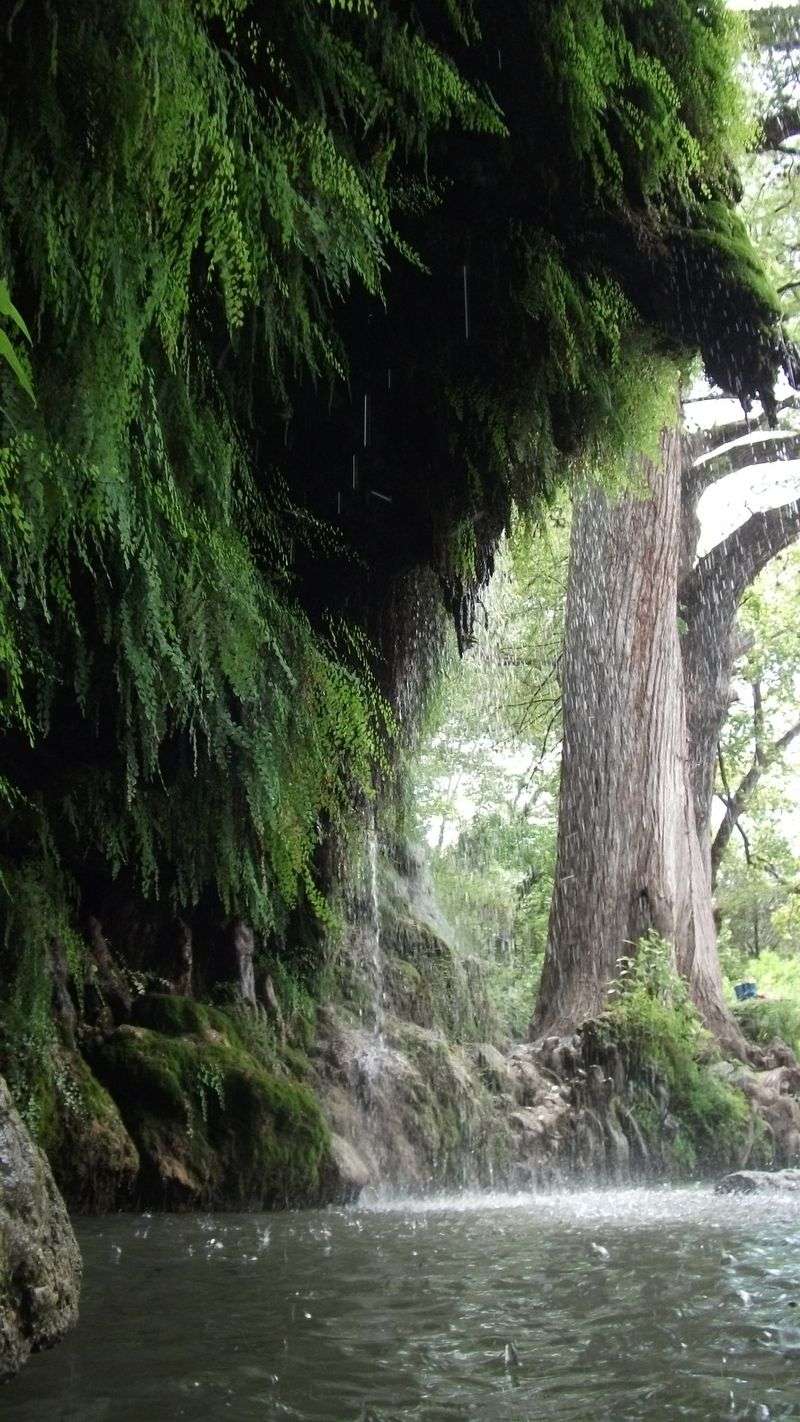
Privately owned and lovingly maintained by the same family for decades, Krause Springs feels like stumbling onto a secret garden in the middle of Texas. Multiple waterfalls tumble over limestone ledges into crystal-clear pools where you can swim year-round, since the spring water stays a constant 68 degrees. The main waterfall area is just a short walk from the parking lot, with well-maintained paths and stairs that make access a breeze even for visitors with limited mobility.
What sets this spot apart is the variety of swimming areas spread across the 115-acre property. You can choose between the upper pools near the waterfalls or head down to the larger natural pool fed by 32 springs. Rope swings dangle from ancient cypress trees, and there’s even a manmade pool if you prefer something more traditional.
The property has a laid-back, old-school swimming hole vibe that feels worlds away from crowded city pools.
Camping is available if you want to extend your stay, with tent sites nestled among the trees and RV hookups for those traveling in style. Day-use fees are reasonable at around $10 per adult, and kids under five get in free. The springs stay open every day except Thanksgiving and Christmas, so you can plan a visit almost any time of year.
Weekdays are significantly less crowded than weekends, especially during summer when local families flock here to beat the heat. The property owners have added butterfly gardens and nature trails over the years, giving you plenty to explore beyond just the swimming areas. Pack a cooler with snacks and drinks, claim a shady spot under the trees, and prepare to spend a relaxing day enjoying one of the Hill Country’s best-kept secrets.
3. Gorman Falls, Colorado Bend State Park (Bend)
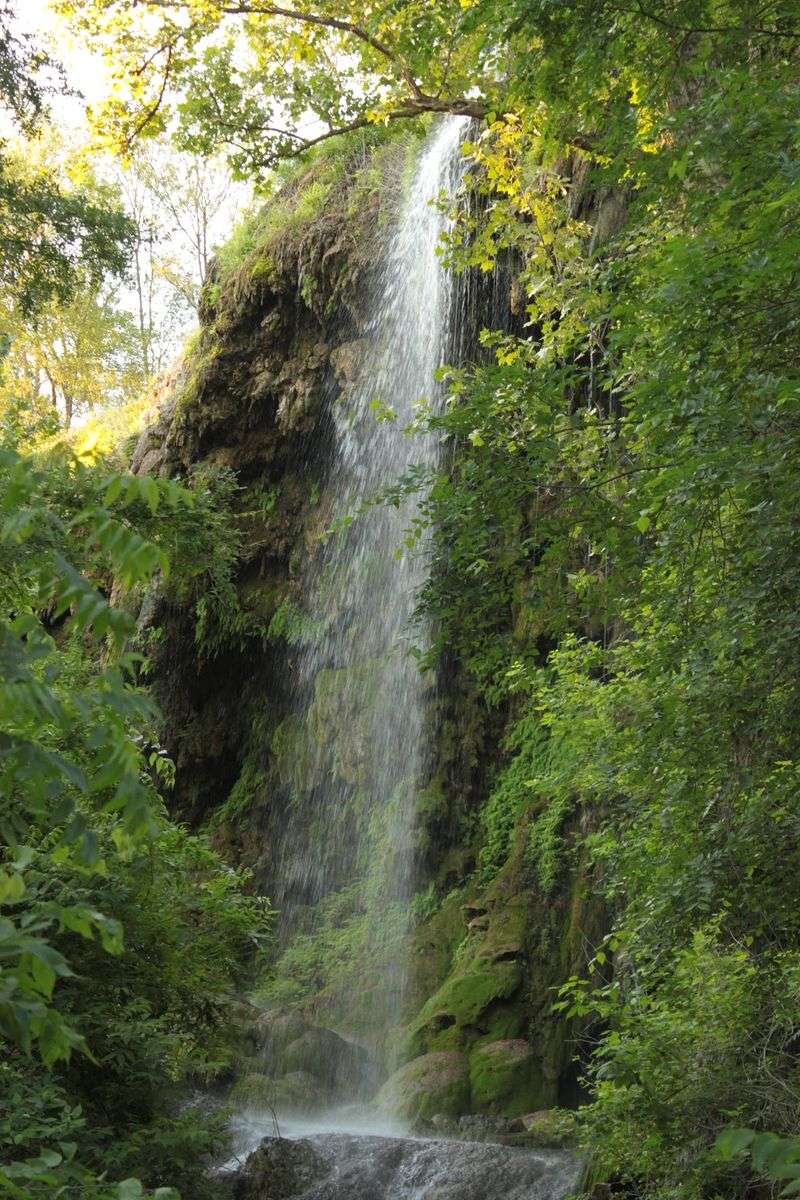
Travertine formations create a living, breathing waterfall at Gorman Falls, where water flows over terraced limestone covered in emerald moss and delicate maidenhair ferns. At roughly 70 feet tall, this isn’t the tallest waterfall in Texas, but it might be the most unique, with its vibrant green coloring that looks almost tropical against the surrounding canyon walls. The hike to reach it is about three miles round trip, but the trail is well-marked and moderately easy, with only a few steep sections near the end.
Colorado Bend State Park requires a bit more effort to reach than some other spots on this list, located about two hours northwest of Austin on winding country roads. But that remoteness is part of the charm, keeping crowds manageable even on beautiful spring weekends. The park doesn’t take reservations for day use, so arrive early during peak season to ensure you get a parking spot near the Gorman Falls trailhead.
Guided tours are offered on weekends, led by knowledgeable park rangers who can point out the geological features and wildlife you might otherwise miss. Going with a guide is especially helpful if you’re interested in learning about the rare plant species that thrive in the waterfall’s constant mist. The falls flow strongest from late fall through early summer, fed by spring water and seasonal rains that keep the travertine formations lush and green.
Swimming isn’t allowed at the falls themselves to protect the delicate ecosystem, but the park has other swimming spots along the Colorado River where you can cool off after your hike. Bring plenty of water and wear sturdy shoes with good traction, as the trail can be rocky and the final descent to the viewing area gets steep. The $6 entrance fee per person is a bargain for access to this geological wonder and the park’s other attractions, including caves and river access.
4. Cattail Falls, Big Bend National Park (Big Bend)
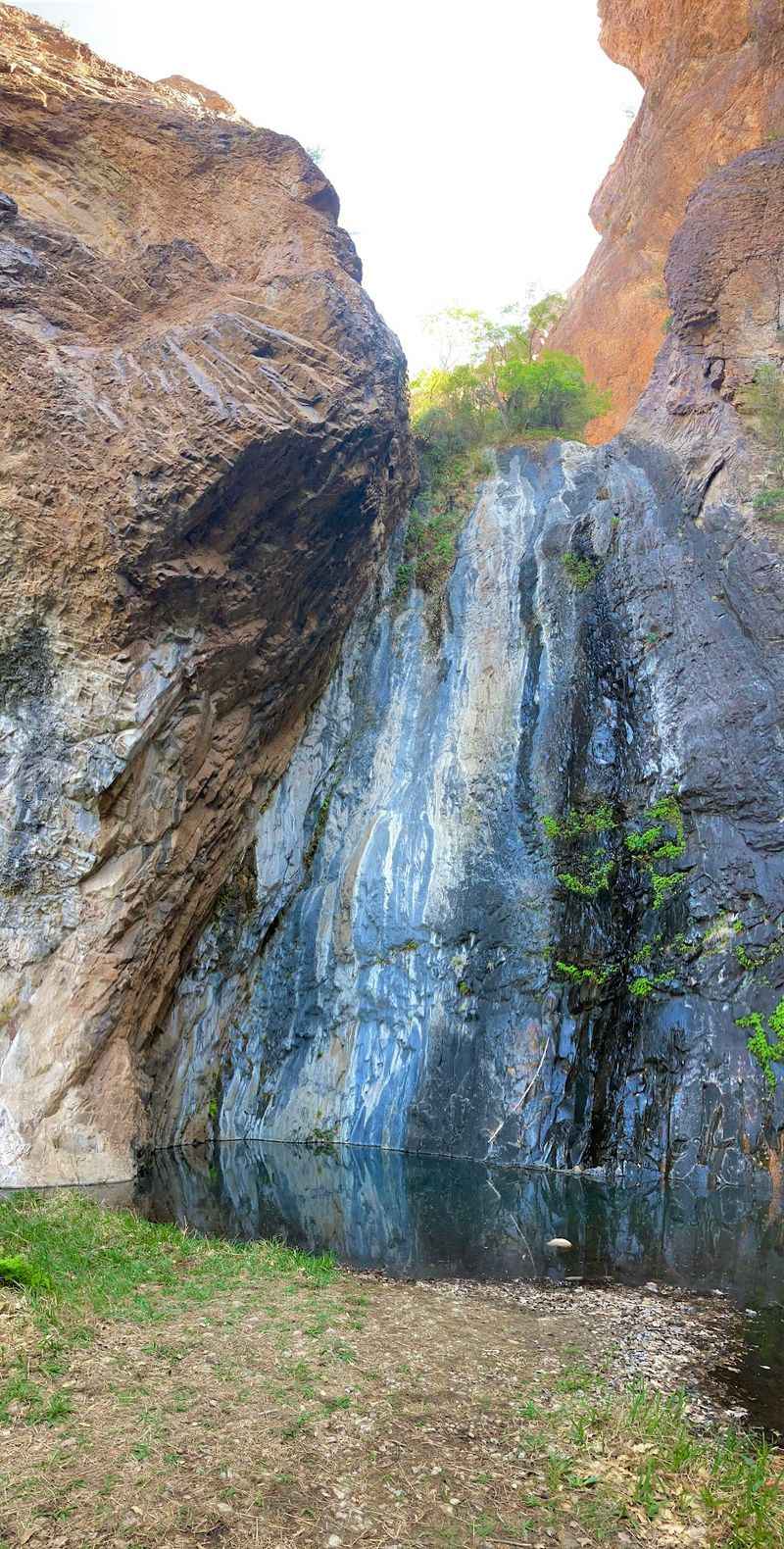
Finding a waterfall in the Chihuahuan Desert might seem impossible, but Cattail Falls proves that Big Bend National Park is full of surprises. This seasonal cascade appears after heavy rains, tumbling down a rocky cliff face in a remote corner of the park that sees far fewer visitors than popular spots like Santa Elena Canyon. The hike is a moderate 3.5 miles round trip, following a desert wash that can be tricky to navigate but offers stunning views of the surrounding mountains.
Timing is everything with Cattail Falls since it only flows after significant rainfall, typically during late summer monsoon season or following winter storms. Check with park rangers about recent weather conditions before making the trek, or you might arrive to find only a dry cliff face. When it does flow, the contrast of rushing water against the stark desert landscape creates an almost surreal scene that’s worth the gamble.
The trailhead starts near the end of Old Maverick Road, a rough dirt track that requires a high-clearance vehicle to navigate safely. Once you’re on the trail, watch for cairns marking the route through the desert, and be prepared for some scrambling over rocks as you get closer to the falls. Desert hiking requires different preparation than Hill Country trails, so bring more water than you think you’ll need and start early to avoid the intense midday heat.
Wildlife sightings are common along this trail, with roadrunners, javelinas, and various lizard species calling this harsh environment home. The solitude you’ll experience here is profound, with nothing but desert silence broken by the occasional bird call or rustle of wind through the creosote bushes. Big Bend’s entrance fee is $30 per vehicle and good for seven days, giving you plenty of time to explore the park’s other incredible features if Cattail Falls isn’t flowing during your visit.
5. Pedernales Falls, Pedernales Falls State Park (Johnson City)
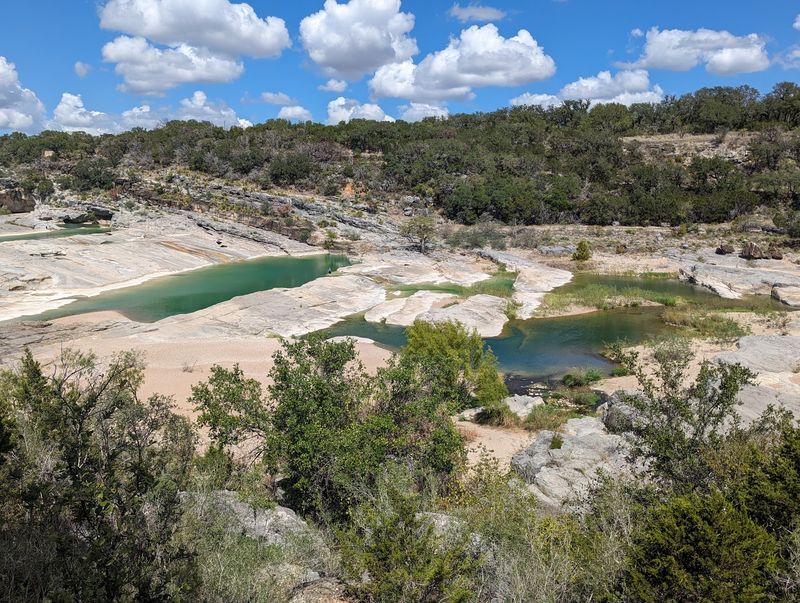
Layers of limestone create a stair-step effect as the Pedernales River flows over ancient rock shelves, forming a series of cascades rather than a single dramatic drop. During normal flow conditions, the water spreads wide across the riverbed, creating dozens of small waterfalls and pools that are perfect for wading and exploring. After heavy rains, the scene transforms completely as thousands of gallons surge over the falls in a powerful display that draws photographers from across the state.
The main overlook sits just a short walk from the parking area, making this one of the most accessible waterfall viewing spots in Texas. Paved paths and viewing platforms mean you can enjoy the scenery without any strenuous hiking, though adventurous visitors can explore the river bottom when water levels are safe. Park rangers post daily updates about river conditions and whether it’s safe to get near the water, since flash flooding can turn this peaceful river into a raging torrent with little warning.
Swimming is allowed in designated areas away from the falls themselves, where calm pools offer relief from the Texas heat without the danger of strong currents. The park has over 20 miles of hiking and mountain biking trails if you want to explore beyond the waterfall area, winding through Hill Country terrain dotted with oak trees and prickly pear cactus. Primitive camping and sites with water and electricity are available if you want to stay overnight and catch the falls at different times of day.
Spring brings wildflowers that carpet the hillsides in bluebonnets and Indian paintbrush, while fall offers cooler temperatures and fewer crowds. The $6 daily entrance fee per person over 13 is one of the best deals around for outdoor recreation this close to Austin. Pack a picnic and claim one of the shaded tables near the river, or bring fishing gear to try your luck in the pools downstream from the falls.
6. Capote Falls Overlook Area (near Marfa)
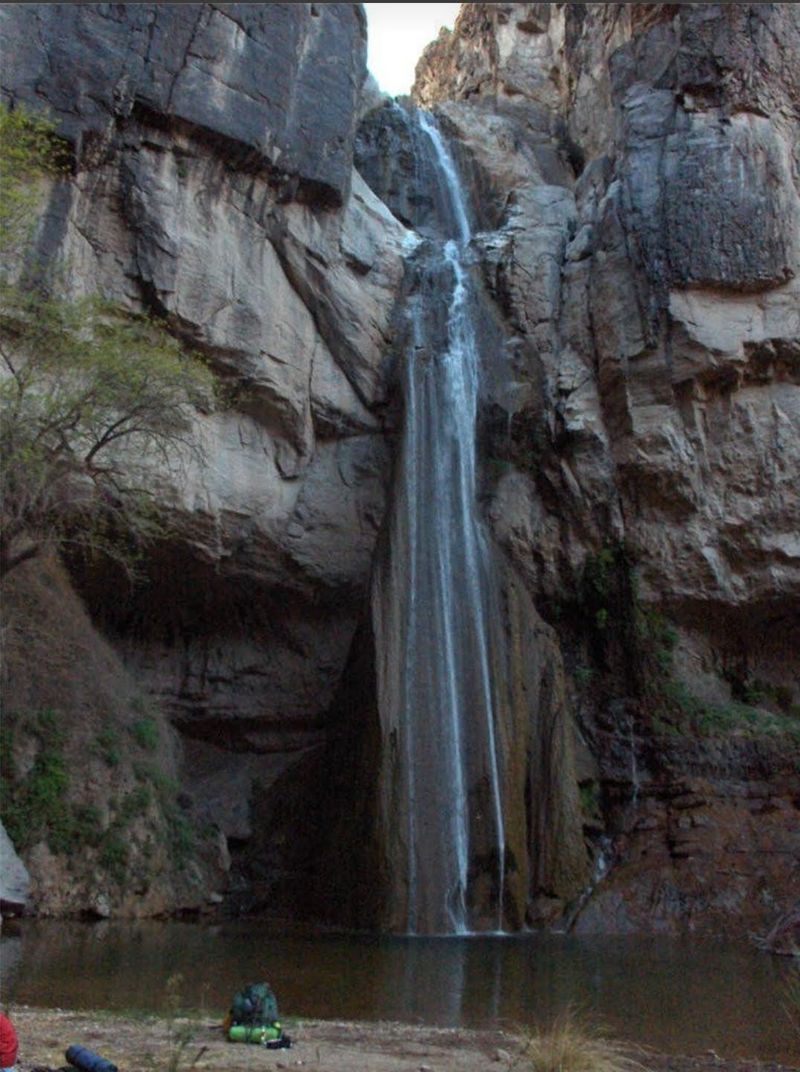
West Texas surprises visitors with Capote Falls, a hidden gem on private ranchland that requires permission to access but rewards those who make the effort. At roughly 150 feet tall, this is one of the highest waterfalls in Texas, plunging over a cliff into a rocky canyon that feels more like New Mexico than the Lone Star State. The falls flow seasonally, usually after summer monsoons or winter rains, creating a dramatic spectacle in an otherwise arid landscape.
Getting here involves contacting local ranchers for access permission and potentially paying a small fee, since the waterfall sits on private property. The effort is worth it for adventurous travelers who want to see a side of Texas that few people experience. From Marfa, it’s about an hour’s drive on a combination of paved roads and ranch tracks, with the final approach requiring a four-wheel-drive vehicle and careful navigation.
The overlook provides stunning views of the falls and the surrounding canyon, with layers of volcanic rock and limestone creating a geologically fascinating landscape. Photographers love the way the desert light plays across the canyon walls, especially during golden hour when everything glows orange and pink. Because this area sees so few visitors, you’ll likely have the place entirely to yourself, creating an almost meditative experience of solitude and natural beauty.
Marfa’s quirky art scene and famous Prada installation make excellent additions to a Capote Falls trip, giving you cultural attractions to balance the outdoor adventure. The town has several good restaurants and unique accommodations, from vintage trailers to boutique hotels that cater to the artists and creatives who’ve made Marfa their home. Plan your visit during the wetter months between July and October for the best chance of seeing the falls at their most impressive, though even a trickle is beautiful in this stark desert setting.
7. McKinney Falls State Park (Austin)
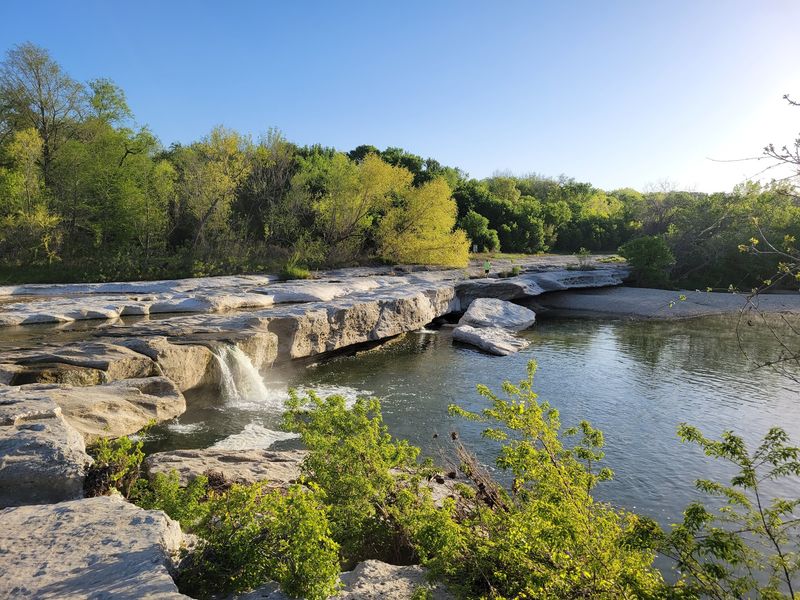
Austin’s backyard waterfall offers an easy escape without leaving the city limits, with two distinct falls along Onion Creek that flow year-round thanks to spring-fed water. Upper Falls drops about 6 feet over a wide limestone ledge, creating a perfect swimming hole that’s deep enough for a refreshing dip but gentle enough for families with young kids. Lower Falls sits downstream and features a more dramatic 8-foot drop that looks especially impressive after heavy rains when the creek swells with runoff.
From the park headquarters, it’s less than a mile to reach either waterfall on well-maintained trails that wind through juniper and oak trees. The paths are popular with joggers and dog walkers from nearby neighborhoods, giving the park a friendly, community feel that’s different from more remote natural areas. Bike trails crisscross the property, and you can rent bikes in Austin if you don’t have your own, making this an excellent destination for an active afternoon.
The ruins of Thomas McKinney’s homestead sit near the upper falls, offering a glimpse into Texas history from the 1850s when this area was frontier territory. Interpretive signs explain the site’s significance and the life of early settlers who chose this spot specifically because of the reliable water source. Swimming is allowed when water quality tests come back clean, which is most of the time outside of heavy rain events that can stir up bacteria.
During summer weekends, the swimming holes can get crowded with locals seeking relief from triple-digit temperatures, so weekday visits or early morning arrivals work best if you prefer a quieter experience. The park has campsites with water and electricity if you want to pretend you’re far from civilization while still being minutes from Austin’s restaurants and attractions. At $6 per person for day use, this might be the most affordable waterfall experience in Texas, with the added bonus of being accessible by city bus for those without a car.
Share this story