Texas has plenty of famous attractions, but the best adventures often happen in places most people drive right past. Scattered across the state are quirky museums, natural wonders, and historic spots that don’t make it onto typical tourist maps. These ten destinations show you a different side of Texas, where underground caves, vintage trains, and mysterious lights wait to surprise anyone willing to take a detour.
1. Caverns of Sonora (Sonora)
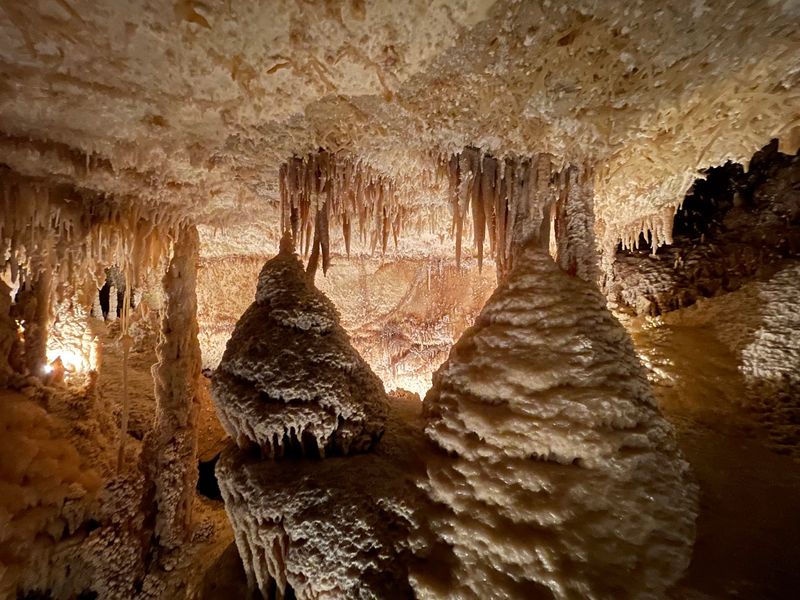
West Texas hides one of the most stunning underground landscapes in the country, where crystalline formations grow in impossible directions. The calcite structures here developed over millions of years into shapes that seem to defy gravity. Geologists consider this spot among the most beautiful cave systems anywhere, yet it stays refreshingly uncrowded compared to other tourist caves.
Your guided tour winds through rooms filled with what cavers call “butterfly” formations because of their delicate wing-like shapes. Helictites twist and curl in every direction, looking more like frozen sculptures than natural rock. The lighting system highlights these features without overwhelming them, letting you appreciate the subtle colors and intricate details.
Plan about two hours for the main tour, which covers around a mile and a half of walking. The temperature stays at a comfortable 70 degrees year-round, making it perfect for escaping summer heat. Wear shoes with good grip since some sections involve stairs and uneven surfaces.
Photography enthusiasts should ask about special photo tours that allow tripods and longer stops. Regular tours move at a steady pace to accommodate all visitors. Kids generally love the adventure of going underground, though strollers won’t work on the trail.
The drive to Sonora takes you through classic ranch country with wide-open views. Small-town charm greets you when you arrive, with local restaurants serving hearty Texas meals. This combination of natural wonder and authentic West Texas atmosphere makes the trip memorable beyond just the cave itself.
Book ahead during peak seasons since tour sizes stay intentionally small to protect the formations.
2. Beer Can House (Houston)
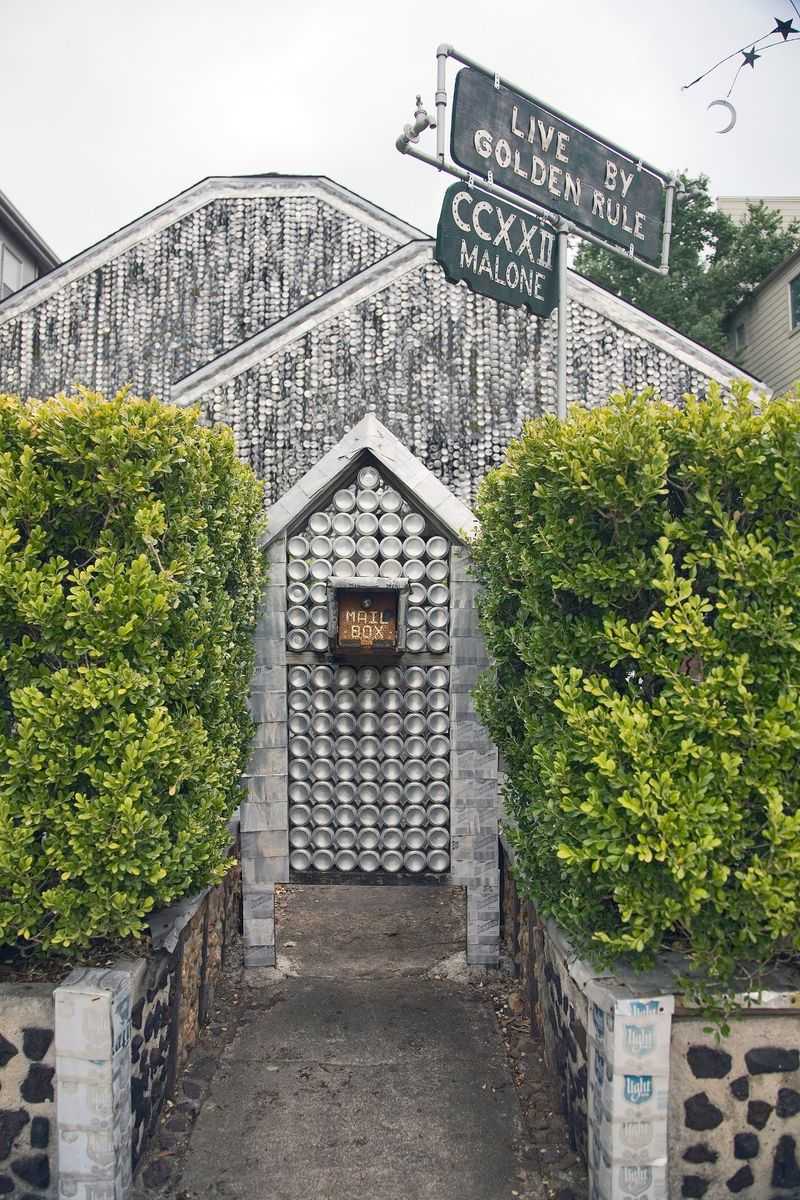
John Milkovisch started covering his house with beer cans in 1968, and what began as a retirement project became one of Houston’s most photographed folk art landmarks. Flattened aluminum cans create shimmering siding that catches sunlight like metallic fish scales. Curtains made from pull tabs clink and jangle in the breeze, creating an oddly musical soundtrack to your visit.
Walking around the property reveals the incredible dedication behind this creation. Milkovisch used an estimated 50,000 cans over nearly two decades, transforming every surface into gleaming artwork. Bottle caps form intricate patterns on walls and fences.
Even the garage and workshop got the full treatment, turning a typical suburban lot into something completely unexpected.
The Orange Show Center for Visionary Art now maintains the property and offers guided tours on weekends. Docents share stories about Milkovisch’s process and personality, painting a picture of a man who simply enjoyed working with his hands. He wasn’t trying to make a statement about consumerism or recycling, he just thought it looked interesting and kept going.
Houston’s heat makes the aluminum siding shimmer and dance, creating different visual effects depending on the time of day. Morning light produces softer tones while afternoon sun creates almost blinding reflections. The surrounding neighborhood remains quietly residential, making the house feel even more surreal when you turn the corner and see it.
Admission fees support the preservation of this unique piece of Texas outsider art. The tour takes about 45 minutes, leaving plenty of time to explore other Houston attractions. Bring your camera because this place photographs unlike anywhere else in the state, guaranteed to make your friends ask where on earth you found it.
3. Monahans Sandhills State Park (Monahans)
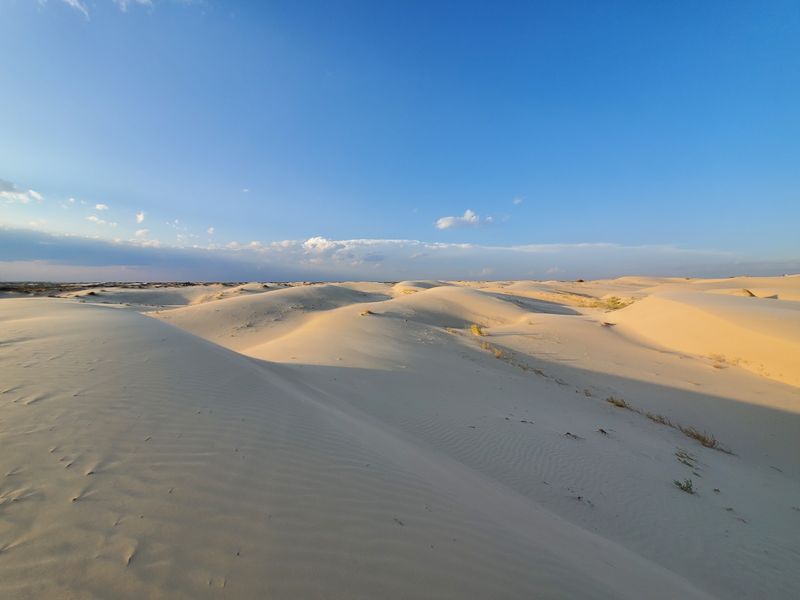
Massive sand dunes roll across West Texas like waves frozen mid-motion, creating a landscape that looks transplanted from the Sahara. The sand here stays loose and fine, perfect for the park’s most popular activity: renting plastic saucers and sledding down the slopes. Adults and kids alike discover that sand sledding delivers the same thrills as snow sledding, just with better weather and no need for heavy coats.
The dunes shift constantly with wind patterns, meaning the landscape literally changes shape between visits. Some peaks reach 70 feet high, offering surprising elevation in this flat region. Hiking to the top rewards you with panoramic views of an ocean of sand stretching toward the horizon.
Early morning or late afternoon provides the best lighting for photography and the most comfortable temperatures. Midday summer heat can make the sand scorching hot, so plan accordingly. The golden hour before sunset paints the dunes in rich amber tones that seem to glow from within.
Despite the desert appearance, hardy plants manage to survive here, including shinnery oak that stays low to avoid wind damage. You might spot lizards darting between shadows or birds riding thermal currents above the dunes. The ecosystem adapts to extreme conditions in fascinating ways.
The park includes a small museum explaining the geological history of these ancient dunes, which formed thousands of years ago. Camping facilities let you experience the surreal quiet of a West Texas night, where stars multiply across an ink-black sky. Day visitors should bring plenty of water since the dry air and physical activity of dune climbing create serious thirst.
Sled rentals cost just a few dollars and provide hours of entertainment. The park stays surprisingly uncrowded even on weekends, giving you space to explore this unexpected Texas landscape.
4. Leonabelle Turnbull Birding Center (Port Aransas)
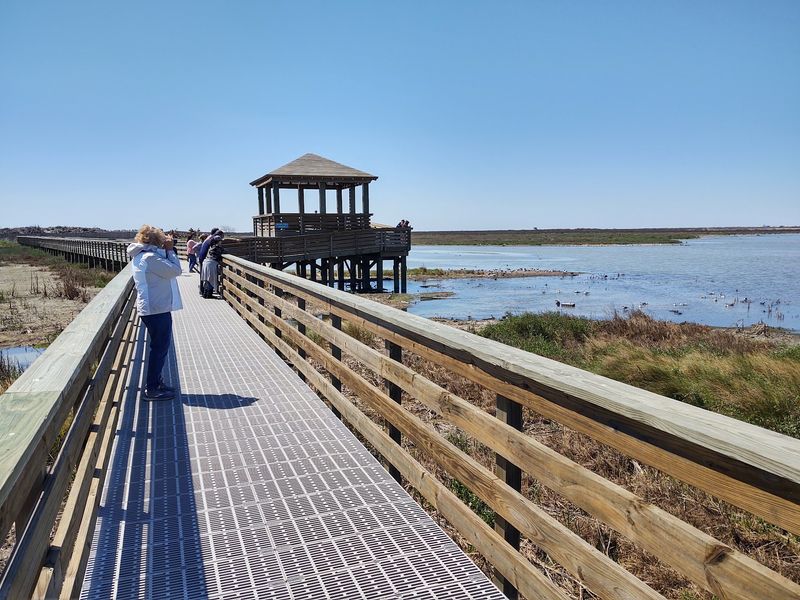
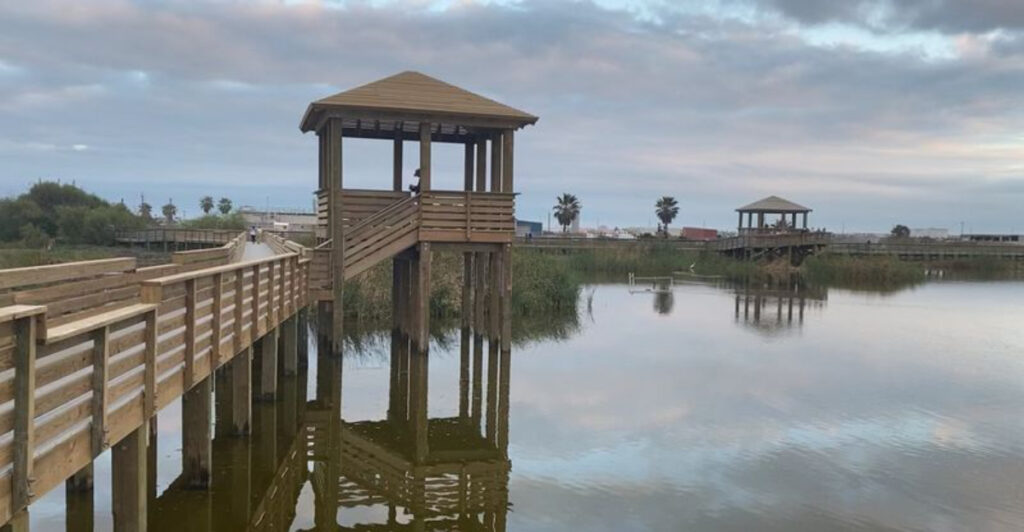
Elevated boardwalks carry you over coastal wetlands where hundreds of bird species stop during migration or make permanent homes. The viewing platforms put you at eye level with roseate spoonbills, whose shocking pink feathers seem almost artificial against the muted marsh colors. Bring binoculars and a field guide because you’ll want to identify everything you see.
The center sits along the Central Flyway, making it prime territory during spring and fall migration seasons. Warblers, tanagers, and orioles pass through in waves of color and activity. Patient observers often spot rare species that birdwatchers travel hundreds of miles hoping to glimpse.
Even casual visitors without serious birding experience find the place captivating. The boardwalk design lets you walk quietly through habitats without disturbing wildlife. Interpretive signs explain what you’re seeing and why this ecosystem matters for both resident and migrating birds.
Alligators occasionally sun themselves on mudflats below the boardwalk, adding an extra thrill to your visit. They’re generally lazy and unconcerned with human observers above them. Still, the reminder that you’re walking through genuine wild habitat makes everything feel more authentic.
Early morning produces the most bird activity as species feed after the cool night. The light quality also improves photography, with softer tones and fewer harsh shadows. Pack insect repellent during warmer months since mosquitoes appreciate the wetlands as much as the birds do.
The entire loop takes about an hour at a leisurely pace, though serious birders often spend half a day here. Free admission makes it an easy addition to any Port Aransas visit. Local restaurants and beaches sit just minutes away, but this quiet refuge offers a completely different coastal experience.
Download a birding app before you go to help identify species and keep a list of your sightings.
5. Newman’s Castle (Bellville)
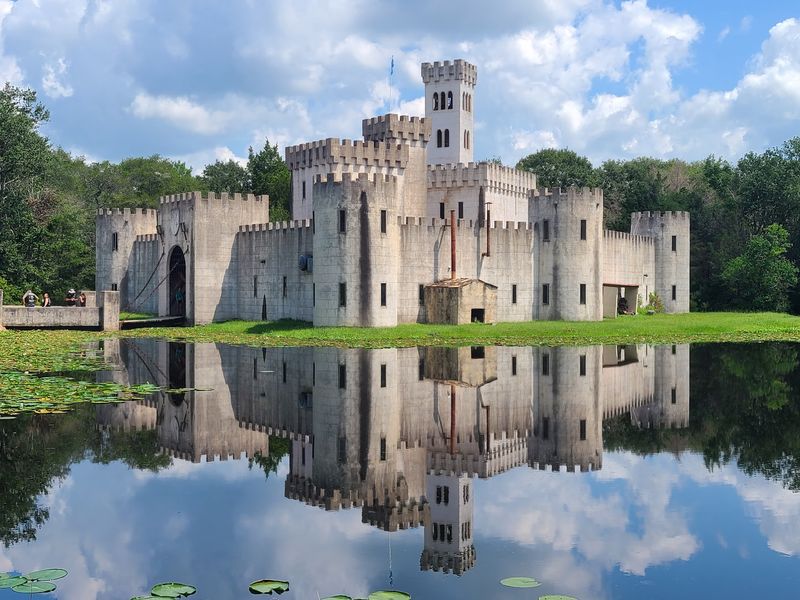
A full-scale medieval castle rises from the Texas countryside like something from a fever dream, complete with stone towers and crenellated walls. Mike Newman spent decades building this fortress by hand, mixing European castle design with pure Texas determination. The result challenges everything you expect to see in rural Austin County.
Construction began in the 1990s using traditional masonry techniques and materials Newman sourced himself. He studied medieval architecture to get proportions and details right, creating something that looks genuinely ancient rather than theme-park fake. The dedication shows in every archway and battlement.
Public access varies since this remains private property, but special events and occasional tours let visitors explore the grounds. The exterior alone impresses with its scale and craftsmanship. Towers reach several stories high, offering views across the surrounding farmland that probably hasn’t changed much in a century.
The contrast between the castle and its setting creates the main appeal. Cattle graze in nearby pastures while a stone fortress looms in the background. It’s the kind of unexpected juxtaposition that makes Texas endlessly interesting, where someone’s personal vision can become a landmark.
Newman’s project represents Texas-sized ambition applied to medieval fantasy. He didn’t build a castle-themed house or a facade, he constructed an actual fortification using stone and mortar. The work continues even now, with new sections and improvements added over time.
Photography from the road captures the surreal quality of a castle among the cows. Bellville itself offers small-town charm with antique shops and local eateries. The whole area invites slow exploration rather than rushed sightseeing.
Check ahead for current access policies since tour availability changes. Even if you can’t go inside, the drive past this architectural oddity makes for one of those “only in Texas” moments. The castle proves that with enough time and determination, you can build anything anywhere.
6. Texas State Railroad – Palestine Depot (Palestine)
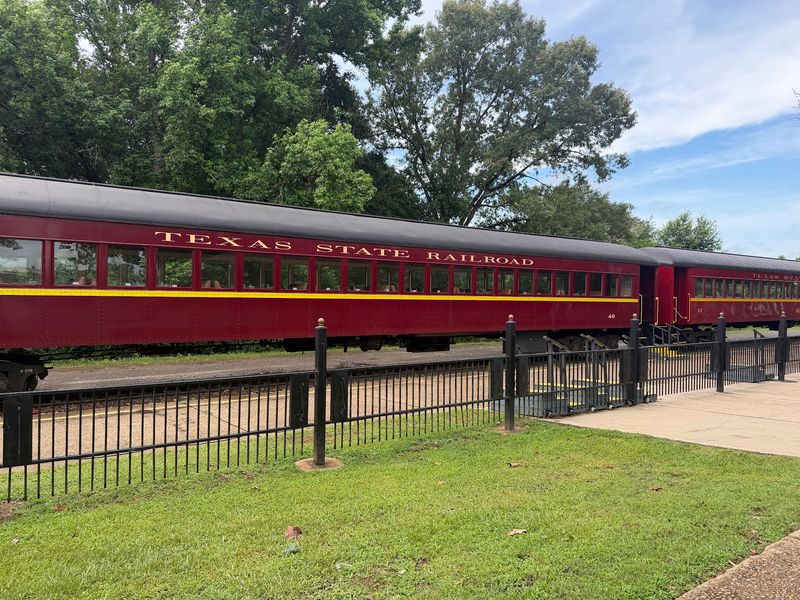
Steam engines still chug through the Piney Woods on one of the longest and most scenic heritage railroad rides in the state. The journey between Palestine and Rusk covers 25 miles of forest, farmland, and small-town Texas that looks much like it did generations ago. Restored vintage passenger cars add authentic period detail to the experience.
The railroad dates back to 1896 when it served prison work crews harvesting timber and iron ore. After decades of commercial use, the state converted it into a tourist attraction that preserves both the equipment and the experience of early rail travel. Engines include both steam and diesel locomotives, with steam runs offering the most nostalgic atmosphere.
Your journey takes about four hours round trip, including a layover at the opposite depot. Windows open to let in fresh air and the rhythmic sounds of wheels on rails. The gentle rocking motion and unhurried pace create a meditative quality that modern travel completely lacks.
Special themed rides run throughout the year, from murder mystery dinners to polar express events during holidays. Regular excursions focus on the landscape and history, with narration explaining what you’re seeing. Fall foliage season transforms the route into a tunnel of gold and crimson.
The Palestine depot itself deserves exploration, with historical exhibits and a gift shop selling railroad memorabilia. Restored railcars sit on display tracks, letting you peek inside different eras of passenger comfort. The whole facility feels like a working museum where history still moves.
Families appreciate the novelty of train travel without the stress of long distances. Kids can move between cars and watch the scenery roll past. The experience works equally well for railroad enthusiasts and casual visitors looking for something different.
Book tickets in advance for popular dates since capacity limits keep rides comfortable. Bring snacks and drinks for the journey, though concessions are available. The slow pace and vintage setting create the perfect environment for conversation and genuine relaxation.
7. Marfa Lights Viewing Area (Marfa)
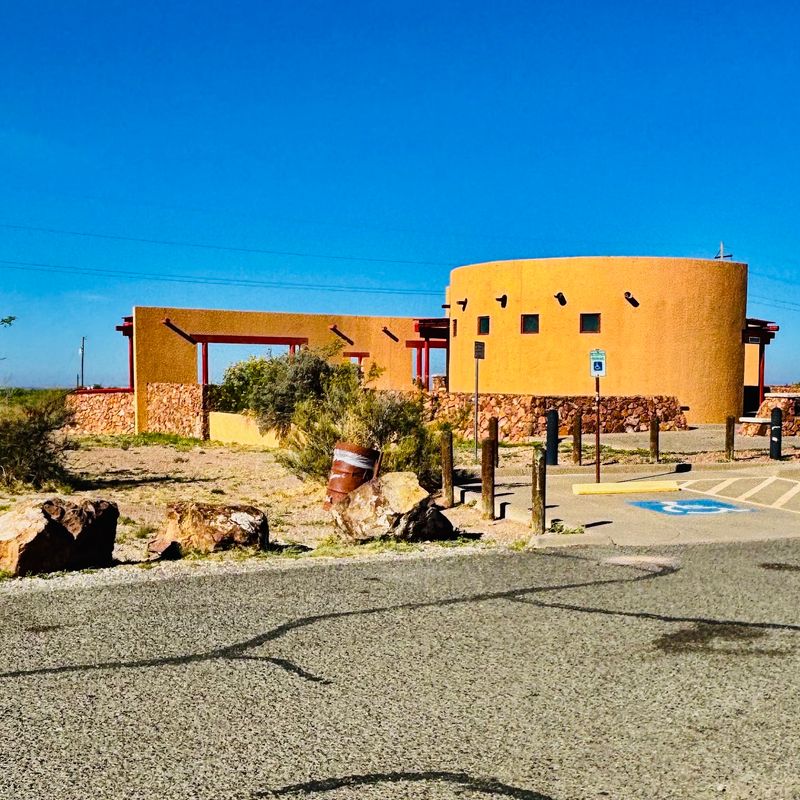
Mysterious lights dance across the desert horizon on many clear nights, baffling observers for over a century. Scientists, skeptics, and believers all have theories, but nobody’s definitively explained what causes these glowing orbs to appear and disappear. The official viewing area gives you a front-row seat to one of Texas’s most enduring mysteries.
Reports of unexplained lights near Marfa date back to the 1880s, with cowboys and settlers describing strange illuminations moving through the darkness. Modern observers see the same phenomenon: colored lights that split, merge, and move in ways that don’t match car headlights or other obvious sources. Some nights produce spectacular shows while others stay quiet.
The viewing platform sits about nine miles east of town with clear sightlines toward the Chinati Mountains. Interpretive signs explain the history and various theories without pushing any particular explanation. Bring binoculars and patience since the lights appear on their own schedule.
Visiting after dark obviously provides the best chance of seeing something unusual. Clear nights with minimal moon work best for spotting faint lights against the blackness. Dress warmly since desert temperatures drop significantly after sunset, even in summer.
The experience combines natural beauty with genuine mystery. Stars multiply overhead in numbers city dwellers never see, while the vast emptiness of West Texas surrounds you. Whether or not the lights appear, the setting itself justifies the stop.
Marfa’s art scene and quirky culture make the town worth exploring during daylight hours. Gallery hopping, vintage shopping, and excellent food fill the day before your evening light watch. The combination of high desert landscape and creative energy creates an atmosphere unlike anywhere else in Texas.
Photography proves challenging since the lights appear distant and unpredictable. Some visitors capture interesting images while others get nothing but darkness. Either way, the attempt adds to the adventure of chasing an unsolved mystery in the middle of nowhere.
8. Round Top Antiques District (Round Top)
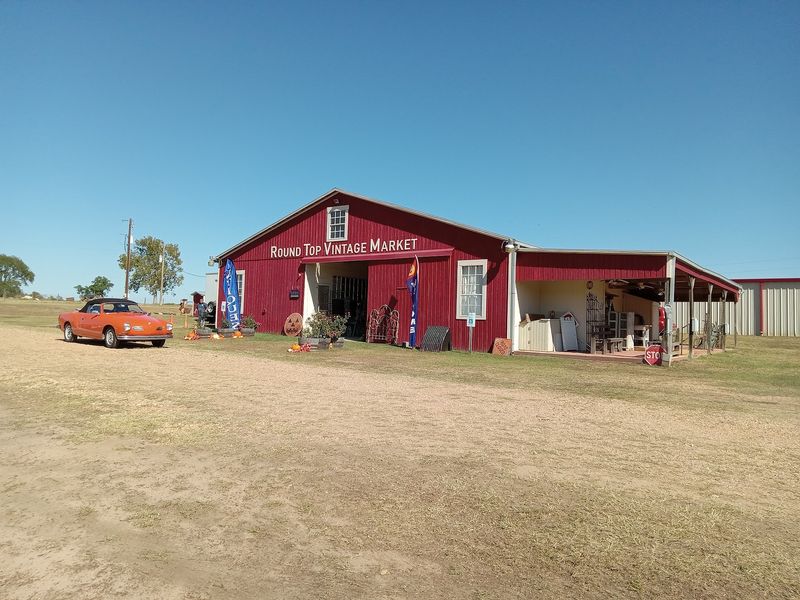
Twice yearly, this tiny town of fewer than 100 residents transforms into the largest antiques fair in the United States. Vendors arrive from across the country and around the world, filling fields, barns, and tents with everything from French armoires to Texas primitives. The spring and fall shows turn quiet country roads into treasure-hunting destinations.
The main events span two weeks, though serious shoppers know the best finds often happen during early setup days. Multiple show fields spread across the area, each with its own character and specialties. You’ll need a vehicle to cover all the locations since they stretch for miles along rural highways.
Merchandise ranges from museum-quality antiques to charming junk, with prices to match every budget. Architectural salvage sits next to vintage linens, garden statuary beside retro signs. The variety means you never know what might catch your eye around the next corner.
Between shopping, stop at local restaurants that get creative with limited kitchen space and huge crowds. Food trucks supplement traditional dining options, offering everything from barbecue to gourmet sandwiches. The whole scene feels like a giant, sophisticated flea market with a distinctly Texas flavor.
Even outside show weeks, Round Top maintains several year-round antiques shops worth browsing. The town’s restored buildings and peaceful atmosphere make it pleasant for wandering. Nearby Winedale hosts a historic site with early Texas buildings and beautiful grounds.
Bring cash since some vendors prefer it, though most accept cards now. Wear comfortable shoes because you’ll walk miles browsing the various show fields. Wagons or carts help transport purchases back to your vehicle.
Accommodations book solid during show weeks, often a year in advance. Day tripping works fine if you start early and pace yourself. The combination of serious antiques, casual browsing, and rural Texas scenery creates an experience that brings people back year after year, whether they need more furniture or not.
9. Natural Bridge Caverns (San Antonio)
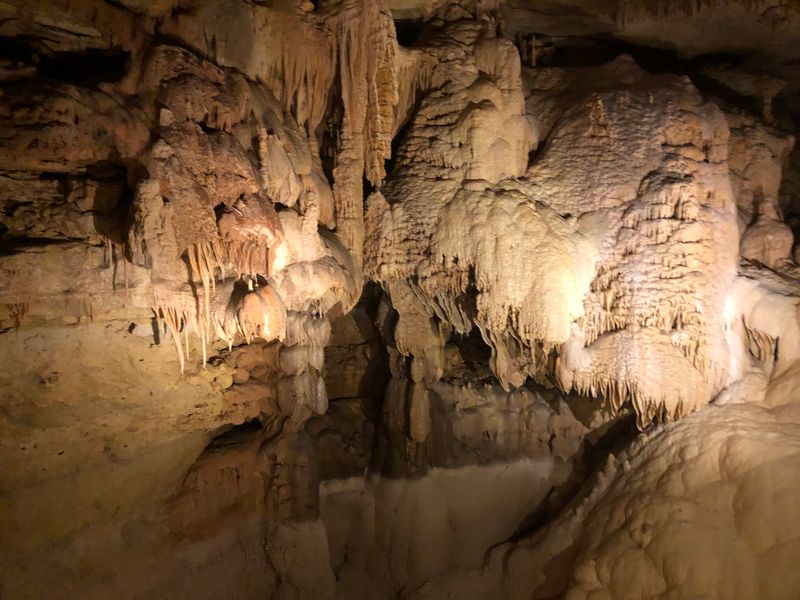
The largest commercial caverns in Texas sprawl beneath the Hill Country in a labyrinth of rooms filled with spectacular formations. The namesake natural bridge spans 60 feet at the entrance, giving you a preview of the massive scale inside. Multiple tour options let you choose between easy walks and adventurous crawls through undeveloped passages.
Discovery tours follow paved trails past towering columns and delicate soda straws hanging from ceilings. The largest room could swallow a football field with space to spare. Formations continue growing as mineral-rich water drips through limestone, adding microscopic layers that accumulate over millennia.
Adventure tours take you off the developed paths into muddy, tight spaces where you’ll need helmets and a sense of humor about getting dirty. These experiences show you how cavers first explored these passages, crawling through unknown darkness to map new territory. The contrast between polished tourist caves and raw exploration proves dramatic.
Above ground, the property includes zip lines, a ropes course, and a maze built into an old limestone quarry. These additions make the destination work for groups with different interests and energy levels. Some family members can tour caves while others seek adrenaline rushes overhead.
Summer temperatures make the cave’s constant 70 degrees especially appealing, though the humidity stays high year-round. Bring a light jacket since the coolness feels more significant after you’ve been walking awhile. Photography policies vary by tour, so check if you want to bring a camera.
The location sits about 30 minutes from downtown San Antonio, making it easy to combine with city attractions. School groups and tourists fill peak times, so early morning visits tend to be less crowded. Special events like summer bat flights add seasonal interest beyond the cave itself.
Plan at least half a day to enjoy both underground and surface activities. The gift shop sells rocks, minerals, and cave-themed souvenirs. Educational displays explain cave formation and the unique ecosystem that exists in total darkness.
10. Devil’s Sinkhole State Natural Area (Rocksprings)
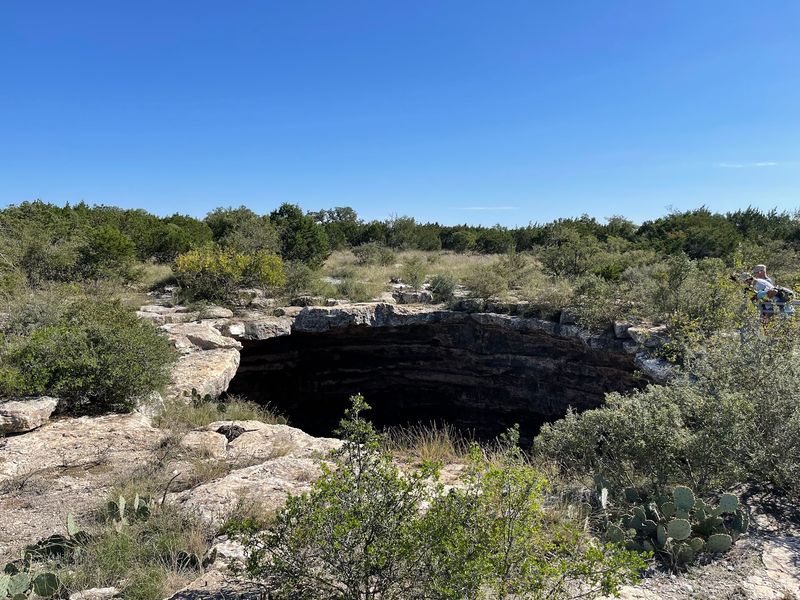
A gaping hole in the earth drops 350 feet straight down into a cavern so large it has its own weather system. The vertical shaft measures about 40 feet across at the surface, opening into a much larger chamber below. This geological wonder serves as home to millions of Mexican free-tailed bats that emerge each summer evening in a spiraling cloud.
Access requires advance reservations since the site stays carefully protected. Guided tours bring small groups to the observation platform where you can peer into the depths. The scale becomes apparent when your eyes adjust to the darkness and you realize how far down the bottom sits.
Bat flights happen from May through October when the colony returns from winter migration. As darkness approaches, the animals begin streaming out in a continuous ribbon that can last over an hour. The sound of millions of wings creates a rushing noise that echoes from the sinkhole.
The formation itself resulted from the collapse of an underground cavern ceiling thousands of years ago. Water erosion hollowed out the limestone until gravity finished the job. Now the opening provides perfect bat habitat, with the chamber below offering protection from predators and weather.
Tours include information about the geology, ecology, and the bats themselves. Rangers explain how these animals consume tons of insects nightly, providing natural pest control for the surrounding ranch country. The educational component adds depth beyond just watching the spectacle.
The remote location means you’ll drive through miles of beautiful Hill Country to reach the site. Rocksprings offers basic services and genuine small-town hospitality. The whole trip feels like discovering something few people know exists.
Bring binoculars for better views into the sinkhole and to watch bats against the darkening sky. Insect repellent helps since you’ll be outside during prime mosquito hours. The combination of geological drama and wildlife spectacle makes this one of the most unique natural areas in Texas.
Share this story