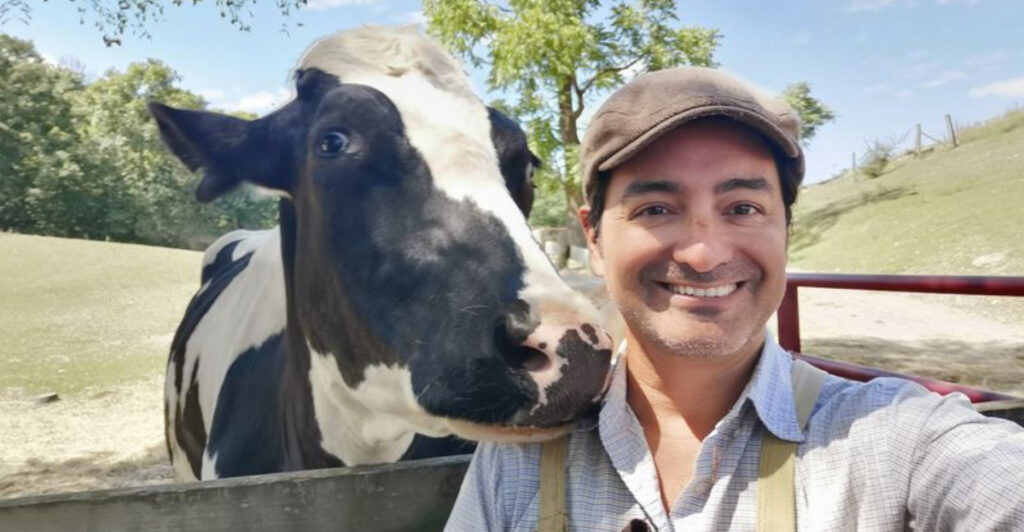
A red-tailed hawk fixes you with a stare from ten feet away. A rescued goat noses toward your sleeve.
Somewhere nearby, a pig decides the mud is more interesting than you are. New Jersey’s animal rescues are full of moments like these, and they feel very different from a conventional zoo visit.
Many of the animals here arrived injured, abandoned, neglected, surrendered, or simply unable to return to the wild. Visiting means seeing those second chances at close range while supporting the people who make them possible.
The experiences range from quiet aviary trails and guided sanctuary tours to open farm days where chickens may wander across your path like they own the place. Some stops are free, others are ticketed, and a few require advance reservations.
What they share is a chance to meet animals as individuals, hear how they got there, and leave with a much better story than “we saw some animals.”
1. The Raptor Trust – Millington
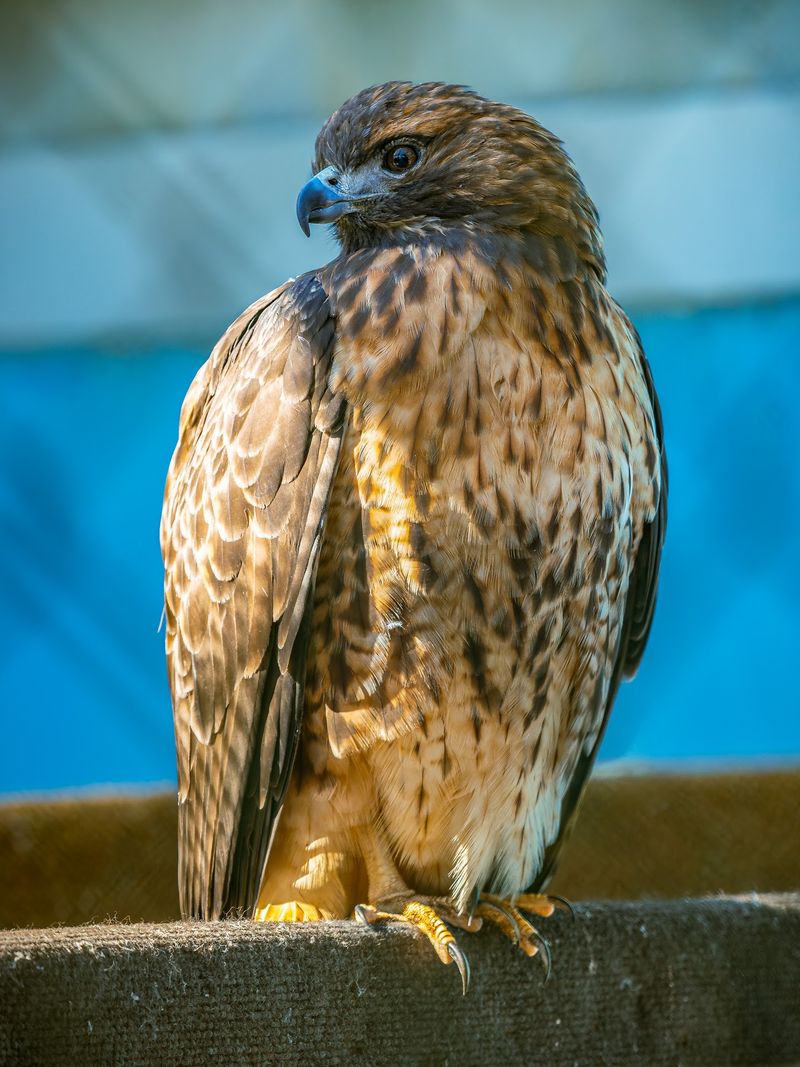
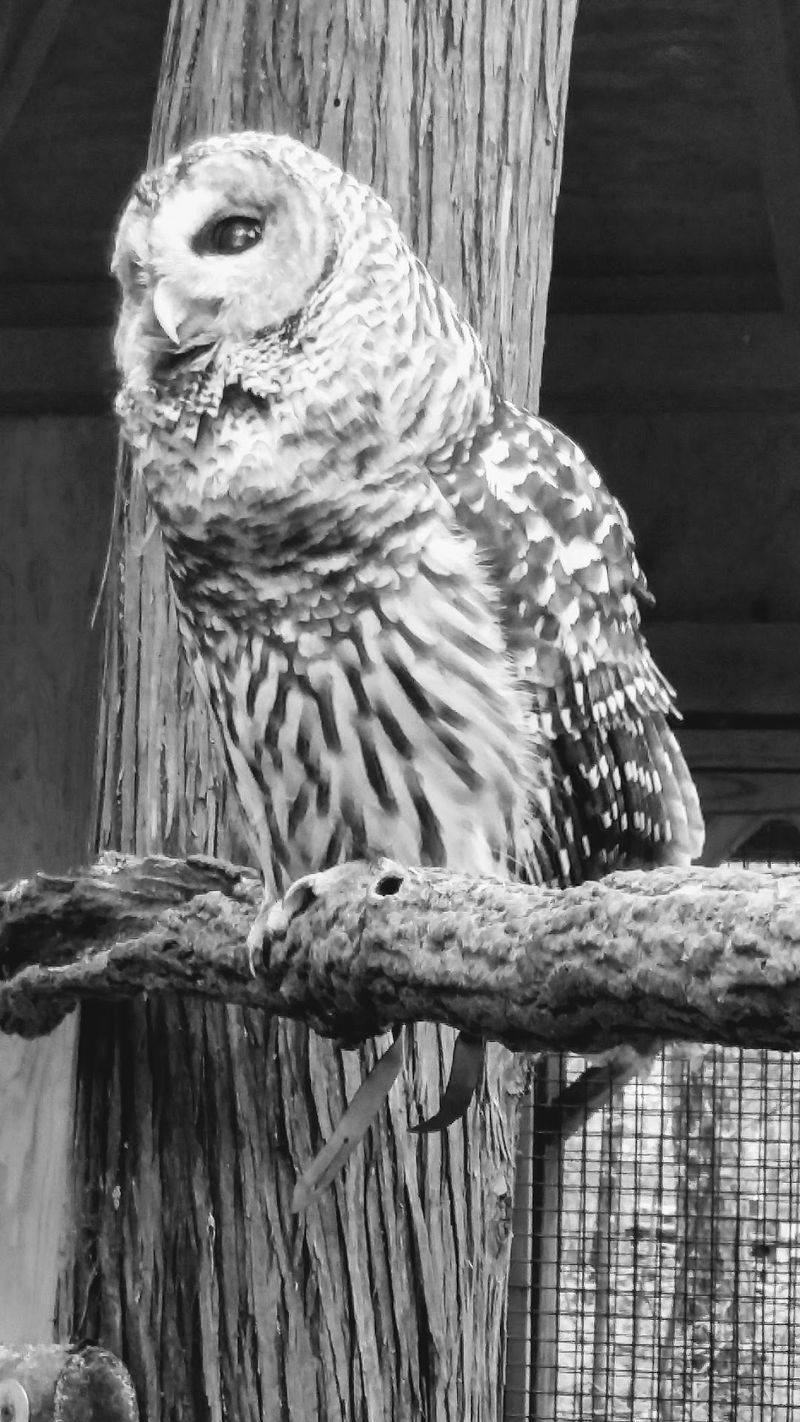
A barred owl can stop a conversation here without making a sound. The Raptor Trust, set beside the Great Swamp area in Millington, is built around wild bird rehabilitation, but visitors get to meet the permanent residents that cannot safely return to the wild.
Roughly 50 disabled birds live in large outdoor aviaries along a gravel walking trail, so the experience feels more like a quiet woodland encounter than a traditional attraction.
Expect owls, hawks, falcons, vultures, and other birds of prey, with enough space to linger and notice details you would normally miss—the hooked beak, the feather pattern, the way an owl seems to look straight through you.
The important distinction is that the active rehabilitation areas stay private. Those patients need minimal human contact if they are going to recover and be released, while the resident birds serve an educational role.
That makes the public trail both interesting and unusually respectful of the rescue work happening behind the scenes. The Trust is open seven days a week, weather permitting, with longer hours between Memorial Day and Labor Day and shorter winter hours.
Wear shoes that handle gravel, keep the volume down, and leave pets at home. For an even closer look, check the schedule for educational programs and guided experiences featuring live raptors.
2. Woodford Cedar Run Wildlife Refuge – Medford
Half a mile around Cedar Run Lake is enough to turn a simple animal visit into a proper South Jersey nature outing. The 171-acre refuge in Medford combines a wildlife rehabilitation hospital, a nature center, forest trails, and a permanent wildlife housing area, so there is more to do than move from enclosure to enclosure.
Start inside, where the Reptile Room introduces visitors to live snakes and turtles, then head outdoors across the bridge or take the lake loop toward the resident animals.
Hawks and owls are regular highlights, but foxes, a skunk, and other native species make the walk feel distinctly New Jersey rather than like a collection assembled from around the world.
The animals on public view are there because they cannot care for themselves in the wild, while the hospital’s releasable patients remain focused on recovery. That mission gives the place a nice balance: kids can get excited about seeing an owl up close, and adults still come away understanding why wildlife rehabilitation often means keeping human interaction limited.
There are about three miles of trails if you want to stretch the visit, and the route through the wildlife housing area is rustic but navigable for strollers and wheelchairs. Cedar Run is open daily, though hours and admission can change seasonally, so check before driving over.
Give yourself enough time for both the animals and the woods; rushing the lake loop misses half the point.
3. Popcorn Park Animal Refuge – Forked River
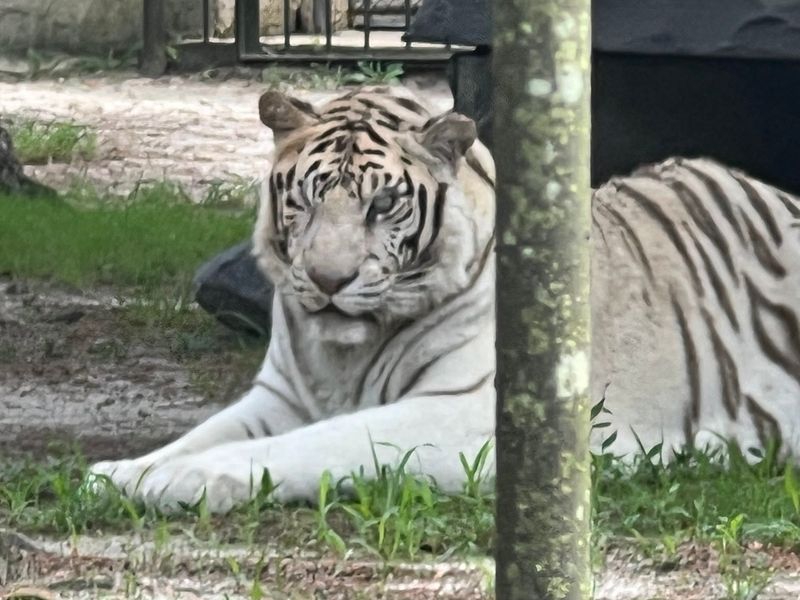
One minute you are watching a primate, the next you are passing a bobcat, and a few turns later you are standing near goats, pigs, or donkeys. That odd mix is exactly what makes Popcorn Park memorable.
The Forked River refuge has been taking in animals that faced abandonment, injury, inappropriate ownership, exploitation, or other difficult circumstances since the 1970s, and today more than 200 animals and birds live there.
The residents range from North American wildlife to farm animals and exotics, including big cats and primates, so this is the broadest lineup on the list.
It is also one of the easiest places to visit on a whim. The refuge is open daily from 10 a.m. to 4 p.m., weather permitting, with last admission at 3:30.
Adult admission is $12, while children ages 3 to 11 and seniors 62 and older are $7; children under 3 enter free. The pathways are sandy and unpaved, so sturdy shoes are smarter than anything precious, and standard strollers or wheelchairs can be awkward on the terrain.
Do not arrive expecting the old-school popcorn-feeding experience suggested by the name, either. Animal feeding is currently suspended because residents have specialized diets.
There is a picnic area outside the entrance, but outside food is not allowed inside. Come for the wonderfully unexpected animal mix; stay long enough to read the rescue stories that explain why each one ended up here.
4. Funny Farm Rescue & Sanctuary – Mays Landing
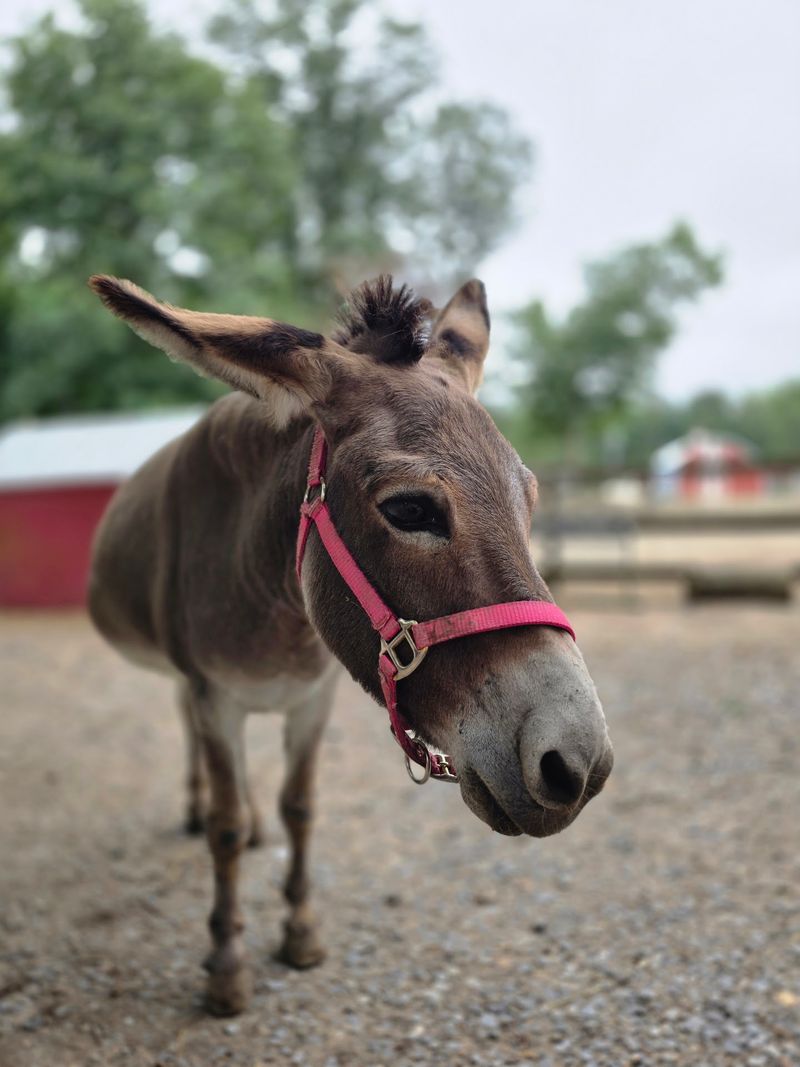
Expect your personal space to become negotiable. At Funny Farm, many of the more than 600 rescued animals roam freely, which means a visit can involve chickens crossing your path, goats investigating what you are carrying, and the general feeling that the animals are running the place while the humans handle logistics.
The Mays Landing sanctuary takes in abused, abandoned, unwanted, and special-needs animals, with residents ranging from familiar farm animals to creatures you would not necessarily expect to meet on the same property. That loose, slightly chaotic energy is the appeal.
This is not a polished walk past perfectly staged habitats; it is a working rescue where animals have personalities, routines, friendships, and a habit of appearing exactly where you did not expect them. Admission and parking are free, and the sanctuary is currently open Sundays and Tuesdays from 8 a.m. to 4 p.m.
Visitors need to complete a waiver, which can be done ahead of time or on site. If you want to feed the animals, skip the carrots from your own kitchen and buy an approved $4 feed bucket from the General Store.
Closed-toe shoes are strongly recommended because, yes, it is a farm, and mud does not care about your outfit. There is also a snack bar, public restroom, and small store.
Give yourself time to wander slowly. The funniest moments here usually happen when you stop trying to plan them.
5. New Jersey’s Freedom Farm Animal Rescue – Cedarville
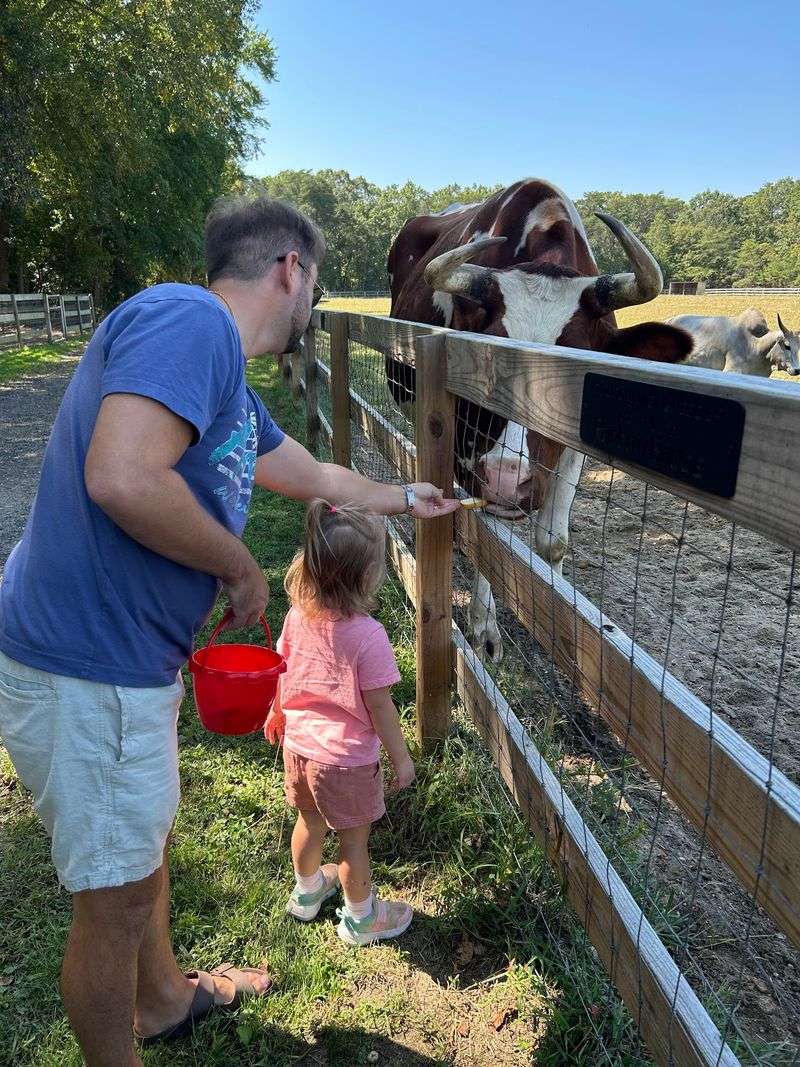
Saturday mornings in Cedarville can come with a pig snuffling nearby, roosters calling across the property, and the very real possibility that a goat becomes the most memorable character you meet all week.
Freedom Farm focuses on abused, abandoned, neglected, and otherwise homeless farmed animals, giving them food, veterinary care, shelter, and, when appropriate, a path toward a new home.
Its regular visitor days make that work visible rather than keeping the public at a distance. Guests can walk in, meet residents, and see what day-to-day sanctuary care actually looks like.
The animal population has grown to include the kinds of personalities that make farm sanctuaries addictive: pigs with strong opinions, cows that seem enormous at eye level, horses, goats, birds, and other rescued residents whose backstories are often much heavier than the visit itself feels.
The tone is compassionate without turning the day into a lecture.
You can enjoy the animals and still understand why they needed the sanctuary in the first place. Public visitor days are currently held Saturdays from 10 a.m. to 2 p.m. at the Cedarville property.
Outside food is not permitted for people or animals, so do not show up planning an impromptu feeding session. This is a good pick for anyone who wants the rescue mission front and center: you are not just looking at animals; you are seeing the long-term work that begins after the dramatic rescue is over.
6. Muddy Paws Farm Rescue – Southampton
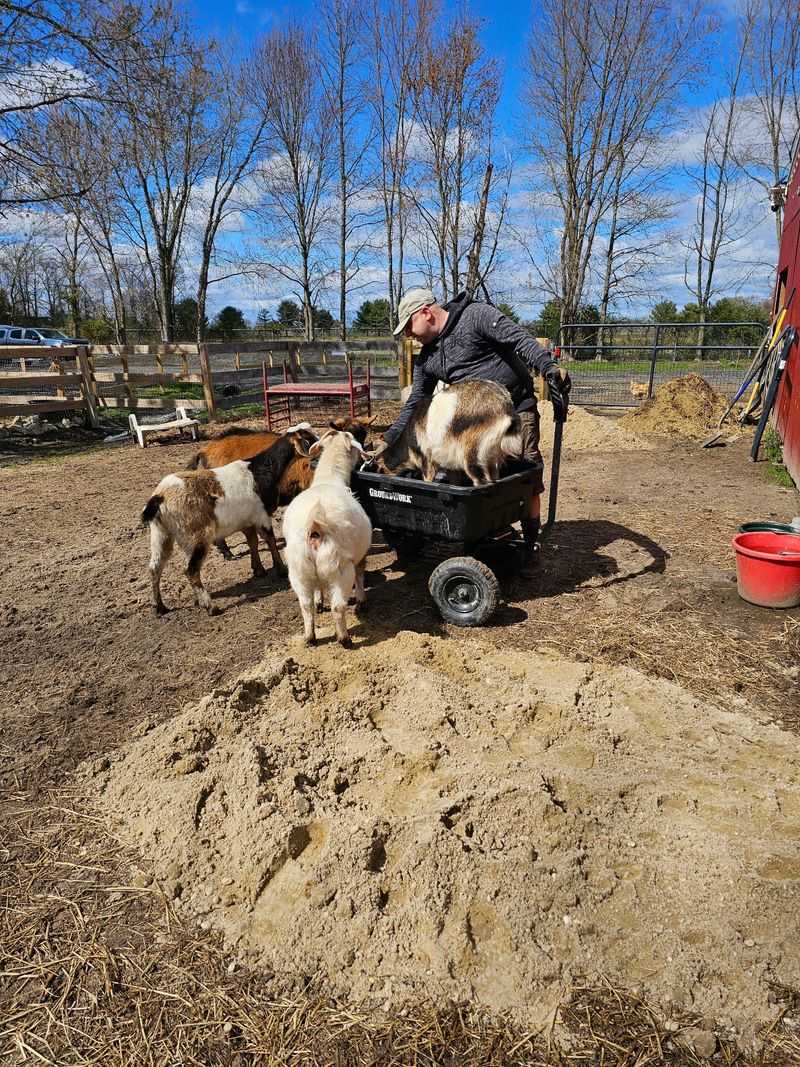
A bag of animal treats can turn you into the most popular person in Southampton Township very quickly. Muddy Paws is home to more than 100 rescued farm animals, and the experience is designed around slowing down, meeting them, and spending actual time on the property rather than squeezing in a quick photo stop.
Goats, sheep, donkeys, and other residents are the stars, but the farm’s relaxed setup is what makes it especially easy for families. Open-farm days let visitors wander, say hello to the animals, and use the playground, while special programs add more structure.
There are storytime sessions with rescue-animal meet-and-greets, private guided visits, educational group tours, birthday experiences, and even an off-road “Trails & Tales” tour that includes meeting and feeding residents.
If your goal is face-to-face interaction rather than simply viewing animals from a distance, this is one of the strongest choices on the list.
The farm currently opens to the public on Sundays, with no reservation required during regular open hours; other visits and experiences are available by reservation. Because posted Sunday hours have varied, checking the current schedule before leaving home is smart.
One more practical warning: GPS can send drivers toward the wrong driveway, so keep an eye out for the Muddy Paws sign on Retreat Road. Once you find it, do not over-schedule the rest of the day. Goats are excellent at turning a 20-minute plan into an hour.
7. Skylands Animal Sanctuary & Rescue – Wantage
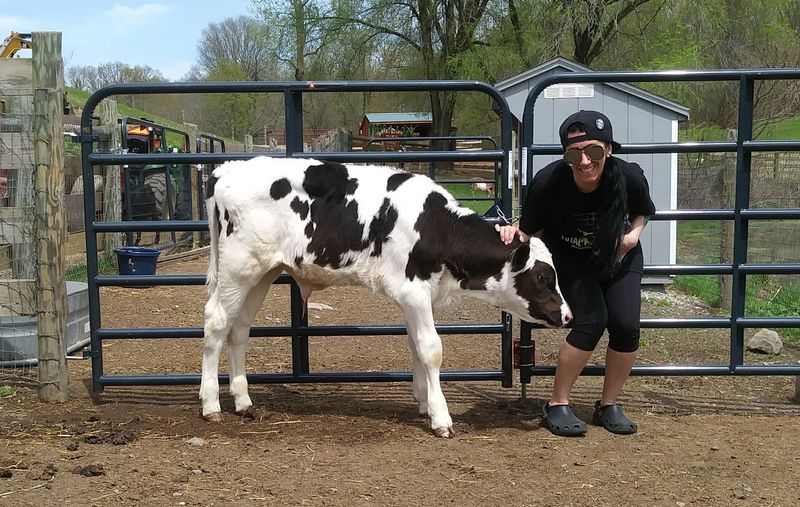
Up in Sussex County, the scale changes fast. Skylands spreads across 232 acres of pasture in Wantage and provides a home to more than 400 rescued farmed animals, so this feels less like a small petting farm and more like entering an entire landscape built around second chances.
Cows, pigs, goats, sheep, turkeys, chickens, and other residents live here after escaping or being removed from slaughter, neglect, abandonment, or other dangerous situations. The reason to take a tour is not simply to count how many species you see.
Skylands puts names and histories to the animals, which changes the encounter. A cow becomes the cow that escaped. A pig becomes the pig someone stepped in to save. Those individual stories give the big property an unexpectedly personal feel.
Tours are offered on weekends, with current times listed for 11 a.m. and 2 p.m., and calling ahead is the safest move, especially for groups. The sanctuary is about 54 miles from New York City, making it an easy North Jersey day trip without feeling remotely urban once you arrive.
This is also one of the places where the educational message is especially clear: Skylands advocates for farmed animals and promotes compassionate living, so visitors should expect the tour to discuss why the residents needed rescue in the first place. Come ready to listen as much as look.
The animals are the hook, but their stories are what stay with you.
8. Tamerlaine Sanctuary & Preserve – Montague Township
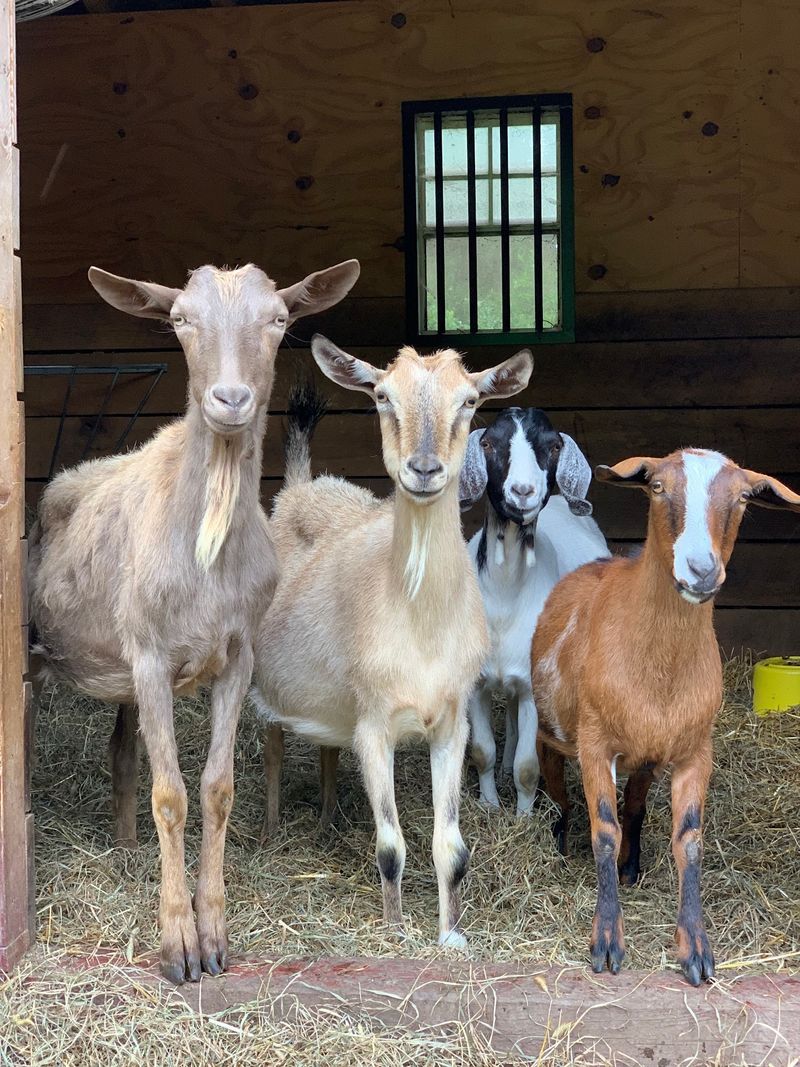
White-fenced paddocks, old barns, ponds, and rolling fields make the first impression, but the scale of the rescue work is what sticks.
Tamerlaine occupies 336 acres in Montague Township and is home to more than 250 rescued farm animals, many of them survivors of neglect, abandonment, factory farming, and other forms of exploitation.
The property is large enough to feel like a country retreat, yet tours keep the focus tightly on individual residents and the circumstances that brought them there.
You might spend part of the visit meeting cows, pigs, goats, sheep, chickens, or other animals, then hear a story that completely changes the way you see the quiet pasture in front of you.
Tamerlaine also works on habitat restoration and wildlife protection across the preserve, so the experience has a broader conservation layer that separates it from a standard farm sanctuary visit. Public tours are currently offered every weekend at noon, while private tours can be booked seven days a week.
Reservations are the sensible way to plan, especially if you are making the drive to New Jersey’s far northwest corner. The sanctuary is also notable for being accredited by the Global Federation of Animal Sanctuaries, a distinction tied to professional standards of animal care.
Do not treat this as a quick drop-in. The property is expansive, the stories have weight, and a guided visit is much better when you leave room to actually absorb both.
9. Orphan Anni-mals Farm Sanctuary – Glen Gardner
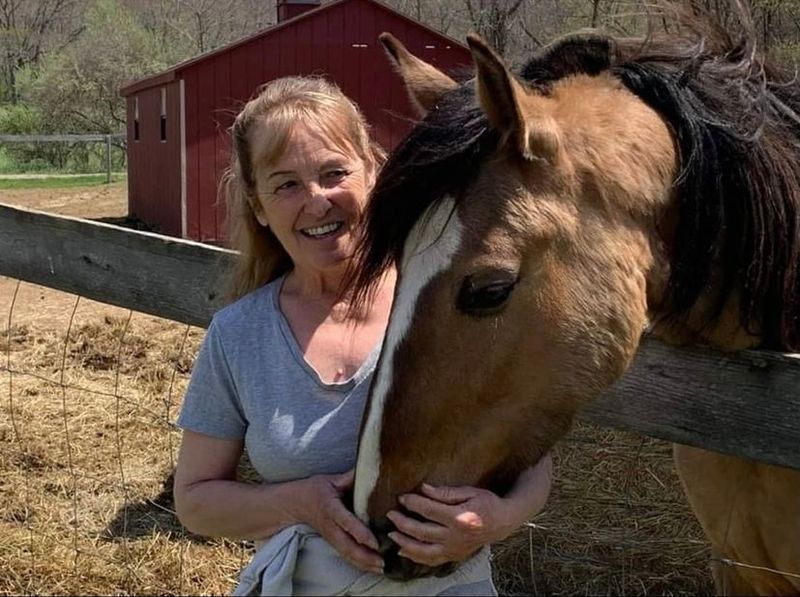
This is the kind of place you visit because you called ahead, not because a highway billboard told you to pull over. Orphan Anni-mals sits on 16 acres in Glen Gardner and has the intimate, hands-on feel of a rescue shaped around individual cases.
Founder Darla Daniel, a farrier by trade, began by helping injured horses and dogs before the work expanded to neglected, abandoned, and abused farm animals of many kinds. The sanctuary’s mission is unusually practical: rescue, rehabilitate, retire, and, when the right match exists, rehome.
That means a visit is less about seeing a fixed cast of permanent “attractions” and more about understanding how different animals need different outcomes. Horses are a major part of the story, and the sanctuary creates individualized care and training plans to help animals recover physically and behaviorally.
You may also meet other farm residents depending on who is currently in care. What makes the stop worthwhile is the smaller scale.
You are closer to the people doing the work, closer to the animals’ histories, and less likely to feel as though you are moving through a crowd. Tours are by appointment only, and the sanctuary asks visitors to call ahead for tour times and volunteer days.
That bit of planning is part of the experience, not an inconvenience. Orphan Anni-mals is best for visitors who want conversation, context, and a personal look at what rehabilitation looks like after an animal arrives with baggage.
10. Acres at Magnolia Sanctuary – Farmingdale
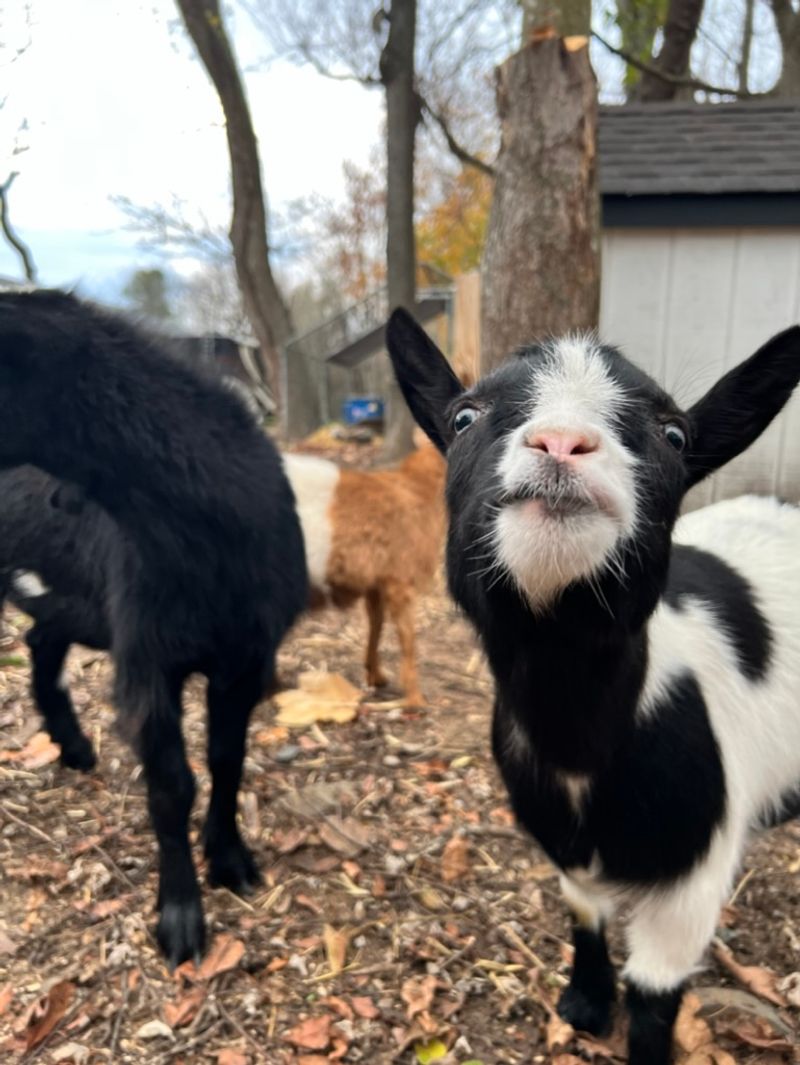
A self-guided walk here can introduce you to a retired horse, a rescue cow, a miniature horse with outsized confidence, and goats that seem very aware of who brought snacks.
Acres at Magnolia in Farmingdale combines a working family farm with a nonprofit sanctuary, and that pairing gives a visit more texture than a simple animal stop.
The sanctuary provides permanent homes for rescued and retired farm animals including horses, donkeys, miniature horses, cows, goats, sheep, chickens, ducks, and pigs. Many residents have detailed rescue histories, so reading their stories as you move around the property adds real meaning to the face-to-face encounters.
Some arrived through neglect cases, others were surrendered, and some were simply animals whose usefulness to previous owners had run out. Visitors can purchase tickets for self-guided sanctuary tours, with proceeds supporting lifelong care.
That format works especially well if you prefer wandering at your own pace rather than following a group. The farm side is worth a stop too: seasonal produce, eggs, local honey, cut flowers, and other goods are sold at the farmstand, with a portion of produce sales supporting the sanctuary.
Hours are seasonal, and the property also hosts rotating farm tours, family events, and animal programs, so checking the current calendar before visiting is essential. This is an easy one to pair with a Monmouth County outing, but do not rush through it.
The individual animal stories reward anyone who slows down enough to read them.
Share this story