Texas is packed with amazing places that don’t require a huge budget to enjoy. You can explore charming small towns, stunning natural landscapes, and unique cultural spots without spending a fortune on admission fees or activities. Many of the state’s most memorable destinations offer free or low-cost experiences that rival pricey vacation packages.
Whether you’re craving Hill Country views, coastal breezes, or quirky art scenes, these 13 day trips prove that unforgettable adventures don’t have to drain your wallet.
1. Wimberley (Texas Hill Country)
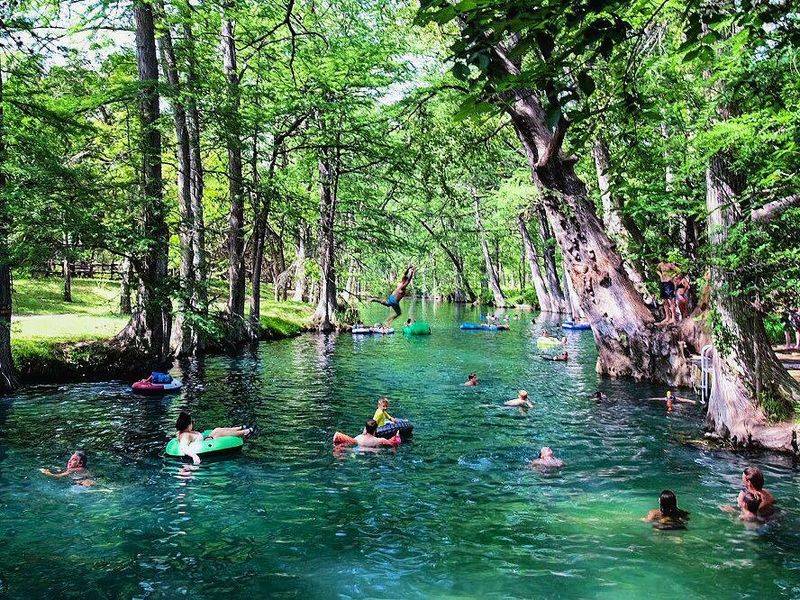
Tucked between rolling hills and fed by crystal-clear springs, this artistic village offers natural swimming holes that rival any resort pool. Blue Hole Regional Park charges just $9 per person for access to swimming areas surrounded by towering cypress trees and limestone cliffs. The water stays cool year-round, making it perfect for hot summer days when you need relief without the price tag of a water park.
Wimberley Square buzzes with local artisans, vintage shops, and galleries that don’t charge admission to browse. First Saturday Market Days (held monthly from April through December) transform the town into a treasure hunt of handmade goods, antiques, and local treats. You can easily spend hours wandering through booths without spending a dime, though you’ll probably want to grab some homemade salsa or a unique piece of pottery.
Jacob’s Well Natural Area offers another budget-friendly swimming option at $9 per person with advance reservations. This artesian spring produces thousands of gallons of water daily, creating a perpetually clear swimming hole that looks like something from a travel magazine. The surrounding trails provide free hiking with Hill Country views that photographers dream about.
Pack a picnic lunch and you’ll keep costs even lower while enjoying meals with million-dollar views. Local BBQ joints offer affordable takeout options if you’d rather support hometown businesses. The entire day, including parking, swimming fees, and a modest lunch, easily stays under $60 per person while delivering experiences that feel far more luxurious than the actual cost suggests.
2. Rockport (Texas Gulf Coast)
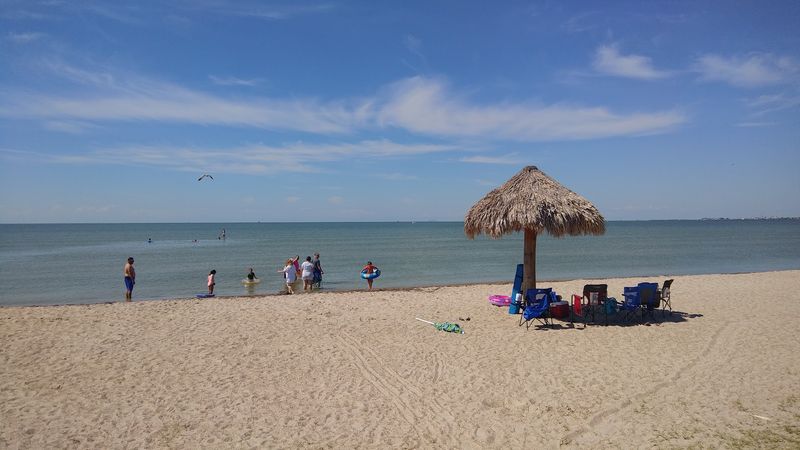
Fishing boats bob in the harbor while pelicans dive for their breakfast, creating a coastal scene that doesn’t cost anything to enjoy. Rockport Beach Park charges only $10 per vehicle for all-day access to calm bay waters perfect for families with small children. The shallow, wave-free shoreline makes it safer and more relaxing than ocean beaches, and the facilities include picnic areas, playgrounds, and clean bathrooms that justify every penny of that modest fee.
Bird watchers flock here (pun intended) because the area sits along the Central Flyway migration route. You can spot whooping cranes, roseate spoonbills, and dozens of other species without paying for guided tours. The Texas Maritime Museum offers $5 admission for adults, showcasing the region’s fishing heritage and shipwreck history through interactive exhibits that kids actually find interesting.
Downtown Rockport’s art galleries welcome browsers free of charge, and many feature coastal landscapes painted by local artists who capture the area’s unique light. The Rockport Art Center hosts rotating exhibitions in a historic building that’s worth seeing even if you’re not an art enthusiast. Walking tours of the historic district reveal Victorian homes and centuries-old oak trees draped in Spanish moss.
Fulton Mansion State Historic Site charges $5 for adults and provides a glimpse into 1870s coastal luxury with period furnishings and architecture. Grab fresh shrimp from a local market and cook it at one of the beach park grills for a dinner that tastes expensive but costs less than most restaurant meals. Between beach access, museum visits, and historic sites, you’ll experience a full coastal getaway while spending roughly the same as a single theme park ticket.
3. Boerne (Texas Hill Country)
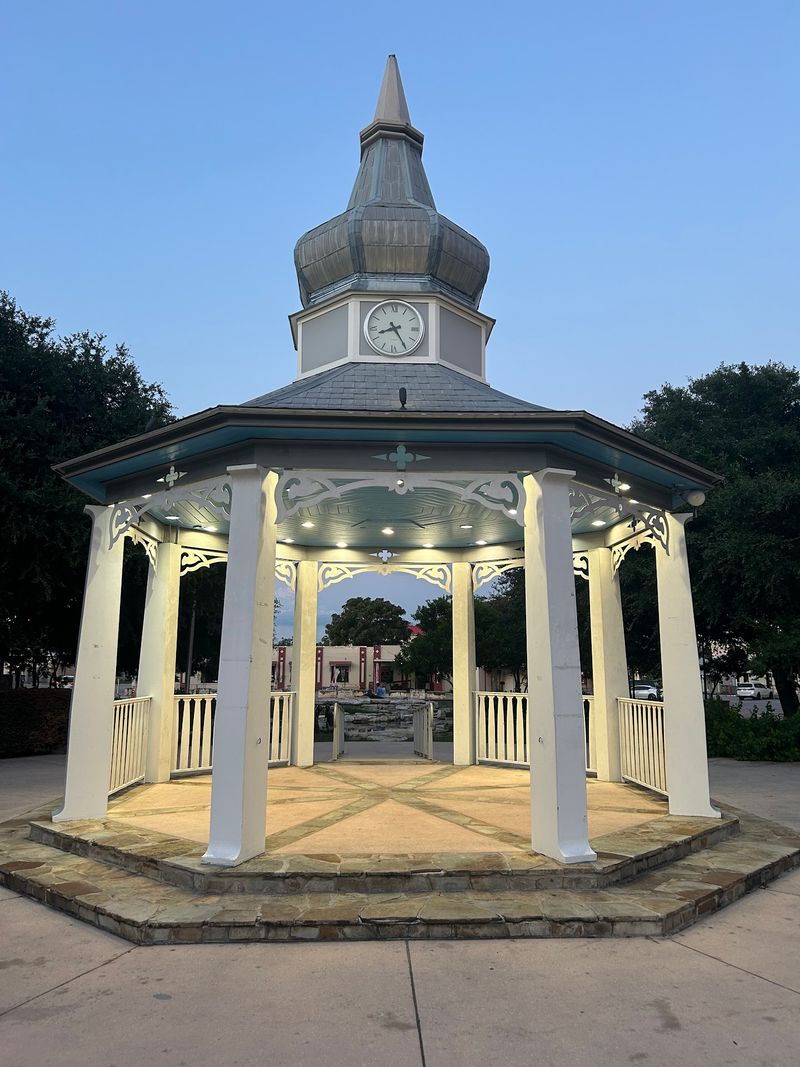
German heritage meets Hill Country charm in this walkable town where window shopping feels like a European vacation. The historic downtown district costs nothing to explore, yet the limestone buildings and shaded sidewalks transport you to another era. Cibolo Nature Center offers free admission to 100 acres of preserved land with hiking trails, historic buildings, and a spring-fed creek where kids can splash around and catch minnows.
Cave Without a Name charges $20 for adult admission, making it one of the pricier items on this trip, but the living limestone formations rival much more expensive commercial caverns. The temperature stays at 66 degrees year-round, providing natural air conditioning during summer visits. Tours run about an hour and guides share geological facts without the cheesy jokes that plague some tourist caves.
Cascade Caverns offers another underground option at $19.95 for adults if you prefer waterfalls inside your caves. Above ground, Boerne City Lake Park provides free access to trails, picnic areas, and a small beach for swimming. The park rarely feels crowded, even on weekends, giving you that peaceful escape usually reserved for expensive resorts.
Agricultural Heritage Museum asks for donations rather than charging admission, displaying antique farm equipment and local history exhibits. Main Street shops include antique stores, boutiques, and German bakeries where a pretzel or strudel costs less than fancy coffee drinks elsewhere. Plan your visit for First Friday when galleries stay open late with free wine and snacks for visitors.
Total costs for cave admission, a nice lunch, and treats from the bakery typically run $50-55 per person, leaving room in your budget for souvenirs.
4. Jefferson (East Texas)
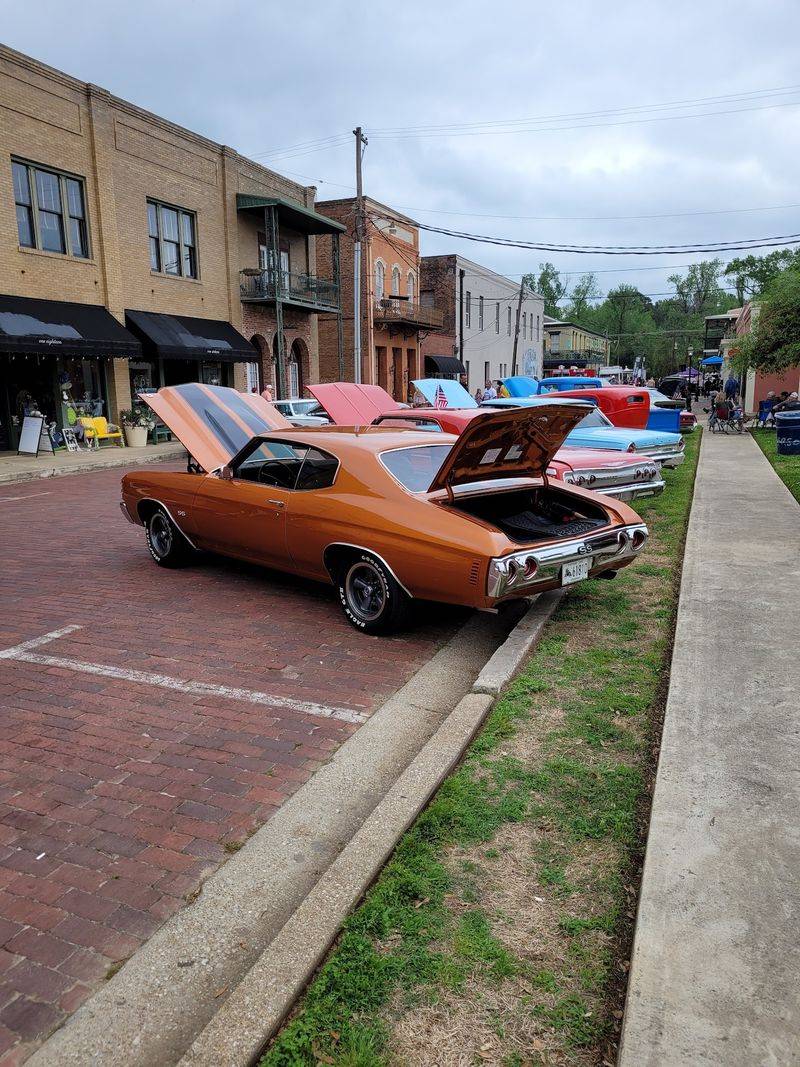
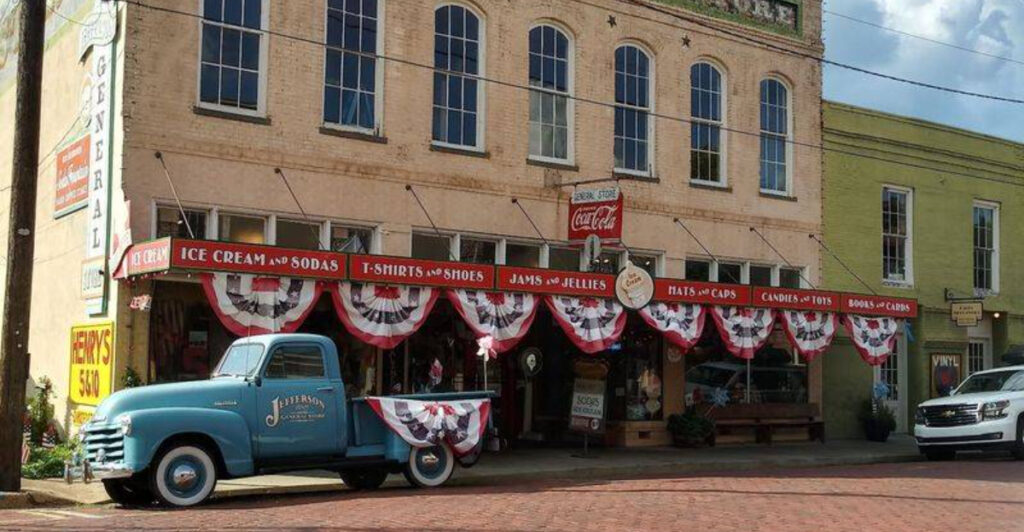
Spanish moss drapes from ancient trees over streets lined with Victorian mansions that survived the Civil War. This entire town operates like an open-air museum where history happened in layers you can still see and touch. Many historic homes charge $5-10 for tours, allowing you to peek inside preserved 1800s interiors with original furnishings and stories about riverboat captains, railroad barons, and the occasional ghost.
Jefferson Railway offers vintage train rides starting at $10 for adults, chugging through pine forests on tracks that once made this town the busiest inland port in Texas. The 30-minute ride provides views of Big Cypress Bayou and commentary about the town’s boom-and-bust history. Kids love the authentic train experience without the Disney prices.
Walking tours cost nothing if you pick up a free map from the visitor center and explore at your own pace. The downtown district packs dozens of antique shops into a few walkable blocks, and browsing costs nothing even if you don’t buy. Some shops occupy buildings older than most Texas towns, adding architectural interest to your treasure hunting.
Museum of Measurement and Time charges $5 admission to see collections of clocks, scales, and scientific instruments that sound boring but actually fascinate anyone who appreciates mechanical ingenuity. Caddo Lake State Park sits just outside town with $5 day-use fees for access to the only natural lake in Texas. Cypress trees rise from dark water creating an otherworldly landscape perfect for photography or kayaking.
Lunch at one of the historic downtown cafes runs $12-15 for generous portions of Southern cooking. Add up home tours, train ride, museum admission, and lunch, and you’re still under $50 per person while experiencing a town that feels frozen in the 1870s.
5. Bandera (Texas Hill Country)
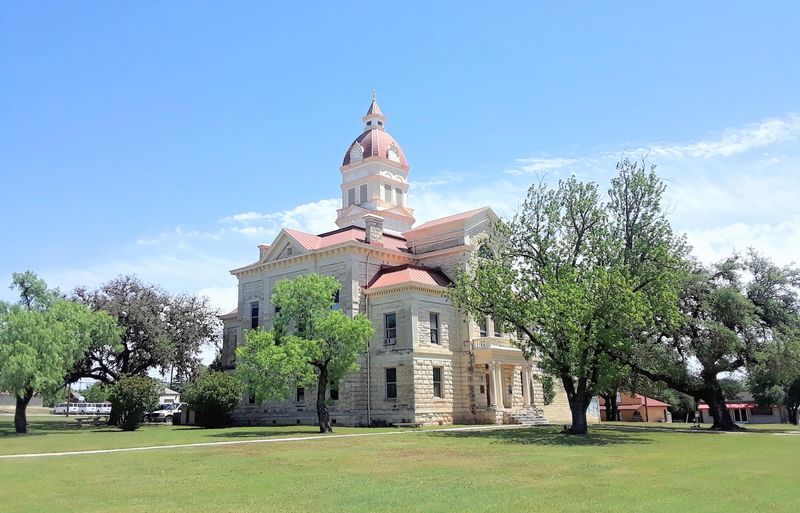
Saddles hang in shop windows and boots outnumber sneakers on sidewalks in the self-proclaimed Cowboy Capital of the World. Unlike tourist-trap Western towns that feel manufactured, Bandera earned its reputation through working ranches and real rodeo culture that continues today. Most of the authentic cowboy experience costs nothing to witness, from the architecture to the attitudes of locals who still make their living with horses and cattle.
Frontier Times Museum charges just $5 for adults and displays an eccentric collection of Western artifacts, Native American items, and oddities that reflect the region’s colorful history. The building itself dates to 1933 and feels like stepping into someone’s attic if that someone collected spurs, arrowheads, and stuffed armadillos. It’s quirky in the best possible way.
Hill Country State Natural Area requires $6 day-use admission for access to 5,400 acres of rugged terrain with 40 miles of trails. This park maintains a primitive feel with limited development, attracting serious hikers and mountain bikers who want challenging terrain without crowds. The landscape looks exactly like what you imagine when someone says Texas Hill Country.
Free rodeos happen most summer weekends at Mansfield Park, where you can watch real cowboys compete in roping and riding events. The atmosphere feels community-oriented rather than commercialized, with families spreading blankets on hillsides to watch the action. Bring lawn chairs and you’ll fit right in.
Bandera City Park along the Medina River offers free access to swimming holes and picnic areas under massive cypress trees. The river runs clear and cool, perfect for floating on hot afternoons. Grab lunch at a local café for $10-12 and browse Western wear shops where boots and hats serve working purposes, not just fashion.
Your entire cowboy experience, including museum and park fees plus lunch, runs about $30-35 per person.
6. Marfa (West Texas)
Contemporary art meets desert minimalism in a town that shouldn’t exist but somehow became an international art destination. The juxtaposition of cutting-edge galleries against a backdrop of vast emptiness creates an atmosphere you won’t find anywhere else in Texas. Best of all, much of Marfa’s appeal costs absolutely nothing to experience, from the endless big-sky views to the quirky street art scattered throughout town.
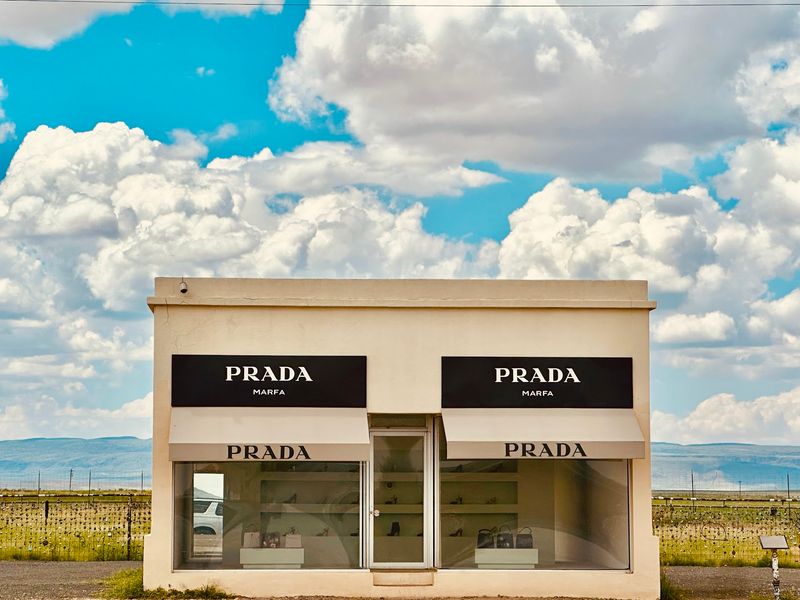
Prada Marfa, the famous art installation of a fake luxury store in the middle of nowhere, sits free to visit about 40 miles west of town. It’s become one of the most photographed art pieces in America despite (or because of) its absurd location. The drive there takes you through landscape so empty and beautiful it feels like another planet.
Chinati Foundation offers museum tours starting at $25 for adults, showcasing large-scale installations by Donald Judd and other minimalist artists. The former military base turned art museum sprawls across 340 acres with works integrated into the desert landscape. Tours run several hours and provide context for why this remote town became an unlikely art mecca.
Marfa Lights Viewing Area costs nothing and offers a chance to see the mysterious lights that have puzzled observers since the 1800s. Whether they’re atmospheric phenomena or something stranger, watching the desert darkness for unexplained lights makes for memorable evening entertainment. The viewing platform includes informational signs explaining various theories about the lights’ origins.
Downtown galleries welcome browsers, and the small-town grid makes everything walkable. Food Shark, a Mediterranean food truck, serves lunch for under $15 with flavors that seem impossibly sophisticated for a town of 1,700 people. Hotel lobbies double as art galleries in some cases, free to explore even if you’re not staying there.
Between gallery browsing, the lights viewing, and modest meals, you can experience Marfa’s unique culture for $40-50 per person.
7. Gruene (New Braunfels)
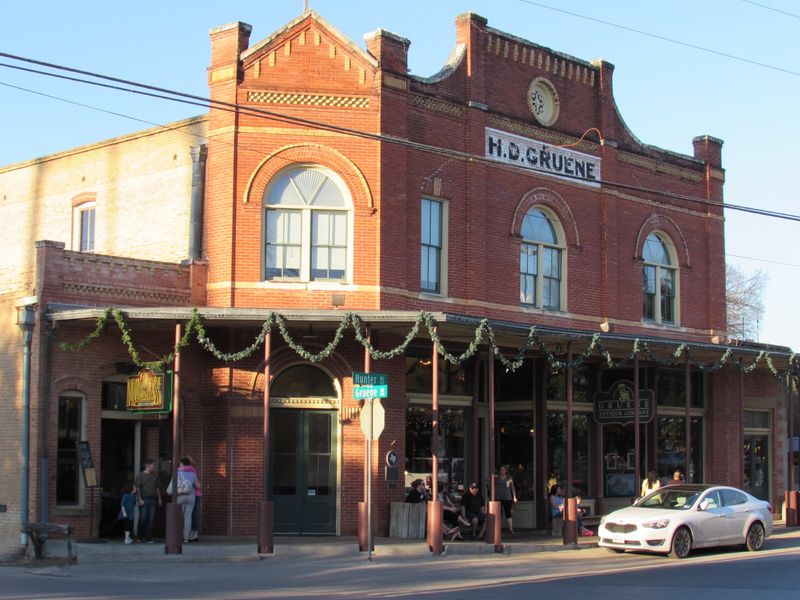
Founded in the 1870s and perfectly preserved, this tiny historic district packs more character into a few blocks than most towns manage in their entire footprint. Gruene Hall, Texas’s oldest continually operating dance hall, charges no cover during the day when you can walk through and imagine all the boots that have scuffed these floors since 1878. Evening concerts do charge admission, but daytime visits let you soak up the atmosphere for free.
The Guadalupe River runs right past town, and while commercial tubing companies charge $25-30 for rentals and shuttles, you can access the river for free at several public spots if you bring your own tubes or just want to wade and swim. The water stays refreshingly cool even during brutal Texas summers, fed by springs that maintain consistent temperatures year-round.
Antique shops and boutiques occupy restored buildings that look like movie sets but actually function as working businesses. You’ll find everything from vintage cowboy boots to handmade jewelry, and browsing costs nothing even if your wallet stays closed. The architecture alone justifies the visit, with limestone buildings and wooden porches that have weathered more than a century of Hill Country seasons.
Gruene Mansion Inn offers free grounds tours of the 1870s estate surrounded by heritage oak trees. The Victorian home sits on a bluff overlooking the Guadalupe River with views that explain why the original owner chose this spot. Gardens and outbuildings provide Instagram-worthy backgrounds without requiring you to actually stay at the inn.
Gristmill Restaurant occupies the ruins of an old cotton gin with outdoor seating overlooking the river. Lunch runs $15-20 per person for generous Texas portions served in a setting that feels special occasion despite casual dress codes. Add a few hours of river time, browsing shops, and touring the mansion grounds, and you’ve got a full day for roughly $25-30 per person before food.
8. Llano (Texas Hill Country)
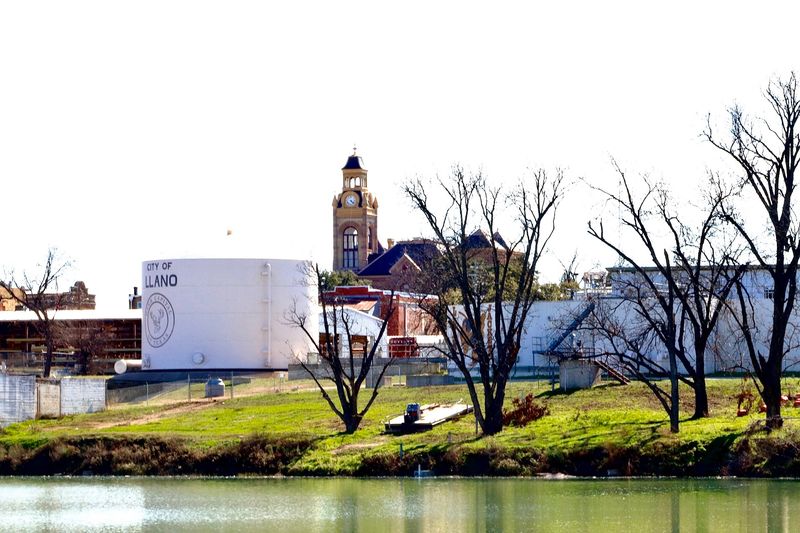
Clear water flows over pink granite in a town that calls itself the Deer Capital of Texas but could just as easily claim the title for best swimming holes. The Llano River cuts through town with multiple access points that don’t charge fees, offering deep pools and shallow rapids perfect for all swimming abilities. Local families know these spots well, and summer weekends see coolers, lawn chairs, and multi-generational gatherings along the riverbanks.
Badu House Museum charges $5 admission to tour the restored home of a pioneering professor whose influence shaped the town’s educational culture. The Victorian architecture and period furnishings provide context for frontier life that was more refined than most people imagine. Tours last about 45 minutes and guides share stories about the house’s various owners and the town’s evolution.
Downtown Llano’s historic courthouse anchors a square surrounded by antique shops, cafes, and the kind of small-town businesses that still close for local football games. The 1893 courthouse features Second Empire architecture rare in Texas, with a mansard roof and detailed stonework worth photographing. Walking the square costs nothing and reveals a town that hasn’t been sanitized for tourists.
Enchanted Rock State Natural Area sits about 20 miles north with $8 day-use admission for access to the massive pink granite dome that rises 425 feet above the surrounding terrain. The climb takes 30-45 minutes depending on your fitness level and rewards you with 360-degree views of Hill Country that stretch for miles. Go early in the day during summer because the exposed granite gets hot enough to cook eggs by afternoon.
Cooper’s BBQ serves legendary brisket and sausage for $12-15 per person, with picnic tables under shade trees that encourage lingering. Between river swimming, museum tour, courthouse square browsing, and BBQ lunch, you’ll spend about $30-35 per person while experiencing a town that tourists often overlook in favor of more famous Hill Country destinations.
9. Port Aransas (Mustang Island)
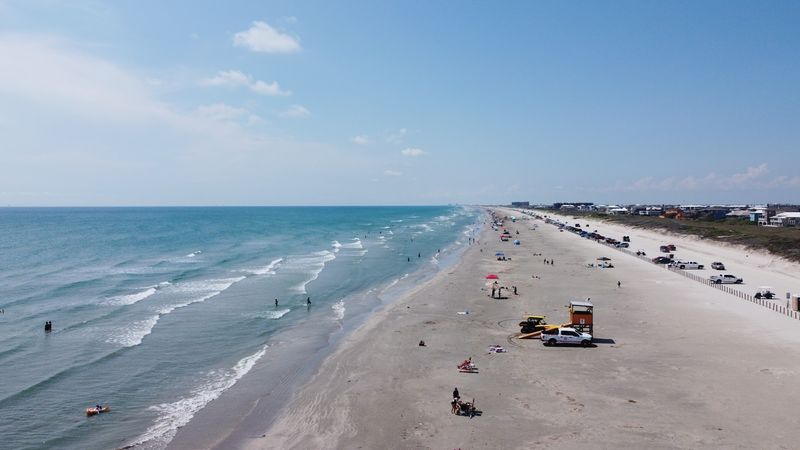
Gulf waves roll onto 18 miles of beach that you can drive on for free, making this barrier island accessible in ways that many coastal destinations aren’t. Beach driving requires a $12 annual permit, but if you’re visiting for just a day, beach access points with parking lots charge nothing. The sand stretches wide and white, and the surf stays moderate enough for swimming while providing enough action for bodyboarding and wave jumping.
University of Texas Marine Science Institute offers free admission to a small aquarium and touch tanks where kids can handle sea stars, hermit crabs, and other Gulf creatures. The educational displays explain coastal ecosystems without requiring biology degrees to understand. It’s small compared to major aquariums but perfectly sized for a 30-minute stop that adds learning to your beach day.
Leonabelle Turnbull Birding Center provides free access to boardwalks extending over coastal marshes where herons, egrets, and roseate spoonbills hunt for fish. The elevated walkways offer eye-level views of birds you’d normally see only from a distance. Bring binoculars if you have them, but the birds often come close enough that naked eyes work fine.
Port Aransas Museum charges no admission and displays artifacts from the island’s fishing village history, including exhibits about the ferry system that connected the island before the causeway was built. The collection includes vintage photographs showing how dramatically the town has changed while somehow maintaining its laid-back fishing village personality.
Fishing from the jetties costs nothing if you bring your own gear, and you’ll catch something even if you’re not particularly skilled. Local tackle shops sell bait and can offer advice about what’s biting. Seafood restaurants serve fresh catches for $15-20 per person, with outdoor patios where flip-flops and sandy feet are perfectly acceptable.
Your entire beach day, including any museum stops and a seafood lunch, runs about $25-30 per person.
10. Salado (Central Texas)
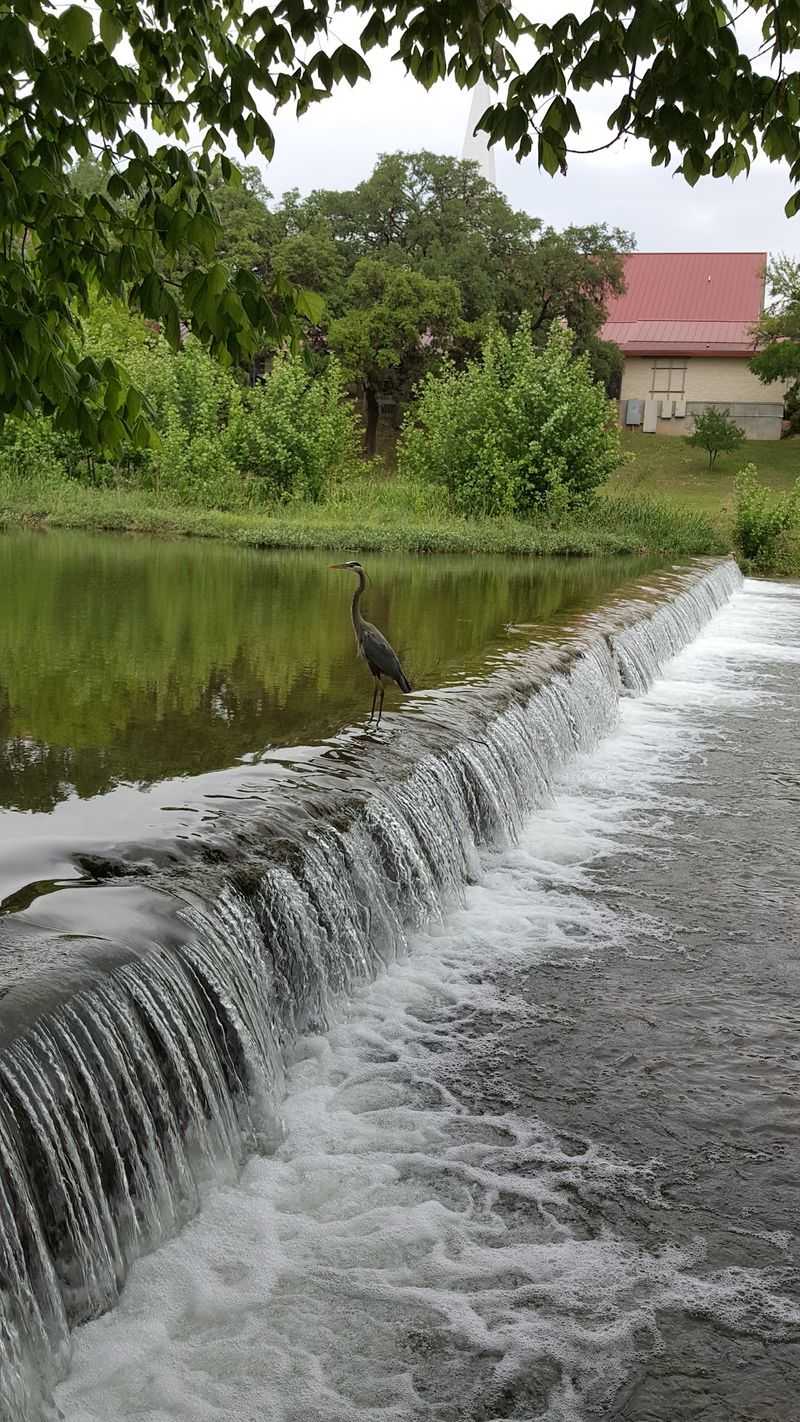
Salado Creek flows through the center of town past historic buildings that house galleries, shops, and restaurants in a setting that feels deliberately quaint but actually evolved naturally over 150 years. The entire downtown area operates as a walkable village where parking once and exploring on foot makes perfect sense. Most of the charm costs nothing to enjoy, from the creek-side paths to the historic architecture that tells stories about Texas’s early settlement.
Salado Museum and College Park charges no admission and occupies the restored Central Texas Female Institute building from 1860. Exhibits cover local history from Native American settlements through pioneer days to modern times. The building itself represents an important piece of Texas educational history as one of the first women’s colleges west of the Mississippi.
Pace Park provides free access to Salado Creek with picnic tables, walking trails, and swimming holes where the water runs clear over limestone beds. Ancient oak trees provide shade, and the park rarely feels crowded even on nice weekends. Families spread blankets for picnics while kids wade in the shallow creek sections.
Downtown shops range from high-end art galleries to antique stores to boutiques selling handmade goods. You’ll find genuine Texas artists represented alongside imported items, and most shop owners are happy to chat about their inventory and the town’s history. Browsing costs nothing, and the variety means you’ll actually want to spend time in each shop rather than rushing through.
Tablerock Amphitheater hosts outdoor dramas during summer months, but the natural amphitheater itself is accessible year-round for free. The limestone formation creates natural seating overlooking a wooded valley. Several restaurants serve lunch in the $12-15 range, with options from burgers to fine dining depending on your mood.
Between creek time, museum visit, and lunch, you’ll spend roughly $20-25 per person while experiencing a town that has mastered the art of preserving history without becoming a theme park version of itself.
11. Alpine (West Texas)
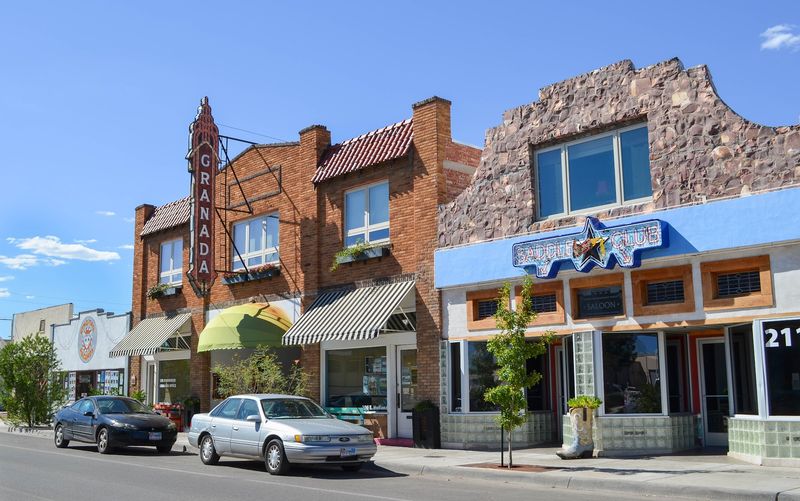
Mountains rise unexpectedly from the Chihuahuan Desert surrounding a college town that combines intellectual culture with ranching traditions. Museum of the Big Bend sits on the Sul Ross State University campus and charges no admission for collections covering regional geology, Native American history, ranching culture, and frontier life. The exhibits rival much larger museums in quality and scope, benefiting from the university’s research and the region’s rich history.
Downtown Alpine’s historic district features buildings from the railroad boom era when the town served as a shipping point for cattle and mining operations. The architecture mixes Victorian, Spanish Colonial, and early 20th-century commercial styles in a compact area perfect for walking. Antique shops, galleries, and bookstores occupy many of these historic buildings, creating an arts scene unusual for a town of 6,000 people.
Davis Mountains State Park lies about 25 miles northwest with $5 day-use admission for access to hiking trails through high desert terrain where vegetation and wildlife differ dramatically from typical Texas landscapes. The park sits at 5,000 feet elevation, making temperatures noticeably cooler than the surrounding lowlands. Trails range from easy nature walks to challenging climbs with panoramic views.
McDonald Observatory offers daytime solar viewing for $8 and nighttime star parties for $18, making it the pricier option on this trip but worth considering if you time your visit right. The observatory sits atop Mount Locke with some of the darkest skies in North America. Even if you skip the programs, the drive to the observatory through the Davis Mountains costs nothing and provides stunning scenery.
Local cafes serve breakfast and lunch for $10-12 per person with generous portions and friendly service that reflects small-town hospitality. Between the free museum, downtown browsing, state park access, and meals, you can experience Alpine’s unique culture for $30-40 per person, or splurge on the star party and still stay under $60 while seeing celestial objects invisible from light-polluted cities.
12. Comfort (Texas Hill Country)
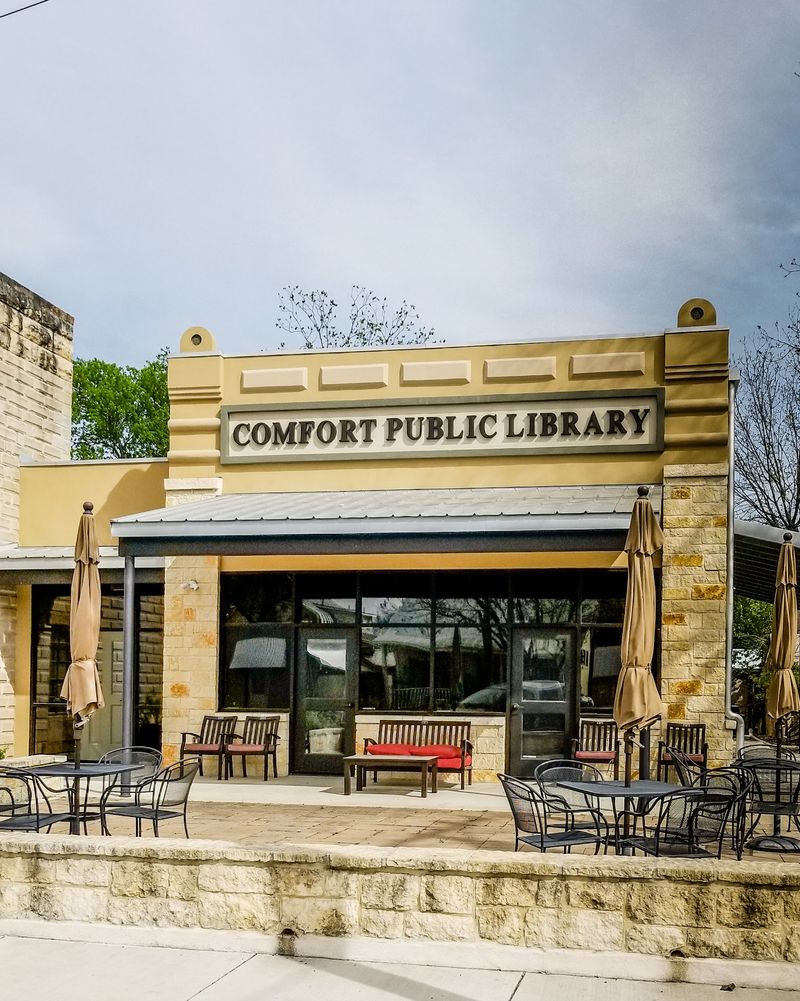
German settlers established this town in the 1850s, and their influence remains visible in the limestone buildings and cultural traditions that persist today. The entire downtown district earned National Historic Landmark status, protecting architecture that represents Texas’s German immigrant heritage better than almost anywhere else in the state. Walking these streets costs nothing but provides a tangible connection to frontier life that history books can’t quite capture.
Treue der Union Monument stands in the town center honoring German Texans who opposed secession and died for their Union sympathies during the Civil War. It’s the only monument to the Union located in a former Confederate state, representing a complicated piece of Texas history often overlooked. The monument and surrounding park are free to visit and provide context for understanding the region’s diverse perspectives during the 1860s.
Bat Tunnel near Comfort hosts thousands of Mexican free-tailed bats that emerge at dusk during summer months. The old railroad tunnel provides habitat for a colony that puts on nightly shows as they stream out to hunt insects. Viewing costs nothing, and the spectacle rivals more famous bat colonies elsewhere in Texas.
Bring insect repellent and arrive before sunset to secure a good viewing spot.
Antique shops line High Street in buildings that date to the town’s founding, offering everything from German pottery to vintage cowboy gear. The density of quality antique stores in such a small town surprises first-time visitors. Even if you’re not buying, the shops function as informal museums displaying items from Texas’s past.
Comfort Common provides a green space in the center of town with picnic tables and shade trees where you can rest between shopping expeditions. Several restaurants serve German-influenced cuisine and standard Texas fare for $12-15 per person. Ingenhuett Store, operating since 1867, still sells general merchandise and serves as a living piece of history.
Your day in Comfort costs essentially nothing beyond meals, yet provides immersion in Texas German culture that feels increasingly rare as old traditions fade.
13. Fredericksburg (Texas Hill Country)
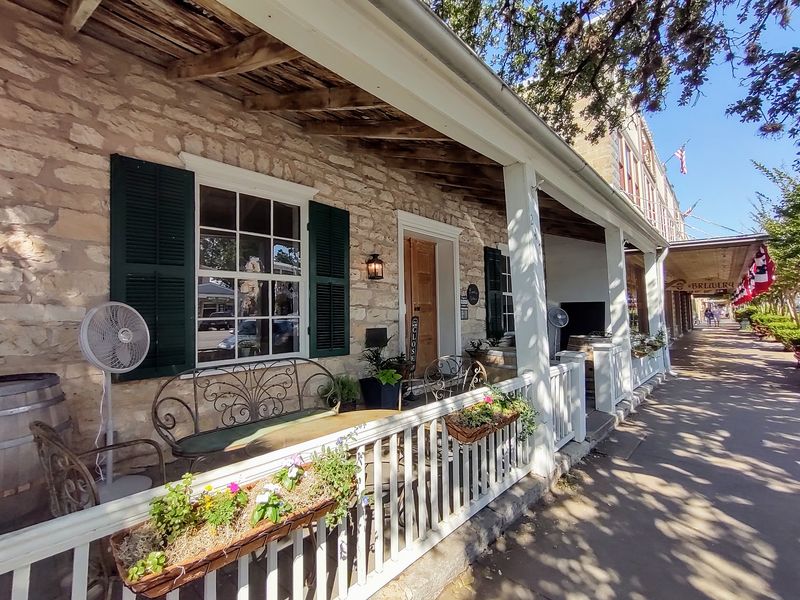
Wine tasting rooms outnumber gas stations in this German-founded town that has evolved into Hill Country’s tourism hub. While Fredericksburg can get expensive if you’re not careful, plenty of budget-friendly options exist for visitors willing to skip the priciest wineries and boutique hotels. Main Street stretches for blocks with shops, galleries, and historic buildings that don’t charge admission just to browse and soak up the atmosphere.
Pioneer Museum charges $10 for adults to tour multiple historic buildings including an 1849 Sunday House, a one-room schoolhouse, and a German pioneer home. The complex covers several blocks and provides authentic examples of how German immigrants adapted European building traditions to Texas materials and climate. Volunteers often demonstrate traditional crafts and answer questions about frontier life.
National Museum of the Pacific War sprawls across several buildings and outdoor exhibits with $18 adult admission, making it the most expensive item on this trip. However, it’s also one of the finest World War II museums in America, honoring Admiral Nimitz who grew up in Fredericksburg. The scale and quality of exhibits justify the cost if you have any interest in military history.
Budget at least three hours to see everything properly.
Free wine tastings exist if you know where to look, with several tasting rooms offering complimentary samples of a few wines. Even tasting rooms that charge $10-15 often waive fees with bottle purchases. You can sample wines from multiple vineyards without spending much, especially if you’re selective about which tasting rooms you visit.
Enchanted Rock State Natural Area sits 18 miles north with $8 day-use admission for hiking the massive granite dome. Multiple trails offer options from easy to challenging. Pack a picnic lunch from one of Fredericksburg’s German bakeries for $8-10 and you’ll eat better than most restaurant meals while spending half as much.
Between museum admission, tasting room fees, bakery treats, and park access, you can experience Fredericksburg for $50-55 per person if you make smart choices about where to splurge and where to save.
Share this story