Most folks barrel down I-35 or I-10 without realizing they’re missing some of the best stuff Texas has to offer. The real magic happens on those winding farm roads and in tiny towns where the speed limit drops to 35 and nobody’s in a hurry. From wildflower-covered loops to cafes serving pie that’ll make you want to move in next door, these spots don’t show up on the typical tourist radar, but they should.
1. Willow City Loop (Fredericksburg)
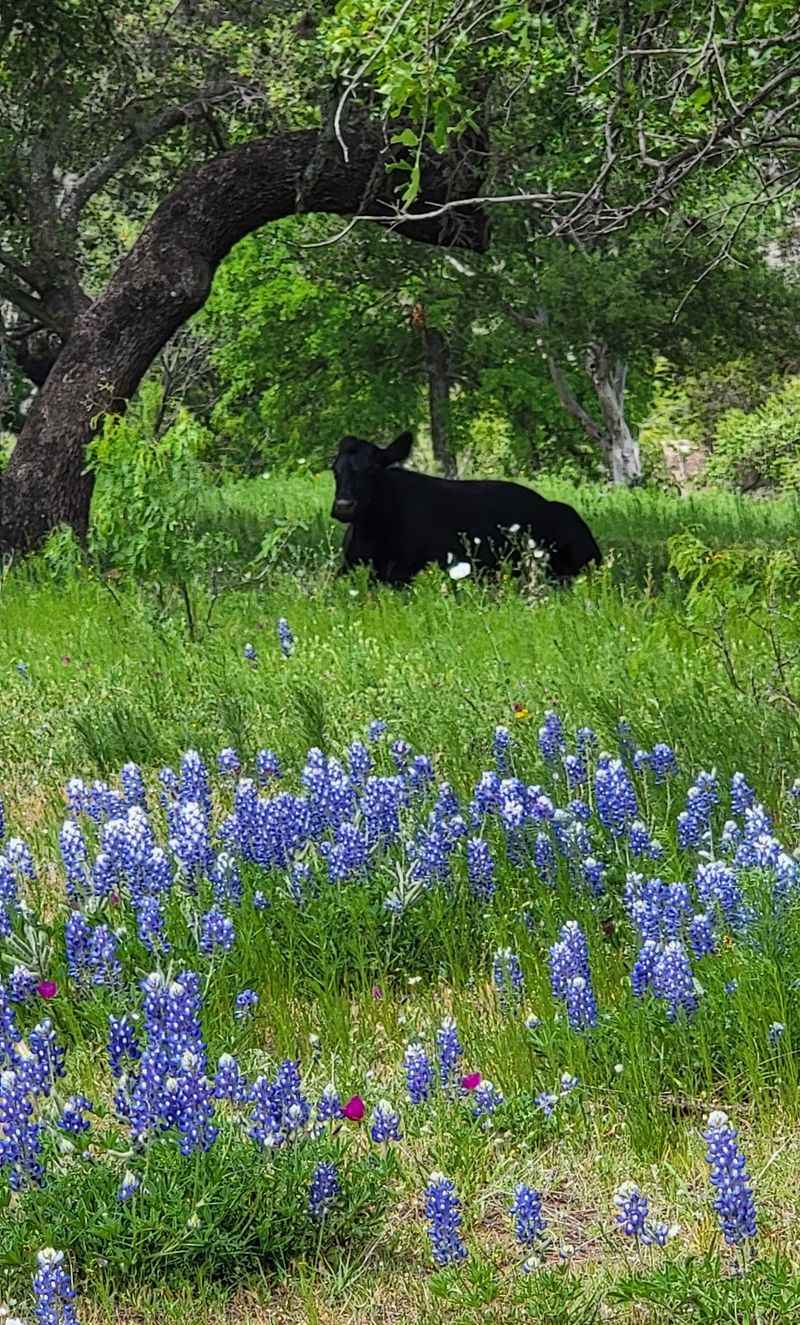
Spring in the Hill Country turns this 13-mile loop into something straight out of a painting. Wildflowers blanket the roadsides in waves of blue, orange, and red, transforming ordinary ranch land into a color explosion that peaks sometime between late March and early May. The exact timing depends on rainfall and temperature, so locals keep a close eye on bloom reports before making the drive.
You’ll want to go early in the morning or later in the afternoon to dodge the weekend crowds. The road itself is narrow and twisty, cutting through working ranches where cattle graze among the flowers like they don’t even notice the spectacle. Pull over at the designated spots to snap photos, but respect the private property signs because these are real working lands, not public parks.
Pack a picnic and take your time winding through the hills. The loop connects back to Ranch Road 16, giving you options to extend the drive or head into Fredericksburg for lunch. Don’t expect fancy facilities out here, just pure, unfiltered Texas countryside at its most photogenic.
The road can get dusty when it’s dry and slick after rain, so drive carefully and watch for oncoming traffic on the curves. Cell service gets spotty in places, which honestly adds to the charm of disconnecting for a couple hours. Bring water, sunscreen, and a full tank of gas because there’s nothing commercial along the route.
If wildflowers aren’t your thing, the loop still delivers gorgeous Hill Country views year-round. Fall brings cooler temperatures and changing leaves, while summer offers green pastures dotted with lazy cattle. Just remember that peak bloom season brings serious traffic, so patience helps as much as a good camera.
2. Hico (Hico)
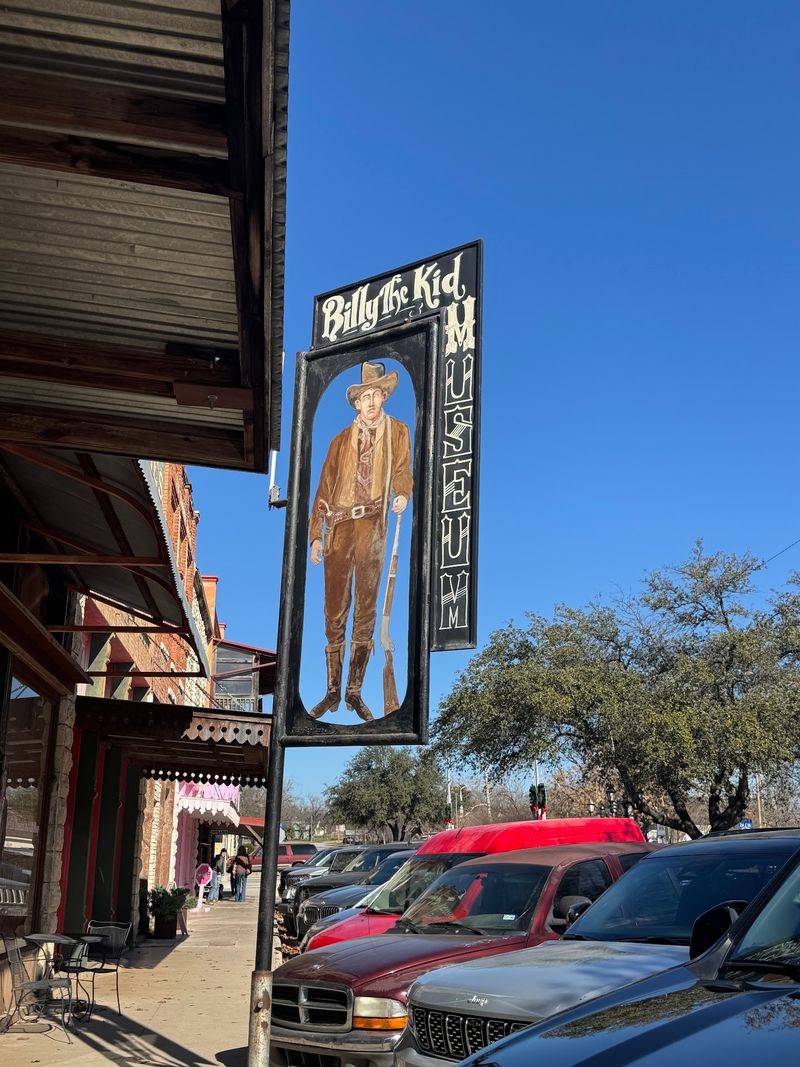
Population barely cracks 1,300, but this little town punches way above its weight when it comes to character. The main drag looks like it hasn’t changed much since the 1940s, with brick storefronts housing antique shops, local boutiques, and a couple of restaurants that locals swear by. Billy the Kid supposedly died here, or maybe he didn’t, depending on which version of history you believe, but the mystery adds some Old West intrigue to your browse through town.
The downtown area is compact enough to cover on foot in about 20 minutes, though you’ll want to budget more time for poking around the shops. You’ll find everything from vintage western wear to handmade crafts, with shopkeepers who actually want to chat instead of just ringing you up. The buildings themselves tell stories, with original tin ceilings and wooden floors that creak in all the right places.
Stop by the Billy the Kid Museum if you’re into outlaw lore, or just wander and see what catches your eye. The town hosts occasional festivals and car shows that bring in crowds from surrounding counties, but most weekdays you’ll have the sidewalks pretty much to yourself. It’s the kind of place where people still say hello and mean it.
Hico sits about 90 minutes southwest of Fort Worth, making it an easy day trip that feels like stepping back several decades. The pace here runs slow on purpose, so don’t come expecting nightlife or fancy entertainment. What you get instead is authentic small-town Texas without the tourist trap polish.
Bring cash because some of the smaller shops don’t take cards, and wear comfortable shoes for walking the uneven sidewalks. The town doesn’t have chain restaurants or big box stores, which is exactly the point. You’re here to experience the Texas that existed before everything got homogenized and franchised.
3. Blue Bonnet Cafe (Marble Falls)
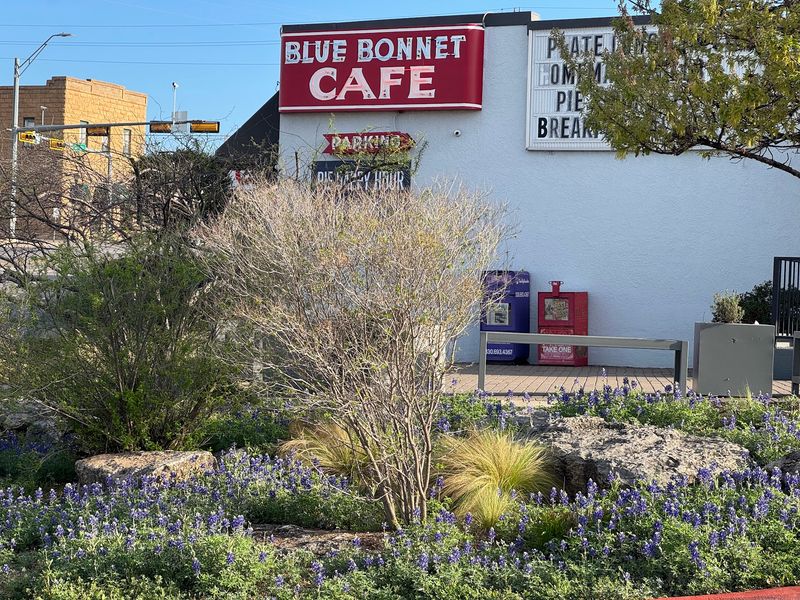
Since 1929, this place has been slinging comfort food that makes you forget about calories and diets. The pie case near the entrance stops people in their tracks, stacked with homemade creations that rotate based on what’s in season and what the bakers feel like making. Coconut cream, chocolate meringue, pecan, cherry, you name it, and it probably shows up in that case at some point during the year.
Breakfast runs all day because the owners understand that sometimes you need chicken fried steak and eggs at 2 p.m. The portions lean generous, served on plates that could double as frisbees, with that no-nonsense Texas cafe approach to hospitality. Waitresses call you hon and keep the coffee coming without being asked.
The building itself looks like a classic roadside diner, complete with neon signs and a parking lot that fills up fast during peak meal times. Locals pack the place on weekends, which tells you everything you need to know about the quality. Don’t be surprised if you have to wait for a table during Sunday brunch, but the line moves reasonably quick.
Menu highlights include the chicken fried steak that hangs off the edges of the plate and the burgers that come with hand-cut fries. But honestly, people drive from Austin and San Antonio specifically for the pie, ordering whole ones to take home for special occasions or just because Tuesday needed improving. The crust is flaky, the fillings are made from scratch, and the meringue piles high like it’s trying to touch the ceiling.
Located right on Highway 281, the cafe makes a perfect pit stop if you’re heading to the Highland Lakes or just cruising the Hill Country. Cash and cards both work here, and the prices remain stuck somewhere in the previous decade, which feels like a minor miracle. Save room for dessert, or you’ll regret it the second you see someone else’s pie arrive at their table.
4. Jefferson (Jefferson)
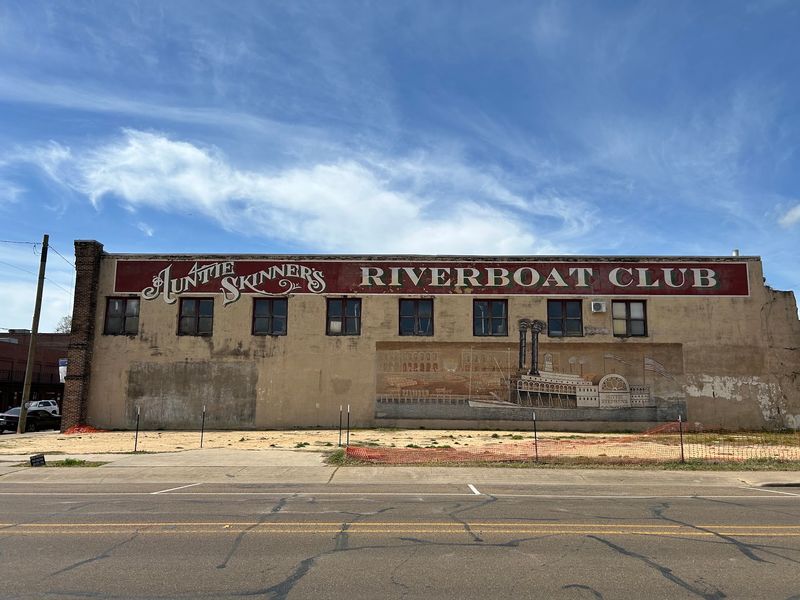
Up in the piney woods of East Texas, this town feels like it belongs in Louisiana more than the Lone Star State. Massive oak trees drip with Spanish moss, shading Victorian mansions that survived the Civil War and somehow escaped the wrecking ball of progress. The whole downtown area is on the National Register of Historic Places, which means the architecture stays authentic instead of getting turned into parking lots.
Riverboat traffic used to make Jefferson the sixth-largest city in Texas back in the 1870s, hard as that is to believe when you see how quiet it is now. When the Red River log jam got cleared and steamboats started bypassing the town, Jefferson basically froze in time. That economic disaster turned into a preservation gift that keeps the place feeling genuinely historic instead of theme-park fake.
You can tour several of the old mansions, some of which operate as bed and breakfasts where you sleep in rooms with 12-foot ceilings and original hardwood floors. The town leans heavy into its haunted reputation, offering ghost tours after dark for people who like their history with a side of spooky. Whether you believe in paranormal activity or not, walking these streets at night definitely creates an atmosphere.
Antique shops line the downtown blocks, packed with everything from vintage furniture to old jewelry and collectibles. The owners actually know the provenance of their stuff and can tell you stories about where pieces came from. Prices run the gamut from affordable to investment-level, depending on what you’re hunting.
Jefferson sits about two hours east of Dallas, making it doable as a long day trip or better as an overnight stay. The town hosts several festivals throughout the year, including a big Christmas candlelight tour that books up months in advance. Bring your walking shoes and your curiosity because there’s history tucked into every corner, from the old railroad depot to the cemetery where Confederate soldiers rest under ancient trees.
5. Ranch Road 337 (Medina-Leakey)
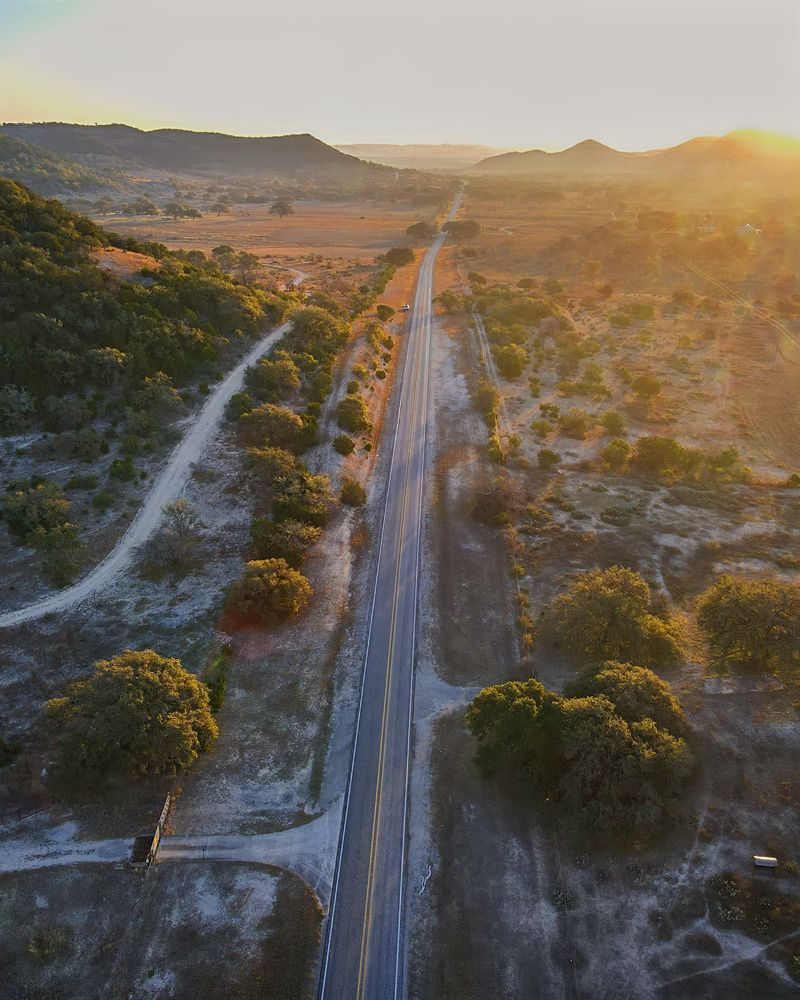
Motorcyclists call this the Three Sisters when they’re talking about the best riding roads in Texas, and for good reason. The 37-mile stretch between Medina and Leakey delivers curve after curve through some of the most dramatic Hill Country terrain you’ll find anywhere. Steep limestone cliffs rise on one side while valleys drop away on the other, creating views that make you want to pull over every quarter mile.
The road itself demands your attention because the turns come quick and the drop-offs don’t mess around. This isn’t a highway where you zone out and let cruise control do the work. You’re actively driving here, downshifting into curves and accelerating out, feeling the elevation changes in your stomach.
It’s exhilarating without being dangerous if you respect the road and keep your speed reasonable.
Fall and spring offer the best driving conditions, with mild temperatures and clear skies that let you see for miles. Summer gets hot and the asphalt can shimmer with heat waves, while winter occasionally brings ice that makes the curves treacherous. Check the weather before you go because fog can roll in and reduce visibility to almost nothing.
You’ll pass through tiny communities that consist of maybe a gas station and a few houses, so fill up before you start the drive. The Frio River runs near parts of the route, and if you’re making a day of it, you can stop in Leakey for barbecue or pie at one of the local spots. The town itself is tiny but friendly, with people who understand that most visitors are there for the drive.
Bring a camera but be smart about where you stop to use it. Some of the best views don’t have safe pull-offs, so keep driving until you find a spot that won’t put you in danger. The road sees its share of motorcycles on weekends, so car drivers need to watch their mirrors and give bikes plenty of room.
This is pure driving pleasure, the kind of road that reminds you why you love getting behind the wheel in the first place.
6. High’s Cafe & Store (Comfort)
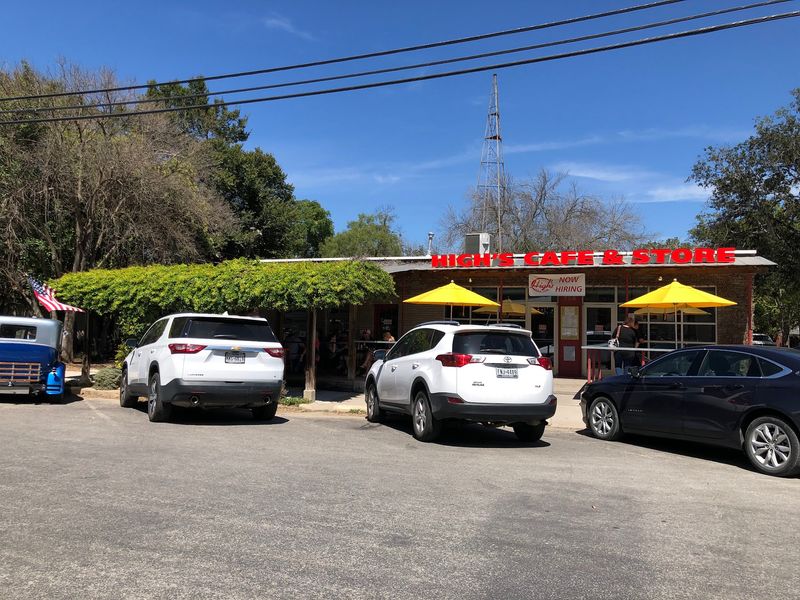
Walking into this place feels like visiting your grandma’s kitchen if your grandma happened to run a cafe in the middle of the Hill Country. The building started life as a general store back in the 1940s and still maintains that old-school vibe with wooden floors and shelves stocked with local goods. The cafe side serves breakfast and lunch that skews heavily toward comfort food, the kind of meals that stick to your ribs and make you want a nap afterward.
Chicken fried steak shows up on a lot of plates here, breaded and fried to golden perfection, then smothered in cream gravy that’s been perfected over decades. The breakfast tacos come loaded with fresh ingredients, and the coffee stays hot and strong enough to wake up the dead. Portions run large because this is Texas and nobody’s interested in tiny, precious plates.
The store section sells everything from local honey to handmade crafts, giving you something to browse while you wait for a table during busy times. Weekends bring crowds from San Antonio and Austin, folks who’ve heard about the food and want to see if it lives up to the hype. Spoiler alert: it does, which is why the parking lot fills up fast on Saturday mornings.
Service runs friendly but efficient, with staff who’ve been working here long enough to remember regular customers’ usual orders. The atmosphere stays casual and unpretentious, the kind of place where ranchers sit next to tourists and everybody’s just here for good food. Don’t expect fancy plating or trendy ingredients, this is straightforward cooking done really well.
Located right on Highway 27 in Comfort, the cafe makes an easy stop if you’re exploring the area or driving between Kerrville and Boerne. They close earlier than city restaurants, so plan your visit accordingly and don’t show up expecting dinner service. Cash and cards both work, and the prices remain reasonable enough that you can feed a family without taking out a loan.
The pie case near the register tempts you on the way out, and resistance is pretty much futile.
7. Bastrop (Bastrop)
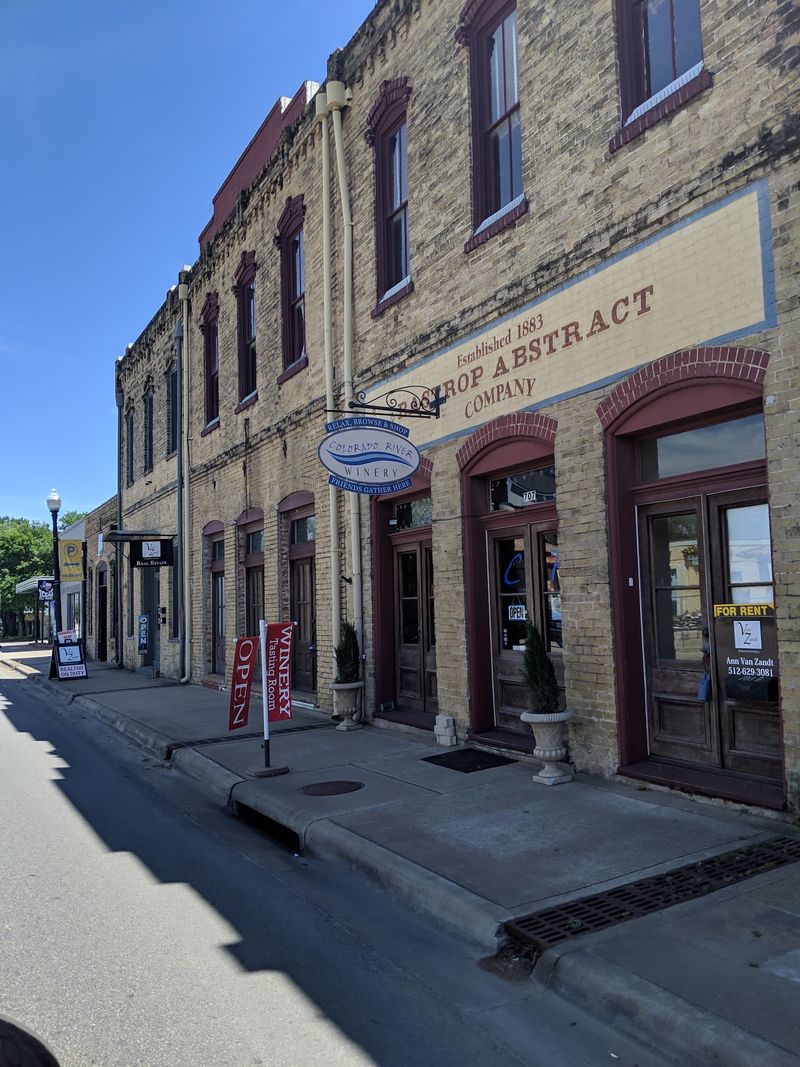
Most people associate Texas with mesquite and cactus, so the towering loblolly pines around Bastrop come as a genuine surprise. This town sits in what’s called the Lost Pines, an isolated forest of pine trees that somehow ended up here, separated from the main East Texas piney woods by about 100 miles. The result is a landscape that feels more like Arkansas than Central Texas, with trees that provide actual shade and a different kind of beauty.
Downtown Bastrop hugs the Colorado River, with historic buildings that house antique shops, cafes, and boutiques worth exploring. The main drag maintains that small-town charm without feeling touristy or manufactured, just genuine Texas character that’s been here since the 1800s. You can walk the whole downtown area in less than an hour, though you’ll want more time if you’re serious about antiquing.
The 2011 wildfires devastated parts of the Lost Pines, burning thousands of acres and destroying homes. The forest has been recovering steadily, with new growth filling in the gaps, but you can still see evidence of the fire in some areas. It’s a reminder of how fragile these ecosystems can be and how hard the community worked to rebuild.
Bastrop State Park offers hiking trails that wind through the pines, with campsites available if you want to extend your visit overnight. The park’s CCC-built structures from the 1930s add historical interest to the natural beauty, and the trails range from easy walks to more challenging climbs. Bring bug spray because the mosquitoes can be aggressive, especially near the water.
The town sits about 30 miles southeast of Austin, close enough for an easy day trip but far enough to feel like you’ve left the city behind. Local restaurants serve everything from barbecue to Mexican food, with a few newer spots adding farm-to-table options for the Austin spillover crowd. The Colorado River provides opportunities for kayaking and fishing if you’re into water activities, and several outfitters in town can set you up with rentals and gear.
8. The Tilted Windmill (Brenham)
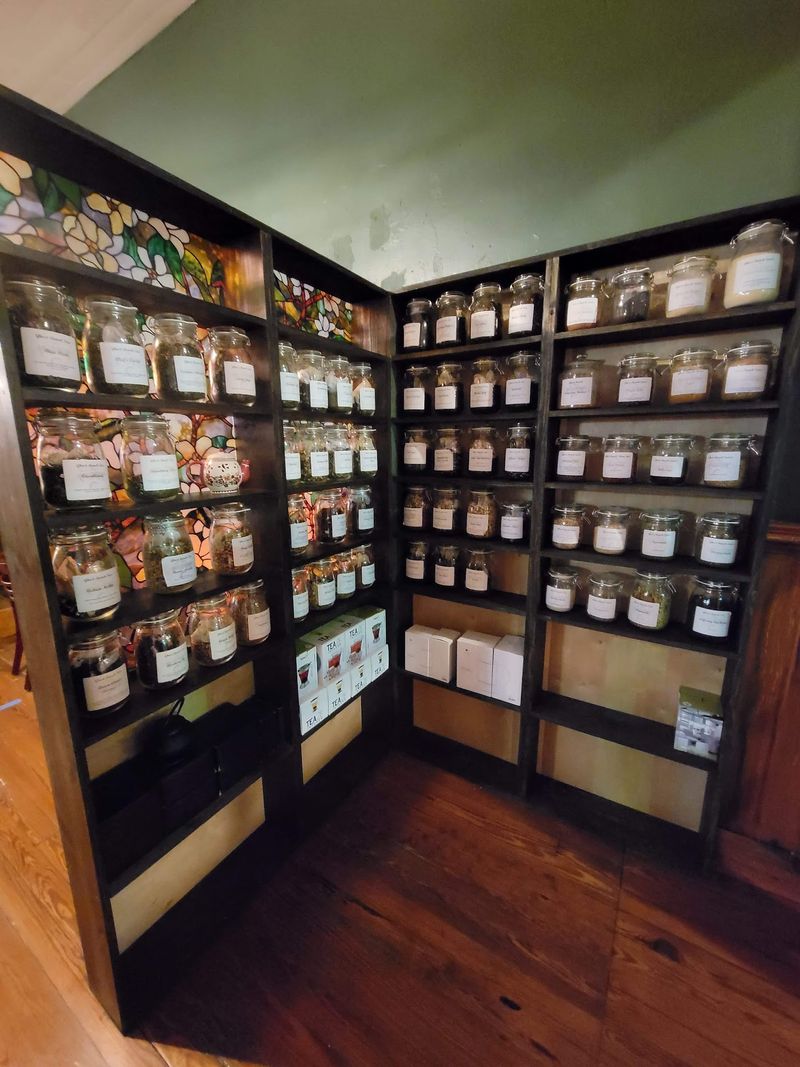
Breakfast here is a serious affair, the kind of meal that requires loosening your belt and accepting that productivity for the rest of the day might be compromised. The menu reads like a love letter to morning carbs and protein, with pancakes the size of dinner plates, omelets stuffed with enough ingredients to feed two people, and biscuits that arrive warm and begging for butter and jam.
The building itself plays up the windmill theme without going overboard into kitsch territory. Rustic wood, farm-style decor, and plenty of windows create a bright, welcoming space that feels both homey and put-together. The outdoor seating area works great when the weather cooperates, offering views of the surrounding countryside while you work through a stack of French toast.
Brenham is already famous for Blue Bell ice cream, but The Tilted Windmill gives people another reason to exit Highway 290. The restaurant opened relatively recently compared to some of the century-old establishments in the area, but it’s already earned a loyal following among locals and travelers who appreciate quality breakfast food. Lines form on weekend mornings, so arrive early or be prepared to wait.
The coffee stays fresh and the service moves efficiently even when the dining room is packed. Staff members seem genuinely happy to be there, which makes a difference in the overall vibe of the place. You’re not getting rushed through your meal, but you’re also not waiting forever for refills or the check.
Lunch options include burgers, sandwiches, and salads for people who want something lighter than the breakfast offerings, though honestly, most folks come here specifically for the morning menu. The portions justify the prices, and you’ll likely have leftovers to take home unless you skipped dinner the night before. Located just off the main highway, the restaurant is easy to find and has plenty of parking, which matters when you’re dealing with weekend crowds.
If you’re making a day trip out of Brenham, fuel up here first, then explore the antique shops downtown or tour the Blue Bell creamery. The Tilted Windmill gives you the energy you need for a full day of wandering, assuming you can move after finishing your plate.
9. Lockhart (Lockhart)
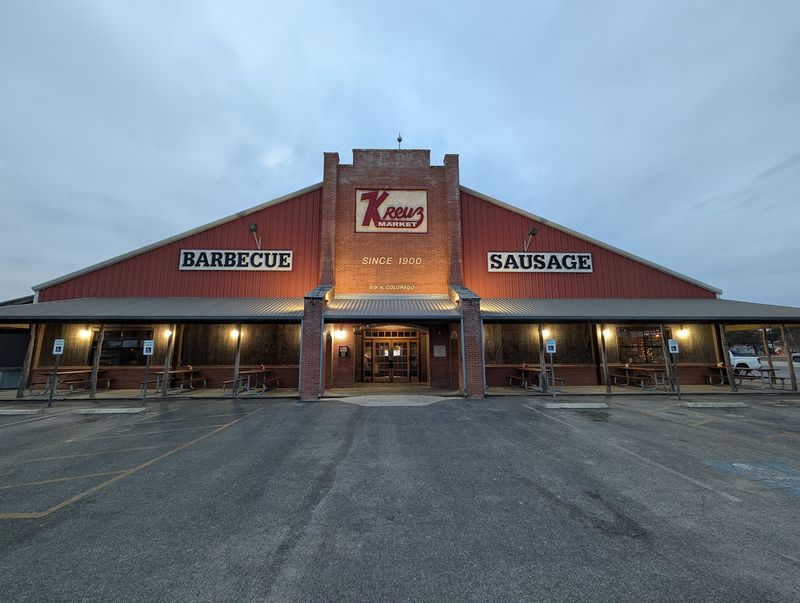
Calling yourself the Barbecue Capital of Texas is a bold move, but Lockhart backs it up with four legendary joints that have been smoking meat for generations. Kreuz Market, Smitty’s Market, Black’s Barbecue, and Chisholm Trail all claim passionate devotees who will argue until they’re hoarse about which one serves the best brisket. The only way to settle the debate is to try them all, which is exactly what you should do.
Each place has its own style and history, from Kreuz’s no-sauce policy to Black’s claim as the oldest continuously operating barbecue joint in Texas. The meat comes served on butcher paper, sides are minimal, and the focus stays squarely on the quality of the smoke and the beef. You’ll stand in line, order by the pound, and find a spot at communal tables where strangers become friends over shared appreciation for perfectly rendered fat.
Beyond the barbecue, Lockhart’s downtown square features the classic Texas courthouse architecture and shops worth browsing if you need to walk off some of that brisket. The town moves at a slower pace than nearby Austin, maintaining its small-town identity despite being only 30 miles from the capital. Locals take pride in their barbecue heritage and the town’s role in Texas history.
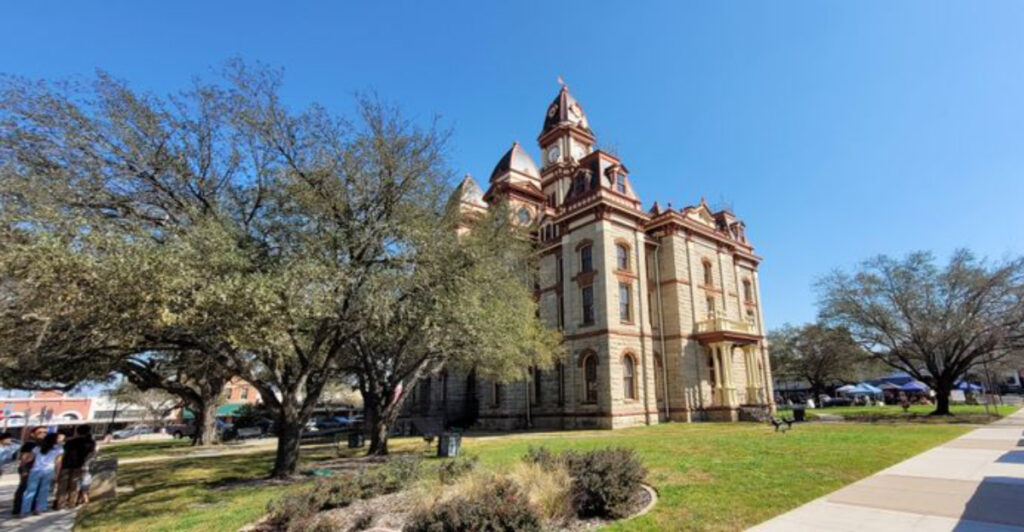
The Caldwell County Courthouse dominates the square, a beautiful example of Romanesque Revival architecture that’s been standing since 1894. It’s worth walking around the building to appreciate the details, from the red granite to the clock tower that still keeps time. The square hosts occasional events and festivals, but most days it’s just a pleasant place to stroll.
Timing your visit matters because the barbecue joints can sell out of popular items, especially on weekends. Arriving before noon increases your chances of getting everything you want, though some places stay open until they run out of meat. Bring cash for some of the older establishments that haven’t fully embraced credit cards, and come hungry because the portions are generous and it feels wrong to waste good barbecue.
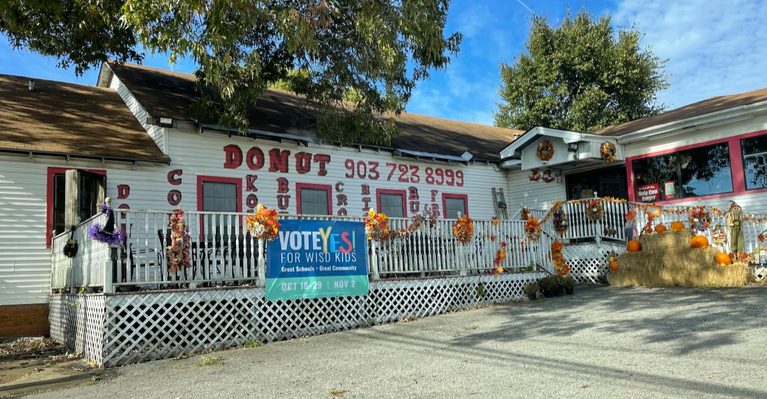
10. Koffee Kup Family Restaurant (Hico)
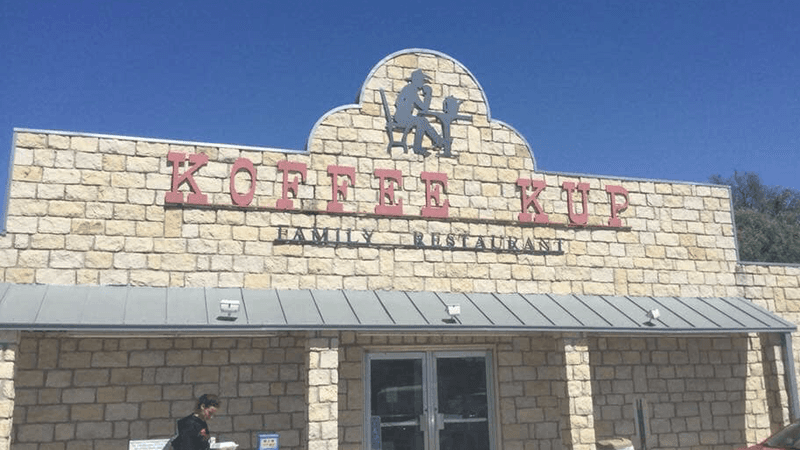
Every small Texas town has a cafe where locals gather for coffee and gossip, and in Hico, this is the place. The restaurant has been feeding folks since 1967, serving up homestyle cooking that doesn’t pretend to be fancy or trendy. What you get instead is honest food cooked by people who’ve been doing it long enough to know exactly how long to fry a chicken fried steak and how much cream gravy is too much (answer: there’s no such thing).
Breakfast draws the morning crowd, with farmers and ranchers sliding into booths for eggs, bacon, and hash browns before heading out to work. The lunch buffet offers a rotating selection of comfort foods like meatloaf, fried chicken, and vegetables cooked the old-fashioned way with butter and bacon grease. Don’t come here looking for kale or quinoa, you’re in small-town Texas and the menu reflects it.
The pie case deserves its own paragraph because it’s legendary among people who know good pie. Coconut cream, chocolate, lemon meringue, pecan, and seasonal fruit pies rotate through depending on what’s available and what the bakers feel inspired to create. The crust is made from scratch, flaky and buttery, providing the perfect foundation for generous fillings.
People order whole pies to take home for holidays and special occasions, calling ahead to reserve their favorites.
Service runs friendly and efficient, with waitresses who remember regular customers and their usual orders. The atmosphere stays casual and welcoming, the kind of place where you can show up in work clothes or church clothes and nobody bats an eye. Prices remain stuck somewhere in the past, making it possible to get a full meal for less than you’d pay for a fancy coffee in the city.
The restaurant sits right on Highway 6 as it runs through downtown Hico, making it easy to spot and access. Parking is plentiful, and the place fills up during peak meal times with a mix of locals and travelers who’ve heard about the food. If you’re exploring Hico, this should be your first or last stop, depending on whether you want fuel for browsing the antique shops or a reward for finishing your walk around town.
11. Comfort (Comfort)
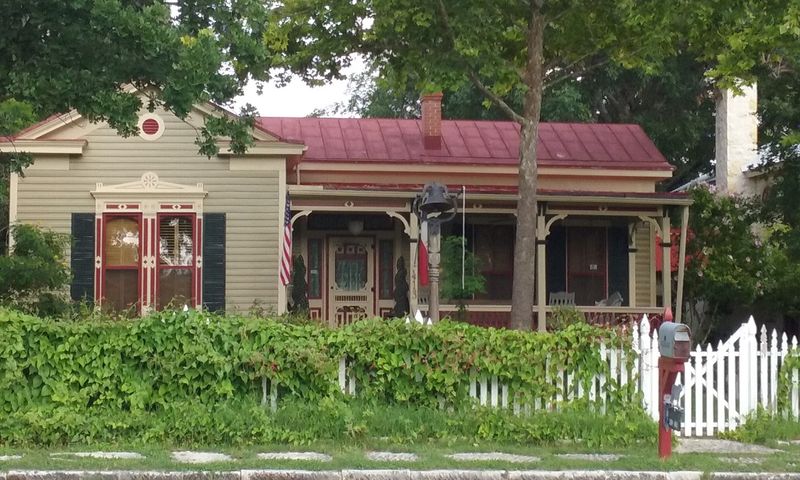
German immigrants founded this town in the 1850s, and their influence still shows in the architecture and the no-nonsense approach to community life. Limestone buildings line the main street, many of them dating back to the 1800s and carefully preserved instead of demolished for modern construction. The town’s name came from the German word Gemütlichkeit, which roughly translates to a feeling of warmth and comfort, and that vibe persists in the unhurried pace and friendly locals.
Antique shops dominate the downtown area, housed in those historic limestone structures and packed with treasures ranging from vintage furniture to collectible glassware. The owners tend to be knowledgeable about their inventory and happy to talk about the history of pieces or the town itself. You can easily spend a couple hours browsing through the shops, finding items you didn’t know you needed until you saw them.
The town is also known for its Treue der Union monument, the only monument to the Union located in the former Confederacy. German settlers in this area largely opposed slavery and secession, leading to conflict with Confederate authorities and the tragic Nueces Massacre. The monument honors those who died for their principles, standing as a reminder of the complex history that doesn’t always fit neat narratives about Texas and the Civil War.
Several good restaurants and cafes offer lunch options, from barbecue to burgers to more upscale fare. The town has managed to attract some quality dining without losing its small-town character, a balance that’s harder to achieve than it looks. Outdoor seating is common when weather permits, letting you enjoy the Hill Country climate while you eat.
Comfort sits conveniently between San Antonio and Kerrville on Interstate 10, making it an easy detour that doesn’t add much time to your drive. The town hosts occasional festivals and events, but most days it maintains a quiet charm that appeals to people looking to escape city noise. Bring your walking shoes and your patience because this isn’t a place to rush through, it’s a place to slow down and appreciate the layers of history and the simple pleasure of a well-preserved town that hasn’t sold out to chain stores and franchises.
Share this story