Finding a peaceful hiking trail in Texas on a Saturday or Sunday can feel impossible. Popular spots get packed with crowds, making it hard to enjoy nature without dodging other hikers every few minutes. But scattered across the state are hidden gems where you can actually hear birdsong instead of constant chatter, even during peak weekend hours when everyone else is fighting for parking at the famous trails.
1. Old Zoo Nature Trails (Cisco)
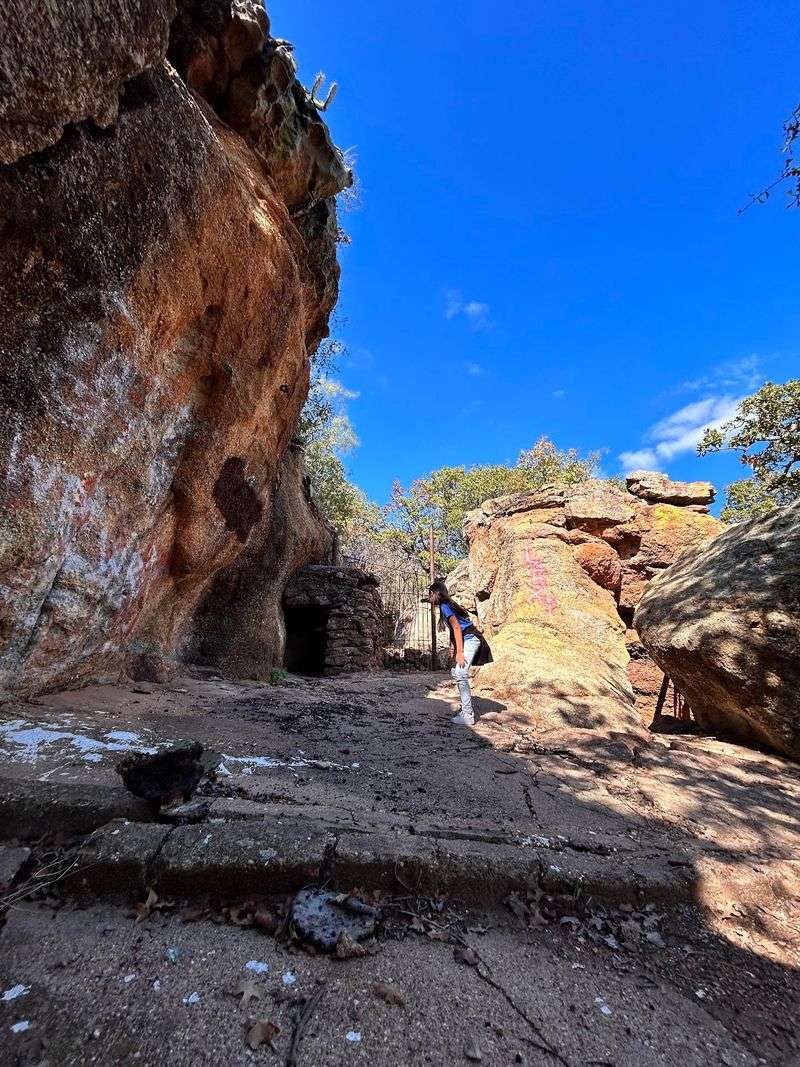
Walking through what used to be a small-town zoo creates an eerie yet peaceful atmosphere that most hikers never experience. The paths wind through areas where animals once lived, now reclaimed by native Texas vegetation and wildlife. You won’t find tour buses or Instagram crowds here, just genuine solitude in an unexpected setting.
The trails meander through a mix of open spaces and shaded sections under old trees that have grown wild since the zoo closed. Birds have taken over completely, making this spot surprisingly rich for birdwatching despite its unusual history. The quiet here feels different from typical nature trails because you’re walking through a space that humans built but nature has slowly transformed back into something wild.
Most weekend warriors stick to state parks with fancy amenities and well-marked trails. This place offers neither, which is exactly why it stays empty even on beautiful Saturday mornings. The town of Cisco itself is small and off the beaten path, so you’re already filtering out casual hikers just by location.
Bring water and don’t expect restrooms or visitor centers. The lack of infrastructure keeps this trail authentic and uncrowded. You’ll want sturdy shoes since maintenance is minimal, but that’s part of the charm for anyone seeking a genuinely undisturbed outdoor experience.
The history adds layers of interest as you walk. Spotting old structures or remnants of enclosures makes you think about how quickly nature reclaims space when given the chance. It’s contemplative hiking at its finest, perfect for clearing your head without competing for elbow room on the trail.
2. Caprock Canyons State Park – Upper Canyon / Haynes Ridge Trail (Quitaque)
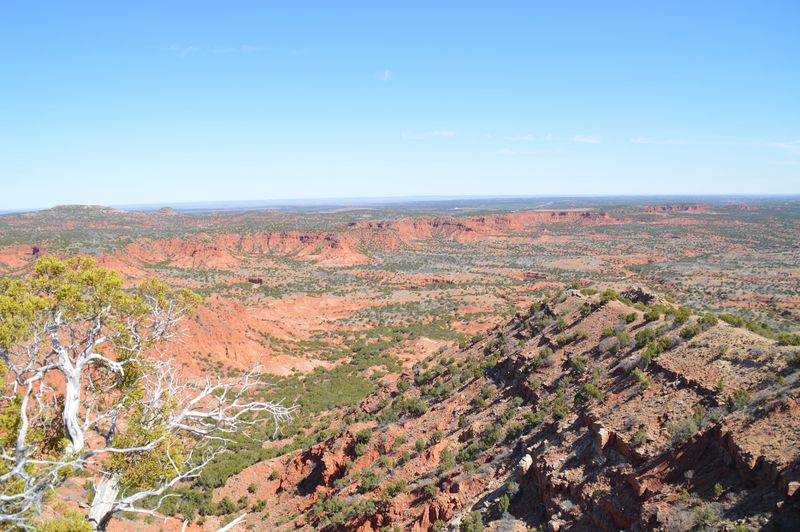
Out in the Texas Panhandle, red rock formations and sweeping canyon views create scenery that feels more like Utah than the Lone Star State most people picture. The Upper Canyon and Haynes Ridge Trail combination takes you deep into terrain that surprises first-time visitors with its dramatic geology. Because Quitaque sits hours from major cities, weekend traffic here stays remarkably light compared to parks near Austin or San Antonio.
The trail climbs steadily, rewarding your effort with panoramic views across layered canyon walls. Wildflowers bloom in spring, adding pops of color against the rust-colored rock. Summer heat can be intense, but early morning hikes offer cooler temperatures and even better chances of having the trail mostly to yourself.
Buffalo roam freely in parts of Caprock Canyons, adding an element of wildlife viewing you won’t find on most Texas trails. Seeing these massive animals in their natural habitat makes the remote drive worthwhile. The park’s distance from population centers naturally limits crowds, especially on the longer, more challenging routes like this one.
Pack plenty of water since the arid climate and elevation changes will dehydrate you faster than humid East Texas trails. The exposed sections offer little shade, so sun protection matters. But the trade-off is incredible visibility and photo opportunities without other hikers photobombing your shots.
Local hikers know this trail delivers solitude along with scenery. Tourists tend to stick closer to the campground or shorter nature walks, leaving the backcountry trails open for anyone willing to put in the miles. If you time your visit for weekday mornings, you might not see another soul for hours.
3. Bentsen-Rio Grande Valley State Park (Mission)
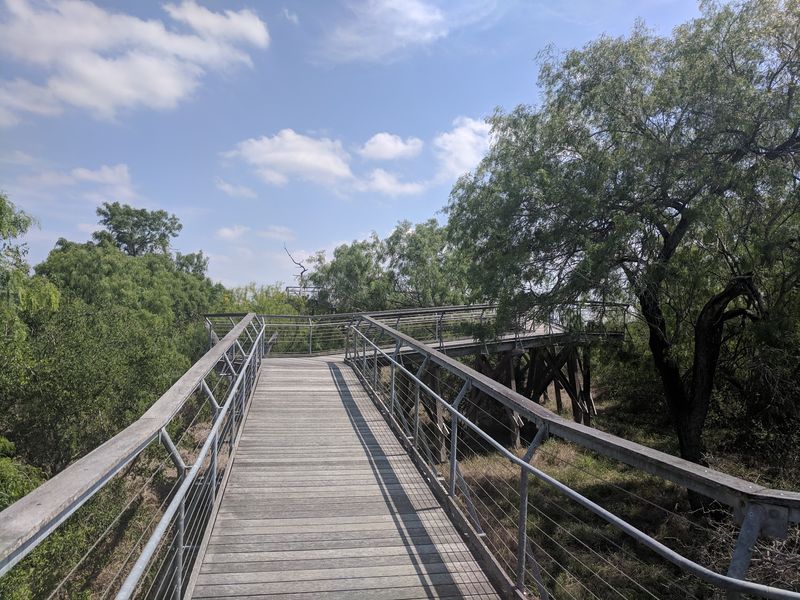
Down in the Rio Grande Valley, subtropical vegetation and rare bird species create a completely different hiking experience from anywhere else in Texas. Palm trees and thorny brush line trails where you might spot species found nowhere else in the United States. Serious birders know about Bentsen, but general hiking crowds skip right past it on their way to beaches or border towns.
The park’s location in the Valley keeps it off most weekend warrior radars. People from Houston or Dallas rarely make the five-plus hour drive just for hiking when closer options exist. This geographic isolation works perfectly for anyone seeking uncrowded trails with unique ecosystems to explore.
Watching for green jays, plain chachalacas, and other Valley specialties adds a treasure-hunt element to your hike. Even non-birders get excited spotting colorful species they’ve never seen before. The park’s observation tower offers elevated views across the landscape, and you can often climb it without waiting for other visitors to finish taking photos.
Heat and humidity define Valley weather most of the year, so early morning hikes work best. The trade-off for sweating a bit is having trails almost entirely to yourself. Locals know to avoid midday heat, and tourists typically haven’t heard of this park compared to more famous Texas destinations.
The trail system connects different habitat types, from dense thornscrub to open areas near resacas (oxbow lakes). Each section supports different wildlife, so paying attention to habitat changes makes the hike more engaging. Butterflies swarm certain flowering plants in season, creating unexpected moments of natural beauty that you’ll have mostly to yourself since crowds simply don’t materialize here like they do at Hill Country or Big Bend trails.
4. Daingerfield State Park – Mountain View / Swampland Trail (Daingerfield)
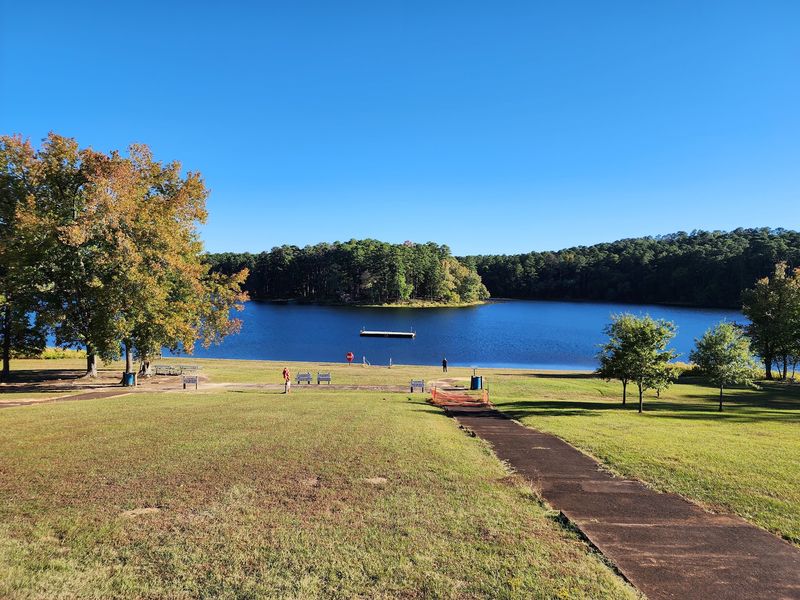
East Texas forests feel more like Louisiana than the Texas most outsiders imagine, with tall pines, wetlands, and moss creating an almost mystical hiking environment. The combination of Mountain View and Swampland trails takes you through dramatically different ecosystems in a single hike. Most Texas trail seekers focus on Hill Country or West Texas, completely overlooking this northeastern corner where solitude comes easy.
The swampland sections feature boardwalks over wetland areas where cypress knees poke up through dark water. Frogs and turtles provide entertainment while you walk through habitat that feels prehistoric and untouched. The contrast between drier upland forest and soggy lowlands makes this hike more interesting than single-ecosystem trails.
Daingerfield’s small-town location keeps visitor numbers low year-round. The park has a lake that attracts some fishing enthusiasts, but hikers represent a tiny fraction of park users. On weekend mornings, you might be the only person on the trail system, which spans enough distance to give you a solid workout without ever feeling crowded.
Fall colors here rival anything in more famous parks, with sweetgums and maples turning brilliant shades that glow against the evergreen pines. October and November hiking offers cooler temperatures and stunning foliage without the leaf-peeper crowds that descend on more publicized locations. Even during peak color season, you’ll find plenty of solitude.
Wildlife sightings happen frequently because animals aren’t constantly spooked by human traffic. Deer browse near the trail, and bird activity stays high throughout the day. The peaceful atmosphere lets you actually observe animal behavior instead of just glimpsing creatures fleeing from crowds.
Bring a camera with a zoom lens and patience, and you’ll capture shots impossible to get on busy trails where wildlife stays hidden.
5. Atlanta State Park (Atlanta)
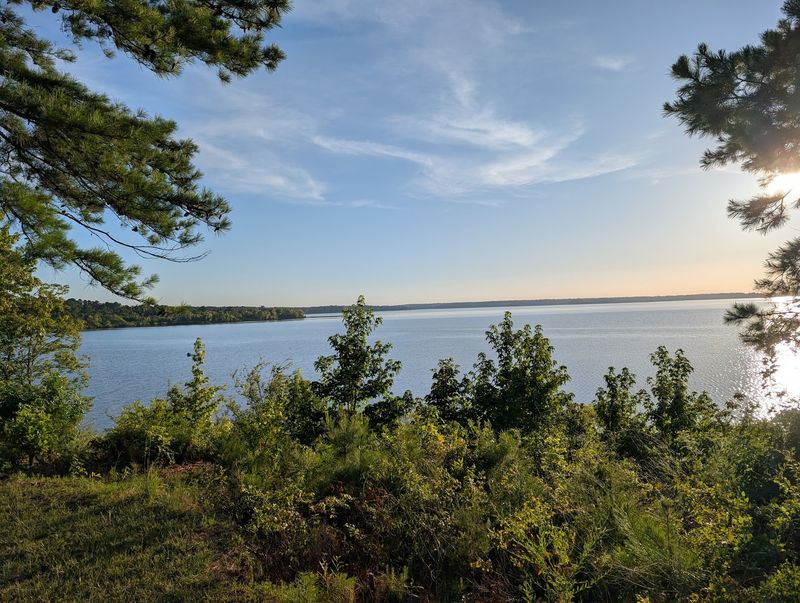
Tucked against Wright Patman Lake in the far northeastern corner of Texas, this park barely registers on most hikers’ mental maps. The trails wind through pine and hardwood forests with occasional lake views that surprise you as you round bends. Because Atlanta sits closer to Arkansas than to Dallas, the park draws mostly local visitors, leaving plenty of elbow room for anyone making the trip.
The forest here grows thick and green, creating a canopy that keeps trails shaded and temperatures manageable even in summer. Spring brings wildflowers to the forest floor, while fall delivers leaf color that rivals New England in good years. The seasonal changes make repeat visits worthwhile, and you’ll rarely encounter the same trail conditions twice.
Lake access points along the trail offer rest stops with water views. Watching boats in the distance while sitting on a quiet lakeshore creates a relaxing break mid-hike. The combination of forest and water habitats supports diverse wildlife, from woodland birds to waterfowl that feed along the shoreline.
Most Texans couldn’t point to Atlanta on a map, which keeps this park blissfully unknown outside the local area. The drive from major cities takes long enough to discourage casual day-trippers, naturally filtering visitors down to people serious about finding quiet outdoor spaces. This self-selection process means fellow hikers you do encounter tend to respect trail etiquette and nature.
The park’s campground attracts some weekend campers, but they typically stick close to their sites rather than hiking the full trail system. Morning hikes offer the best solitude as campers sleep in and day visitors haven’t arrived yet. Pack a thermos of coffee, hit the trail at sunrise, and you’ll have the forest entirely to yourself for golden hour photography and peaceful contemplation.
6. Hill Country State Natural Area – West Peak Loop (Bandera)
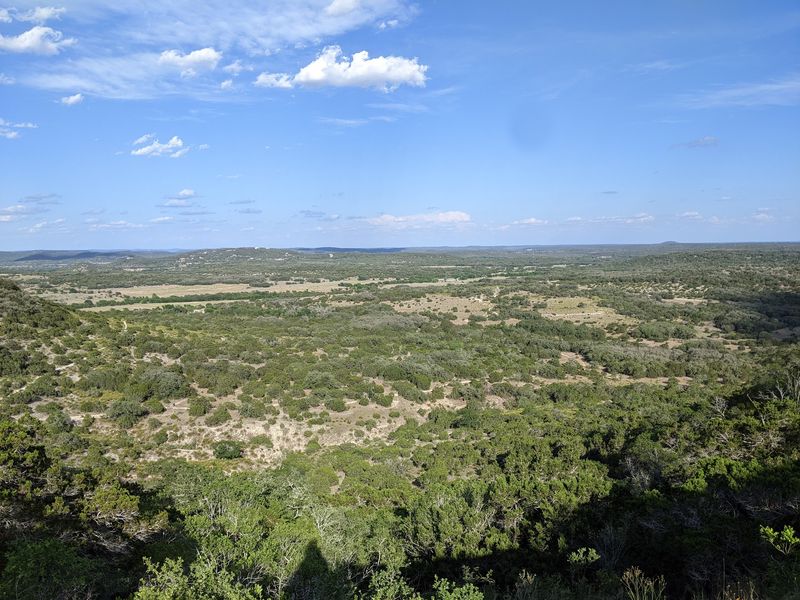
While tourists flock to Enchanted Rock and Lost Maples, this rugged natural area stays surprisingly quiet despite offering equally stunning Hill Country scenery. The West Peak Loop challenges hikers with rocky terrain and elevation gain that filters out casual walkers looking for easy strolls. Those willing to work for their views get rewarded with panoramic vistas across rolling hills without sharing the experience with bus-tour crowds.
The natural area designation means minimal development and maximum wilderness feel. You won’t find paved trails, visitor centers, or crowds of families with strollers. The primitive nature of the park attracts serious hikers and backpackers while discouraging the Instagram-seeking masses who want easy access and guaranteed cell service.
Rocky climbs test your legs and lungs, but reaching the higher elevations delivers sweeping views across the Hill Country that make the effort worthwhile. On clear days, you can see for miles across a landscape of juniper-covered hills and limestone outcrops. The sense of accomplishment from earning those views beats driving to a scenic overlook any day.
Bandera’s location puts this park within day-trip range of San Antonio, yet most weekend warriors choose closer, easier options. The drive on rural roads and lack of amenities keeps visitor numbers manageable even during peak spring wildflower season. When bluebonnets blanket the hillsides, you can actually stop for photos without waiting for other hikers to move out of frame.
Equestrian use is allowed here, so you might encounter horseback riders on the trail. Most horse groups stick to designated areas, and the trail system is extensive enough that everyone spreads out naturally. The multi-use aspect doesn’t create crowding because overall visitor numbers stay low.
Bring plenty of water, wear sturdy boots, and prepare for a genuine backcountry experience just an hour from a major city.
Share this story