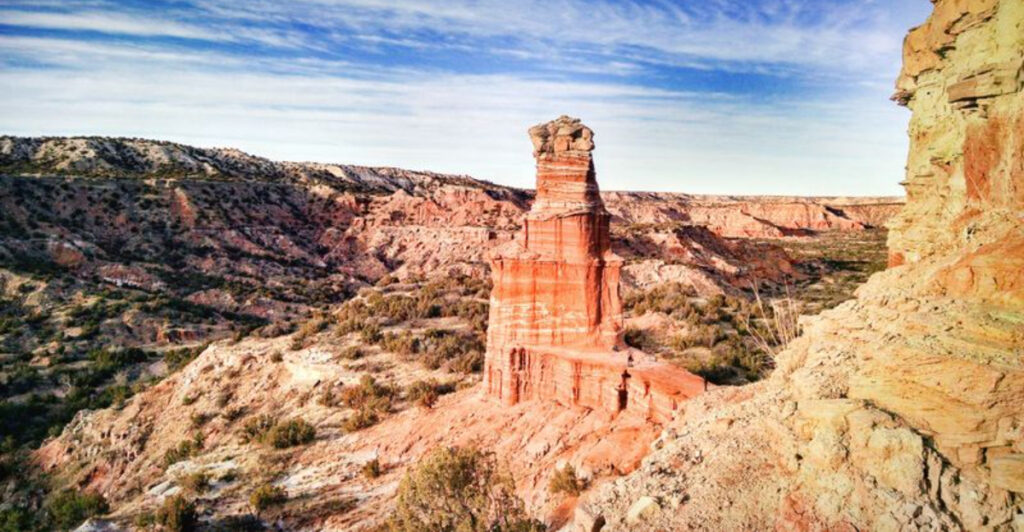
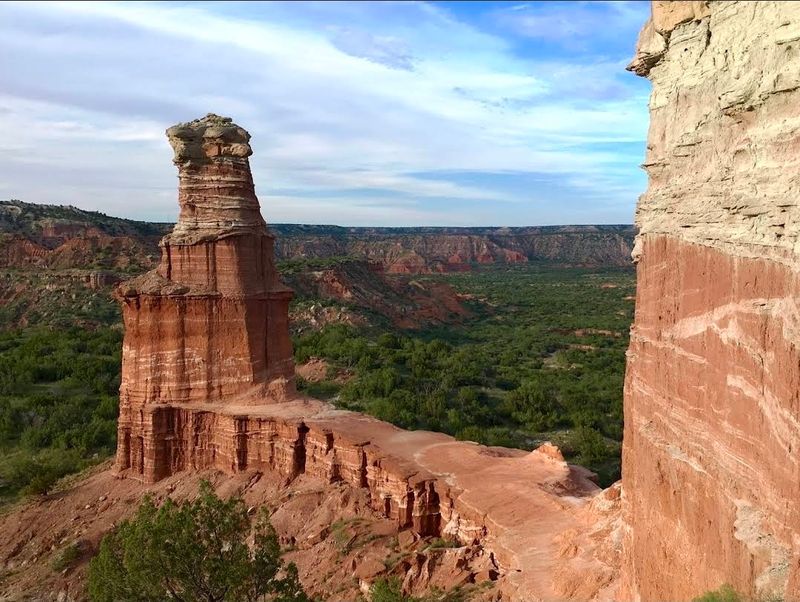
Palo Duro Canyon State Park hides one of Texas’s most spectacular natural wonders. The Lighthouse Rock stands 300 feet tall, a red-and-tan striped formation that rewards hikers with sweeping canyon views that stretch to the horizon. Getting there takes effort, but the payoff is unforgettable scenery that’ll make your camera work overtime.
1. The Trail That Starts Easy And Ends Epic
Most of the Lighthouse Trail follows a wide, sandy wash that’s about as flat as a pancake. You’ll cover roughly 2.7 miles of gentle terrain where bikers cruise past and families stroll without breaking much of a sweat. The path stays well-marked the whole way, so getting lost isn’t really a concern unless you wander off chasing lizards.
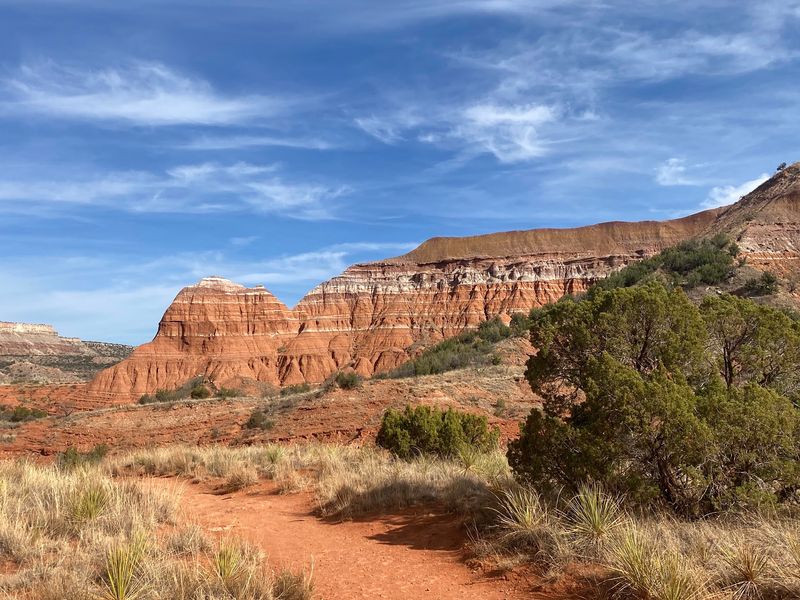
Around the two-mile mark, you’ll catch your first glimpse of the famous rock formation rising in the distance. That moment adds a serious boost of energy when your legs start wondering why they signed up for this. The route offers almost zero shade, which means summer hikers need to start at dawn or risk feeling like a rotisserie chicken by mid-morning.
Then comes the finale. The last quarter-mile flips the script completely, switching from easy stroll to legitimate scramble. You’ll climb straight up loose rocks with no guardrails, using your hands to pull yourself over boulders.
Some folks turn back at this point, especially if heights make their palms sweaty.
The whole round trip clocks in around 2.5 to 3 hours for most people, though speed demons and photography enthusiasts will land on opposite ends of that range. Parking fills up fast after 8:30 a.m., with only 35 to 40 spots available. Show up early or prepare to circle like a vulture waiting for someone to leave.
2. That Final Climb Everyone Talks About
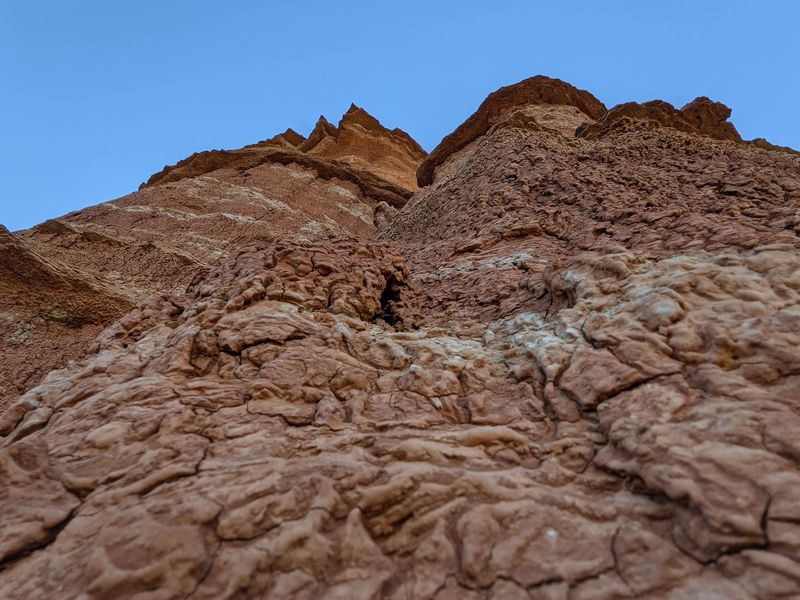
You’ve walked nearly three miles on what felt like a nature documentary set, and suddenly the trail says “hold my water bottle.” The path shoots upward from about 2,900 feet to over 3,100 feet in a ridiculously short distance. Loose rocks shift under your boots, and you’ll need both hands free to grab onto stable holds as you navigate the steep incline.
No official trail markers guide this section because, honestly, the worn path and the parade of hikers make the route pretty obvious. A picnic table and bike rack signal where the “easy” part ends and the adventure begins. From that spot, the Lighthouse itself stays hidden until you commit to the climb, which adds a touch of mystery to the whole experience.
Good hiking shoes become non-negotiable here. Flip-flops or worn-out sneakers will betray you faster than a politician during election season. Take your time, watch your footing, and don’t let the people breezing past make you feel rushed.
The scramble takes about 10 to 15 minutes for most folks, though if you’re hauling kids or stopping for photos every three seconds, plan for longer. One reviewer mentioned doing this with a nine-year-old, a five-year-old, and an infant in a carrier, which sounds both impressive and slightly insane. The climb challenges you just enough to make the top feel earned without requiring actual rock-climbing skills.
3. The 360-Degree Payoff At The Summit
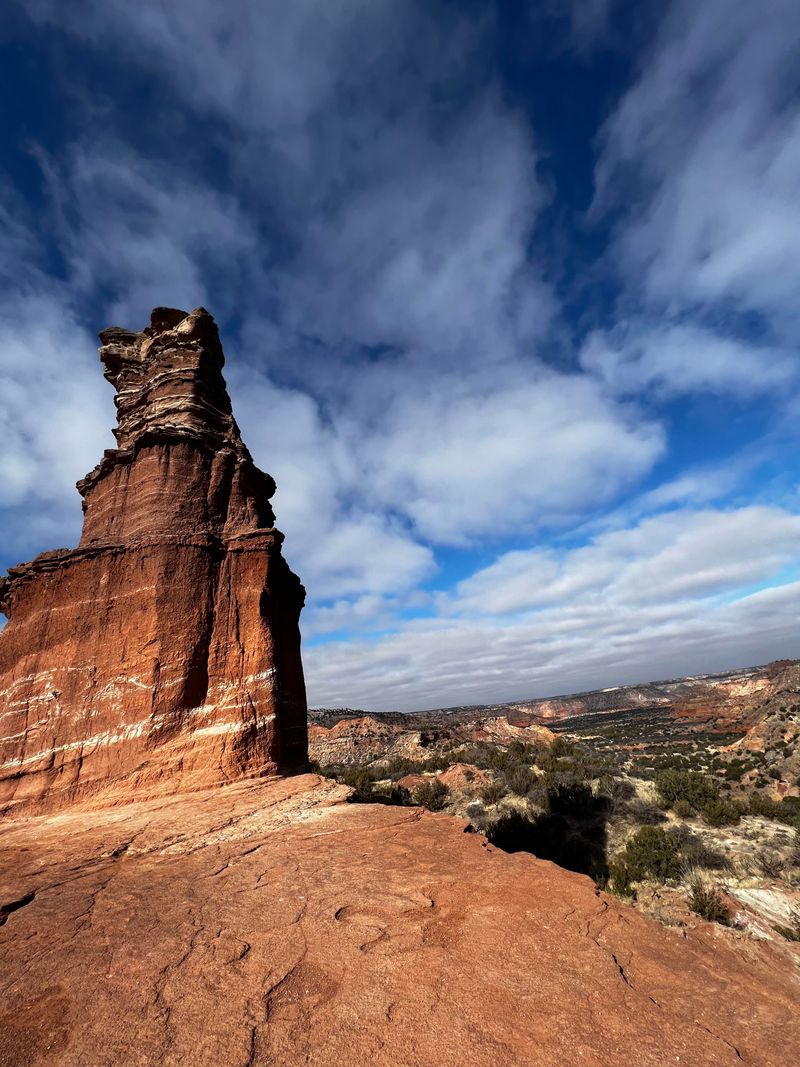
Once you haul yourself up that final scramble, the canyon floor spreads out below like a giant relief map painted in rust and amber. The view reaches so far in every direction that your eyes need a minute to adjust to all that open space. You can see the winding trail you just conquered, other rock formations jutting up like ancient monuments, and miles of Texas Panhandle stretching toward the horizon.
The plateau between the two rock formations offers the safest viewing spot, and most people camp out there to catch their breath and snap approximately 47 photos. Wind whips across the top with surprising force, especially in late afternoon when temperatures start dropping. One hiker reported feeling like they might get blown off the edge, which sounds terrifying but also kind of exhilarating.
For the truly adventurous, you can climb the adjacent formation across from the main Lighthouse for an even more dramatic 360-degree perspective. That extra scramble isn’t for everyone, but those who tackle it rave about the unobstructed canyon views. Sunrise and sunset turn the rock layers into a gradient of reds, oranges, and purples that look almost fake.
Plan to spend at least 20 to 25 minutes at the top, though you could easily kill an hour if you’re not in a rush. Bring snacks and water because there’s something special about having lunch while perched above one of Texas’s most dramatic landscapes.
4. When To Start Your Hike
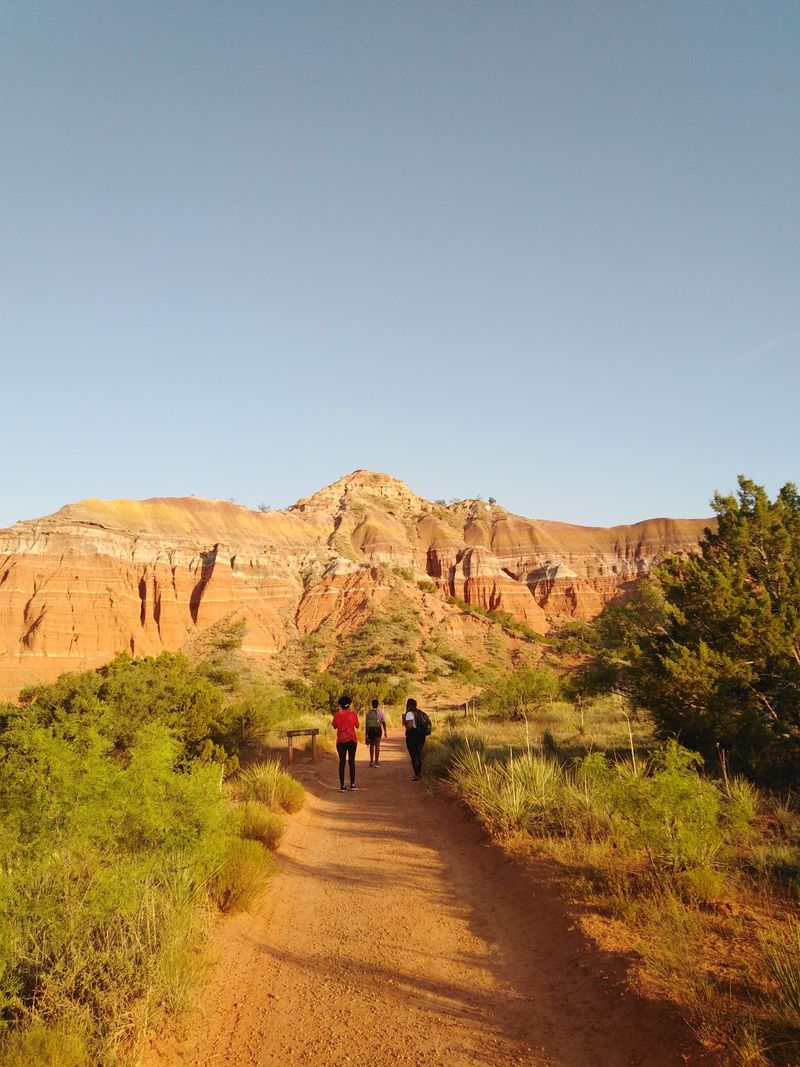
Smart hikers hit the trail by 7:00 or 7:30 a.m., before the sun turns the canyon into a convection oven. The parking lot fills up shockingly fast, and latecomers often circle endlessly or give up entirely. Starting early also means you might score some solitude at the Lighthouse before the crowds arrive around mid-morning.
Summer temperatures in the canyon regularly crack 100 degrees, and the exposed trail offers almost no relief. One reviewer mentioned drinking six 16-ounce bottles of water each during a morning hike, which sounds excessive until you’re out there sweating through your shirt in the first mile. Fall, winter, and spring offer much more pleasant conditions, with February and November getting especially high marks from repeat visitors.
Winter hikers should pack layers because temperatures can drop suddenly after 4:00 p.m., especially when the wind kicks up. One December hiker reported pleasant mid-60s during the day that turned cold and blustery by late afternoon. The weather in the Texas Panhandle can flip moods faster than a toddler denied candy.
Sunrise starts are magical if you can drag yourself out of bed that early. The morning light hits the rock layers at perfect angles, and you’ll finish your hike before the real heat sets in. Plus, biting flies apparently sleep in, so early birds avoid those annoying pests that plague hikers during the first half-hour of mid-morning starts.
5. What To Pack For This Adventure
Water tops the list, and you need way more than you think. Most experienced hikers recommend at least eight bottles per person, or a full gallon minimum. The canyon’s dry air and relentless sun will dehydrate you faster than you’d expect, and there’s absolutely zero water available along the trail.
Running out halfway back is a miserable experience you’ll want to avoid.
Solid hiking shoes or boots make a massive difference, especially during that final scramble over loose rocks. Trail runners work fine for the flat section, but the steep climb demands good ankle support and grippy soles. Several reviewers specifically mentioned seeing people struggle in inadequate footwear, turning around before reaching the Lighthouse because their shoes couldn’t handle the terrain.
Sunscreen, a wide-brimmed hat, and sunglasses aren’t optional unless you enjoy looking like a lobster in family photos. The sun beats down relentlessly with minimal shade breaks. Bug spray helps during warmer months when biting flies patrol the trail, though they seem to disappear after the first half-mile or so.
Energy bars, trail mix, or other protein-packed snacks keep your energy levels stable during the three-hour round trip. Some people pack full lunches to enjoy at the top, which turns the hike into more of an event. A small first-aid kit makes sense too, just in case someone takes a tumble on the rocky sections.
6. The Rock Formation That Started It All
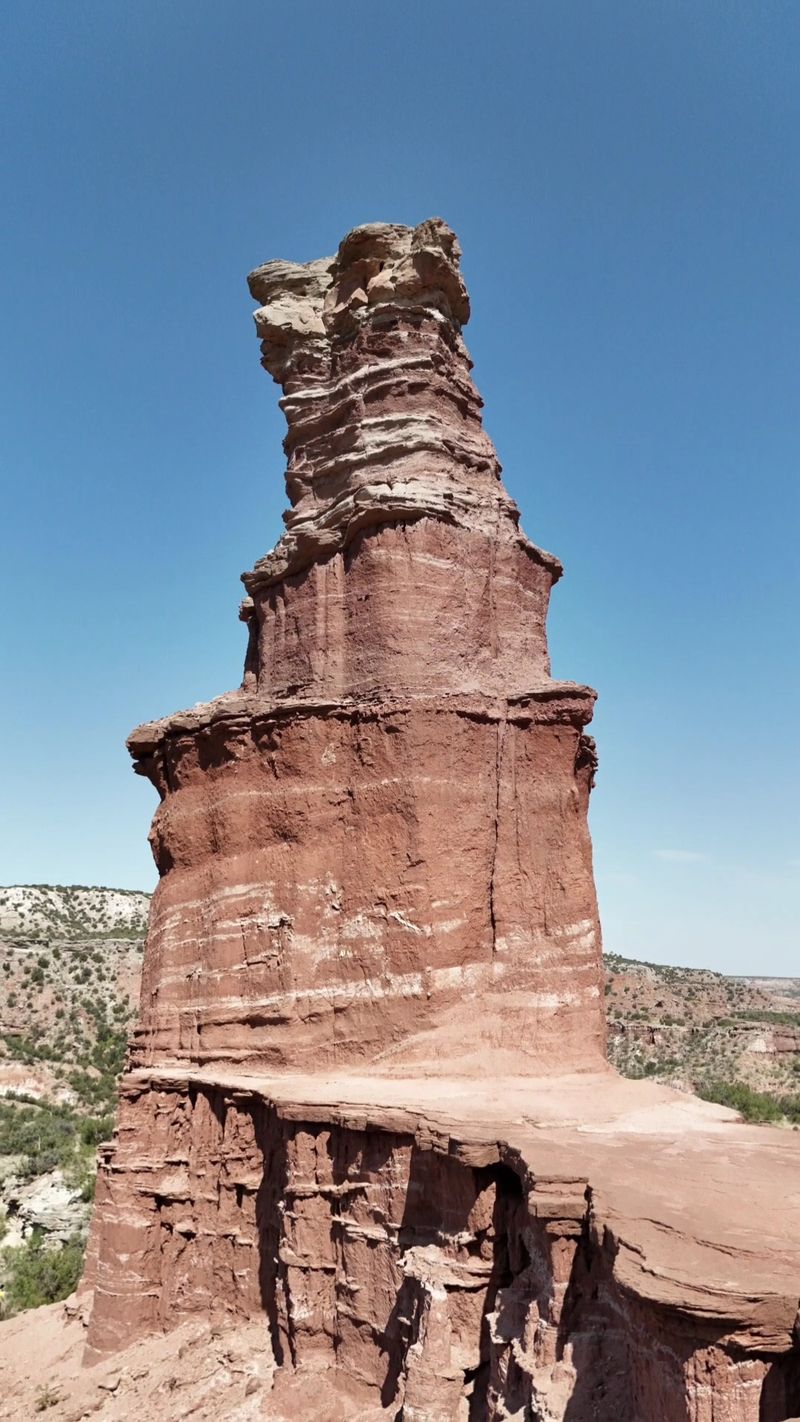
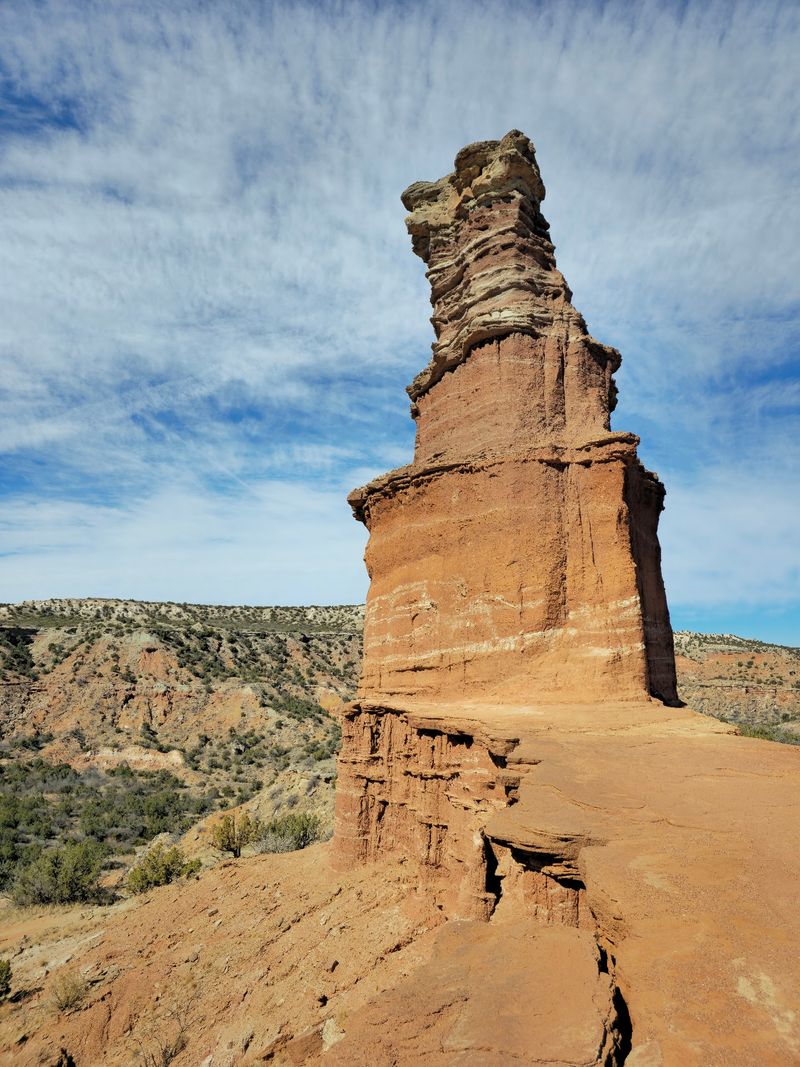
The Lighthouse stands 300 feet tall, a natural monument carved by millions of years of wind and water erosion. Its distinctive shape and striped layers of red and tan rock make it the most photographed formation in Palo Duro Canyon. You can’t see it from any road in the park, which means the only way to experience this geological wonder is by committing to the hike.
The rock’s unique profile resembles an old-fashioned lighthouse, hence the creative name. Up close, the layers tell a story of ancient seas, shifting climates, and the relentless forces that shaped the Texas Panhandle. Geologists get genuinely excited about the exposed strata, though most visitors just think it looks really cool.
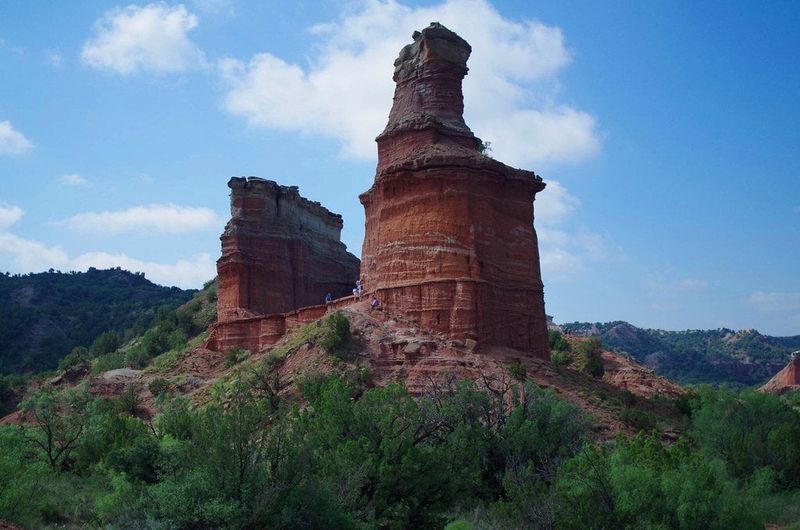
The formation sits in a saddle between two rock platforms, creating a natural amphitheater effect. Wind whistles through the gap, and the acoustics make normal conversation sound weirdly amplified. Standing at the base, you can truly appreciate the scale of this natural sculpture that dwarfs even the tallest hikers.
Many visitors report a spiritual or emotional response to reaching the Lighthouse, describing it as more than just a photo opportunity. One hiker called it “an exceptional, highly spiritual experience” that changed their perspective on life, which might sound dramatic but apparently happens often enough that multiple reviews mention similar feelings. There’s something about the combination of physical effort, natural beauty, and sheer scale that hits people differently than expected.
7. Wildlife And Natural Surprises Along The Way
Lizards dart across the trail constantly, doing their little push-ups on sun-warmed rocks like tiny fitness enthusiasts. You’ll spot various species if you pay attention, from small swift runners to chunkier specimens that freeze when you approach. Kids especially love trying to get close-up photos, though the lizards rarely cooperate with that plan.
Mountain goats sometimes appear on distant hillsides, silhouetted against the sky like they’re posing for a nature documentary. Spotting them feels like winning a small lottery, and hikers who catch a glimpse tend to stop and point excitedly. The goats navigate terrain that would terrify most humans, hopping between ledges with casual confidence.
Tarantulas occasionally make appearances, which either thrills or horrifies people depending on their spider tolerance. They’re generally docile and more interested in avoiding you than causing problems, but seeing one of these dinner-plate-sized arachnids crossing the trail definitely gets your attention. Spring and fall bring higher tarantula activity during mating season.
Wildflowers bloom throughout spring and early summer, adding splashes of yellow, purple, and white to the red rock landscape. The contrast makes for stunning photos, and plant enthusiasts can spend extra time identifying different species. Biting flies patrol certain sections during warmer months, especially in the morning hours, so bug spray becomes your best friend for the first half-mile or so.
8. Making The Hike Family-Friendly
Families with kids tackle this trail successfully all the time, though you’ll need to adjust expectations and pack extra patience. The flat first section works great for children who can handle a few miles of walking, and the scenery keeps them entertained better than most trails. Turning it into a scavenger hunt for lizards, interesting rocks, or specific plants helps keep younger kids engaged when they start asking “are we there yet?”
One family reported completing the entire hike with a nine-year-old, five-year-old, and an infant strapped into a carrier, which proves it’s doable but also sounds like it required serious determination. They spent three hours total and had lunch at the top, treating it like a full adventure rather than a quick nature walk. Planning for a longer timeline removes the stress of rushing kids along.
The final scramble presents the biggest challenge for families. Younger children might need help navigating the steep, rocky section, and parents should honestly assess whether their kids can handle heights and uneven terrain. Some families stop at the bike rack and picnic table, enjoying the accomplishment of the flat hike without pushing into uncomfortable territory.
Bring way more snacks and water than seems reasonable because kids burn through supplies faster than adults. Frequent rest stops at the designated spots along the trail keep everyone’s energy and morale up. Starting early helps avoid the worst heat and gives your family the trail largely to yourselves before crowds arrive.
Share this story