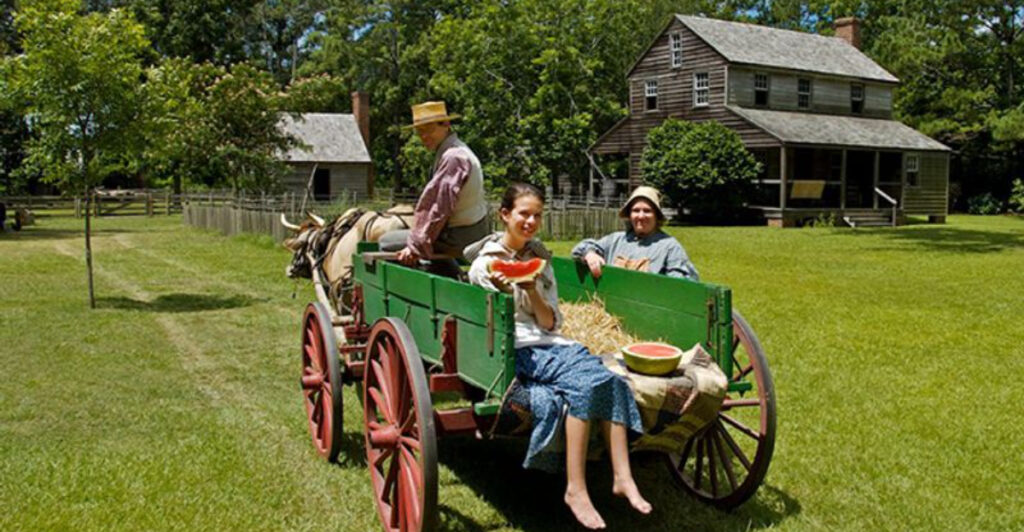
Island Farm in Manteo is the kind of place where history feels close enough to touch. Instead of only reading signs, visitors can walk through old buildings, meet costumed interpreters, see farm animals, and try hands-on activities.
This living history museum shows what daily life was like on Roanoke Island during the mid-1800s. If you are visiting the Outer Banks, it is a quiet, meaningful stop that makes the past feel real.
1. A Farmyard That Feels Like a Time Machine
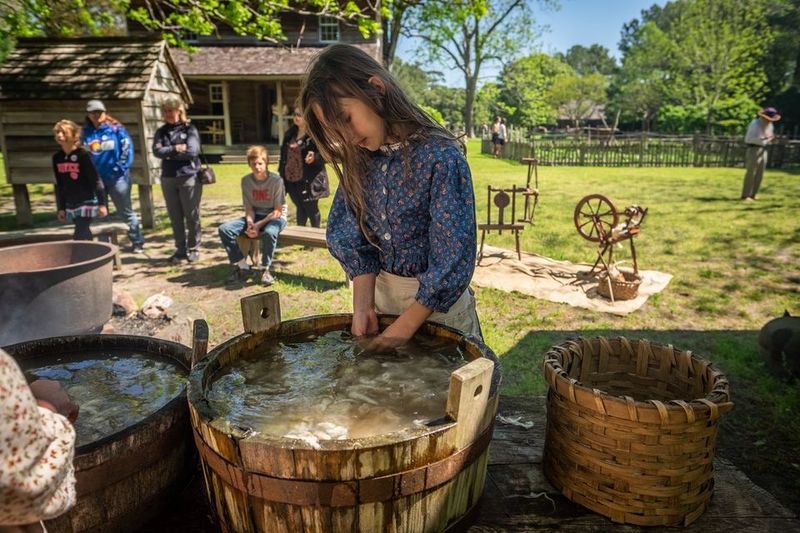
The first surprise at Island Farm is how quickly modern life seems to fade away.
One minute you are near busy US-64 in Manteo, and the next you are walking past weathered fences, sandy paths, farm buildings, and open ground that feels much older than the road outside.
This living history museum focuses on Roanoke Island farm life around the 1840s and 1850s.
The goal is not to overwhelm you with long lectures, but to let you notice the small things, like how food was grown, how tools were used, and how much work filled an ordinary day.
Visitors can wander at an easy pace, which makes the place feel relaxed instead of rushed.
Families often spend about an hour or more, though curious history lovers may want extra time to talk with interpreters and look closely inside the buildings.
A smart way to begin is by getting any available brochure or map at the visitor area, then asking staff what demonstrations are happening that day.
Because the farm aims to feel authentic, you may not see large modern signs everywhere, so conversations are part of the experience.
Bring comfortable shoes, water on warm days, and an open mind.
Island Farm rewards people who slow down, ask questions, and enjoy noticing how a small historic site can tell a big story about coastal North Carolina life.
2. Historic Buildings You Can Actually Enter
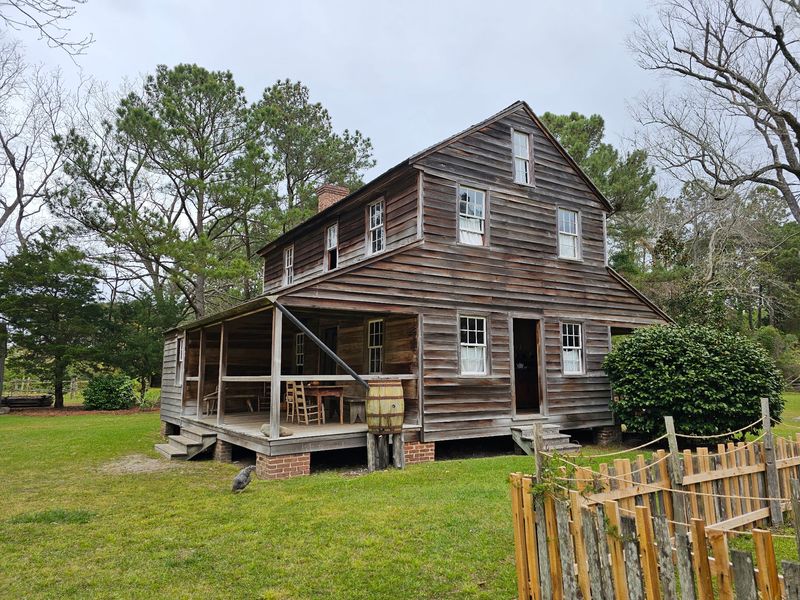
Many museums ask visitors to look from behind ropes, but Island Farm invites you closer.
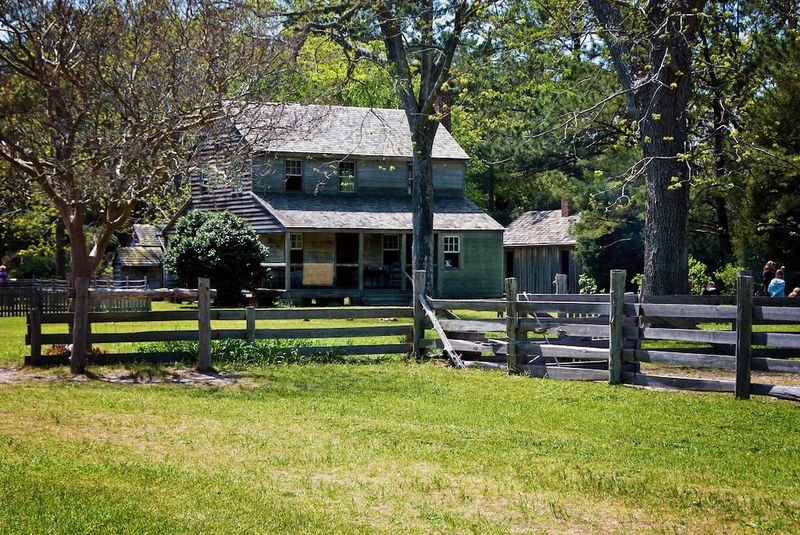
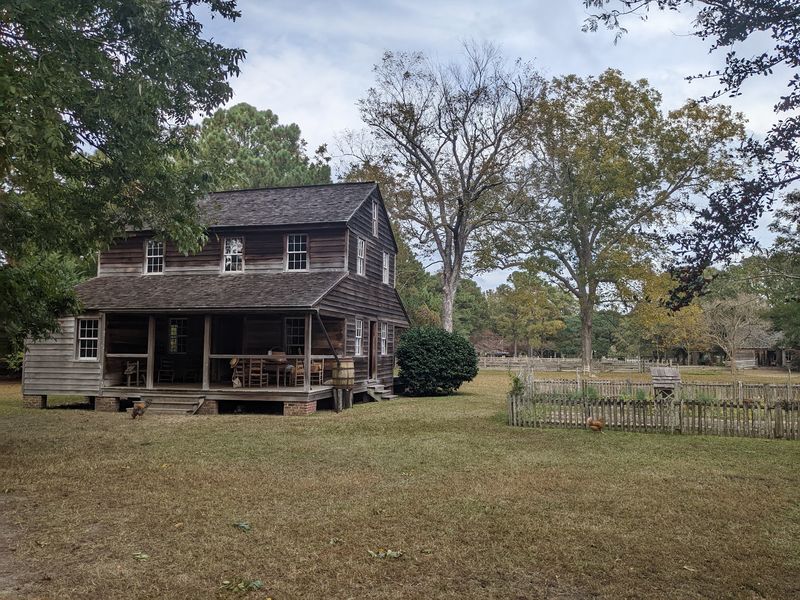
The restored house and outbuildings help you picture how a Roanoke Island family lived, worked, cooked, stored food, and handled daily chores before electricity and modern plumbing.
The main house is often a highlight because it feels personal, not polished like a grand mansion tour.
Simple rooms, period furnishings, and careful restoration work show how comfort, labor, and family life all shared the same space in the 1800s.
Outbuildings matter just as much as the home.
A detached kitchen, work spaces, animal areas, and farm structures remind visitors that a household was more than a place to sleep.
It was a busy system that had to support itself through skill and steady effort.
Take your time when stepping into each space.
Look at the tools, the hearth, the floors, and the simple objects that would have been used again and again.
Kids can compare these rooms with their own homes and quickly see how much has changed.
If an interpreter is nearby, ask what a normal morning looked like for the family or workers on the farm.
Questions like that often lead to the best stories.
At Island Farm, buildings are not just old walls.
They are clues to everyday life.
3. Costumed Interpreters Bring the Past to Life
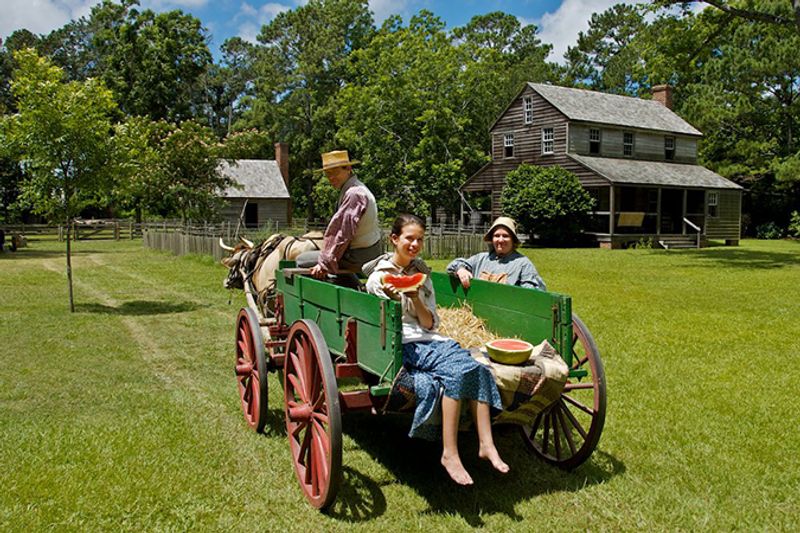
A visit here often becomes memorable because of the people telling the stories.
Island Farm is known for friendly, knowledgeable interpreters who dress in period clothing and explain history while doing real tasks around the site.
Instead of sounding like a textbook, the staff often share details that make the 1800s easier to understand.
They might describe food preparation, wool work, animal care, family routines, local customs, or the challenges of farming on an island shaped by wind, water, and sandy soil.
The best part is that visitors can ask simple questions without feeling silly.
Children might wonder where people slept, what they ate, or how they played.
Adults may ask about restoration, family history, or how the farm connects to the wider story of the Outer Banks.
Because activities can change by day, it helps to check the farm website or call ahead at +1 252-473-6500 if you are hoping to see something specific.
Regular hours are generally 9 AM to 3 PM Tuesday through Saturday, with Sunday and Monday closed, but schedules can change.
Listen for small stories as much as big dates.
A guide explaining a cooking pot or a farm tool can make the past feel surprisingly close.
At Island Farm, history is not only displayed.
It is spoken, demonstrated, and shared face to face.
4. Blacksmith Demonstrations With Sparks and Skill
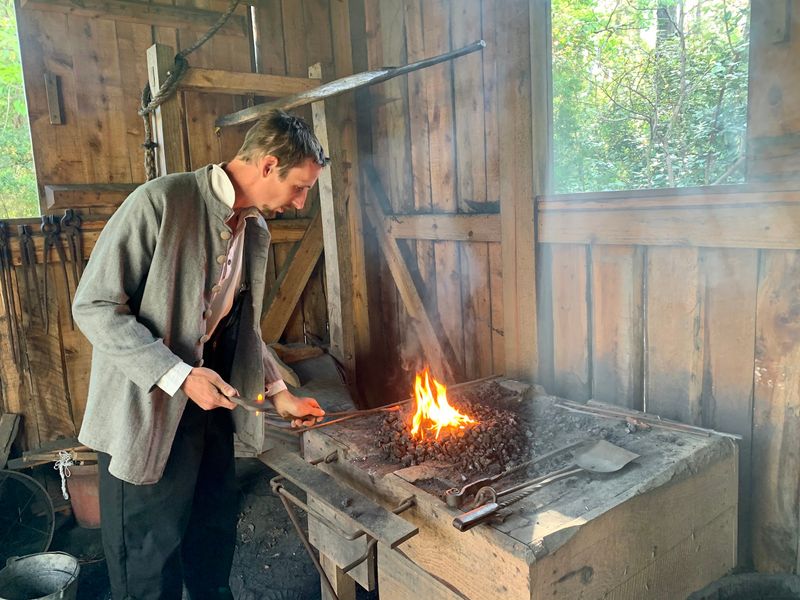
The clang of a hammer can stop almost anyone in their tracks.
At Island Farm, blacksmith demonstrations are a favorite because they turn a simple piece of metal into a lesson about strength, patience, heat, and careful timing.
In the 1800s, a blacksmith was one of the most useful people in a farming community.
Farms needed nails, hooks, hinges, repairs, tools, and many other metal pieces.
Without a quick online order or a nearby hardware store, skill at the forge mattered a great deal.
Watching the process helps visitors understand how slow and exact this work could be.
Metal changes color as it heats, then the smith shapes it with steady blows.
Even a small item can take focus, practice, and knowledge passed down through years of doing.
Children usually enjoy the sound and movement, but remind them to stand where staff direct them.
The forge area is interesting, yet it is also a real workspace with hot metal and tools that deserve respect.
If a demonstration is happening, stay for a few minutes longer than planned.
Ask what the blacksmith is making and how the object would have been used on the farm.
A hook, nail, or simple tool may seem ordinary today, but at Island Farm it becomes proof of how much people once made by hand.
5. Farm Animals That Make History Feel Real
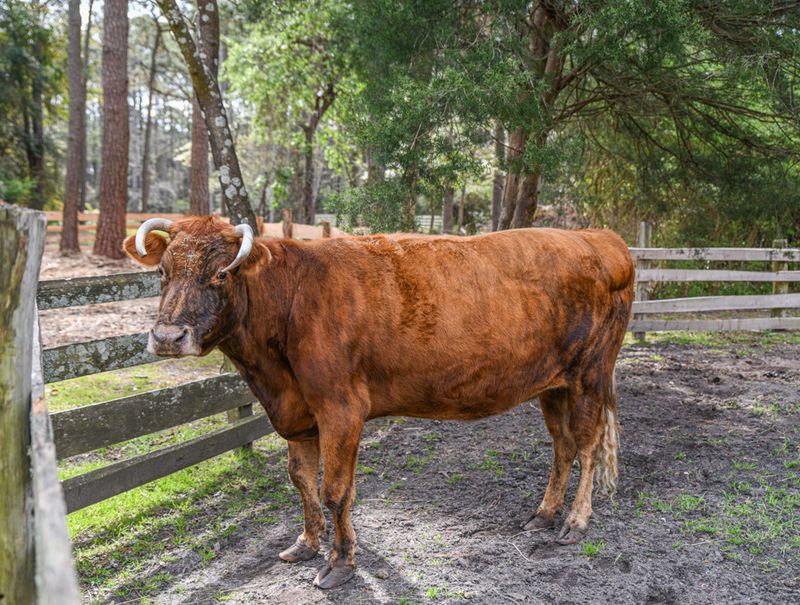
Animals give Island Farm a warm, lively feeling that kids notice right away.
Chickens scratch near the yard, larger animals graze or rest behind fences, and the whole place feels more like a working farm than a quiet exhibit.
In the mid-1800s, animals were not just cute additions to farm life.
They helped provide food, labor, transportation, fertilizer, and materials.
A cow could mean milk and butter.
Chickens could mean eggs.
A mule or horse could help with hauling and field work.
Visitors often mention the joy of feeding chickens or seeing heritage breeds up close.
These animals help explain why daily care was so important.
Someone had to feed them, protect them, clean areas, collect eggs, and make sure the farm could keep running.
Families should remind children to be calm and gentle around animals.
Staff may allow certain interactions, but visitors should always follow directions.
Historic farms are exciting, yet the animals still need space and safe handling.
Take a moment to compare these farm animals with pets at home.
That simple comparison helps children understand the difference between animals kept mainly for friendship and animals that were part of survival.
At Island Farm, a chicken, cow, horse, or mule is more than something to photograph.
Each one helps tell the story of work, food, and responsibility in the 1800s.
6. Hands-On Activities Kids Remember
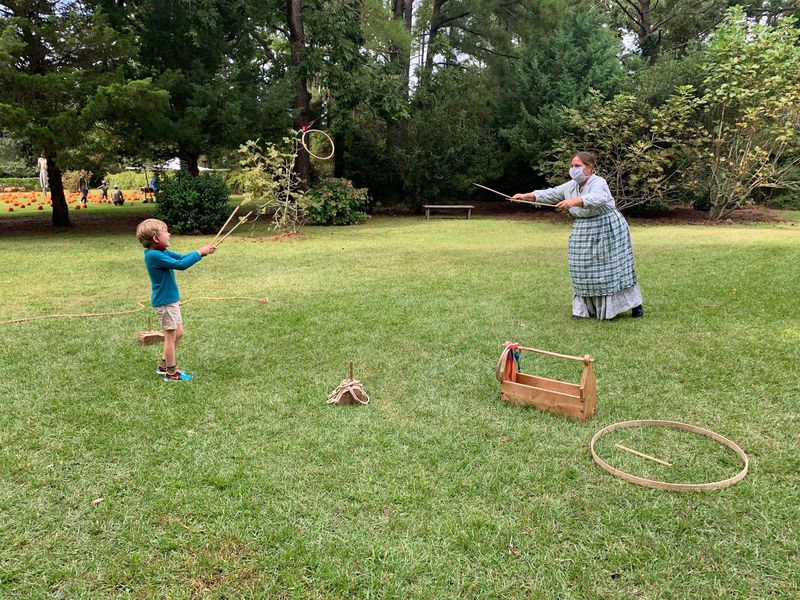
Some history lessons stick because you do them with your own hands.
Island Farm is especially fun for families because many visits include hands-on activities, such as making simple dolls, playing old-fashioned games, feeding chickens, or helping with small farm tasks.
These activities show children that fun in the 1800s did not require screens, batteries, or plastic toys.
A corn husk doll, a swing, a yard game, or a small craft could become a favorite pastime.
The simplicity often surprises modern kids in the best way.
Parents can use the activities as easy conversation starters.
Ask children what toy they would miss most from home, or what chore they think would be hardest on a farm.
Those questions help connect the museum experience to their own daily lives.
Not every activity happens every day, so it is wise to arrive with flexible expectations.
Special programs, homeschool days, holiday events, and seasonal weekends may offer extra demonstrations or crafts.
Checking the official Island Farm website before visiting can help you plan around events.
The pace is usually relaxed, which is helpful for younger visitors.
Teens may also enjoy the farm more than expected, especially when interpreters invite questions or explain unusual skills.
A handmade doll or a turn at an old game may seem small, but those simple moments can become the memory everyone talks about later.
7. Gardens, Herbs, and the Taste of Farm Life
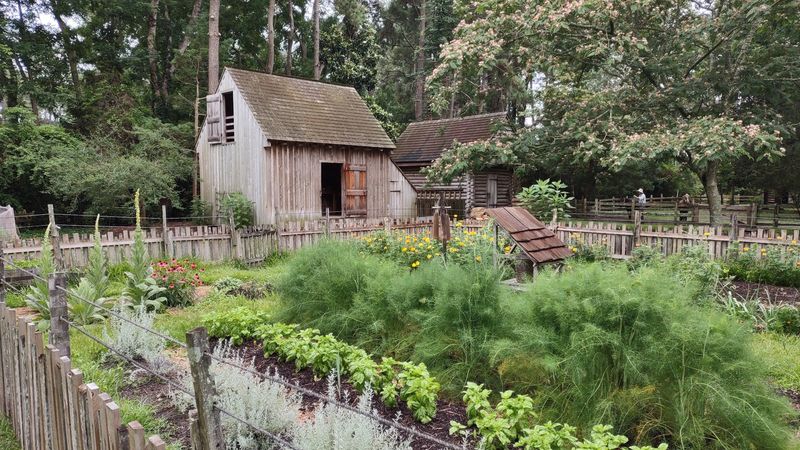
The garden at Island Farm quietly explains something very important: food did not simply appear.
Families had to plant, tend, harvest, dry, cook, preserve, and use every bit wisely, especially on an island where supplies could be limited.
Visitors may see herbs, vegetables, or seasonal crops growing in a setting that reflects old farm practices.
Some guests have even tasted herb tea or garden samples during special demonstrations, which makes the lesson feel less like history class and more like a shared kitchen moment.
Gardens in the 1800s served many purposes.
Herbs could flavor food, help with home remedies, or make plain meals more interesting.
Vegetables added needed nutrition.
A good growing season could make a real difference in how comfortable a family felt through the year.
Spend time noticing the soil, fences, rows, and plant choices.
Roanoke Island farming had to work with coastal weather, salty air, sandy ground, insects, and storms.
That makes each successful crop feel like the result of knowledge and persistence.
If you garden at home, even in pots, Island Farm gives useful perspective.
Modern gardeners have hoses, packaged soil, and garden centers.
Farm families in the 1800s depended on saved seeds, hand tools, animal help, and experience.
The garden may look simple at first, but it carries one of the clearest messages on the farm: daily food required daily effort.
8. Seasonal Events Add Extra Magic
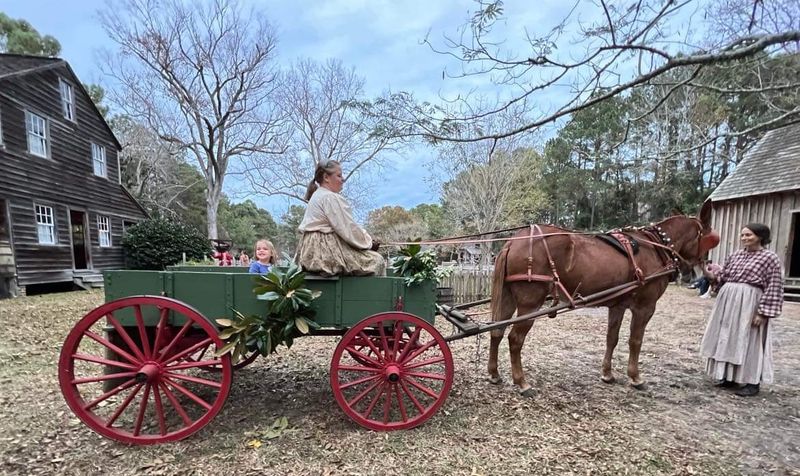
Island Farm is interesting on a regular day, but seasonal events can make the visit feel extra special.
The farm has been known for programs such as Pumpkin Patch Saturdays, Christmas events, homeschool activities, Independence Day traditions, and sheep-related demonstrations.
These events often add crafts, foodways, music, candle making, wreath making, readings, or special tours.
A Christmas night program, for example, can show how holiday customs looked in the 1800s, with simple decorations, warm drinks, and stories tied to the farm’s history.
Seasonal programs are helpful for repeat visitors because they make the site feel new each time.
A fall visit may focus on pumpkins and harvest themes, while a summer program may include patriotic history or outdoor demonstrations.
Families can choose the mood that best fits their trip.
Planning matters because events may have different hours, admission needs, or crowd levels.
Check the official website from the Outer Banks Conservationists or call ahead before building your day around a special program.
Arriving early can also help you enjoy activities before the busiest time.
Special events are also a good choice for visitors who want more structure than a self-guided wander.
With extra demonstrations and scheduled activities, children often stay engaged longer.
At Island Farm, the calendar can turn a quiet historic stop into a lively celebration of old island traditions.
9. A Calm Outer Banks Stop Near Manteo Attractions
Not every Outer Banks outing has to include sand in your shoes or a crowded boardwalk.
Island Farm offers a slower break near Manteo, making it a good add-on when you are visiting Roanoke Island, the North Carolina Aquarium, or other nearby attractions.
The address is 1140 US-64, Manteo, NC 27954, which makes it easy to find during a day of exploring.
Because the farm is compact and relaxed, it can fit into a morning or afternoon without taking over your whole schedule.
Many visitors say the site is a pleasant surprise, especially when they find it by accident while heading somewhere else.
Its high rating, 4.8 stars from hundreds of reviews, reflects how much people value the friendly staff, historic setting, animals, and demonstrations.
Still, it helps to know what kind of place you are visiting.
Island Farm is not a theme park with constant action in every corner.
It is a living history site where the best moments often come from conversation, observation, and joining in when activities are offered.
Plan for weather, since much of the visit includes outdoor walking.
A hat, sunscreen, and water are smart in warm months.
If you enjoy quiet places with real stories, Island Farm can balance the faster pace of an Outer Banks vacation with a peaceful step into the past.
10. Simple Tips for Making the Most of Your Visit
A little planning can turn a good Island Farm visit into a great one.
Start by checking current hours, since the farm is generally open 9 AM to 3 PM Tuesday through Saturday and closed Sunday and Monday, but seasonal changes or events may affect the schedule.
When you arrive, ask what is happening that day.
Demonstrations may include blacksmithing, cooking, gardening, animal care, crafts, or other farm tasks.
Because the site uses living interpretation instead of heavy modern signage, staff conversations are the key to understanding what you see.
Give yourself enough time to wander without rushing.
Some visitors move through quickly, while others spend much longer watching a demonstration, talking with guides, or letting children enjoy the animals and games.
A flexible schedule will make the experience more rewarding.
Bring curiosity along with practical items.
Comfortable shoes, weather-friendly clothing, water, and a camera are useful.
If you are visiting with children, prepare them by explaining that they will see how people lived before electricity, cars, grocery stores, and modern toys.
Most of all, ask questions.
What did people eat?
How did they stay cool?
Who repaired tools?
What chores did children do?
Island Farm shines when visitors connect the old ways to modern life.
By the time you leave, the 1800s may feel less distant and much easier to imagine.
Share this story