When Texas heat cranks up past 100 degrees, there’s nothing quite like plunging into cool, clear water surrounded by natural beauty. The Lone Star State is home to some seriously stunning swimming spots tucked inside state parks, where spring-fed pools and pristine rivers offer relief from scorching temperatures. Whether you’re looking for a family-friendly shallow area or a deep swimming hole with cliff-jumping opportunities, these nine parks deliver refreshing water and gorgeous scenery that’ll make you forget all about the summer swelter.
1. Colorado Bend State Park (Bend)
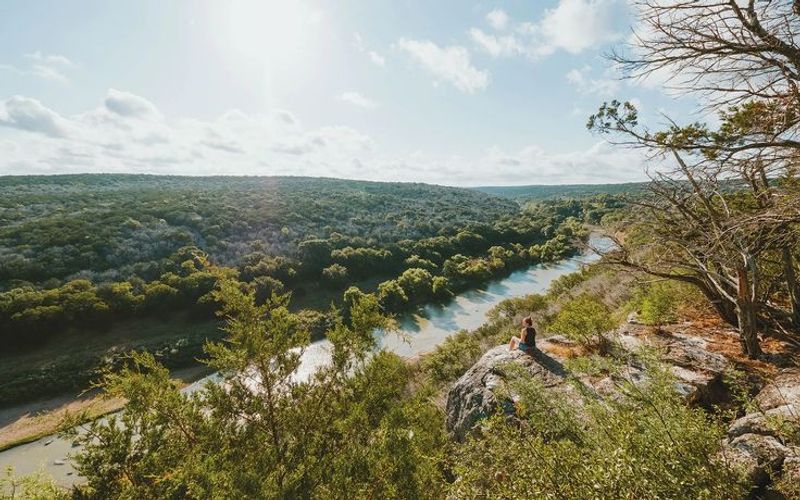
Gorman Falls might steal the spotlight here, but the real magic happens at the swimming areas along the Colorado River. This remote park sits about two hours northwest of Austin, and getting there requires navigating some serious backcountry roads that keep the crowds thinner than most popular spots. The reward?
Pristine water that stays surprisingly cool even during peak summer months.
The river creates natural pools between limestone ledges, offering depths that range from ankle-deep shallows perfect for little ones to swimming areas deep enough for older kids and adults. Spicewood Springs Trail leads to one of the best swimming spots, though you’ll need to hike about three miles round trip to reach it. Pack plenty of water and wear sturdy shoes since the trail gets rocky.
What makes this place special is how untouched it feels compared to more developed parks. You won’t find concrete steps or manicured beaches, just raw Hill Country beauty with clear water flowing over smooth rocks. The park allows primitive camping, so you can set up near the river and enjoy multiple days of swimming without battling day-tripper traffic.
Water shoes are practically mandatory here since the riverbed is all natural rock. Bring a cooler with snacks and drinks because there’s zero cell service and no nearby stores. The drive out requires high-clearance vehicles when roads get wet, so check conditions before heading out.
Summer weekends see the most visitors, but weekdays often feel like you’ve got your own private swimming hole. Just remember this park operates on a first-come, first-served basis for camping, so arrive early if you’re planning to stay overnight.
2. Balmorhea State Park (Toyahvale)
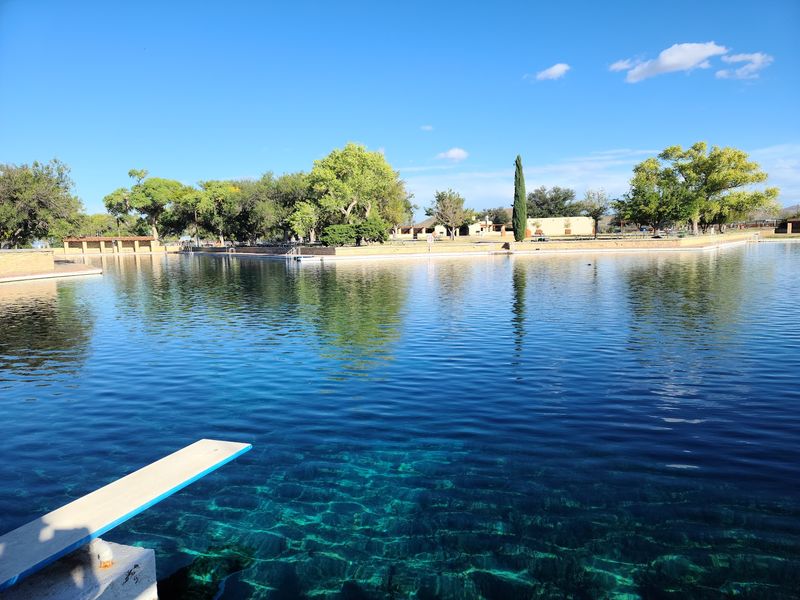
Out in the middle of West Texas desert sits what might be the state’s most unusual swimming destination. A massive spring-fed pool measuring 1.3 acres holds water so clear you can spot fish swimming 25 feet below the surface. The San Solomon Springs pump out 15 million gallons daily, keeping the water at a constant 72-74 degrees year-round.
This isn’t your typical natural swimming hole. The Civilian Conservation Corps built the pool in the 1930s using native stone, creating what looks like a giant natural aquarium. Scuba divers love it here because the pool reaches depths of 25 feet in some spots, and the water clarity rivals tropical destinations.
You don’t need diving gear to enjoy it though, regular swimming and snorkeling work perfectly fine.
Endangered species like the Comanche Springs pupfish call this pool home, so you’re literally swimming alongside creatures found nowhere else on Earth. The park provides changing facilities, showers, and a small store selling snacks and swimming supplies. Admission runs cheaper than most water parks, and the experience beats any chlorinated pool hands down.
Summer temperatures in this part of Texas regularly hit 100-plus degrees, making the spring water feel absolutely perfect. Locals pack the place on weekends, but weekday visits often mean sharing the pool with just a handful of other swimmers. The park offers camping right next to the pool, so you can take midnight swims under star-filled West Texas skies.
Just be aware that the pool closes periodically for maintenance, so call ahead before making the long drive out. This spot sits about 200 miles from both El Paso and San Antonio, making it a true destination rather than a quick day trip for most folks.
3. Dinosaur Valley State Park (Glen Rose)
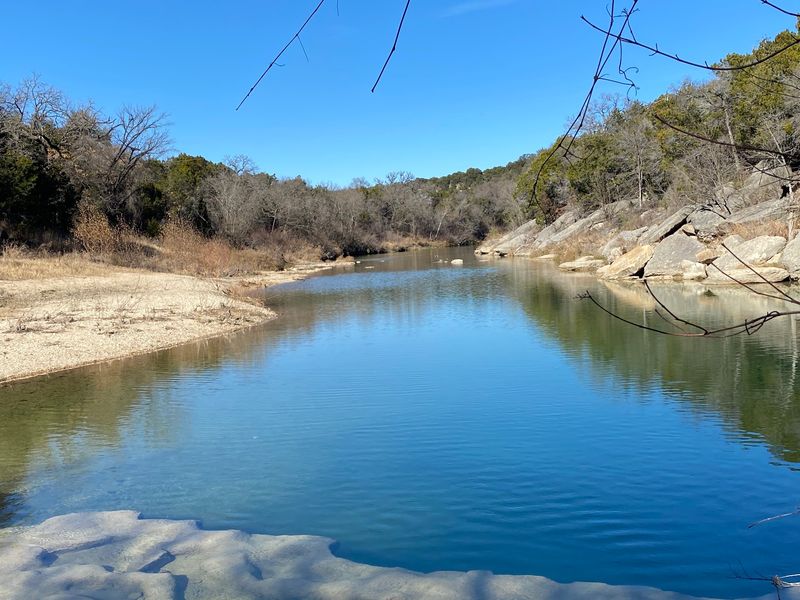
Sure, the dinosaur tracks embedded in the riverbed draw most visitors, but the Paluxy River offers some seriously refreshing swimming once you’ve finished gawking at 113-million-year-old footprints. Located about an hour southwest of Fort Worth, this park combines paleontology with perfect summer swimming conditions. The river runs shallow in most spots, rarely exceeding three or four feet deep, making it ideal for families with young children.
Water clarity depends on recent rainfall, but during dry summer stretches, you can see straight to the rocky bottom. The riverbed consists of limestone bedrock in many areas, providing natural wading pools and gentle current perfect for floating on inner tubes. Several access points along the river let you choose between shaded swimming under massive cypress trees or sunny spots with sandy banks.
The park maintains a designated swimming area near the main camping zone, complete with picnic tables and restroom facilities. Beyond that official spot, you’re free to explore upstream and find your own private stretch of river. Just watch for the occasional deeper hole where the current has carved out the limestone, these make great spots for bigger kids to practice swimming strokes.
Weekends bring crowds, especially when temperatures soar above 95 degrees. Arrive before 10 a.m. to snag good parking and prime riverside real estate. The park allows you to bring your own tubes, kayaks, and canoes, though the shallow depth means you’ll be dragging more than paddling in many sections.
Water shoes protect feet from sharp rocks and make walking the riverbed to view dinosaur tracks much more comfortable. Pack a lunch because the nearest restaurants sit several miles away in Glen Rose, and you’ll want to maximize your river time once you’ve found the perfect swimming spot.
4. Guadalupe River State Park (Spring Branch)
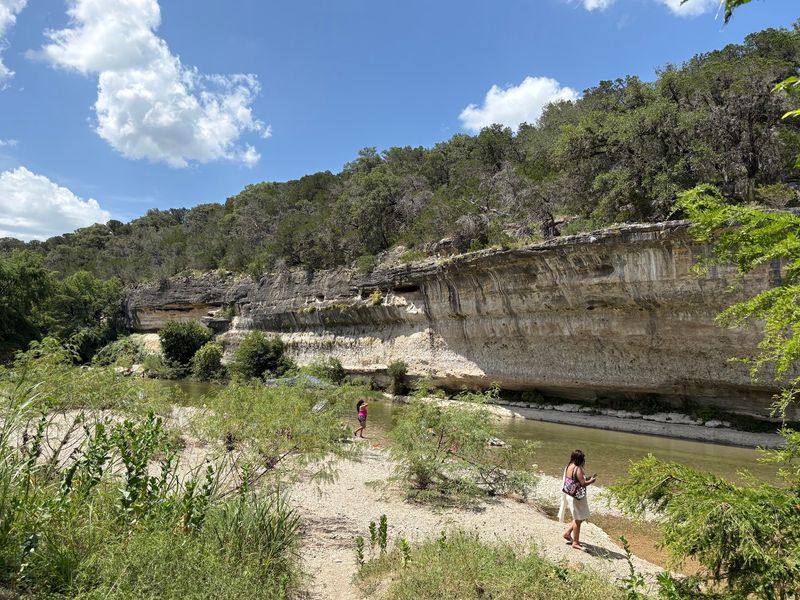
The Guadalupe River runs cold and fast through this Hill Country gem, fed by springs that keep water temperatures in the 60s and 70s even when air temps hit triple digits. Located just 30 minutes north of San Antonio, this park sees heavy use during summer months, but the river’s beauty justifies the crowds. Towering bald cypress trees line the banks, their roots creating natural sculptures in the crystal-clear water.
Multiple access points along the park’s four miles of riverfront let you choose your adventure. Some spots feature calm pools perfect for younger swimmers, while others have faster currents ideal for tubing and experienced swimmers. The river bottom alternates between smooth limestone bedrock and stretches of small rocks, so water shoes definitely earn their keep here.
What sets this park apart is the combination of developed amenities and wild beauty. You get actual restrooms, picnic areas, and paved parking, but the river itself remains largely natural. No concrete channels or artificial pools, just the Guadalupe doing what it’s done for thousands of years.
The park’s location in the Hill Country means stunning scenery, with limestone bluffs rising above the water and abundant wildlife.
Tubing is huge here, though the park itself doesn’t rent tubes. Several outfitters operate nearby in New Braunfels, or you can bring your own. The current moves along at a pleasant pace, not too fast to feel dangerous but quick enough to make floating interesting.
Summer weekends require reservations for day use, and the park often hits capacity by mid-morning. Plan accordingly by booking ahead or visiting on weekdays when things calm down considerably. Camping spots fill up months in advance for peak season, so early planning pays off if you want to stay overnight.
5. Inks Lake State Park (Burnet)
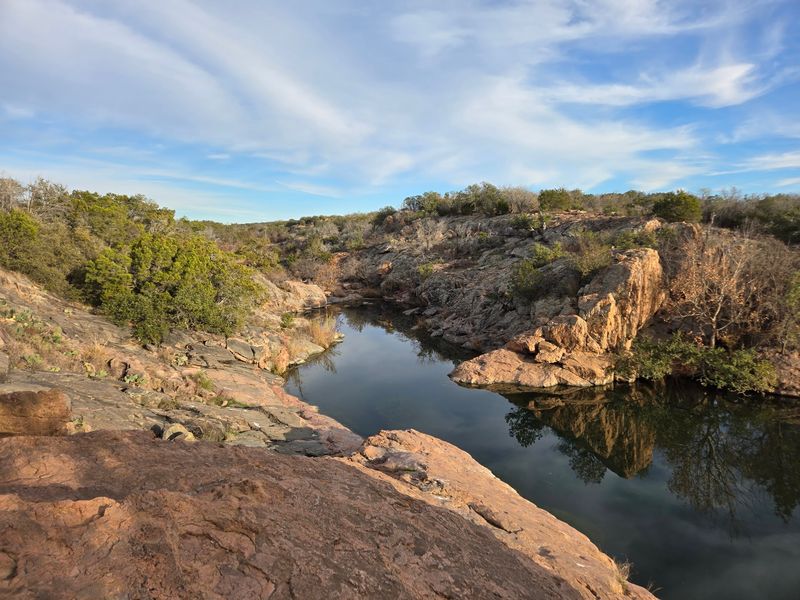
Unlike many Texas lakes that turn murky brown after rain, Inks Lake maintains remarkable clarity thanks to its constant-level design. The lake doesn’t fluctuate with drought or flood, keeping water quality consistently high. Located in the Highland Lakes chain northwest of Austin, this park offers both lake swimming and access to the Colorado River.
Pink granite boulders line much of the shoreline, creating a landscape that looks more like the ocean coast than Central Texas.
Devil’s Waterhole serves as the park’s premier swimming spot, a protected cove with a small beach area and deeper water for diving off the rocks. The name sounds intimidating, but it’s actually one of the most family-friendly swimming areas in the entire state park system. Gentle slopes into the water accommodate toddlers, while the outer edges provide depths suitable for stronger swimmers.
Picnic tables and grills sit right near the water, making all-day swimming sessions easy to manage.
The park also features several other swimming areas along its nine miles of shoreline. Some folks prefer the more secluded spots accessible via hiking trails, where you might find yourself alone with just the fish and turtles for company. Water temperatures warm up nicely by late May and stay comfortable through September, though spring-fed sections remain cooler year-round.
Boat access means you can explore beyond the shoreline, finding hidden coves and swimming holes most visitors never see. The park rents canoes, kayaks, and paddleboards if you don’t have your own watercraft. Fishing is popular here too, so don’t be surprised to see anglers working the shoreline near swimming areas.
The lake’s clarity lets you watch bass and catfish cruise by underwater, adding an aquarium-like quality to your swim. Camping options range from primitive sites to spots with water and electricity, and most sit within easy walking distance of swimming areas.
6. Blanco State Park (Blanco)
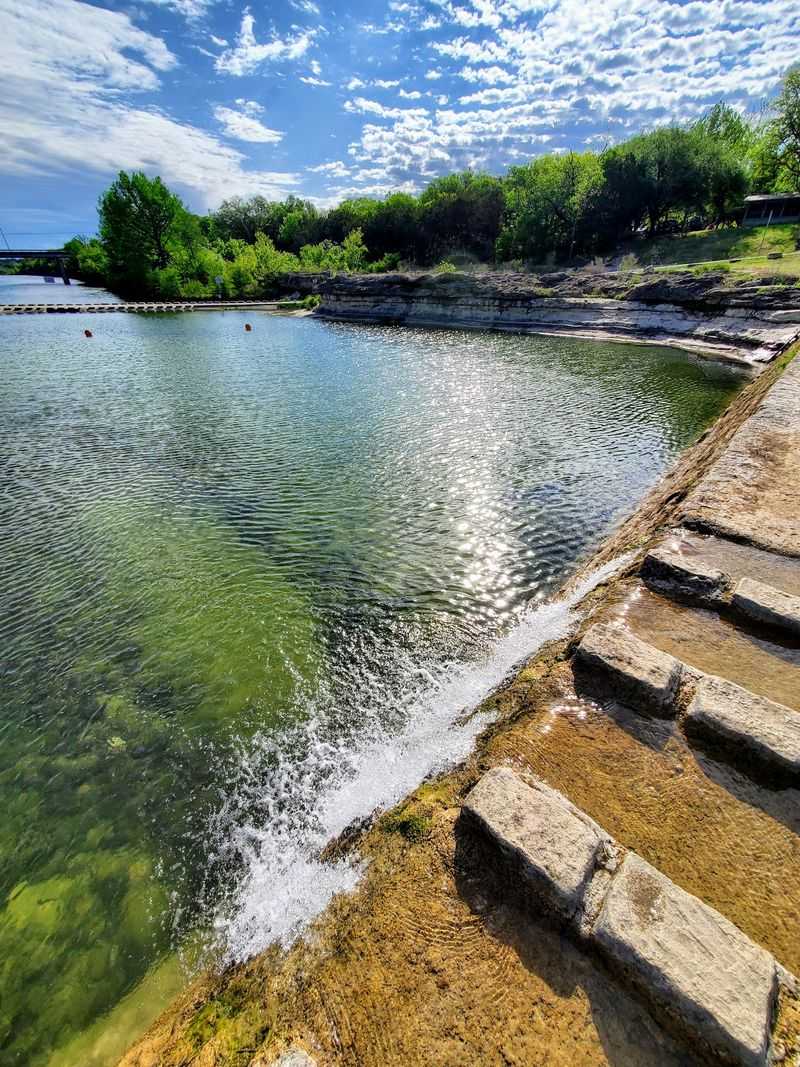
The Blanco River carves through this compact park creating some of the prettiest swimming holes in the Hill Country. Located right in the small town of Blanco, about an hour north of San Antonio, this park packs major scenery into just 104 acres. The river runs shallow most of the summer, rarely exceeding waist-deep except in a few carved-out pools beneath the cypress trees.
That shallow depth combined with the clear water makes this an outstanding choice for families with children who are still building swimming confidence.
Massive cypress trees provide natural shade along much of the riverbank, keeping things comfortable even during the hottest afternoons. The river bottom consists primarily of smooth limestone bedrock, though some sections have small rocks and pebbles. Water clarity here rivals any swimming hole in Texas, you can count individual rocks on the bottom even in the deeper spots.
The current stays gentle during normal conditions, perfect for floating on tubes or just drifting along.
The park’s small size means it fills up quickly on summer weekends. Day-use capacity limits kick in when parking lots reach maximum, so early arrival is crucial if you’re visiting Saturday or Sunday. Weekday visits offer a completely different experience, with the river often feeling like your private retreat.
Several shaded picnic areas sit right along the water, and the park provides clean restrooms and changing facilities.
Tubing from one end of the park to the other takes maybe 20 minutes during average water flow, so most people just swim, wade, and relax rather than doing serious float trips. Some visitors bring fishing gear since the river holds a decent population of bass and catfish. The town of Blanco sits within walking distance, offering restaurants and a few shops if you need supplies or want lunch off-site.
Camping spots book up fast for summer weekends, but the park’s proximity to town means you can easily stay elsewhere and just visit for the day.
7. South Llano River State Park (Junction)
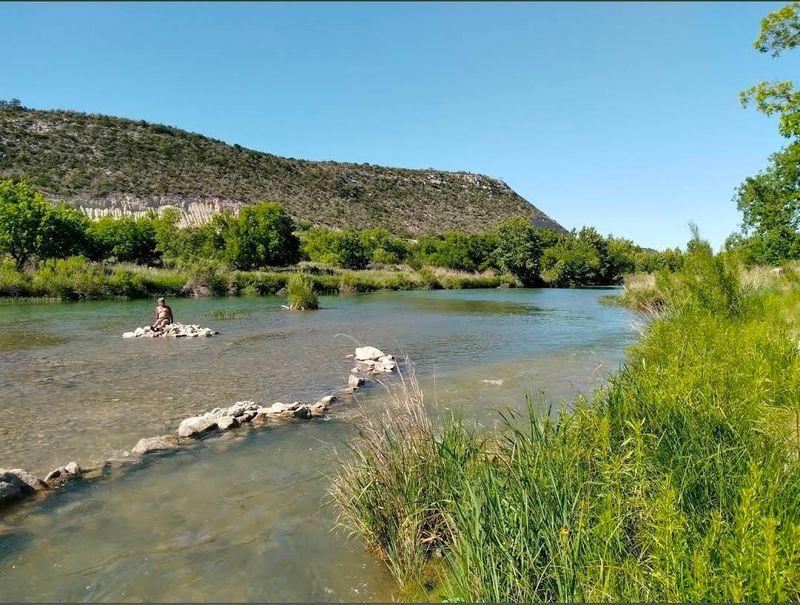
About 140 miles northwest of San Antonio, this park protects five miles of the South Llano River, one of the clearest and most pristine waterways in Texas. The river here runs cool and clean, fed by springs that maintain flow even during serious droughts. Massive pecan trees tower over the water, creating shaded corridors perfect for escaping the brutal summer sun.
Wildlife viewing rivals the swimming, with wild turkeys, white-tailed deer, and countless bird species calling the park home.
The river depth varies from ankle-deep riffles to pools reaching six or seven feet, giving swimmers plenty of variety. Water clarity is exceptional, you can watch fish dart between rocks and see every detail of the riverbed. The current moves along at a pleasant pace, strong enough to make tubing fun but not so fast that it feels dangerous.
Several access points along the park’s river frontage let you choose between busy areas near the camping zone or quieter spots upstream.
What makes this park special is how undeveloped it feels despite having modern amenities. You get clean restrooms, paved parking, and maintained trails, but the river itself remains wild and natural. No concrete steps leading into the water, no roped-off swimming areas, just pure Texas Hill Country beauty.
The park sits far enough from major cities that crowds stay manageable even on summer weekends, though reservations are still smart if you want guaranteed entry.
Tubing is popular here, and the park rents tubes during peak season, saving you the hassle of hauling your own. A typical float from the upper access point to the lower camping area takes about two hours, depending on water levels. Fishing enthusiasts work the river for bass and catfish, and the clear water makes sight-fishing possible in many spots.
The park offers excellent camping facilities, and staying overnight means you can enjoy early morning swims when the water is calmest and wildlife most active.
8. Garner State Park (Concan)
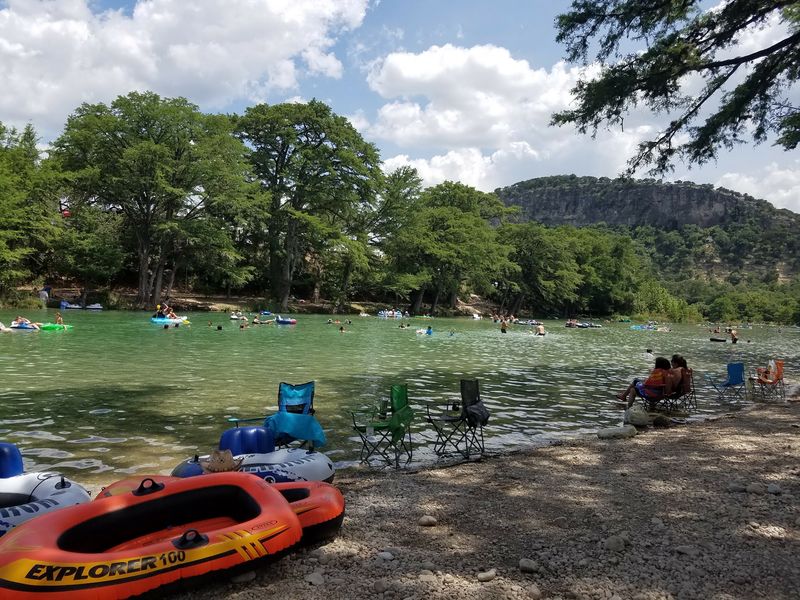
The Frio River at Garner might be the most famous swimming spot in the entire Texas state park system, and for good reason. The spring-fed river maintains temperatures in the low 70s even when air temps exceed 100 degrees, creating perfect swimming conditions. Located in the Hill Country near Concan, about 90 miles west of San Antonio, this park draws massive crowds during summer months.
Reservations are absolutely essential, and weekends book up months in advance.
The river runs remarkably clear, with water that glows an almost tropical green-blue in the sunlight. Depths vary from shallow wading areas to pools deep enough for diving and serious swimming. Cypress trees line the banks, and limestone bluffs rise above the water in spots, creating scenery that looks more like a postcard than Central Texas.
The current moves along steadily, making tubing the most popular activity besides straight-up swimming.
Multiple access points along the park’s two miles of river frontage spread crowds out somewhat, though the area near the main parking lot and concession stand sees the heaviest use. Venture upstream or downstream from that central zone and you’ll find quieter spots, though truly private swimming becomes rare on busy days. The park rents tubes, paddleboats, and canoes, and operates a small store selling snacks, drinks, and swimming supplies.
What sets Garner apart is the combination of excellent facilities and stunning natural beauty. You get real amenities like clean restrooms, showers, and a camp store, but the river itself remains wild and gorgeous. Evening dances at the pavilion have been a tradition here since the 1940s, adding a unique social element you won’t find at other parks.
Camping options range from tent sites to cabins, though booking any overnight accommodation requires planning way ahead. Day-use reservations also sell out fast for summer weekends, so plan your visit early or consider weekday trips when things calm down considerably.
9. Pedernales Falls State Park (Johnson City)
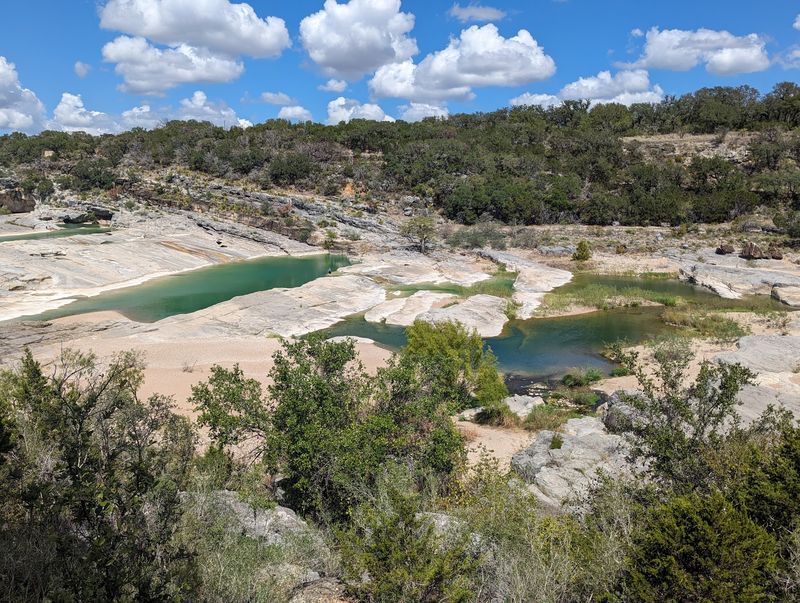
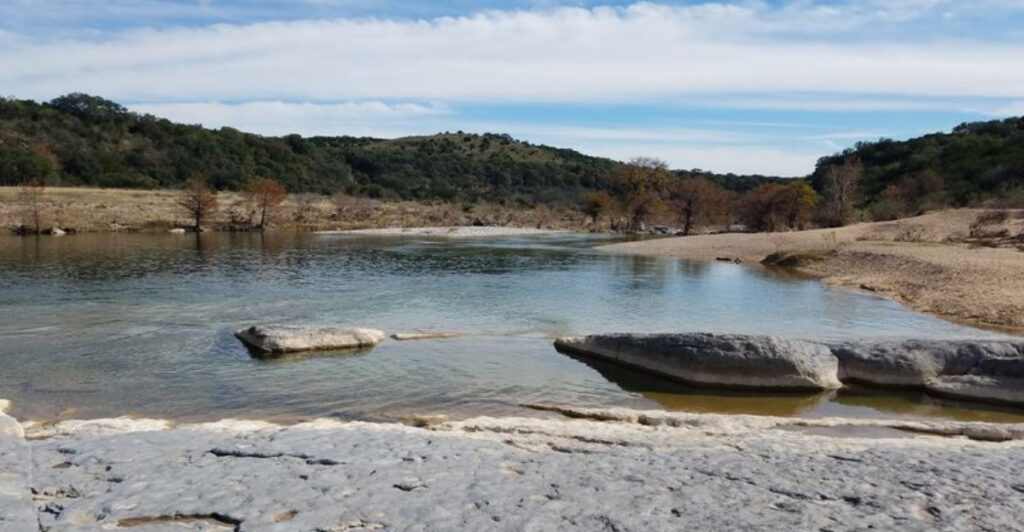
The Pedernales River creates a landscape unlike anywhere else in Texas, with layered limestone formations and waterfalls that give this park its name. Located about an hour west of Austin near Johnson City, the park offers swimming opportunities both above and below the falls. The river runs clear during normal conditions, though heavy rains can turn it murky temporarily.
Water depths range from inches-deep shallows to pools reaching 10 feet or more in carved-out sections.
Swimming near the actual falls is prohibited due to dangerous currents and flash flood risk, but designated swimming areas both upstream and downstream offer plenty of water fun. The upstream area features gentler conditions perfect for families, with sandy bottoms in spots and mostly calm water. Downstream sections get rockier and deeper, appealing to stronger swimmers and older kids looking for more adventure.
The limestone bedrock creates natural water slides in some areas, adding an element of natural waterpark excitement.
What makes this park special is the dramatic geology. The river has carved through layers of limestone over millions of years, creating stepped formations and pools that look almost artificial. During periods of good water flow, small waterfalls tumble between these rock layers, adding visual interest and the soothing sound of rushing water.
Wildlife is abundant here, with deer, armadillos, and countless bird species regularly spotted near the river.
The park covers over 5,200 acres, so even on busy days you can find relatively quiet spots if you’re willing to hike a bit. Several trails lead to remote sections of the river where swimming becomes more adventurous. Water shoes are non-negotiable here since the rocky riverbed can be tough on bare feet.
The park offers excellent camping facilities, and staying overnight lets you enjoy early morning swims before day-trippers arrive. Just remember to check water levels and weather forecasts before visiting, as the Pedernales can rise dangerously fast during storms.
Share this story