Texas isn’t all highways and strip malls. Tucked between the cities and suburbs are walking trails that deliver big scenery without the big effort. Whether you’re craving boardwalks over calm water, shaded forest paths, or wildflower-dotted meadows, these 10 spots prove you don’t need mountains or marathon stamina to enjoy the outdoors here.
1. Lake Weatherford Boardwalk (Weatherford)
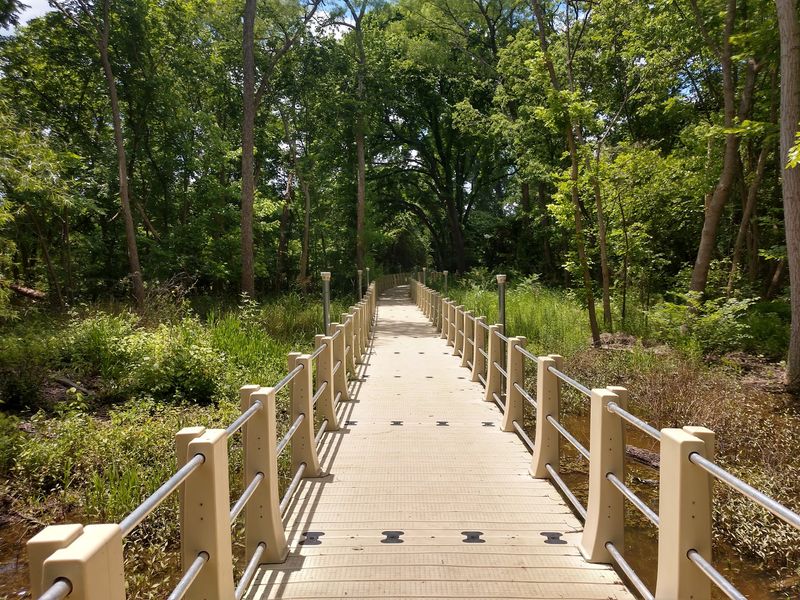
A half-mile loop over glassy water might sound too simple to be memorable, but this boardwalk nails the balance between easy and genuinely enjoyable. You’re walking above the lake the whole time, so every angle offers reflections, lily pads, and the occasional heron doing its statue impression. Kids love spotting turtles sunning on logs, and photographers show up at golden hour for good reason.
The path is wide, smooth, and ADA-accessible, making it ideal for strollers, wheelchairs, or anyone who just doesn’t feel like dealing with roots and rocks. Benches dot the route if you want to sit and watch dragonflies zip past. There’s no shade, so summer mornings or late afternoons work best unless you’re into that full-sun glow.
Parking is plentiful near the trailhead, and the whole experience takes about 20 minutes if you’re moving at a decent clip. Most people linger longer, though, because the vibe is calm and the views shift with every few steps. Ducks paddle under the boardwalk, and if you’re lucky, you’ll catch a great blue heron taking off in slow motion.
Weatherford locals treat this spot like their backyard zen zone. It’s never packed, even on weekends, and there’s something refreshing about a walk that doesn’t require hiking boots or a trail map. You show up, you stroll, you leave feeling lighter.
Sometimes that’s all you need from the outdoors.
2. Sundew Trail, Big Thicket National Preserve (Warren)
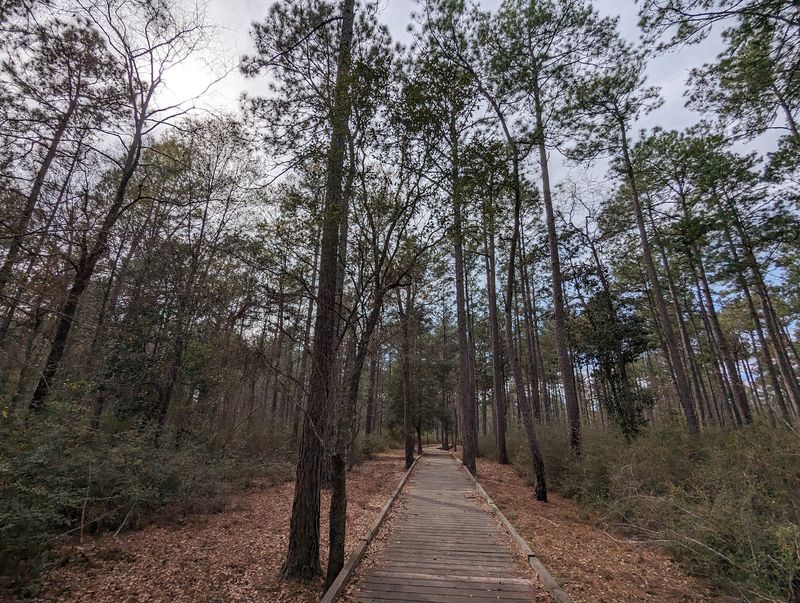
Most people don’t associate Texas with jungle vibes, but this trail flips that script fast. You’re walking through a corridor of towering pines, hardwoods, and enough greenery to make you forget which state you’re in. The real hook?
Carnivorous plants. Sundews, pitcher plants, and bladderworts thrive in the acidic bogs here, and spotting them feels like a mini nature scavenger hunt.
The loop is just under a mile, boardwalked in sections to keep your feet dry while you peer into the wetlands. Spring and early summer are prime time for wildflowers and active insect-eating plants. Bring a camera with a decent zoom if you want close-ups without stepping off the path.
Big Thicket is a biological crossroads where desert plants, swamp species, and forest dwellers all coexist in weird harmony. This trail gives you a solid sampling without requiring a biology degree to appreciate it. Interpretive signs explain what you’re seeing, but even without reading them, the sheer density of plant life is impressive.
Humidity can be intense, especially in summer, so plan accordingly with water and bug spray. Mosquitoes consider this paradise, and they’re not shy about it. Fall and winter visits are cooler and less buggy, though you’ll miss some of the carnivorous plant action.
The preserve itself is massive, but Sundew Trail is one of the most accessible and visually rewarding short hikes. It’s quirky, educational, and genuinely different from your average Texas trail. You’ll leave with a new respect for ecosystems that don’t fit the Lone Star stereotype.
3. Airfield Falls Trailhead & Conservation Park (Fort Worth)
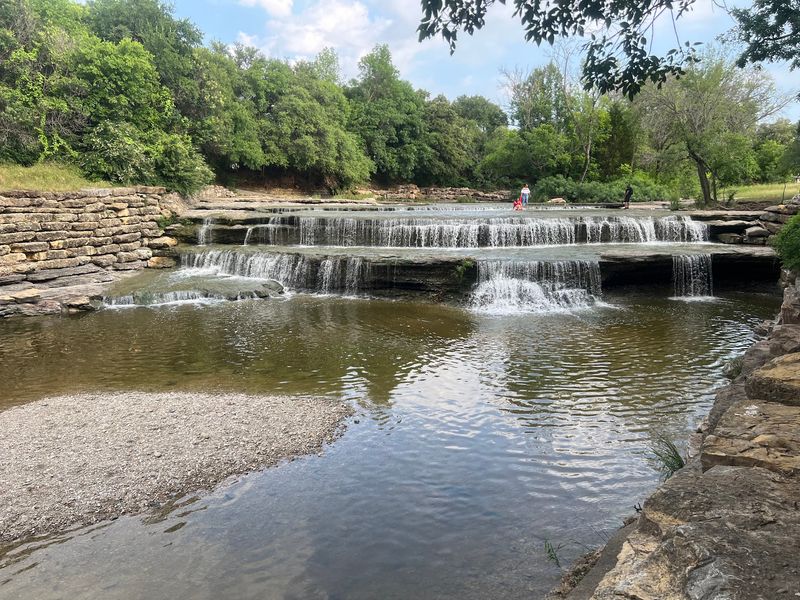
Finding a waterfall in Fort Worth feels like discovering a secret room in your own house. This park delivers exactly that, plus miles of trails that wind through prairie, woodland, and creekside scenery. The falls themselves aren’t Niagara-level drama, but they’re charming and photogenic, especially after a good rain when the flow picks up.
The trail network offers options from short strolls to longer loops, so you can tailor your visit to your energy level. Limestone outcrops line parts of the path, and the creek provides a soundtrack that makes you forget you’re still within city limits. Wildflowers explode in spring, painting the meadows in bluebonnets, Indian paintbrush, and black-eyed Susans.
Birdwatchers pack binoculars because the mix of habitats attracts a solid variety of species year-round. You might spot hawks circling overhead, woodpeckers hammering away, or songbirds flitting through the brush. Benches and picnic spots are scattered throughout, so it doubles as a nice lunch-and-walk destination.
The park is well-maintained but retains a natural, unmanicured feel. Trails are clearly marked, and the terrain is manageable for most fitness levels. Families with younger kids stick to the shorter waterfall loop, while more ambitious hikers can string together several miles of varied terrain.
Parking is free and ample, and the park rarely feels crowded even on nice weekends. It’s one of those places that punches above its weight in terms of scenery and variety. You come for the waterfall, but you stay for the whole ecosystem vibe that makes urban nature spots worth the visit.
4. Seabourne Creek Nature Park (Rosenberg)
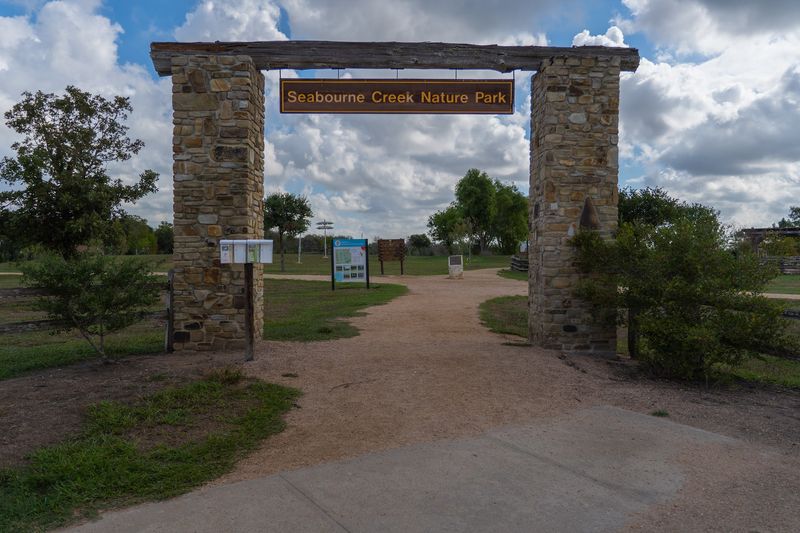
Just outside Houston’s sprawl sits a pocket of genuine wilderness that feels miles from anywhere. This 165-acre park wraps around Seabourne Creek, offering a network of trails that meander through bottomland forest, open meadows, and wetland edges. The main loop is about two miles, but shorter connectors let you customize the distance without backtracking.
What sets this spot apart is the variety packed into a relatively small area. One minute you’re under a canopy of oak and elm, the next you’re crossing a wooden bridge over slow-moving water where turtles line up on logs like they’re waiting for a bus. Birdsong is constant, and the lack of road noise makes it easy to sink into the walk.
Spring migration brings warblers, tanagers, and other colorful visitors, making the park a favorite among serious birders. But even if you can’t tell a sparrow from a finch, the sheer abundance of wildlife is fun to observe. Deer tracks crisscross the mud, and you might catch a glimpse of armadillos rooting around in the leaf litter.
The trails are mostly flat and well-marked, with a few spots that can get muddy after rain. Wear shoes with grip if the forecast’s been wet. There’s a nature center at the trailhead with educational displays and restrooms, plus a covered pavilion if you want to pack a snack.
Locals use this park as a quick escape hatch from city stress. It’s close enough to visit on a whim but wild enough to feel like an actual adventure. The creek, the trees, and the trails all work together to create a low-key outdoor experience that delivers more than you’d expect from a suburban nature park.
5. Whispering Pines Nature Trail, Tyler State Park (Tyler)
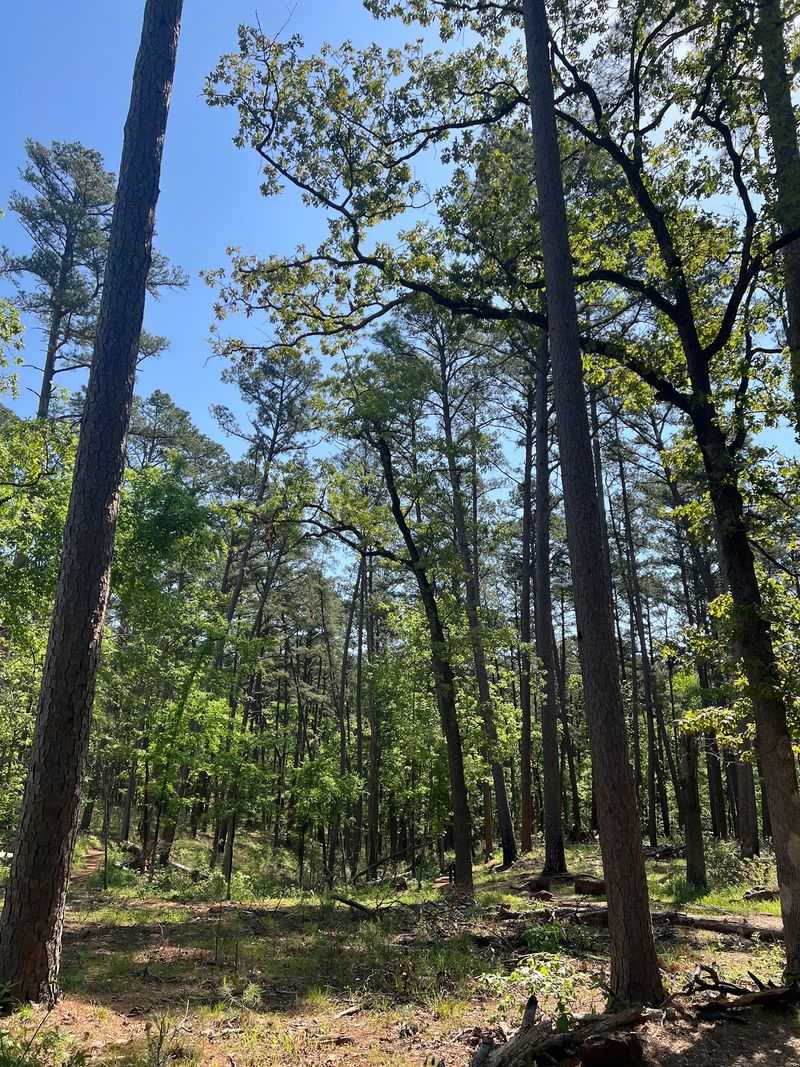
East Texas forests have a different personality than the rest of the state, and this trail puts you right in the heart of it. Towering loblolly pines create a canopy that filters sunlight into soft green-gold beams, and the ground is cushioned with fallen needles that make every step feel a little springier. The loop is just over a mile, perfect for a quick forest bath without committing to a full-day hike.
The trail lives up to its name when a breeze kicks up and the pines start their subtle whisper. It’s quieter than most state park trails because it’s tucked away from the lake and campground areas. You’ll share the path with a few other walkers, but it never feels crowded.
Interpretive signs along the route explain the ecology of the pine forest, pointing out native plants and explaining how fire suppression has changed the landscape over time. It’s interesting stuff if you’re into that, but even if you skip the reading, the walk itself is soothing. Squirrels chatter overhead, and woodpeckers drum on tree trunks in the distance.
Tyler State Park is known for its lake activities, but this trail offers a different kind of experience. It’s cooler under the pines, even in summer, and the shade makes it a solid choice when other trails are baking in the sun. The path is well-maintained and easy to follow, with gentle elevation changes that keep things interesting without being strenuous.
If you’re visiting the park for the first time, don’t skip this trail in favor of just hanging by the water. The piney woods vibe is too good to miss, and the short distance means you can knock it out and still have time for swimming or fishing. It’s a peaceful pocket of forest that reminds you why Texas parks are worth exploring beyond the obvious highlights.
6. Elmer W. Oliver Nature Park (Mansfield)
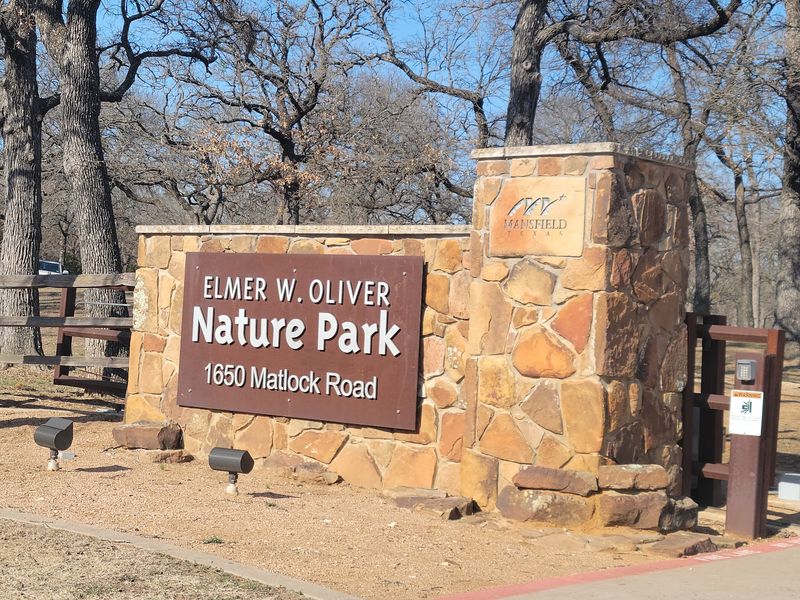
This 80-acre slice of preserved land sits smack in the middle of suburban sprawl, offering a rare glimpse of what North Texas looked like before development took over. The trail system loops through a mix of native prairie and riparian forest, giving you two distinct ecosystems in one walk. It’s not flashy, but it’s genuine, and that counts for a lot when most nearby green spaces are just mowed lawns with sidewalks.
The main loop is about 1.5 miles, with spur trails that add distance if you’re feeling ambitious. Boardwalks cross the wetter sections, keeping your feet dry while you watch for frogs and dragonflies. The prairie sections bloom with wildflowers in spring, and the forest areas provide shade and bird activity year-round.
Educational programs run regularly at the park’s nature center, making it a popular spot for school groups and families. But even without a guided tour, the trails are easy to navigate and offer plenty to see. Benches are placed at scenic spots, and the whole setup feels thoughtfully designed rather than just carved out of convenience.
Local runners use the trails for quick workouts, and dog walkers are a common sight (leashed pets welcome). It’s not a destination hike, but it’s a solid neighborhood resource that punches above its weight. The fact that it exists at all is impressive given the surrounding development.
Parking is limited to a small lot, so weekends can fill up fast. Weekday mornings or late afternoons are quieter and often more pleasant for wildlife watching. The park doesn’t charge admission, and the trails are open dawn to dusk.
It’s the kind of place that makes you appreciate the effort to save natural spaces before they disappear completely under concrete and strip malls.
7. Kirby Nature Trail, Big Thicket National Preserve (Kountze)
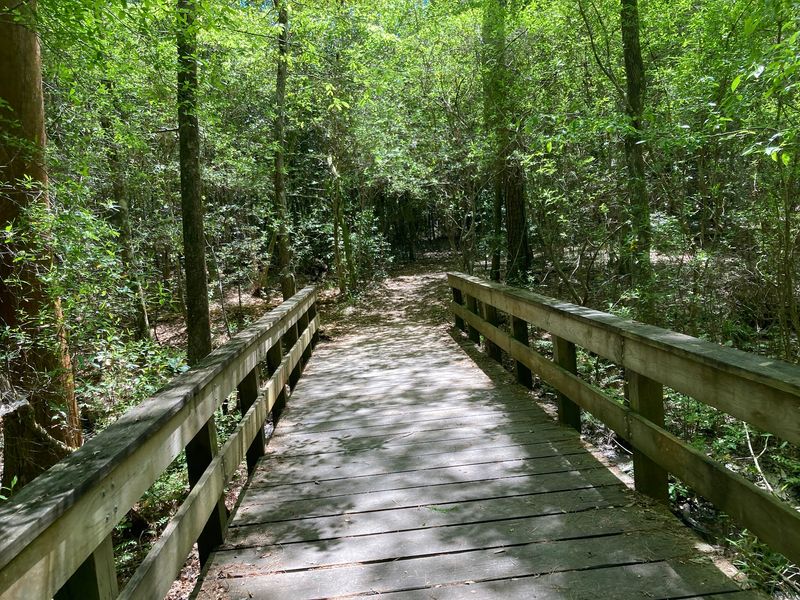
If you’ve never walked through a bald cypress swamp, this 2.4-mile loop is your invitation. The boardwalk keeps you elevated above the water while you wind through a forest that looks straight out of a Southern Gothic novel. Cypress knees poke up from the murky water, Spanish moss drapes from branches, and the whole scene feels primordial in the best way.
The trail is named after a Big Thicket pioneer, and it showcases one of the preserve’s most distinctive habitats. You’re walking through a floodplain forest where water levels fluctuate with the seasons, creating a constantly shifting ecosystem. Spring and early summer bring high water and lush greenery, while fall and winter offer easier wildlife spotting as the vegetation thins.
Alligators live here, though sightings aren’t guaranteed. Turtles are more common, along with herons, egrets, and a parade of songbirds that treat the swamp as prime real estate. The boardwalk makes photography easy since you’re stable and elevated, giving you clear sightlines without disturbing the habitat.
This is not a quick stroll. The full loop takes at least an hour at a moderate pace, and most people go slower to soak in the atmosphere and watch for wildlife. Bring water, bug spray, and patience.
The mosquitoes are enthusiastic, especially in warmer months, and the humidity can be thick enough to chew.
Despite the challenges, Kirby Nature Trail is one of the most memorable walks in Texas. It’s weird, beautiful, and unlike anything you’ll find in the western or central parts of the state. The swamp has its own rhythm, and spending time here feels like stepping into a completely different world.
It’s worth the drive and the bug bites.
8. Cedar Creek Waterway Trail (Abilene)
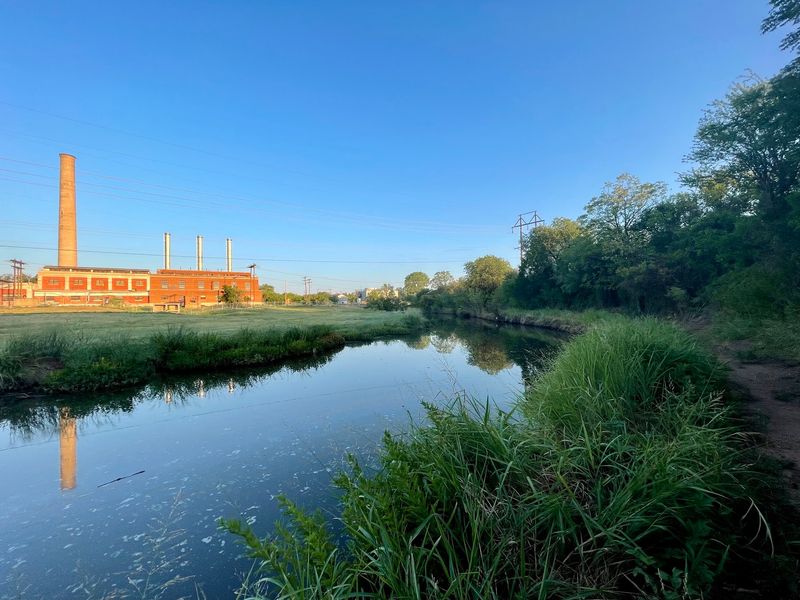
Abilene doesn’t get enough credit for its trail system, and this waterway path is proof. Stretching over three miles along Cedar Creek, the trail connects parks, neighborhoods, and green spaces in a way that makes walking or biking feel like an actual transportation option instead of just recreation. The paved surface is smooth and wide, perfect for wheels of any kind.
The creek itself is the star, with cottonwoods and willows lining the banks and creating pockets of shade. Ducks paddle in the slower sections, and you’ll often see turtles basking on rocks or logs. The trail has a peaceful, almost meditative quality despite running through urban areas.
Traffic noise fades once you’re down by the water.
Multiple access points mean you can hop on wherever is convenient and walk as much or as little as you want. Some people do the whole stretch, others just loop a section and call it good. Benches and picnic tables are scattered along the route, and there are restrooms at a few of the park connections.
Cyclists and walkers share the path, so keep to the right and stay aware of your surroundings. It’s busy on nice evenings and weekends, but not in an unpleasant way. The activity adds energy without making it feel crowded.
Families with young kids on bikes, joggers, and dog walkers all coexist pretty smoothly.
The trail is well-maintained year-round, and it’s flat enough that fitness level isn’t a barrier. It’s one of those infrastructure projects that genuinely improves quality of life, giving residents a safe, attractive place to move their bodies and enjoy the outdoors. If you’re visiting Abilene and want a taste of local life, this trail delivers that better than most tourist spots.
9. Tandy Hills Natural Area (Fort Worth)
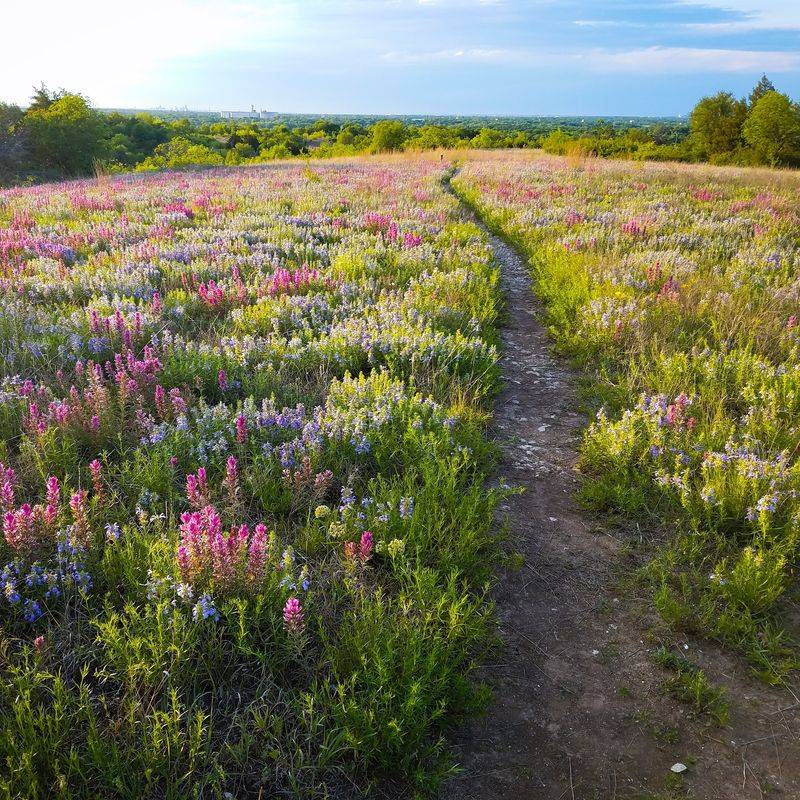
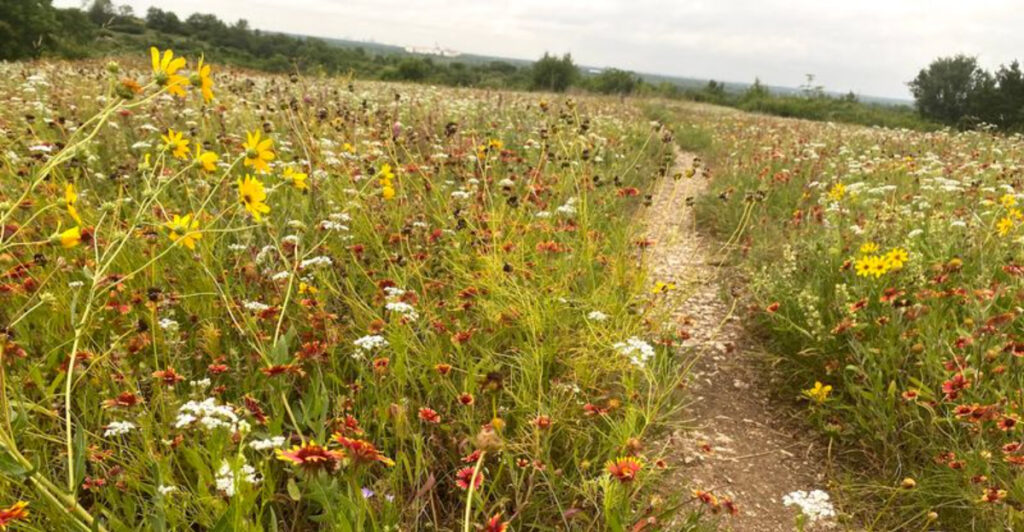
Prairie isn’t dramatic in the way mountains or coastlines are, but it has its own kind of beauty that grows on you the longer you spend in it. This 160-acre natural area is one of the last remnants of native tallgrass prairie in Tarrant County, and walking the trails here feels like time travel. No trees, no buildings in sight, just rolling grassland and sky for days.
The trail system is informal, with mowed paths winding through the grasses and wildflowers. Spring is peak bloom season when bluebonnets, Indian paintbrush, and dozens of other species paint the hills in color. Summer brings golden grasses that ripple in the wind, and fall offers warm tones and cooler temperatures.
Even winter has a stark beauty when the grasses go dormant.
Birders come for grassland species you won’t find in wooded areas. Hawks cruise overhead hunting for rodents, and if you’re quiet and patient, you might spot quail or meadowlarks. The openness makes wildlife watching easier in some ways since there’s nowhere to hide, but it also means you need to move slowly and observe carefully.
There’s no shade, so sun protection is essential. Hats, sunscreen, and water are non-negotiable, especially in summer. The lack of cover also means you’re exposed to wind, which can be refreshing or brutal depending on the season.
Check the weather before you go and plan accordingly.
The natural area is maintained by volunteers who work to keep invasive species in check and preserve the native ecosystem. It’s a labor of love, and the result is a genuinely wild space that exists against the odds. Walking here feels like a privilege, a chance to see what Texas looked like before roads and cities reshaped everything.
It’s humbling and beautiful in equal measure.
10. Trails of Fossil Creek Park (Fort Worth)
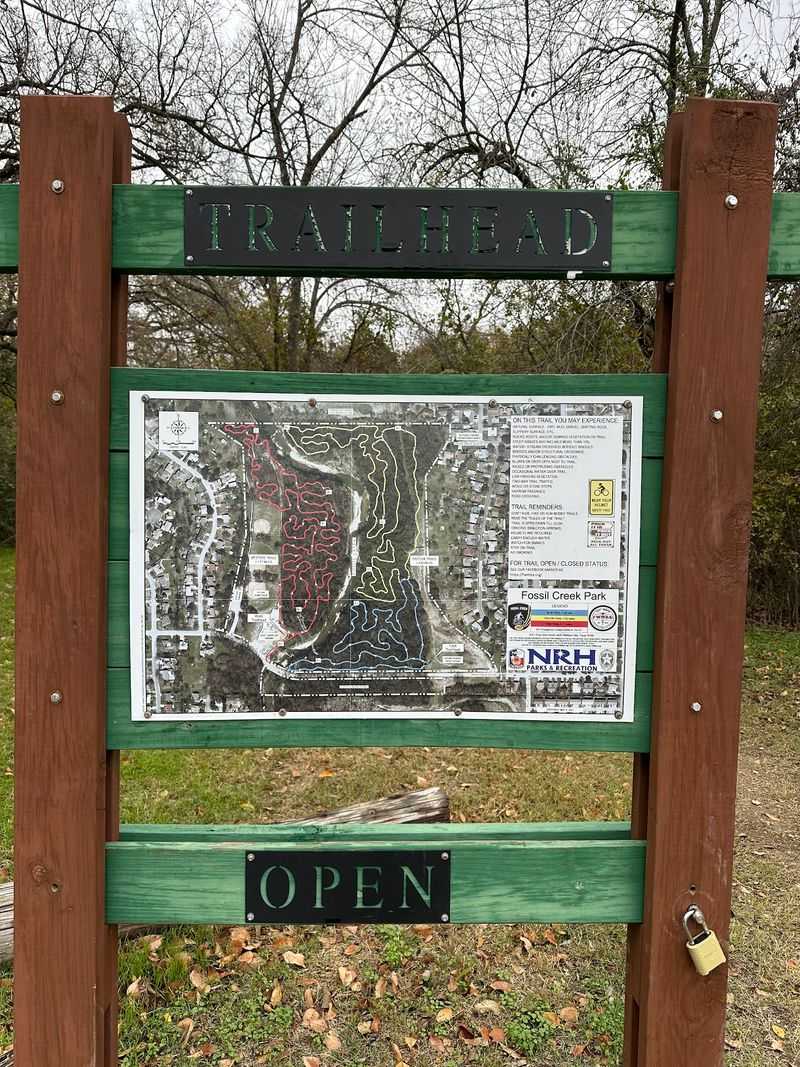
This park’s name isn’t just for show. Fossil Creek runs through the property, and sharp-eyed visitors can spot ancient marine fossils embedded in the limestone along the banks. The trail system offers several miles of paved and natural surface paths, winding through riparian forest, open meadows, and along the creek itself.
It’s a choose-your-own-adventure setup where you can stick to the easy stuff or venture onto rougher trails.
The creek is the main attraction, with clear water flowing over limestone shelves and creating small pools and riffles. Kids love wading in the shallow sections, and it’s a popular spot for casual nature photography. The surrounding vegetation is lush for North Texas, with sycamores, cottonwoods, and willows creating a green tunnel effect in places.
Paved sections are perfect for bikes, strollers, and anyone who prefers a smooth surface. Natural trails add variety and let you explore areas farther from the main park facilities. Limestone outcrops and rock formations add visual interest, and the geology nerd in you might enjoy identifying different layers and formations.
The park includes playgrounds, picnic areas, and sports fields, so it’s a multi-use space that serves different needs. But the trails are extensive enough that you can escape the crowd and find quiet spots along the creek. Early morning walks are particularly nice when the light is soft and wildlife is most active.
Fossil Creek Park is a Fort Worth favorite for good reason. It combines easy access, scenic variety, and enough trail options to keep things interesting no matter how many times you visit. The fossils are a fun bonus, and the creek provides a cooling presence even on hot days.
It’s the kind of park that feels like a backyard treasure for locals and a pleasant discovery for visitors.
Share this story