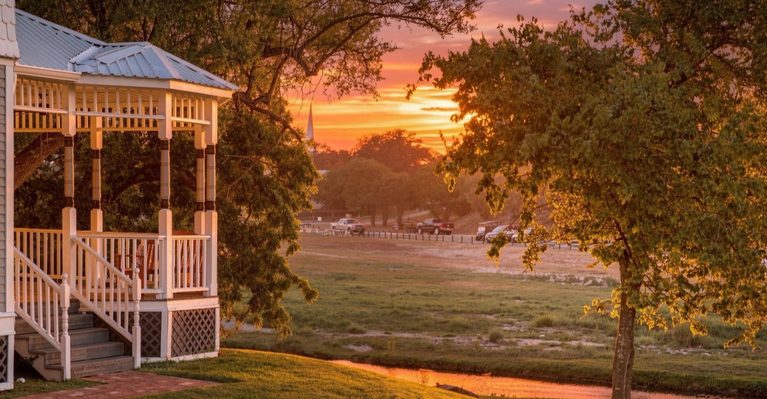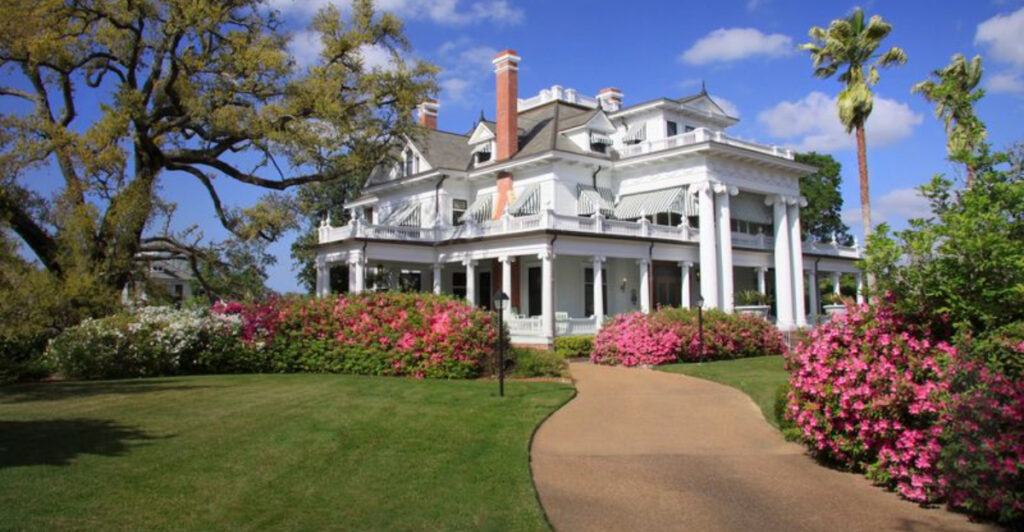
Tucked away in Beaumont sits one of Texas’s most jaw-dropping historic homes, and it’s not your average old house. The McFaddin-Ward House is a sprawling mansion that makes modern McMansions look tiny, with over 30 rooms, a basement (rare for Texas), and even its own ballroom for fancy parties. Built in 1906, this Beaux Arts beauty tells the story of an oil-rich family who spared no expense, and the best part is you can tour it for free.
1. A Ballroom Built for Glamorous Gatherings
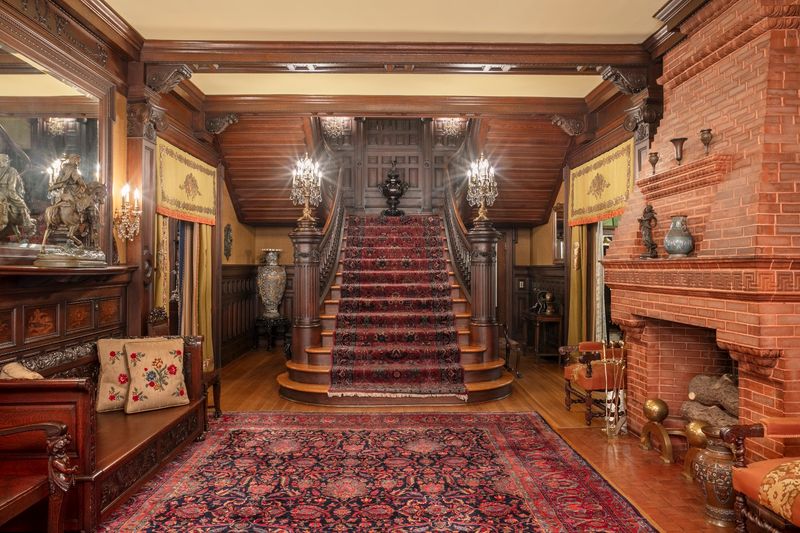
Picture this: a room designed purely for dancing, socializing, and showing off to Beaumont’s elite society. The ballroom at the McFaddin-Ward House wasn’t just any party space. It was a statement of wealth and sophistication during the early 20th century when oil money flowed freely through Southeast Texas.
The McFaddin family didn’t throw backyard barbecues. They hosted lavish events where guests waltzed across gleaming floors beneath sparkling chandeliers. This wasn’t a multipurpose room that doubled as a dining area or playroom.
It existed solely to entertain in the grandest style possible, reflecting the family’s prominence in Beaumont’s social circles.
Today, visitors can stand in that same space and imagine the rustle of silk gowns and the sound of a live orchestra. The room remains remarkably preserved, complete with original furnishings that transport you back to an era of formal calling cards and white-glove service. Tour guides love sharing stories about the parties held here, bringing the space to life with vivid details.
What makes this ballroom extra special is how rare it is to find one in a Texas home from this period. Most wealthy families built large entertaining spaces, but few dedicated an entire room exclusively to dancing. The McFaddin-Ward House ballroom stands as a testament to just how seriously this family took their social obligations and their desire to impress.
2. A Basement in Texas (Yes, Really)
Ask most Texans about basements and they’ll tell you we don’t really do those here. Clay soil, high water tables, and foundation issues make them impractical and expensive. Yet the McFaddin-Ward House has a fully functional basement, making it a genuine architectural oddity in the Lone Star State.
Built when money was no object, the basement served practical purposes that most Texas homes had to solve differently. It provided cool storage space before air conditioning became common, kept the main floors elevated and comfortable, and housed various mechanical systems. The family used it to store everything from canned goods to household supplies, keeping the upstairs pristine and clutter-free.
Walking through the basement today feels like discovering a secret layer of the house that shouldn’t exist. You can see the original foundation work, understand how the house was engineered, and appreciate the extra effort and expense required to dig down in Texas soil. It’s not glamorous like the ballroom, but it’s fascinating in its own right.
Tour guides often point out that having a basement was a luxury statement as much as a practical choice. The McFaddin family could have built outbuildings for storage like everyone else did. Instead, they invested in this below-ground space, proving once again that this wasn’t just a house but a showcase of what oil wealth could accomplish in early 1900s Texas.
3. Over 30 Rooms of Original Splendor
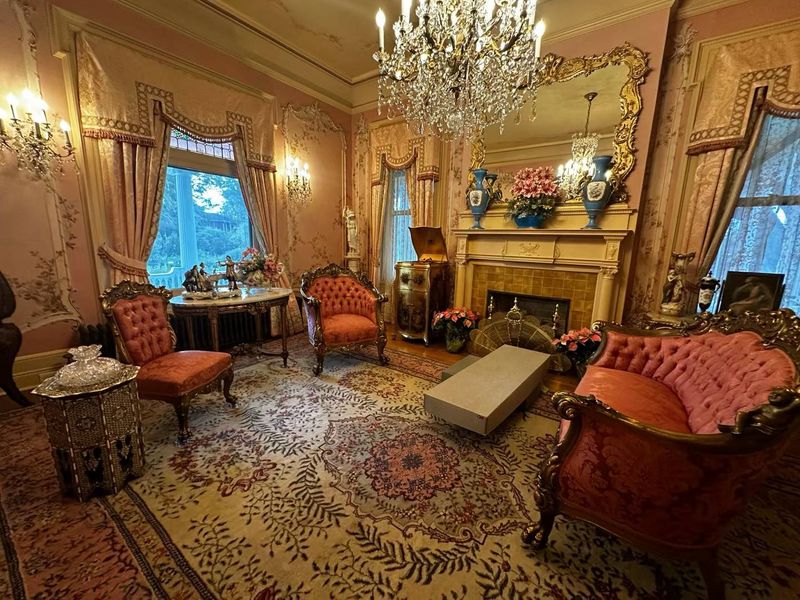
Most families struggle to keep three bedrooms tidy. The McFaddin-Ward House has more than 30 rooms, each one meticulously maintained with original furnishings that have survived over a century. Walking through feels less like touring a museum and more like the family just stepped out for the afternoon.
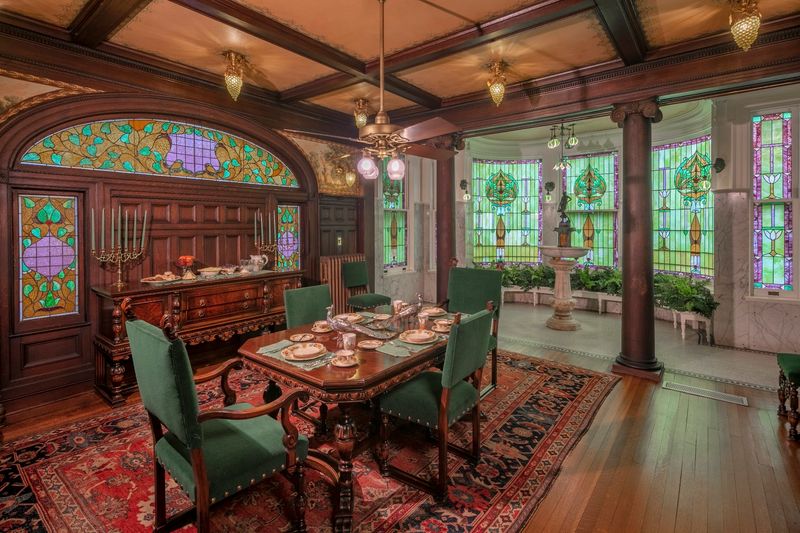
Every room tells its own story, from formal parlors where important business deals were discussed to cozy bedrooms where family members actually slept. The house includes multiple drawing rooms, a library, servants’ quarters, and specialized spaces for activities we don’t even think about today. Nothing feels repetitive or cookie-cutter because each space was designed with a specific purpose in mind.
What blows visitors away is the sheer amount of original stuff still here. We’re talking about furniture, lamps, silver pieces, decorative objects, and personal items that belonged to the McFaddin family. Most historic homes lose their contents over time, but this family had the foresight to preserve everything, creating an unmatched snapshot of early 20th-century wealthy living.
Docents will tell you that exploring all 30-plus rooms takes time, which is why tours typically last over an hour. You can’t rush through this much history. Each room demands attention, whether it’s admiring the intricate woodwork, examining family photographs, or learning about the latest conveniences the McFaddins installed to stay modern for their time.
4. The Beaux Arts Architecture That Turns Heads
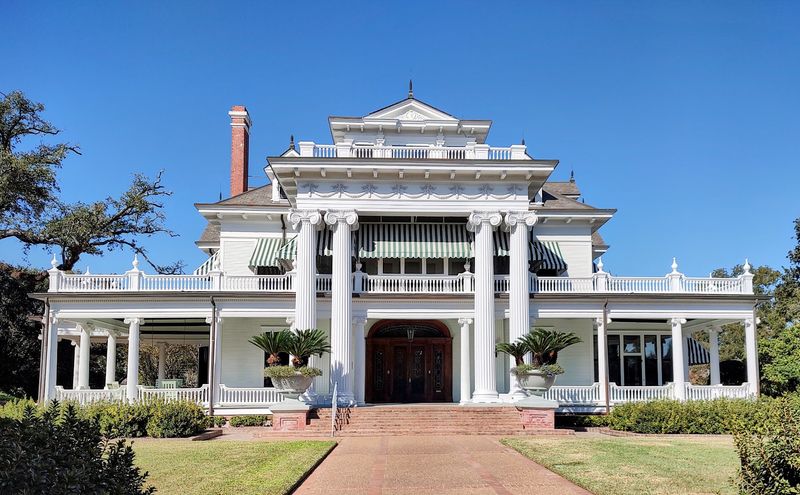
Before you even step inside, the McFaddin-Ward House makes an impression with its stunning Beaux Arts design. This architectural style, borrowed from French classicism, was all the rage among wealthy Americans in the early 1900s. It screams elegance, sophistication, and serious money.
The exterior features symmetrical design, classical columns, ornate details, and proportions that make the house look both grand and balanced. Unlike the Victorian homes that came before it with their busy, asymmetrical facades, Beaux Arts architecture emphasizes harmony and refined taste. The McFaddin family chose this style deliberately to signal their place among America’s cultural elite.
Architectural enthusiasts could spend hours examining the exterior details alone. From the carefully crafted cornices to the precisely placed windows, every element follows classical design principles. The house sits on beautifully maintained grounds that complement the formal architecture, creating an overall effect that’s both imposing and inviting.
What’s remarkable is how well the structure has held up after more than a century. The bones of this house were built to last, using quality materials and skilled craftsmen who knew their trade. Modern preservation efforts have maintained the original vision while ensuring the building remains safe and accessible for visitors who want to experience early 20th-century architectural excellence firsthand.
5. Free Tours Led by Passionate Docents
Here’s something you don’t hear often: this incredible experience costs absolutely nothing. The McFaddin-Ward House offers free guided tours led by docents who genuinely love what they do, and visitors rave about guides like Rhonda and Renee who bring the house’s history to life with infectious enthusiasm.
These aren’t bored volunteers reading from scripts. The docents know every detail about the family, the house, the time period, and the objects you’re seeing. They welcome questions, share fascinating stories, and tailor their presentations to what interests each group.
One visitor planned a quick 15-minute stop and ended up staying for the full hour because the guide made everything so compelling.
The tour experience goes beyond just walking through rooms and looking at old furniture. Docents explain how the family lived, what daily life looked like for both the McFaddins and their servants, and how this house reflects broader changes happening in America during the early 1900s. You’ll learn about oil wealth, social customs, technological innovations, and family dynamics that shaped this remarkable home.
What really stands out in visitor reviews is how the docents make you feel welcome and valued. They won’t accept tips or donations during tours, though the museum does appreciate support. The emphasis stays on sharing history and creating memorable experiences, which explains why the McFaddin-Ward House maintains a 4.9-star rating with hundreds of glowing reviews praising the knowledgeable, friendly staff.
6. The Carriage House and Servant Quarters
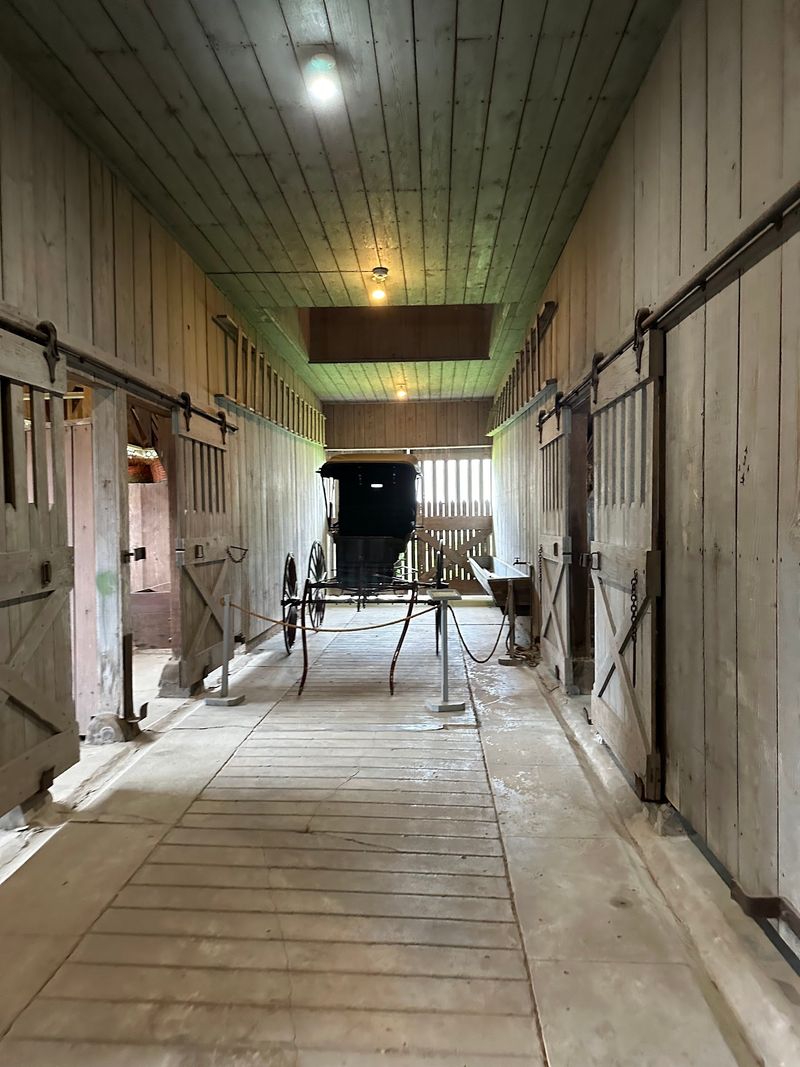
Behind the main mansion sits a structure that tells a completely different side of the McFaddin-Ward story. The carriage house, mentioned in countless visitor reviews, housed the family’s vehicles and provided living space for the servants who kept this massive estate running smoothly.
This building offers a fascinating contrast to the main house’s opulence. While the McFaddins enjoyed every luxury imaginable, the people who cooked their meals, cleaned their 30-plus rooms, and maintained the grounds lived much simpler lives just steps away. The carriage house exhibits honor these loyal workers, giving them recognition they rarely received during their lifetimes.
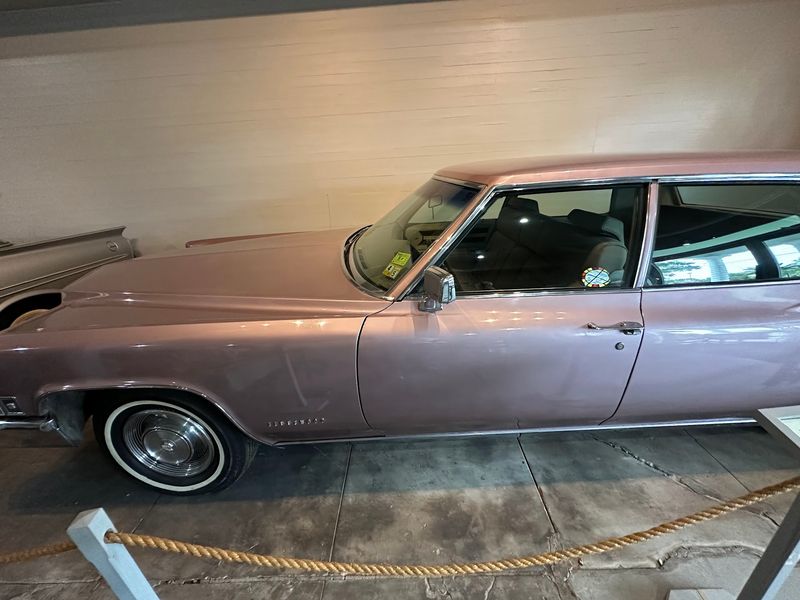
You’ll see where carriages and early automobiles were stored, learn about the transition from horse-drawn transportation to motor cars, and understand the complex household operations required to maintain a property this size. The displays include tools, equipment, and personal items that illuminate daily working life in ways the fancy main house cannot.
Tour guides emphasize that understanding the carriage house is essential to understanding the complete McFaddin-Ward story. This wasn’t just a wealthy family living in isolation. It was an entire ecosystem of workers, service staff, and support systems that made the lifestyle possible.
The exhibits treat this history with respect and honesty, acknowledging both the skills these workers brought and the social inequalities they navigated.
7. Christmas Decorations Worth a Special Trip
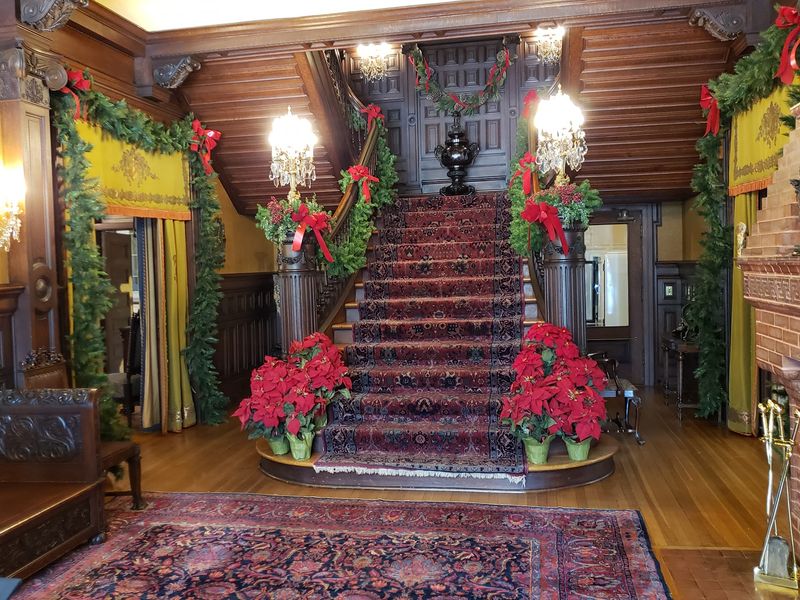
If you think the McFaddin-Ward House looks impressive normally, wait until you see it dressed up for the holidays. Staff and volunteers transform the mansion into a Christmas wonderland using period-appropriate decorations that show how wealthy families celebrated during the early 1900s.
The annual holiday events, typically held in early December, draw crowds who want to experience Victorian and Edwardian Christmas traditions. Imagine trees decorated with vintage ornaments, garlands draped across mantels, and festive touches in every one of those 30-plus rooms. The decorations aren’t modern plastic and LED lights but carefully chosen items that match the home’s historical period.
Families especially love bringing children during the holiday season because special activities and programs make history accessible and fun. Kids get to see how children from a century ago celebrated Christmas, learning about traditions that have either evolved or disappeared entirely. The contrast between then and now sparks great conversations about how holidays have changed.
Regular visitors often return specifically for the Christmas tours because the experience differs so dramatically from regular visits. The house takes on a magical quality when decorated, and the festive atmosphere adds warmth to the already impressive surroundings. Docents share stories about McFaddin family holiday traditions, making you feel like you’ve stepped into a Christmas celebration from 1910 rather than just looking at decorations behind velvet ropes.
8. The McFaddin Family Legacy and Oil Wealth
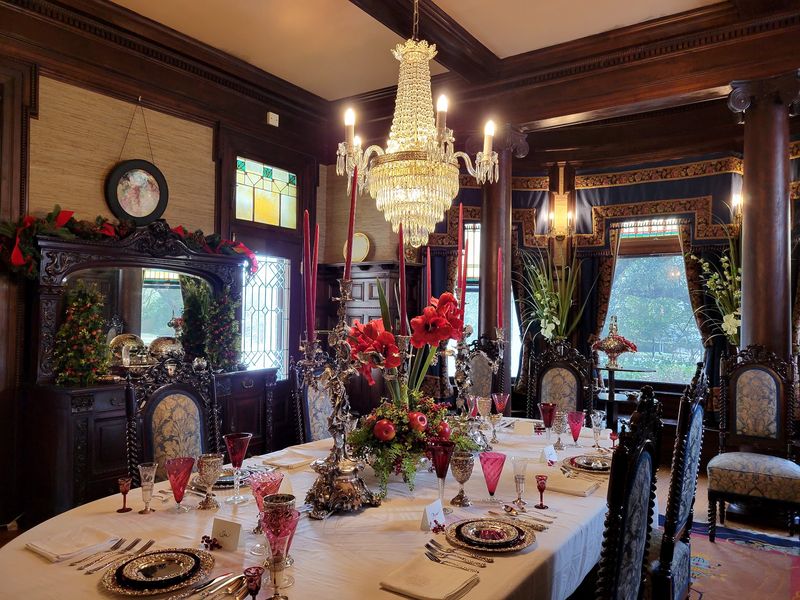
Understanding this house means understanding the family who built it and the source of their enormous wealth. The McFaddins made their fortune during the Spindletop oil boom that transformed Southeast Texas from quiet farmland into one of America’s richest regions practically overnight.
William McFaddin and his family didn’t just get lucky with oil. They were savvy businesspeople who invested wisely, managed their resources carefully, and built a legacy that extended far beyond this one magnificent house. Their wealth allowed them to travel, collect art and furnishings from around the world, and live at a level of luxury that most Texans couldn’t imagine.
What makes their story particularly interesting is how the family chose to preserve and share their heritage. Rather than letting the house fall into disrepair or selling off valuable contents, they established a trust to maintain everything for public benefit. That decision means today’s visitors can experience authentic early 20th-century wealth in a way that’s increasingly rare.
The exhibits and tours don’t shy away from discussing where the money came from or the social dynamics of the era. You’ll learn about oil’s impact on Texas, the business decisions the McFaddins made, and how their lifestyle compared to average Beaumont residents of the time. It’s honest history that respects both the family’s accomplishments and the broader context in which they lived.
Share this story