Texas might be famous for its big cities and wide-open highways, but some of its best-kept secrets are the small towns scattered across the state. These places offer a slower pace, friendly faces, and a chance to experience the real heart of Texas culture. Whether you’re looking for art galleries in the desert, historic downtown squares, or just a quiet weekend away from the noise, these eight towns deliver charm by the truckload.
1. Round Top
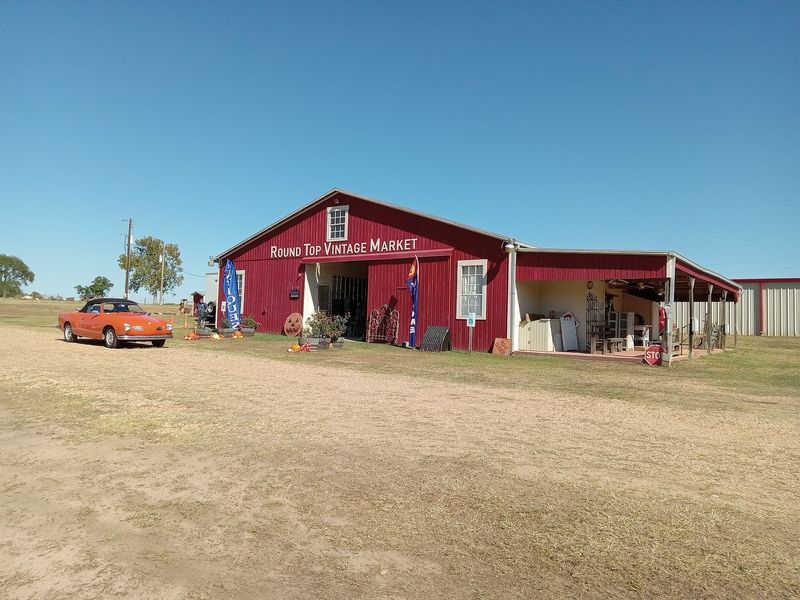
Population 90. Yes, you read that right. This tiny community between Houston and Austin swells to thousands during its famous antiques shows, but the rest of the year it hums along at a pace that feels like stepping back half a century.
The town square looks like a movie set, complete with a restored 1850s dance hall and buildings that lean just enough to remind you they’ve got stories to tell.
Antique hunters mark their calendars for spring and fall when Round Top hosts one of the largest antiques fairs in the nation. Vendors set up tents for miles, selling everything from European chandeliers to Texas ranch furniture. Even if you’re not buying, wandering through the displays feels like treasure hunting mixed with people-watching at its finest.
Between shows, the town settles into its quieter identity. Local restaurants serve up comfort food in buildings older than your grandparents. The Festival Institute hosts classical music concerts in a renovated cotton gin turned concert hall, attracting world-class musicians to this dot on the map.
Henkel Square Museum preserves pioneer life with original log cabins and artifacts that show how German and Czech immigrants built their lives here. Walking through feels personal, not like a stuffy museum tour. The whole town operates on trust and handshakes, the kind of place where shop owners might leave a note saying they’ll be back in twenty minutes.
Stay at one of the historic bed and breakfasts where porches were made for sipping coffee and doing absolutely nothing. Round Top proves that sometimes the smallest places leave the biggest impressions, especially when you’re ready to trade your schedule for spontaneity.
2. Jefferson
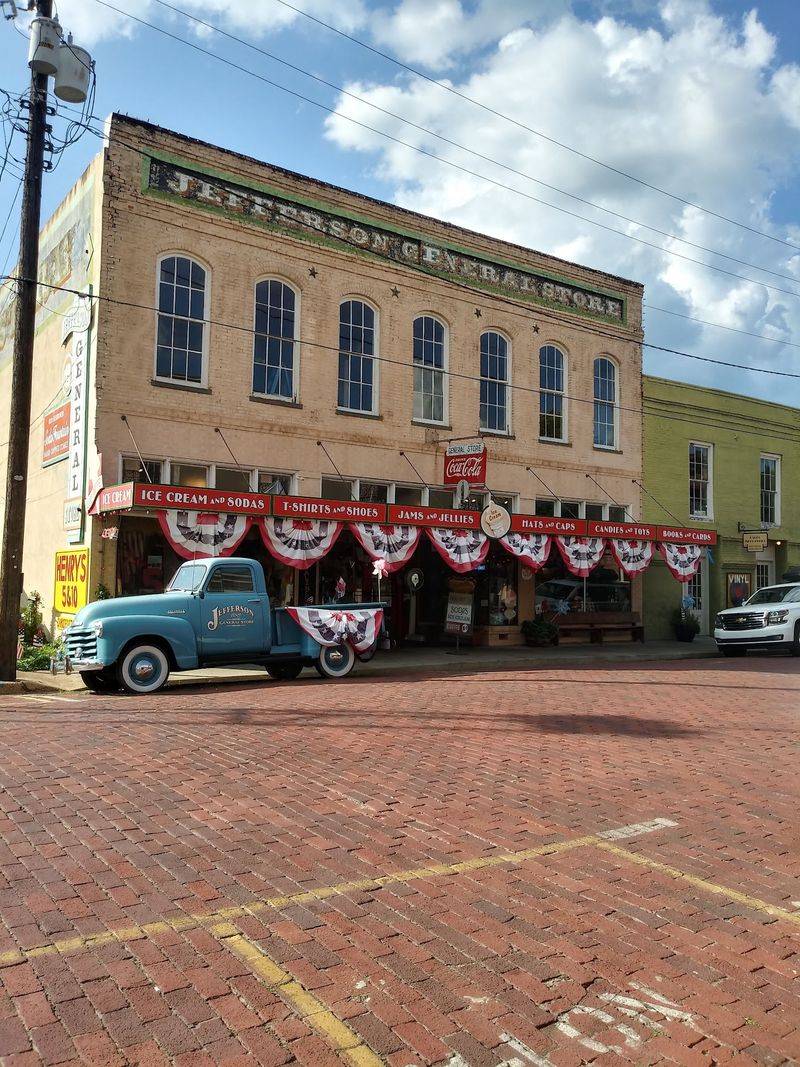
Steamboats once made this East Texas town one of the busiest ports in the state, back when the Big Cypress Bayou connected it to the Mississippi River and beyond. When the riverboat era ended, Jefferson essentially froze in time, preserving hundreds of Victorian-era buildings that now make it feel like you’ve wandered onto a period drama set. Brick streets, iron balconies, and gas lamps set the scene for exploring on foot.
History buffs could spend days here. The Jefferson Historical Museum houses Civil War artifacts, while the Grove, a restored 1861 plantation home, offers tours that don’t sugarcoat the past. Ghost tour companies do brisk business after dark, claiming Jefferson ranks among the most haunted towns in Texas.
Whether you believe in spirits or not, the atmospheric old hotels certainly set the mood.
Caddo Lake sits just outside town, a mysterious wetland draped in Spanish moss where cypress trees rise from dark water like something out of a fairy tale. Rent a kayak or take a boat tour to navigate the maze of channels. Alligators live here, adding a touch of wildness to the scenery, though they mostly keep to themselves if you respect their space.
Downtown shops sell antiques, local art, and handmade goods without the tourist trap vibe. Several historic homes operate as bed and breakfasts, letting you sleep in rooms where Texas legends supposedly stayed. The Bakery Restaurant serves breakfast in a building from 1868, and yes, the biscuits live up to the hype.
Jefferson moves at yesterday’s pace on purpose. No chain stores interrupt the streetscape, and locals genuinely seem happy to chat about their town’s colorful past. Come for the history, stay because your phone stops feeling urgent.
3. Albany
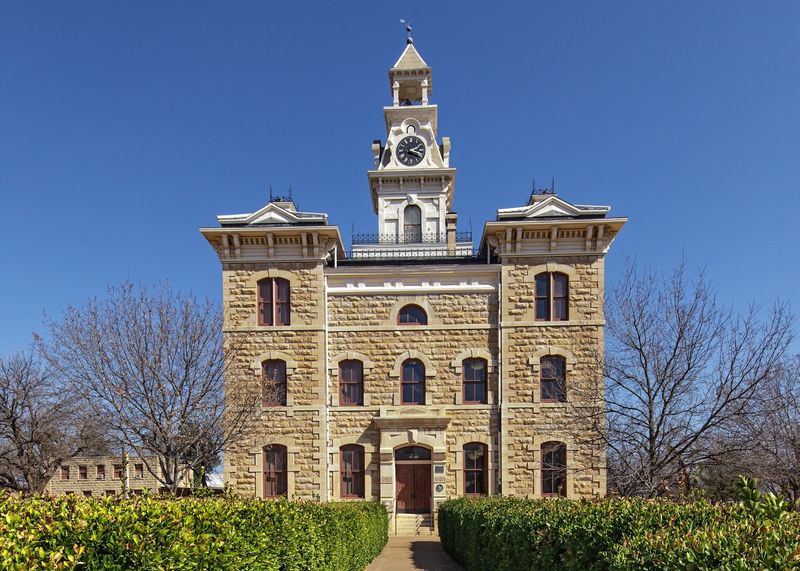
Out where the mesquite trees outnumber the people, Albany sits in Shackelford County like a postcard from the Old West that somehow kept its authenticity. The town square centers around a classic limestone courthouse from 1883, surrounded by buildings that house working ranches’ business offices alongside gift shops and cafes. This is ranching country through and through, where pickups outnumber sedans and cowboy boots aren’t a fashion statement.
Every June, the Fort Griffin Fandangle puts on an outdoor musical that’s been running since 1938. Locals write, direct, and perform in this celebration of frontier history, complete with covered wagons, cavalry drills, and dancing under the stars. It’s hokey in the best possible way, the kind of community tradition that makes you wish your own town had something half as genuine.
The Old Jail Art Center might be the last thing you’d expect in a town of 2,000 people. Housed in a former jail from 1878, it displays an impressive collection that includes works by Modigliani, Renoir, and contemporary artists. Walking from the dusty square into galleries showing museum-quality art creates a delightful cognitive dissonance.
The sculpture garden outside invites lingering on benches beneath the big Texas sky.
Fort Griffin State Historic Site preserves the remains of a frontier military post where soldiers once protected settlers and buffalo hunters. The longhorn herd maintained on the grounds descends from original Texas stock, looking exactly like the cattle that made this state famous. Hiking trails wind through terrain that hasn’t changed much since the 1800s.
Albany doesn’t try to be cute or touristy. It simply exists as a functional ranching community that happens to welcome visitors who appreciate authenticity over attractions. The cafes serve real food to real ranchers, and conversations tend toward cattle prices and weather patterns that actually matter to livelihoods.
4. Comfort
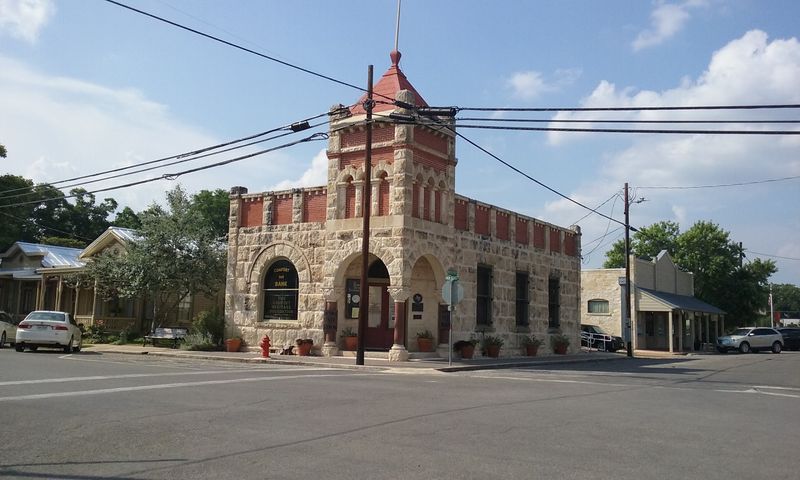
German freethinkers founded this Hill Country settlement in the 1850s, and their independent spirit still flavors everything about the place. The name says it all. Early settlers wanted a community built on comfort, freedom, and tolerance, pretty radical ideas for frontier Texas.
Unlike most towns, Comfort never built a traditional church on its main square, a deliberate choice reflecting the founders’ secular philosophy.
Antique shops line High Street in buildings constructed from native limestone by German craftsmen who knew their trade. These aren’t junky secondhand stores but curated collections of quality furniture, vintage signs, and architectural salvage. Shopkeepers actually know the provenance of their pieces and enjoy sharing stories about where items originated.
Serious collectors make regular pilgrimages here.
The Treue der Union monument downtown honors German Texans who opposed secession and died for their beliefs during the Civil War. It’s the only monument to the Union located in a former Confederate state, a powerful reminder that Texas history contains more complexity than most textbooks admit. The simple stone obelisk surrounded by an iron fence makes its statement quietly.
Cypress Creek runs through town, providing a shady respite where locals and visitors wade on hot afternoons. Several historic bed and breakfasts offer porches perfect for watching nothing happen, which is exactly the point. The Meyer Bed and Breakfast occupies buildings from the 1850s where you can almost hear German being spoken in the halls.
Comfort sits close enough to Fredericksburg to benefit from Hill Country tourism but far enough to avoid feeling overrun. Restaurants serve German-influenced cuisine alongside Texas barbecue, and the local brewery crafts beers that nod to both traditions. Weekends bring motorcyclists cruising the scenic roads, but weekdays return the town to its quieter self, when you can actually hear the breeze through the live oaks.
5. Marfa
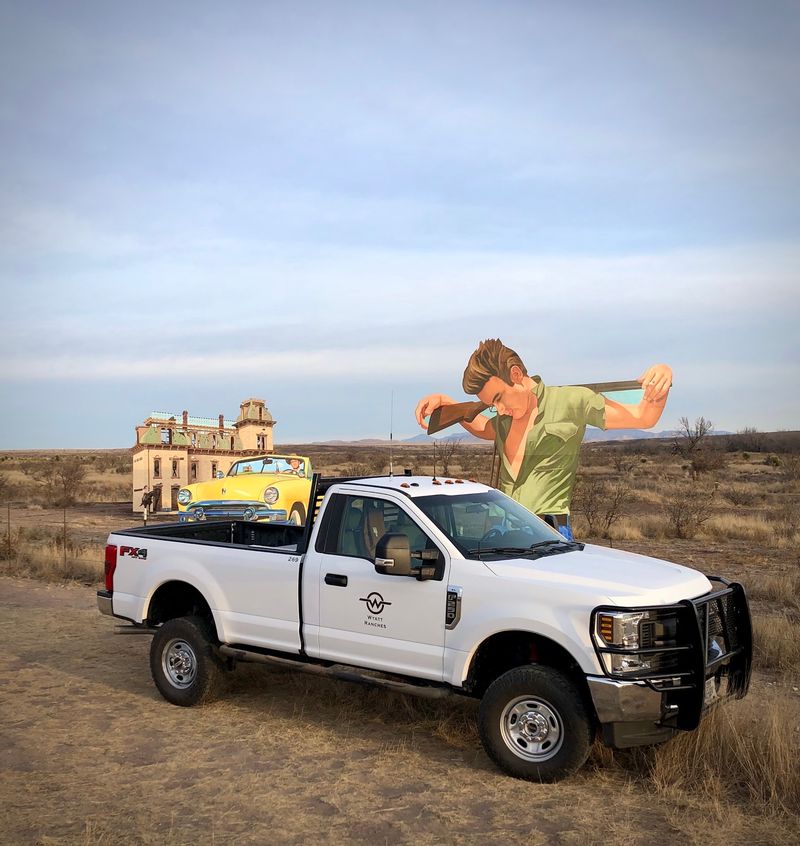
Way out in the high desert of West Texas, where the land stretches flat and endless until it bumps into distant mountains, sits possibly the most unlikely art destination in America. Marfa started as a railroad water stop, became an Army training base during World War II, then nearly faded away before minimalist artist Donald Judd moved here in the 1970s. He bought up old military buildings and filled them with large-scale art installations that still draw visitors from around the world.
The Chinati Foundation occupies former military structures on the edge of town, displaying permanent installations by Judd and other artists in spaces designed specifically for the work. Walking through converted artillery sheds containing 100 identical aluminum boxes becomes a meditation on repetition, space, and light. The scale and isolation amplify the experience in ways no city museum could replicate.
Downtown Marfa mixes ranchers, artists, and tourists in equal measure. The old Paisano Hotel, where James Dean stayed during the filming of “Giant,” still operates, looking much like it did in the 1950s. Galleries show contemporary art alongside shops selling cowboy gear, creating juxtapositions that somehow work.
Food Shark, a food truck serving Mediterranean-inspired cuisine, has become legendary despite having no indoor seating.
The mysterious Marfa Lights appear on certain nights east of town, glowing orbs that science hasn’t fully explained and locals don’t overthink. A viewing area lets you watch for them while contemplating the enormous starry sky that comes with living far from city lights. Whether you see the lights or not, the darkness itself feels profound.
Marfa attracts creative types who want space to think and make things without distraction. The landscape provides plenty of both. Hotels range from restored historic properties to minimalist modern designs.
The whole town operates on a frequency different from typical Texas, slower and more contemplative, perfect for anyone needing to reset their internal rhythm.
6. Goliad
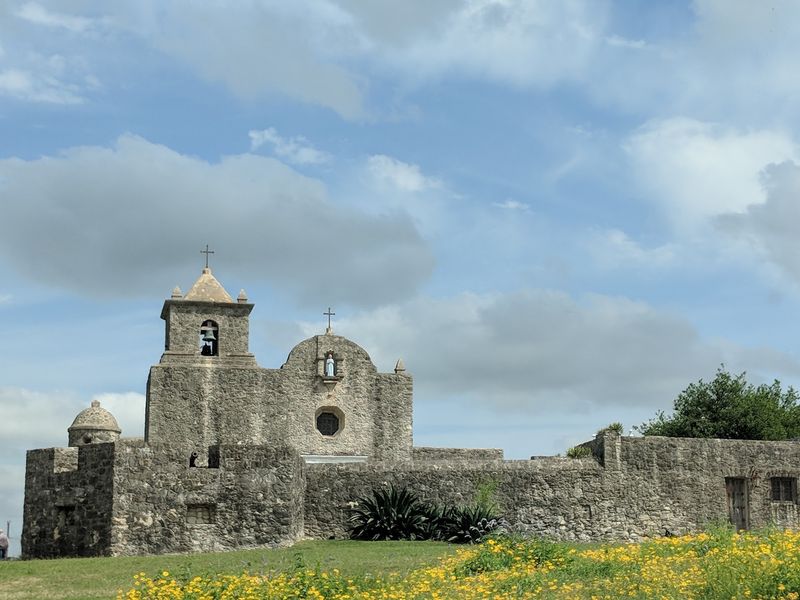
Ask most Texans about the fight for independence and they’ll mention the Alamo. Fewer remember Goliad, where an even larger massacre occurred just weeks later. This small South Texas town preserves that history without turning it into a theme park, maintaining the somber dignity such events deserve.
Walking the grounds where Colonel Fannin and his men surrendered, then were executed, carries weight that plaques alone can’t convey.
Presidio La Bahía stands as one of the oldest Spanish forts in North America, its thick stone walls enclosing a chapel, barracks, and museum. Unlike many restored sites, this presidio feels authentic, probably because it’s been in continuous use since 1749. The fort played roles in multiple conflicts, from Spanish colonial disputes to the Texas Revolution.
Cannons still point through gun ports, and the chapel remains active for services.
Mission Espíritu Santo sits nearby, its graceful arches and reconstructed walls showing how Spanish missionaries lived and worked to convert local tribes. The mission grounds include a museum explaining the complex relationships between Spanish colonizers and indigenous peoples, acknowledging the cultural destruction alongside the architectural legacy. The San Antonio River winds past, providing the water source that made settlement possible.
Downtown Goliad clusters around a courthouse square that could illustrate a textbook on small-town Texas. Local businesses operate in buildings that have housed commerce for generations. The Empresario Restaurant serves Mexican food in a historic structure, while the Market House Museum displays artifacts from Goliad’s long history.
Hanging Tree, where outlaws supposedly met justice, still stands, though historians debate which tree actually served that purpose.
Goliad State Park offers camping and hiking along the river, with trails connecting to the mission. The landscape remains rural and quiet, much as it would have appeared to those early settlers and soldiers. Visiting requires engaging with difficult history, but the town handles it with honesty rather than romanticism, making it essential for understanding Texas beyond the legends.
7. Salado
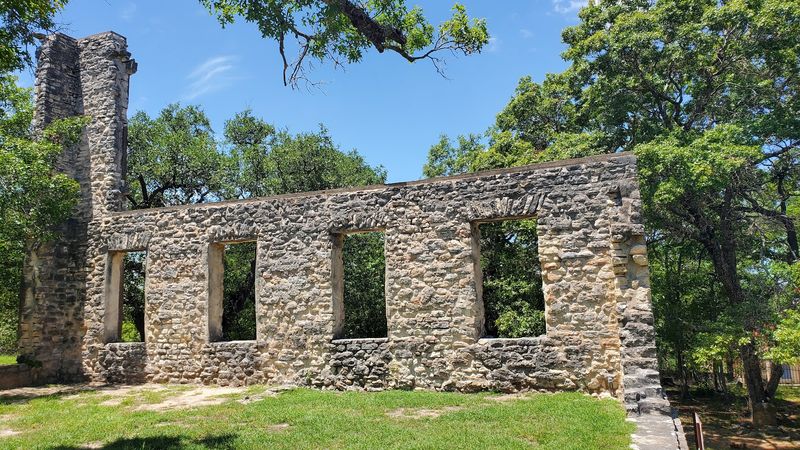
Salado Creek flows clear and constant through the center of this artistic Hill Country village, providing the water and shade that attracted settlers in the 1850s. The name means “salty” in Spanish, referring to the springs that feed the creek. Those same springs and the creek they create now anchor a town that’s reinvented itself as a haven for artists, shoppers, and anyone seeking a prettier version of small-town Texas life.
Main Street runs parallel to the creek, lined with galleries, boutiques, and restaurants housed in historic stone buildings. Unlike some tourist towns where shops peddle mass-produced souvenirs, Salado’s stores showcase genuine Texas artists and craftspeople. You’ll find handmade furniture, original paintings, custom jewelry, and home décor that reflects actual creativity rather than factory output.
Shopkeepers often know the artists personally and can explain their techniques and inspirations.
The Stagecoach Inn has welcomed travelers since 1861, when it served as a stop on the route between Austin and Waco. Today it operates as a dining destination where you can eat in rooms where Sam Houston and Robert E. Lee supposedly dined.
The menu leans toward upscale Southern comfort food, and the building itself deserves as much attention as the meal. Ghost stories come with the territory in a structure this old.
Salado Creek provides more than scenery. Shaded walking paths follow the water through town, passing under stone bridges and past picnic spots where families spread out on weekends. The constant sound of flowing water creates a soundtrack that makes the whole town feel cooler and calmer.
Several art studios sit right along the creek, their back windows framing views that probably inspire the work created inside.
Monthly art fairs and seasonal festivals bring crowds, but weekday mornings return Salado to its quieter self. Bed and breakfasts occupy historic homes where you can sleep with windows open to creek sounds. The town balances tourism with livability better than most, remaining a real community rather than just a shopping destination dressed in historic clothing.
8. Mason
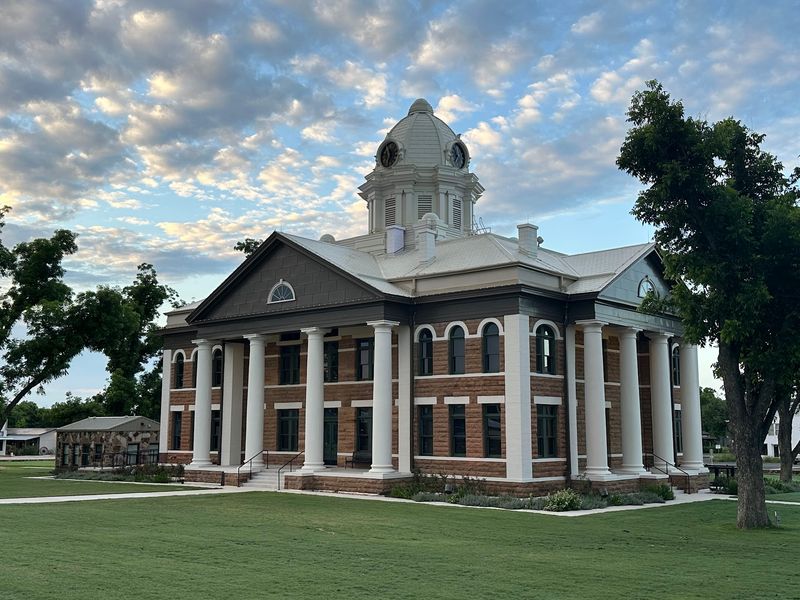
Somewhere between the Hill Country tourists know and the West Texas most people avoid lies Mason County, where deer outnumber residents and peaches grow sweeter than almost anywhere else. The town of Mason serves as the county seat, centered on a red granite courthouse from 1909 that dominates the square like courthouses should. German settlers arrived in the 1850s, drawn by springs, timber, and land that could support both crops and livestock.
Topaz hunting puts Mason on rockhound maps. The area produces blue topaz in shades ranging from pale sky to deep London blue, and several ranches allow collectors to search for specimens. You’ll need permission and sometimes a small fee, but finding your own gemstone beats buying one in a shop.
Local jewelers can cut and set stones if you find a keeper. Even if gems don’t excite you, the landscape where they’re found, all rocky hills and hidden valleys, rewards exploring.
The town square hosts shops selling antiques, gifts, and the kind of practical merchandise actual ranchers need, creating a mix that feels authentic rather than staged. Mason County Museum occupies the old schoolhouse, displaying everything from Native American artifacts to pioneer household items. The exhibits won’t win design awards, but they tell the area’s story through objects people actually used, which beats polished presentations that sanitize the past.
Fort Mason, established in 1851 to protect settlers from Comanche raids, survives as scattered stone ruins on private property, though some buildings have been restored and occasionally open for tours. The fort’s history intertwines with Robert E. Lee, who served here before the Civil War.
Understanding this era requires confronting uncomfortable truths about frontier expansion and its costs to indigenous peoples.
Eckert James River Bat Cave Preserve, managed by The Nature Conservancy, protects millions of Mexican free-tailed bats that emerge at dusk during summer months. Watching them spiral into the sky by the thousands creates one of nature’s great spectacles. Mason offers this quieter side of Texas, where the attractions are landscape, wildlife, and a pace that lets you notice both.
Share this story