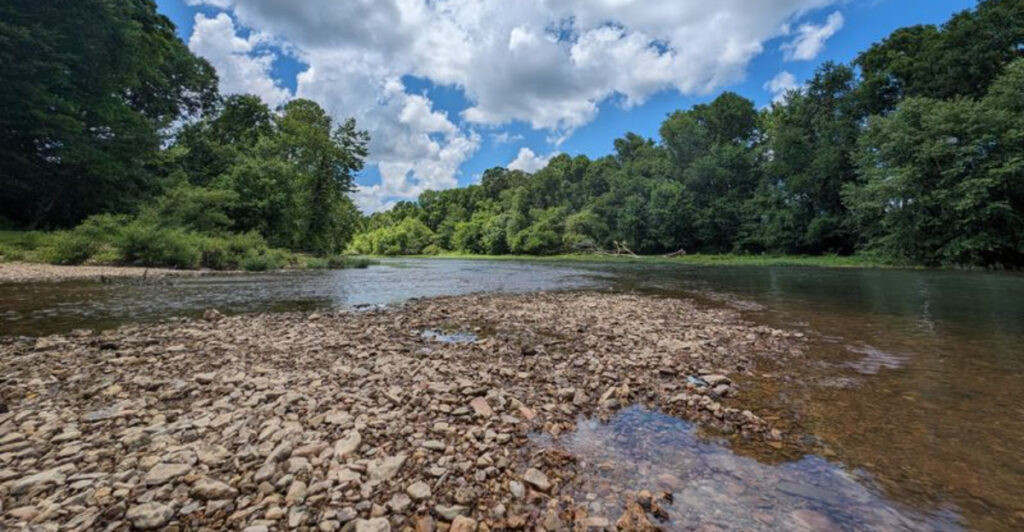
Tennessee hides ancient oceans in plain sight, and you can wade right into them. Along certain rivers and creeks, limestone shelves and gravel bars peel back time to reveal crinoids, corals, brachiopods, and even trilobite bits. With the right timing and a gentle eye, you can spot fossils without fancy gear or long hikes. Keep reading to learn exactly where to go, what to look for, and how to search responsibly so your finds are memorable and ethical.
1. Harpeth River (Middle Tennessee)
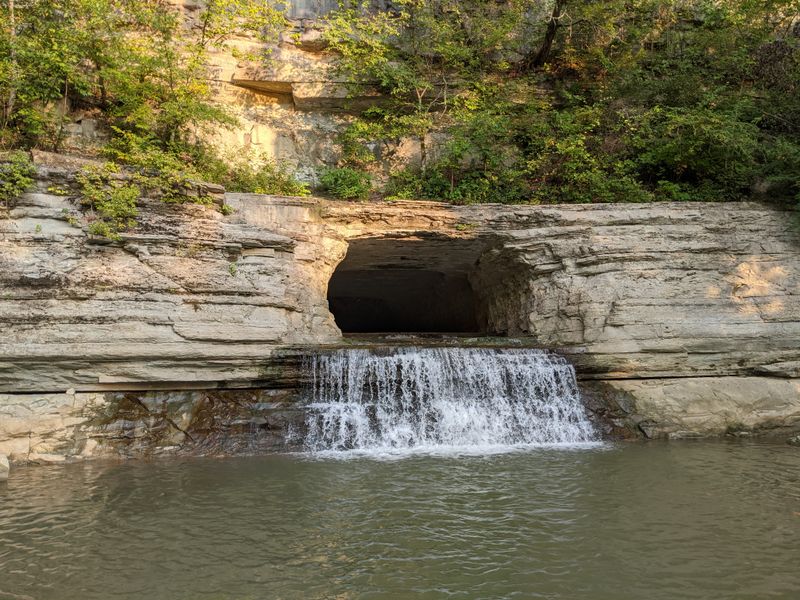
The Harpeth is a friendly classroom where limestone tells old sea stories. As water drops in late summer, shallow riffles and gravel bars expose crinoid stem discs, brachiopods, and horn corals. Scan sunlit edges and newly scoured bars, then crouch low so textures pop against wet rock.
Bring a small sieve, a soft brush, and a microfiber cloth to lift details without scratching. Keep finds to loose pieces and leave embedded fossils intact so others can enjoy them. Public access points near parks and canoe launches make quick sessions easy.
After rain, revisit the same bar and you will swear it changed overnight. Photograph context, note water level, and compare. The river rewards patient eyes and light hands.
2. Duck River (Middle Tennessee)

The Duck River is famed for biodiversity today, but its rocks remember older seas. Sweep along exposed limestone shelves and you will spot shell impressions, crinoid stems, and coral patterns. Move slowly, letting sideways light reveal shadows in ridges and circular discs.
Stick to public access points and tread lightly around mussel beds and aquatic vegetation. Pocket only loose pieces and leave habitats undisturbed. A small spray bottle helps wet dusty surfaces so fossil textures stand out without prying.
Plan trips when river levels are stable and clear. Photograph and map your finds to build a personal field guide. With patience, you will connect living diversity to the deep time preserved underfoot.
3. Buffalo River (Wayne County)
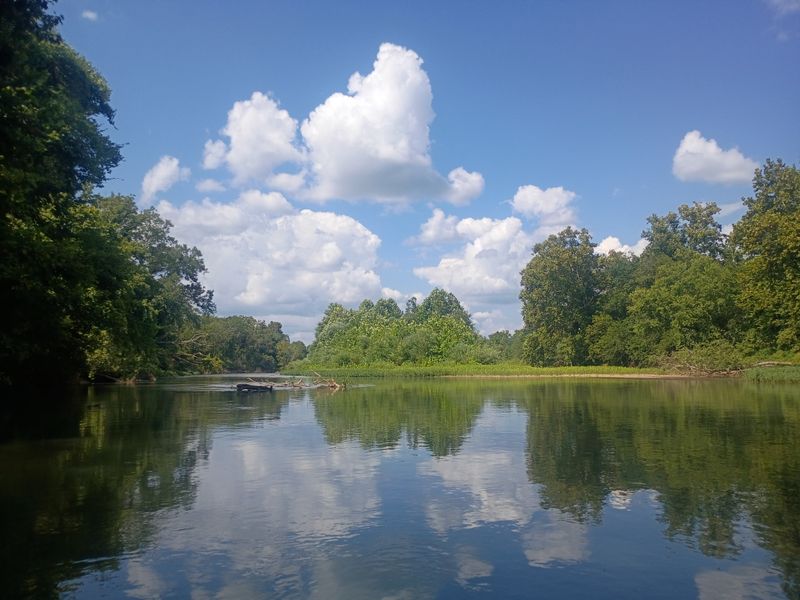
The Buffalo River runs clear beneath scenic bluffs, making casual fossil hunting a joy. Eroded rock beds and gravel bars reveal marine fossils from when Tennessee sat beneath warm shallow seas. After heavy rains, fresh material tumbles out and settles in quiet eddies.
Walk slowly, letting your eyes trace circular crinoid stems and fanlike coral patterns. A hand lens turns faint textures into crisp geometry. Kneel where gravel meets bedrock and sift gently, keeping an eye on changing water levels.
Respect private land and use approved access sites. Photograph in place, then collect only loose, non-embedded pieces. The real treasure is learning to read rock stories as the river writes them anew after every storm.
4. Stones River (Rutherford County)

Stones River slices through fossil-rich Ordovician limestone, and its gravel bars are like open museum drawers. Look for trilobite fragments, delicate bryozoan lattices, and crinoid stems in shallow riffles. Early morning side light makes tiny ridges and segments pop.
Greenway access keeps it simple for quick scouting walks. Bring a soft brush, small containers, and a phone macro lens to document before lifting loose material. Avoid chisels and leave anything firmly embedded for future visitors and stability.
Work methodically from upstream to downstream, checking eddies behind larger stones. When you find one fragment, circle outward in a spiral search. You will build an eye for patterns that turns every step into a discovery.
5. Big South Fork of the Cumberland River
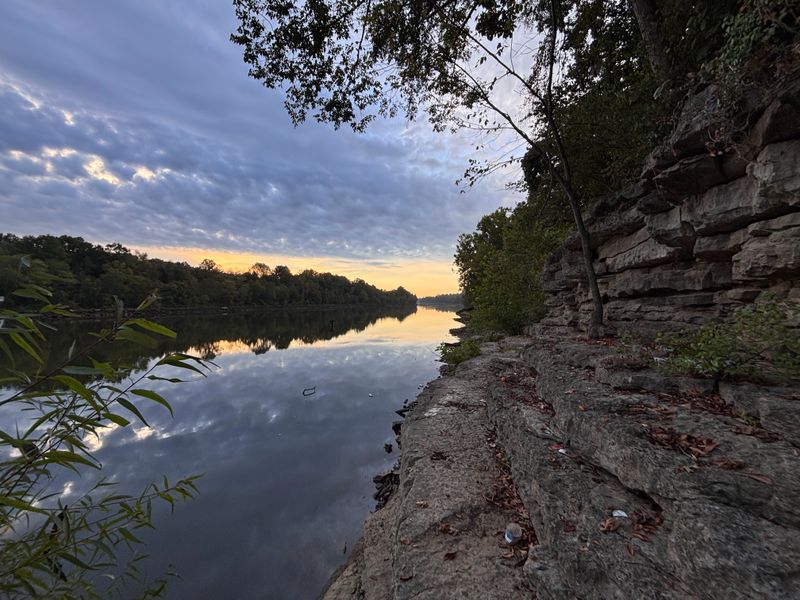
Big South Fork feels wild, with layered cliffs and cobble bars that whisper deep time. In certain areas outside the national park, you may find plant impressions, shells, and marine imprints. Always confirm boundaries and regulations before collecting, and favor photography when unsure.
Search along weathered ledges and quiet inside bends where lighter pieces settle. A GPS map, small brush, and kneepads make slow, careful surveying more comfortable. Record coordinates and rock type to connect patterns on your next visit.
Because exposures change, return in different seasons and water levels. Let low sun rake across surfaces to reveal textures. Responsible curiosity ensures future explorers can share the same quiet surprises you uncover.
Share this story