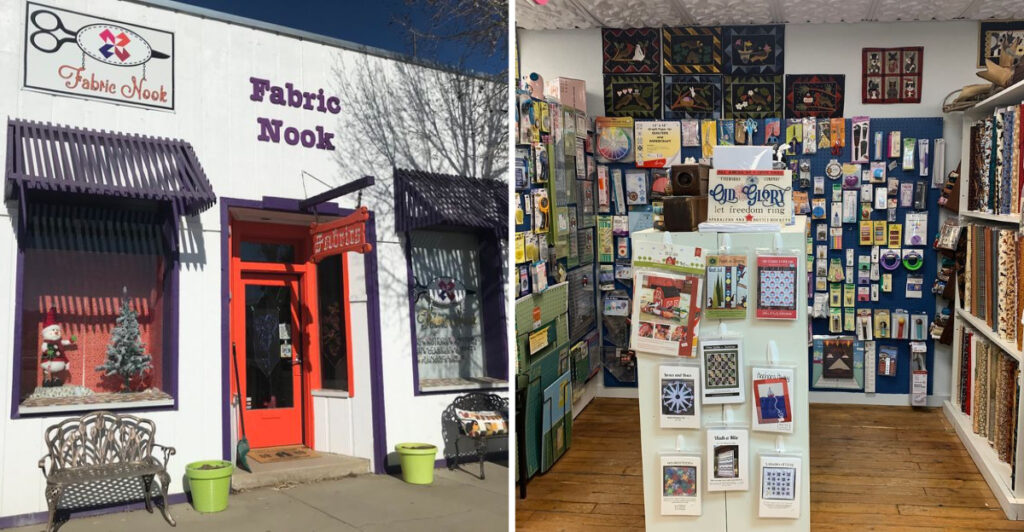
Bring your project ideas—and remember to stop at the ATM—before heading into Fabric Nook in Granby. This small-town Colorado shop has become a favorite among quilters and crafters for its shelves of colorful fabric, yarn, sewing supplies, and the kind of knowledgeable assistance that online shopping cannot easily replace.
The cash-only policy adds an unexpectedly old-fashioned touch, fitting a store where browsing and conversation still matter. Customers can compare textures, hunt for the right pattern, and get advice before committing to their next creation. For makers passing through Granby, a quick visit can easily become an hour of inspiration.
Color and Texture Hit Fast on E Agate Avenue
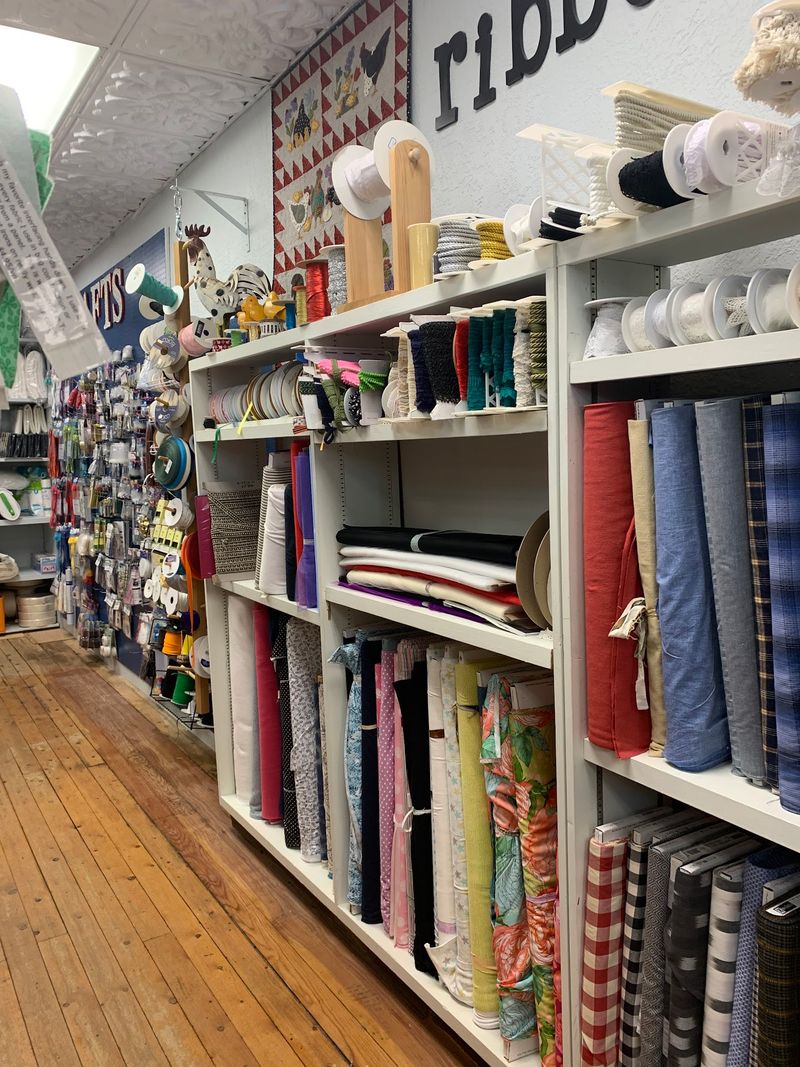
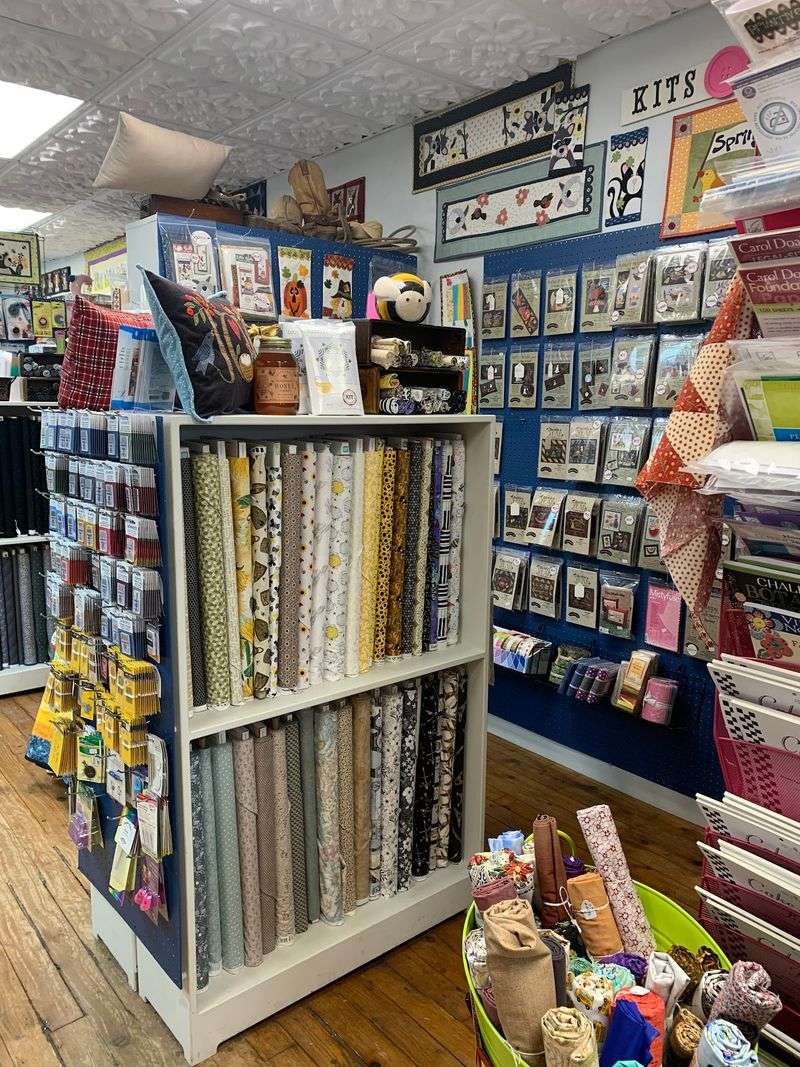
One glance inside Fabric Nook explains why crafters stop in and lose track of time. Bolts of fabric bring instant color to the room, and the layout gives the shop a packed but organized look that suggests there is always one more print to spot around the corner.
Granby is a mountain town, so a store like this stands out in a practical way. It serves locals who sew, quilt, knit, and mend, but it also catches travelers who do not expect to find such a full craft stop tucked into downtown.
Instead of feeling huge and impersonal, the space works on a smaller scale that helps shoppers focus. Fabric is easier to compare when it is close at hand, and that matters when trying to match colors for a quilt top, a baby blanket, or a repair project that needs just the right tone.
There is also a pleasing sense of variety. Quilting cottons, panels, patterns, yarn, and notions create a shop floor with many visual starting points, so different kinds of makers can walk in with very different goals and still find a reason to linger.
Even the smallest details help shape the visit. A well-kept independent store sends a quiet message that the stock is chosen with care, not dropped into random bins and left for shoppers to sort out alone.
That first visual impression matters more than it might seem. In a specialized shop, confidence begins before anyone cuts fabric, because the room itself tells people they are in a place where sewing supplies are taken seriously, useful help is nearby, and a small-town storefront can hold far more creative possibility than expected.
A Quilting Core With Far More Range Than Expected
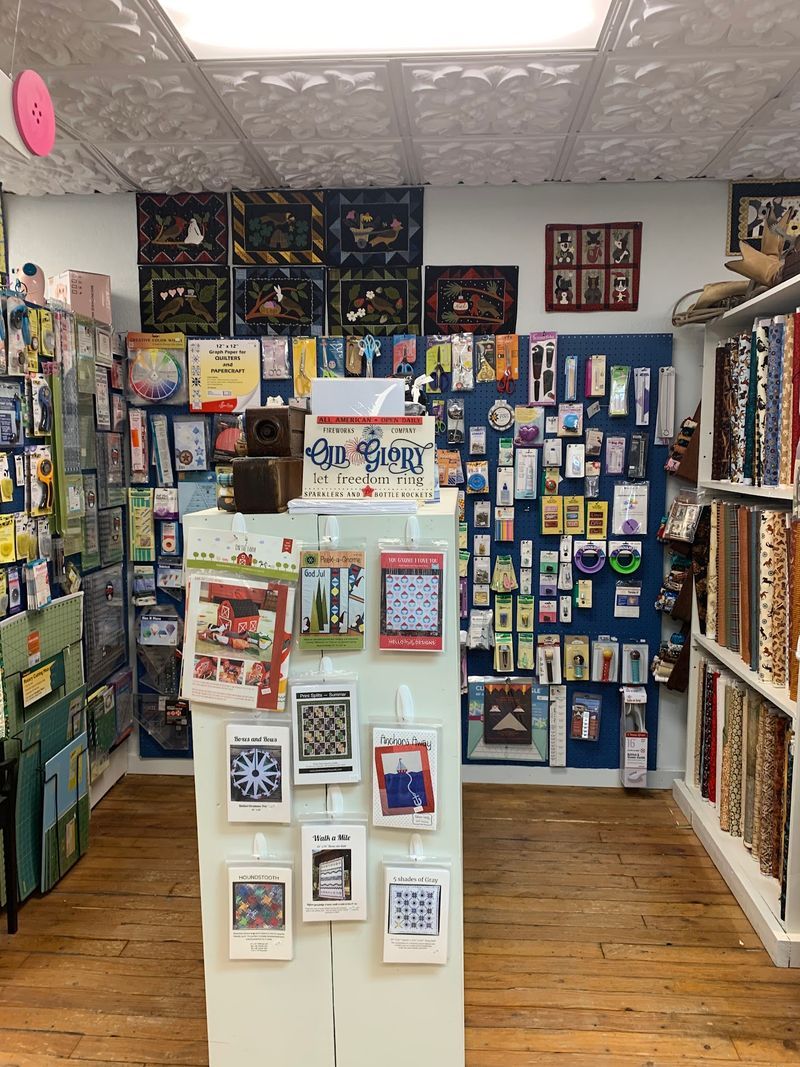
Plenty of shops sell fabric, but Fabric Nook appears to center its identity around quilting while still reaching beyond that single lane. That balance is a big reason the store pulls in both dedicated quilters and people working on one project that suddenly needs better materials.
Quilting fabrics seem to be a major draw, and that matters in a place where choice can make or break a project. Prints, solids, panels, kits, and fat quarters give shoppers different ways to build a design, whether they are planning a full quilt or only need accent pieces to finish borders and blocks.
Wildlife-themed fabric adds another useful layer for a mountain-town shop in Colorado. Regional prints can suit cabin decor, vacation sewing, gift projects, or keepsake pieces tied to time spent in Grand County, which makes the selection feel connected to its setting instead of generic.
Patterns also play a practical role here. A good pattern wall can rescue shoppers who have the skills to sew but need structure for garment work, quilting layouts, or smaller handmade items that are easier to start when the guesswork is reduced.
Then there is the fun of the hunt. A clearance fat quarter bin, when available, turns the store into a place where quick inspiration can happen cheaply, and that kind of detail matters to beginners, careful budgeters, and anyone who likes leaving with one extra piece for a future idea.
The strongest part of the selection is not only abundance. It is the sense that the merchandise supports real making, not just browsing, so shoppers can come in for white fabric for a graduation quilt, colorful prints for a birthday blanket, or a panel that becomes the center of an entire project by the end of the visit.
Buttons, Batting, Yarn, and the Bits That Save a Project
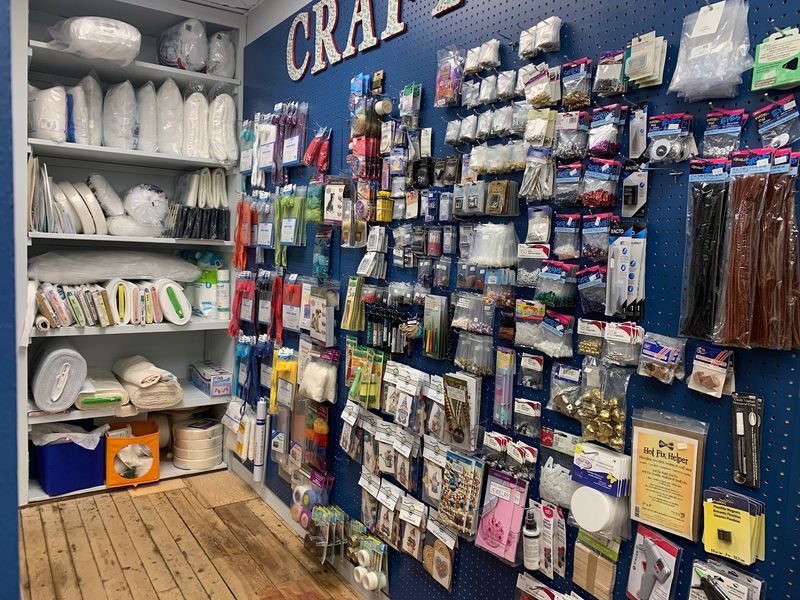
A strong fabric store becomes far more useful when it covers the small parts that projects always seem to need at the last minute. Fabric Nook appears to understand that problem well, offering notions and craft extras that can turn a frustrating errand into a one-stop solution.
Need thread, tools, batting, or a button instead of yards of fabric? A shop with that kind of range serves real life, because sewing does not happen in neat categories.
One project can demand scissors, interfacing, needles, zipper advice, trim, backing fabric, and one oddly specific item that was forgotten until the night before a deadline.
Yarn broadens the store’s usefulness even more. That means the shop is not only for quilters, but also for knitters, crocheters, and crafty shoppers who move between fiber hobbies depending on the season, the gift list, or how much patience they have for a long project.
Hand embroidery and wool art supplies add another layer of creative crossover. Those categories often attract makers who enjoy texture, detail, and slower handwork, so the store can appeal to people who are not focused only on machine sewing.
Practical variety matters in a rural area and in a small downtown stretch. When the nearest alternative may not be close, having broad stock in one location saves time, reduces second trips, and gives local makers a dependable place to troubleshoot ideas with materials right in front of them.
The effect is bigger than convenience alone. A shop that stocks the overlooked essentials becomes part supply source, part creative backup plan, which is why someone might walk in for turquoise yarn, leather scraps, or batting and walk out with the exact piece needed to keep a project moving instead of abandoning it halfway across the cutting table.
Helpful Guidance Gives the Shop Its Staying Power
Some stores win people over with inventory alone. Fabric Nook seems to hold attention for a different reason too, because knowledge and patient guidance can matter just as much as shelves full of fabric when a project goes sideways.
The shop is associated with hands-on help, and that changes the experience in a practical way. Shoppers are not left staring at bolts and tools while guessing what might work, which is especially useful for beginners, rusty sewists returning to the hobby, or anyone handling a repair that does not fit neatly into a pattern envelope.
That kind of support matters most when the job is oddly specific. Zipper trouble, clothing alterations, fabric adjustments, and project planning often require advice that goes beyond pointing to aisle numbers, and a store that can talk through options becomes part classroom and part creative problem-solving desk.
There is also value in confidence. A person standing in front of scissors, thread, and a half-formed idea may only need a few smart suggestions to move forward, and those suggestions can save fabric, money, and several hours of trial and error at home.
The owner is frequently linked with teaching skill and practical know-how, including a background in home economics noted by shoppers. That detail fits the store’s broader character, because it suggests the help comes from long familiarity with how sewing is actually learned, practiced, and rescued when plans start unraveling.
In a small town, useful expertise can become as important as merchandise. Fabric Nook benefits from that kind of trust, since people are likely to return when they know they can ask about a bridesmaid dress alteration, a quilt layout, a stubborn closure, or even a hard-to-find material and get direct, grounded advice instead of a shrug from across the counter.
Colorado Craft Stop With a Classroom Spirit
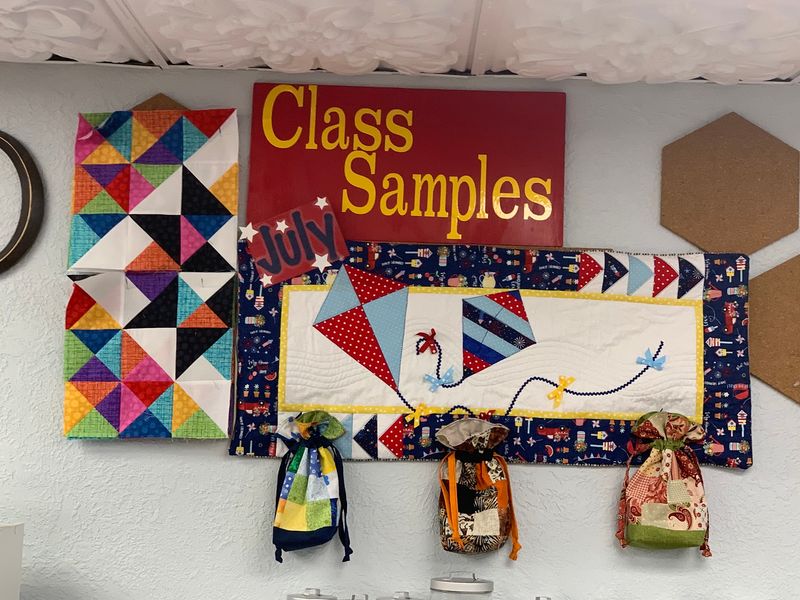
Fabric Nook does not come across as a shop built only for quick transactions. The presence of classes and teaching energy gives it a broader role in Granby, turning the store into a place where skills can grow instead of a place where supplies simply change hands.
That difference matters for a craft business. Sewing and quilting are easier to stick with when there is a nearby spot for instruction, encouragement, and examples, especially in a smaller community where specialized creative spaces are not on every block.
A classroom adds movement to the store’s rhythm. On one day, the space may support a focused lesson; on another, it may feed project ideas as shoppers spot samples, ask questions, and picture themselves trying a new technique once they get home.
There is also a local thread running through the experience. Independent craft shops often become informal gathering points where practical advice, regional conversation, and creative momentum mix together, and Fabric Nook seems to fit that pattern in a way that feels useful rather than staged.
Travelers passing through Granby can benefit from that same energy. A class, sample display, or short conversation about projects can transform an ordinary stop into part of the trip itself, especially for people who like bringing home materials tied to a certain place instead of buying generic souvenirs.
Even for shoppers who never take a class, the teaching spirit still shapes the visit. Stores that explain, demonstrate, and encourage tend to make supplies easier to understand, which lowers the barrier for first attempts and reminds experienced makers that there is always another technique worth trying.
That educational side gives Fabric Nook extra pull. It offers a reason to return beyond replacing thread or buying backing fabric, because the store can help build the next idea, the next skill, and the next project all at once in the middle of downtown Granby.
Bring Cash and Plan the Stop Like a Local
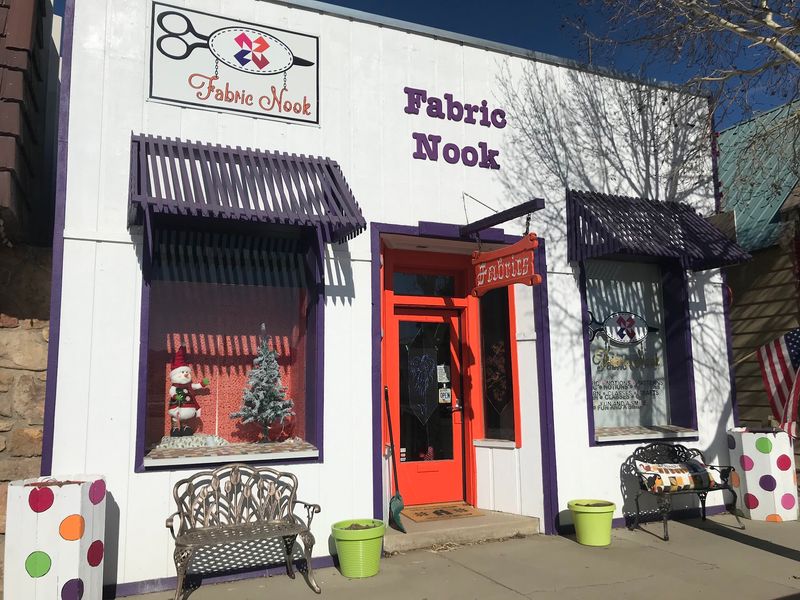
The cash-only detail is more than a quirky footnote. At Fabric Nook, it shapes the visit before the first fabric bolt is even touched, and anyone making a special stop should plan for that simple rule so the shopping trip stays easy.
In an era of taps, apps, and quick card swipes, paying with cash gives the store an old-school rhythm. It can slow the transaction just enough to remind shoppers they are in an independent place with its own way of doing business, not a chain built around speed and sameness.
Practical timing matters too. Fabric Nook is open Tuesday through Friday from 10 AM to 5 PM and Saturday from 10 AM to 4 PM, while Sunday and Monday are closed, so a little planning goes a long way for vacationers, weekend visitors, and locals trying to fit in a supply run.
The downtown Granby location helps make the stop manageable. A shopper can work the store into a broader day around town instead of treating it like a long detour, which is useful when the goal is to browse without rushing or to solve one very specific project need before heading home.
Going in with a short list is smart, but leaving room for discovery works even better. A fabric store with quilting supplies, notions, yarn, and classes can easily stretch a ten-minute errand into a fuller visit, especially when inspiration starts arriving faster than expected.
Cash in pocket, project idea in mind, and enough time to look carefully, that is the best setup. Fabric Nook rewards shoppers who come prepared, not because the store is difficult, but because the selection and the useful guidance can turn a planned purchase into a much better, more complete creative haul.
Why This Granby Shop Keeps Landing on Craft Itineraries
Some stops become routine errands, while others turn into fixed points on a trip. Fabric Nook has the traits that push it into the second category, because the store combines strong supplies, useful help, and a sense of purpose that goes beyond casual browsing.
For locals, that can mean a dependable place to solve real project problems without driving far for basics or advice. For travelers, it offers an unexpectedly full craft stop in a mountain town, the sort of place that can add a creative layer to a weekend in Granby.
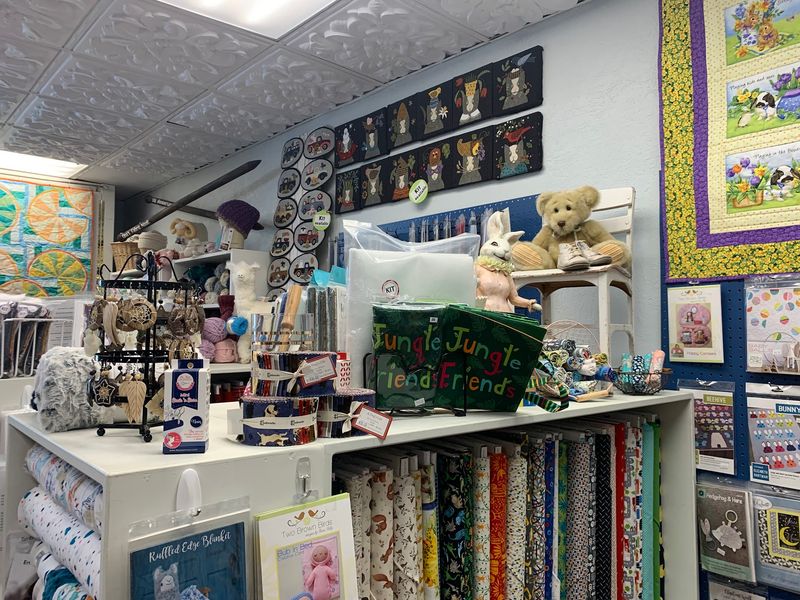
The appeal is not based on one single feature. Fabric matters, of course, especially for quilters and anyone hunting for prints, panels, or solids with enough variety to make comparison worthwhile, but the wider stock of notions, yarn, batting, patterns, and specialty odds and ends keeps the store from feeling narrow.
Then there is the human side of the experience. A shop where help is specific and informed has a different tempo from one where shoppers are left to guess, and that difference can turn uncertainty into a finished blanket, a repaired zipper, a successful alteration, or a class that opens the door to a new skill.
The cash-only policy adds one final twist. Rather than blending into the background of modern retail, Fabric Nook asks people to arrive a little more prepared, and that small piece of planning seems to fit the shop’s overall character as an independent place with its own habits and loyal following.
Put all of that together, and the title makes sense. Crafters are drawn here not by flashy gimmicks, but by a combination that is harder to find than it should be: a compact Colorado store where the selection is broader than expected, the guidance is part of the product, and each visit can move a project forward in a real, satisfying way.