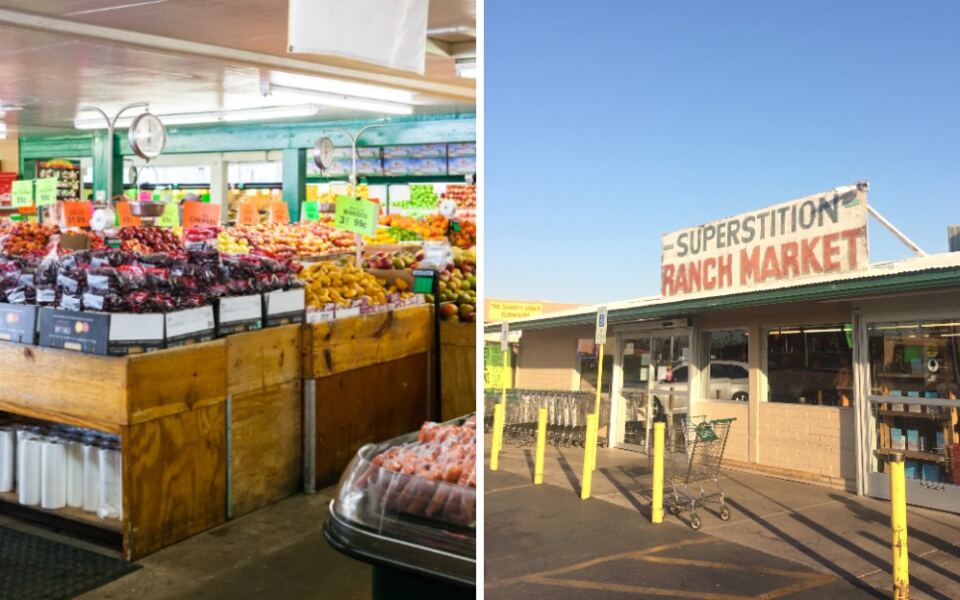
Somewhere east of the Loop 202 traffic, a family-owned market lets shoppers fill four bags with fruit and vegetables for under twenty dollars. Kids walk out with a free apple, orange or banana, and the back room hides clearance deals that regulars check every single trip. Crates of melons sit right out front, and the shelves change from week to week, so no two visits look quite the same.
The doors open at 7:30 most mornings and stay open until 7 PM, which beats the usual noon wrap-up of weekend farmers markets. Local honey, Arizona-made salsas, Glendale chocolate and Hatch chile season all show up here too. Keep reading for the address, the hours, the best time to go, the deal-hunting tricks, and the small catches worth knowing before the drive.
1. A Family Market on East Main Street
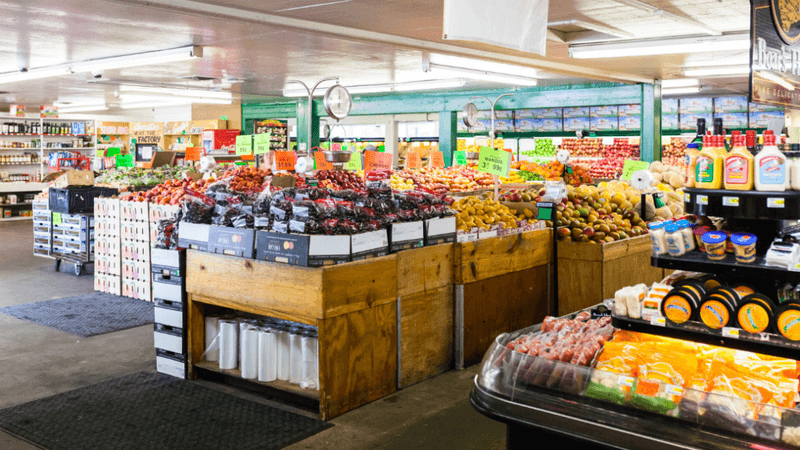
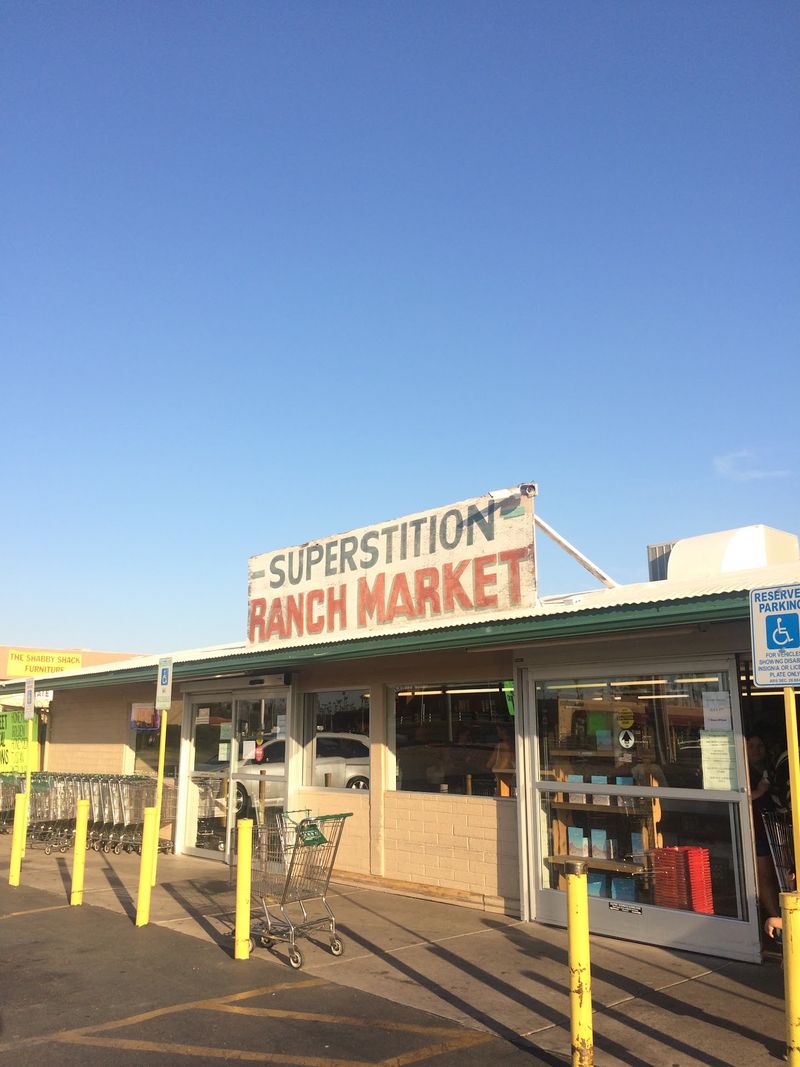
The spot in question is Superstition Ranch Farmers Market, and it sits at 4755 E Main St, Mesa, AZ 85205, in the East Valley of Arizona.
It is a family-owned produce market known for fruits and vegetables at discount prices. The place stays busy, the parking lot fills up, and the checkout lanes move steadily through the day.
For Phoenix families, the drive east on the freeway is part of the fun. Shoppers have come from as far as Casa Grande and called the trip worth it.
Unlike a weekend pop-up, this is a permanent store with shelves, coolers and a staff that restocks constantly. There are also crates and discount bins outside the front doors.
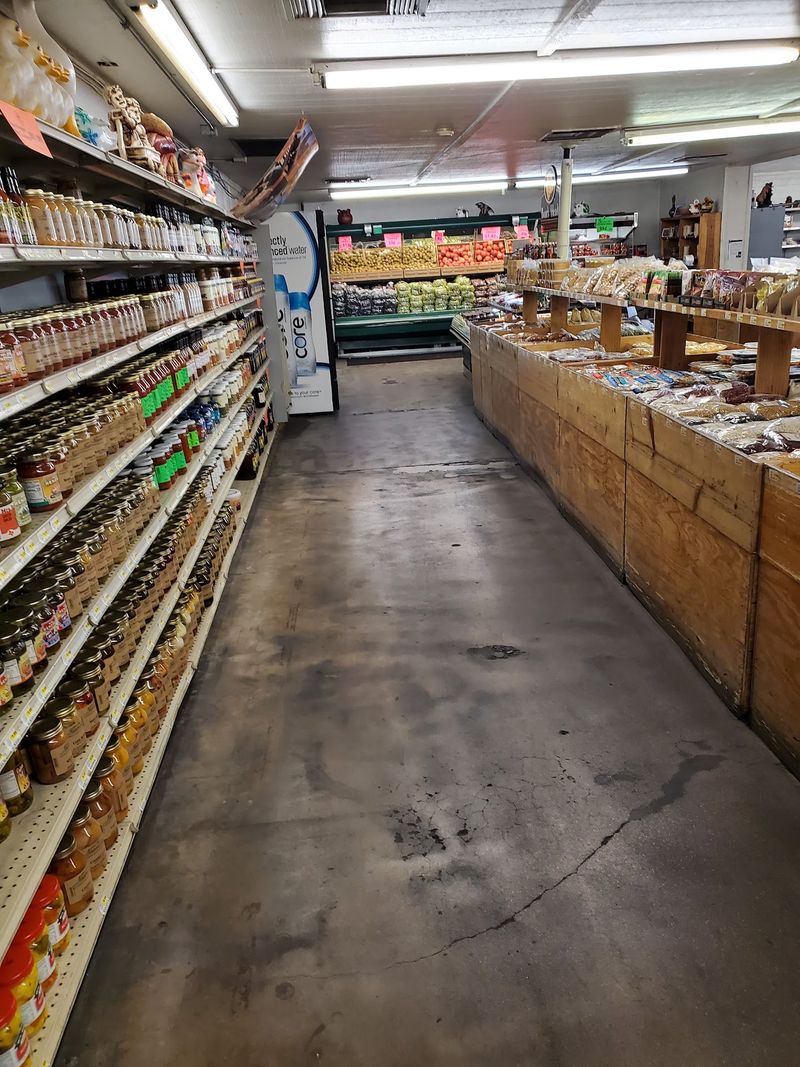
The market carries produce plus local honey, nuts, baked goods, salsas, pickled goods and even everyday groceries like meats, cheese and chips.
It holds a 4.7-star standing across thousands of Google ratings, which tells you the regular crowd keeps coming back. Consider this the opening chapter, because the real story starts with who stocks those shelves.
2. Three Generations of Farmer Friendships
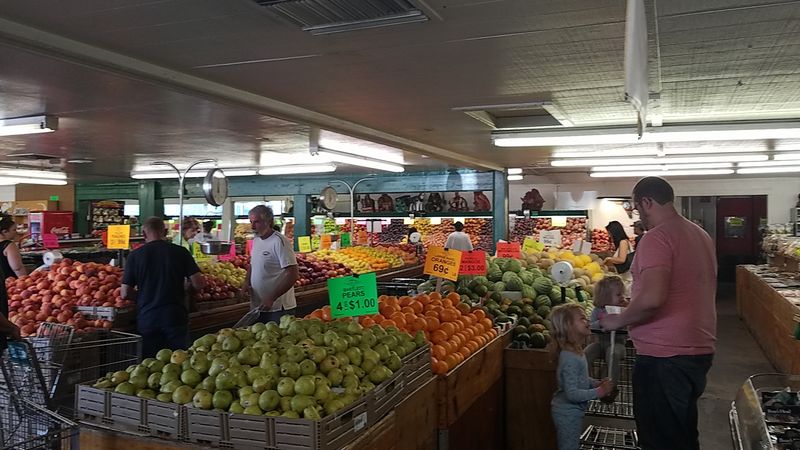
Behind the bins is a network that goes back a long way. The owner, T.J., has described relationships with farmers that stretch back three generations.
The market leans on a team of local farmers, bakers, beekeepers and small mom-and-pop vendors. Every purchase here sends money toward those small operations rather than a giant corporate chain.
That point matters to the owner, who openly champions small business over big-box grocery stores. He has said the same farmers, bakers and beekeepers have stayed with the market over the years.
One common question involves the little four-digit stickers on produce. Those numbers are universal price codes that help cashiers ring items correctly, not a label for how something was grown.
The owner stands behind his farmers for growing naturally and ethically, and he has said none of them use seeds with built-in pesticides.
Organic fruits and vegetables do show up occasionally too, which helps shoppers who prefer them. Knowing the people behind the produce makes the next part, the prices, feel even better.
3. Receipts That Look Like Typos
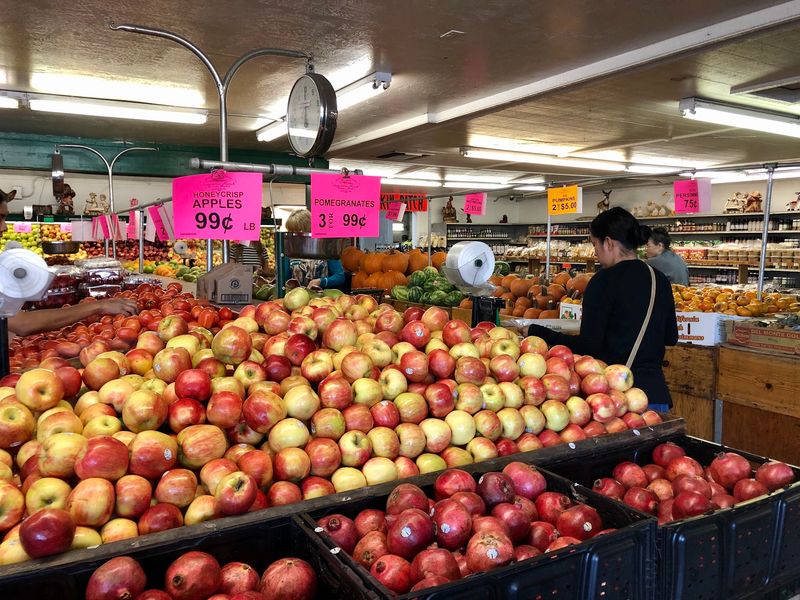
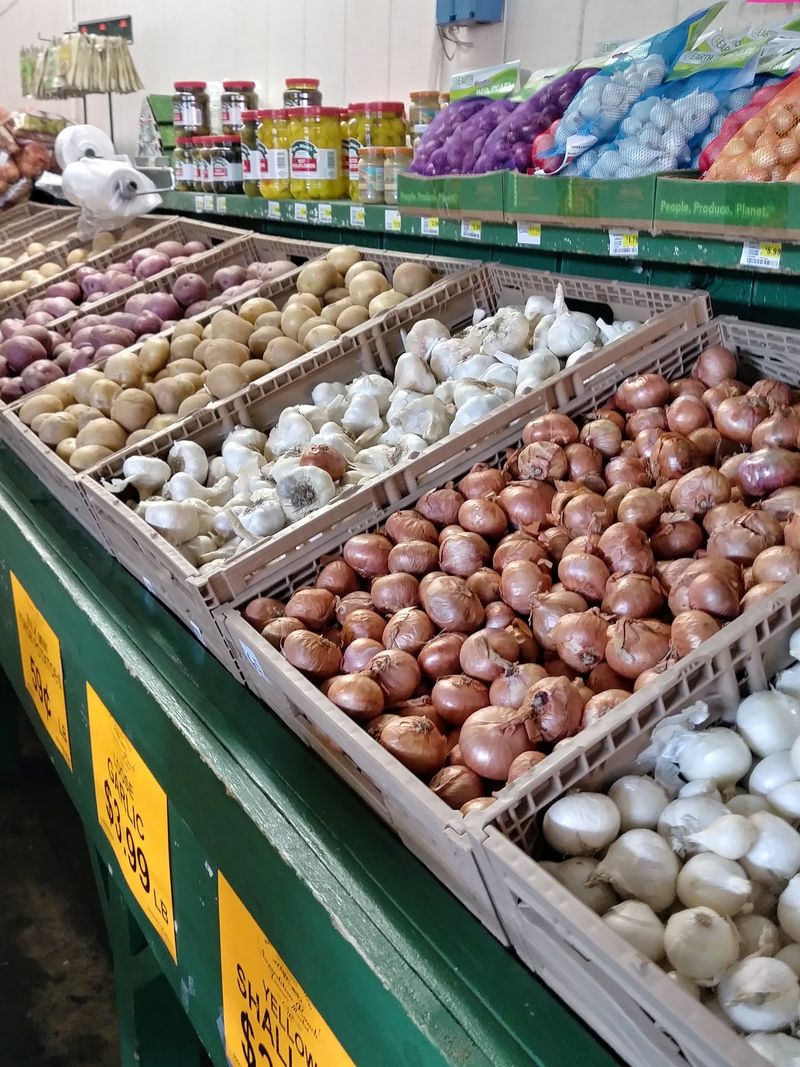
Ten dollars and fifty cents. That was the total for a haul that included blueberries, purple potatoes, strawberries, blackberries, grapes, shallots, peaches, avocados and tomatoes.
Numbers like that are the main reason people make the drive. Butternut squash has rung up at 39 cents a pound.
Another shopper loaded a week of meal prep for $27. Someone else carried out four full bags of produce for under $20 and said it felt like shopping before prices climbed.
Most items cost noticeably less than at typical Valley supermarkets. A family of six filled a refrigerator with fruit for $67.
A few items are pricier, though, so totals can creep up if you grab treats without checking. The candy and chocolate wall is the usual suspect.
Desserts and baked goods sometimes cost a dollar more than at a big chain. The owner points out those come from small local bakers, not frozen and thawed.
The smart move is simple: build the cart around produce, then splurge with intention.
4. The Back Room Treasure Hunt
Regulars have a ritual, and it starts at the back of the store.
A room in the back holds sale and clearance items, and plenty of shoppers say they almost always find something there. It is the part of the market that rewards patience.
Outside, a discount area near the entrance works the same way. Big crates of melons and other items often sit right out front.
The catch is that deals here can be one-and-done. Something you spot today may not return next week, which keeps every trip a little unpredictable.
A small side room off the lettuce section also carries packaged goods. Double-check dates on those items before buying, since a few older products have slipped through.
The owner has said the team will check code dates more carefully, and he notes that best-by dates differ from sell-by dates.
Shoppers who slow down tend to leave with the best finds. Rushing through is how the bargains get away.
5. Yellow Watermelon and Other Surprises
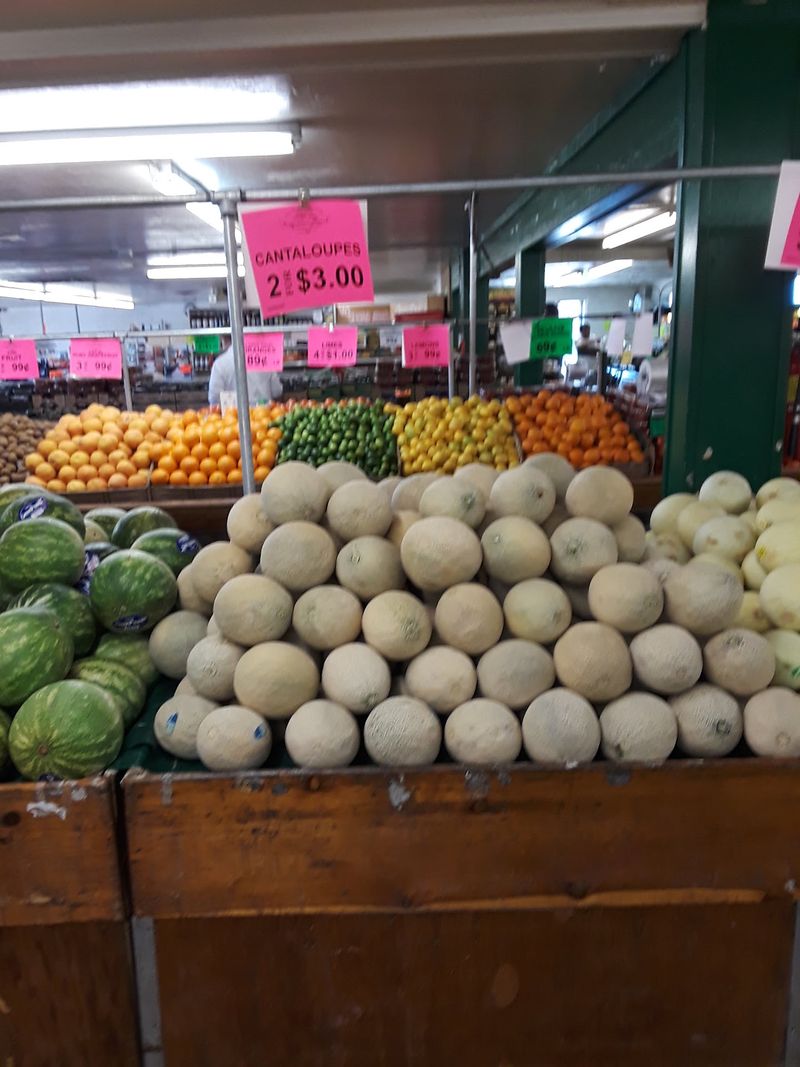
Ever bitten into a watermelon that is yellow inside? Plenty of first-timers try it here.
The surprise factor is a big part of the appeal. Shelves carry a lot of regular staples, but unexpected items appear on any given day.
Yellow-flesh watermelon is one example, and the owner admits it looks odd but calls it a standout.
Hard-to-find nuts show up too. One shopper finally tracked down Brazil nuts here after a long search elsewhere.
Tangelos, blueberries and strawberries all have loyal fans when they are in season. Produce changes week by week, so the lineup shifts with the calendar.
Late summer brings Hatch chile season, which the owner mentions as a reason to come back. Early in the year, it can be a bit soon for summer produce.
Nobody needs a shopping list to enjoy the place. Half the fun is spotting something new and tossing it in the cart just to see.
6. Honey, Salsa and Arizona-Made Shelves
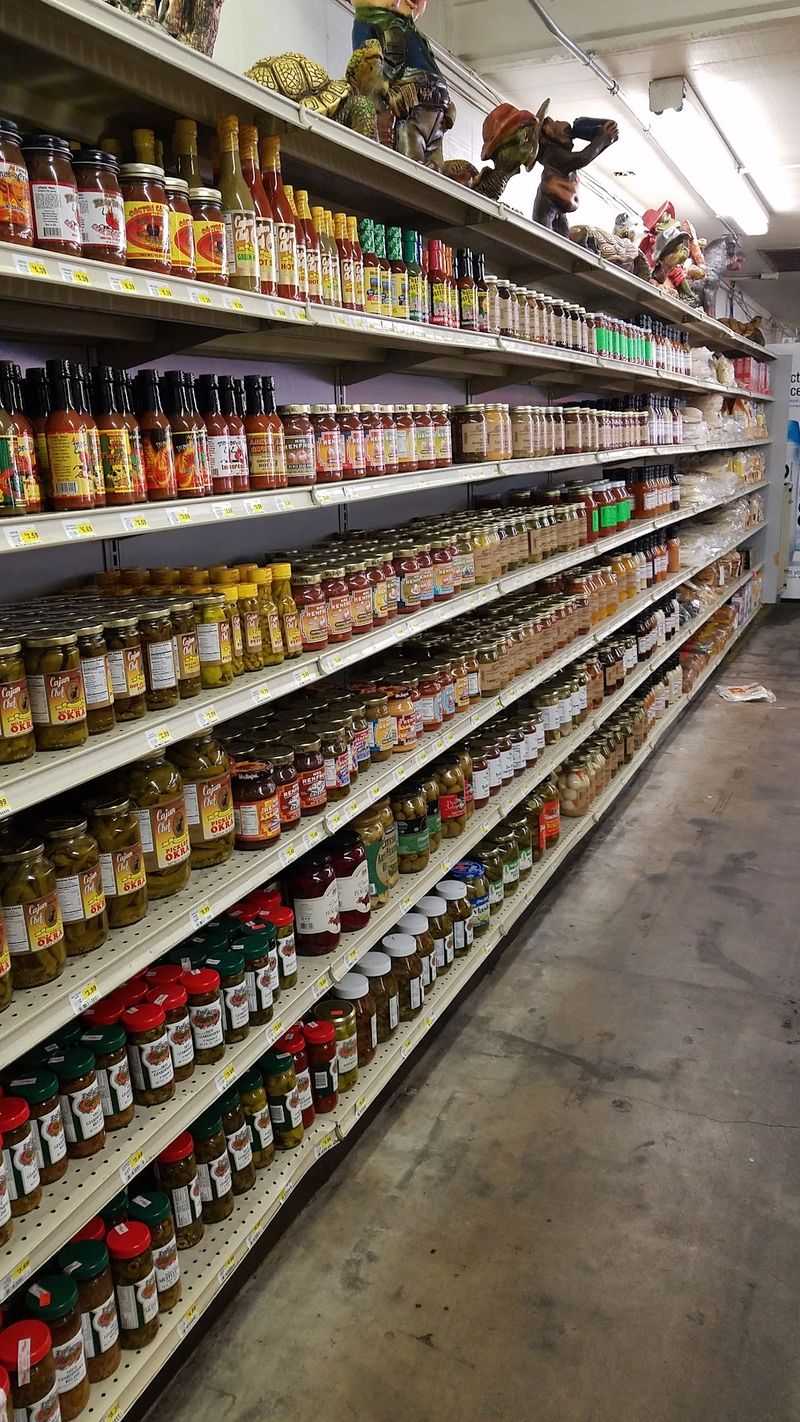
Produce gets top billing, yet the local shelves deserve their own spotlight.
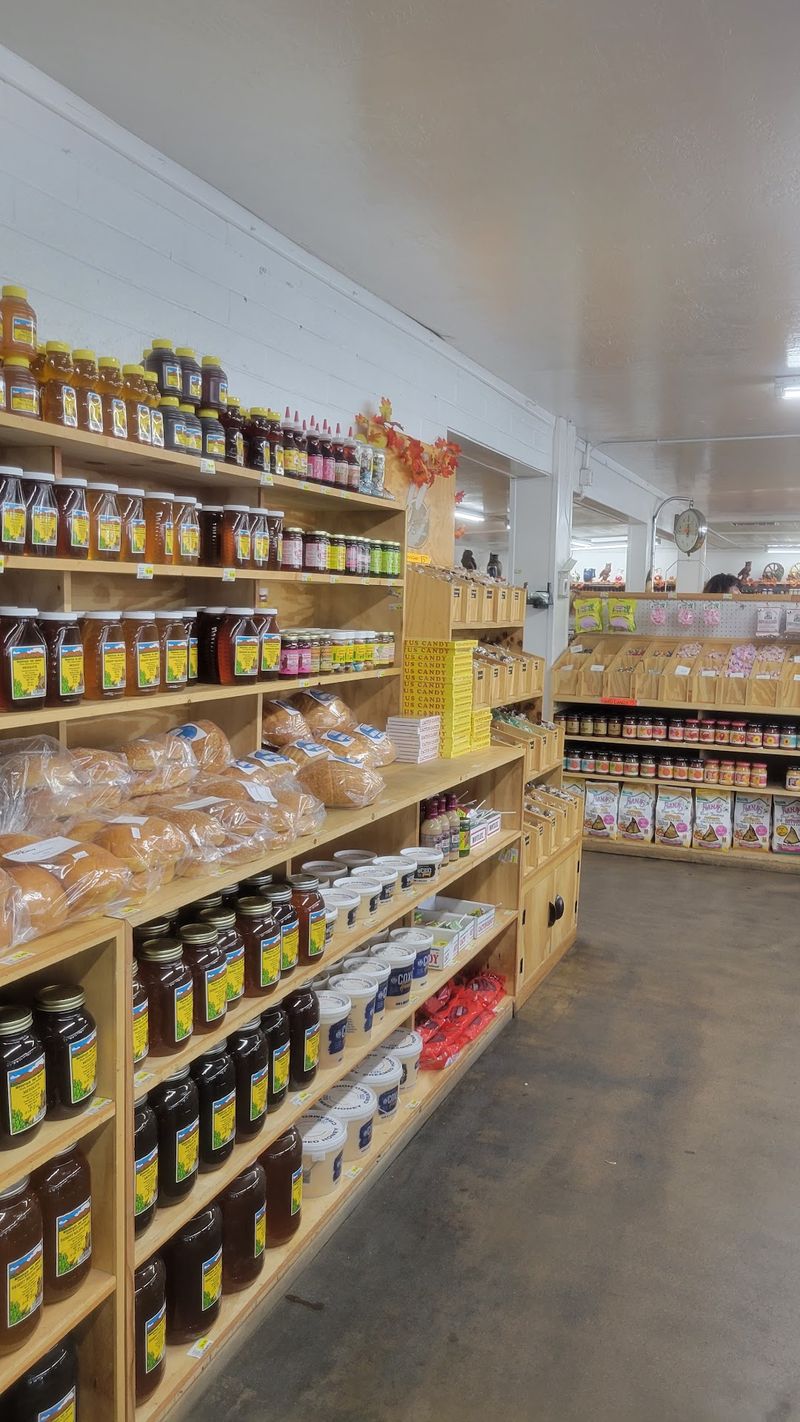
Local honey from area beekeepers is a regular favorite. So are Arizona-made salsas and a pickled section that shoppers single out.
Cerreta’s candy, based in Glendale, has a large selection here. French mint and dark French mint come up as favorites, and the owner calls it the best chocolate around.
Bakery items come from small local bakers. Breads move quickly because the store stays busy.
Fans of AZ Lemonade Stand can find it in the coolers. Raw milk is available too, though it is not cheap.
The market also sells nuts in a wide variety, plus grains that can be bought in bulk.
Many local Arizona companies have fresh products on these shelves. A quick lap through this section can turn an ordinary produce run into a small tour of Valley makers.
7. Free Fruit for Small Shoppers
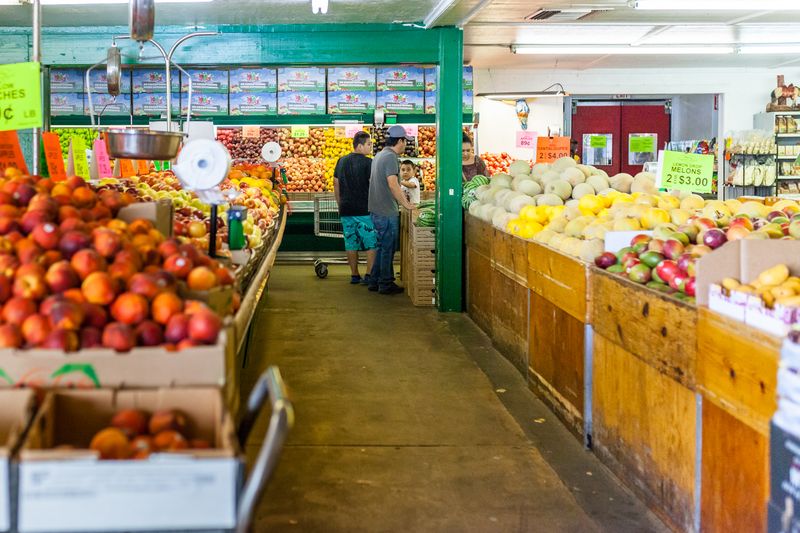
Kids get a perk that grown-ups might envy. Every visit, children can pick a free apple, orange or banana.
That small gesture turns a grocery stop into something young shoppers look forward to. It also makes the market an easy family outing.
Families with little ones should know the store is on the smaller side. Keep carts out of the middle of the aisles so others can get by.
Letting kids help choose produce is a natural fit here. The colorful bins and outdoor crates give them plenty to look at and talk about.
A lot of parents treat it as a short countryside-style break from freeway errands. The relaxed pace beats racing through a huge supermarket.
Shoppers with juicing goals have found the place helpful too. Staff have shared ideas on what to put into juices.
For a cheap family afternoon with a built-in treat, this one checks a lot of boxes without costing much at all.
8. Cashiers Who Move Lines Fast
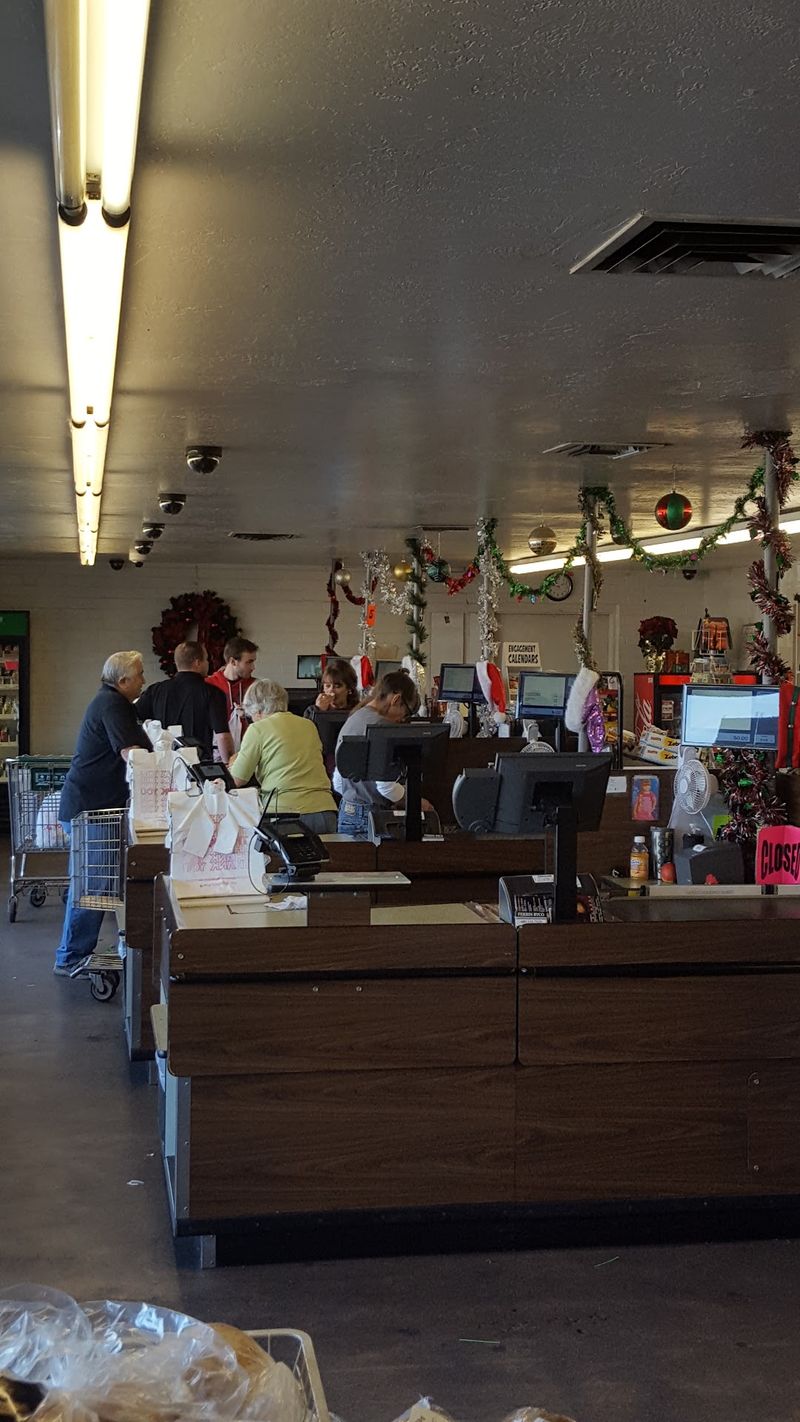
Friendly staff earn hundreds of mentions, which says plenty about the people working the floor.
The front-end team gets credit for being fast, efficient and welcoming. The owner calls them the best in the Valley.
Workers restock throughout the day so popular items do not stay empty for long. Staff keep an eye on what is running low.
One employee named Jackie is known for warm greetings and juice suggestions. A curly-haired bagger has been praised for meeting shoppers at their cars with a cart.
That kind of attention gives the place a neighborhood feel. It does not feel like a giant chain store.
The owner personally answers comments and invites people to ask for him in the store. He clearly enjoys talking about local farming.
Even when lines get long, things generally move smoothly. Good people keep a busy market running, and that sets up the next thing to plan for: the crowds.
9. Timing the Trip Right
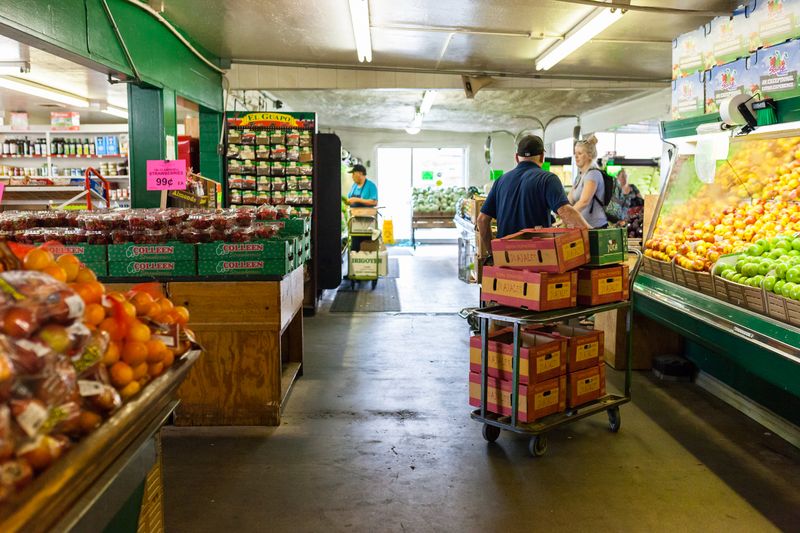
Early birds tend to win at this market.
Fruit quality can depend on the time of day. Near closing, a lot of the nicest fruit may be gone, leaving more bruised containers behind.
Morning trips usually show everything at its freshest. With doors opening at 7:30 AM on weekdays and Saturdays, it is easy to beat the rush.
The long hours help people who cannot reach a typical farmers market before it wraps up around noon. Weeknight runs until 7 PM work for after-work shoppers.
The checkout lines can get slammed at busy times, even with most lanes open. Parking can also get tight when the lot fills.
Cooler months tend to suit outdoor browsing of the front crates. In summer, an early start keeps the trip comfortable.
A little planning around the clock pays off with the best picks and a calmer visit.
10. Picking Smart at the Bins
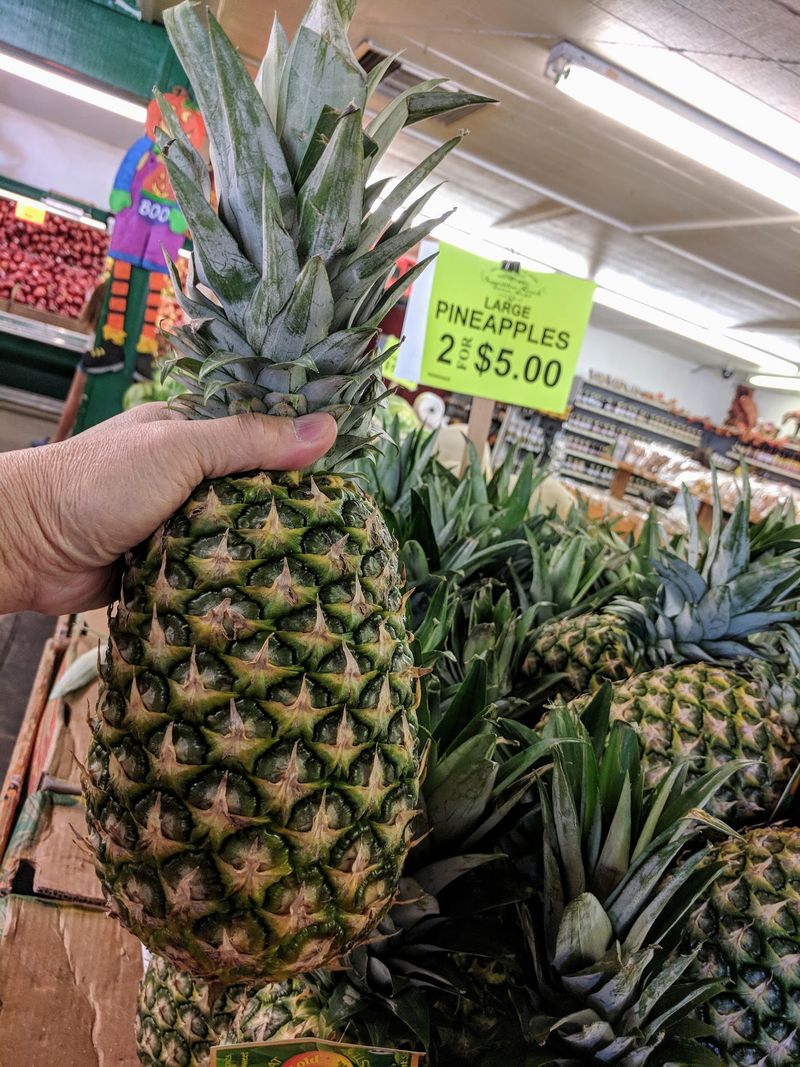
Bargain produce comes with one golden rule: check before you buy.
Berries deserve a close look. Open each pint, since a few baskets can hold some soft or spoiled ones.
Some fruits and vegetables are ripe and ready for the same day or the next. That is perfect for tonight’s dinner but less ideal for a week-long stash.
Plan to eat delicate items within a day or two. Sturdier vegetables usually hold up well.
The market honors a five-day guarantee on what it sells. That adds some peace of mind for anyone who gets home with a dud.
A few shoppers have found certain produce needed sorting through. Taking a minute to pick through bins usually solves that.
Treat it like a hunt, not a sprint. The best shoppers here are choosy, and the reward is a fridge full of good finds for very little money.
11. EBT, Double Up and Accessibility Notes
Budget-minded families get a real boost here.
The market accepts EBT and participates in the Double Up program. That stretches grocery dollars further on fresh produce.
The owner has said the goal is to help stretch budgets while supporting local farmers, bakers and beekeepers.
Accessible parking is available, and automatic doors make entry easier for wheelchair users.
There are no electric scooters or wheelchair cart attachments, though. Shoppers who need help with carrying may want to bring a companion.
The aisles are on the narrow side, so it helps to move carts thoughtfully during busy hours.
Staff are known for offering help at the cars and the bagging station. These details are small but useful, and they make planning the trip much easier for everyone in the group.
12. Hours and Parking Basics
Here is the practical rundown before hitting the road.
Monday through Saturday, the market runs from 7:30 AM to 7 PM. Sunday hours are 8 AM to 5:30 PM.
Those hours make it handy for a weekday errand or a slow Sunday outing.
Parking is generally fine, with plenty of spaces. During peak times, the lot can get packed and drivers can get a little impatient.
Bringing reusable bags is a smart idea for big hauls. Shoppers often leave with multiple bags full.
The website lists current details at superstitionranchmarket.com. The market also has more than one location in the area.
Seasonal vendors sometimes set up outside, like a popcorn seller who heads north when the weather warms. Check before going if a specific outside vendor is the goal.
With the logistics sorted, all that is left is deciding whether this place deserves a spot in the weekly routine.
13. Worth the Detour East
So, does it deserve the drive? For most produce lovers, the answer leans yes.
The prices on fruits and vegetables often beat big grocery stores by a wide margin. The back room and outdoor bins add a treasure-hunt bonus.
Friendly staff, free fruit for kids and long daily hours make it easy to fit in. Local honey, salsa and Glendale chocolate round out the cart.
It is not flawless. Lines get long, berries need inspecting, and a few treats cost more than expected.
Shoppers who live far away say they would stop by whenever they are nearby. Those living close often make it their main produce stop.
The real win is supporting small farms and local makers while saving money. That is a trade most Valley families are happy to make.
Skip the freeway rush for an afternoon, slow down among the bins, and head home with a bargain worth bragging about.
Share this story