Tennessee is home to more than just country music and hot chicken.
Scattered across the state are some seriously unusual museums that celebrate everything from pepper shakers to tow trucks. Whether you’re a local looking for weekend adventures or a visitor wanting something beyond the typical tourist spots, these quirky collections offer memorable experiences you won’t find anywhere else.
1. Salt & Pepper Shaker Museum (Gatlinburg)

Over 20,000 salt and pepper shakers fill every corner of this small Gatlinburg museum, and honestly, it’s way more entertaining than you’d think. Owner Andrea Ludden started collecting these tiny treasures decades ago, and her passion shows in the carefully arranged displays.
You’ll spot shakers shaped like animals, cartoon characters, famous landmarks, and things you never imagined could hold seasoning. Some date back to the 1800s, while others are quirky modern designs that’ll make you laugh out loud.
Admission is free, though donations are appreciated. Plan for about 30-45 minutes to browse, snap photos, and marvel at how creative people got with tabletop condiments.
2. International Towing & Recovery Museum (Chattanooga)
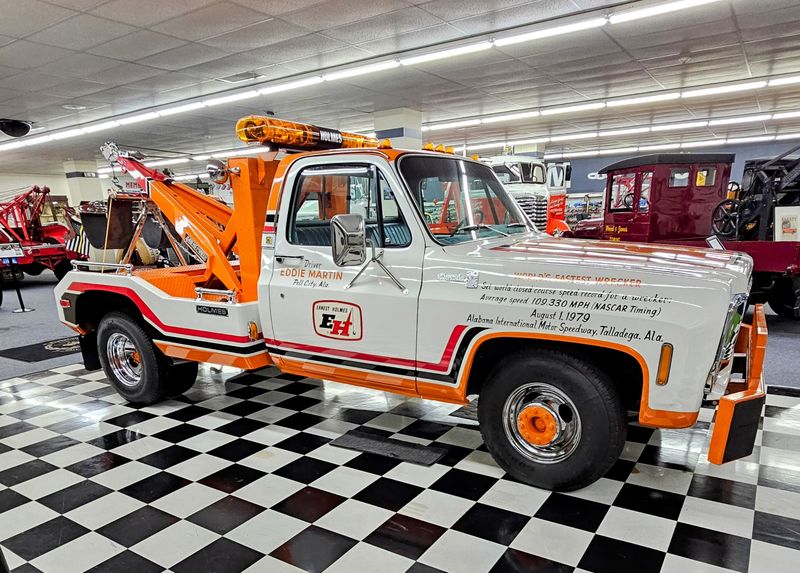
Who knew tow trucks could be this fascinating? This Chattanooga museum chronicles the entire history of the towing industry, starting with the first wrecker invented in 1916 right there in Tennessee.
Beyond the impressive collection of antique tow trucks and toy models, there’s something unexpectedly touching here: the Wall of the Fallen. This memorial honors tow truck operators who died on the job, reminding visitors that this profession involves real danger and sacrifice.
3. Lane Motor Museum (Nashville)
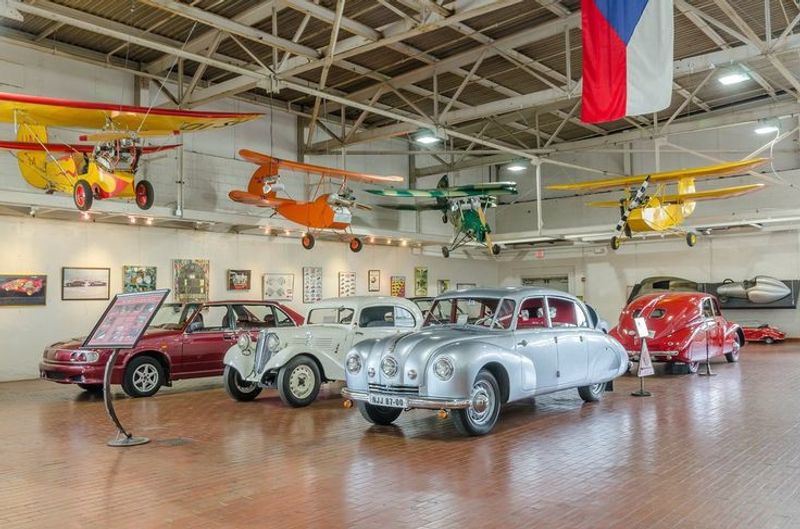
If you think all cars look basically the same, this Nashville museum will blow your mind. Lane Motor Museum specializes in the weird, the experimental, and the “wait, that actually drove on roads?” vehicles from around the world.
Microcars barely bigger than golf carts sit beside amphibious vehicles designed to drive through water. Prototypes that never made it to production reveal what transportation could have looked like in alternate timelines. European oddities with three wheels, bubble tops, or engines in bizarre places fill the massive warehouse space.
Staff-led tours provide hilarious backstories about failed automotive experiments and surprising successes. It’s automotive history told through the lens of innovation’s strangest detours.
4. American Museum of Science & Energy (Oak Ridge)
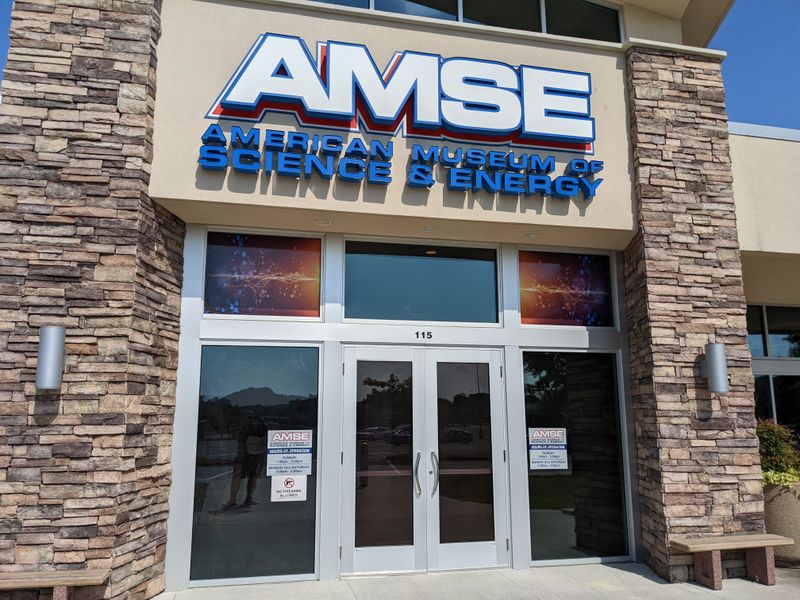
Oak Ridge played a massive role in developing atomic energy during World War II, and this museum tells that complex story through engaging exhibits. It’s nerdy, sure, but in the most accessible way possible.
Interactive displays let you experiment with energy concepts hands-on rather than just reading plaques. The Manhattan Project history section explains how this secret city contributed to ending the war, including the ethical questions scientists faced. Modern energy innovations get attention too, from solar panels to robotics.
Middle schoolers studying science often find this place genuinely cool rather than feeling like homework. The staff includes actual scientists who can answer detailed questions without talking over your head.
5. Museum of Appalachia (Clinton)

Walking through this 65-acre living history museum feels like time-traveling to 19th-century Appalachia. Founder John Rice Irwin spent decades collecting over 250,000 artifacts and relocating historic buildings to create an authentic mountain village.
You’ll wander through actual log cabins, a one-room schoolhouse, a working blacksmith shop, and barns filled with antique tools. Everything here tells stories about real mountain families and their daily struggles and triumphs.
Special events throughout the year feature traditional music, crafts demonstrations, and seasonal celebrations. Unlike sterile museum displays behind glass, you experience Appalachian culture as it actually existed.
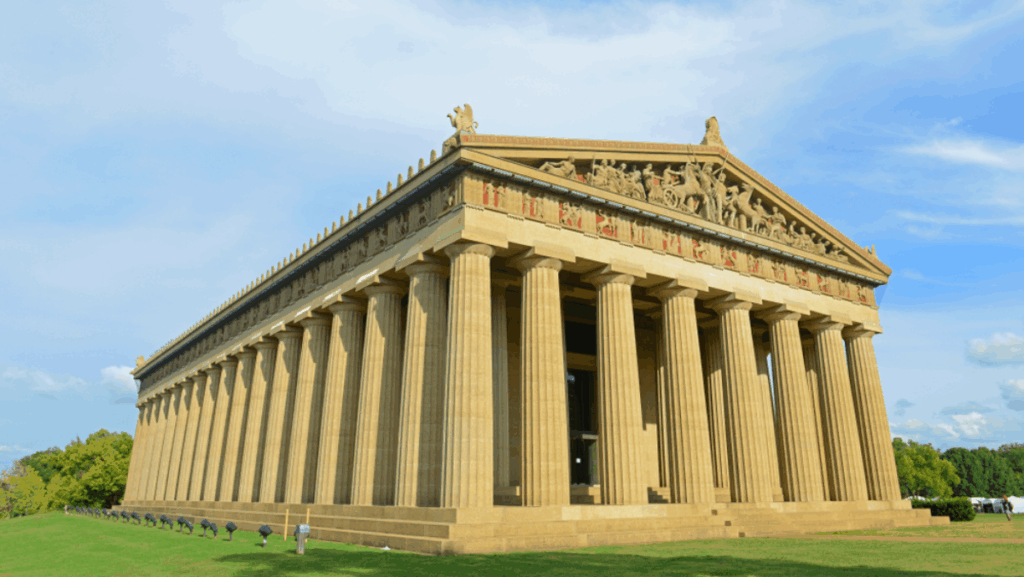
6. The Parthenon (Nashville)

Nashville earned the nickname “Athens of the South,” so naturally someone built a full-size Parthenon replica in Centennial Park. Constructed for Tennessee’s 1897 Centennial Exposition, it’s the only exact-scale reproduction of the original Greek temple anywhere in the world.
Inside stands a jaw-dropping 42-foot statue of Athena covered in gold leaf, recreated based on ancient descriptions. The art museum housed within displays 19th and 20th-century American paintings, offering culture alongside the architectural spectacle.
It’s simultaneously educational, artistic, and wonderfully bizarre—exactly the kind of ambitious weirdness that makes Nashville special.
7. Jefferson Street Sound Museum (Nashville)

Before Nashville became synonymous with country music, Jefferson Street thrived as the heart of the city’s Black music scene. This small museum preserves that often-overlooked legacy, celebrating the jazz, blues, and R&B artists who shaped American music.
Photographs, instruments, recordings, and personal stories bring this vibrant cultural history to life. You’ll learn about legends who performed at clubs along “the Street” and how segregation shaped Nashville’s musical geography.
What it lacks in size, it makes up for in significance and passion. Knowledgeable guides share stories that textbooks skip, connecting past struggles to present music culture. Supporting this museum means preserving crucial history that deserves wider recognition.
8. Titanic Museum Attraction (Pigeon Forge)

Built to look like the famous ship itself, this Pigeon Forge museum offers an immersive experience that goes way beyond dusty artifacts behind glass. Upon entering, you receive a boarding pass with a real passenger’s name, learning their fate at the end of your visit.
You’ll walk the sloping decks, touch ice-cold water matching the Atlantic’s temperature that night, and climb the recreated Grand Staircase. Over 400 authentic artifacts and full-scale room recreations help you understand both the luxury and the tragedy.
Even people who aren’t Titanic obsessives find themselves genuinely moved by the personal stories and hands-on elements. The museum respects the disaster’s human cost while making history tangible and memorable.
Share this story