Winter in Tennessee brings a surprising variety of temperatures across the state. While many people think of Tennessee as a mild southern state, some towns experience genuinely cold winters that rival northern climates.
This year, meteorologists predict that certain high-elevation and northeastern communities will face particularly chilly conditions, with January temperatures regularly dipping into the low twenties.
1. Mountain City

Nestled in the Appalachian highlands near the North Carolina and Virginia borders, Mountain City earns its reputation as Tennessee’s icebox. Elevation plays a huge role here, sitting at over 2,400 feet above sea level, which means colder air settles in and stays put throughout winter months. January averages reveal highs barely reaching 46 degrees, while nighttime lows plunge to a bone-chilling 23 degrees.
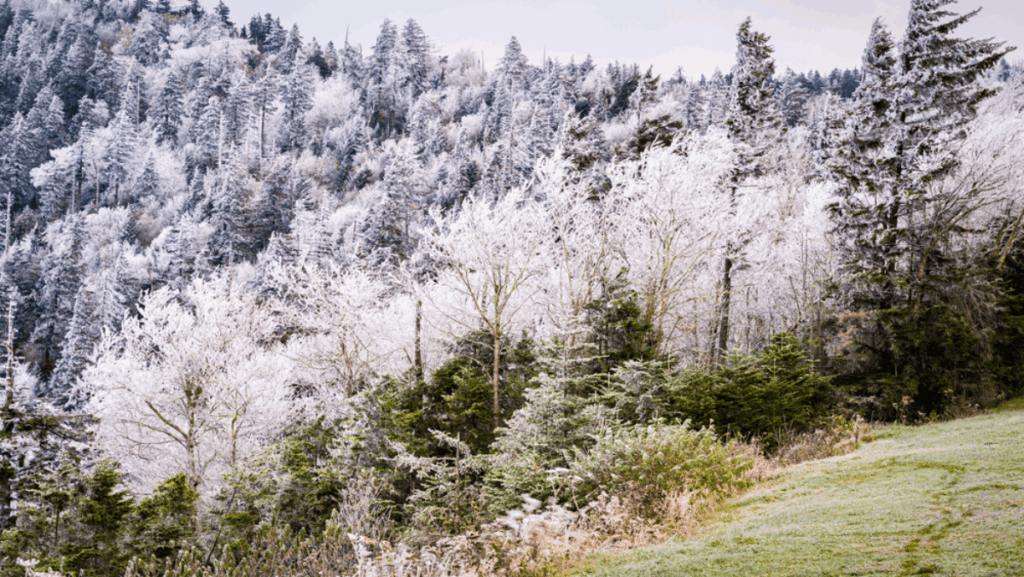
Residents bundle up in layers and keep their fireplaces roaring during the coldest stretches. The town transforms into a winter wonderland when snow blankets the surrounding peaks and valleys. Local businesses prepare for the season by stocking extra firewood and ensuring heating systems work flawlessly.
Visitors often come specifically for the cold-weather charm, enjoying hot cocoa at local cafes while watching frost patterns form on windows. Mountain City proves that Tennessee can deliver authentic winter experiences that feel more like New England than the Deep South.
2. Crossville
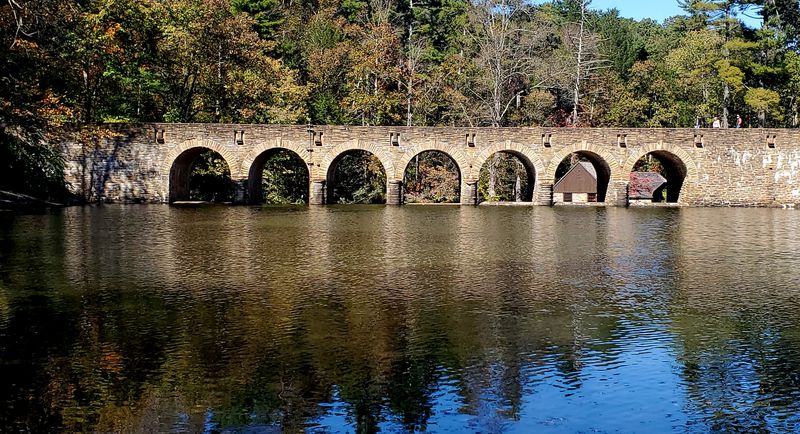
Perched atop the Cumberland Plateau, Crossville sits at roughly 1,900 feet elevation, earning it the nickname “The Golf Capital of Tennessee” but also making it one of the state’s coldest spots. Geography creates a natural refrigerator effect as cold air pools across the plateau’s flat expanse. January temperatures hover around 46 degrees during the day before dropping to 26 degrees after sunset.
The plateau’s unique position between mountain ranges channels arctic air masses directly through the region. Locals know to winterize their homes thoroughly, insulating pipes and sealing drafts before the coldest months arrive. Heating bills climb noticeably compared to lower-elevation Tennessee communities.
Crossville’s elevation means it receives more snow than Nashville or Knoxville, sometimes seeing several inches while cities below remain dry. The town’s golf courses close for winter, replaced by occasional sledding hills when conditions permit.
3. Monteagle
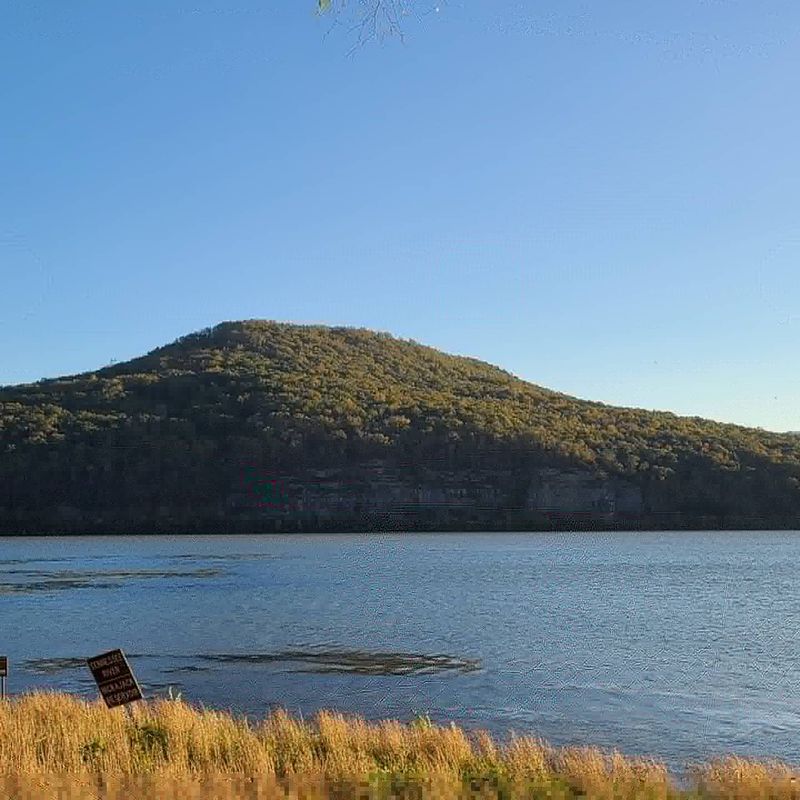
Anyone who has driven Interstate 24 through Tennessee remembers Monteagle Mountain, and locals experience its notorious winter conditions firsthand every year. This small community sits at approximately 1,900 feet elevation where the Cumberland Plateau drops dramatically, creating a weather hotspot. January brings average highs of just 46 degrees and lows that sink to 26 degrees regularly.
The mountain’s steep grade and elevation change make it especially vulnerable to ice storms and freezing precipitation. Truckers and travelers often pull over at Monteagle to wait out dangerous winter weather conditions.
Monteagle’s location also means it catches moisture from weather systems moving across the region, turning cold temperatures into snow or ice events. The town has developed a tight-knit community spirit, with neighbors checking on each other during particularly harsh cold snaps and sharing resources when needed.
4. Bristol
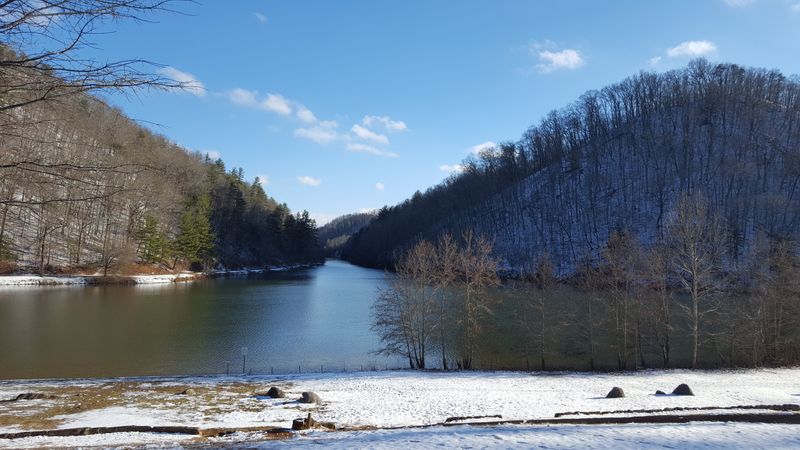
Straddling the Tennessee-Virginia state line, Bristol occupies a unique position in the northeastern corner of the state where cold air funnels through mountain valleys. State Street literally divides the town between two states, but winter cold unites both sides equally. January temperatures typically reach 47-degree highs before falling to 26 degrees overnight, creating a prolonged chill.
The town’s proximity to the Appalachian Mountains means winter weather systems linger longer here than in western Tennessee. Bristol’s elevation of around 1,700 feet contributes to the extended cold periods. Residents have adapted by developing robust heating infrastructure and winter plans.
Bristol’s famous music heritage continues even in winter, though outdoor concerts move indoors during the coldest months. The NASCAR track sits quietly under occasional snow cover, waiting for the spring racing season.
5. Oneida
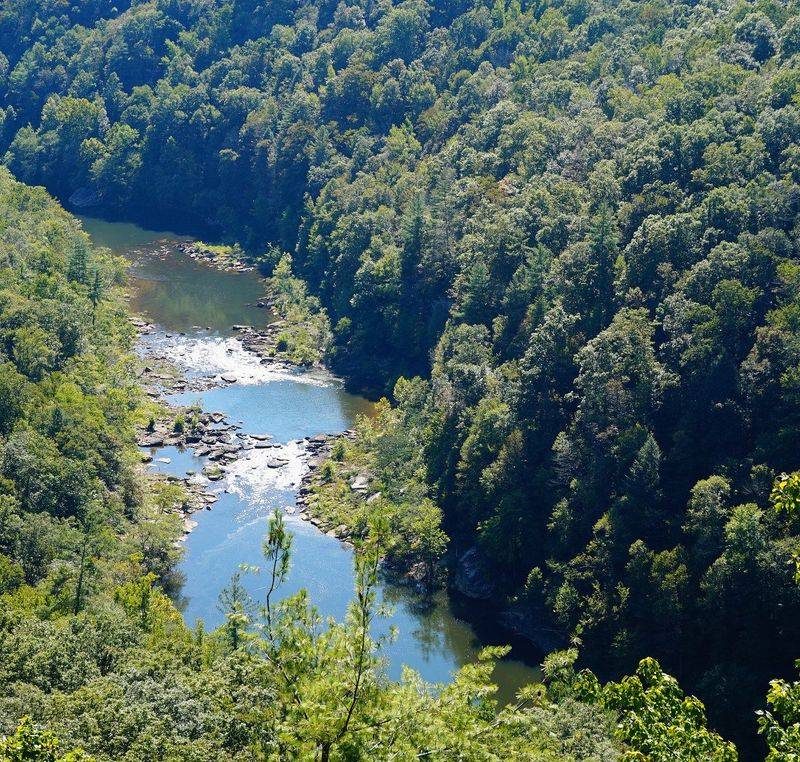
Located in Scott County near the Big South Fork National River and Recreation Area, Oneida experiences some of Tennessee’s harshest winter conditions. With January highs averaging only 45 degrees and lows dropping to 25 degrees, this northern Tennessee town knows genuine cold. The surrounding Cumberland Mountains create valleys where frigid air settles and remains trapped for days.
Oneida’s rural character means many residents rely on wood stoves and propane heaters to supplement electric heat during the coldest stretches. The community pulls together during winter, with volunteer organizations checking on elderly residents and ensuring everyone has adequate heating fuel.
The nearby Big South Fork area becomes a stunning winter landscape when temperatures drop, with frozen waterfalls and ice formations attracting adventurous photographers. Locals recommend keeping emergency supplies in vehicles year-round, as mountain roads can turn treacherous quickly when temperatures plummet unexpectedly during winter months.
Share this story