Texas is full of wide-open spaces, but some state parks take that feeling to a whole new level. If you’re tired of crowded trails and packed campgrounds, you’ll love these hidden gems scattered across the state. Each one offers a peaceful escape where you can actually hear the wind, spot wildlife without a dozen other people around, and enjoy nature the way it was meant to be experienced.
1. Caddo Lake State Park (Karnack)
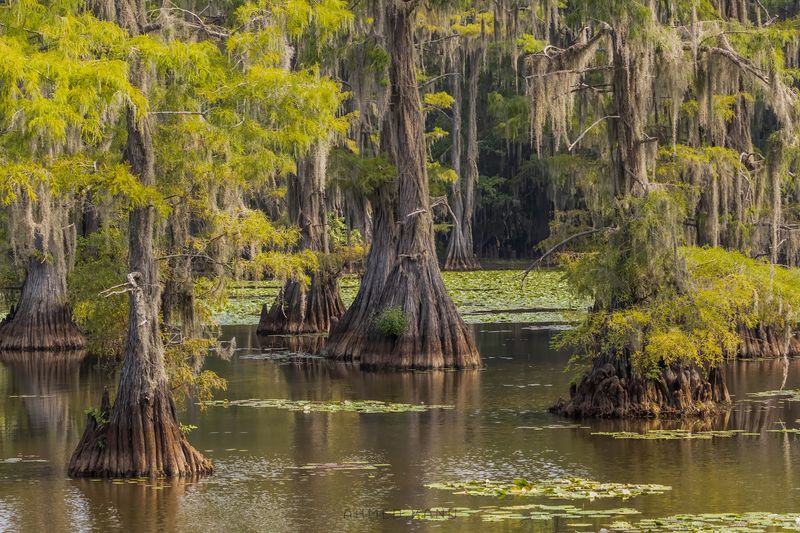
Paddling through a maze of cypress trees draped in Spanish moss feels like stepping into another world. The water here is dark and mysterious, reflecting towering bald cypresses that have stood for centuries. You’ll wind through narrow channels where the only sounds are your paddle dipping into the water and birds calling from the branches above.
Most visitors stick to the main boat launch area, but if you’re willing to explore deeper into the lake’s backwaters, you’ll find yourself completely alone among the flooded forest. The park sits on Texas’s only natural lake, created by a massive logjam on the Red River centuries ago. Rent a canoe or kayak from the park office and spend hours getting pleasantly lost in the labyrinth of waterways.
Fishing here is phenomenal, with largemouth bass, catfish, and crappie lurking beneath the lily pads. Spring brings blooming lotus flowers that carpet sections of the lake in pink and white. The camping area stays quiet even on weekends, with screened shelters and RV sites tucked under pine trees.
Wildlife watching is exceptional because the swampy environment supports alligators, river otters, beavers, and over 200 bird species. Early morning is magical when mist rises off the water and great blue herons start their hunting rounds. The park’s remoteness in far East Texas keeps the crowds away, even though it’s one of the most unique ecosystems in the state.
Pack insect repellent during warmer months, and bring a camera because every turn reveals another postcard-worthy scene of ancient trees and reflective water.
2. Guadalupe River State Park (Spring Branch)
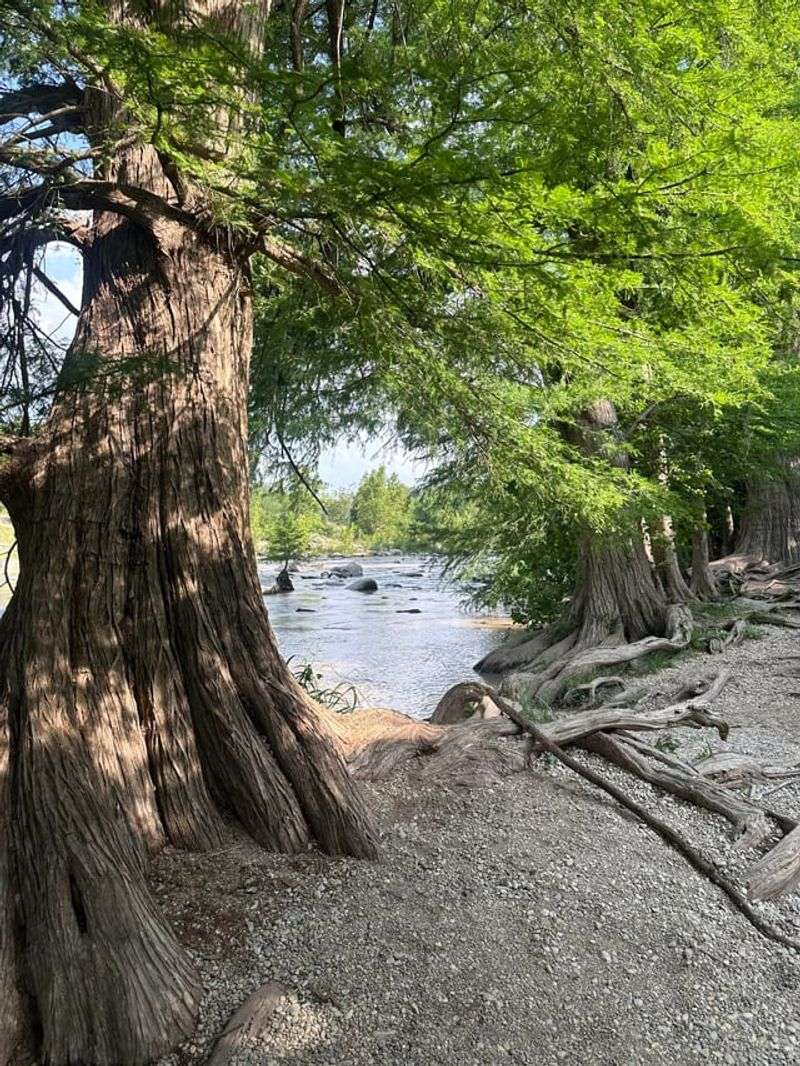
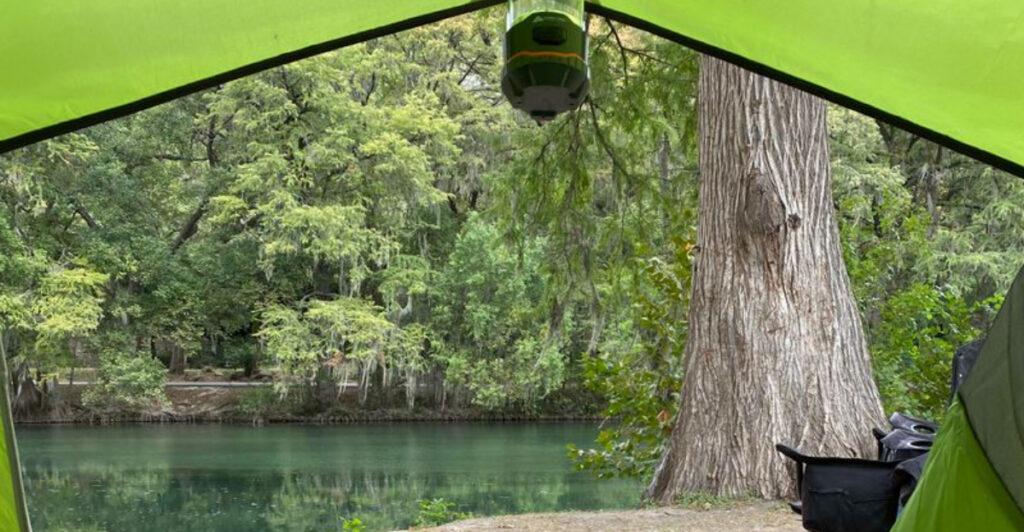
Crystal-clear water rushes over smooth limestone as you float down one of the prettiest rivers in the Hill Country. The park protects over four miles of riverfront, and while the main swimming area gets busy on summer weekends, hiking upstream reveals quiet pools where you might not see another soul all afternoon. The water stays cool year-round, fed by springs that keep it refreshingly chilly even in August.
Trails wind through juniper and oak woodlands, climbing to ridgetop views of the river valley below. The park’s backcountry camping sites sit far from the developed areas, perfect for anyone seeking solitude. You’ll cross the river multiple times on some trails, so wear shoes that can get wet.
Bald cypress trees line the riverbanks, their knobby knees poking up from the shallow edges. Bring a tube or just wade in the shallows looking for fish darting between rocks. The park also connects to Honey Creek State Natural Area, where guided tours on Saturdays take you through pristine habitat that’s otherwise closed to the public.
Fall and winter visits guarantee even more privacy since most folks only think about the river during hot weather. Bird watching is excellent along the riparian corridor, with vermilion flycatchers and green kingfishers among the species you might spot. The camping loops have plenty of shade, and some sites sit close enough to the river that you’ll fall asleep to the sound of moving water.
Pack a fishing rod because rainbow trout are stocked in winter months, creating an unusual opportunity in this part of Texas.
3. Monahans Sandhills State Park (Monahans)
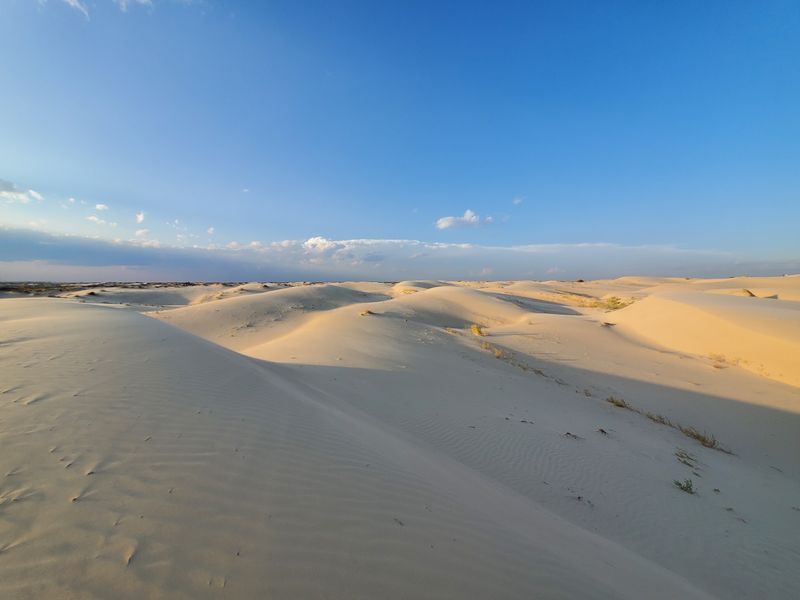
Walking across these massive sand dunes feels like you’ve been transported to the Sahara, except you’re still in West Texas. The dunes stretch for miles, some rising over 70 feet high, creating an otherworldly landscape of windswept sand. On weekdays or during cooler months, you can hike for hours without seeing anyone else, just you and the endless waves of golden sand.
The park rents sandboards and sand discs at the headquarters, so you can sled down the steep dune faces. It’s harder than it looks but ridiculously fun once you get the hang of it. The sand here is incredibly fine and shifts constantly with the wind, erasing your footprints within hours.
Hardy shin oak trees somehow survive in this harsh environment, their roots reaching deep for water. These small oaks create shaded islands where you can rest between dune explorations. Sunrise and sunset transform the landscape into something magical, with long shadows emphasizing every ripple and curve in the sand.
Wildlife here has adapted to extreme conditions, including lizards, roadrunners, and the occasional mule deer. The isolation is profound because the park sits in a remote corner of West Texas where few tourists venture. Camping under the stars here offers some of the darkest skies in the state, with the Milky Way stretching overhead in brilliant detail.
Bring plenty of water because the desert heat is no joke, especially in summer. The sand gets scorching hot by midday, so plan your dune adventures for morning or evening. This park rewards visitors who appreciate stark beauty and don’t mind a little sand in their shoes.
4. Colorado Bend State Park (Bend)
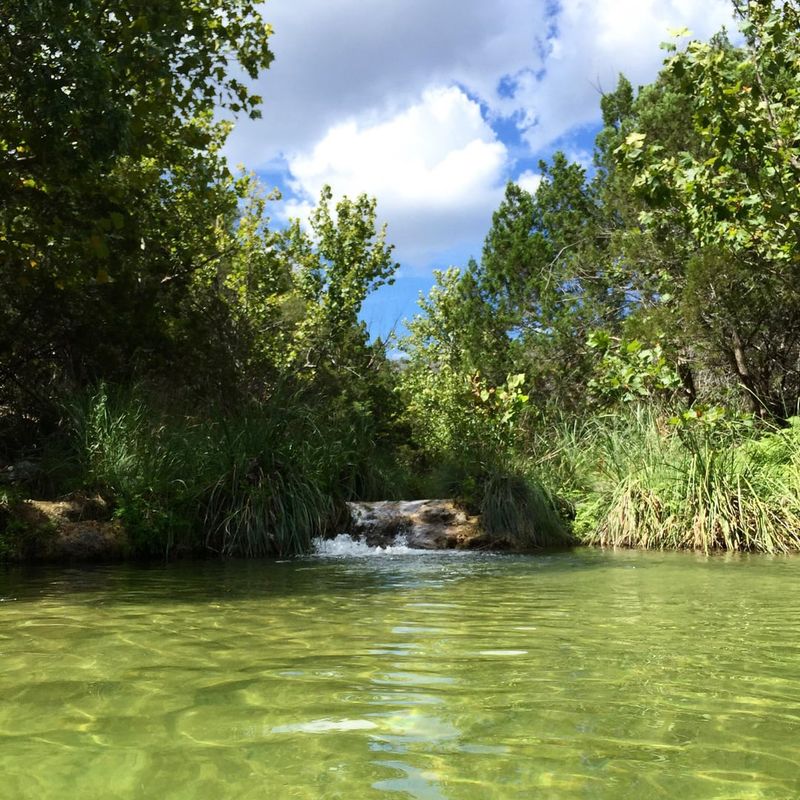
Hidden deep in the Hill Country backcountry, this park requires effort to reach, which keeps the visitor numbers wonderfully low. The dirt road leading in gives your vehicle a good shake, but the reward is access to Gorman Falls, one of the most spectacular waterfalls in Texas. The 70-foot cascade spills over a travertine cliff covered in emerald moss and ferns, creating a tropical-looking oasis in the middle of ranch country.
The hike to the falls covers about three miles round trip, descending into a canyon where the temperature drops noticeably. You’ll ford streams and scramble over rocks, making it adventurous enough that casual visitors often skip it. That means more solitude for anyone willing to work a little for their views.
The Colorado River forms the park’s southern boundary, offering excellent fishing for smallmouth and Guadalupe bass. Multiple hiking trails crisscross the property, ranging from easy riverside walks to challenging climbs up limestone bluffs. Spicewood Springs Trail takes you to another beautiful waterfall that sees even fewer visitors than Gorman.
Cave tours are available on weekends, taking you into Gorman Cave to see formations and a large bat colony. The park’s primitive camping areas scatter across the landscape, some accessible only by hiking in with your gear. This level of ruggedness appeals to people who want a true wilderness experience.
Spring wildflowers blanket the meadows in bluebonnets and Indian paintbrush, while fall brings migrating monarch butterflies. The park’s remote location means you won’t have cell service, forcing a real digital detox. Bring everything you need because the nearest town is a long drive on rough roads.
5. Village Creek State Park (Lumberton)
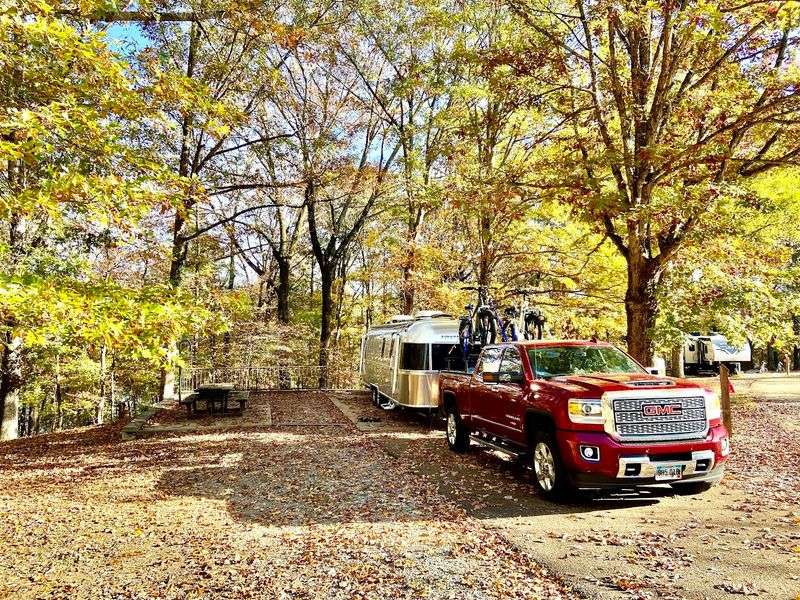
Tucked into the Big Thicket region of East Texas, this park protects a slice of dense forest and winding creek that feels a million miles from civilization. The moment you step onto the trails, you’re surrounded by towering pines, hardwoods, and the kind of thick undergrowth that makes you understand why they call it the Big Thicket. Village Creek itself meanders through the park, its dark tannin-stained water perfect for peaceful paddling trips.
The creek paddle is pure magic, with overhanging branches creating a green tunnel and turtles sunning on every available log. You’ll spot herons, egrets, and if you’re lucky, an alligator basking on the bank. The water moves slowly, so you can take your time photographing the scenery and watching for wildlife.
Hiking trails loop through different forest types, from wet bottomlands to drier pine uplands. The Big Thicket is where several ecosystems meet, creating incredible biodiversity. You might see orchids growing near cacti, a combination that seems impossible but happens here because of the unique geography.
The park stays remarkably quiet even during peak seasons because it’s overshadowed by more famous Big Thicket locations. Campsites nestle under the trees with plenty of privacy between them. Screened shelters offer protection from mosquitoes, which can be fierce during summer months.
Bird watching is outstanding, with over 200 species recorded in the area. Spring migration brings warblers and tanagers passing through in colorful waves. The park’s proximity to Beaumont makes it accessible, yet most people drive right past without stopping.
Pack your binoculars, rent a canoe, and prepare to have this beautiful pocket of East Texas forest largely to yourself.
6. Caprock Canyons State Park (Quitaque)
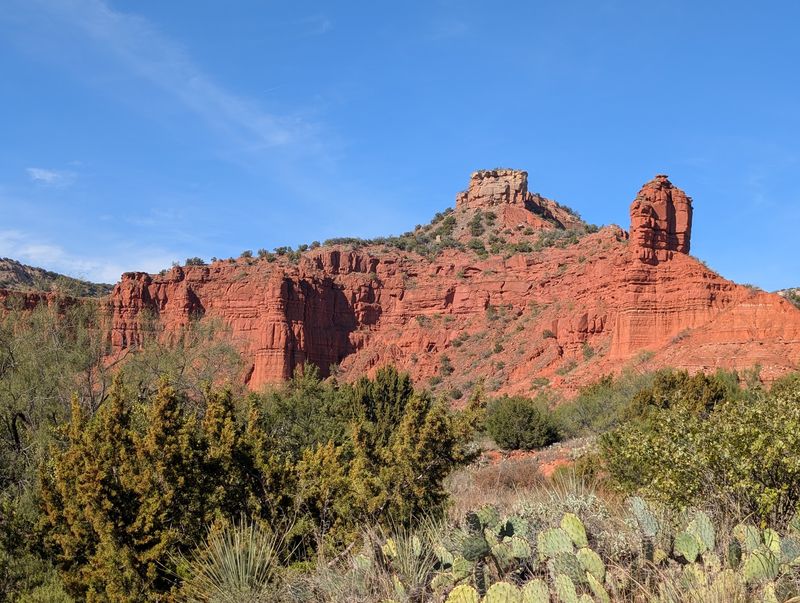
Way up in the Panhandle where most Texans never venture, these stunning red rock canyons hide one of the state’s best-kept secrets. The park sits at the edge of the Caprock Escarpment, where the flat High Plains suddenly drop into a maze of colorful canyons carved by the Little Red River. The landscape looks like it belongs in Arizona or Utah, with layers of red, orange, and white rock creating dramatic cliff faces.
The official state bison herd roams freely here, descendants of the massive herds that once covered the plains. Spotting these massive animals grazing against the backdrop of red canyons is unforgettable. Keep a respectful distance because they’re wild and can be unpredictable, but watching them from your vehicle or a safe spot on the trail is thrilling.
Over 90 miles of trails crisscross the park, from easy nature walks to challenging backcountry routes. The Trailway follows an old railroad bed for 64 miles, perfect for mountain biking or long-distance hiking. You can camp at primitive sites along the trail, guaranteeing complete isolation under the vast Panhandle sky.
The park’s remote location in the sparsely populated Panhandle means you’ll rarely encounter crowds. Weekdays especially feel like you have the entire place to yourself. Rock formations create natural sculptures, and side canyons invite exploration.
Night skies here are phenomenal because there’s virtually no light pollution for miles in any direction. The stars seem close enough to touch, and meteor showers put on spectacular shows. Bring layers because Panhandle weather can change quickly, and the elevation creates cooler temperatures than most of Texas.
This park rewards anyone willing to make the drive to the state’s far corner.
7. Longhorn Cavern State Park (Burnet)
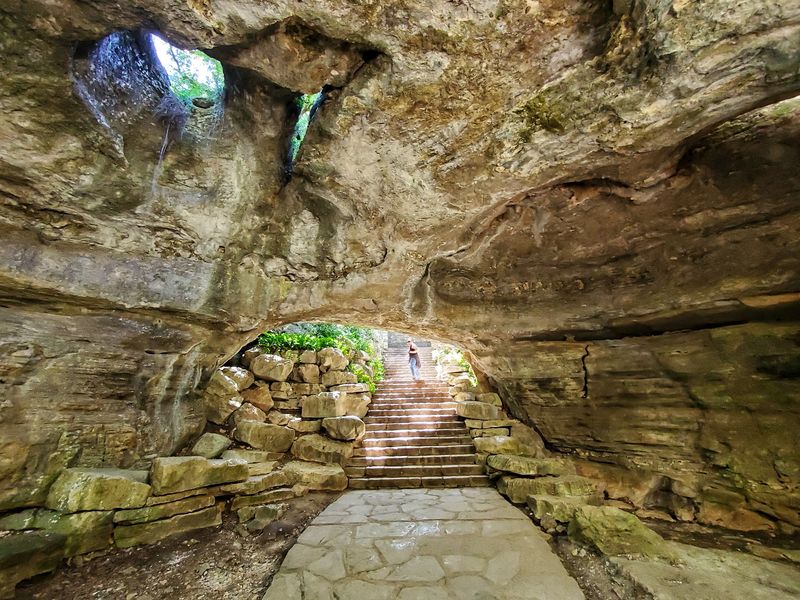
Descending into these ancient limestone caves feels like entering a secret underground world. The cavern system formed millions of years ago when an underground river carved through the rock, creating rooms and passages that wind deep beneath the Hill Country. Unlike other show caves, Longhorn Cavern stays naturally cool year-round and has no artificial lighting except what tour guides carry.
Tours take you through chambers with names like the Queen’s Throne Room and the Hall of Diamonds, though the real magic is in the smooth, water-worn rock walls and the complete silence when guides turn off their lights. The cave has a wild history too, serving as a hideout for outlaws, a dance hall during the Depression, and even a secret meeting spot during Prohibition.
Above ground, the park sits in the Hill Country with hiking trails that loop through cedar and oak woodlands. Most visitors come just for the cave tour and leave, meaning the surface trails stay wonderfully empty. You can explore at your own pace, looking for deer and wild turkeys that browse through the trees.
The park’s compact size and focus on the cave keep visitor numbers low compared to bigger state parks. Tours run throughout the day, but booking the first morning tour means you’ll have the freshest air and smallest group. The temperature inside stays around 68 degrees regardless of the weather outside, making it a perfect summer escape from Texas heat.
Picnic areas near the entrance offer shaded spots to relax after your underground adventure. The surrounding landscape is classic Hill Country, with rocky outcrops and twisted trees. Because the park doesn’t have camping, it never gets the overnight crowds that pack other locations.
8. Franklin Mountains State Park (El Paso)
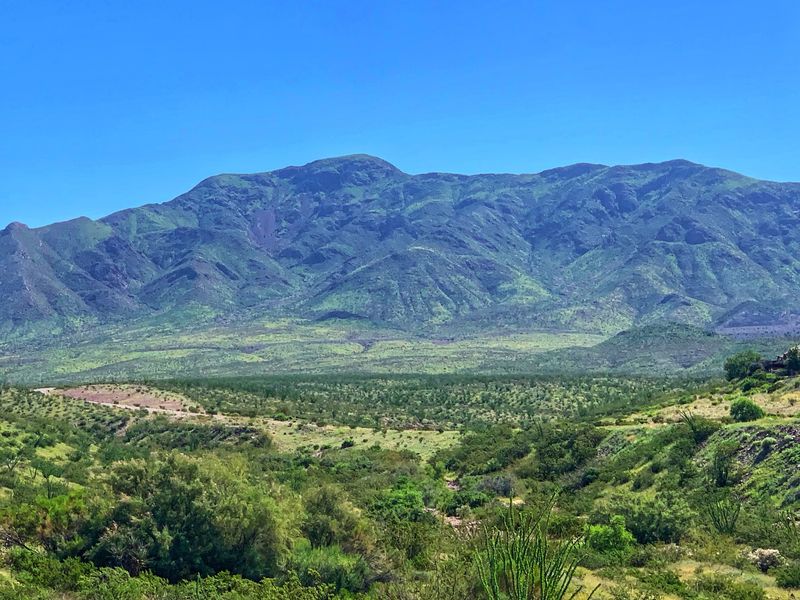
Rising straight out of the desert floor on El Paso’s edge, these mountains offer some of the most dramatic hiking in Texas. The park is massive, covering over 24,000 acres of pure Chihuahuan Desert wilderness. Most people in El Paso drive past it daily without ever stopping, which means the trails stay surprisingly empty even though they’re right next to a major city.
The mountains reach over 7,000 feet in elevation, creating cooler temperatures than the desert below and supporting unique plant communities. You’ll hike past ocotillo, agave, and prickly pear while gaining elevation toward rocky peaks with views stretching into New Mexico and Mexico. The landscape is harsh and beautiful, all spiky plants and sun-baked rock.
Multiple trail systems offer everything from easy nature walks to challenging summit climbs. The North Franklin Peak trail is a serious workout, but standing on top with three states visible makes every step worthwhile. Because the park is so large, you can hike for hours without crossing paths with another person.
Wildlife here has adapted to extreme desert conditions, including roadrunners, jackrabbits, and the occasional mountain lion. Early morning and late afternoon are best for hiking because midday temperatures can be brutal, especially in summer. The rock formations create interesting geology to explore, with ancient limestone layers tilted and folded by tectonic forces.
Camping is available at Tom Mays Unit, where sites sit among the rocks with incredible sunset views. The park’s urban location means easy access, but once you’re on the trails, the city disappears behind the ridgelines. Bring more water than you think you’ll need because the dry air and elevation will surprise you.
9. Bentsen-Rio Grande Valley State Park (Mission)
Down where Texas meets Mexico, this park protects a rare slice of subtropical forest that feels nothing like the rest of the state. The Rio Grande forms the southern boundary, and the dense vegetation creates a jungle-like environment that’s home to birds and butterflies found nowhere else in the United States. Serious birders know this place, but most casual visitors have never heard of it.
The park is part of the World Birding Center network, and for good reason. Over 500 bird species have been recorded here, including tropical specialties like green jays, great kiskadees, and plain chachalacas. Walking the trails early in the morning, you’ll hear an exotic chorus of calls that sounds like you’ve left the country.
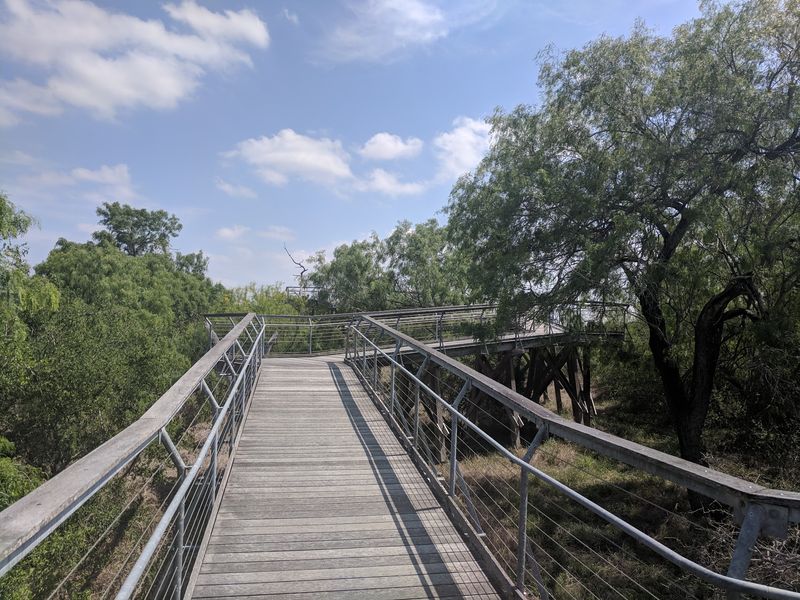
Bike trails loop through different habitat types, from riverside forest to thorn scrub uplands. Renting a bike lets you cover more ground and increases your chances of spotting wildlife. The observation tower near the visitor center gives you a bird’s-eye view over the forest canopy.
Because the park sits in the Rio Grande Valley, it stays warm year-round, making it perfect for winter visits when the rest of Texas is cold. Butterflies are incredible here, with monarchs and other species using the area as a migration corridor. The park’s location far in South Texas keeps the crowds manageable even during peak birding season.
Camping facilities are modern but stay relatively empty compared to parks in more populated areas. The subtropical climate means mosquitoes can be intense, so pack repellent. Night sounds in this forest are completely different from anywhere else in Texas, with frogs and insects creating a constant background symphony.
It’s like visiting another country without crossing the border.
10. Lake Mineral Wells State Park (Mineral Wells)
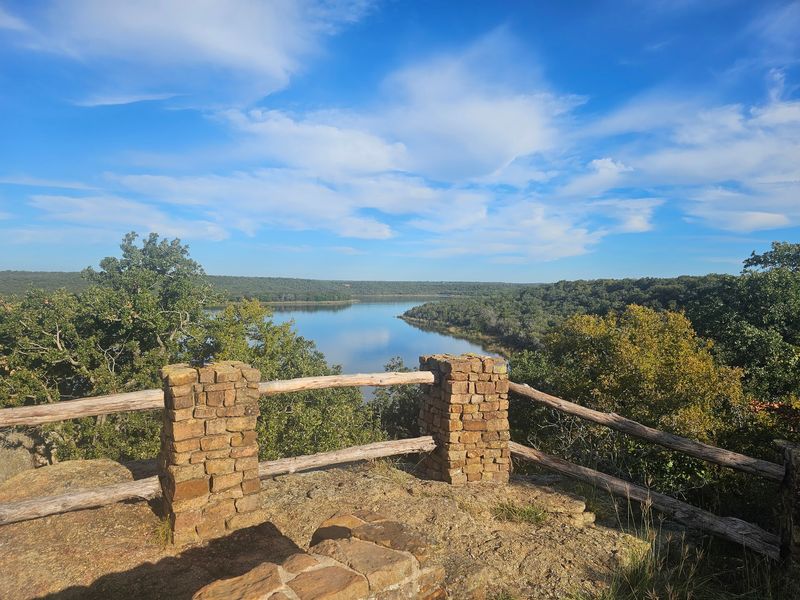
Just west of Fort Worth, this park wraps around a 646-acre lake that offers surprising solitude considering its proximity to the Metroplex. The centerpiece is Penitentiary Hollow, a dramatic rock formation that draws climbers from across the region to test their skills on vertical limestone walls. Even if you’re not into climbing, watching people scale the cliffs is entertaining, and hiking to the overlook gives you incredible views.
The lake itself stays relatively uncrowded except for holiday weekends. You can rent paddleboats, kayaks, or canoes to explore the coves and fingers that indent the shoreline. Fishing is decent for catfish and bass, and the swimming beach offers a sandy spot to cool off during hot Texas summers.
Trails wind through cross timbers forest, a unique ecosystem where Eastern woodlands meet Western prairies. You’ll see an interesting mix of trees including post oak, blackjack oak, and cedar. The terrain is hillier than you’d expect, creating good workout opportunities and varied scenery.
Mountain biking trails have been developed throughout the park, with routes ranging from beginner-friendly to technically challenging. The trails stay well-maintained, and because the park isn’t as famous as some others, you’ll rarely have to yield to other riders. Equestrian trails also crisscross the property for anyone bringing horses.
Camping options include everything from tent sites to RV hookups and screened shelters. The park’s size means campsites feel spread out and private. Because it’s a day-use destination for many locals, overnight stays are even quieter.
Wildlife includes white-tailed deer, armadillos, and numerous bird species. The park’s name comes from the town’s historic mineral water wells, though the lake is freshwater created by damming Rock Creek.
Share this story