Missouri has many famous road trip stops, but its covered bridges feel like small surprises tucked between farms, rivers, wooded hills, and quiet towns. These old bridges help tell the story of travel before fast highways, when wagons, horses, and early cars crossed creeks on narrow wooden paths built by hand.
Visiting them matters because each bridge protects a piece of Missouri history, and many are set in peaceful places where families can walk, take photos, read signs, and slow down for a few minutes. If you enjoy simple adventures, pretty drives, and places that make the past feel close, these covered bridges can turn an ordinary Missouri trip into something memorable.
1. Locust Creek Covered Bridge State Historic Site (Meadville)
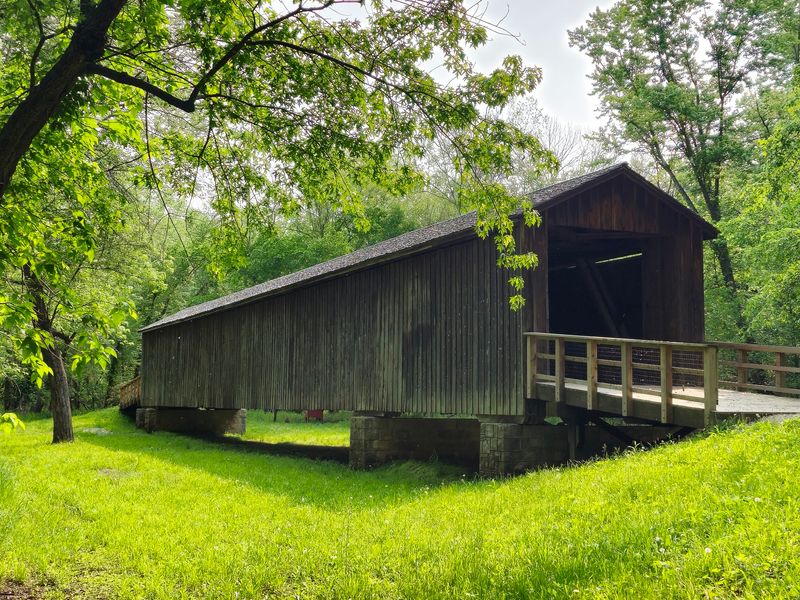
A quiet lane near Meadville leads to one of Missouri’s most treasured old crossings, and the first glimpse feels like finding a page from a family scrapbook.
The Locust Creek Covered Bridge once carried travelers on a busy route, but today it rests in a calm state historic site where the pace is much slower.
Built in 1868, the bridge is one of Missouri’s few surviving covered bridges.
It crossed Locust Creek for many years, though the creek later shifted away, leaving the bridge standing over dry land much of the time.
That odd little detail makes the stop even more interesting for kids and curious adults.
Visitors should plan for a short, easy walk rather than a long hike.
The site is simple, so bring water, wear comfortable shoes, and give yourself time to read the signs.
Because the bridge is a protected landmark, look closely but treat the wood, railings, and surrounding area with care.
Photographers often like the clean lines of the white siding and the open Missouri sky around it.
Morning or late afternoon light can make the bridge glow softly, especially when the grass is green or the nearby trees show fall color.
Even on a cloudy day, the place has a quiet charm.
For a road trip, Locust Creek Covered Bridge pairs well with small-town stops in north-central Missouri.
Pack snacks, check fuel before exploring rural roads, and download directions in case cell service gets spotty.
The reward is not a loud attraction with crowds and noise.
Instead, you get a gentle pause in the day and a real look at how Missourians crossed streams more than a century ago.
Meadville may be small, but this bridge gives the area a big reason to pull over.
Add it to your route when you want history without hassle, scenery without stress, and a reminder that the best road trip moments are often quiet ones.
2. Union Covered Bridge State Historic Site (Paris)
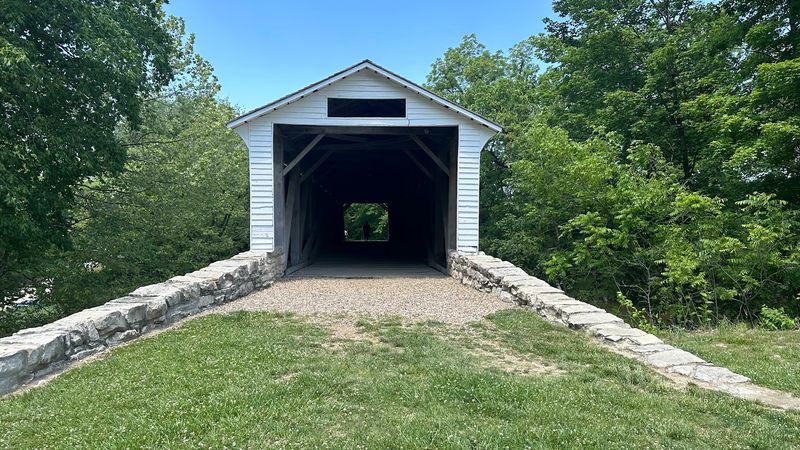
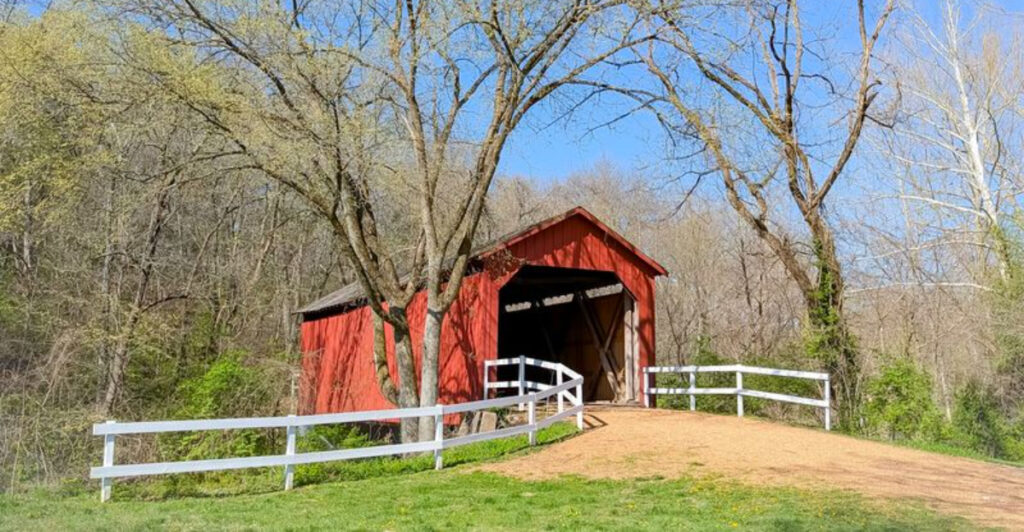
Bright red boards make the Union Covered Bridge easy to love before you even know its story.
Tucked near Paris, Missouri, it feels cheerful and sturdy, like an old barn that decided to stretch itself across the water.
The bridge was built in 1871 over the Elk Fork of the Salt River.
It is special because it uses a Burr arch truss design, a building style that helped support heavy travel before modern concrete bridges became common.
For anyone who likes simple engineering, the wooden arches and beams are worth a careful look.
Families will find this stop easy to enjoy because the historic site is peaceful and not too complicated.
You can walk around, study the structure, and imagine wagons rolling through the covered passage.
Keep children close near the bridge and creek area, and remind them that old places last longer when visitors are gentle.
A fun way to visit is to make Union Covered Bridge part of a slower drive through Monroe County.
Paris has a small-town feel, and the countryside around it gives you classic Missouri views, including fields, trees, and open roads.
Bring a picnic if the weather is nice, but always check site rules and carry out your trash.
The color makes this bridge a favorite for photos.
Try standing back far enough to include the creek and trees, not just the entrance.
In autumn, the red bridge and changing leaves can make the scene look almost like a painting.
History lovers should read the markers instead of rushing through.
They help explain why covered bridges were built with roofs in the first place.
The roof protected the wooden floor and supports from rain, snow, and harsh sun, helping the bridge last longer.
Union Covered Bridge is not flashy, and that is part of its appeal.
It gives travelers a clear, friendly lesson in Missouri’s past without needing a museum ticket or a full day.
If your bucket list includes places that are easy to reach, pretty to photograph, and rich with local meaning, this Paris-area bridge deserves a spot.
3. Historic Asselin Covered Bridge (Walnut Shade)
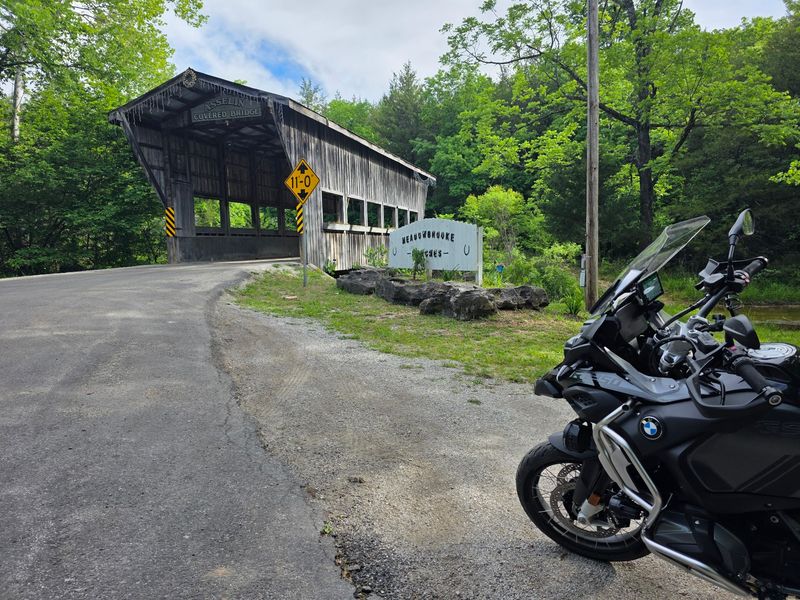
Some bridges feel like grand monuments, but the Historic Asselin Covered Bridge has a more personal mood.
Near Walnut Shade in the Missouri Ozarks, it carries the feeling of a hidden local treasure, the kind of stop you tell a friend about after finding it by accident.
The bridge is tied to the Asselin family and the rural communities that grew in this part of Taney County.
Unlike the larger state historic sites, this bridge feels especially close to the land around it.
Hills, trees, and winding roads give the area a softer Ozark character.
Because it is a smaller historic bridge, visitors should plan ahead before going.
Check current access information, respect private property nearby, and avoid blocking roads or driveways when parking.
A good road trip rule applies here: enjoy the view, but leave the place as neat and quiet as you found it.
The Asselin bridge is a nice stop for travelers already exploring the Branson and Walnut Shade area.
After busy shows, shops, or lake activities, a covered bridge visit can feel like a reset button.
It reminds you that the Ozarks are not only about entertainment, but also about farm roads, family history, and old craftsmanship.
Bring a camera or phone, but do not only look through the screen.
Notice the boards, the shape of the roof, and how the bridge fits into the setting.
Covered bridges were practical structures, yet today they also have a storybook quality that makes people slow down.
Kids may enjoy pretending they are crossing in a wagon, while adults might appreciate the careful work that went into building something useful from wood and simple tools.
The bridge can also start a good conversation about why communities saved historic places instead of letting them disappear.
For the best visit, go during daylight and choose a calm weather day.
Rural Missouri roads can be narrow, and heavy rain may change creek conditions.
Historic Asselin Covered Bridge may not be the loudest stop on your route, but its quiet personality is exactly why it belongs on a thoughtful Missouri covered bridge bucket list.
4. Historic Burfordville Covered Bridge (Burfordville)
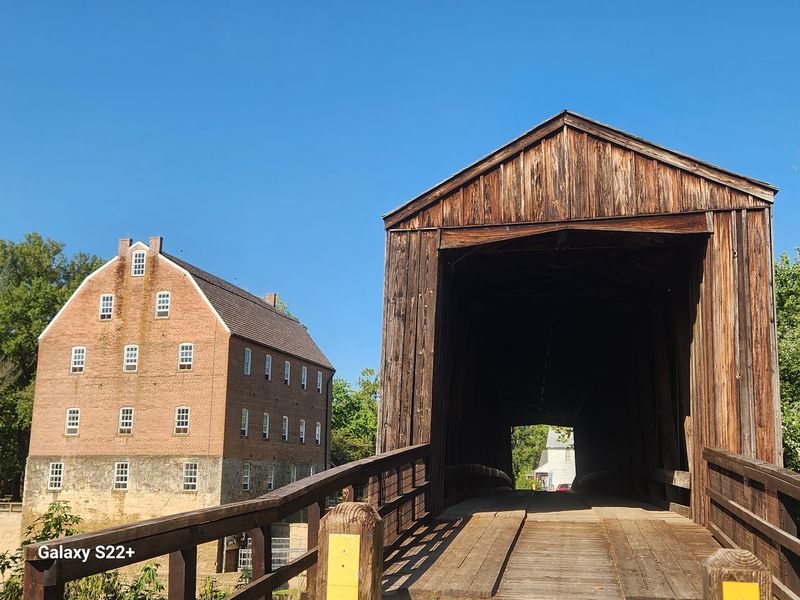
Few Missouri bridge stops give you two historic sights in one place, but Burfordville does exactly that.
The covered bridge stands near Bollinger Mill, so the whole area feels like a small outdoor history lesson with a river running through it.
The Historic Burfordville Covered Bridge was built in 1858, making it one of the oldest covered bridges still standing in Missouri.
It crosses the Whitewater River in Cape Girardeau County and sits next to the impressive mill building.
Together, they show how important water, roads, and local trade were to early communities.
This is a great choice for travelers who want more than a quick photo stop.
You can explore the state historic site, look at the mill, walk near the bridge, and spend time enjoying the river setting.
Since the area has several points of interest, allow more time than you might for a smaller roadside bridge.
The setting is especially good for families and anyone who likes easy history.
Children can see how a bridge, a mill, and a river all worked together in daily life.
Adults may enjoy the stone, wood, and old machinery details that make the place feel real instead of distant.
Bring comfortable shoes because you will probably want to wander a bit.
A camera is a must, since the bridge and mill together create one of the most photogenic historic scenes in Missouri.
Spring greenery, summer shade, fall leaves, and even winter quiet can all give the site a different look.
Before visiting, check the hours for Bollinger Mill State Historic Site, since building access or tours may vary.
The bridge can be enjoyed from the outside, but pairing it with the mill makes the trip richer.
Pack water, use marked paths, and follow posted rules to help protect the structures.
Burfordville Covered Bridge belongs high on any Missouri road trip list because it offers beauty, age, and context in one stop.
Instead of seeing a bridge alone, you see part of a working historic landscape.
That makes the visit easy to remember long after the drive continues.
5. Sandy Creek Covered Bridge State Historic Site (Hillsboro)
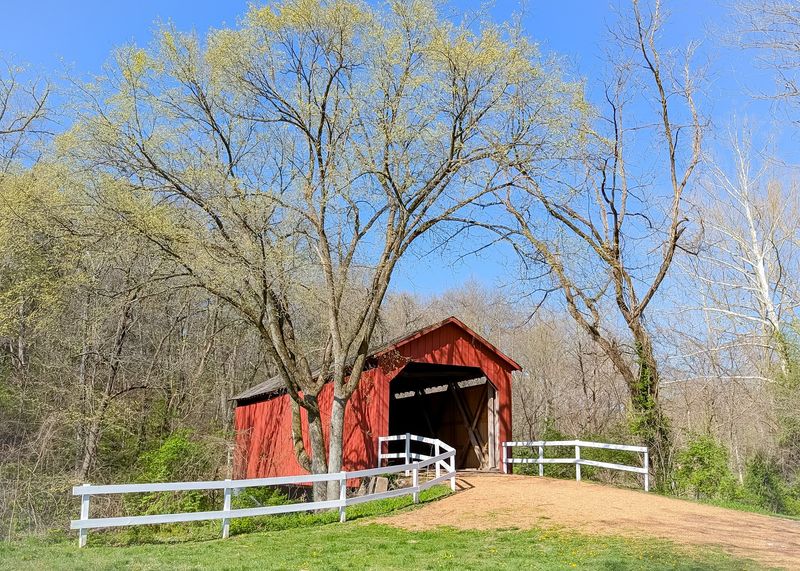
A red bridge over a clear little creek can make a road trip feel instantly calmer.
Near Hillsboro, Sandy Creek Covered Bridge State Historic Site gives visitors that simple pleasure, along with a strong link to Missouri’s past.
The bridge was built in 1872 and once helped travelers move between St. Louis and Jefferson County communities.
Today, it is one of Missouri’s four covered bridges protected as state historic sites.
Its red siding, wooden truss work, and creekside setting make it easy to understand why people care about saving it.
This stop works well for travelers coming from the St. Louis area because it does not feel too far away, yet it offers a real change of pace.
The site has a park-like setting, so you can stretch your legs, listen to the water, and take a break from traffic.
It is a good choice for a half-day outing or a quick scenic detour.
Plan to walk, look around, and read the signs.
The bridge is no longer a regular traffic crossing, which helps protect it and makes the visit safer for people on foot.
Still, visitors should be careful near the creek, especially after rain, when rocks or banks may be slippery.
Photo lovers will have fun here because the red bridge stands out against the green woods.
Try taking pictures from different angles, including views that show the creek below.
Early morning can feel peaceful, while late afternoon light often adds warmth to the wood.
A small history note makes the bridge even more interesting.
Covered bridges were sometimes called kissing bridges because the enclosed space gave couples a private moment while crossing.
Whether or not that happened here, the nickname adds a playful touch to the visit.
Sandy Creek Covered Bridge is a strong bucket list pick because it blends easy access, pretty scenery, and clear historic value.
It is not a place you need to overplan, but a little preparation helps.
Bring snacks, wear shoes that can handle grass or dirt, and give yourself permission to linger by the water before heading back onto Missouri’s roads.
6. E.D. Rush Covered Bridge (Lebanon)
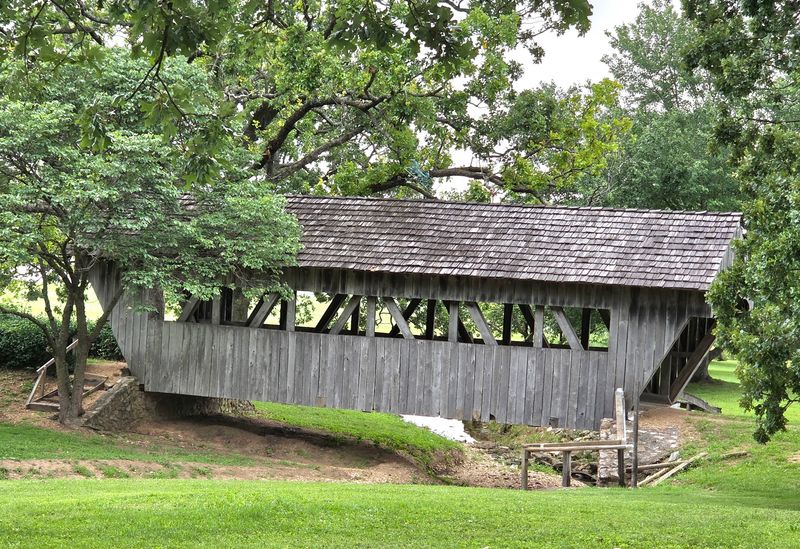
Roadside discoveries have a special kind of excitement, and the E.D. Rush Covered Bridge near Lebanon brings that feeling to life.
It is the sort of place that rewards travelers who like to leave the busiest routes and follow Missouri’s quieter roads.
The bridge is connected with Laclede County history and the rural travel patterns that shaped the Lebanon area.
While Missouri once had many covered bridges, only a small number remain, which makes every surviving example meaningful.
E.D. Rush Covered Bridge helps show how local builders solved everyday problems with wood, skill, and practical design.
Since this bridge may not have the same visitor setup as larger state historic sites, planning matters.
Look up current access before you go, use reliable maps, and pay attention to road conditions.
Rural lanes can be narrow, so park safely and avoid stopping in a way that blocks local traffic.
Lebanon is a useful base for this stop because it sits along major travel routes and has food, fuel, and lodging.
That makes the bridge easy to add to a Route 66-themed trip, an Ozarks drive, or a weekend focused on south-central Missouri.
A short historic detour can add character to a day that might otherwise be mostly highway miles.
The appeal here is quieter and more rugged than at some polished attractions.
You may hear birds, see fields or woods, and notice how the bridge fits into a working rural landscape.
That setting helps visitors picture a time when crossing a creek was a serious part of daily travel.
Take photos, but also spend a minute studying the structure.
The covered form was not just decorative.
Roofs helped protect the wooden deck and supports from weather, which meant fewer repairs and a longer life for the bridge.
E.D. Rush Covered Bridge belongs on a Missouri bucket list because it adds variety to the journey.
Not every stop needs a gift shop or big sign to be worthwhile.
Sometimes the best travel memory is standing on a quiet road, looking at old woodwork, and realizing that a small bridge can carry a surprisingly large amount of history.
Share this story