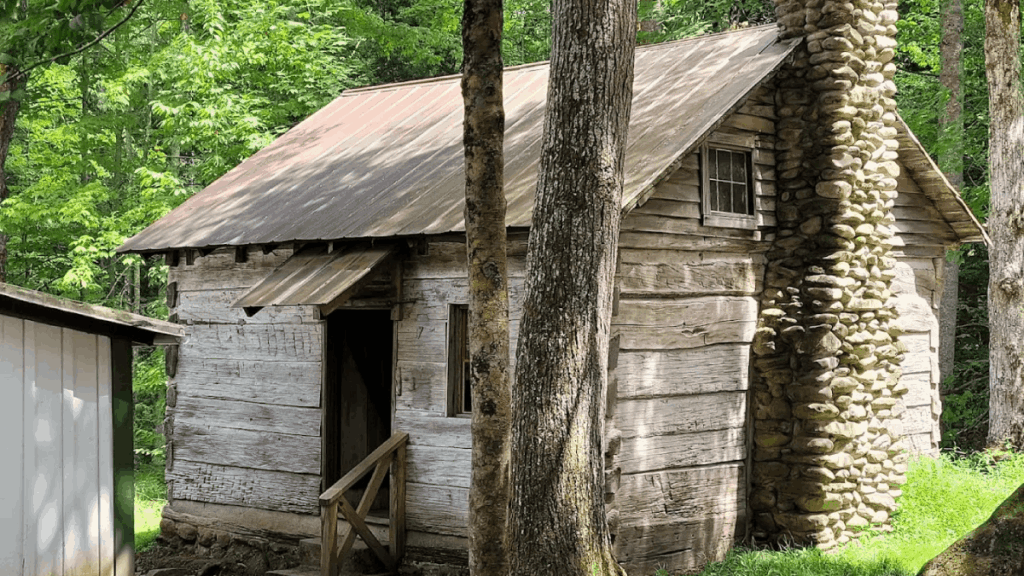
Tennessee is filled with forgotten places where time seems to stand still.
Across the state, you’ll find abandoned towns with crumbling buildings, overgrown streets, and stories that refuse to fade away. Some were swallowed by man-made lakes, while others were left behind when industries collapsed or nature reclaimed the land.
1. Elkmont
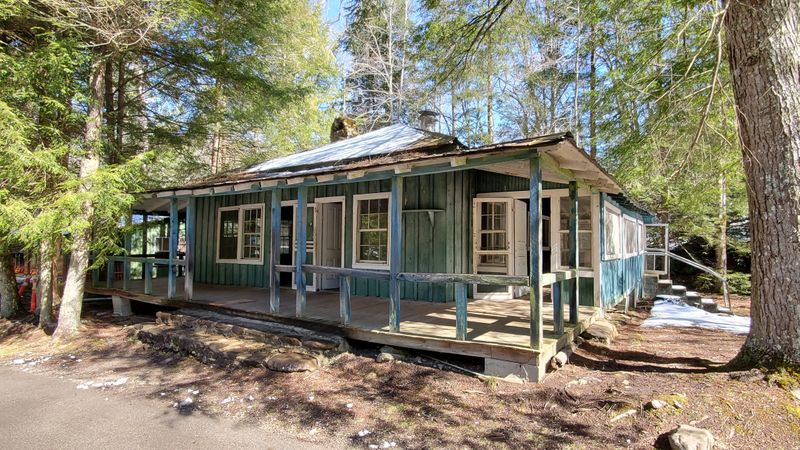
Tucked away in the Great Smoky Mountains, Elkmont started as a logging camp in the early 1900s. Workers flooded the area to cut down massive trees, and a small railroad carried timber out of the forest. When the logging ended, wealthy families from nearby cities bought up the land and built vacation homes.
The Wonderland Hotel became a popular summer getaway. Families gathered for picnics, fishing trips, and cool mountain breezes. But when the national park was established, the government wanted everyone out.
Most people left reluctantly, and their cottages were abandoned to the elements. Today, you can hike through Elkmont and see dozens of these old buildings slowly being swallowed by vines and moss. Some structures still have furniture inside, frozen in time. Park officials have preserved a few cabins, but most remain hauntingly empty.
2. Old Butler
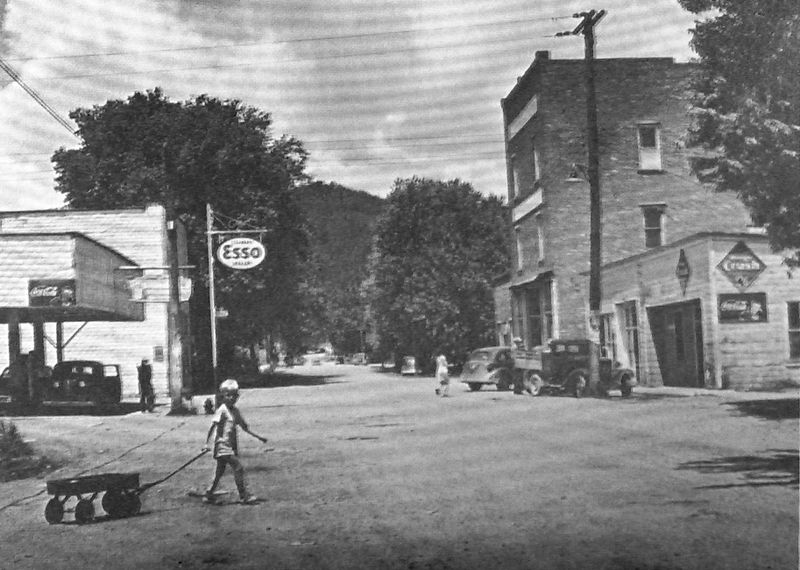
Imagine an entire town resting at the bottom of a lake, only to rise again when the water drops. Old Butler was a thriving 19th-century community with stores, churches, and busy streets. Families farmed the fertile valleys and built lives they thought would last forever.
Everything changed in the 1940s when the Tennessee Valley Authority decided to build a dam. The resulting Watauga Lake swallowed Old Butler completely, forcing residents to relocate and leave their homes behind. Graves were moved, but buildings stayed put.
During severe droughts, something magical and eerie happens—the lake recedes and reveals what’s left of Old Butler. Stone foundations, old roadways, and crumbling walls emerge like ghosts from the deep. Visitors flock to see this underwater time capsule whenever nature gives them the chance.
3. Loyston
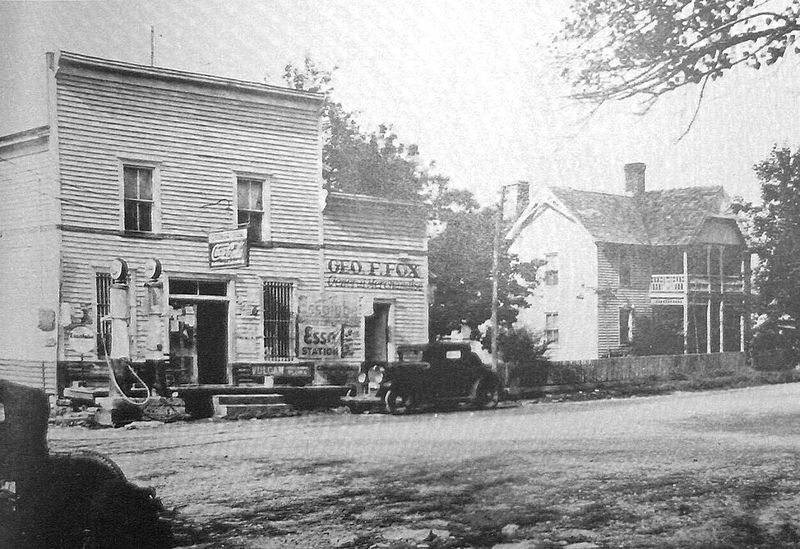
Loyston was once a peaceful farming village where neighbors knew each other by name. Fields stretched across rolling hills, and the community church stood as the heart of town life. Kids walked dirt roads to the schoolhouse, and families gathered for Sunday suppers and harvest festivals.
Then came the Tennessee Valley Authority’s Norris Dam project in the 1930s. The government needed to control flooding and generate electricity, so they chose this valley for a massive reservoir. Residents received notices to evacuate, and many families had lived there for generations.
Norris Lake now covers what was once Loyston, hiding homes, barns, and the beloved church beneath its surface. Unlike some sunken towns, Loyston rarely reappears because the lake stays deep year-round. Divers occasionally explore the ruins below, finding eerie remnants of a community that vanished almost overnight for the greater good.
4. Old Jefferson City
© AppalachianCentrist / Wikimedia Commons.
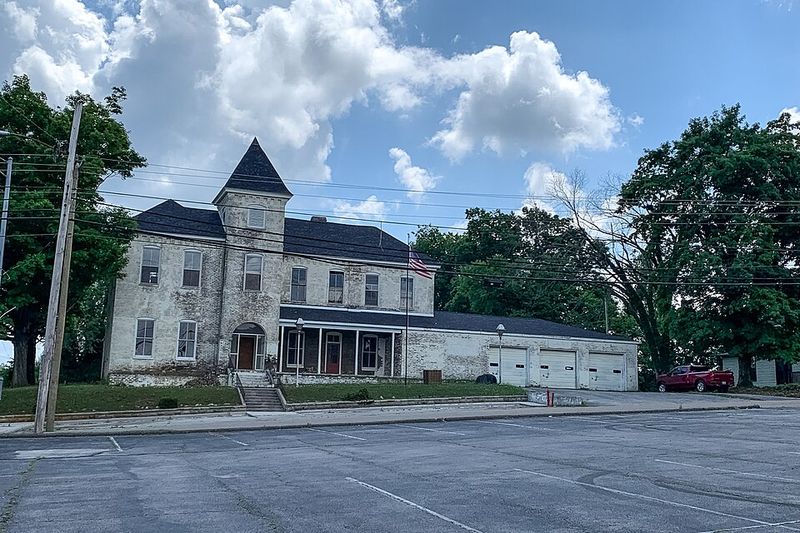
Parts of Jefferson City met the same watery fate as other Tennessee towns when Douglas Lake was created in the 1940s. The dam project required flooding sections of this historic area, displacing families and businesses that had operated for decades. Not the entire city disappeared, but enough to leave a haunting mark.
What makes Old Jefferson City special is how dramatically it reappears during dry seasons. When Douglas Lake’s water level drops significantly, entire streets emerge from the depths. Brick walls stand tall again, and building foundations outline where shops and homes once bustled with activity.
Photographers and history buffs wait eagerly for these low-water events to explore the exposed ruins. It’s like walking through a time capsule where you can trace old roads and imagine daily life before the flood.
5. Devonia
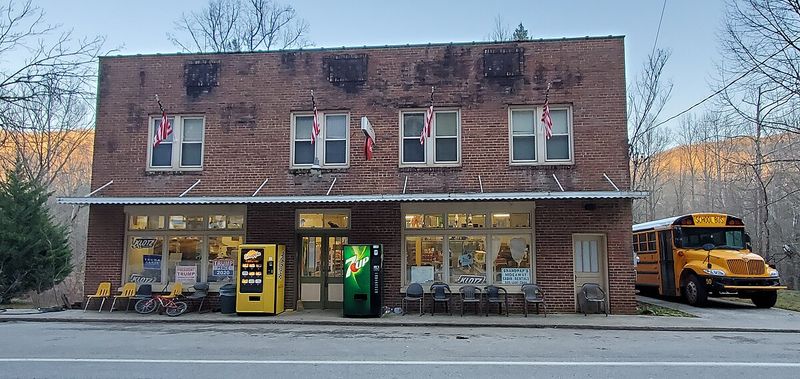
Devonia never made headlines, and that’s exactly why it’s so fascinating. This small rural community thrived quietly in the Tennessee countryside during the late 1800s and early 1900s. Farmers worked the land, a general store served the area, and life moved at a slow, predictable pace.
Economic shifts eventually drained Devonia of its population. As younger generations sought opportunities in cities and modern roads bypassed the town, families moved away one by one. The post office closed, the store boarded up, and eventually, nobody remained.
Today, Devonia sits nearly forgotten, with just a handful of collapsing structures marking where it once stood. Overgrown fields have reclaimed the streets, and nature slowly erases evidence of human habitation. It’s not as dramatic as the flooded towns, but there’s something deeply melancholy about a place that simply faded away without fanfare or disaster—just time and change doing their work.
6. Ashport
© TN History for Kids
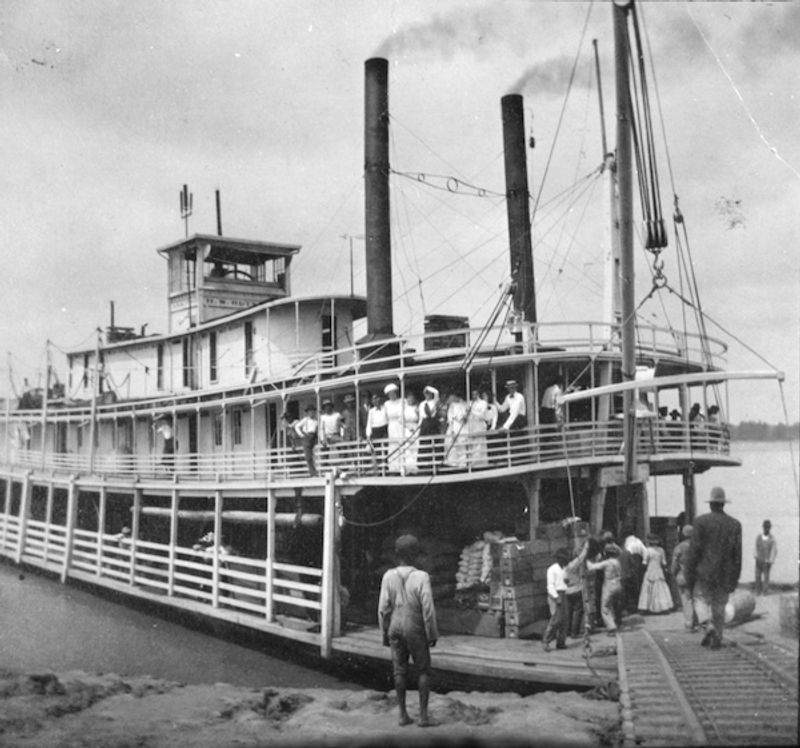
Ashport sits along the Mississippi River in western Tennessee, where it once thrived as a busy river port. Steamboats stopped regularly to load and unload cargo, and the town’s economy depended entirely on river traffic. Warehouses lined the waterfront, and hotels accommodated travelers passing through on their journeys.
When railroads became the dominant form of transportation, river towns like Ashport suffered immediate consequences. Fewer boats meant fewer customers, and businesses that relied on river trade quickly went under. Floods also battered the town repeatedly, making life increasingly difficult for remaining residents.
Today, Ashport is barely a shadow of its former self. A few structures still stand, but most are in severe disrepair, battered by decades of weather and neglect.