Missouri is full of places where families, students, road trippers, and curious neighbors can learn without spending money at the door. From the busy streets of St. Louis and Kansas City to the river towns and college communities of southeast and southwest Missouri, free museums help people enjoy art, history, science, and local stories on a budget.
These places matter because they keep important memories, creative ideas, and natural wonders open to everyone, not just visitors with extra cash. If you like quiet galleries, bold sculptures, hands-on history, or fossils that feel older than imagination, Missouri offers plenty of free stops worth adding to your week.
1. Missouri State Museum
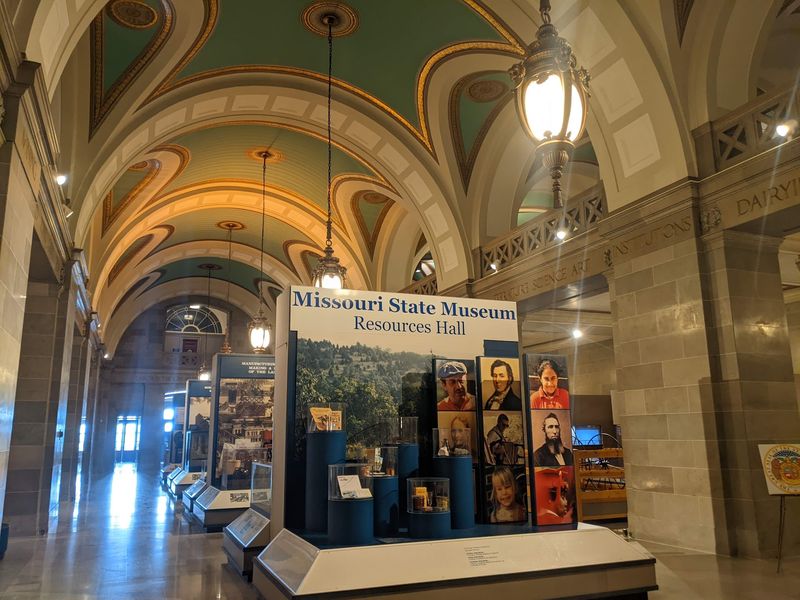
A trip through Missouri history feels extra grand when it happens inside the State Capitol in Jefferson City.
The Missouri State Museum sits right where state decisions are made, so visitors get art, history, and government in one stop.
Admission is free, and that makes it a smart choice for families, school groups, and anyone passing through the middle of the state.
You can see exhibits about Missouri Native peoples, early settlers, Civil War events, agriculture, rivers, minerals, and famous citizens.
The setting adds to the experience because the building itself has murals, tall columns, and a view of the Missouri River nearby.
Plan extra time if you enjoy reading labels and looking closely at old objects.
Displays often include uniforms, tools, flags, maps, and items tied to daily life in earlier Missouri communities.
Kids may enjoy spotting familiar state symbols, like the bluebird, mule, and flowering dogwood.
Because the museum is inside a working public building, check current hours and entry rules before you go.
Security screening may be part of the visit, so travel light and allow a few minutes to get inside.
Parking around the Capitol can vary, especially when state business is busy.
One helpful idea is to pair the museum with a walk around the Capitol grounds.
The monuments outside help tell more of the state story, and the river view gives visitors a strong sense of place.
Jefferson City also has nearby restaurants and riverfront spots if you want to make the visit last longer.
For Missouri residents, the museum can feel like a reminder that state history is not locked away in a textbook.
For out-of-state travelers, it offers a clear, free introduction to the people, land, and events that shaped Missouri.
It is an easy starting point for understanding the state from the inside out.
2. Saint Louis Art Museum
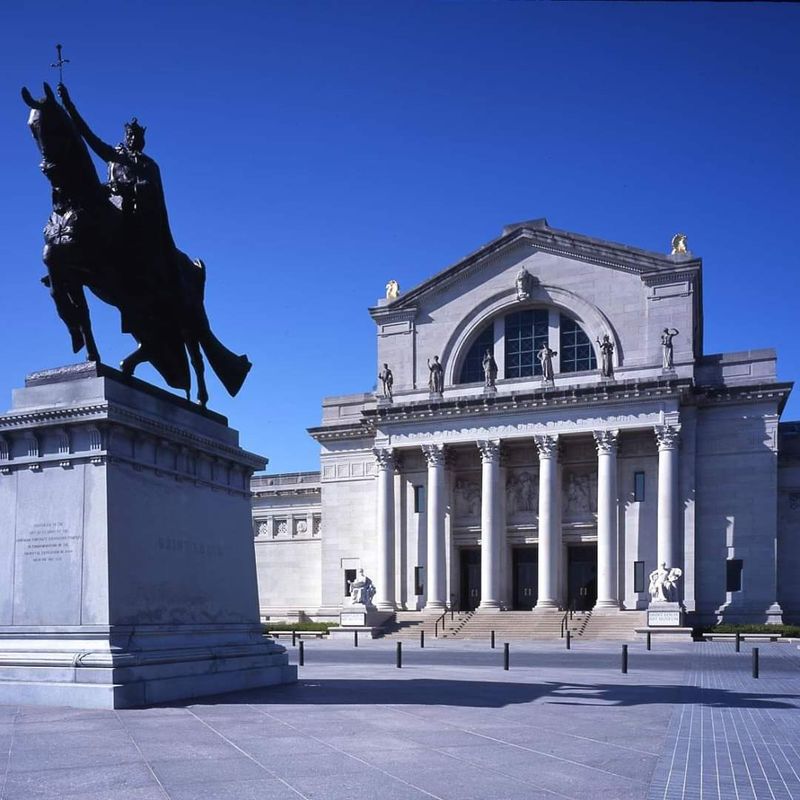
Some museum visits feel fancy before you even step inside, and the Saint Louis Art Museum has that kind of magic.
Its hilltop home in Forest Park looks impressive, but general admission stays free all week.
The museum holds art from many parts of the world, including paintings, sculptures, textiles, ancient objects, and modern works.
Visitors can move from Egyptian pieces to European paintings, then into African, Asian, American, and contemporary galleries.
That variety makes it easy for different ages and interests to find something memorable.
Families often like this museum because it can be as short or as long as you want.
If young visitors get tired, choose just a few galleries instead of trying to see everything.
A simple game, such as picking a favorite color, animal, or face in each room, can help kids stay connected.
Free admission is a major help, but some special exhibitions may have a ticket cost.
Check the museum calendar before visiting so you know what is free and what may require payment.
Fridays are especially popular because some special exhibition tickets have free times, though rules can change.
The museum location adds another bonus.
Forest Park is one of Missouri’s best public spaces, with walking paths, picnic spots, and other attractions nearby.
You can bring snacks, enjoy the park, and turn the art visit into a full day without building the whole outing around spending money.
Art museums can seem quiet or serious, but this one is friendly once you slow down.
Read a few labels, sit on a bench, and let one painting or object hold your attention.
The best part is that free entry means you can come back again instead of rushing through every room in one trip.
3. Nelson-Atkins Museum of Art
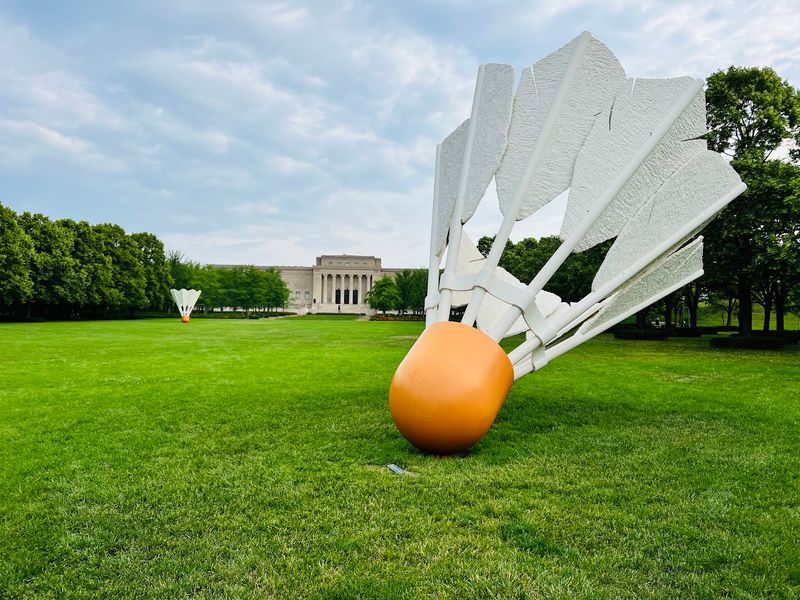
Giant shuttlecocks on a green lawn are not what most people expect outside an art museum, and that is part of the fun.
The Nelson-Atkins Museum of Art in Kansas City mixes world-class art with a playful welcome.
General admission is free, which makes it one of Missouri’s best cultural deals.
Inside, visitors find Asian art, European paintings, photography, Native American works, African art, modern pieces, and much more.
The museum is large, so it helps to look at a map and choose a few areas before you begin.
The Chinese art collection is especially respected, and the quiet galleries can feel like a peaceful break from the city.
The museum also has strong collections of photography and American art.
Outside, the sculpture park gives everyone room to walk, talk, and take photos without feeling stuck indoors.
For families, the lawn is a big plus.
Children can stretch their legs before or after seeing galleries, and the famous shuttlecocks make the museum feel less intimidating.
Remind kids not to touch indoor artworks, but let them share what shapes, colors, or stories they notice.
Parking may have a fee in the garage, though free street parking can sometimes be found nearby.
Check the museum website for current hours, special events, and any ticketed exhibits.
Weekdays can feel calmer than busy weekend afternoons.
A good visit does not need to cover every corner.
Pick one favorite gallery, explore the sculpture park, and leave wanting to return.
Since admission is free, repeat visits are part of the reward.
The Nelson-Atkins proves that a serious art museum can still feel open, lively, and surprisingly fun for people who may not think of themselves as art experts.
4. Museum at the Gateway Arch
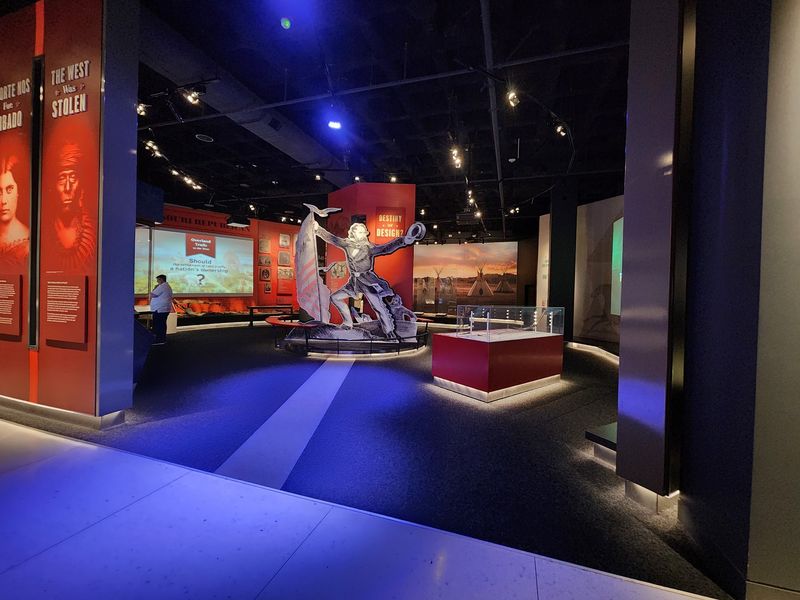
Under one of the most famous landmarks in America, a free museum tells a story bigger than the skyline.
The Museum at the Gateway Arch helps visitors understand St. Louis, the Mississippi River, and westward expansion.
Entry to the museum is free, though the tram ride to the top of the Arch costs money and should be booked separately.
That means travelers can still enjoy a meaningful stop even if they skip the ride.
The exhibits are modern, bright, and full of maps, objects, videos, and interactive pieces.
The museum covers Native nations, French and Spanish colonial St. Louis, explorers, settlers, river trade, and the complicated history of expansion.
It does not treat the past as simple.
Visitors can learn how movement west affected different groups in very different ways.
Families may like the hands-on parts and large visual displays.
Younger kids often enjoy the scale models and riverboat themes, while older students can connect the exhibits to school lessons about Lewis and Clark, trade, and migration.
Give yourself time to read because the museum has more depth than a quick walk-through suggests.
Security screening is required to enter the Arch facility, so plan ahead and avoid carrying items you do not need.
The surrounding national park grounds are also worth exploring, especially on a clear day.
Walking near the Arch gives great views of downtown St. Louis and the Mississippi River.
One smart approach is to visit early, see the museum, then take a riverfront walk or explore nearby historic streets.
Free museum access makes the Gateway Arch more than a photo stop.
It becomes a place where Missouri’s role as a meeting point, trading center, and doorway to the West becomes easier to understand.
5. Laumeier Sculpture Park
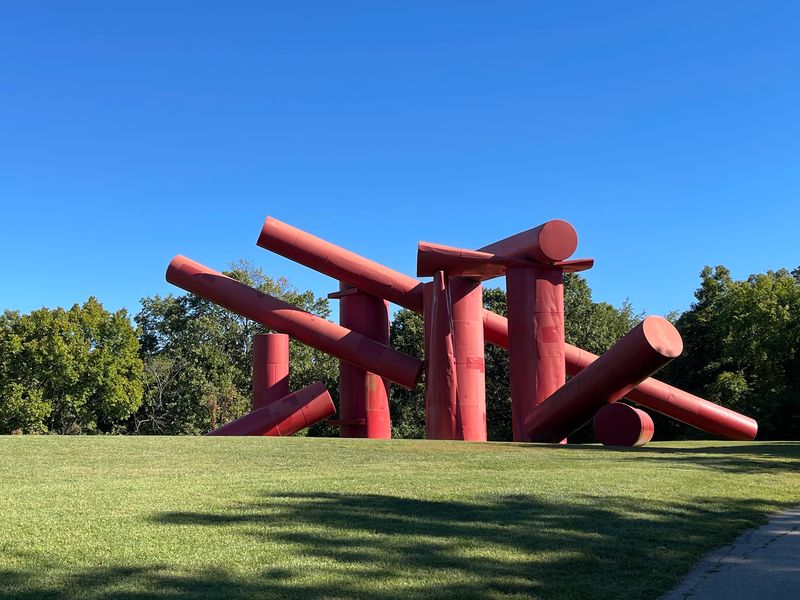
Art can feel completely different when the gallery has trees, trails, and open sky.
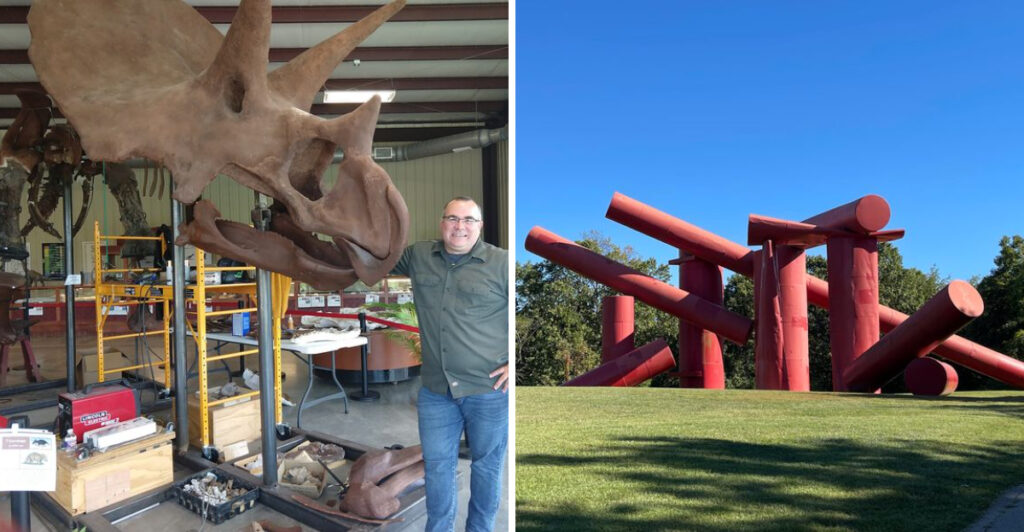
Laumeier Sculpture Park in St. Louis County lets visitors meet large outdoor artworks while walking through fields and wooded paths.
Admission is free, and the park is open throughout the week, though hours can vary by season.
The sculptures range from bold and colorful to strange, quiet, and thought-provoking.
Some pieces are huge, so standing beside them gives a feeling that photographs cannot fully show.
This is a strong choice for people who like museums but do not want to stay indoors.
Comfortable shoes matter because the grounds cover many acres.
Bring water in warm weather, and check the forecast since most of the experience happens outside.
Children often enjoy Laumeier because it feels like a treasure hunt.
They can look for shapes, materials, shadows, and surprises along the paths.
Adults may enjoy how the art changes with the weather, light, and seasons, especially in spring and fall.
Visitors should remember that outdoor art still needs care.
Do not climb on sculptures unless a sign clearly says it is allowed.
Staying on marked paths also protects the landscape and helps keep the park enjoyable for everyone.
The park includes indoor gallery space at times, plus programs, tours, and special events.
Some events may have costs, but regular admission remains free.
Before going, check the official schedule if you want to see whether any installations, construction, or programs affect your plans.
Laumeier is a refreshing reminder that Missouri museums are not limited to quiet rooms and glass cases.
It is part walk, part art lesson, and part outdoor break.
Pack a picnic, take your time, and let the sculptures surprise you one by one.
6. Kemper Museum of Contemporary Art
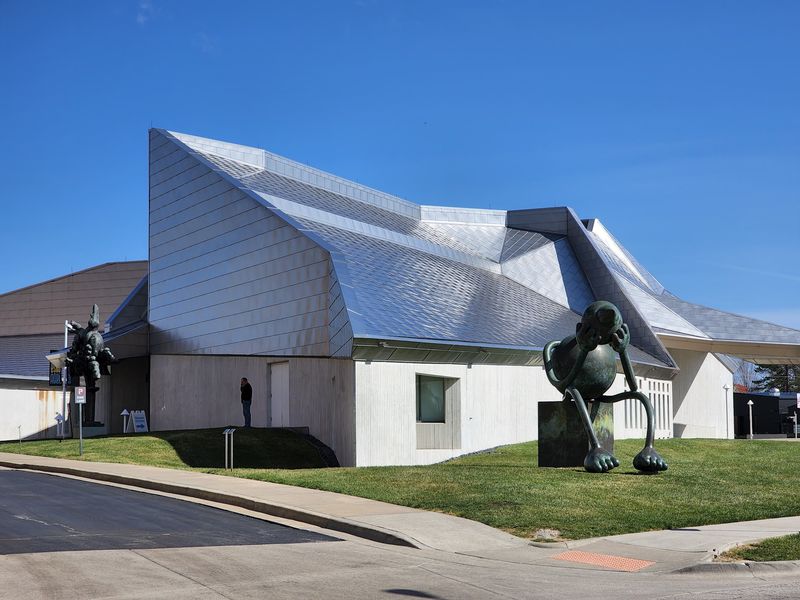
Fresh, bold, and sometimes wonderfully puzzling, contemporary art asks visitors to think in new ways.
The Kemper Museum of Contemporary Art in Kansas City offers that experience with free admission.
The museum focuses on modern and contemporary works, so expect art made with recent ideas, unusual materials, and strong points of view.
Paintings, sculptures, photographs, mixed-media pieces, and changing exhibitions fill the galleries.
Some works may make sense right away, while others invite you to pause and wonder.
A helpful trick is to avoid worrying about getting the correct answer.
Contemporary art often works best when visitors ask what they notice first, how the piece makes them feel, and what choices the artist made.
Reading the label afterward can add context without taking away your own reaction.
The Kemper is smaller than some major museums, which can be a benefit.
You can enjoy a thoughtful visit without feeling worn out.
It is also close to other Kansas City cultural spots, making it easy to include in a larger Missouri day trip.
Families with older kids and teens may especially enjoy the museum because the art can spark conversation.
Ask questions like, Would you put this in your room?
What title would you give it?
What material surprised you?
Simple questions make the visit more lively.
Check current hours before going because smaller museums may close on certain days or change schedules for installations.
Special programs, artist talks, and tours can make a visit even richer.
The museum cafe, when open, can also turn the stop into a relaxed outing.
Free admission makes the Kemper an easy place to try something different.
Even if one artwork confuses you, the next one may make you smile, argue, or look twice.
That sense of discovery is exactly why contemporary art belongs on a Missouri museum list.
7. Crisp Museum
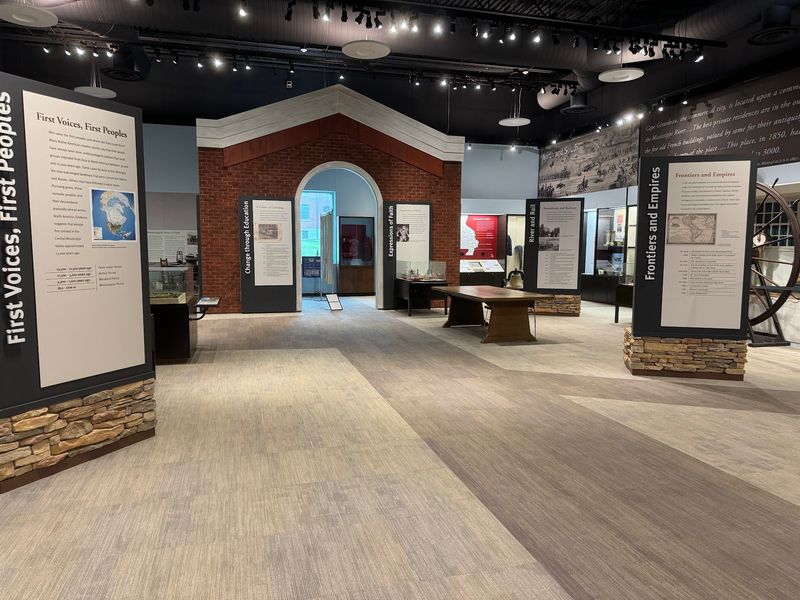
A smaller museum can sometimes tell a local story with more heart than a giant building.
The Crisp Museum in Cape Girardeau gives visitors a close look at southeast Missouri’s past, art, and archaeology.
Located at Southeast Missouri State University’s River Campus, the museum is free to visit and easy to pair with a walk near the Mississippi River.
Its collections include Native American artifacts, regional history items, pottery, fine art, and exhibits connected to the area’s natural and cultural life.
The museum helps show how river towns developed and how people lived in this part of Missouri over time.
One reason to visit is the focus on the region rather than the whole country.
You may see objects tied to local communities, ancient tools, ceramics, photographs, and changing displays.
Those details make history feel close, especially for people who know the Cape Girardeau area.
Students and families can use the museum as a quiet learning stop.
Since it is not too large, younger visitors can explore without becoming overwhelmed.
Ask them to find one object that looks useful, one that looks beautiful, and one that seems mysterious.
Because the museum is connected to a university, hours may change around holidays, breaks, or campus events.
Check ahead before driving, especially if you are visiting from another Missouri town.
Parking rules can also vary around campus areas.
The River Campus setting adds extra charm.
After the museum, visitors can enjoy the riverfront, public art, floodwall murals, or downtown Cape Girardeau.
That makes the Crisp Museum a good anchor for a budget-friendly day.
Not every free museum needs to be huge to be worthwhile.
The Crisp Museum offers a careful, place-based look at southeast Missouri and gives visitors a better feel for the people, materials, and stories connected to the Mississippi River region.
8. Missouri History Museum
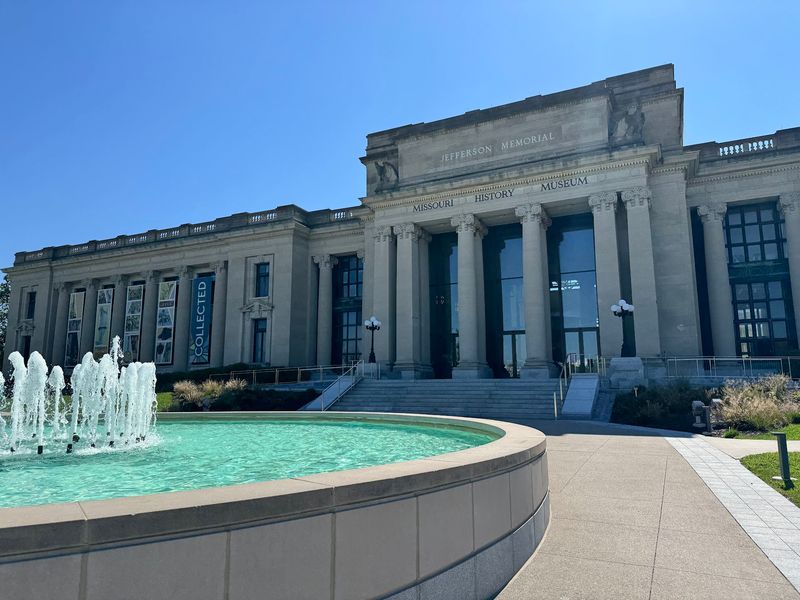
Stories about Missouri become easier to picture when they are tied to neighborhoods, maps, clothing, music, sports, and everyday people.
The Missouri History Museum in St. Louis makes those stories free to explore.
Located in Forest Park, the museum offers free general admission and covers St. Louis and Missouri history through permanent and changing exhibits.
Visitors may learn about the 1904 World’s Fair, the Mississippi River, civil rights, local industries, immigration, music, and community life.
The exhibits often connect big events to personal stories, which helps history feel real.
This museum is especially useful for visitors who want context before exploring St. Louis.
After learning about neighborhoods, transportation, and past events, the city outside the museum can look different.
Street names, parks, buildings, and monuments begin to carry more meaning.
Families will find many exhibits easy to enjoy together.
Look for objects that connect to daily life, such as toys, clothing, signs, photographs, or household items.
Those pieces can start conversations between grandparents, parents, and kids about how life has changed.
Some special exhibitions or programs may have fees, but general museum entry is free.
The museum website is the best place to check current exhibits, hours, accessibility information, and event schedules.
Forest Park can be busy, so allow time for parking during weekends or popular events.
A relaxed plan works best here.
Choose one main exhibit, then leave time to wander into another gallery that catches your eye.
The museum shop and nearby park paths can round out the trip without making the day feel rushed.
The Missouri History Museum shows that history is not only about dates and famous names.
It is also about choices, struggles, celebrations, and ordinary moments that shaped communities.
For anyone trying to understand Missouri through St. Louis, this free museum is one of the most helpful stops in the state.
9. Cape Girardeau County History Center
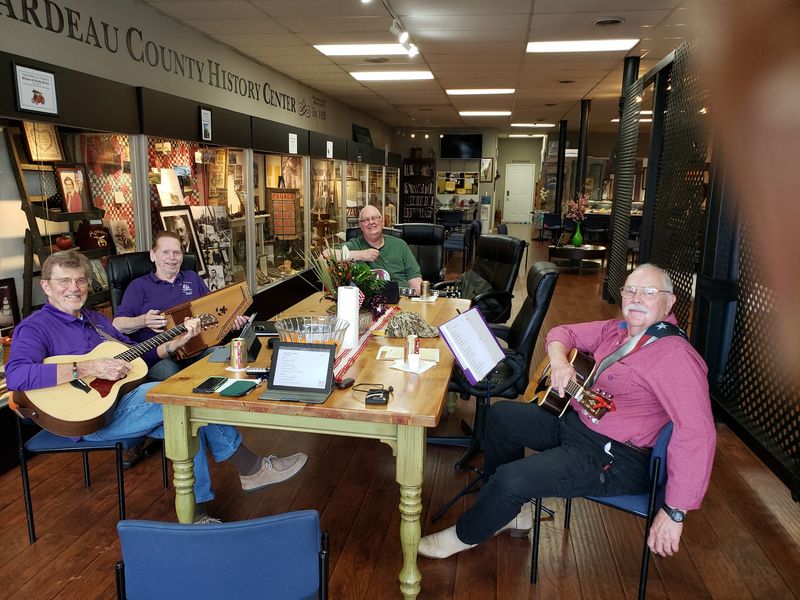
County museums often hold the kind of details that big history books miss.
The Cape Girardeau County History Center in Jackson brings local Missouri stories into focus through exhibits, records, photographs, and community memories.
Admission is free, making it a useful stop for families, researchers, students, and travelers exploring southeast Missouri.
The center highlights Cape Girardeau County history, including settlement, schools, military service, farming, businesses, local families, and town life.
Visitors may find displays that connect directly to streets, buildings, and names still seen in the area today.
Genealogy fans can get special value from a visit.
Local history centers often keep records, newspapers, family files, maps, and photographs that help people trace roots.
Even if you are not researching your own family, these materials show how real people built communities over many years.
The tone here is different from a large art museum or state museum.
It feels more personal, like opening a well-kept scrapbook for an entire county.
That smaller scale can make it easier to ask questions and spend time with one story.
Before going, check current hours because local history centers may have limited schedules or depend on volunteers.
Calling ahead can also help if you want to research a specific topic.
If staff or volunteers are available, they may point you toward materials you would not find on your own.
Pairing the center with a walk around Jackson or a short drive to Cape Girardeau makes for a thoughtful day.
You can compare what you saw in exhibits with courthouse squares, old homes, cemeteries, and nearby river history.
Missouri’s past becomes more visible when you connect museum objects to real places.
The Cape Girardeau County History Center proves that free museums do not need flash to matter.
Their strength is care, memory, and the patient work of saving local stories before they disappear.
10. Missouri Institute of Natural Science
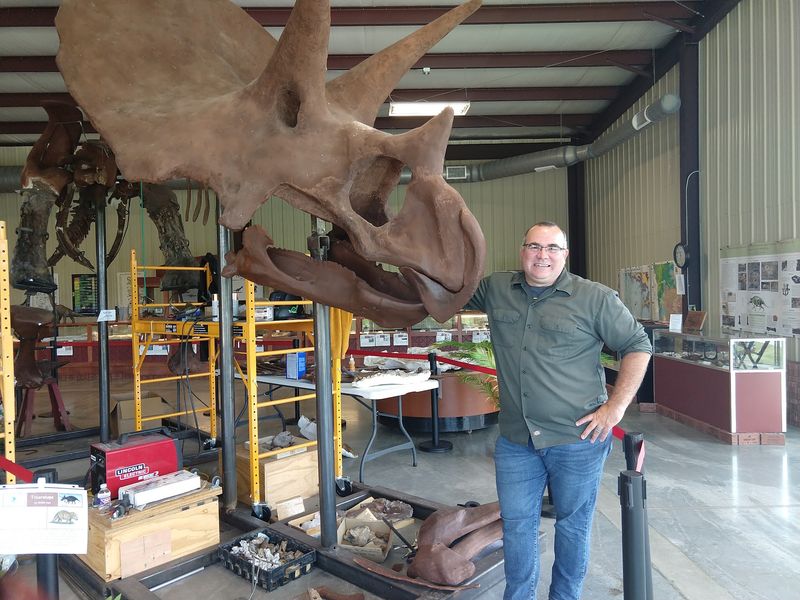
A fossil can stop a child in mid-sentence, especially when it looks like it came from a world of giants.
The Missouri Institute of Natural Science in Springfield brings dinosaurs, minerals, and natural history close enough to spark that kind of wonder.
Admission is free, and the museum is known for fossils, geology displays, and science exhibits tied to Missouri and beyond.
One major highlight is material connected to Missouri’s state dinosaur, Hypsibema missouriensis.
For many visitors, seeing fossils in person makes deep time feel less like a number and more like a story under their feet.
The museum is a strong choice for curious kids, homeschool groups, science lovers, and anyone who enjoys rocks, bones, and ancient life.
Displays may include fossils, minerals, replicas, and educational panels.
The setting is smaller and more focused than a large city museum, which can make it easier to enjoy at a comfortable pace.
Bring questions with you.
How do fossils form?
What did Missouri look like millions of years ago?
Why do certain rocks and minerals appear in certain places?
Questions like these turn a visit into a mini science adventure.
As with many free museums, donations are often appreciated because they help support exhibits and care for collections.
Check current hours before visiting, since schedules can change.
If you are traveling through Springfield, the museum can fit nicely into a day that also includes parks, caves, or other nature-focused stops.
Visitors should take time with the mineral displays as well as the fossils.
Missouri has a rich geologic story, including caves, lead mining history, springs, and karst landscapes.
The museum helps connect those features to the rocks and processes beneath the surface.
The Missouri Institute of Natural Science is a reminder that the state’s story began long before towns, roads, or farms.
For free, visitors can stand near pieces of that ancient past and leave with a bigger view of Missouri’s natural world.
Share this story