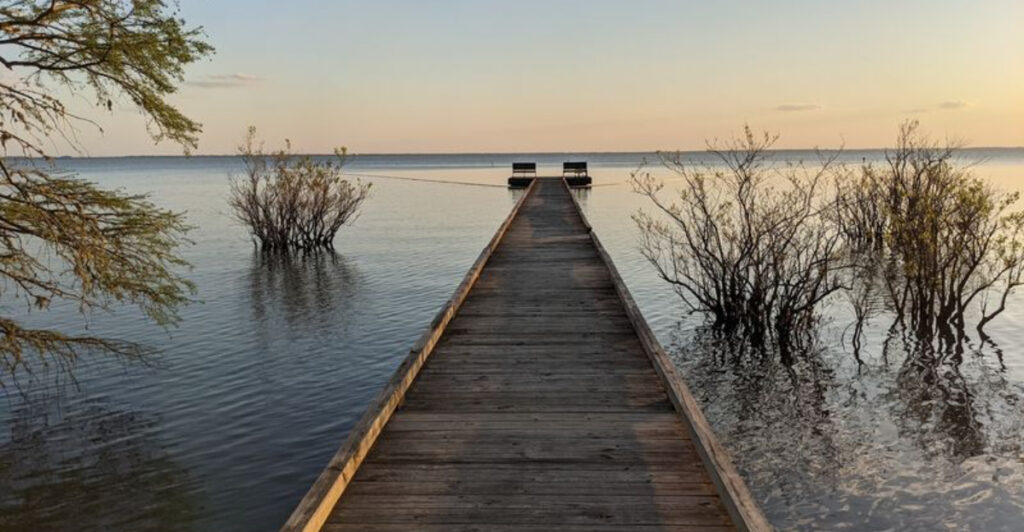
Pettigrew State Park in Creswell, North Carolina, is quiet in the best possible way. It sits beside Lake Phelps, a wide, clear lake surrounded by old trees, trails, and history.
Many travelers pass by without knowing how much beauty is tucked into this peaceful corner of the state. For anyone who wants fresh air, calm water, and a slower day outside, this park is a special find.
1. Lake Phelps Feels Like A Secret Sea
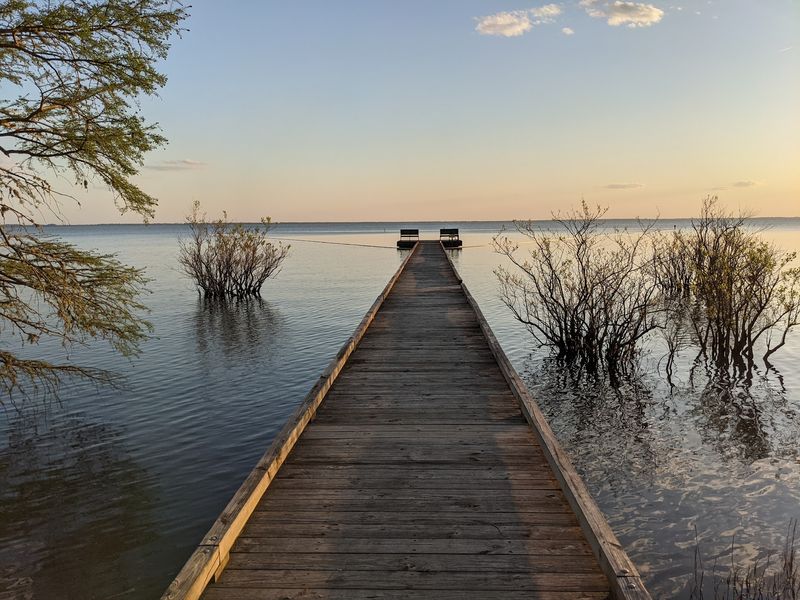
Wide, shining water is the first thing many visitors remember after seeing Lake Phelps.
The lake covers about 16,000 acres, so it can feel more like a small inland sea than a park lake.
Its open view gives Pettigrew State Park a calm, roomy feeling that is hard to find at busier places.
Because the lake is shallow and not fed by major rivers or streams, its water has a clean, clear look on good days.
Kayakers, anglers, and paddlers often enjoy the quiet surface, especially when the wind is low.
Before planning water time, check current conditions, since drought can lower the lake and make access harder.
For a relaxed visit, bring a chair or blanket and sit near the shore.
The park is not only for people with boats.
Watching light move across the water can be just as rewarding as paddling across it.
Early morning and sunset are especially lovely, when the lake turns soft colors and the air feels cooler.
Big powerboat traffic is limited by the lake’s shallow nature, which helps keep the mood peaceful.
If you want a simple North Carolina lake day without noise and rush, Lake Phelps is the heart of the experience.
2. Cypress Trees Add An Ancient Mood
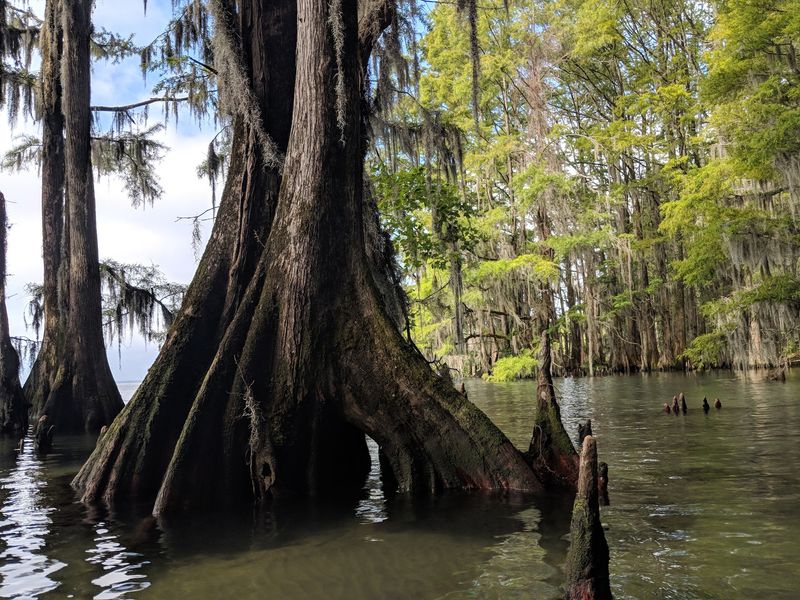
Some trees seem to know stories people have forgotten, and the cypress trees at Pettigrew State Park have that feeling.
Their strong trunks and roots stand near the lake and wet ground, making the area feel older, slower, and full of mystery.
They are a big reason the park feels different from a regular picnic stop.
Walk slowly near the water and look for the shapes made by the trees.
Cypress knees may rise from damp soil, and reflections can ripple across the lake when the breeze moves through.
Photographers will find simple scenes everywhere, from bark patterns to branches leaning over the shoreline.
The trees also give shade and shelter to wildlife.
Birds may perch above you, insects may buzz in warm months, and frogs or snakes may be nearby in wetter places.
Stay on marked trails and boardwalks to protect both yourself and the fragile edges of the habitat.
Late fall, winter, and early spring can be wonderful times to enjoy the cypress scenery with fewer bugs and fewer visitors.
Wear shoes that can handle damp ground if trails have been wet.
A short walk among these trees can make the whole trip feel calm, rooted, and memorable.
3. Moccasin Trail Rewards Patient Walkers
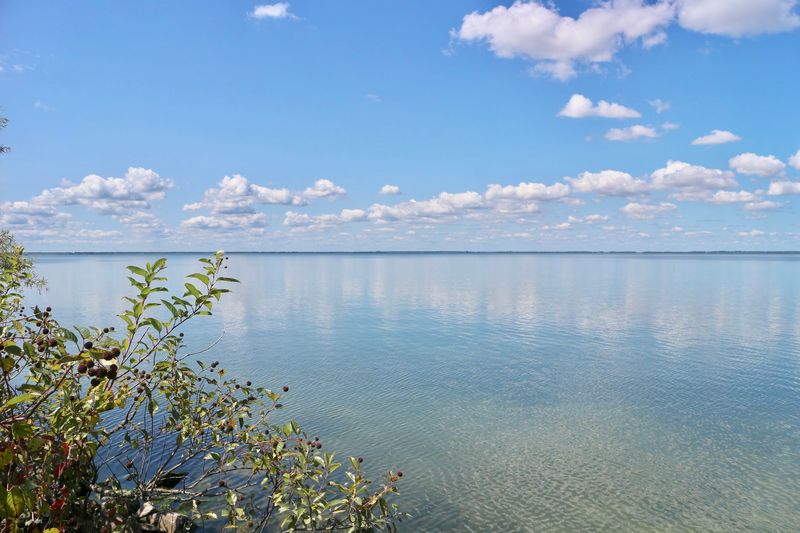
A long walk at Pettigrew can feel like pressing pause on the rest of the world.
Moccasin Trail is one of the park’s best-known paths, especially for visitors who want more than a quick stroll.
Reviewers often mention the route toward Moccasin Overlook and Cypress Point as quiet, wide, and worth the effort.
The trail is useful for hikers, runners, and nature lovers who enjoy easy footing more than steep climbs.
Much of the land is flat, so distance is the main challenge.
Bring water, snacks, bug spray in warm seasons, and a map or downloaded route before you start.
Trail conditions can change after rain, and some low areas may be muddy or flooded.
If you are visiting with children or older family members, choose a shorter out-and-back section instead of trying to cover everything.
Benches and overlooks make good places to rest and listen.
The real charm comes from the slow build of the journey.
Woods, wetland views, and open glimpses of Lake Phelps keep the walk interesting without feeling loud or crowded.
If you like parks where the best moments arrive quietly, Moccasin Trail may become your favorite part of Pettigrew.
4. Boardwalk Views Make Nature Easy To Reach
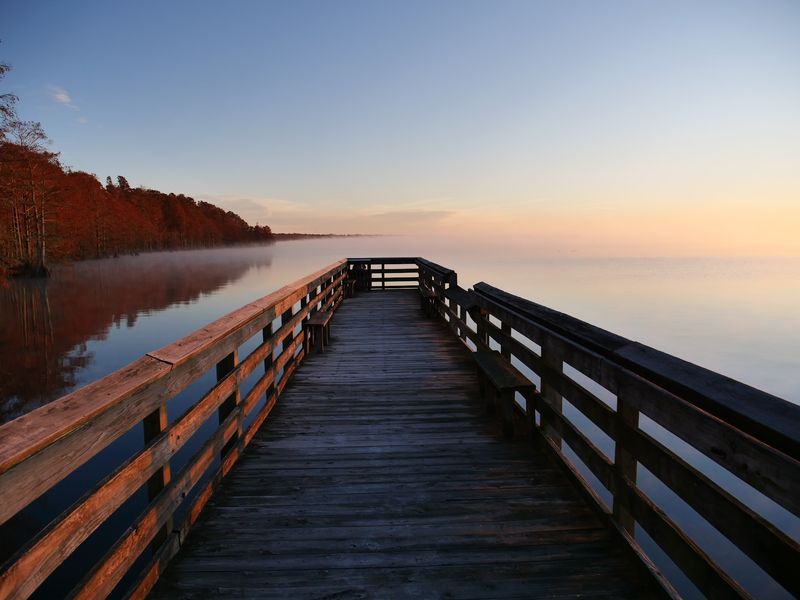
Not every beautiful park moment needs a long hike, and Pettigrew’s boardwalk areas prove it.
These short wooden paths help visitors get close to lake and wetland scenery without stepping into soft, muddy ground.
They are especially helpful for families, casual walkers, and anyone who wants a peaceful view with less effort.
The Lake Shore area is often mentioned by visitors because it offers easy access to the water’s edge.
Depending on current conditions, you may see open lake, marsh plants, birds, or low water levels.
Renovations and closures can affect access, so check the official park page or call before driving far.
Move slowly on the boardwalk and treat it like a quiet lookout.
Wildlife is easier to spot when people are not rushing or talking loudly.
A pair of binoculars can turn a simple stop into a mini nature hunt.
Boardwalks are also great for photography because they create leading lines through the scene.
Morning light can make the wood glow, while cloudy days bring out greens and browns.
If you only have thirty minutes at Pettigrew State Park, a boardwalk visit can still give you a strong taste of the lake, trees, and stillness that make the park special.
5. Somerset Place Connects Beauty With History
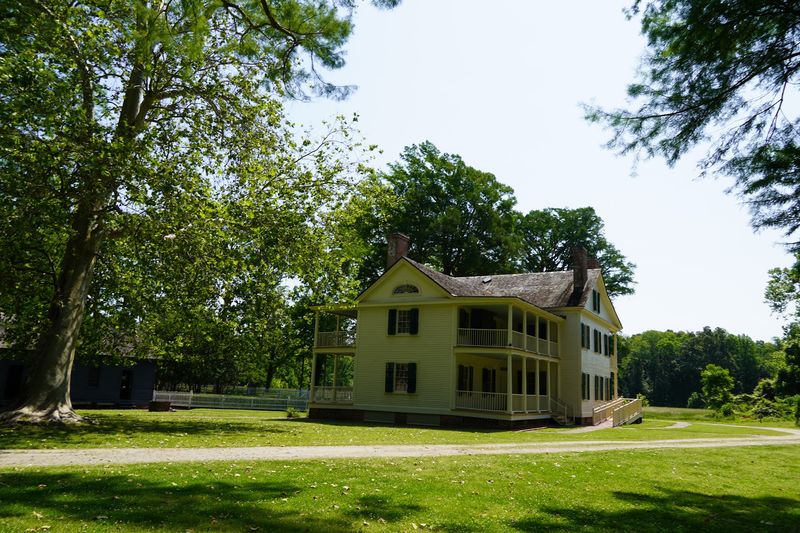
A quiet trail near Pettigrew can lead from pretty scenery to a much deeper story.
Somerset Place State Historic Site sits close to the park and helps visitors understand the human history tied to this land.
It was once a large plantation, and its story includes the lives and labor of enslaved people.
Visiting Somerset Place adds meaning to a day at Lake Phelps.
The historic buildings, grounds, and exhibits give a fuller picture of the area beyond fishing, camping, and hiking.
It is a good stop for families who want children to learn while still spending time outdoors.
Go with a respectful mindset, because the site shares hard truths as well as local history.
Read signs carefully, ask staff questions if they are available, and give yourself time instead of rushing through.
History feels more real when you stand where people lived and worked.
Pairing the historic site with Pettigrew’s trails can make the day feel balanced.
One hour may be quiet lake viewing, and the next may be learning about the past.
That mix of natural beauty and honest history is one reason Pettigrew State Park stands out among North Carolina’s lesser-known parks.
6. Camping Keeps The Night Quiet And Simple
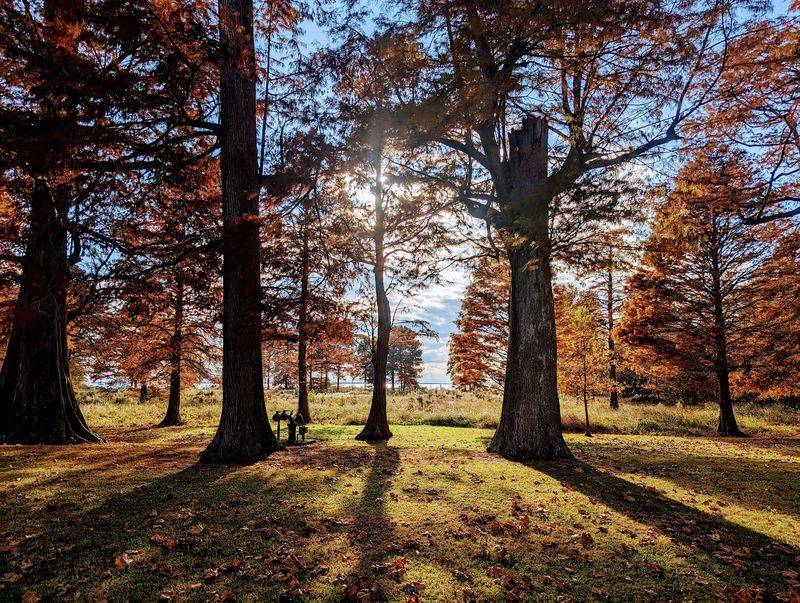
Camping at Pettigrew has a back-to-basics feel that many people still love.
The campground is not huge, and that smaller size can make the park feel friendly and calm after day visitors leave.
Sites have been described as roomy, easy to use, and close enough to trails and Lake Phelps for a full outdoor weekend.
Before booking, check the latest updates because renovations have affected camping, restrooms, and facilities at times.
Some sites may not have water, electric, or dump hookups, so plan like you are going somewhere simple.
Bring drinking water, charged lights, extra supplies, and a backup plan if services are limited.
A quiet evening here can be the best part of the trip.
You might cook at the fire ring, listen to insects and birds, or watch the sky darken over the trees.
In cooler months, the park can feel almost private.
Families, scout groups, and couples all find different reasons to enjoy staying overnight.
The key is to arrive prepared and not expect a resort-style campground.
If you enjoy open air, simple meals, and waking up near a calm lake, Pettigrew’s camping experience can feel like a peaceful step away from daily noise.
7. Wildlife Watching Brings Small Surprises
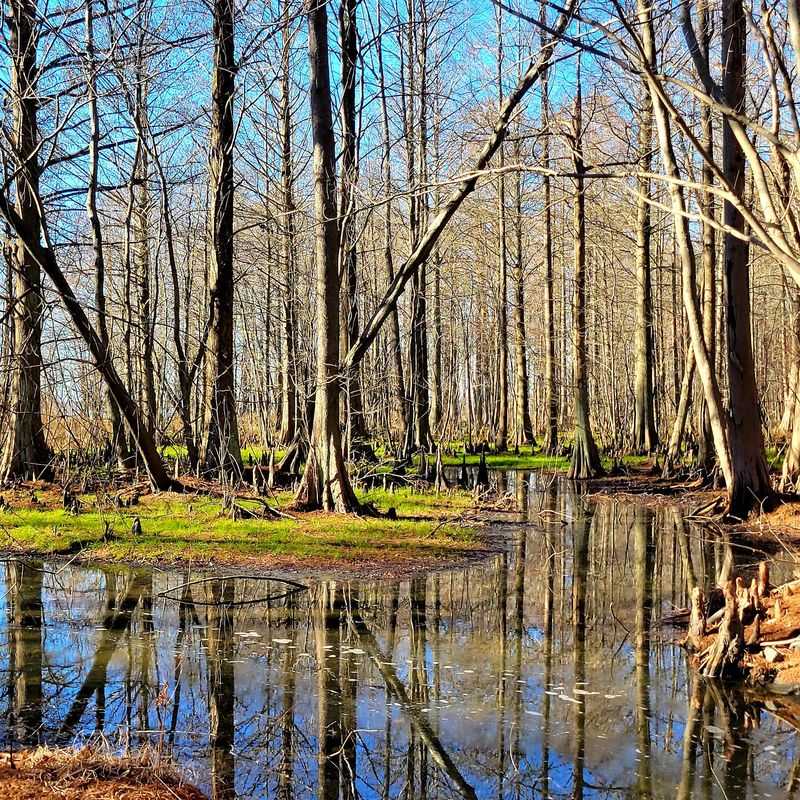
A flash of wings, a snake crossing the path, or a bird call from the trees can turn a normal walk into a story.
Pettigrew State Park is home to many kinds of wildlife because it includes lake, forest, and wetland habitats.
Visitors have reported seeing birds, snakes, and other signs of wildlife around the trails.
Winter can be a strong season for bird watching, especially when waterfowl use Lake Phelps and nearby wetlands.
Bring binoculars and stand still near overlooks or shore areas.
Even beginners can enjoy watching ducks, swans, herons, or smaller birds move through the landscape.
Warmer months bring more activity, but also more insects and reptiles.
Wear bug spray, watch where you step, and never handle snakes or other animals.
Seeing wildlife is exciting, but keeping a safe distance protects both visitors and the creatures that live there.
Children can make the visit more fun by keeping a simple nature list.
Count bird calls, leaf shapes, tracks, or turtles if you spot any.
Pettigrew rewards careful eyes, not loud speed.
The park’s quiet personality makes it a strong place to slow down and notice the small surprises that often go unseen.
8. Off-Season Visits Feel Especially Peaceful
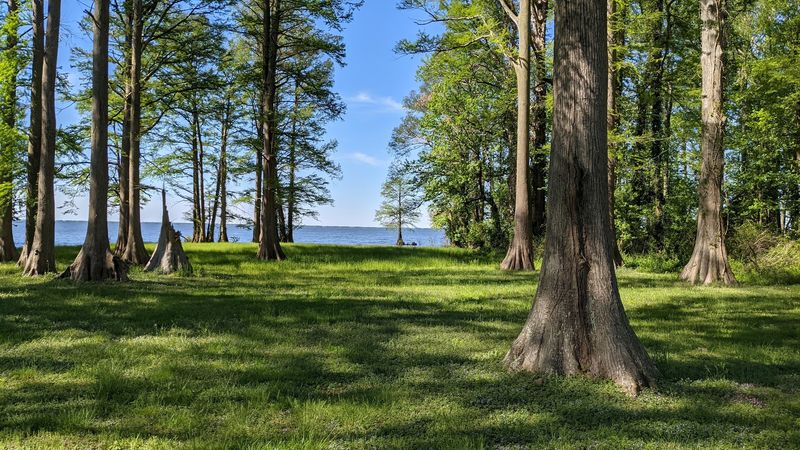
There is a special kind of joy in finding a beautiful place when almost no one else is there.
Pettigrew State Park is often praised as an off-season gem, especially from fall through early spring.
Cooler weather can make hiking easier, bugs lighter, and the whole park feel wonderfully open.
October through April may bring some of the most comfortable days for long walks, quiet picnics, and lake watching.
The sun is softer, the air is fresh, and trails can feel calm without summer heat pressing in.
Always check the forecast, because wind on Lake Phelps can change the mood quickly.
Off-season travel also calls for smart planning.
Park hours are commonly 8 AM to 8 PM, but it is wise to confirm current hours, closures, water levels, and construction updates before you go.
The park office can help with trail advice and facility questions.
Pack layers, a warm drink, and shoes that can handle soft ground.
If you like taking photos, winter skies and bare branches can give the lake a clean, simple beauty.
Pettigrew may be underrated, but that is part of its gift.
In the quieter months, it offers room to breathe, think, and enjoy North Carolina nature without feeling hurried.
Share this story