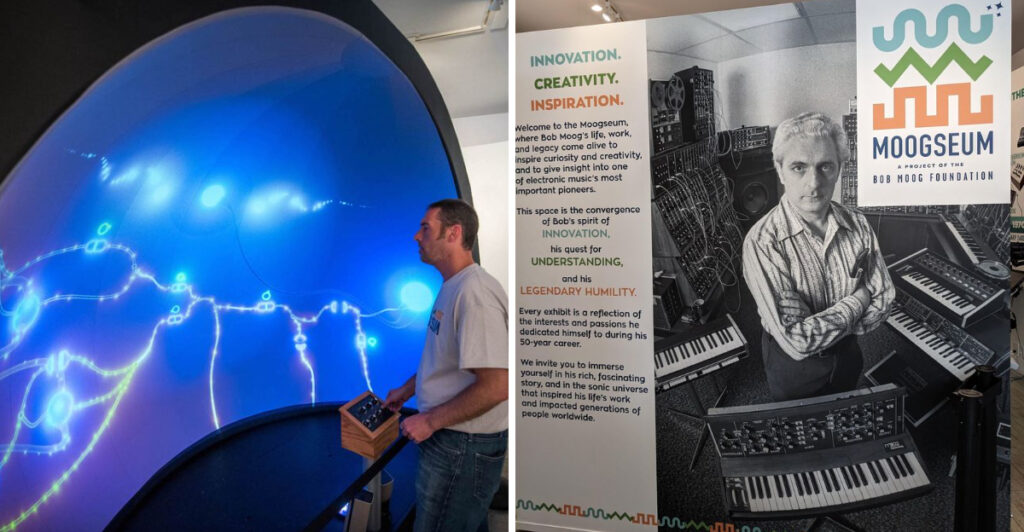
Moogseum in Asheville, North Carolina, is a small museum with a big sound. It celebrates Bob Moog, the inventor who helped change modern music with his famous synthesizers.
Visitors can learn, listen, and try hands-on exhibits that make science and music feel exciting. If you enjoy unusual places, creative ideas, or sounds that seem almost magical, this museum is a stop worth knowing about.
1. A Tiny Museum With A Huge Electric Pulse
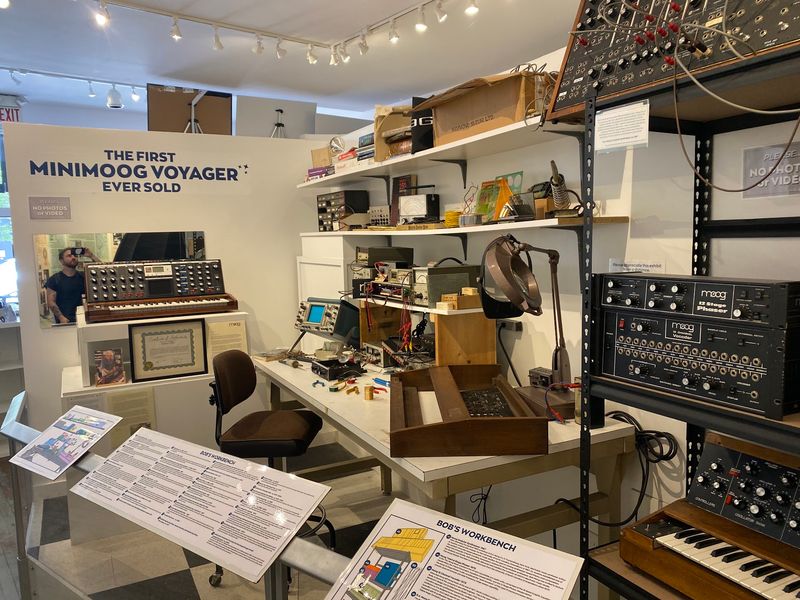
Small places can surprise you, and Moogseum proves it the moment you step inside.
Located at 56 Broadway St Front in downtown Asheville, it does not need giant halls to feel exciting.
The museum is compact, but its exhibits are packed with sound, history, and curious machines.
Many visitors describe it as a little museum that holds a lot.
That is helpful to know before you go, because the space is better for slow exploring than rushing through.
Plan for about an hour if you want a quick visit, or longer if you love electronic music.
The museum focuses on Bob Moog, whose work helped shape the sound of synthesizers used in rock, pop, film scores, and electronic music.
Even if you have never heard his name, you have probably heard sounds influenced by his inventions.
That makes the visit feel both fresh and familiar.
Moogseum is open most days from 11 AM to 5 PM, according to its listed hours, so it fits well into an Asheville afternoon.
Because it sits downtown, visitors can pair it with lunch, shops, or a walk nearby.
Call ahead or check the website before visiting, especially if your schedule is tight.
2. Hands-On Synthesizers Make The Visit Come Alive
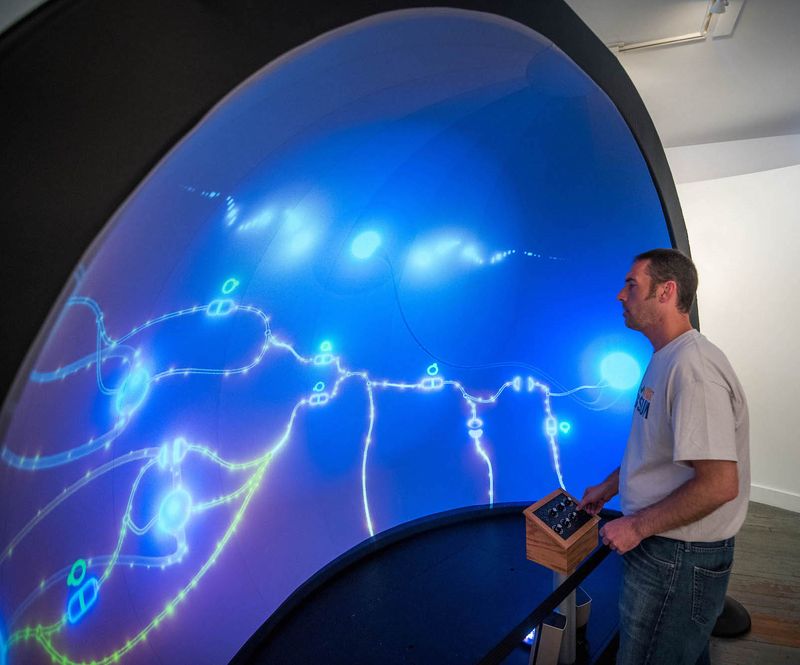
A row of knobs and keys can look confusing at first, then suddenly it feels like a playground.
Moogseum shines because visitors are not only reading about synthesizers.
They get chances to touch, adjust, listen, and learn through real sound.
Hands-on stations are one of the biggest reasons people talk about this museum.
Reviews often mention playing synthesizers, testing patching areas, and hearing how small changes can make wild new tones.
For a beginner, that can turn a strange-looking machine into something understandable.
The best advice is to be patient with yourself.
A synthesizer is not like a regular piano, even if it has a keyboard.
Twisting one control might change the pitch, while another may shape the sound until it buzzes, hums, or sings.
Music fans may recognize why these instruments matter so much.
Synthesizers helped create the sounds of electronic dance music, progressive rock, new wave, hip-hop, and movie soundtracks.
Moogseum connects those big music worlds to the tools that made them possible.
Non-musicians can still have fun here, too.
You do not need to read music or know technical terms to enjoy making a strange sound and laughing when it changes.
That mix of learning and play is what makes the museum feel different from a regular display-only attraction.
3. The Theremin Feels Like Musical Magic

Playing music without touching an instrument sounds like a trick, but the theremin makes it real.
At Moogseum, the theremin station is one of the most memorable experiences for many guests.
It is strange, funny, and harder than it looks.
The theremin uses antennas to sense where your hands are in the air.
One hand usually controls pitch, while the other controls volume.
Move even a little, and the sound can slide from spooky to sweet in a second.
Visitors often say it is difficult but fun, which is exactly the point.
You may not play a perfect tune on your first try, and that is fine.
The joy comes from discovering how your body can shape sound without pressing a key or plucking a string.
Bob Moog had a deep connection to theremins before his famous synthesizers became widely known.
Learning that history helps the station feel more than silly entertainment.
It shows how one unusual invention helped lead toward a larger world of electronic music.
If you visit with someone who thinks museums are boring, guide them to the theremin.
It is a quick way to spark curiosity because the sound reacts instantly.
Few exhibits explain science, music, and human movement so clearly while still making people grin.
4. Bob Moog’s Story Gives The Machines A Heart

Behind the buttons and glowing sounds is a real person with a curious mind.
Moogseum does a strong job of making Bob Moog feel human, not just famous.
His story gives visitors a reason to care about the equipment in front of them.
Bob Moog was an inventor, engineer, and musical thinker whose work changed how artists made sound.
The museum shares timelines, archival material, and displays that explain his path in a clear way.
You learn how ideas, experiments, and persistence can grow into something world-changing.
Asheville matters to the story because Moog lived and worked in the area during later years of his life.
That local link gives the museum a stronger sense of place.
It is not just a random collection of instruments, but a tribute connected to the city around it.
Visitors who enjoy biographies may appreciate the personal details as much as the gear.
Seeing a workbench-style display or reading about Moog’s projects can make invention feel less mysterious.
It reminds you that big breakthroughs often start with questions and small tests.
For students, makers, and dreamers, this part of the museum carries a simple lesson.
Creative work can blend art and science.
Bob Moog’s legacy shows that listening closely, experimenting often, and staying curious can change culture in ways no one expects.
5. Sound Science Becomes Easy To Understand
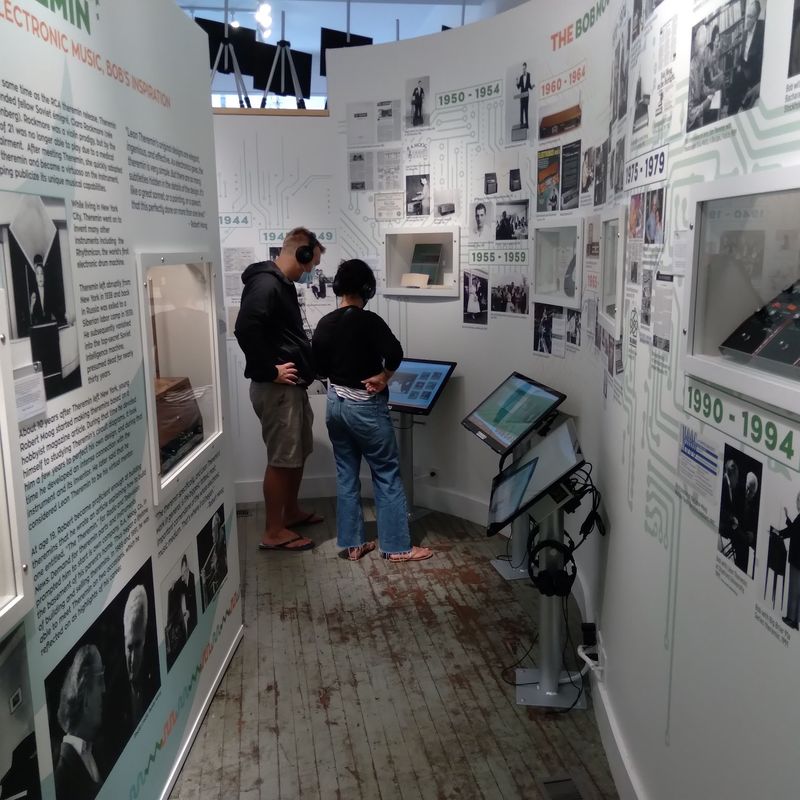
Electricity can feel invisible and confusing, but Moogseum turns it into something you can hear.
That is a big reason the museum works for curious visitors of different ages.
Instead of tossing out hard words, the exhibits connect sound science to real examples.
You may learn how electricity becomes vibration, and how vibration becomes sound.
That idea is easier to understand when you can listen as a tone changes.
A tiny adjustment can show more than a long textbook page.
Some exhibits use screens, listening stations, and interactive parts to explain the history and technology of synthesis.
If you are visiting with kids or teens, encourage them to test one thing at a time.
Changing too many controls at once can make the results harder to follow.
The museum is especially useful for people who like to know how things work.
It links science, music, and design in a way that feels natural.
You are not just learning facts, you are hearing what those facts do.
Take breaks as you move through the displays, because there can be a lot of sounds to absorb.
Reading, listening, and experimenting all use attention in different ways.
A slower pace helps the ideas stick, and it makes the visit more fun than simply checking exhibits off a list.
6. Music Lovers Get A Pilgrimage Spot Downtown
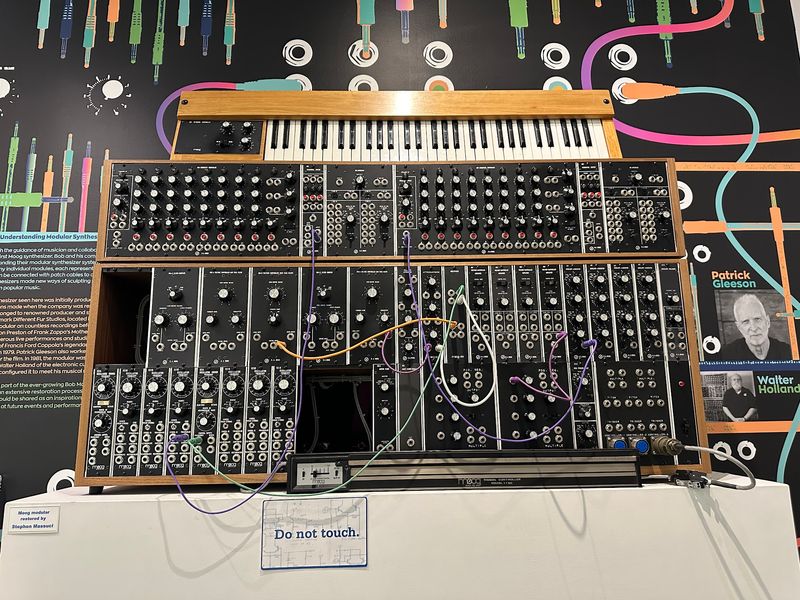
For some travelers, Moogseum is not just a stop, it is the reason they came.
Fans of electronic music, synth-pop, EDM, film music, and classic rock often see it as a special pilgrimage spot.
The museum honors tools that helped build entire styles of sound.
Many songs from the last several decades carry the influence of Moog synthesizers and similar instruments.
Once you understand that, the exhibits feel like a backstage pass to music history.
You begin to hear familiar songs in a new way.
The museum can be especially rewarding for keyboard players, producers, DJs, stage techs, and studio fans.
They may want extra time to read details, study equipment, and enjoy the interactive stations.
A casual visitor might spend an hour, while a serious synth fan could easily stay longer.
Still, the place is not only for experts.
If your group includes someone who loves music and someone who only knows the radio hits, both can find a way in.
One person may focus on gear, while another connects the sounds to memories.
Because Moogseum is located in downtown Asheville, it fits nicely into a music-themed day.
Check its hours, arrive with curiosity, and leave room for the gift shop.
For music lovers, this small museum can feel like finding a secret chord hidden in the city.
7. A Photo-Free Policy Keeps The Surprise Intact

Your phone may have to rest during the visit, and that can actually be a gift.
Many visitors note that photos and videos are not allowed inside Moogseum.
At first, that may sound disappointing, but it helps protect the surprise of the exhibits.
A no-photo rule encourages people to pay attention in a different way.
Instead of hunting for the perfect picture, you listen more closely and notice small details.
In a museum built around sound, that matters.
Before you go, let your group know about the policy so no one feels caught off guard.
Take pictures outside the museum or near approved areas if available, then put the camera away.
Respecting the rule helps staff protect the displays and the visitor experience.
This also makes the museum feel more personal.
The memories you carry out are based on what you tried, heard, and learned, not just what you saved on a screen.
That can be refreshing during a trip where every stop becomes a photo task.
If you like sharing travel tips online, write notes after your visit instead of posting indoor images.
Mention your favorite station, the theremin challenge, or the compact but information-rich layout.
A thoughtful review can help future visitors while still honoring the museum’s rules.
8. The Gift Shop Helps Support A Creative Legacy

A good museum shop feels like one last exhibit, and Moogseum’s shop adds to the experience.
Visitors often mention finding shirts, stickers, and Moog-inspired items near the end of their stop.
It is a fun place to pick up a reminder of the sounds you explored.
Purchases can also support the Bob Moog Foundation, which operates the museum as an independent nonprofit effort.
That detail is useful because Moogseum is separate from the Moog Music company and is not a showroom for buying new synthesizers.
Visitors should arrive expecting a museum, not a retail instrument store.
This difference matters if you are a musician hoping to test or purchase current gear.
The exhibits may let you interact with certain instruments, but the museum’s main purpose is education and preservation.
Knowing that ahead of time helps set the right expectations.
The shop is still worth browsing, even if you do not plan to spend much.
A small sticker, book, or shirt can start conversations later with friends who ask what Moogseum is.
Souvenirs from unusual museums often carry better stories than generic travel trinkets.
Before leaving, consider asking staff a question if they are available.
Many visitors have praised the museum’s helpful and knowledgeable team.
A short chat can point you toward a favorite exhibit detail you missed, making your visit end on a bright note.
Share this story