Some Colorado recipes have outlived changing neighborhoods, dining trends, and generations of customers. Inside longtime restaurants across Pueblo, Denver, Trinidad, and smaller communities, familiar dishes still arrive with stories that began decades ago in family kitchens.
Green chile might follow a treasured house formula, while an old sauce, handmade specialty, or traditional preparation connects today’s plate with the restaurant’s earliest years. That continuity gives dinner something a brand-new dining room cannot manufacture: a genuine link to the people who cooked there before. At these 12 Colorado institutions, ordering a favorite dish can feel a little like tasting local history.
1. Ianne’s Pizzeria (Pueblo)
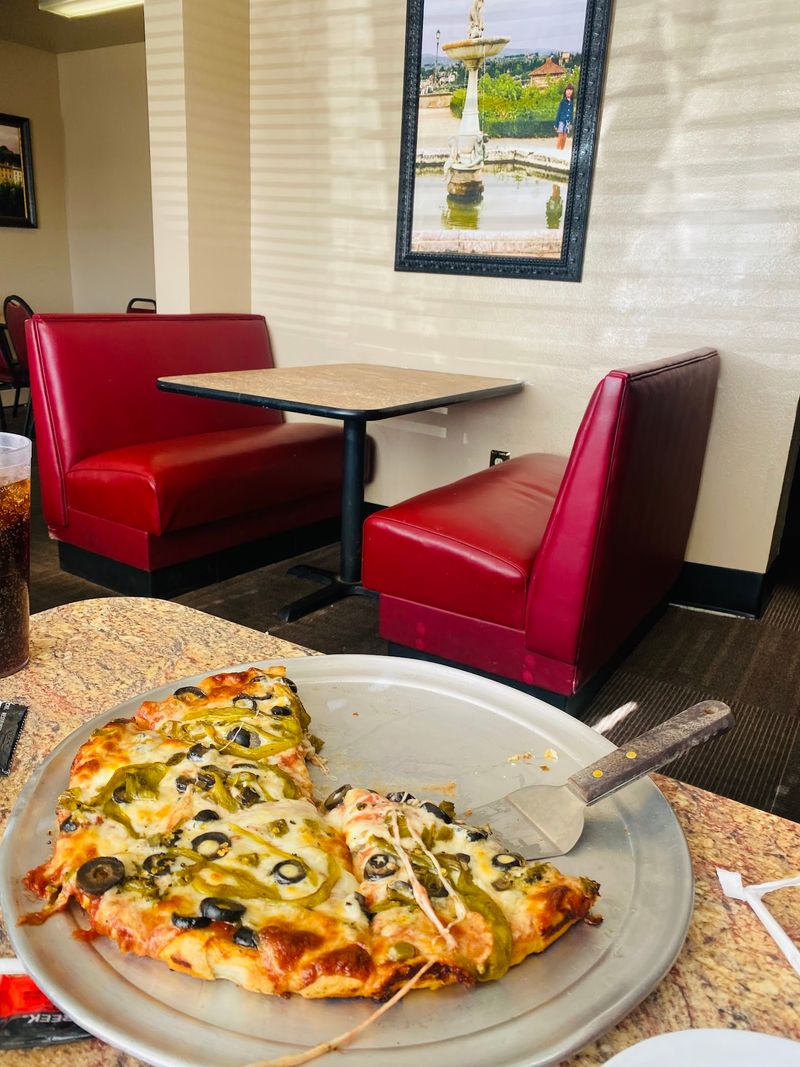
In Pueblo, a restaurant does not last for generations by chasing every passing food craze. Ianne’s Pizzeria, founded by Tony and Helen Ianne in 1954, stands out because the family says the original recipes still guide the menu today.
That direct link matters when a place is known for staples like sausage, dough, meatballs, tomato sauces, lasagna, and salad dressings made in-house.
Five generations of the family have worked in the restaurant, and that kind of continuity says a lot before a single plate reaches the table. Instead of treating old recipes like decoration, Ianne’s presents them as the backbone of the business.
For diners, that means the core flavors are tied closely to the people who built the restaurant and kept it moving year after year.
Pueblo is famous for its own Italian-American food traditions, so Ianne’s fits into a larger local story while still holding a clear family identity.
A visit here is a smart way to notice how everyday foods, especially dough, sauce, and sausage, can carry history without needing a fancy explanation. The strongest clue is often the simplest one: a restaurant still trusting the same basics after decades in business.
Anyone curious about old-school Colorado dining should pay attention to places like this because recipe continuity rarely survives intact. Menus change, owners change, and habits change.
Ianne’s shows a different path, one built on repeating family methods carefully enough that a meal today still reflects choices made back in the 1950s, which is exactly the kind of living food history that gives a local institution its staying power.
2. Pass Key Restaurant (Pueblo)
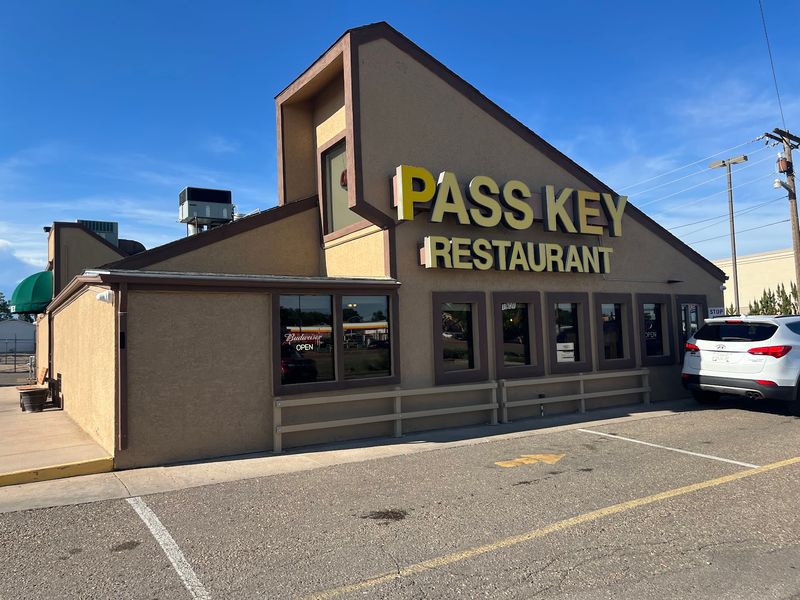
Some restaurants survive by changing constantly. Pass Key Restaurant in Pueblo took the opposite route and built its name around familiar Italian-American flavors tied to the Pagano family’s restaurant history, which reaches back to the early 1950s.
That steady approach gives the place a clear role in the city’s food culture, especially for diners who know Pueblo has its own distinct style.
Its longtime specialties, including Italian sausage and the well-known Pass Key Special, are rooted in the cooking that established the restaurant’s reputation in the first place. That matters for a list like this because the food is not presented as a new interpretation of an old idea.
Instead, the restaurant has stayed connected to the flavors that made people recognize the name across generations.
There is also a practical lesson in Pass Key’s long run. Familiar dishes can become local landmarks when a restaurant keeps making them with care and does not toss them aside every time dining trends shift.
In a world full of limited-time menus and constant rebranding, there is real value in a kitchen that understands exactly what its customers expect from a signature item.
For visitors, Pass Key offers a useful window into Pueblo’s broader Italian-American story, not just one family’s business history. The menu helps show how regional traditions stay alive through repeated meals, neighborhood loyalty, and recipes people learn to identify almost by memory.
That kind of staying power is hard to fake, and it helps explain why a restaurant centered on classic sausage, dependable house specialties, and old habits still holds a strong place in Colorado’s dining conversation.
3. Lee’s Bar-B-Q (Trinidad)
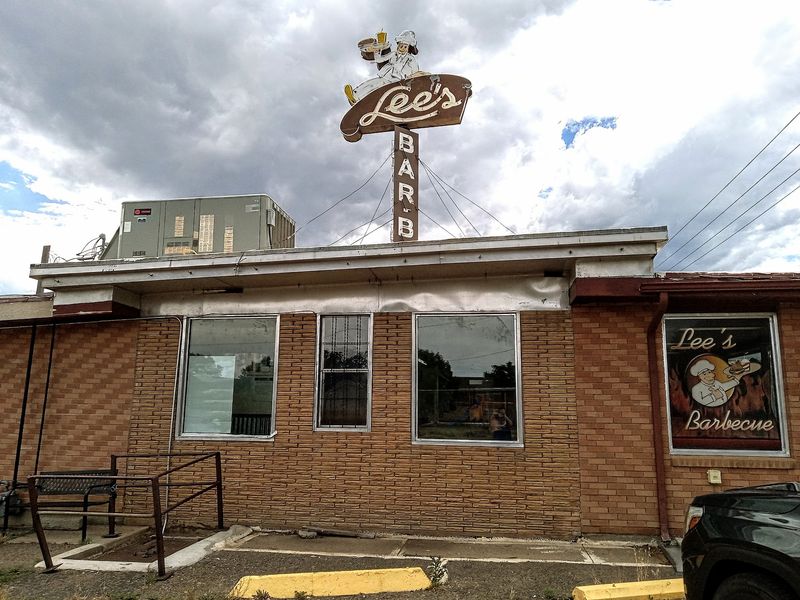
Barbecue restaurants often build fierce loyalty, and Lee’s Bar-B-Q in Trinidad has had plenty of time to earn it. Dating to 1938, Lee’s is one of the oldest names in this group, and its story gets even more interesting because the recipes and style survived an ownership change.
When the Mattorano family took over, the established barbecue and chile traditions were kept in place instead of being wiped clean.
That decision is a big part of why Lee’s still matters in southern Colorado. A handoff from one owner to another can easily turn a long-running restaurant into a completely different place with an old sign out front.
Here, continuity became the priority, allowing diners to keep finding the old-school character that made Lee’s a fixture in the first place.
Trinidad has long been shaped by regional food traditions, especially where chile enters the picture, so Lee’s fits naturally into the area’s identity. Its place on this list is not based on novelty.
It comes from the idea that preserving an existing recipe tradition can be just as meaningful as passing it down within a single family name, especially when the result still speaks clearly to the town’s history.
For readers planning a stop, Lee’s represents a useful reminder that historic restaurants are not only about age. The more revealing question is whether the food still carries the same flavor logic that built the restaurant’s reputation decades earlier.
At Lee’s, the answer appears to be yes, and that makes the restaurant a strong example of how local institutions can hold onto their roots even while the people in charge change over time.
4. Santeramo’s Pizza House & Italian Food (Greeley)
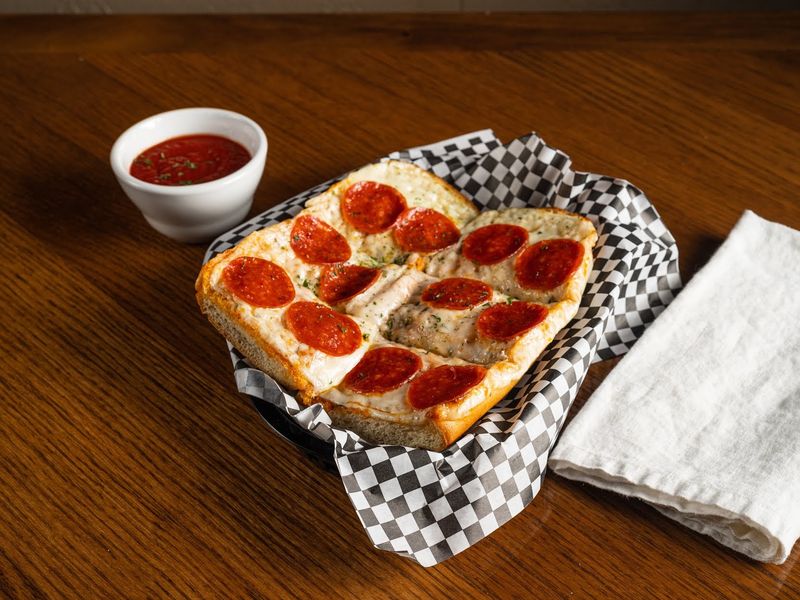
Family restaurant stories do not always move in a straight line, and that is part of what makes Santeramo’s Pizza House and Italian Food in Greeley so interesting. Lawrence and June Santeramo began the family’s restaurant story in 1962.
After the original restaurant closed, later generations brought the family name and its cooking traditions back in 2008.
That revival gives Santeramo’s a slightly different kind of historical weight. Instead of simply continuing without interruption, the restaurant reconnects modern Greeley diners with dishes that people in town had already tied to the Santeramo name.
Pizzas, pastas, sauces, and other Italian-American comfort foods become more than menu items when they act as the bridge between an earlier chapter and a new one.
There is a practical reason this matters for anyone interested in historic food places. Recipes survive in different ways.
Sometimes they stay in one building the whole time, and sometimes they return through family memory, repeated methods, and a commitment to preserving familiar flavors when a restaurant comes back to life. Santeramo’s shows how culinary legacy can be restored instead of lost.
For readers looking at Colorado’s restaurant history, Greeley deserves attention right alongside larger cities. Santeramo’s helps prove that local food traditions are often protected by families willing to do the slower work of revival, not just expansion.
A meal here connects to an earlier family venture from the 1960s while still serving present-day diners who want pizza, pasta, and red-sauce classics made with a sense of continuity. That balance between memory and daily business gives the restaurant its special place on this list.
5. Romano’s Italian Restaurant (Littleton)
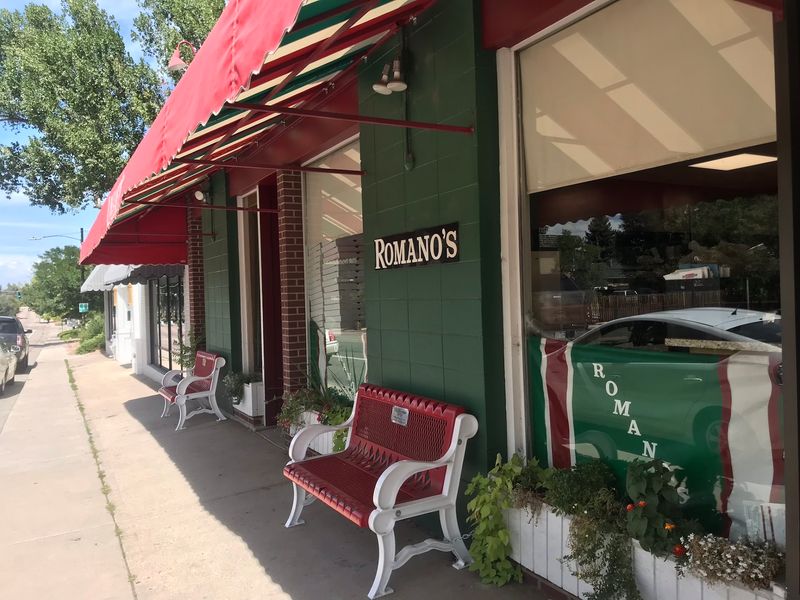
Nearly six decades in the same location is a serious achievement for any restaurant, especially one tied so closely to family tradition. Romano’s Italian Restaurant in Littleton opened on Windermere Street in 1967, started by Neil and Ellie Romano.
Over the years, the restaurant has remained linked to the family’s Italian-American roots instead of drifting away from the standards that shaped it.
The backstory adds extra depth without needing much embellishment. Romano’s credits its standards to traditions that reach even further back, including what Neil learned in his mother’s Manhattan kitchen and the work ethic of earlier generations in the family.
That means the food is connected not just to a business opening date, but also to cooking habits formed before the restaurant itself existed.
For local families, a place like Romano’s often becomes part of the map of everyday life. Birthdays, weeknight dinners, and repeat visits all build a different kind of history than plaques on a wall.
When the same address keeps serving familiar Italian-American dishes year after year, it helps create a sense of continuity for the community as well as for the family behind the menu.
Readers exploring Colorado food traditions should notice how much staying in one spot can matter. Restaurants move, rebrand, and disappear so often that a long-running location becomes part of the story.
Romano’s offers a strong example of endurance built around inherited standards rather than reinvention. The draw here is simple and durable: recipes shaped by family memory, a Littleton address that generations recognize, and a steady commitment to serving the kind of food that first made the restaurant part of local routine.
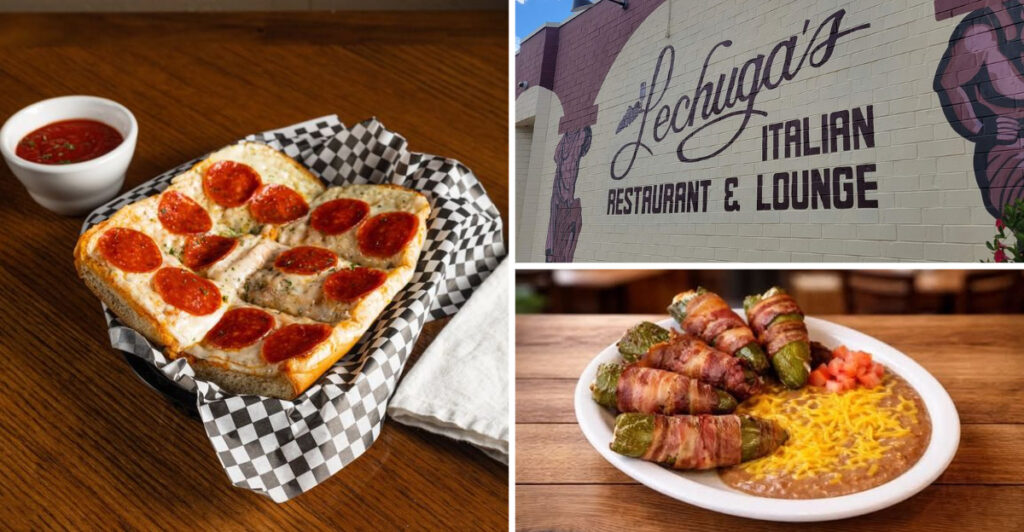
6. Lechuga’s Italian Restaurant (Denver)
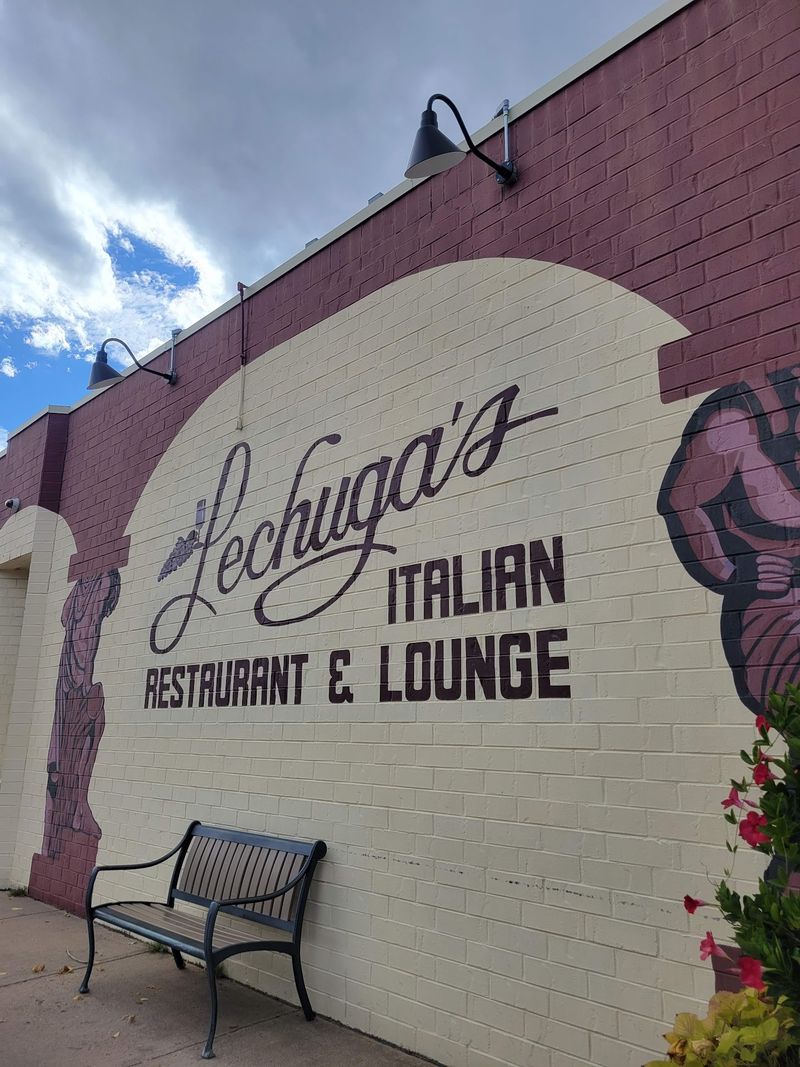
North Denver has long been one of Colorado’s strongest centers of Italian-American food, and Lechuga’s Italian Restaurant sits right in that tradition. Since 1961, the restaurant says it has kept the same recipes from day one.
That kind of statement fits this topic almost perfectly because it points directly to continuity, not a vague nod to the past.
Fresh pasta, sauce, and bread are still prepared using long-used family recipes, and the restaurant has also said it uses the same ingredients linked to the original bakery.
History Colorado has documented continued use of the Carbone family recipe, which gives extra context to the restaurant’s long-standing claims. Together, those details show how Lechuga’s ties present-day service to a much earlier kitchen tradition.
For diners, that creates a rare chance to taste a menu built around consistency instead of reinvention. Bread and pasta might sound ordinary on paper, but they reveal a lot when a family has made them the same way for decades.
Small choices, like how sauce is handled or how dough is prepared, often carry more history than a flashy signature dish designed for quick attention.
Lechuga’s also helps explain why neighborhood restaurants matter so much to a city’s identity. They preserve habits, ingredients, and recipes that newer places may admire but cannot fully reproduce without the same history behind them.
Anyone trying to understand Denver through food should look closely at the places that kept old formulas alive while the city changed around them.
Lechuga’s earns its place here by doing exactly that with clear family ties, a well-established North Denver presence, and recipes that remain central to the restaurant rather than tucked away as a marketing detail.
7. Black Steer Steakhouse (Loveland)
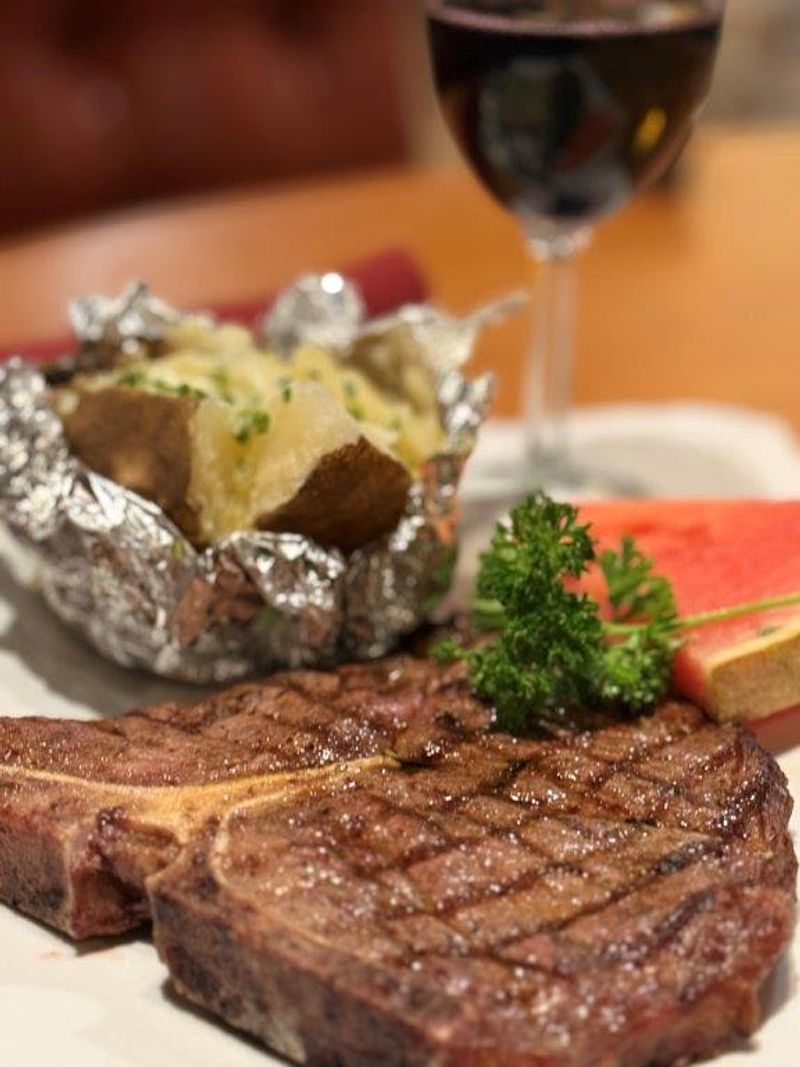
Not every restaurant on a heritage list needs to follow the exact same family tree. Black Steer Steakhouse in downtown Loveland offers a different version of longevity, one centered on preserving established recipes and standards after ownership changed.
Open since 1966, it remains one of the city’s longest-running dining institutions, which already puts it in rare company.
When family owners took over in 1992, the restaurant says their philosophy stayed focused on tradition, including maintaining its classic recipes and quality. That point matters because many ownership changes lead to a full reset.
Black Steer instead presents continuity as part of the job, treating the restaurant’s existing identity as something to protect rather than replace.
A steakhouse can seem less obviously tied to handed-down recipes than a pizzeria or tamale kitchen, but the core idea still fits. Long-used preparations, familiar sides, dependable house standards, and a steady approach to quality can define a place just as clearly as a single sauce recipe.
Diners often notice when a restaurant still respects the style that made it a local mainstay in the first place. For readers interested in Colorado food history, Black Steer is useful because it broadens the meaning of generational survival. Sometimes a restaurant’s legacy is carried by direct descendants.
Other times, it survives because later owners understand they are temporary caretakers of something bigger than themselves. In Loveland, Black Steer stands as a reminder that tradition can be protected by choice as well as inheritance.
That makes it a strong addition to this list, especially for anyone curious about how classic downtown restaurants hold their ground while newer dining trends keep circling around them.
8. Roman Villa Pizza (Colorado Springs)
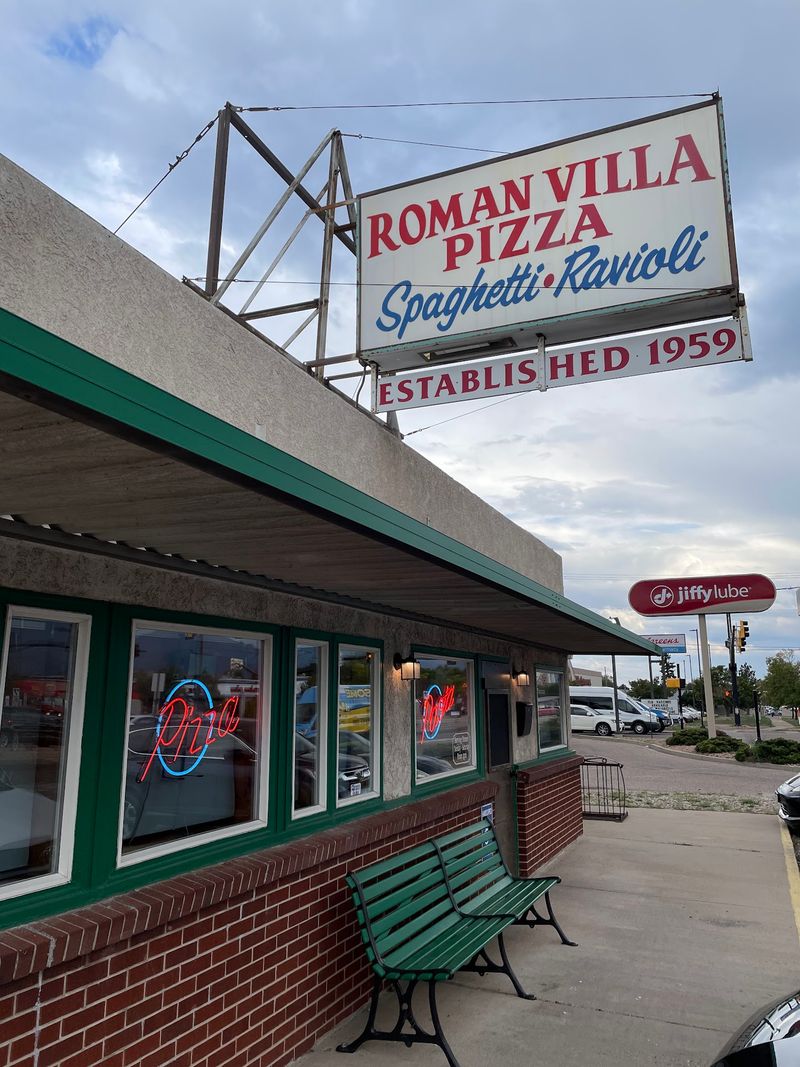
Colorado Springs has changed a great deal over the decades, yet Roman Villa Pizza has remained part of the city’s food landscape since 1959. That kind of long run is impressive on its own.
Add in generations of the same family carrying the restaurant forward, and the place becomes an especially clear example of culinary continuity in a fast-changing city.
The heart of Roman Villa’s story is not flashy. Familiar pizzas, sauces, and other Italian specialties have stayed central while the city around them expanded, modernized, and shifted in character.
When a family keeps cooking within the same tradition across multiple generations, the result is more than a menu. It becomes a steady reference point for local diners who want food connected to memory as well as appetite.
There is also something practical to learn from a place like this. Restaurants do not preserve history only through framed photos or old signs.
They do it through repeated kitchen choices that hold the line on flavor. A sauce recipe, a dough method, or a long-trusted style of pizza can preserve a business identity more effectively than any branding refresh ever could.
Roman Villa earns its place on this list because it represents the type of family continuity that is getting harder to find. Many restaurants can say they are longtime favorites, but fewer can point to decades of the same family carrying the food tradition onward.
For travelers and local readers alike, Roman Villa offers a straightforward way to see how a historic restaurant stays relevant. It keeps serving recognizable dishes rooted in family practice, giving Colorado Springs one more direct connection to its own mid-century dining history.
9. Nino’s Del Sol (Alamosa)
A restaurant can be younger than its recipes, and Nino’s Del Sol in Alamosa proves the point beautifully. Nino’s opened in 1997, but the food story behind it reaches back much further.
The Masias and Baca families trace their Colorado restaurant tradition to the 1940s, and the restaurant says it still follows recipes and procedures passed down by grandparents and earlier family cooks.
That long chain of names matters because it shows how culinary tradition often lives inside families before it appears under a single restaurant sign.
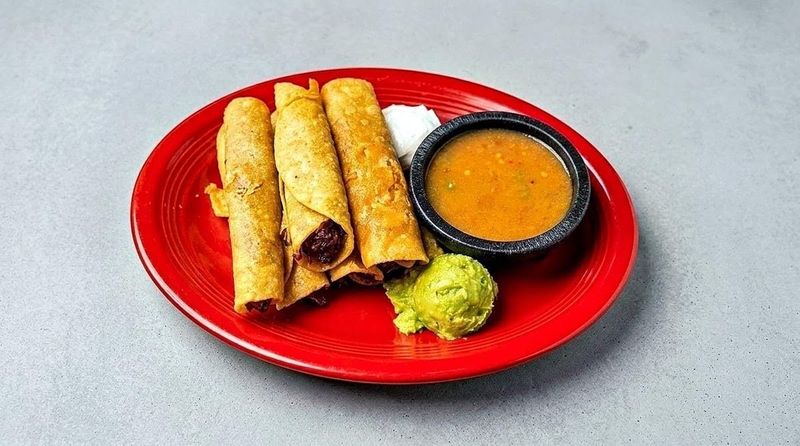
At Nino’s, tamales and green chile remain central to a Chicano cooking tradition tied to Joe and Efrosina Baca, Joe Masias, and Mary Cipriana Padilla Madrid Masias. The result is a menu shaped by inheritance in a very direct way.
For readers, this is a helpful reminder that restaurant history is not always measured only by opening dates. Sometimes the deeper question is how far back the cooking methods go and whether they are still being followed with care.
Nino’s stands out because it connects a present-day dining room to family procedures that reportedly survived through multiple generations before and after the restaurant opened.
Alamosa also gives the story regional flavor. In southern Colorado and the San Luis Valley, green chile and tamales are not side notes to local food culture.
They are central markers of place, memory, and community. Nino’s Del Sol fits this list because it keeps those traditions visible through recipes said to be handed down over decades.
Anyone interested in Colorado’s historic foodways should look beyond the biggest cities and notice restaurants like this, where family cooking traditions remain active, specific, and closely tied to the people who preserved them.
10. Las Delicias (Denver)
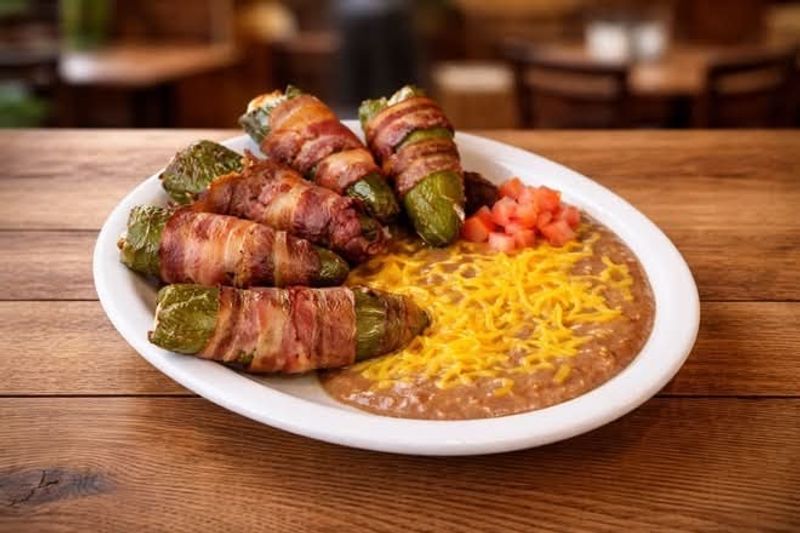
Long before Denver filled up with trendy taco counters and polished cantinas, Las Delicias was building its name around family cooking. Roberto Torres and his family brought the restaurant to Denver in 1976, but the recipes behind it go back much further.
The company explicitly says those dishes were handed down through generations, making the connection to family tradition unusually clear.
That clarity matters because many restaurants speak loosely about old influences while changing nearly everything on the plate. Las Delicias presents its culinary history as a living part of daily service across its Denver-area restaurants.
The food is not treated like a museum piece or a once-a-year special. It remains part of the regular experience, which is exactly what gives a recipe tradition staying power.
There is also an interesting city story here. As Denver grew and changed, Las Delicias kept serving family flavors rooted in Mexican cooking rather than acting as though its history belonged only to an earlier generation.
That kind of consistency helps a restaurant become part of a region’s food identity. Repetition, not novelty, is often what turns a dish into a lasting local favorite.
For anyone exploring Colorado through restaurants, Las Delicias shows how a family recipe tradition can scale without losing its reason for existing. The important detail is not simply that the business lasted.
It is that the restaurant still frames its menu around dishes passed down within the family. In a metro area where dining options multiply constantly, that approach gives Las Delicias a stable center.
Its place on this list comes from preserving inherited flavors in public view, decade after decade, while staying woven into Denver’s wider story of Mexican food.
11. DiRito’s Italian Restaurant (Cañon City)
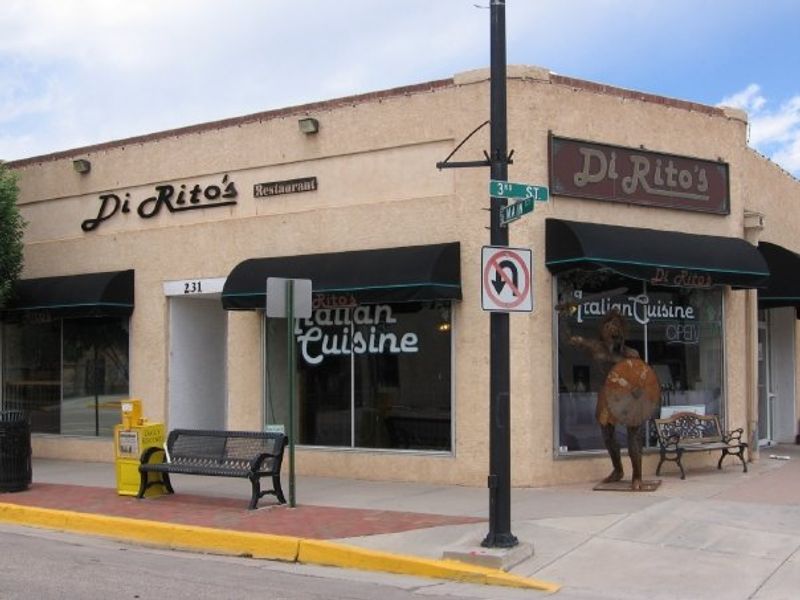
Some restaurant histories begin in a dining room. DiRito’s Italian Restaurant in Cañon City begins much earlier, with Bernardino DiRito arriving from Italy in 1909.
Over time, those family culinary traditions made their way into the restaurant, creating a present-day menu tied to more than a century of family story. That deep background gives DiRito’s a strong place in any conversation about inherited recipes in Colorado.
Today, the restaurant makes bread, meatballs, Italian sausage, ravioli, and other specialties from scratch. Local tourism sources have described its traditional recipes as having been passed down through generations, which aligns closely with the premise of this list.
Scratch cooking matters here because it suggests the restaurant is not just serving Italian-American dishes in name. It is preserving methods that require daily effort and repetition.
Cañon City might not be the first place outsiders think of for historic Italian food, which is part of the appeal. Colorado’s culinary history is spread across large cities and smaller communities alike.
Restaurants like DiRito’s show how immigrant family traditions took root in different corners of the state and stayed visible through bread dough, sausage, and pasta rather than through big publicity campaigns.
Readers looking for living food history should pay attention to the way DiRito’s connects migration, family memory, and current service. A recipe handed down across generations only remains meaningful if someone keeps making it.
That is where this restaurant stands out. Its menu points back to an early twentieth-century family origin while still operating as a practical neighborhood place to eat in the present.
Few things explain continuity more clearly than bread, ravioli, and meatballs still being made from scratch under the same family tradition.
12. The Original Chubby’s Mexican Food (Denver)
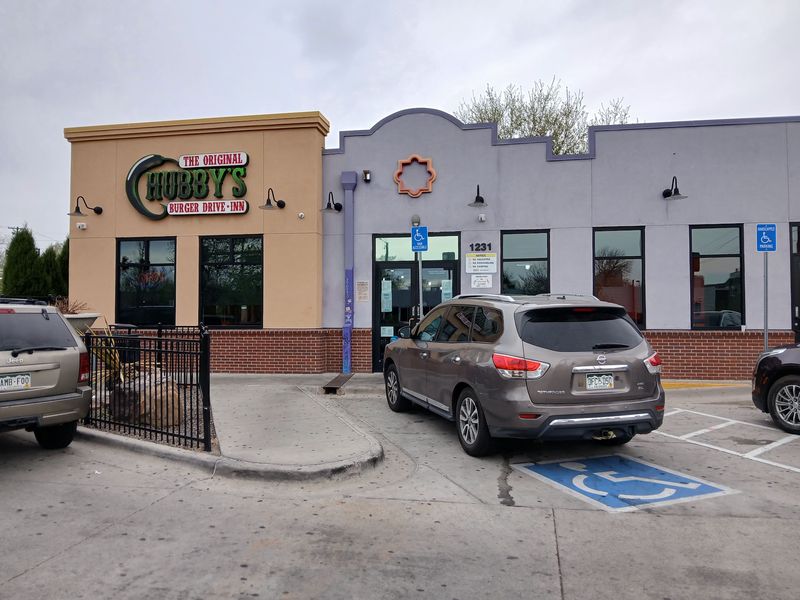
Few Denver food stories are as tied to one dish as Chubby’s is to green chile. The Original Chubby’s Mexican Food traces its modern identity to the late 1960s, when Stella Cordova took over the former Chubby Burger Drive-In and added the Mexican specialties that shaped its future.
That move turned the restaurant into a local standard with a recipe tradition linked closely to one family. Stella’s green chile became especially famous, feeding generations of Denver customers and helping define a distinctly local style of comfort food.
Later, the restaurant tradition passed into the Cordova family, with Stella’s descendants continuing to cook recipes associated with their grandmother.
That kind of family transfer gives the place a strong claim to this list because the food remains connected to a specific person and her kitchen legacy.
Green chile in Denver is never just a side detail. It is part of the city’s everyday food language, turning up on burritos, fries, and late-night cravings with equal force.
Chubby’s matters because it helped shape that local conversation rather than simply joining it after the fact. When a family recipe becomes woven into a city’s eating habits, the restaurant behind it gains a different kind of historical weight.
For readers, Chubby’s offers a good example of how restaurant heritage can be bold, practical, and unmistakably regional. There is no need for complicated storytelling when one recipe has already carried the name across decades.
The strongest thread here is continuity through family hands, with descendants preserving dishes associated with Stella Cordova while Denver keeps changing around them. That is why The Original Chubby’s belongs on this list: not just because it is old, but because its family recipe tradition still speaks in a flavor many Colorado diners know immediately.