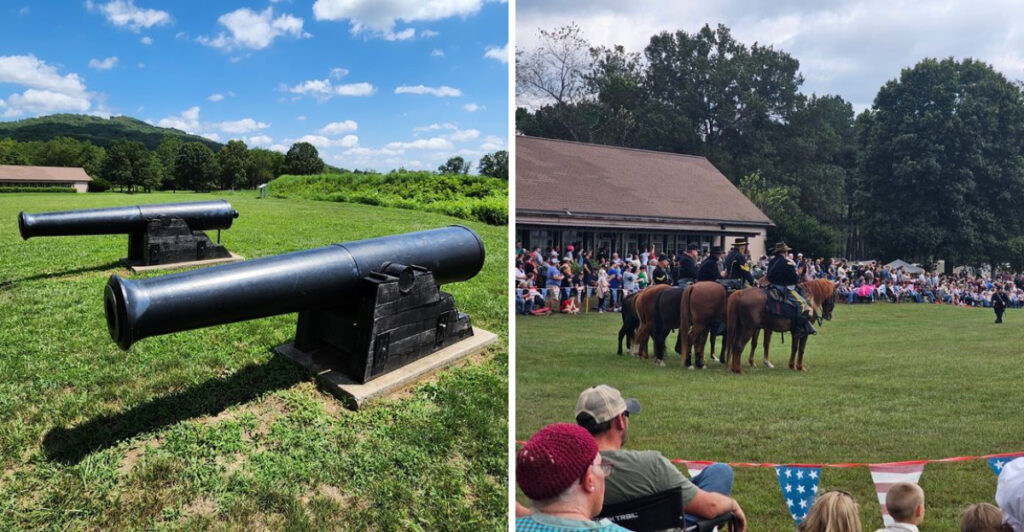
Battle of Pilot Knob State Historic Site in Pilot Knob, Missouri, lets visitors walk through a real Civil War battlefield without paying admission. The park preserves the remains of Fort Davidson, an earthen fort that became the center of a fierce battle in 1864.
Today, families, history fans, and curious travelers can explore the museum, outdoor markers, cannons, and open grounds. It is a small place with a big story, and it makes Missouri history feel close enough to touch.
1. Walk The Earthworks Of Fort Davidson
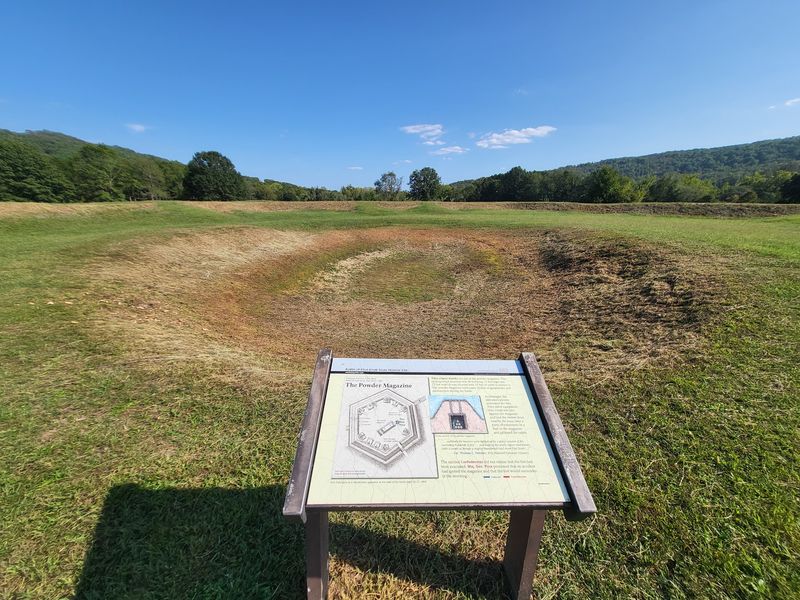
A low grassy ring may not look like a movie-style fortress at first, but Fort Davidson becomes powerful once you know what happened here.
The fort was built from earth, not stone, and its raised walls and deep ditch were meant to slow attackers and protect Union soldiers inside.
As you walk the grounds, try to picture the scene on September 27, 1864.
Confederate troops attacked during General Sterling Price’s Missouri Raid, while a much smaller Union force held the fort under heavy pressure.
The open space helps you understand how exposed the attackers were as they crossed toward the defenses.
The remains are easy to explore at your own pace.
Stay on marked paths, read the signs, and take time to look across the field from different angles.
The fort is not huge, which actually makes the story easier to follow for kids and first-time visitors.
One detail many people remember is the site of the powder magazine explosion after Union troops left during the night.
That event helped keep supplies out of enemy hands and added a dramatic ending to the battle.
Standing near the old fort, you can see why this quiet grassy place still matters.
Wear comfortable shoes, bring water in warm weather, and give yourself time to slow down.
The value of Fort Davidson is not in towering walls, but in the story held by the ground beneath your feet today.
2. Start Inside The Visitor Center Museum
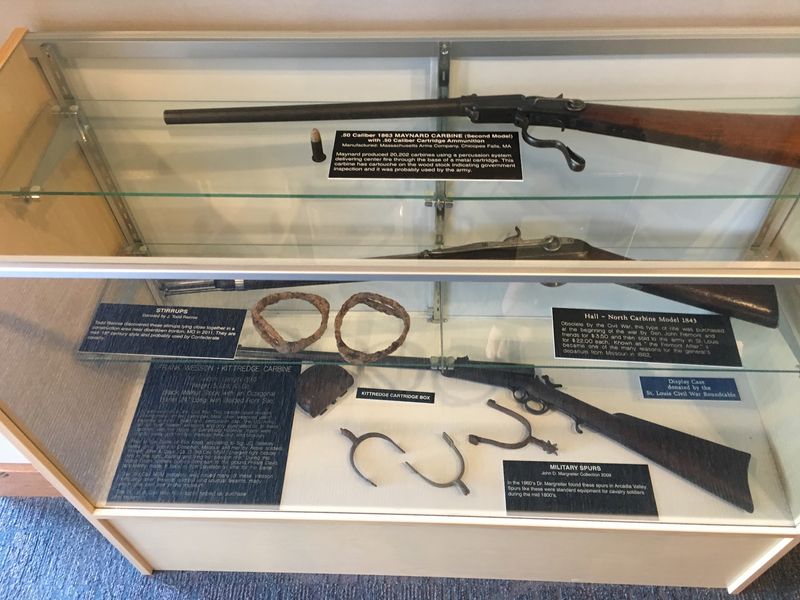
The museum is the best first stop because it gives shape to everything you will see outside.
Visitors often say the fort makes much more sense after viewing the exhibits, and that is easy to understand.
A grassy battlefield can feel quiet until the people, maps, weapons, and timelines bring it back to life.
Inside, you can find artifacts connected to the battle and the wider Civil War story in Missouri.
Displays may include weapons, relics, written information, and exhibits that explain why Pilot Knob mattered.
The site protected nearby iron resources and sat in a region that both sides considered important.
The visitor center is also a welcome break on a hot day.
Reviews often mention that the museum is modest in size, but full of useful details.
That makes it a good stop for families because younger visitors will not feel trapped in a huge building for hours.
Before heading out, ask staff if any special displays, films, or programs are available.
Hours can change, so calling ahead at 573-546-3454 is smart if the museum is a key part of your trip.
The outside grounds are often the star, but the museum gives you the background needed to notice small things on the battlefield.
Think of it as the guidebook before the walk, helping every sign, cannon, and earthwork tell a clearer story.
Plan at least twenty to thirty minutes here before exploring outside.
3. Follow The Outdoor History Markers
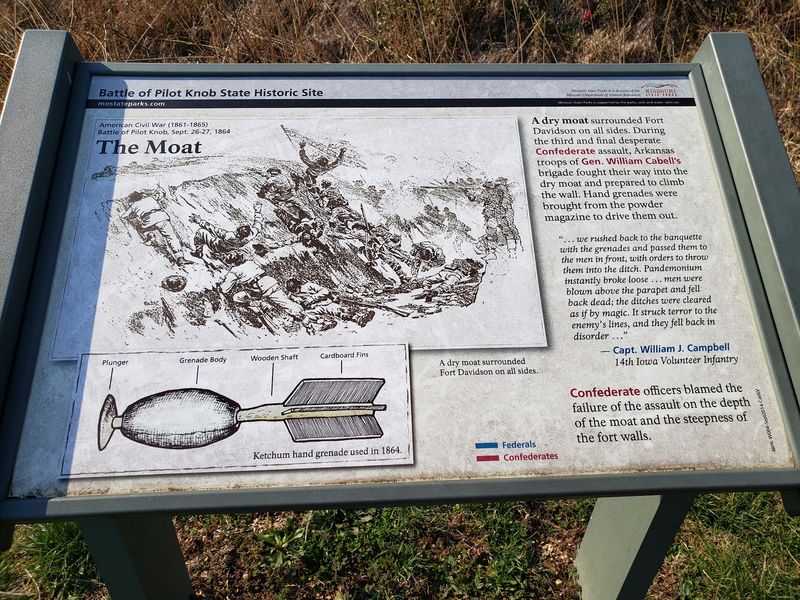
A good history marker can turn a simple walk into a story trail, and the signs at this site do exactly that.
Instead of leaving visitors to guess what happened, the outdoor panels explain the battle in steps.
They help you match the quiet park around you with the loud, confusing events of 1864.
Reading the markers in order is one of the easiest ways to tour the site without a guide.
You can learn where troops moved, how the fort was defended, and why the battle became so costly.
The language is meant for regular visitors, so you do not need to be a Civil War expert to follow along.
Families can make the walk more engaging by giving kids a simple mission.
Ask them to find a date, a general’s name, or a clue about why the fort was built here.
Small goals keep young readers involved and help them remember the visit later.
The signs also encourage you to look beyond the fort itself.
Nearby hills, open ground, and sight lines all played a role in the fight.
Take your time between panels instead of rushing from one to the next.
Pause, look around, and imagine how different the same space felt during battle.
The markers are free, always useful, and one of the best tools for understanding why Pilot Knob has been preserved as a state historic site.
Bring a phone for photos of key panels if you want to review details later.
4. See The Cannons Up Close
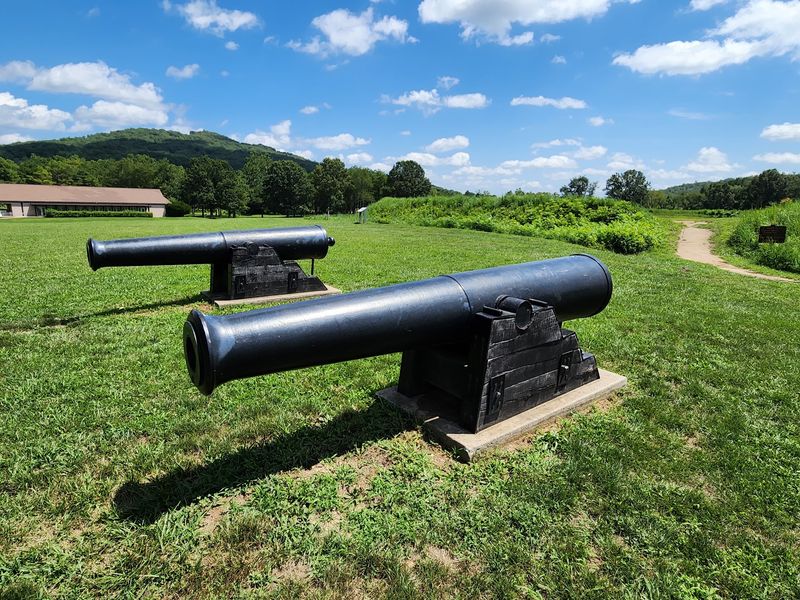
Kids often spot the cannons before anything else, and honestly, many adults do too.
The big iron guns give the battlefield a strong visual anchor.
They help visitors imagine how Fort Davidson was defended when Confederate forces pushed toward the walls.
Cannons were not just loud symbols of war.
They shaped the way soldiers moved, attacked, and protected positions.
At Pilot Knob, artillery inside and around the fort helped the Union force resist a much larger number of attackers.
Seeing the guns on the grounds makes that part of the story easier to picture than reading about it alone.
Be respectful when visiting the cannon displays.
They are popular photo spots, but they are also reminders of a battle where many people were hurt or killed.
Children can enjoy looking at them while still learning that these objects were dangerous tools, not toys.
Try standing near a cannon and looking across the open field.
Ask yourself how far you can see and what it would feel like to hear orders, smoke, and shouting in that space.
Those simple questions help turn a quick stop into a meaningful visit.
If you are taking photos, include the fort earthworks or signs in the background so the picture tells more of the story.
The cannons add excitement, but their real value is helping visitors connect with the choices soldiers faced on this ground.
They make the past feel solid, heavy, and close.
5. Watch The Battle Film If It Is Available
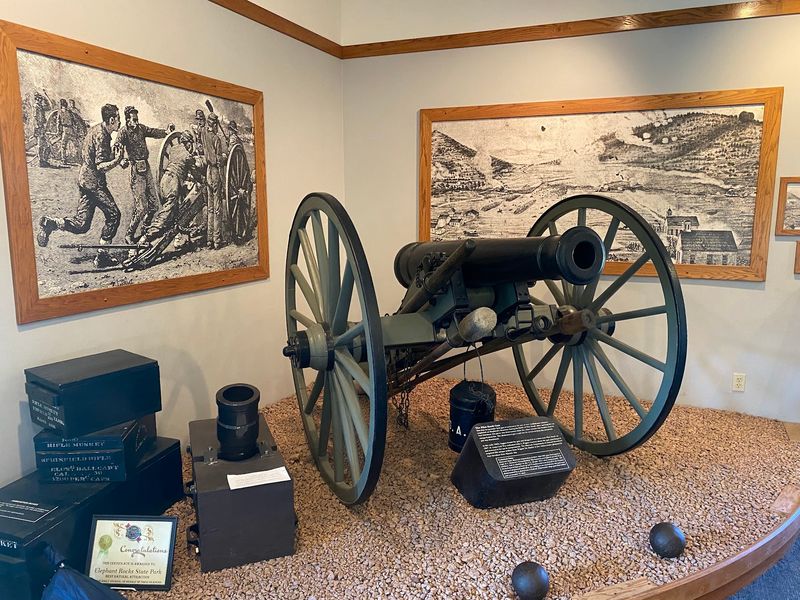
Sometimes the easiest way to understand a battlefield is to sit down first.
The visitor center has been known to offer a short educational film about the Battle of Pilot Knob, and many guests recommend watching it before walking the grounds.
A map on a screen can make troop movements much easier to follow.
The film helps explain why the battle happened, who was involved, and how Fort Davidson became the focus of the attack.
Reviews mention films of different lengths, so the exact program may vary.
Even a brief video can give helpful background, especially if you are visiting with someone who does not know much Civil War history.
Ask a staff member whether the film or any interactive display is working that day.
Like many small historic sites, equipment can sometimes be down or unavailable.
A quick question at the desk can save time and may lead to extra tips about what to notice outside.
If you are traveling with kids, the film can also help them settle into the story.
After watching, they may recognize names, places, or events when they read signs near the fort.
That small spark of recognition makes the outdoor tour more fun.
Pair the video with the museum exhibits, then walk outside while the story is still fresh.
The battlefield will feel less like an empty lawn and more like a place where real people made hard choices in a tense moment.
It is a simple step that can deepen the whole visit.
6. Visit During A Reenactment Weekend
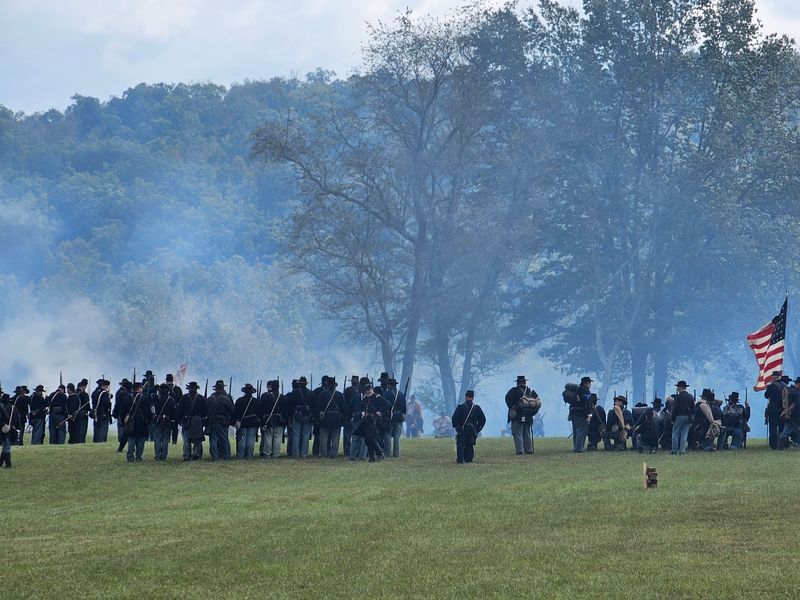
On reenactment days, the quiet battlefield feels completely different.
Uniformed reenactors, camps, demonstrations, and crowds can help visitors picture the Civil War era in a way signs alone cannot.
Many people who love the site mention the reenactment as a favorite family event.
These programs are usually tied to the history of the 1864 battle and may include living history camps, military drills, talks, and vendors.
The sights and sounds can be exciting, but they also show how difficult daily life was for soldiers.
Canvas tents, period clothing, and camp tools give the story texture.
If you want to attend, check the Missouri State Parks website before you go.
Dates, schedules, parking plans, and activities can change.
Big event days may draw more visitors than a normal afternoon, so arrive early and bring patience, water, sunscreen, and comfortable shoes.
Reenactments can be especially helpful for young learners because they make history active.
Still, it is a good idea to explain ahead of time that the event represents a real battle with real loss.
That helps children enjoy the experience while showing respect for the site.
Bring a camera, but also take moments to simply watch and listen.
The boom of demonstrations, the smell of campfires, and the look of the uniforms can make the past easier to remember.
A reenactment weekend turns a short stop into a fuller history outing.
It is one of the liveliest times to see Pilot Knob.
7. Plan A Free Family Stop With Picnic Space
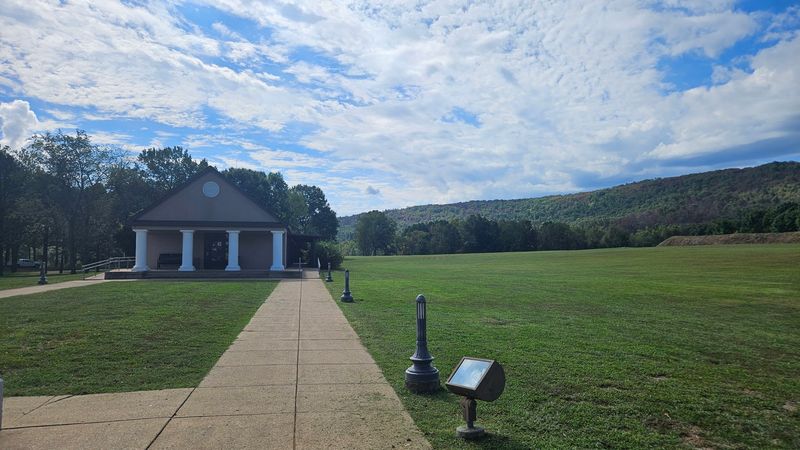
A free historic site with open space is a rare travel win, especially for families watching their budget.
Battle of Pilot Knob State Historic Site has no admission fee, and visitors often praise the clean grounds, picnic areas, parking, and playground.
That makes it easy to mix learning with a relaxed break.
You do not have to be a serious history fan to enjoy the stop.
A family can eat lunch under a pavilion, let kids stretch their legs, then walk the fort and read a few signs.
The site works well as a planned outing or as a meaningful pause during a drive through the Missouri hills.
Pack simple picnic items, water bottles, and maybe a blanket if you like sitting in the grass.
The open layout is helpful for groups because people can explore at different speeds.
Some may want every museum detail, while others may prefer the playground or shade.
Because the battlefield is also a memorial-like place, remind kids to treat the grounds kindly.
Running is fine in play areas, but climbing on sensitive earthworks or ignoring signs is not.
A visit here can teach both history and respect.
The best part is that the day can be as short or as long as you need.
Stop for thirty minutes, or stay longer with lunch and museum time.
For a free Missouri destination, it offers a lot: fresh air, a real Civil War fort, helpful signs, and space for the whole family to breathe.
It is practical, peaceful, and easy to recommend.
8. Notice The Missouri Hills Around The Battlefield
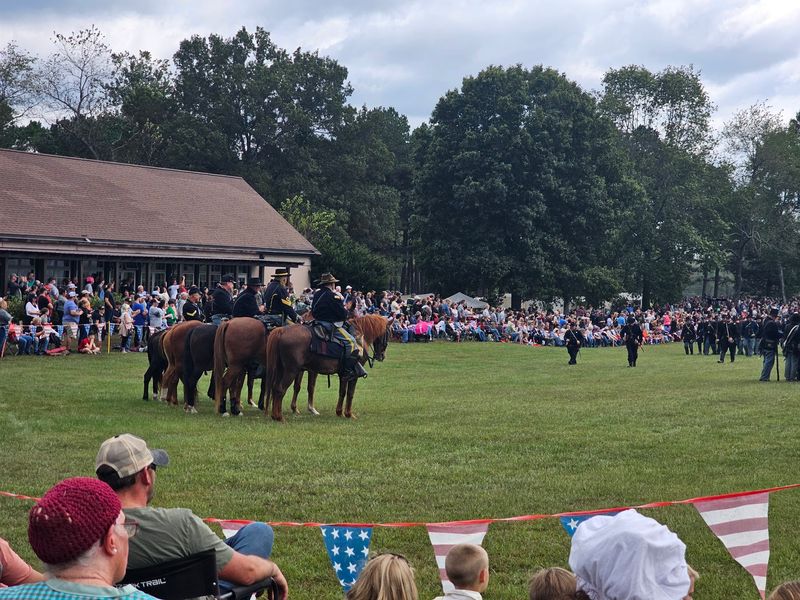
The setting is part of the story at Pilot Knob.
The site sits in a beautiful area of southeast Missouri, where hills rise around the battlefield and help explain why this place mattered.
Visitors often mention the drive, the scenery, and the feeling that history is tucked into the landscape.
During the Civil War, the region was important because of iron resources, transportation routes, and military control.
The nearby hills were not just pretty background.
They affected movement, visibility, and the choices made by both armies.
When you look around, you can see how the land shaped the battle.
Give yourself a few quiet minutes to look beyond the signs and cannons.
Notice the slopes, trees, and open ground.
This helps you understand that battles did not happen on flat maps.
They happened in real places with mud, heat, hills, fear, and confusion.
The scenery also makes the site pleasant for visitors who may not know much about military history.
A person can enjoy the calm park, take photos, and still learn something important along the way.
Fall color can be especially attractive in the surrounding region, while summer visits may call for hats and sunscreen.
If you enjoy combining history with a scenic drive, Pilot Knob fits that plan well.
The hills create a peaceful frame around a difficult story.
That contrast is part of what makes the historic site memorable, because beauty and hardship share the same ground here.
It feels quiet now, but the land still speaks.
9. Ask Staff For Tips Before Touring
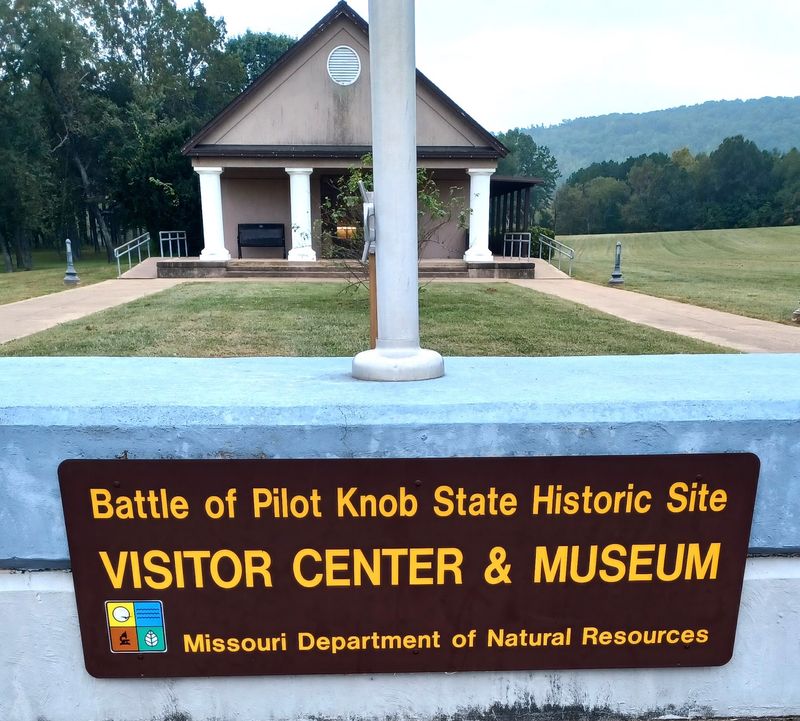
A short chat at the visitor center can make your tour smoother.
Staff and volunteers at small historic sites often know details that do not fit on signs.
They may point out the best walking route, explain current exhibits, or tell you whether a film, display, or program is available.
Reviews often describe knowledgeable and friendly staff, though experiences can vary depending on the day and staffing levels.
That is normal for smaller parks.
If you have a question, ask it clearly and kindly.
You might learn where to begin outside, what events are coming up, or which artifact has the most interesting backstory.
Good questions can open up the visit.
Try asking what most visitors miss, why the fort was placed here, or how long the outdoor walk usually takes.
If you are with children, ask if there is a simple way to explain the battle to younger learners.
Calling ahead is also helpful if you are traveling a long distance.
The listed phone number is 573-546-3454, and the official Missouri State Parks website can provide current hours and event information.
Even though the outdoor area may be open for walking, the museum schedule is worth checking.
A little planning can prevent disappointment if you hoped to see exhibits or watch the video.
Staff tips can turn the site from a self-guided stroll into a richer experience.
Think of them as local guides who help you notice what the battlefield is trying to tell you.
A friendly question can change the whole day.
10. Make It A Thoughtful Stop At 118 Maple Street
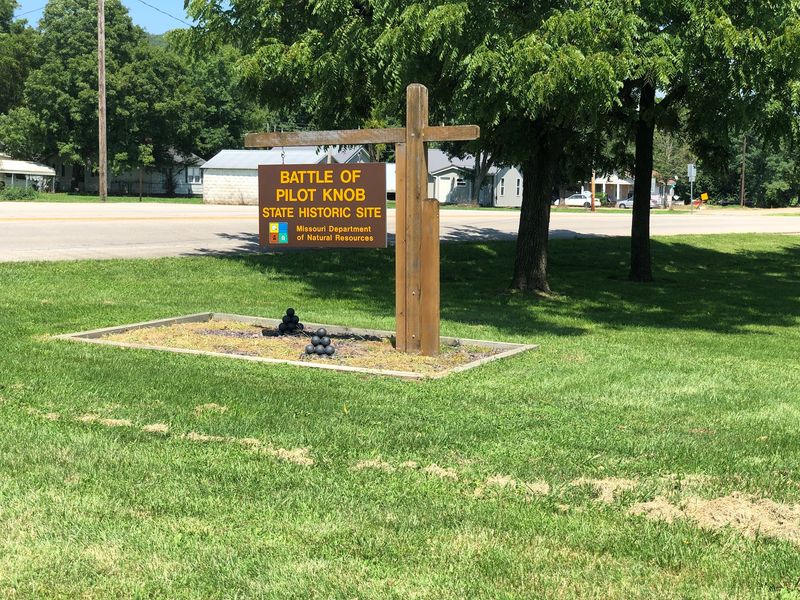
It is easy to pass through a small town without stopping, but 118 Maple Street is worth putting into your map.
Battle of Pilot Knob State Historic Site is simple to reach in Pilot Knob, Missouri, and it rewards visitors who give it more than a quick glance.
The address leads to a compact place with a large historical footprint.
Because admission is free, the site fits many kinds of trips.
History lovers can study the battle in detail, families can enjoy a budget-friendly outing, and road trippers can add a meaningful break to their route.
The park has earned strong visitor ratings, with many people praising its preservation, museum, artifacts, and outdoor fort remains.
Plan your visit around what matters most to you.
If you want the museum, check hours before arriving.
If you only have time for the grounds, read several markers and walk the earthworks slowly.
Either way, you will come away with a better sense of Missouri’s Civil War history.
The most respectful visits are the ones that balance curiosity with care.
Take photos, enjoy the open space, and talk about what happened, but remember that this was a battlefield.
People fought, suffered, and died here.
That truth gives the site its weight.
Pilot Knob may not be as famous as larger Civil War parks, yet its story is powerful.
For travelers seeking a free, educational, and moving Missouri stop, this historic site belongs on the list.
It is small enough to explore easily, but important enough to remember.
Share this story