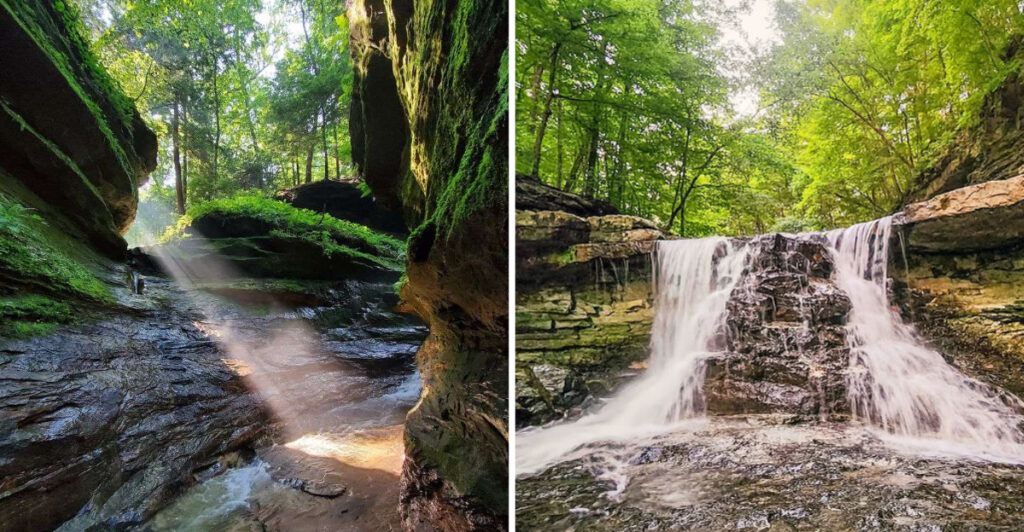
Walk between towering canyon walls, peer into a spring, or follow a boardwalk through wetlands that feel closer to the Deep South than Indiana. Beyond the state’s familiar farmland, protected pockets of wilderness reveal sandstone cliffs, shadowy ravines, unusual rock formations, dense forests, and landscapes capable of completely changing the mood of a day trip.
Some require a good hike to uncover their best scenery, while others deliver the surprise almost immediately. These aren’t the Indiana views most travelers picture from the highway. At these 10 under-the-radar nature parks, the Midwest stereotype starts falling apart as soon as the trail begins.
1. Hemlock Cliffs Nature Preserve
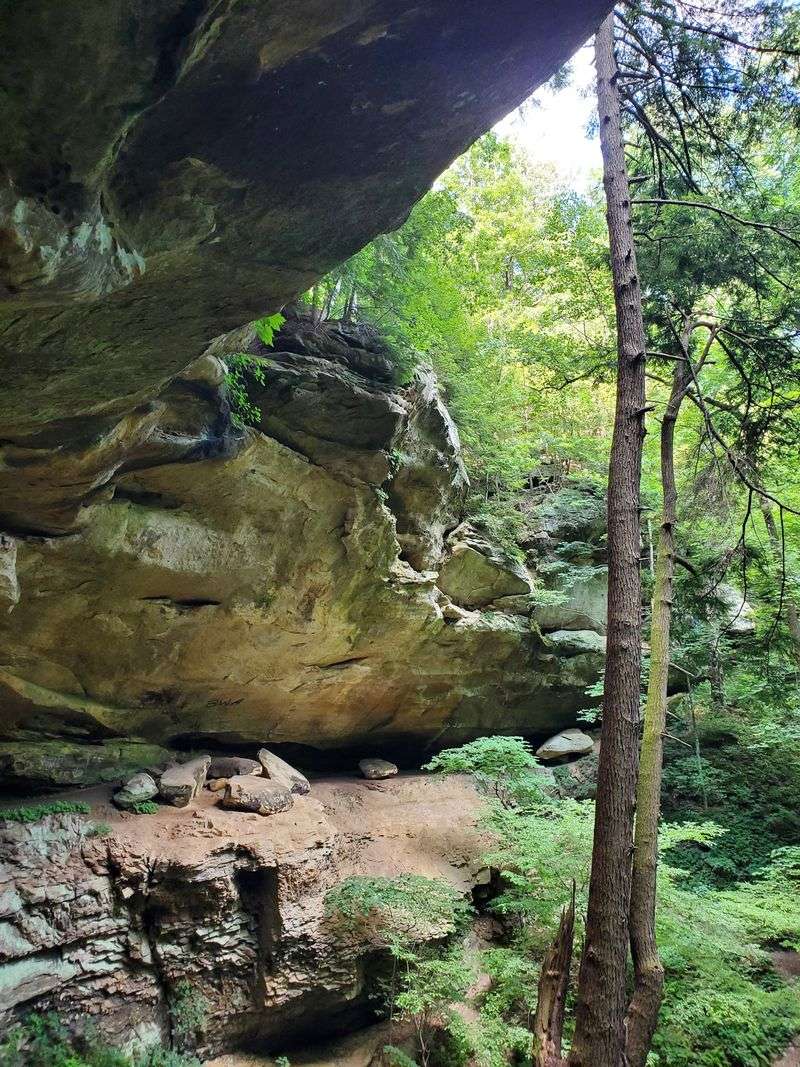
Step into Hemlock Cliffs and Indiana starts playing a different role. The trail drops into a cool gorge where sandstone walls, overhangs, and hemlock trees create a setting that looks more like a mountain hollow than a Midwestern forest.
Even on a warm day, the air near the cliffs can feel damp and shaded. Moss clings to rock, water slips through the ravine after rain, and the whole preserve carries that tucked-away feeling that makes voices go quiet without anyone asking.
The route here is not huge, which is part of the appeal. A shorter outing means more time to slow down, study the rock shelters, and notice how the light changes under the tree cover instead of rushing to rack up miles.
Footing can get slick, especially around wet leaves and stone edges, so sturdy shoes help a lot. Bringing water is smart too, because the cool scenery can trick people into forgetting they are still hiking.
Photographers usually have plenty to work with here. Curved cliff lines, ferny patches, and pockets of filtered light can make simple snapshots look dramatic, especially in spring or after a rainy stretch when small falls are more active.
Because the preserve has a fragile landscape, staying on marked paths matters. That simple habit protects roots, soft soil, and the cliffside plants that give the area its rich, sheltered look.
Anyone building a southern Indiana day trip could pair Hemlock Cliffs with other nearby forest stops, but it also stands well on its own. For travelers who want canyon mood without a huge time commitment, this quiet patch of Hoosier National Forest delivers unusual scenery, deep shade, and a strong sense of escape that lingers long after the parking area comes back into view.
2. Canyon Forest Nature Preserve
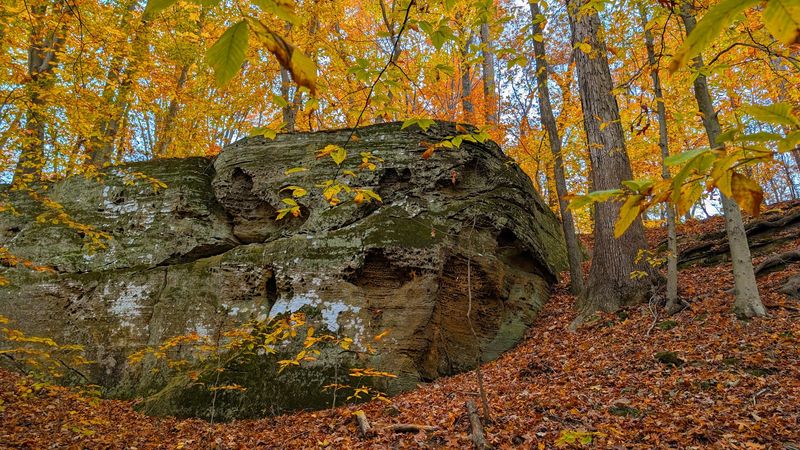
Canyon Forest has a name that sounds bold, and the terrain backs it up. Deep ravines cut through the woods, sandstone breaks through the slopes, and the preserve packs a surprising amount of drama into a place many Indiana travelers have never heard about.
Solsberry is not where most people expect canyon-like scenery, which is exactly why this park stands out. A walk here can include creek sounds, narrow hollows, damp rock, and the kind of rolling, folded ground that makes flat-state jokes seem way off base.
After a stretch of rain, seasonal waterfalls and trickling runs add even more character. Those wet-weather details may not last long, but they give the preserve a fresh, lively look that changes from one visit to the next.
For hikers missing access to Pine Hills, Canyon Forest makes a smart backup plan. It offers that same sense of discovering a rugged pocket of Indiana where ravines and exposed stone shape the whole experience.
Good shoes matter because roots, mud, and uneven ground can show up quickly. Packing light is helpful too, since this is the kind of place where it is easier to enjoy the landscape when hands are free for balance on steeper spots.
Quiet observation works especially well here. Instead of rushing, pause near creek edges, look up at layered rock, and notice how the wooded slopes create changing lines and shadows throughout the day.
Canyon Forest may not have the big-name status of Indiana’s busiest parks, but that is part of its charm. Visitors looking for a less crowded outing with strong geological texture, varied terrain, and a sense of discovery will find plenty to like here, especially when the forest is green, the ravines are damp, and the sandstone seems to glow against the darker woods.
3. Seven Pillars Nature Preserve
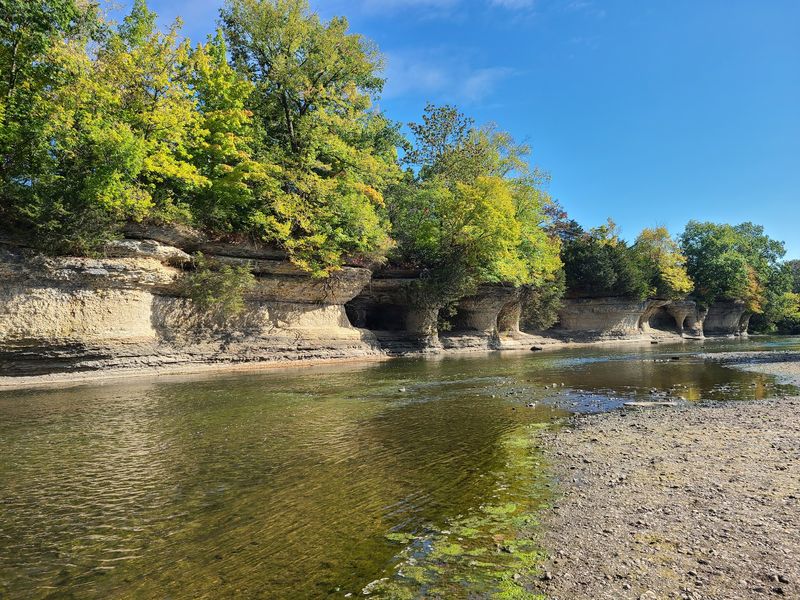
Seven Pillars looks like the sort of place a legend would claim for itself. Along the Mississinewa River, limestone rises into striking columns and alcoves that seem wildly out of place in a region better known for fields and small towns.
The rock formations are the main event, but the river setting adds even more interest. Water, trees, and pale stone work together to create views that feel theatrical without needing a long, difficult backcountry trek.
For travelers disappointed by trail closures elsewhere, this preserve offers a strong alternate stop. The scenery has a strange, sculpted quality that can scratch the same itch as other geology-heavy destinations while still delivering its own distinct character.
Light changes the mood here in a big way. Morning can make the stone look calm and cool, while later sun often pulls out warmer tones and deeper shadows inside the recesses.
A careful pace pays off. Rather than treating it as a quick roadside look, spend time studying the shapes in the limestone and how the river bends around them, because the details become more impressive the longer they sit in view.
Families and casual explorers may appreciate that the landmark feel arrives fast. There is no need for an all-day march to enjoy the preserve, which makes it useful for a packed weekend route through north-central Indiana.
Since natural stone areas can be tempting climbing spots, following posted guidance is important for safety and preservation. The best visits come from observing, photographing, and letting the unusual forms do the work instead of trying to turn the place into an obstacle course.
Seven Pillars succeeds because it delivers a rare visual jolt. One glance at those limestone masses beside the river, and Indiana suddenly looks less like a farming state and more like a place with its own collection of odd, memorable landforms waiting beyond the usual travel list.
4. Clifty Falls State Park
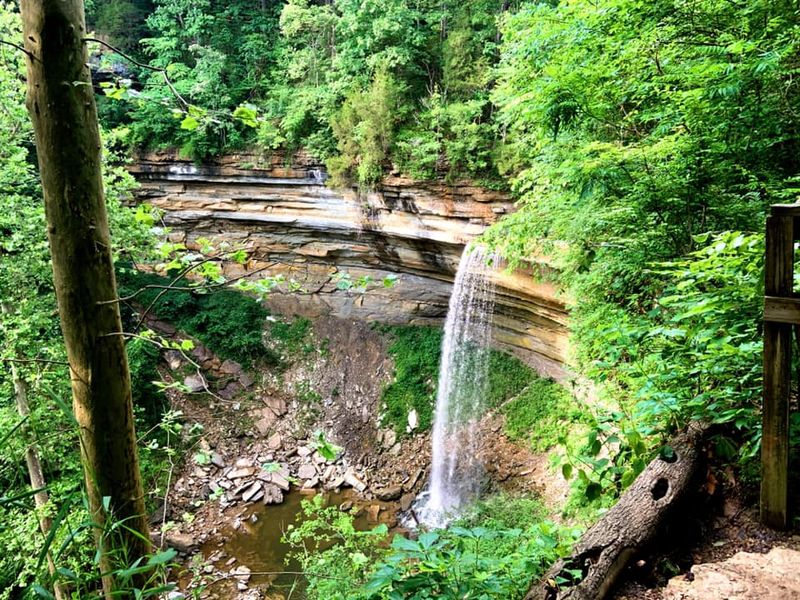
Clifty Falls does not ease visitors in with gentle scenery. The park opens with steep ground, sharp rock layers, and creek-cut canyons that bring a rugged edge many people never expect from Indiana.
Water is the headliner here, especially when conditions are right. The waterfalls can range from light ribbons to stronger pours, and the changing flow gives each trip a slightly different personality.
Between the falls, the creek beds and canyon walls deserve just as much attention. Limestone and shale create a rough, layered look, and some rocks carry fossils that remind hikers how deep the story of this landscape goes.
Trails here can be demanding, with stairs, elevation changes, and uneven surfaces that call for a little planning. Checking maps before heading out helps match the route to energy level, especially for groups with mixed hiking experience.
Madison’s river-town setting makes the park easy to turn into a full day. A morning hike through the canyons can pair nicely with time in town later, but the park itself offers enough scenery to hold attention for hours.
Rain often boosts the drama, though it also increases slick spots. Shoes with grip, a water bottle, and realistic expectations about pace can make the outing more enjoyable than trying to rush through the steep sections.
Clifty Falls is also one of those places that rewards looking both up and down. High walls, narrow passages, broken rock, and moving water keep the scenery active, and even short trail segments can feel packed with texture.
Visitors searching for an Indiana park with serious topography should keep this one high on the list. The canyons, waterfalls, and weathered stone give Clifty Falls a rough, gorge-country character that stands far apart from the state’s flatter image, while still remaining accessible enough for a memorable day outdoors.
5. McCormick’s Creek State Park
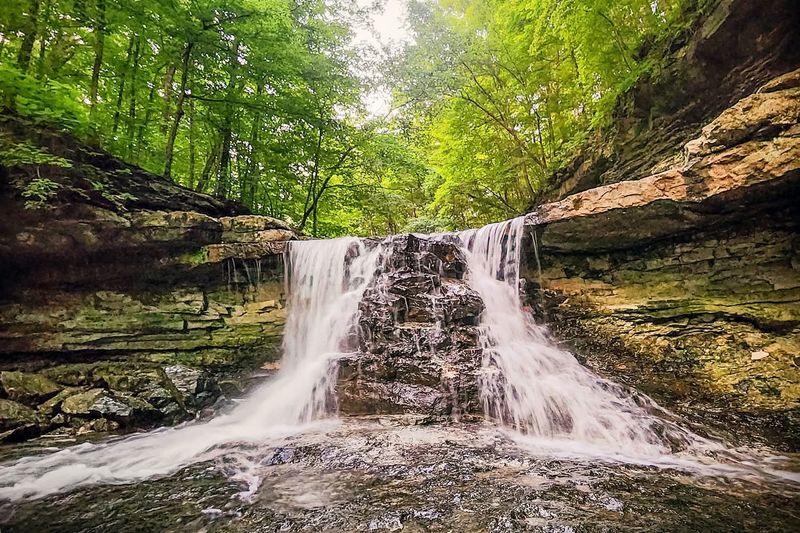
McCormick’s Creek carries the confidence of an old classic, but the landscape still surprises first-time visitors. Indiana’s oldest state park trades the flat-land stereotype for limestone canyons, wooded ravines, and a waterfall that gives the whole setting a rougher profile.
The main draw is how much variety fits into one park. Rock walls, shady trails, creek views, and unusual formations break up the walk, so the scenery keeps shifting instead of settling into one long stretch of similar forest.
Wolf Cave often grabs attention because its rock features add a playful sense of exploration. Even without needing a long or technical route, the park offers enough stone and elevation to make the outing feel more adventurous than many casual nature walks.
Some areas have been affected by past tornado damage, so checking current conditions before visiting is a smart move. That quick step helps with planning and can steer hikers toward trails that best match the day’s access and energy.
The waterfall is especially appealing after rain, when water movement adds sound and motion to the canyon setting. During drier periods, the exposed limestone still gives the park plenty of visual interest.
This is also a practical park for mixed groups. Some visitors can chase steeper paths and rockier sections, while others may prefer easier overlooks and shorter walks without missing the park’s signature scenery.
Photographers usually do well around the creek and canyon areas where shade softens the light. Textured stone, twisting roots, and layered greens can make even simple compositions look rich and detailed.
McCormick’s Creek works because it blends accessibility with terrain that looks more rugged than expected. For travelers wanting a park that is easy to reach but still packed with ravines, stone, and strong natural structure, it offers a convincing reminder that Indiana can look far more dramatic than outsiders assume.
6. Turkey Run State Park
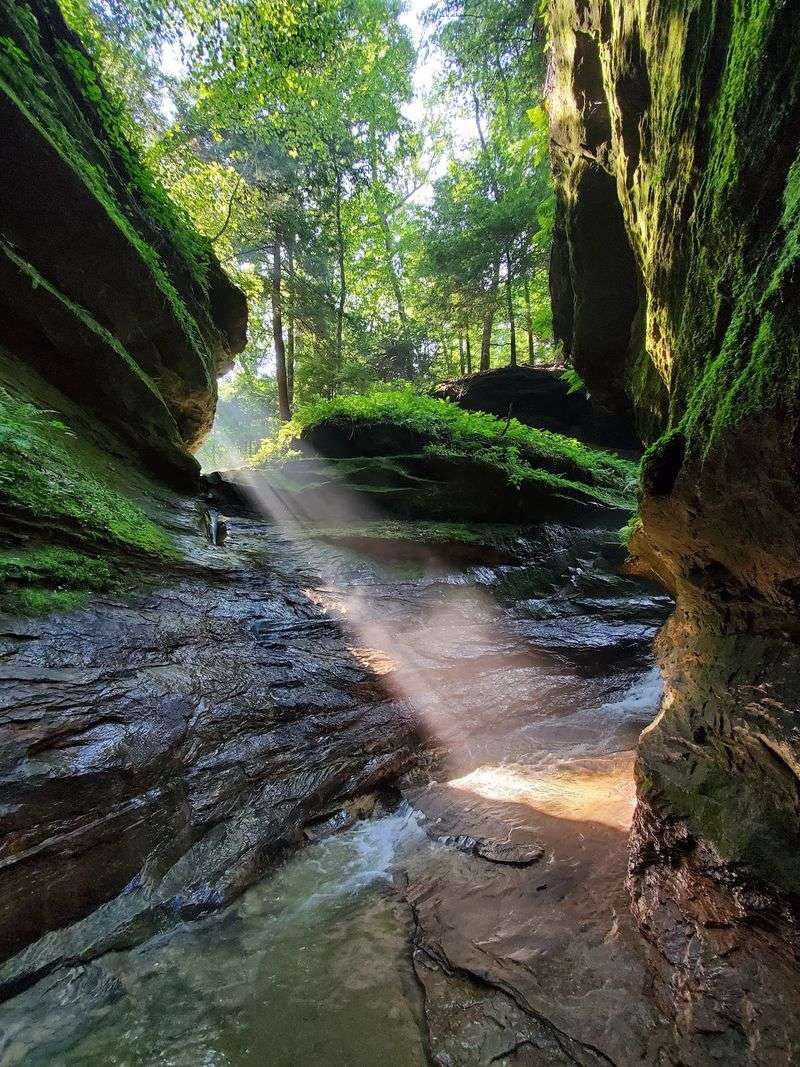
Turkey Run wastes no time showing its wild side. One minute the woods seem calm, and the next the trail drops into tight sandstone ravines where ladders, creek crossings, and steep stairs turn a regular hike into a full-body outing.
The park’s famous slot-like passages are the big reason it lands on so many Indiana wish lists. High rock walls close in, water moves through the bottoms, and the trail experience feels more like navigating a natural maze than following a simple loop in the forest.
Old-growth trees add scale in a different way. Their height and age give the ravines a deeper sense of shelter, which makes the whole park look older, rougher, and more layered than the state’s everyday roadside scenery.
This is a place to dress for movement, not for casual strolling. Shoes with grip are a must, and a small backpack beats carrying loose items when hands may be needed for ladders or balance on wet stone.
Trail numbers matter here because some routes are much more strenuous than others. Looking at a map first can save a lot of huffing and backtracking, especially for visitors who want the dramatic ravines without the toughest sections.
Kids and adults alike often remember the park because it feels active. There is climbing, stepping, splashing, and squeezing through narrow spots, which gives the outing a playful edge without needing special gear.
Rain can make Turkey Run even more exciting, but also more slippery, so patience goes a long way. Moving slower often leads to a better visit anyway, since the rock textures, roots, and changing light deserve attention.
For anyone trying to explain that Indiana terrain is not one-note, Turkey Run is an easy example to use. Sandstone gorges, rugged trails, and close-up canyon walls give the park an adventurous identity that barely resembles the cornfield image many people expect.
7. Leonard Springs Nature Park
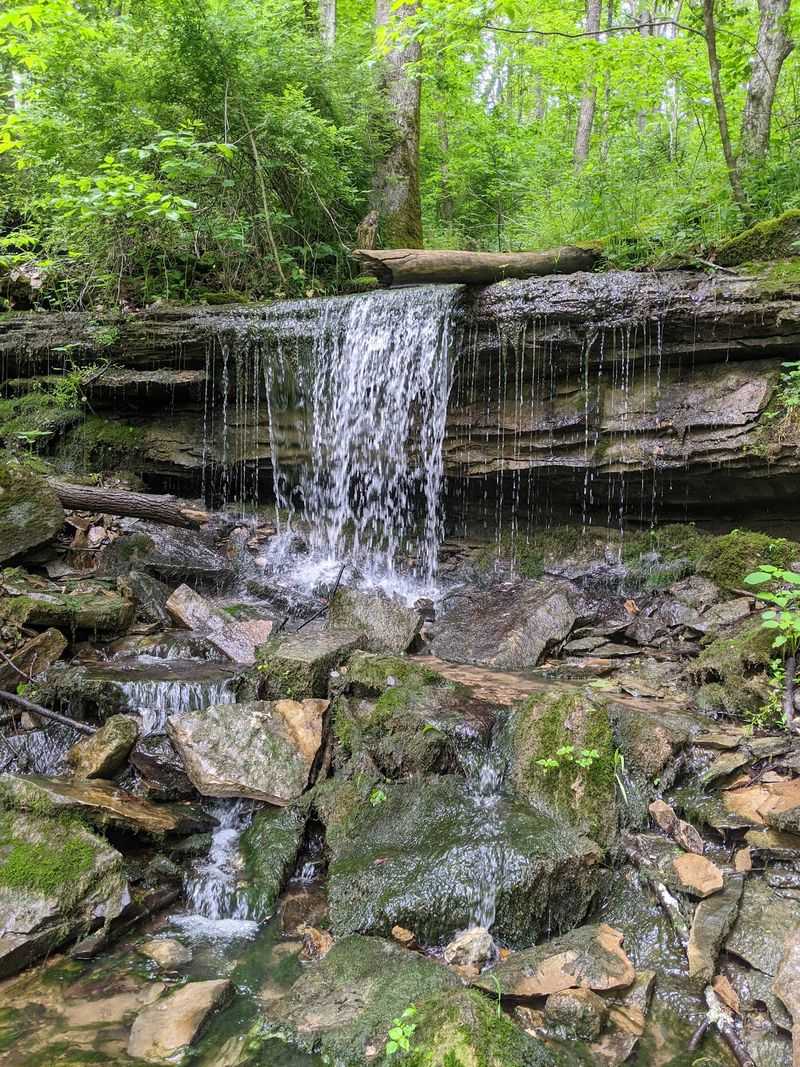
Leonard Springs packs a lot into a compact footprint, and that is part of the fun. Near Bloomington, the park threads together springs, caves, wetlands, limestone, wooded slopes, and rain-fed waterfall action in a way that feels much wilder than its size suggests.
Karst terrain gives the place its distinct character. Water moves through and around the limestone, shaping features that make the landscape feel active, almost as if the ground is still busy rearranging itself behind the scenes.
After a good rain, the park often looks especially lively. Waterfalls pick up, the springs stand out more, and the damp rock surfaces deepen in color, which gives photographers and casual walkers a lot to notice.
Because the site is smaller than some major state parks, it works well for a shorter outing or an add-on to a Bloomington day. That makes it handy for travelers who want scenery with real texture but do not have hours to spend on a long drive and an all-day hike.
Boardwalk sections and viewpoints help make the wetlands and spring areas easier to enjoy. Even so, the terrain can still be slick in places, so practical shoes are better than anything smooth-soled.
The park rewards curiosity. Pause at water crossings, look at how vegetation changes near the wettest spots, and notice how the limestone shapes the entire scene from the ground up.
For families, students, and nature lovers, Leonard Springs also offers a nice mix of education and visual drama. It is easy to come away with a better sense of how southern Indiana’s underground water systems influence what appears above ground.
Plenty of parks are larger, but few deliver such a concentrated dose of springs, rock, and wetland character. Leonard Springs stands out as a quick but memorable reminder that unusual landforms are not always remote, and that a small green pocket can completely change the way Indiana is imagined.
8. Twin Swamps Nature Preserve
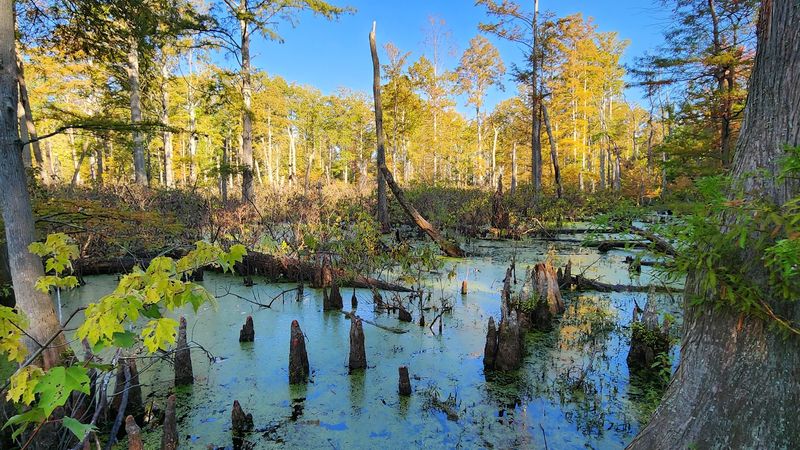
Twin Swamps changes the Indiana mood in a hurry. Bald cypress rising from dark wet ground, swamp forest stretching around a boardwalk, and dense plant life give the preserve a southern look that seems borrowed from far below the Ohio River.
In a state better known for hardwood forests and open farmland, this kind of wetland setting feels unusual right away. The trees, water, and soft light create a scene that is less about long-distance views and more about texture, reflection, and close observation.
Visit Indiana highlights the preserve’s cottonwood-bald cypress and oak swamps as rare within the state, which helps explain why the place leaves such a strong impression. It is not every day that an Indiana walk brings the visual language of bayous and southern bottomlands into view.
The boardwalk is a big advantage because it lets visitors move through sensitive habitat without trampling it. That setup also makes the outing approachable for people who may not want a muddy or rugged hike but still want a striking nature experience.
Summer can feel humid here, and that actually suits the setting. The heavy air, buzzing insects, and still water all add to the sense that this preserve operates by its own rules.
Binoculars can make a visit more interesting, especially for birdwatchers who like scanning wet areas and tree lines. A camera works well too, since reflections in the water can turn simple scenes into strong photos.
Quiet movement pays off in swamp country. Slower steps make it easier to spot details in bark, roots, and shifting water surfaces that might get missed on a faster walk.
Twin Swamps is proof that Indiana’s natural range is broader than many people assume. Few places in the state trade the usual woodland trail for such a dark, watery, southern-style ecosystem, and that contrast is exactly what makes this preserve such a memorable stop.
9. Jug Rock Nature Preserve
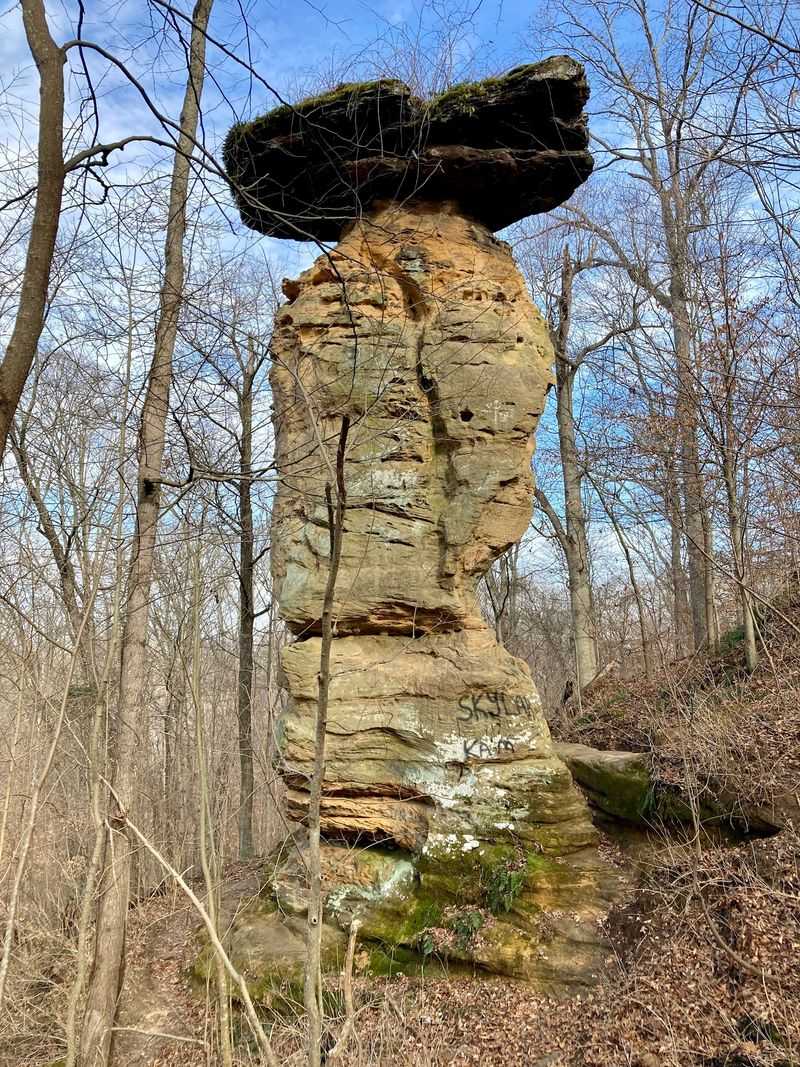
Jug Rock delivers surprise with almost comic timing. Deep in southern Indiana woods, a tall freestanding sandstone tower rises up so abruptly that the scene can look less like a forest walk and more like a misplaced monument from a dry, rocky landscape.
The preserve is small, but its centerpiece does not need much help. One unusual formation is enough to give the site real personality, especially for visitors who enjoy places built around a single bold natural feature.
That clean, vertical shape is what makes Jug Rock so memorable. Surrounded by trees instead of wide-open desert, the stone stands in sharp contrast to everything around it, and that mismatch is exactly why photos from here catch people off guard.
Because the outing is shorter and more focused, it works well as a stop on a broader southern Indiana road trip. It can also be a great choice for anyone who wants a quick nature break with a payoff that arrives fast.
Kids often respond well to places like this because the landmark is easy to understand. There is no long explanation needed when a giant rock tower appears where nobody expects it.
As with many preserves centered on erosion-shaped stone, staying on designated paths matters. It protects the setting and keeps visitors from turning a simple scenic stop into a risky scramble.
Good light can make the formation look even more dramatic, especially when sunlight picks out the texture of the sandstone against darker tree cover. That contrast gives photographers a strong subject without needing special conditions.
Jug Rock proves that a park does not need huge acreage to leave an impression. For travelers hunting for Indiana spots that break the usual pattern, this preserve offers a weird, bold, and highly photogenic geological moment that feels closer to a rock-country oddity than a standard Midwest woodland stop.
10. Fern Cliff Nature Preserve
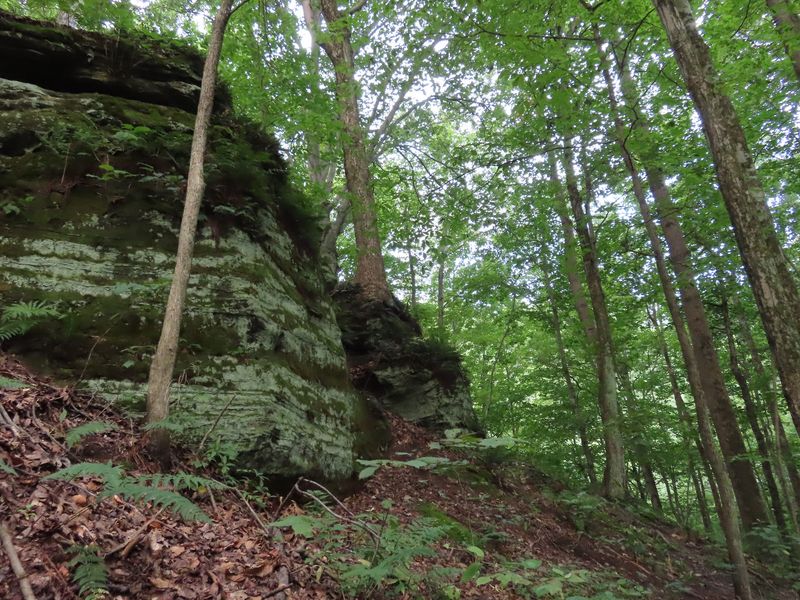
Fern Cliff has the kind of name that sounds gentle, but the landscape carries plenty of edge. Sandstone cliffs, rugged ravines, mossy rock walls, and an old quarry combine to create a setting that looks older and wilder than many people expect near Greencastle.
Ferns are one of the stars, of course, and they soften the harder parts of the preserve in a striking way. Green fronds spilling across rock and shaded ground give the place a lush look that can seem almost prehistoric when the light is low and the air is damp.
The abandoned sandstone quarry adds another layer of interest. It breaks the preserve away from a purely untouched feel and reminds visitors that human history and natural recovery often share the same space.
The Nature Conservancy lists the preserve as open year-round from dawn to dusk, which makes it a flexible option in different seasons. Spring and early summer may bring the richest green tones, while fall can add color contrast against the stone.
Trails here are best enjoyed at a slower pace. This is the kind of preserve where looking closely pays off, whether the subject is moss on a wall, fern clusters in a ravine, or the way old quarry surfaces now blend into the surrounding woods.
Footing may be uneven in places, so shoes with traction help. A simple daypack is enough, since the real goal is to stay comfortable and keep attention on the textures all around.
Fern Cliff suits visitors who like landscapes with a little mood. It does not rely on huge vistas or major waterfalls, but on enclosed, richly detailed scenery that draws the eye from one patch of rock and plant life to the next.
For anyone chasing an Indiana park with a dense, ancient-looking character, Fern Cliff stands apart. The ravines, sandstone, and thick fern growth create a scene that feels far removed from open fields and ordinary woodland trails.
Share this story