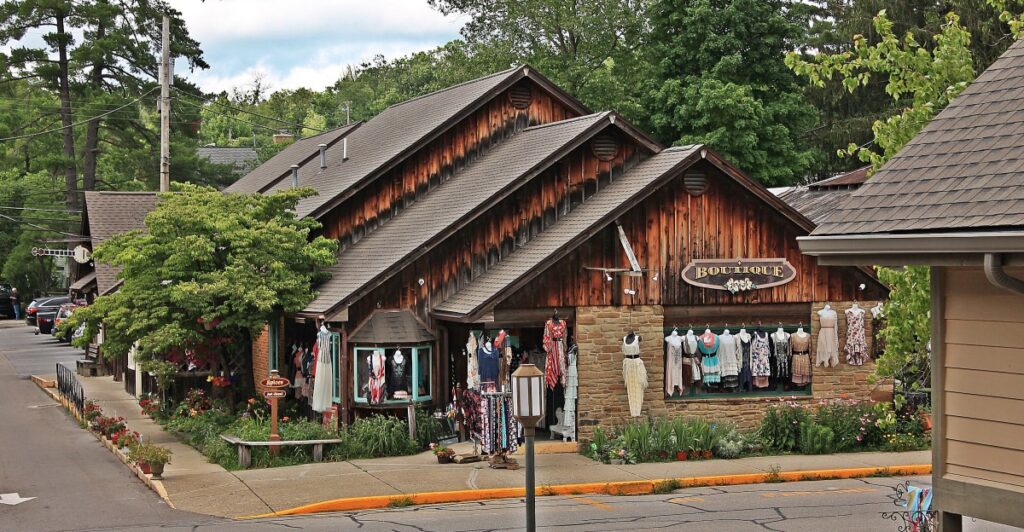
Nashville may be tiny, but a busy fall weekend can make this Brown County town feel anything but sleepy. More than a century after artists began arriving for the wooded hills and inspiring scenery, tourism has transformed downtown into a lively collection of galleries, boutiques, restaurants, fudge shops, and other visitor-friendly stops.
Historic buildings and old cabins remain part of the landscape, even as crowds fill the sidewalks during peak seasons. That popularity has given Nashville an unusual challenge: welcoming thousands of travelers while holding onto the character that attracted them in the first place. Today, the town offers a fascinating look at how tourism can reshape a community.
Log Cabins Turned Storefronts on Van Buren Street
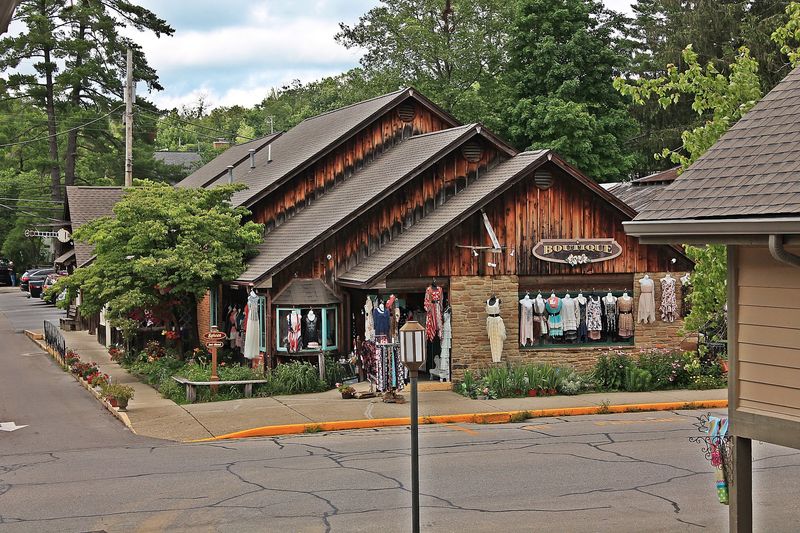
Picture a main street where the shops look like they were built by pioneers, and some of them nearly were. Along Van Buren Street, weathered log walls, tin roofs, and creaky wooden porches now frame windows full of quilts, pottery, and handmade soap.
Those buildings tell the story of how Nashville changed. Many structures that once served farm families or small local trades slowly became places to sell things to visitors. Today, a walk through downtown means ducking into tiny cabins, side courtyards, and little shopping clusters tucked behind the main road.
The layout rewards curiosity. Narrow alleys lead to hidden patios, and short footpaths connect one shop cluster to another. Shoppers who only stay on the main sidewalk miss half the fun, because some of the best stores sit a few steps off the street.
Look up as well as around. Hand-painted wooden signs swing from posts, and many porches are decorated with rocking chairs, wind chimes, and seasonal flowers. Each shop seems to compete quietly for the most charming front door.
For locals, this transformation came gradually and then all at once. A town of only around a thousand residents can see crowds many times its size on a busy autumn Saturday. Parking lots that once sat half empty now fill before lunch, and traffic on the main roads can crawl.
Still, the old-fashioned look has stayed strong. Instead of tearing down cabins for modern buildings, the town kept its rustic style and simply filled it with new purposes. A blacksmith-era building might now sell scented candles, and a former home could house a cozy gallery.
Start at the corner of Van Buren and Main, then wander outward in loops. Comfortable shoes help, since boardwalks, gravel paths, and short slopes are all part of the route.
How a Painters’ Colony Put Brown County on the Map
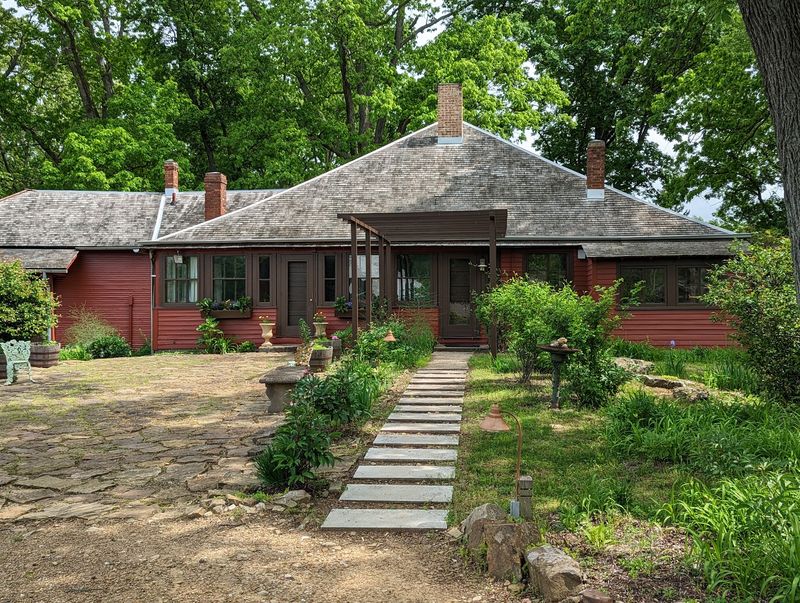
Back in the early 1900s, a group of painters made a choice that would shape Nashville for generations. They packed their brushes and headed to these hills because the light, the misty valleys, and the simple country life made perfect subjects.
The Brown County Art Colony took shape around 1907, and the most famous name tied to it is T.C. Steele, an Indiana painter who built a home and studio in the area. Other artists followed, and newspapers and art lovers began to pay attention to this quiet corner of the state.
Here is the twist. The artists came for the peace and isolation, yet their success brought the first big waves of visitors. People wanted to see the scenes from the paintings for themselves, and some wanted to buy the paintings directly from the people who made them.
That early art scene laid the groundwork for everything downtown has become. Galleries opened, artists settled in permanently, and the idea of Nashville as a creative town took hold. Shops selling crafts and handmade goods grew naturally out of that reputation.
Today, the Brown County Art Gallery and other local spaces keep that legacy alive by showing work from regional painters and craftspeople. Landscapes of rolling hills, red barns, and fall color still fill many walls, which makes sense when the real views sit just outside.
Fun fact: the T.C. Steele State Historic Site nearby preserves the artist’s former home, studio, paintings, and gardens. It sits a short drive from downtown and gives a peaceful look at how the colony began.
Visiting both the gallery downtown and the Steele site creates a neat before-and-after picture. One shows the roots, and the other shows how those roots spread through a whole town.
Fudge, Kettle Corn, and Other Sweet Temptations
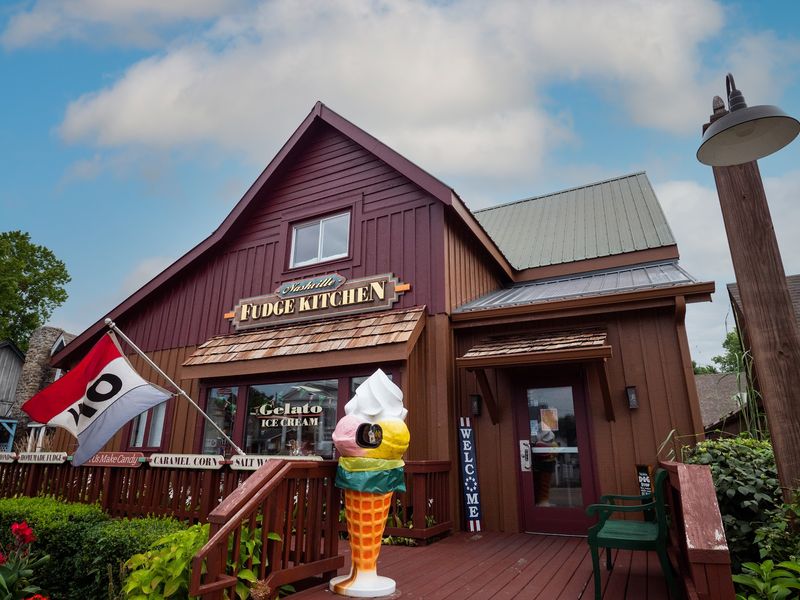
Follow your nose and you will probably end up at a fudge counter. Sweet smells drift across downtown Nashville, mixing buttery caramel, warm sugar, and the salty pop of kettle corn into one very distracting cloud.
Candy and snack shops are a big part of how tourism reshaped the town. Where small-town general stores once sold basic supplies, visitors now find glass cases stacked with chocolate fudge, peanut butter fudge, and flavors that change with the season.
Many shops let you watch treats being made. Copper kettles, marble slabs, and long wooden paddles turn candy-making into a little show, and kids tend to press right up to the glass. Caramel apples coated in nuts or candy pieces line up like shiny trophies.
Beyond fudge, the snack scene includes old-fashioned soda, homemade ice cream, and fried biscuits served with apple butter. That apple butter is a regional favorite, and jars of it make an easy gift to carry home.
A smart move is to plan snacks rather than grabbing everything at once. Sample a small piece first if the shop offers tastes, then buy a mixed box to share later. Fudge travels well in cool weather, but a hot car in summer can turn it into a sticky puddle.
Restaurants downtown also lean into comfort food with a country style. Fried chicken, hearty breakfasts, and homestyle sides show up often, matching the rustic setting of the cabins around them.
Lines can grow long at the most popular spots on weekends, especially near midday. Swing by in the morning or late afternoon for shorter waits and fresher batches coming out of the kitchen.
The Old Log Jail and Pioneer Village Keep Old Nashville Visible
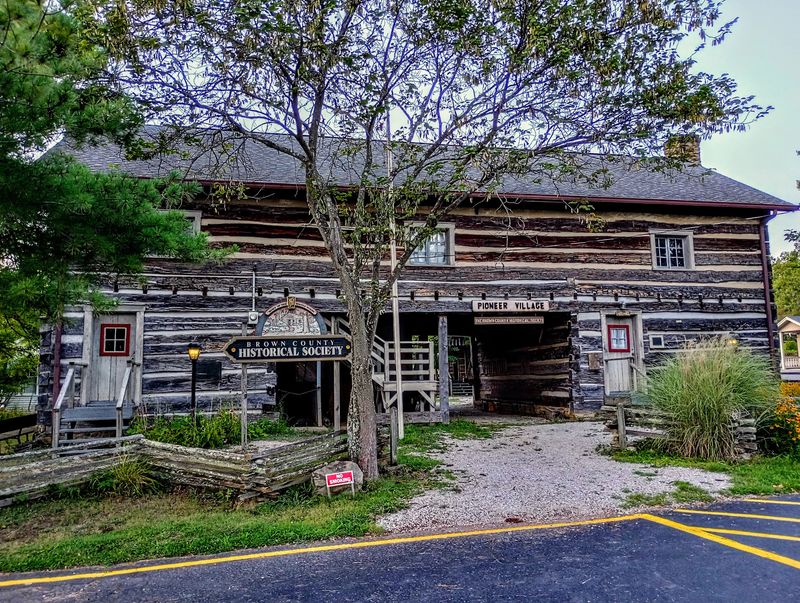
Not every building downtown sells something. Tucked near the center of town, the Brown County Pioneer Village and the Old Log Jail offer a reminder of what Nashville looked like long before shoppers arrived.
The Old Log Jail is a sturdy structure built from thick logs, with small windows and a heavy, serious feel. It once held people in a time when the county was rural and rugged. Standing beside it, the busy shops a few steps away suddenly seem very modern.
Nearby, the Pioneer Village gathers restored buildings that show daily life from earlier generations. Cabins, simple tools, and old furnishings help visitors picture families who farmed these hills, hauled water, and survived cold winters without modern comforts.
Why does this matter in a tourist town? Because it anchors the shopping scene in real history. Without places like these, downtown could become just a pretty backdrop.
The museum buildings show that the rustic style has true roots in the area.
Local history groups help care for these sites, and their work keeps stories from fading as the town changes. Displays and volunteers can explain details that are easy to miss, like how logs were notched together or why cabins were built small.
Hours can vary by season, with more regular openings during warmer months and busy travel times. Checking ahead before a visit saves disappointment, especially in winter when some historic spots keep shorter schedules.
Kids especially enjoy comparing the jail’s tight space with their own bedrooms. It makes a good mid-day break from shopping, offering shade, quiet paths, and a slower pace before heading back toward the crowds on Van Buren Street.
October Crowds in the Indiana Hills
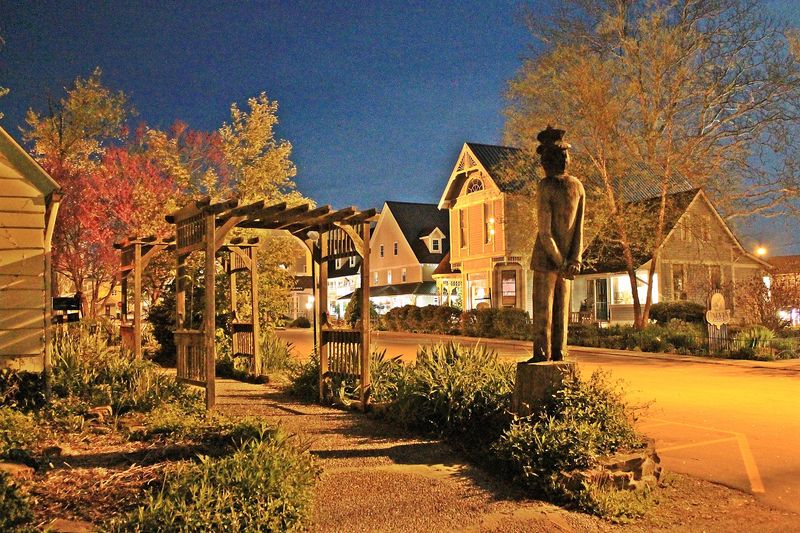
October changes everything. When the maples and oaks across Brown County turn orange, red, and gold, Nashville goes from busy to packed almost overnight.
Fall foliage is the town’s biggest draw, and the hills around it put on one of the most colorful shows in the Midwest. Leaf watchers arrive from Indianapolis, Louisville, Cincinnati, and well beyond, all hoping to catch the peak colors.
That popularity brings real challenges. The town is small, and the roads leading in are mostly two-lane routes that wind through hills. On peak weekends, cars can back up for long stretches, and finding parking takes patience.
Locals have learned to adjust. Many run errands early, avoid downtown at midday, or simply stay home on the busiest Saturdays. For residents, fall can feel like living inside a festival that never fully stops.
Visitors can make things easier for everyone, including themselves. Here are some simple strategies that work well:
Arrive early in the morning, ideally before shops open, to grab parking and enjoy quiet streets. Try a weekday instead of a weekend if your schedule allows. Bring cash for small shops and parking lots, since some spots move faster with it.
Lodging also fills up quickly during autumn. Cabins, inns, and bed-and-breakfasts in the area often book many months ahead for October, so planning early is a must.
Peak color timing changes each year depending on weather, but mid to late October is often the sweet spot. A quick check of regional foliage reports before driving can help you time things right.
Even with the crowds, the scenery is hard to beat. Morning fog settling in the valleys below bright hillsides makes the early wake-up call pay off.
Trails, Overlooks, and Brown County State Park Next Door
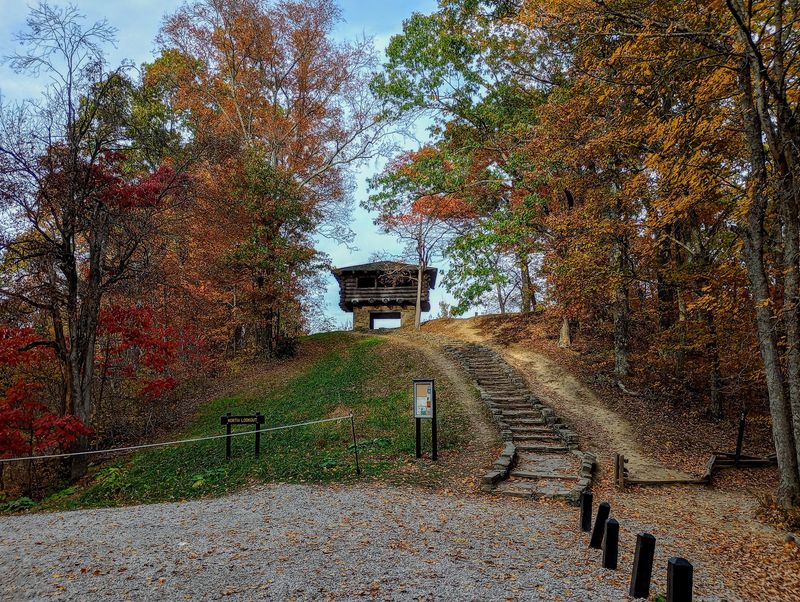
Just a few minutes from the fudge counters, the shopping fades and the forest takes over. Brown County State Park, Indiana’s largest state park, sits right next to Nashville and offers a completely different side of the trip.
The park covers thousands of acres of rolling hills, deep ravines, and thick woods. Scenic overlooks give wide views across layers of ridges, and on clear days the hills seem to roll on forever.
Tourism downtown and the park feed each other. Many visitors split their day between the two, spending the morning hiking and the afternoon browsing shops. That steady flow helps explain why the town grew so much around visitors.
Hiking trails range from short, easy walks to longer and steeper routes. The park is also well known for mountain biking, with trail systems that draw riders from across the region. Horseback riding trails add yet another way to explore.
Gear matters here. The hills are steeper than many people expect from Indiana, so sturdy shoes, water, and layers of clothing make a big difference. Trails can turn muddy after rain, and fall mornings start chilly before warming up.
Driving the park roads is a relaxing option for anyone not ready for a hike. Winding routes pass overlooks, picnic spots, and quiet lakes, making it easy to enjoy the views from a car window.
There is an entrance fee for vehicles, and the park can get busy during peak fall weekends just like downtown. Entering early gives you better parking near popular overlooks.
After a long trail, heading back into town for a warm meal or a scoop of ice cream feels like a well-earned reward.
Balancing Small-Town Life With a Steady Stream of Guests
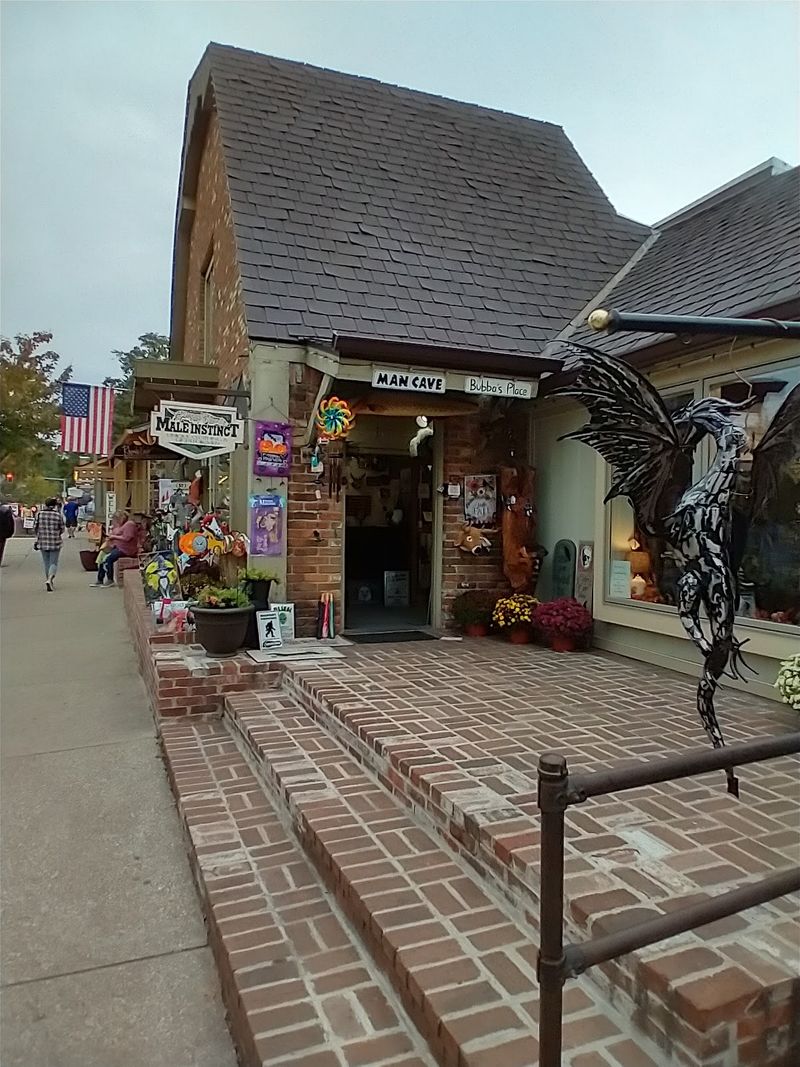
Early in the morning, before the first tour bus or minivan arrives, Nashville shows its quieter face. Shop owners sweep porches, set out flower pots, and chat with neighbors on sidewalks that will soon be crowded.
Behind the charming storefronts is a real community trying to manage change. Tourism brings jobs, keeps small businesses alive, and supports local artists. It also brings traffic, higher property costs, and the challenge of keeping a hometown feeling.
Many businesses downtown are still run by local families or longtime residents. Some artists sell work in their own galleries, so a conversation at the counter might be with the person who made the pottery on the shelf.
Change has also brought new types of businesses. Wineries, breweries, and modern eateries have joined the older craft shops, giving the town a fresh energy while adding to its appeal for younger travelers.
Visitors play a part in keeping the balance healthy. Buying handmade items directly from local makers helps keep creative traditions alive. Respecting private property, parking only in proper spots, and being patient with busy staff go a long way too.
A smart way to see the real Nashville is to visit during a quieter season. Late winter and early spring bring fewer crowds, easier parking, and more time to talk with shop owners about their craft and the town’s story.
Holiday weekends in December bring twinkling lights and festive window displays, offering a cozy middle ground between quiet and busy.
Nashville stands out because it never turned into a generic tourist strip. Log walls, paint-splattered studios, and wooded hills still shape the town, even as the crowds keep growing. Few places this small carry this much history and color on a single walkable street.
Share this story