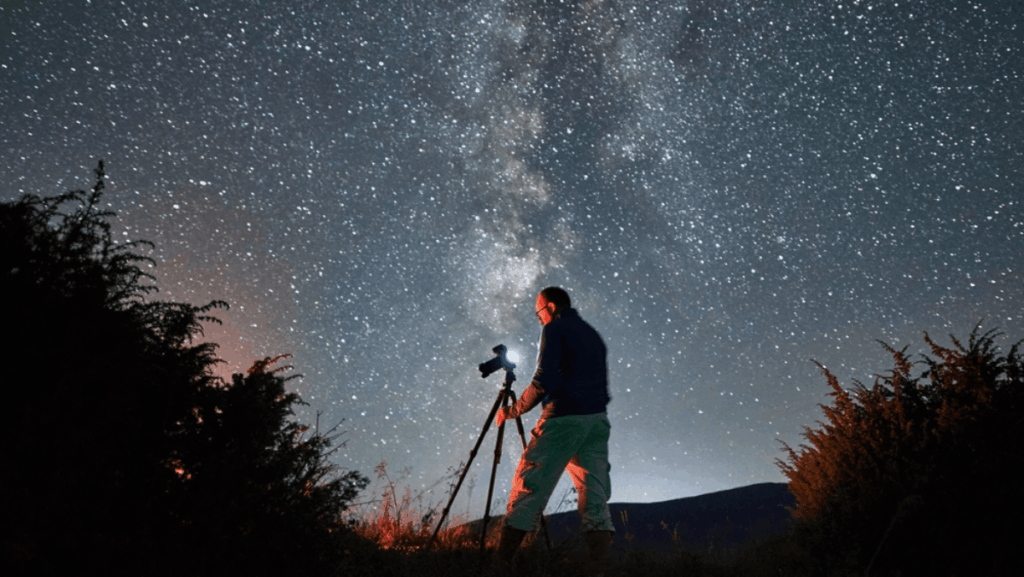
Tennessee may be famous for its music and mountains, but look up on a clear night and you’ll discover another treasure: some of the darkest, most spectacular skies in the eastern United States.
From certified Dark Sky Parks to remote wilderness areas, the state offers countless places where stars, planets, and the Milky Way shine with breathtaking clarity. Whether you’re a serious astronomer or just someone who loves gazing at the cosmos, these ten locations will leave you starstruck.
1. Pickett CCC Memorial State Park
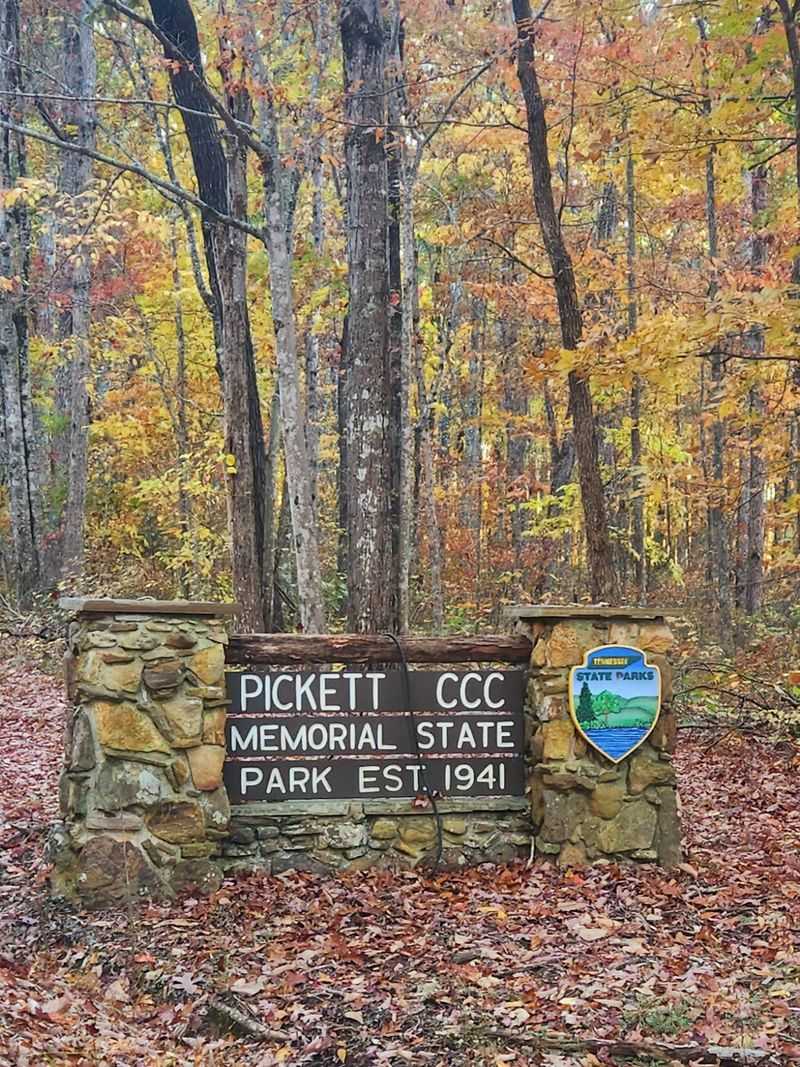
Earning the title of Tennessee’s first International Dark Sky Park wasn’t just luck. Pickett sits high in the Cumberland Plateau, far from city glow, where light pollution barely exists. On moonless nights, the Milky Way arches overhead like a glowing river, and you can spot constellations most people only see in textbooks.
The park’s elevation and remote location make every celestial event—from meteor showers to planetary alignments—feel like front-row seats to the universe. Rangers even host astronomy programs during peak viewing seasons, so you can learn while looking up.
2. Big South Fork National River & Recreation Area
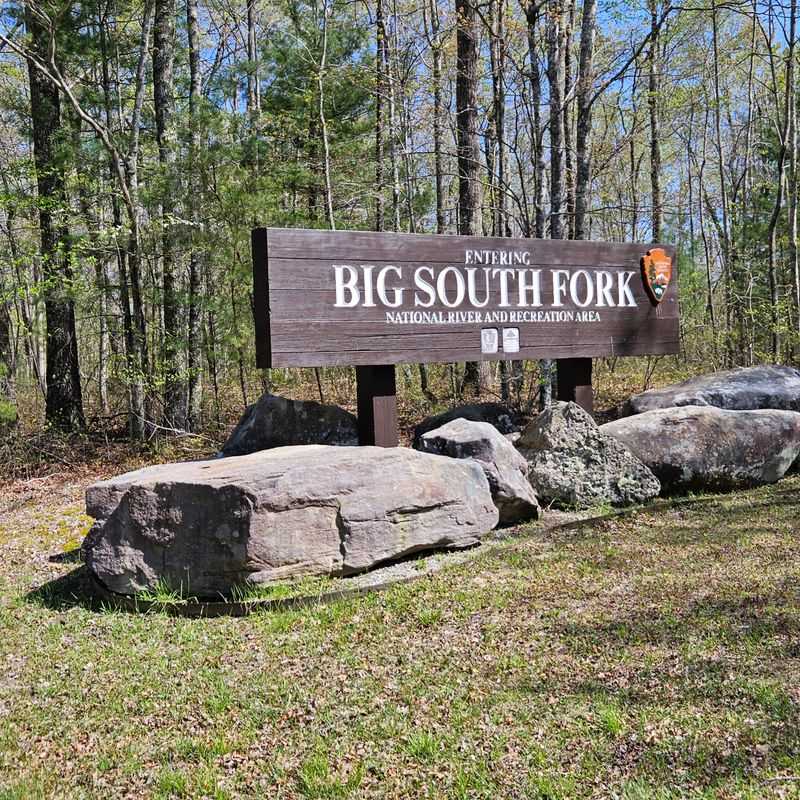
Straddling the Tennessee-Kentucky border, Big South Fork feels like the edge of civilization in the best way possible. Miles of rugged wilderness mean almost zero artificial light, and the overlooks here provide sweeping views of both landscape and sky. When meteor showers arrive, this is where serious stargazers gather.
The Milky Way stretches across the horizon with stunning definition, especially in summer and fall. Pack warm layers even in warmer months—nights get chilly at higher elevations.
Arrive early to claim a spot at one of the scenic overlooks, and don’t forget a red flashlight to preserve your night vision while exploring.
3. Great Smoky Mountains National Park
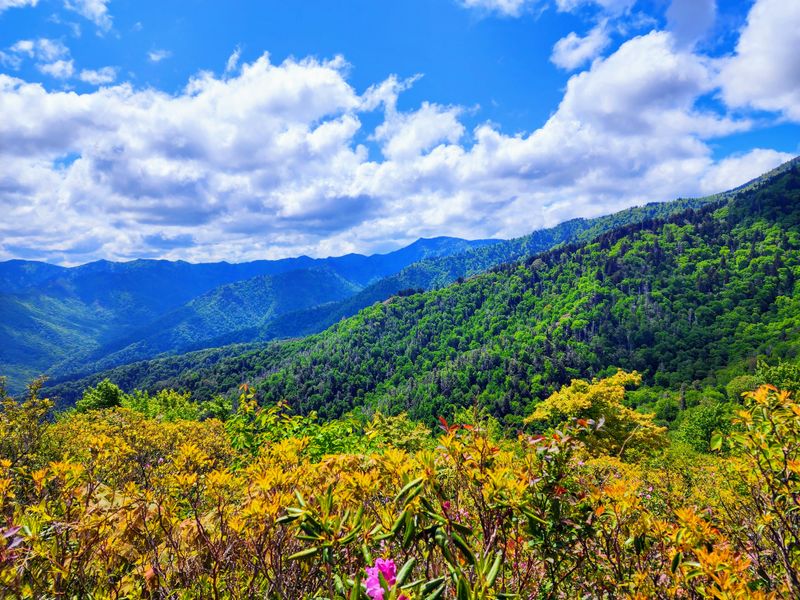
Sure, the Smokies draw millions of daytime visitors, but after dark, higher elevations transform into celestial theaters. Clingmans Dome and Cades Cove offer surprisingly good stargazing when crowds thin out and the sun dips below the ridges. Winter nights bring the clearest skies, with crisp air sharpening every pinpoint of light.
Avoid full moon nights for the best visibility, and check the park’s astronomy event calendar for ranger-led programs.
The combination of altitude and reduced haze during colder months makes planets pop and constellations appear more vivid. Just remember to dress warmly—mountain temperatures drop fast once the sun disappears behind those ancient peaks.
4. Obed Wild and Scenic River
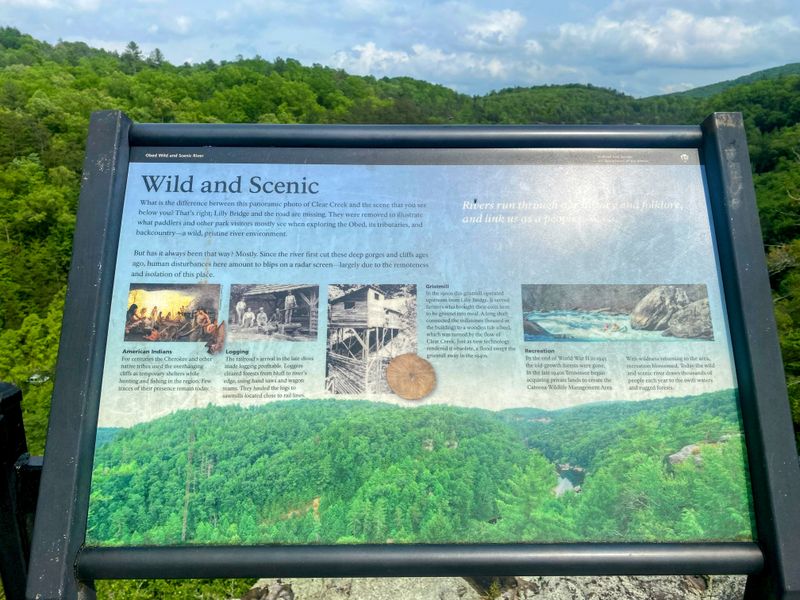
Tucked near Crossville, Obed remains one of Tennessee’s best-kept stargazing secrets. Rugged cliffs and minimal development create a natural barrier against light pollution, while the river gorge provides a dramatic foreground for nighttime photography.
The terrain here is wild and undeveloped, so bring a headlamp and watch your footing on trails after dark. Summer offers warm nights perfect for extended viewing sessions, though spring and fall provide clearer atmospheric conditions.
Set up near the overlooks for the widest sky views, and give your eyes at least twenty minutes to fully adjust.
5. Savage Gulf State Natural Area
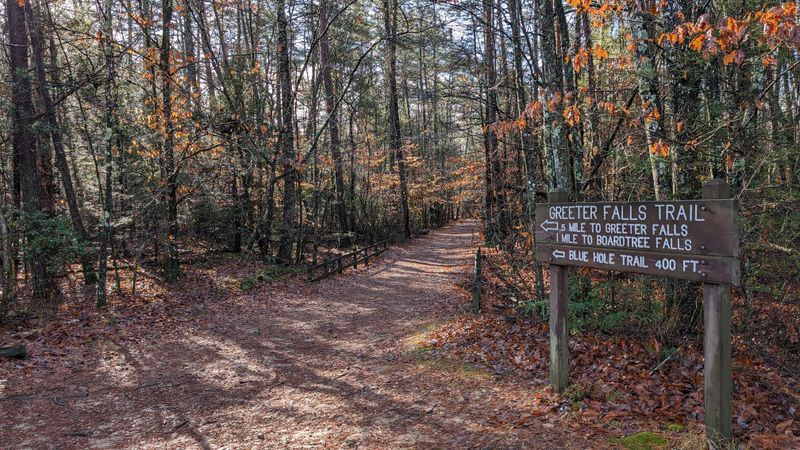
Remote doesn’t even begin to describe Savage Gulf. This undeveloped natural area sits far from any town, making it ideal for spotting everything from Jupiter’s moons through binoculars to the Andromeda Galaxy on exceptionally clear nights. The isolation means you’ll have the stars mostly to yourself, with only the sounds of nocturnal wildlife for company.
Constellations appear so vivid here that you can trace their mythological shapes without a star chart. Planets shine bright enough to cast faint shadows, and meteor showers deliver dozens of shooting stars per hour during peak events.
6. Reelfoot Lake State Park
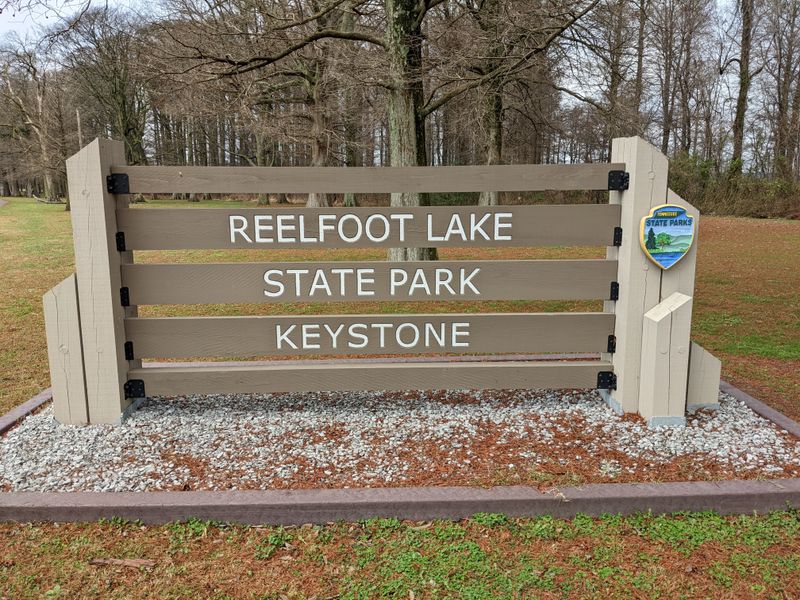
West Tennessee’s flat terrain and wide horizons create unobstructed views that stretch from one edge of the sky to the other. Reelfoot Lake’s open landscape means nothing blocks your view of the celestial dome overhead, especially during moonless nights when stars reflect off the still water below. The double image—sky above and reflection below—creates an almost surreal experience.
Autumn and winter offer the clearest conditions, with cold fronts sweeping away humidity and haze. Bring a thermos of hot chocolate and settle in near the shore, where the combination of water and sky makes you feel suspended between two universes.
7. Fall Creek Falls State Park
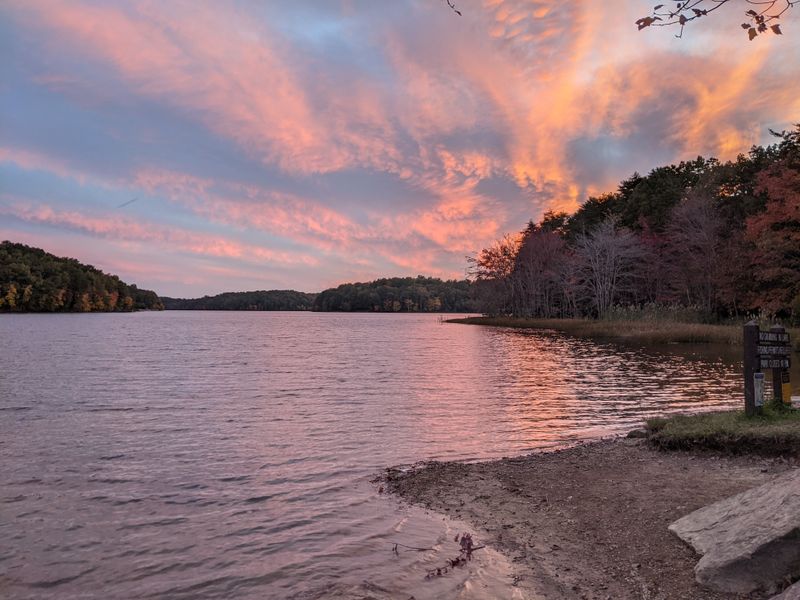
By day, waterfalls steal the show. After sunset, the plateau’s dark skies take center stage. Fall Creek Falls sits high enough to escape most lowland light pollution, and its open overlooks provide perfect viewing platforms for astronomy enthusiasts. Once the last hiker leaves, the park transforms into a quiet sanctuary for night-sky observation.
The park’s elevation and clear air make for sharp, steady viewing conditions most of the year. Spring and fall bring comfortable temperatures for extended stargazing sessions, while summer’s warm nights attract fireflies that dance beneath the stars.
8. Land Between the Lakes National Recreation Area
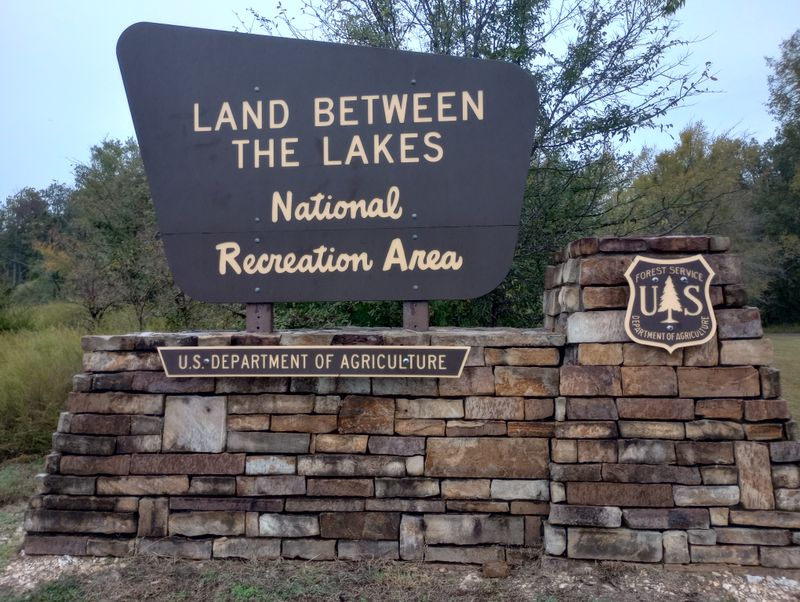
Spanning Tennessee and Kentucky, this massive peninsula between Kentucky Lake and Lake Barkley offers multiple stargazing locations with virtually no light pollution. The sheer size of the recreation area means you can always find a secluded spot away from any remaining artificial light. Wide open fields and lakeside clearings provide unobstructed views in every direction.
Astronomy clubs regularly host star parties here, bringing telescopes that reveal Saturn’s rings and Jupiter’s cloud bands in stunning detail. Even without equipment, the naked-eye views are phenomenal—the Milky Way appears dense and textured, and satellites glide visibly across the sky.
9. Roan Mountain State Park
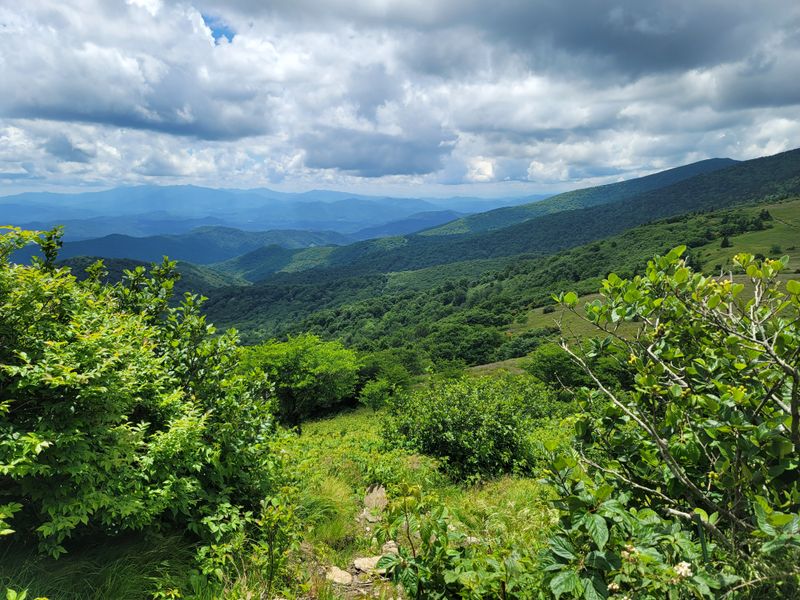
Higher elevations near the North Carolina border deliver some of the crispest, clearest stargazing conditions in Tennessee. Roan Mountain’s altitude means a thinner atmosphere and less atmospheric distortion, so stars appear sharper and planets show more detail.
Bundle up in layers—temperatures at elevation can drop dramatically after dark, even in summer. The park’s balds (treeless mountain tops) provide 360-degree sky views with no obstructions. Experienced stargazers bring telescopes to take advantage of the exceptional seeing conditions, while casual visitors simply spread blankets and marvel at the cosmic display overhead.
10. Frozen Head State Park
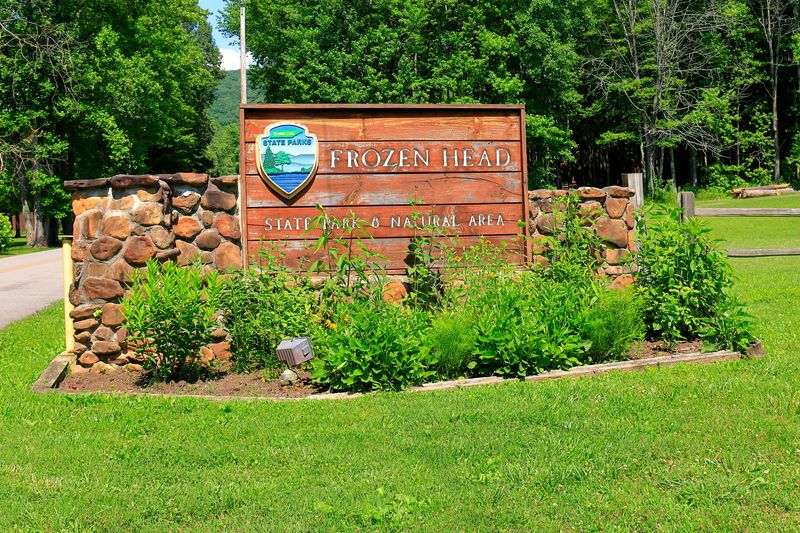
Remote trails and minimal nearby development make Frozen Head an underrated gem for serious stargazers. Located in the Cumberland Mountains, this park sees fewer visitors than more famous Tennessee destinations, which means darker skies and more solitude for your celestial observations.
Trails lead to higher elevations where the sky opens up dramatically, though even the lower campground areas offer impressive views.
The park’s name comes from the mountain’s fog-covered peak, but clear nights are frequent, especially during high-pressure systems. Bring binoculars to enhance your viewing—even basic optics reveal star clusters and nebulae invisible to the unaided eye in most locations.