Texas has plenty of famous spots that draw crowds year-round, but some of the state’s most stunning natural areas remain surprisingly quiet. Hidden canyons, crystal-clear springs, and sweeping desert landscapes await those willing to venture off the beaten path. These ten remarkable destinations offer unforgettable experiences without the usual tourist bustle, proving that the best adventures sometimes lie where you least expect them.
1. Seminole Canyon State Park & Historic Site (Comstock)
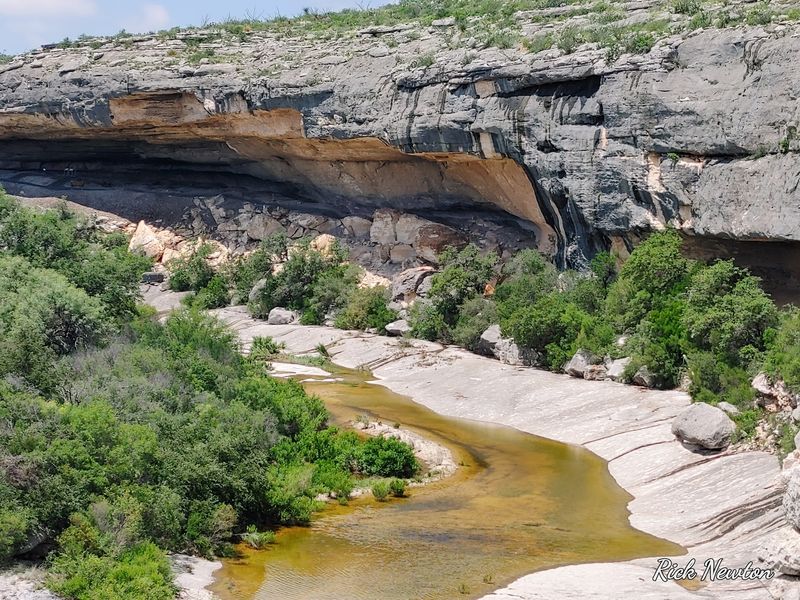
Ancient rock art covers the canyon walls here, some of it dating back more than 4,000 years. The pictographs display vivid reds, blacks, and yellows that have somehow survived millennia of weather and time. Guided tours take you down into the canyon where shamanic figures and mysterious symbols tell stories from cultures long vanished.
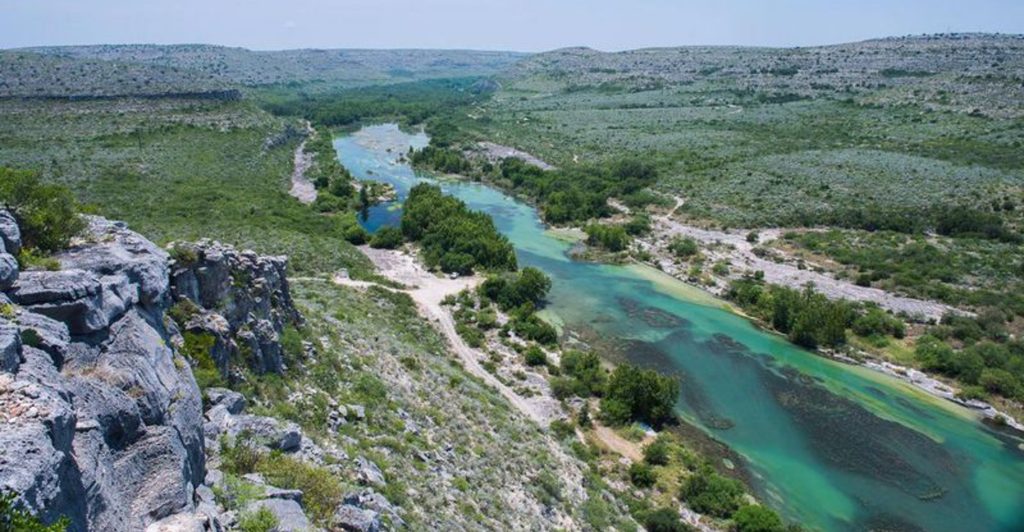
The landscape itself feels almost otherworldly. Rugged limestone cliffs rise above the Pecos River, creating dramatic views that shift with the light throughout the day. Hiking trails wind through desert vegetation where you might spot roadrunners, javelinas, or even the occasional mountain lion track.
Most visitors never make it out here because it sits in one of the most remote corners of West Texas. The nearest town of any size is over an hour away, which means you’ll likely have the trails mostly to yourself. Early morning visits offer the best light for photography and cooler temperatures for exploring.
The park’s museum provides helpful context before you head out on the trails. Rangers share fascinating details about the people who created these ancient artworks and how they survived in such harsh conditions. You’ll leave with a deeper appreciation for the ingenuity of early inhabitants.
Camping facilities are available for those wanting to extend their stay. The night sky here rivals any planetarium, with zero light pollution and countless stars visible on clear evenings. Spring and fall offer the most comfortable weather, though winter can be surprisingly pleasant for desert hiking.
2. Krause Springs (Spicewood)
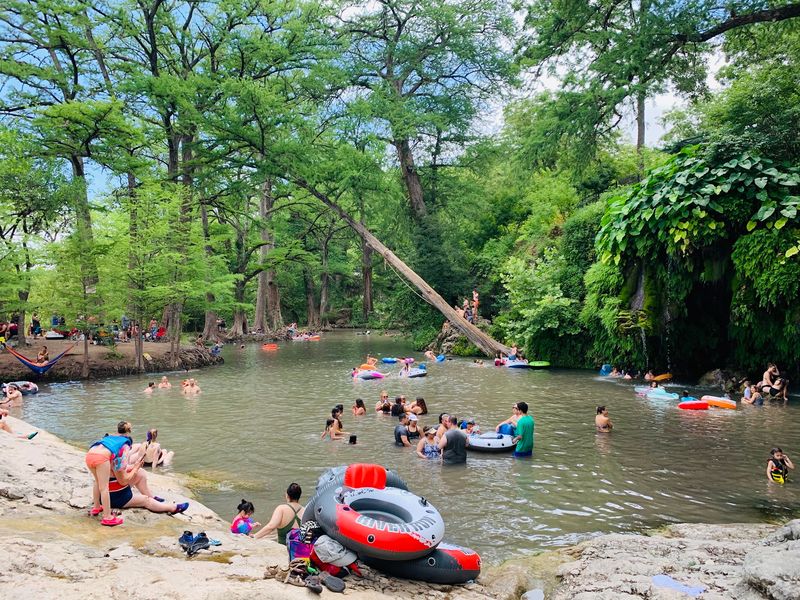
Thirty-two springs bubble up from the limestone here, feeding pools that stay a refreshing 68 degrees year-round. The main swimming area features a manmade pool with a natural stone waterfall that kids absolutely love. Beyond that, a more secluded natural pool sits nestled among cypress trees and ferns, perfect for those seeking a quieter experience.
The property has been family-owned since the 1950s, and that personal touch shows everywhere. Hand-built stone steps lead down to the water, and camping spots are tucked among oak trees with just enough space between them. There’s no corporate polish here, just genuine Texas hospitality and a commitment to preserving natural beauty.
Unlike some Hill Country swimming holes that turn into parking lot nightmares on summer weekends, this spot maintains a daily visitor cap. Once they hit capacity, the gates close until someone leaves. That policy keeps the experience pleasant even during peak season, though arriving early on Saturdays is still smart.
Butterflies flit through the gardens that the family has cultivated over decades. Peacocks roam the grounds, occasionally startling first-time visitors with their distinctive calls. The combination of wild and cultivated creates an atmosphere that feels both exotic and comfortably Texan.
Day passes run quite reasonable, and primitive camping costs just a bit more. The gardens include both sun and shade areas, so you can adjust your spot as the day heats up. Bring water shoes since the natural pool bottoms can be rocky, and pack a picnic because the nearest restaurants are several miles away.
3. Monahans Sandhills State Park (Monahans)
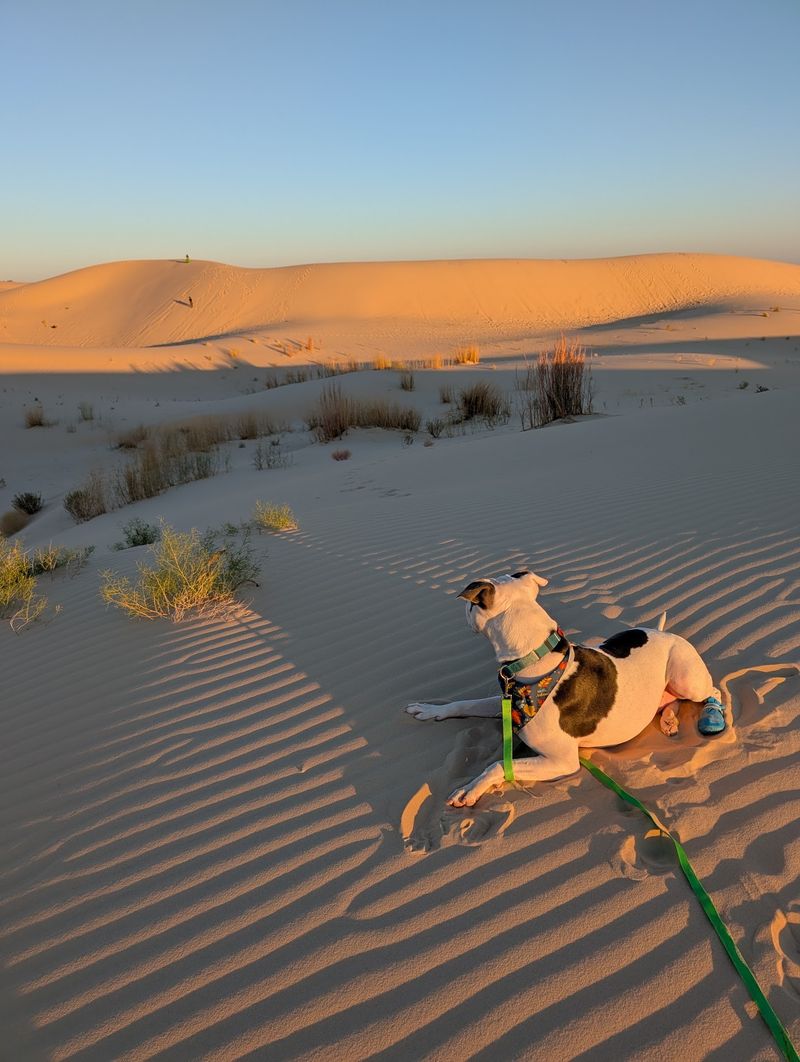
Sand dunes rise up to 70 feet high here, creating an environment that feels more like the Sahara than West Texas. The sand is incredibly fine and shifts constantly with the wind, forming ever-changing patterns and ridges. On windy days, you can actually watch the dunes slowly migrate across the landscape.
The park rents sand discs for a few bucks, and sledding down these dunes is ridiculously fun regardless of your age. Kids spend hours climbing and sliding, while adults quickly remember what it felt like to play without overthinking everything. The sand is so soft that falls don’t hurt, making it perfect for trying tricks you’d never attempt on snow.
Despite sitting right off Interstate 20, most travelers blow past without stopping. Those who do pull off discover nearly 4,000 acres of pristine duneland with surprisingly few footprints. The isolation can feel intense, especially if you hike out to the more remote dunes where civilization disappears from view.
Hardy shin oak trees somehow survive in this harsh environment, their roots reaching down 90 feet to find water. These ancient plants provide the only shade for miles and support a unique ecosystem of insects, lizards, and birds. Rangers lead interpretive programs explaining how life persists in such extreme conditions.
Sunsets here are absolutely spectacular, with the low angle light creating dramatic shadows and highlighting every ripple in the sand. The park stays open year-round, though summer afternoons can be brutally hot. Spring and fall offer ideal conditions, with comfortable temperatures and usually calmer winds for photography.
4. South Llano River State Park (Junction)
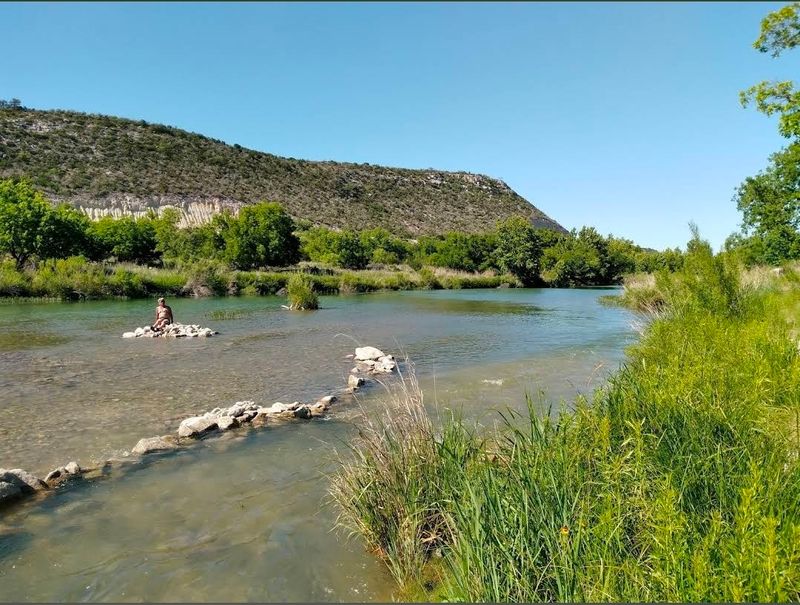
Crystal-clear water flows over limestone and gravel, creating pools perfect for wading and tubing. The river here runs shallow enough that kids can safely splash around while parents relax on the banks. Massive pecan trees provide shade along the water, and their nuts carpet the ground each fall.
Bird watchers flock here for one specific reason: this park hosts one of the largest colonies of Rio Grande wild turkeys in Texas. Over 500 birds roost in the trees, and watching them fly in at dusk is genuinely impressive. The park also attracts rare species like the black-capped vireo, making it a serious destination for serious birders.
Hiking trails wind through different ecosystems, from riverside woodland to upland juniper savanna. The terrain is gentle enough for families but interesting enough to hold your attention. Spring wildflowers transform the hillsides into colorful displays that rival the more famous Bluebonnet trails.
Kayaking and canoeing work well here during most of the year, though water levels vary seasonally. The current is gentle, making it suitable for beginners and those just wanting a relaxing float. Several access points allow for trips of varying lengths, from quick paddles to half-day adventures.
The campground offers both primitive and developed sites, with some right along the river. Screen shelters provide a middle ground between tent camping and cabins, keeping bugs out while maintaining that outdoor feel. Nights get surprisingly cool even in summer, and the sound of the river helps everyone sleep better.
5. Devil’s Sinkhole State Natural Area (Rocksprings)
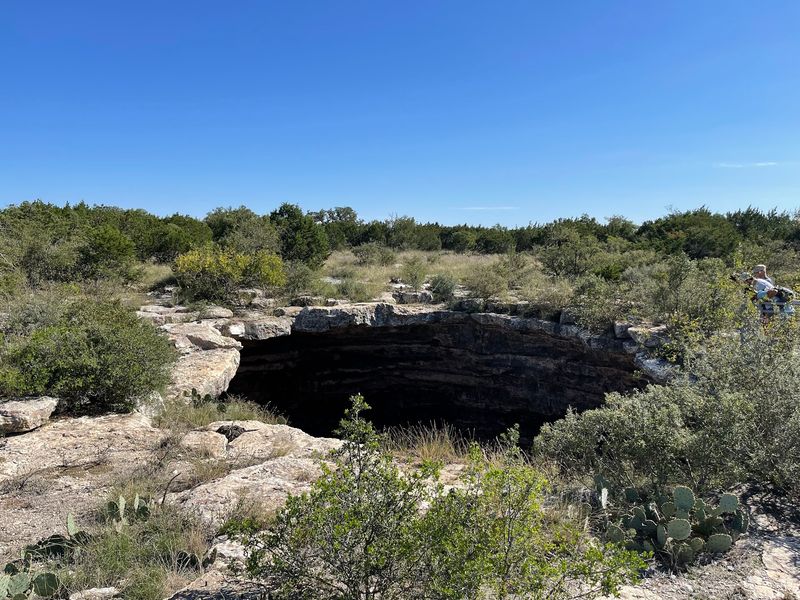
A massive vertical cavern drops 140 feet straight down into the earth, its opening roughly the size of a football field. The sinkhole formed when an underground chamber collapsed thousands of years ago, creating one of the most dramatic geological features in Texas. Peering over the edge triggers an immediate respect for the power of erosion and time.
Between March and October, millions of Mexican free-tailed bats emerge from the depths each evening. The spectacle rivals the famous bat flight at Carlsbad Caverns, yet far fewer people know about it. Watching the spiral of bats rise from the sinkhole and disperse across the Hill Country sky ranks among nature’s great shows.
Access requires a reservation and guided tour since the area is carefully protected. Rangers limit visitor numbers to preserve the delicate ecosystem and ensure safety around the unfenced opening. Tours run in the late afternoon, timed to coincide with the bat emergence during summer months.
The surrounding landscape features classic Hill Country terrain with limestone outcrops and juniper-oak woodland. Short trails allow exploration of the area around the sinkhole, revealing smaller caves and interesting rock formations. Wildflowers bloom prolifically in spring, attracting butterflies and other pollinators.
The remoteness of this location keeps crowds minimal even during peak season. Cell service is nonexistent, and the nearest gas station sits about 20 miles away. That isolation contributes to the experience, allowing you to focus entirely on the natural wonder before you.
Bring water, sun protection, and a camera with good low-light capabilities for capturing the bats.
6. Caddo Lake State Park (Karnack)
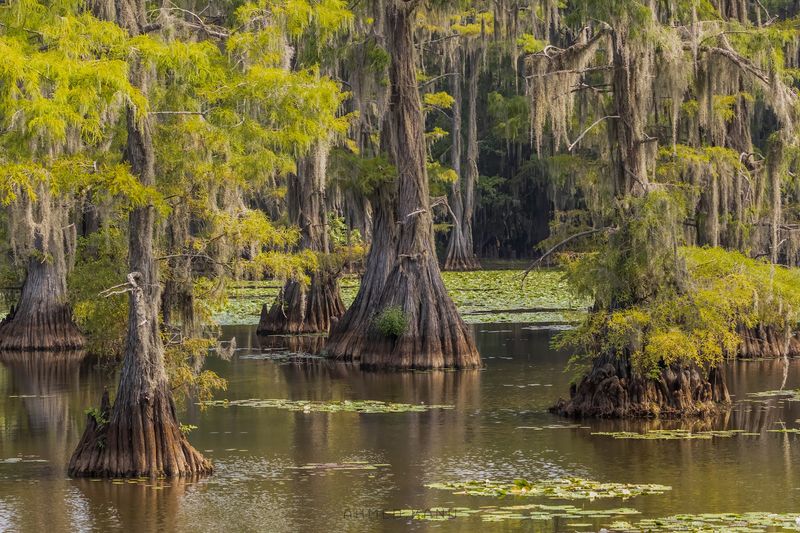
Spanish moss drapes from ancient bald cypress trees, creating an atmosphere more Louisiana than Texas. The lake itself is actually a natural wonder formed by a massive logjam on the Red River centuries ago. Paddling through the maze of channels and sloughs feels like entering another world entirely.
Alligators live here, which surprises many Texans who don’t realize gators range this far west. They’re generally shy and avoid people, but their presence adds an element of wildness that most Texas parks lack. Early morning paddlers often spot them sunning on logs or gliding silently through the dark water.
The cypress trees are the real stars, some estimated at over 400 years old. Their knobby knees rise from the water like natural sculptures, and their root systems create intricate patterns beneath the surface. Fall transforms the foliage to brilliant orange and red, making autumn the most photogenic season.
Fishing is excellent for those who know how to navigate the labyrinth of channels. Largemouth bass, catfish, and crappie thrive in these waters. Local guides offer tours for those unfamiliar with the lake’s confusing layout, which can be genuinely disorienting without a GPS or good map.
The park offers cabins, campsites, and canoe rentals for those without their own boats. Screened shelters provide bug protection during summer when mosquitoes can be intense. Wildlife viewing extends beyond alligators to include herons, egrets, wood ducks, and occasionally river otters.
The lake spans the Texas-Louisiana border, giving it a unique cultural and ecological character that sets it apart from anywhere else in the state.
7. Hamilton Pool Preserve (Dripping Springs)
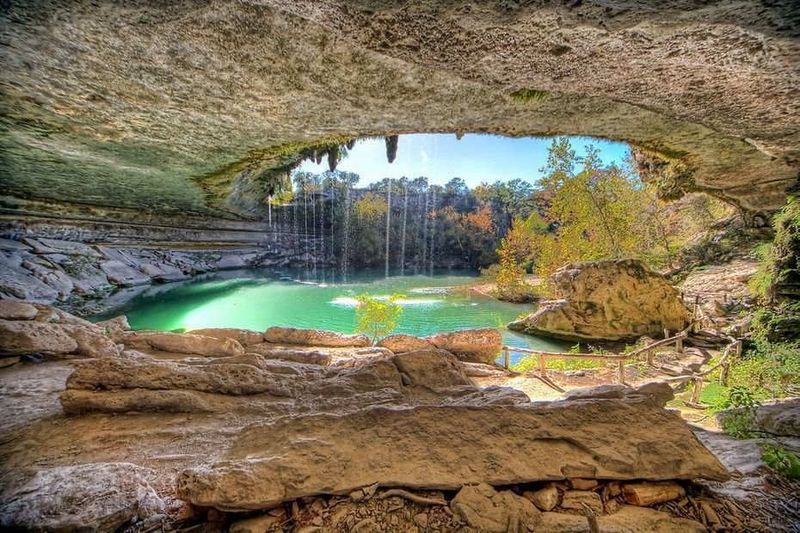
A 50-foot waterfall spills over a limestone overhang into a jade-green pool surrounded by ferns and dripping moss. The grotto formed when an underground river dome collapsed thousands of years ago, creating one of the most photographed natural features in Texas. Stalactites still cling to the overhang, and the acoustics inside create an almost cathedral-like atmosphere.
Swimming is allowed when bacteria levels pass testing, though the pool is often closed during summer due to high usage. Even when swimming is prohibited, the hike to view the falls is absolutely worthwhile. The trail descends through a canyon where you can observe the geological layers that tell millions of years of history.
Reservations are required year-round, and they book up weeks in advance during peak season. The preserve limits daily visitors to protect the fragile ecosystem, which has suffered from overuse in the past. This system means you’ll never encounter the crushing crowds that plague some Hill Country swimming holes.
The preserve is part of a larger greenbelt that includes additional hiking trails and creek access. Exploring beyond the main pool reveals other smaller cascades and interesting rock formations. Native plants line the trails, and interpretive signs explain the unique ecology of the area.
Photography enthusiasts should arrive early when soft light filters through the grotto opening. The changing seasons create different moods, from lush green summers to golden autumn foliage. Winter visits offer solitude and often better views since the trees lose their leaves.
Wear sturdy shoes with good traction since the trail includes rocky, uneven sections and can be slippery near the water.
8. Caprock Canyons State Park & Trailway (Quitaque)
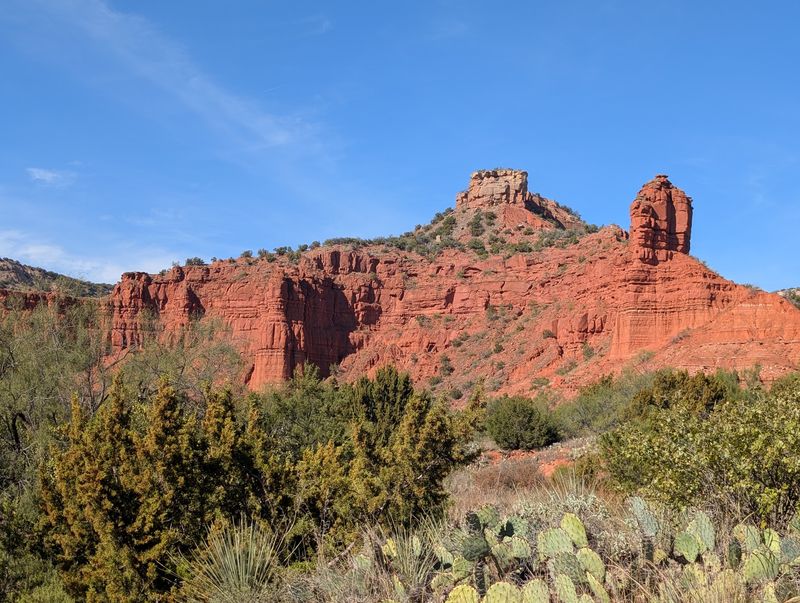
Red rock cliffs rise dramatically from the prairie, creating a landscape that looks like it belongs in Utah or Arizona. The park sits at the edge of the Caprock Escarpment, where the flat High Plains suddenly drop away into colorful canyons carved by the Little Red River. Erosion has sculpted the rock into fascinating formations, including balanced rocks and natural bridges.
A herd of official Texas State Bison roams freely through the park, descendants of the southern plains bison that once numbered in the millions. Spotting these massive animals grazing in the canyons creates a powerful connection to the region’s history. They’re wild animals and should be given plenty of space, but watching them from a safe distance is unforgettable.
The park also features the Caprock Canyons Trailway, a 64-mile rail-to-trail conversion perfect for mountain biking and horseback riding. The former railway bed provides relatively gentle grades through stunning scenery. Two historic railway tunnels add interest to the ride, and several trailheads allow for shorter out-and-back trips.
Hiking trails range from easy nature walks to challenging backcountry routes. The Upper Canyon Trail offers spectacular views with moderate effort, while the more remote trails lead to hidden waterfalls and secluded camping spots. Spring wildflowers carpet the canyon floors, and fall brings migrating hawks and eagles.
The park’s remoteness in the Texas Panhandle means it sees a fraction of the visitors that Hill Country parks attract. Camping facilities include everything from primitive sites to cabins, and the night skies are phenomenal. The nearest town is tiny Quitaque, where a local café serves as the social hub and offers surprisingly good home cooking.
9. Colorado Bend State Park (Bend)
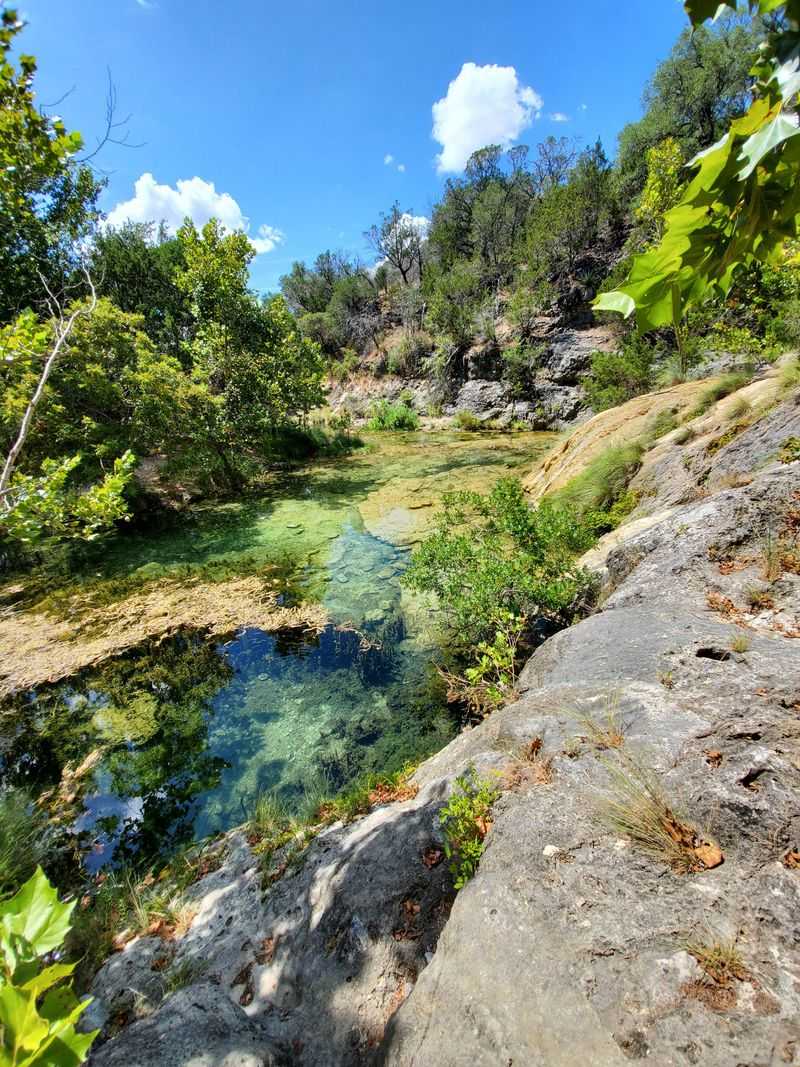
Gorman Falls drops 60 feet over travertine formations that look more like something from a tropical rainforest than Central Texas. The falls flow over layers of moss, ferns, and mineral deposits that have built up over thousands of years. The result is a living, growing cascade that changes slightly with each passing season.
Reaching the falls requires a moderately strenuous three-mile round-trip hike. The trail crosses the Colorado River (usually ankle to knee-deep) and climbs through rocky terrain. That barrier keeps casual tourists away, meaning those who make the effort often have the falls largely to themselves.
The park encompasses over 5,300 acres of rugged Hill Country terrain along the Colorado River. Numerous caves dot the landscape, including Gorman Cave which requires a separate guided tour and advance reservation. Wild Cave Tours take experienced cavers into undeveloped sections where you’ll crawl through tight passages and see formations most people never experience.
Fishing, swimming, and kayaking opportunities abound along the river. The water runs clear over limestone bedrock, creating beautiful pools and small rapids. Spring-fed Spicewood Springs Creek adds even more swimming options, though water levels vary seasonally.
Primitive camping is the only option here, which further filters visitors to those genuinely seeking a backcountry experience. Sites are scattered throughout the park, some right along the river. The lack of development means incredible stargazing and true quiet.
Wildlife sightings are common, including white-tailed deer, armadillos, and various bird species. The park’s relative obscurity compared to nearby destinations means you can still find solitude even on nice weekends.
10. Devils River State Natural Area (Del Rio)
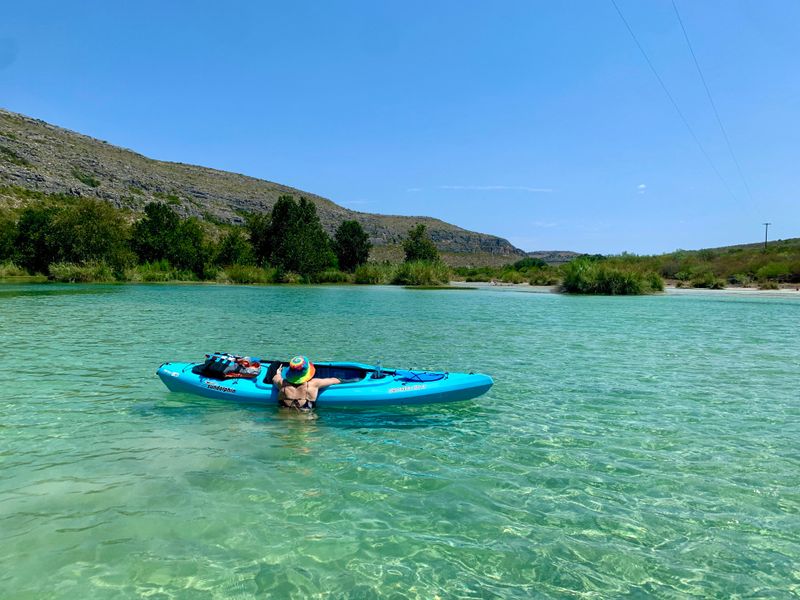
The Devils River flows crystal-clear through remote canyons, its water so pure it’s used as a baseline for water quality testing throughout Texas. The river remains one of the cleanest in the entire state because its watershed is largely undeveloped and protected. Swimming in these waters feels like discovering a secret that the rest of the world has somehow missed.
Access requires a reservation and a long drive on ranch roads that can be rough. The remoteness is exactly the point, preserving an experience that feels genuinely wild and untouched. Cell service disappears miles before you arrive, and the nearest services are in Del Rio, over an hour away.
Paddling the river takes you through stunning limestone canyons where ancient pictographs mark the walls. These rock art sites date back thousands of years and depict shamanic figures, animals, and geometric patterns. The combination of pristine water, dramatic geology, and cultural history makes every bend in the river interesting.
Fishing attracts serious anglers targeting Guadalupe bass, sunfish, and catfish in conditions that haven’t changed much in centuries. The lack of boat motors and development means fish populations remain healthy and relatively naive. Fly fishing works particularly well in the clear water where you can often see your target.
Camping is primitive, with no facilities beyond vault toilets. Visitors must be completely self-sufficient, bringing all water, food, and supplies. The trade-off is an experience of true wilderness increasingly rare in Texas.
Spring and fall offer the best weather, while summer can be scorching. The night sky here rivals anywhere in the state, with the Milky Way clearly visible on moonless nights.
Share this story