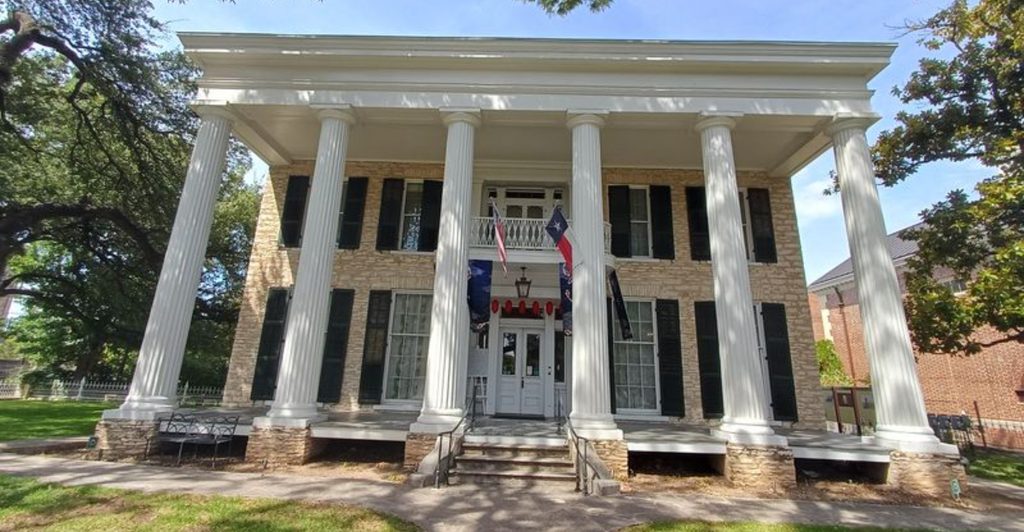
On San Gabriel Street in West Campus, a Greek Revival mansion has been preserving a remarkable piece of Austin history since 1855. The Neill-Cochran House Museum isn’t just another old building with a plaque out front. Walking through its doors feels like stepping through a time portal, where every piece of furniture, every doorway, and even the slave quarters out back tell stories about Texas when it was still finding its identity.
This place survived the Civil War, Reconstruction, and more than a century of change while keeping its 1890s character perfectly intact.
1. Abner Cook’s Architectural Masterpiece in the Heart of Austin
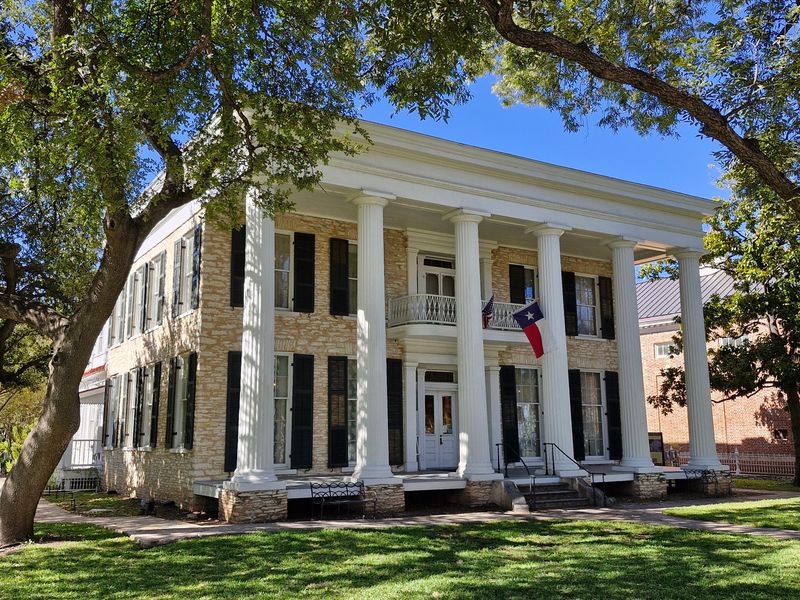
Abner Cook wasn’t messing around when he designed this place back in 1855. The man had a signature style, and you can spot it from a block away with those grand columns and the sweeping balustrade that screams antebellum elegance. Cook built some of Austin’s most important buildings, including the Governor’s Mansion, so this house sits in pretty impressive company.
What makes this structure really special is how it represents a specific moment in Texas history. When Cook designed it, Texas had only been a state for a decade. The mansion reflected the aspirations of a young capital city trying to establish itself as sophisticated and permanent.
The Greek Revival style was intentionally chosen to convey democracy, prosperity, and cultural refinement.
Standing on San Gabriel Street today, you can still see exactly what Cook intended. The symmetry is perfect, the proportions are classical, and the whole building just radiates that confident mid-1800s energy. The portico provides shade in the brutal Texas heat while making a bold architectural statement.
Even the materials tell a story, with locally sourced limestone and timber showing how Austinites built with what they had.
The house has survived everything Austin could throw at it over nearly 170 years. Wars, economic booms and busts, urban development creeping in from all sides, yet here it stands. That’s partly due to Cook’s solid construction and partly due to people who recognized this building as something worth saving for future generations to experience and learn from.
2. Walking Through Rooms Where Time Stopped in the 1890s
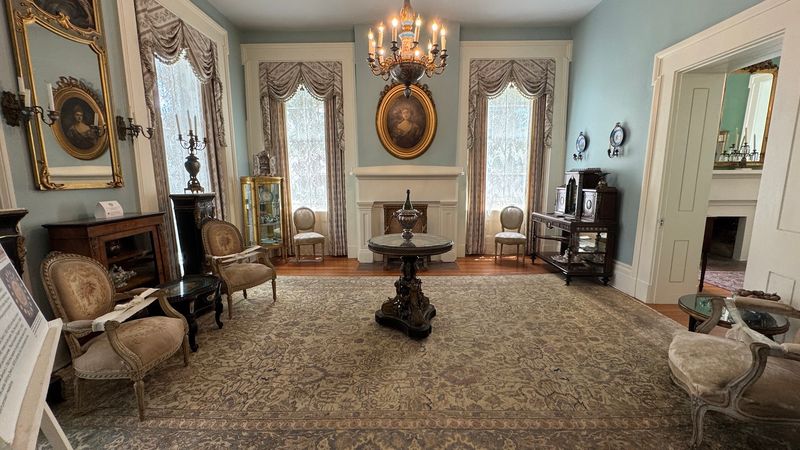
Most museums feel like museums, but the Neill-Cochran House hits different. The rooms aren’t roped off like crime scenes or stripped down to bare walls. Instead, you’re surrounded by the actual furniture, decorations, and household items that the Neill family used during the 1890s.
It’s like the family just stepped out for an afternoon walk and never came back.
The parlor showcases an original five-piece wicker furniture set from 1880, though only three pieces survived. These aren’t reproductions or similar items from the era. They’re the exact chairs and loveseat that the Neills sat on while entertaining guests, discussing politics, or reading the newspaper.
You can practically hear the rustle of Victorian dresses and smell the oil lamps.
Each room reveals something about daily life in late 19th-century Austin. The dining room displays the kind of food families ate, giving you a sense of what grocery shopping and meal preparation looked like before refrigeration. Bedrooms show how people slept, dressed, and organized their private spaces.
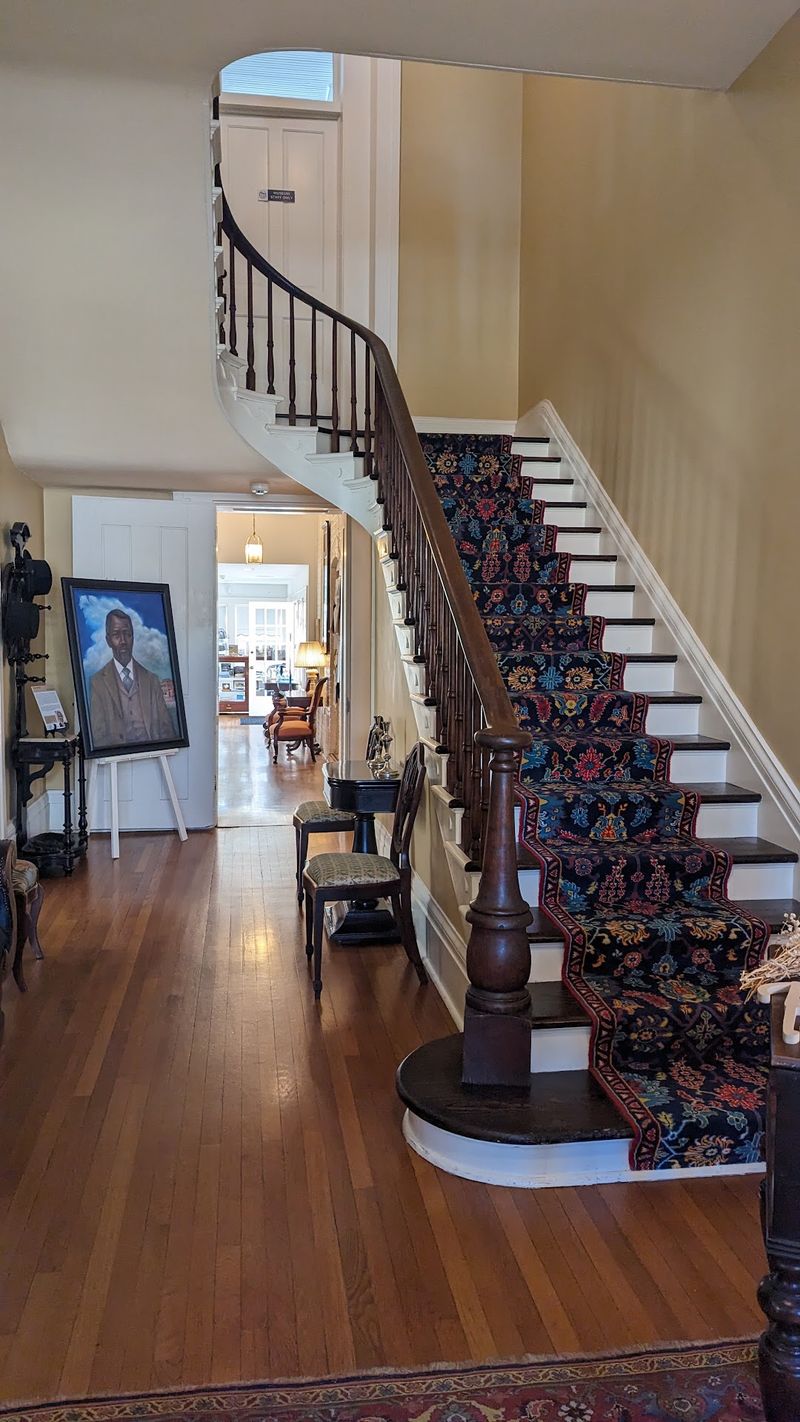
Even small details like doorknobs, window treatments, and floor coverings remain authentic to the period.
What’s remarkable is the completeness of the experience. Many historic homes cherry-pick their best decades or mix periods together. Here, the focus stays locked on the 1890s, creating an immersive snapshot of a specific moment.
You’re not just learning about history; you’re standing inside it, breathing the same air in rooms that have witnessed over a century of Austin’s transformation from frontier capital to modern city.
3. The Only Remaining Slave Quarters You Can Visit in Austin
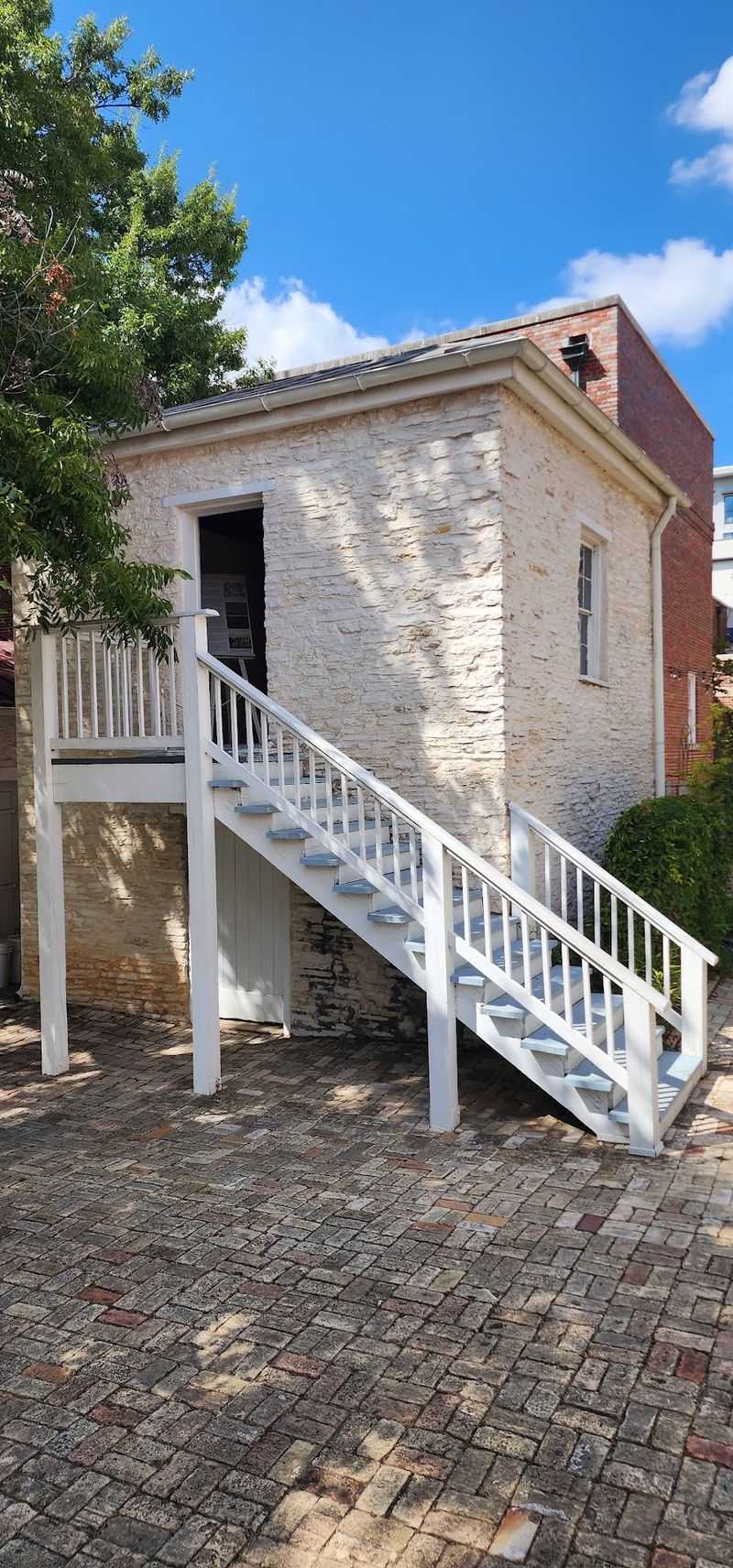
Here’s something that makes most visitors stop and think. Behind the main house stand the only surviving slave quarters within Austin city limits that you can actually enter and explore. These aren’t reconstructions or interpretive displays.
They’re the original buildings where enslaved people lived, worked, and somehow maintained their humanity under brutal circumstances.
About ten enslaved people lived in these two-story quarters, though their individual stories remain largely unknown. The building had dirt floors and far fewer comforts than the main house just yards away. What’s particularly striking is how the exterior matches the main house’s appearance, an architectural choice common in urban settings but still jarring when you consider the radically different living conditions inside.
The museum recently completed restoration work on these quarters, and they’re treating the project with the seriousness it deserves. This isn’t about sanitizing history or making visitors comfortable. The interpretation focuses on the lived experience of enslaved people in Austin, a reality that’s easy to forget when you’re surrounded by the city’s tech campuses and trendy restaurants.
During Juneteenth celebrations, the museum hosts special programming that centers these stories. Historical interpreters share research about the people who lived here, their labor, their resistance, and their eventual freedom. It’s heartbreaking and essential history that too often gets glossed over.
Standing in these quarters connects you to Austin’s complicated past in a way that textbooks never could, reminding us that slavery wasn’t just a Southern plantation phenomenon but existed right here in the capital city.
4. Self-Guided Audio Tours That Let You Explore at Your Own Pace
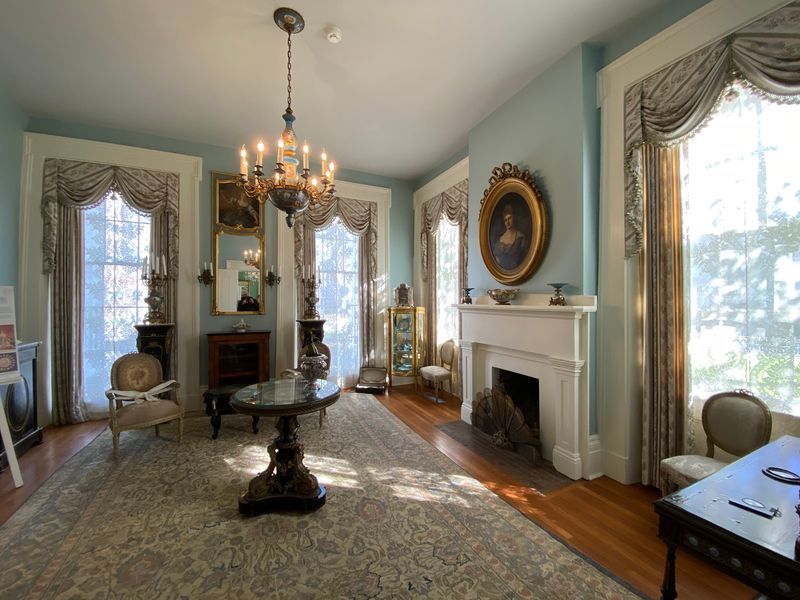
Forget about being herded through rooms on a strict schedule with a guide watching your every move. The Neill-Cochran House offers a self-guided audio tour that you access through your phone, giving you the freedom to linger in rooms that interest you and breeze through others. It’s included in your admission price, which is already pretty reasonable.
The audio content is genuinely informative without being boring or overly academic. You’ll hear about the families who lived here, the architectural details that make the house special, and the historical context that helps everything make sense. The narration strikes a good balance between educational and engaging, perfect for both history buffs and casual visitors just looking for something interesting to do on a Sunday afternoon.
One of the best parts about self-guided touring is that you can take your time with things that catch your attention. Want to spend ten minutes examining the wicker furniture or studying the details of a particular painting? Go for it.
Ready to move on after a quick glance? That’s fine too. There’s no awkward pressure to keep up with a group or pretend to be fascinated by something that doesn’t grab you.
The museum isn’t usually crowded, so you often have rooms to yourself. Several visitors mentioned being the only people there, especially on weekday visits. That solitude enhances the time-travel feeling, letting you imagine what life was like here without dozens of other tourists breaking the spell.
Free parking in back sweetens the deal, which anyone who’s tried to park near UT campus will appreciate immensely.
5. Annual Juneteenth Celebrations Honoring Freedom and Culture
Every Juneteenth, the Neill-Cochran House transforms into a powerful space for remembering, celebrating, and educating. The museum opens its doors for free during this important commemoration, welcoming the community to honor the end of slavery in Texas. It’s not just a token gesture; the programming is thoughtful, meaningful, and deeply connected to the site’s history.
Past celebrations have included gospel choirs, exhibits about Black rodeo culture, and interpretive tours of the slave quarters led by historians who helped research the lives of the people who lived there. The Toni Morrison Society even held a ribbon-cutting ceremony here for their Bench by the Road project, which marks significant sites in African American history.
What makes these events special is the museum’s commitment to honest, unflinching history. The tours don’t shy away from difficult truths about enslavement in Austin. Historical interpreters share research findings about the people who were held in bondage on this property, giving voice to stories that have been silenced for too long.
It’s educational in the best sense, challenging visitors to confront uncomfortable realities while also celebrating resilience and freedom.
The atmosphere during Juneteenth events is both solemn and joyful, reflective and celebratory. Families bring kids to learn about this crucial part of Texas history. Community members gather to honor ancestors and affirm their commitment to justice.
First-time visitors discover a side of Austin’s past they never knew existed. The combination of place, programming, and community creates something truly meaningful that stays with you long after you leave.
6. Rotating Art Exhibits and Cultural Events Throughout the Year
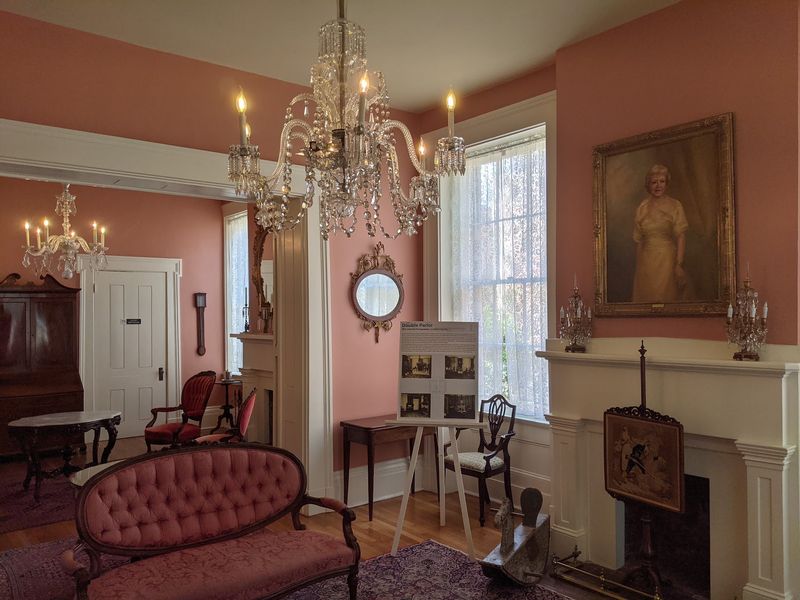
The Neill-Cochran House isn’t stuck in the past, despite preserving it so carefully. Throughout the year, the museum hosts rotating art exhibits that showcase local artists and bring fresh energy to the historic spaces. The spring art show has become a regular highlight, drawing both art lovers and curious visitors who might not otherwise step inside a historic house museum.
These exhibits create an interesting dialogue between past and present. Contemporary artwork hanging in rooms filled with Victorian furniture produces unexpected contrasts and connections. You might see modern quilts displayed near antique furnishings, or Japanese block printing demonstrations happening in a Greek Revival mansion.
It’s a reminder that culture is living and evolving, not just something preserved behind glass.
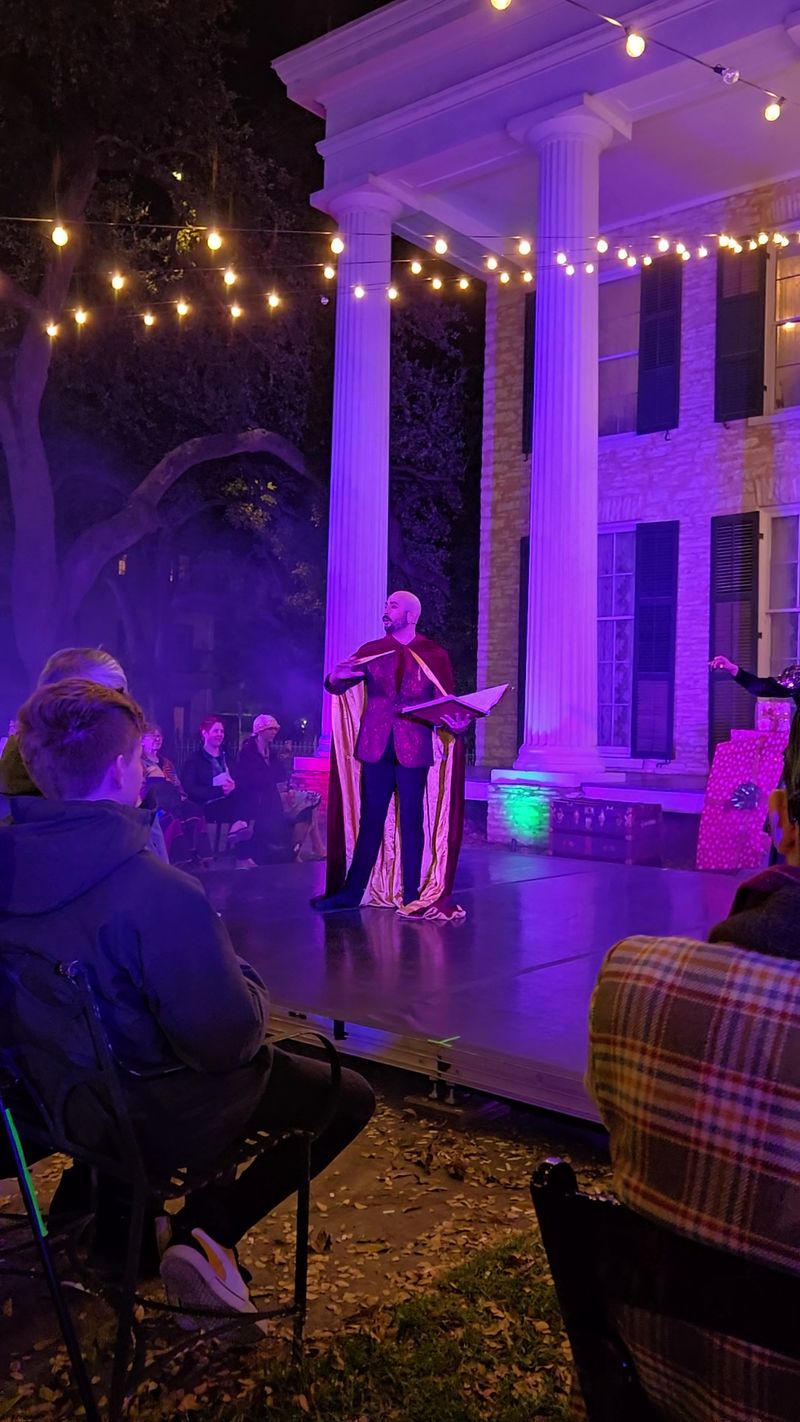
The museum also hosts special events like Beerthoven, where live music fills the house during the holidays. Imagine sipping a drink while listening to fresh, jazzy Christmas music in a mansion that predates the Civil War. The Tinsel Singers perform, ballet companies use the space, and storytelling events happen on the lawn.
These programs make the museum feel vibrant and relevant rather than dusty and forgotten.
Family activities pop up regularly too, with hands-on experiences like ice cream making using historical methods. Kids get to learn history by doing rather than just looking, which makes the experience stick. The museum understands that engaging with history doesn’t have to mean standing quietly and reading plaques.
Sometimes it means getting your hands dirty, making something, or experiencing art in an unexpected setting that makes you see both the past and present in new ways.
7. Knowledgeable Staff Who Bring History to Life with Passion
A historic house is just old walls and furniture without people who care about bringing the stories to life. The Neill-Cochran House has that covered in spades. Visitors consistently rave about the staff and volunteers who clearly love what they do and know their stuff inside and out.
The front desk person isn’t just collecting admission fees and handing out maps. They’re passionate about the museum’s mission and happy to answer questions or point out things you might miss. The facilities manager Gene has become something of a resident expert, appearing in visitor photos and apparently being a wealth of knowledge about the property.
When staff members genuinely care about a place, that enthusiasm is contagious.
Tour guides and historical interpreters don’t just recite memorized facts. They make the experience engaging, answering questions thoughtfully and connecting historical details to bigger stories about Austin, Texas, and American history. One visitor specifically mentioned how the guide’s obvious love for history made the whole experience more engaging.
That’s the difference between a forgettable museum visit and one that actually sticks with you.
Even the owner responses to reviews show a personal touch that’s rare these days. When someone had a bad experience during the chaotic ballet move-in day, the owner wrote a detailed, heartfelt apology explaining what happened and offering free admission for a return visit. That level of care about visitor experience and willingness to make things right speaks volumes about how the museum operates.
These aren’t just employees punching a clock; they’re stewards of something important who want every visitor to leave with a deeper appreciation for Austin’s complex, fascinating history.
8. A Hidden Gem in West Campus Worth Your Sunday Afternoon
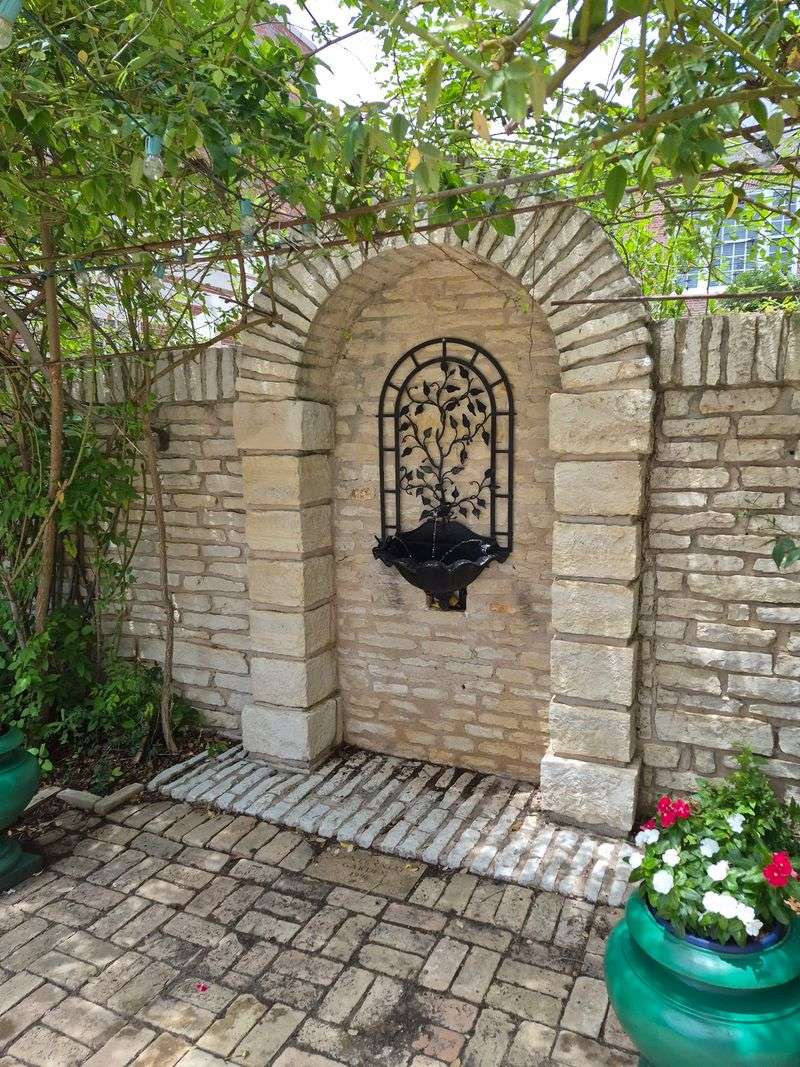
You’ve probably driven past this place a dozen times without really seeing it. Tucked into West Campus between modern apartment buildings and student housing, the Neill-Cochran House sits like a time capsule that somehow escaped urban development. It’s the kind of hidden gem that makes you feel like you’ve discovered something special, even though it’s been there all along.
The location is part of what makes it remarkable. This isn’t some rural plantation miles from anywhere. It’s right in the middle of Austin, walking distance from UT campus, surrounded by the buzz of city life.
Yet step onto the property and you’re transported to a completely different era. The contrast between the historic grounds and the surrounding modern development makes the experience even more powerful.
Admission is affordable, parking is free in back (seriously, that alone is worth celebrating in this part of town), and the museum is open Wednesday through Sunday from 11 AM to 4 PM. You can easily spend an hour or two exploring at your own pace without feeling rushed. It’s not a massive museum that requires a full day and leaves you exhausted.
It’s the perfect size for a leisurely afternoon when you want something more interesting than scrolling through your phone.
Whether you’re an architecture buff, a history nerd, or just someone looking for something different to do in Austin, this place delivers. It’s not flashy or trendy, and you won’t find it on most tourist lists. But that’s exactly what makes it special.
This is real Austin history, preserved and shared by people who genuinely care, waiting for you to discover it just a few blocks from wherever you probably are right now.
Share this story